Category: News

The Media Matrix: How Mass Media Shapes Public Opinion, Culture, and Behavior

Dave

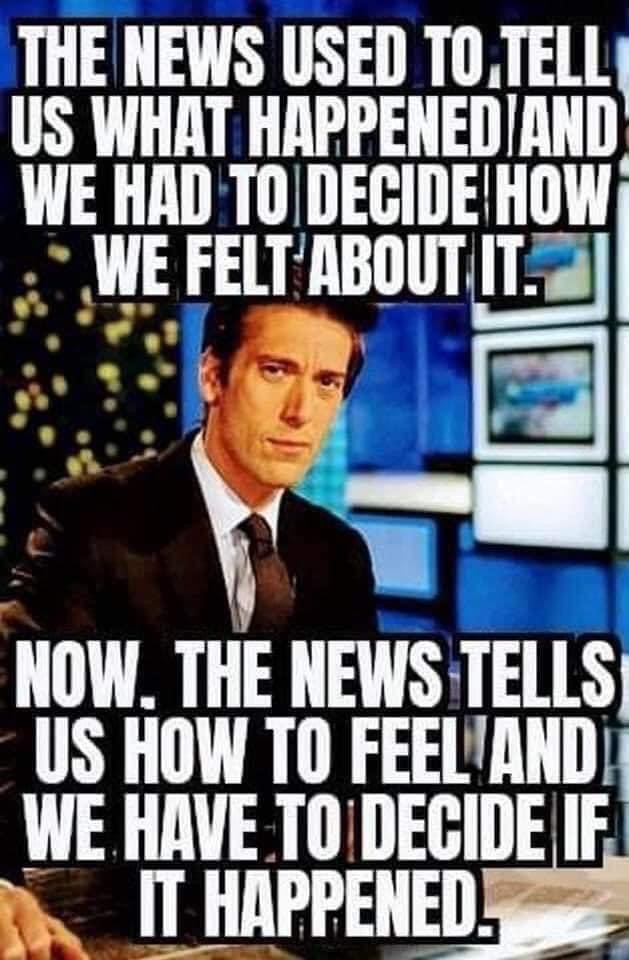
In today’s digital age, mass media wields immense power over society, shaping public opinion, culture, and behavior in ways both subtle and profound. Whether it’s through news outlets, social media platforms, or entertainment channels, the messages we receive are constantly influencing our perceptions and decisions. But what does this mean for society at large?

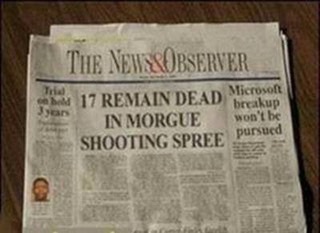
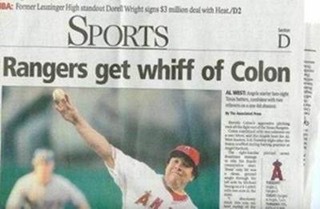
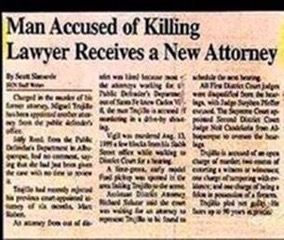
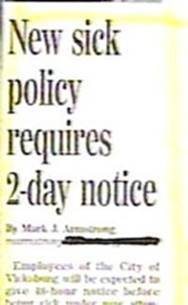
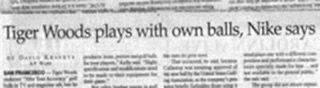
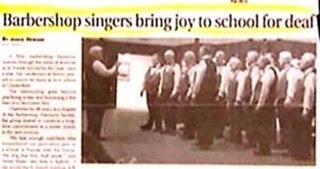
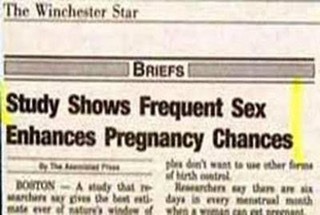
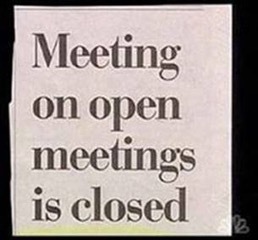
Mass media has long been a driving force in molding public opinion. From the way news stories are framed to the choice of headlines, the media can sway public perception on issues ranging from politics to social justice. The repetition of certain narratives can reinforce beliefs, while the omission of others can lead to widespread ignorance. This power to shape public opinion is a double-edged sword, with the potential to inform and educate, or to mislead and manipulate.

Beyond shaping opinions, mass media plays a crucial role in defining cultural norms and values. Through television shows, movies, and music, the media reflects and sometimes dictates societal trends. The portrayal of certain lifestyles, behaviors, and identities in the media can influence what is deemed acceptable or desirable in society. This cultural influence extends to fashion, language, and even our understanding of success and happiness.

Moreover, the behavior of individuals is increasingly being molded by the content they consume. Studies have shown that exposure to violent media can lead to desensitization and increased aggression, while positive media can inspire empathy and pro-social behavior. Social media, in particular, has created echo chambers where users are constantly exposed to content that reinforces their existing beliefs, further entrenching their views and influencing their actions.

As mass media continues to evolve with new technologies and platforms, its influence on society grows ever stronger. It’s essential to recognize the power it holds and to approach media consumption with a critical eye. By understanding how mass media shapes our world, we can better navigate its effects and make informed choices about the content we engage with.

Related Posts

Uncovering Yellow Journalism: History, Laws, and Media Ethics

Dave

Yellow journalism, also known as sensationalism, refers to the practice of using exaggerated or misleading headlines and stories in the media to attract readers and increase circulation. This type of journalism first gained popularity in the late 19th century in the United States, particularly in New York City, where competing newspapers engaged in fierce circulation wars. These papers, such as William Randolph Hearst’s New York Journal and Joseph Pulitzer’s New York World, used sensationalized stories and sensational headlines to grab readers’ attention and sell more papers.

While yellow journalism may have boosted sales, it also had a negative impact on the public’s perception of the media. Many people began to view the media as untrustworthy and unreliable, as they were often fed false or exaggerated information. In response to this growing concern, the United States government passed laws to regulate yellow journalism and protect the public from its potentially harmful effects.

One of the earliest laws passed was the Newspaper Preservation Act of 1970, which allowed competing newspapers to merge or form joint operating agreements in order to stay afloat financially. This was seen as a way to prevent newspapers from resorting to sensationalism in order to increase sales. In 1909, the National Press Club was formed to promote ethical standards in journalism and combat the sensationalist tactics of yellow journalism.

In addition to these efforts, the United States government also enacted laws to regulate the content of newspapers and prevent them from publishing false or misleading information. The Federal Communications Act of 1934 established the Federal Communications Commission (FCC), which has the power to regulate the content of radio and television broadcasts. The FCC also has the authority to revoke a station’s license if they are found to be engaging in yellow journalism.

The most significant law regarding yellow journalism, however, is the Fairness Doctrine, which was introduced in 1949. This doctrine required broadcasters to present controversial issues in a fair and balanced manner, and to provide equal time to different viewpoints. This was seen as a way to prevent the media from pushing a particular agenda or slanting their coverage in favor of a particular viewpoint.

While yellow journalism laws have helped to regulate and improve the standards of journalism in the United States, they have also been met with criticism. Some argue that these laws infringe on the freedom of the press and limit the ability of journalists to report on important issues. Others argue that these laws are necessary to protect the public from false or misleading information.

In the digital age, the rise of social media and online news platforms has made it more difficult to regulate yellow journalism. With the proliferation of fake news and clickbait headlines, it has become increasingly important for individuals to critically evaluate the information they consume and seek out reliable sources.

In conclusion, yellow journalism laws in the United States have played an important role in regulating the media and protecting the public from sensationalized and false information. While these laws have been met with both praise and criticism, they serve as a reminder of the importance of ethical and responsible journalism in a democratic society.

Related Posts

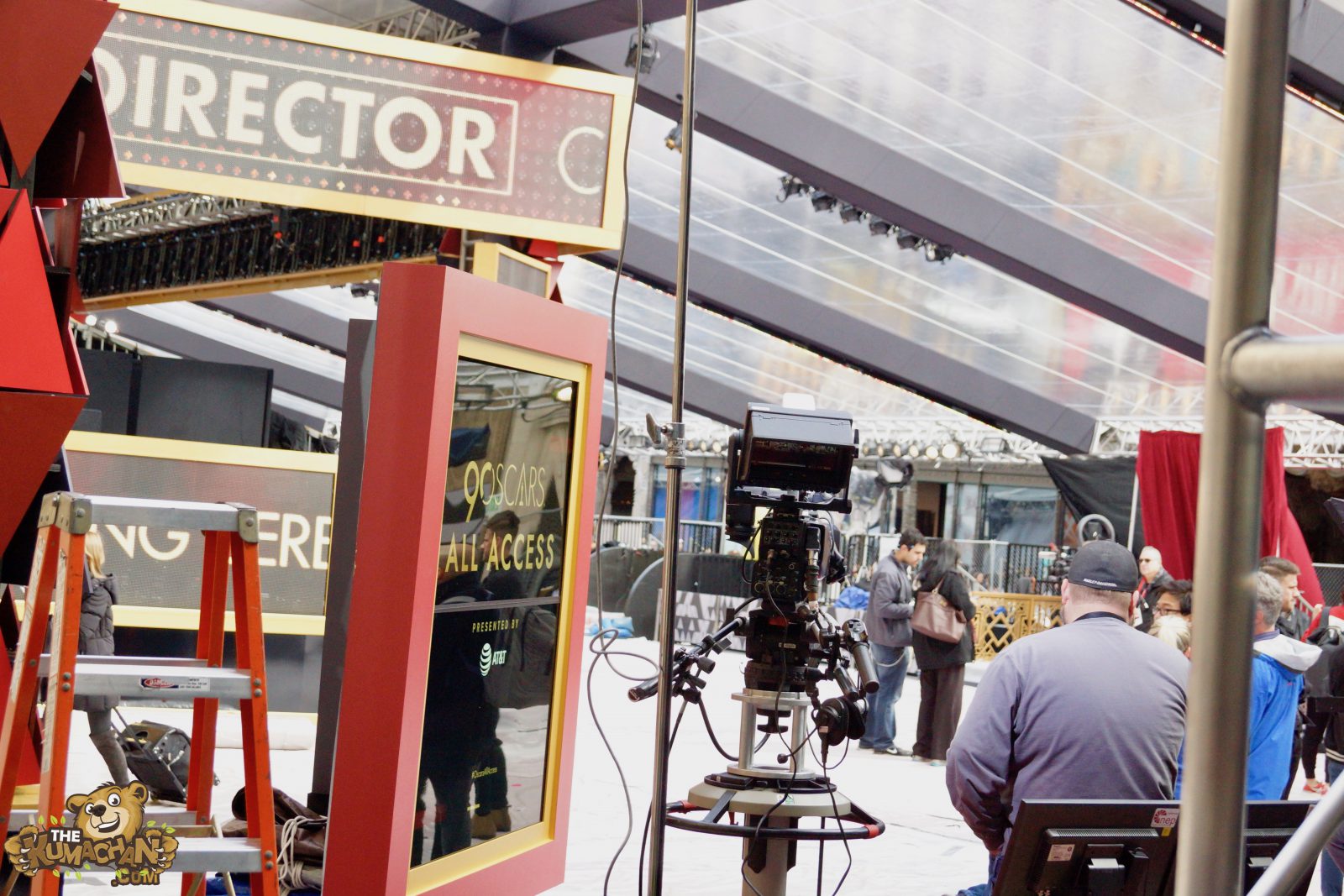
Backstage Look at the Oscars

Dave


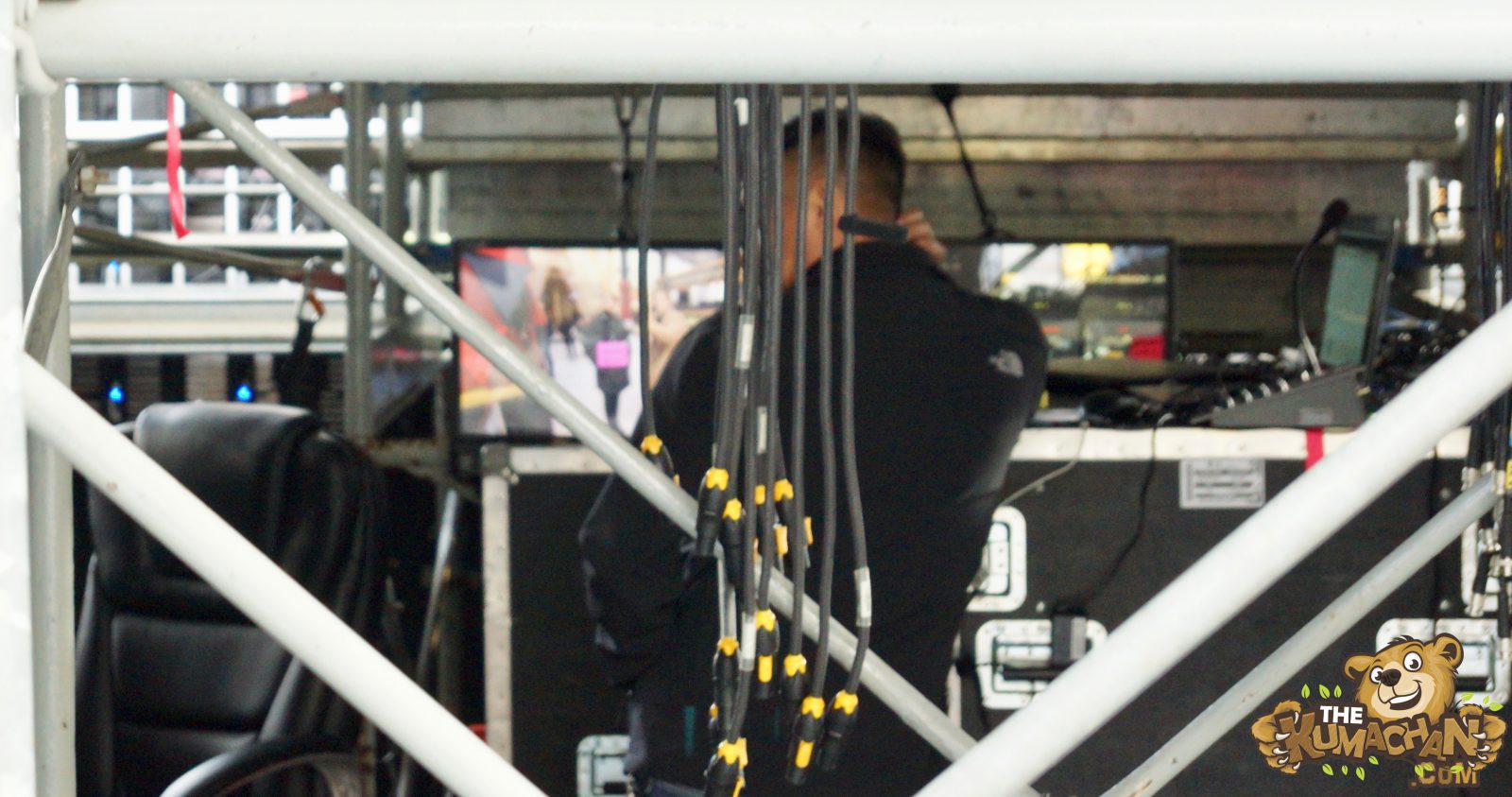
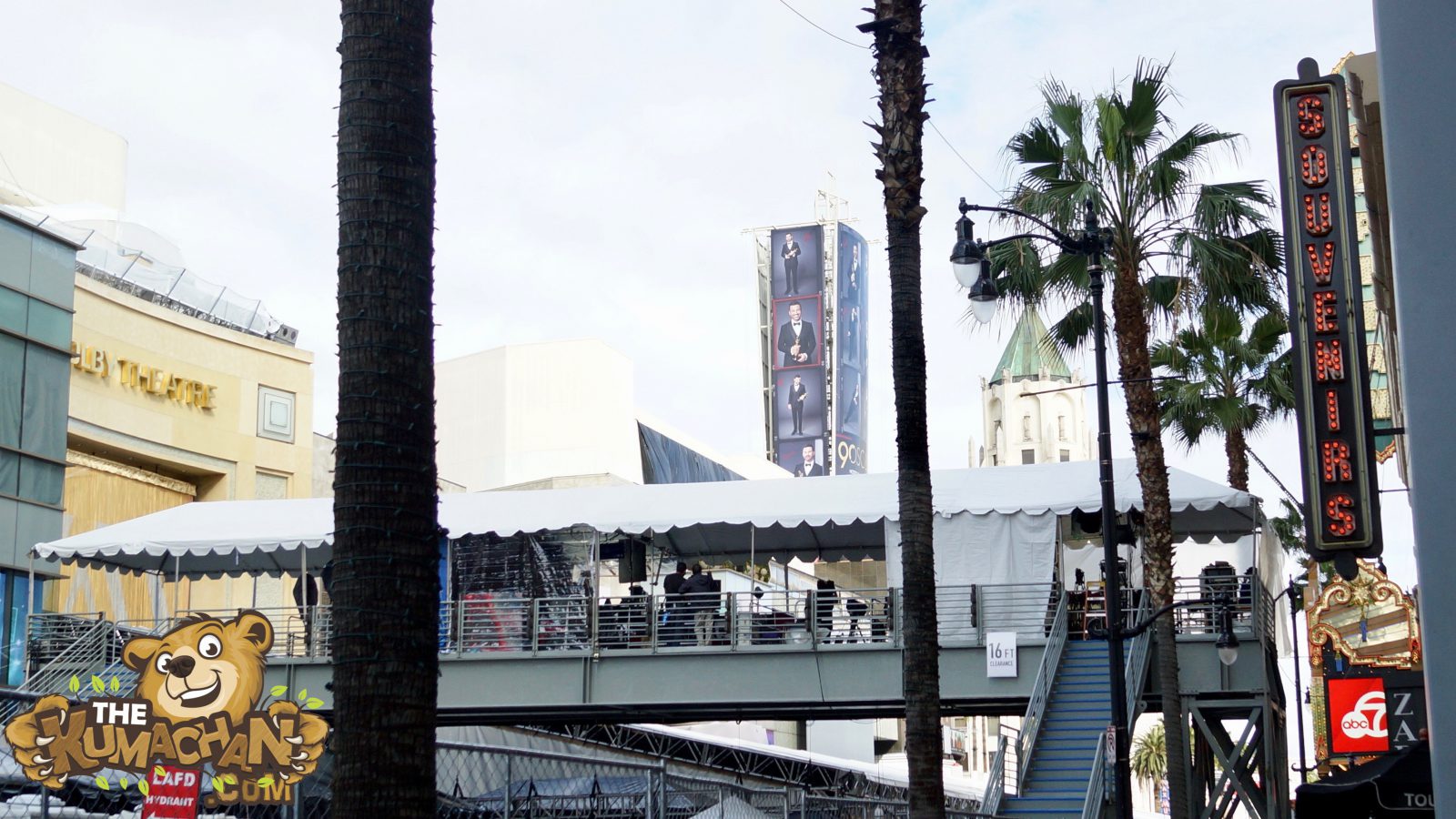
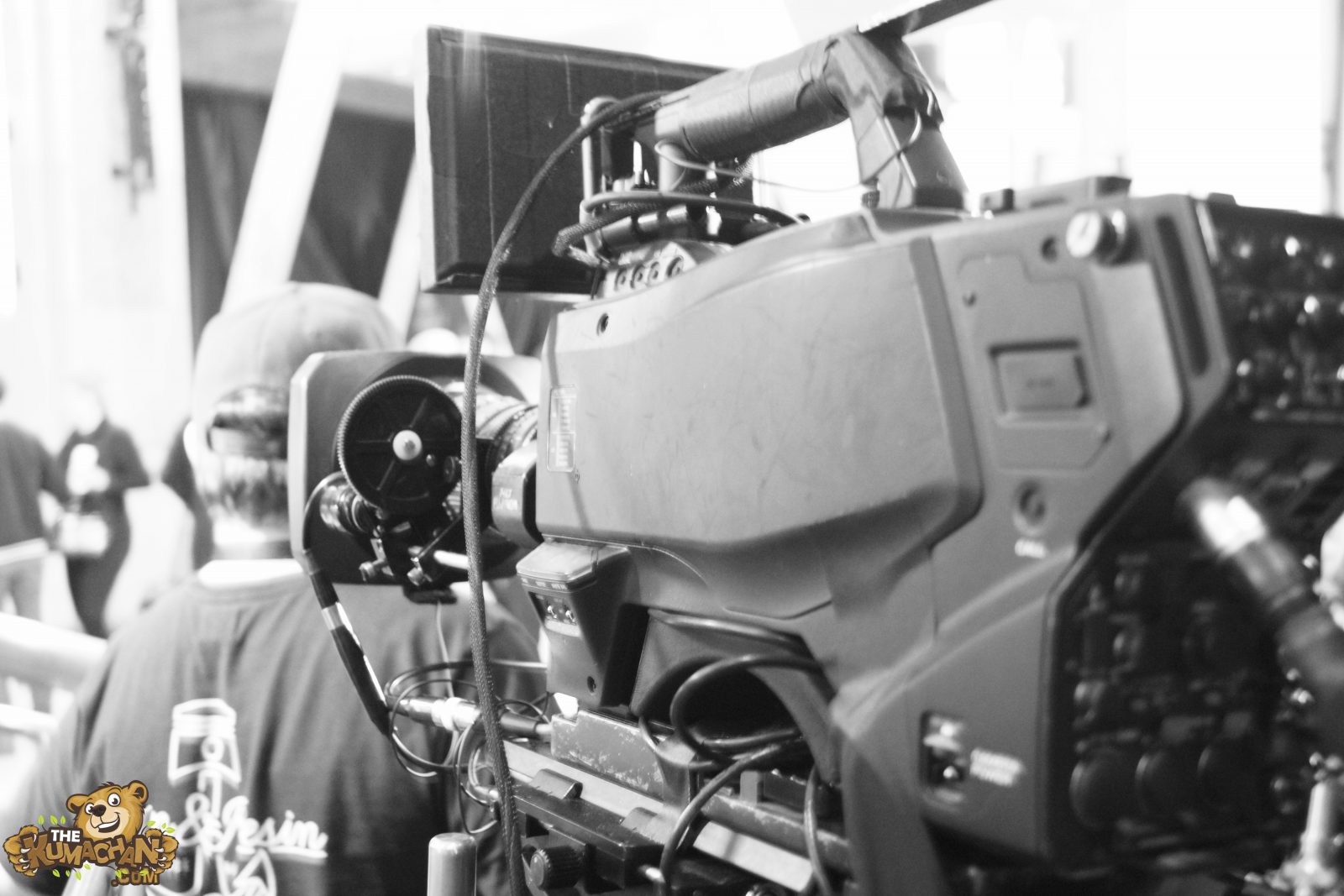
We were able to get a first hand backstage look at everything that goes into hosting the Academy Awards. It is quite remarkable to see all the people setting up the decorations, walls, lighting, sound, cameras, carpeting, and making sure that everything is in place and ready for the event to go off without a hitch. It looks like a lot of organized chaos.

Related Posts

Jury Duty

Dave


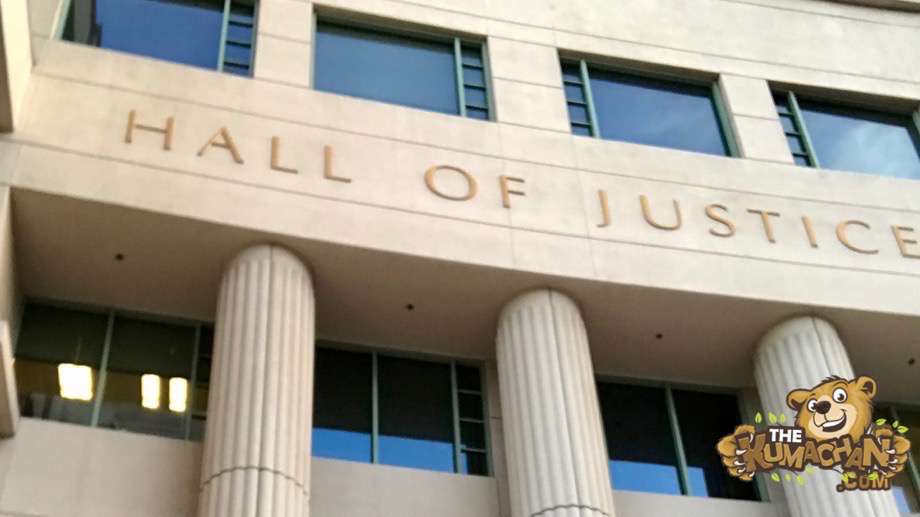
I received a summons in the mail to go to jury duty. On the day of jury duty I had to go to the Hall of Justice, which sounded really cool. Who knows what superhero you might get to meet?

As I walked in and passed the elevators it was engraved into the wall, “WITH LIBERTY AND JUSTICE FOR ALL.” That was pretty cool as everyone has the right to due process.

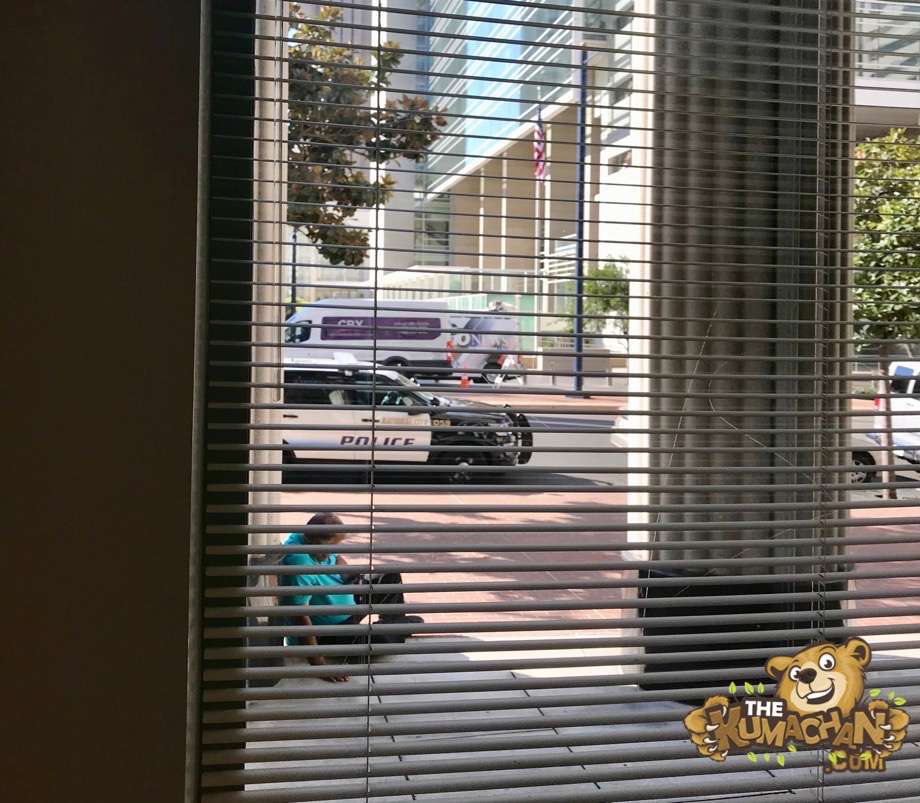
While waiting to find out which courtroom I was to report to I notice an ABC news vehicle pulling up in front of the building. There must be some kind of big case going on.

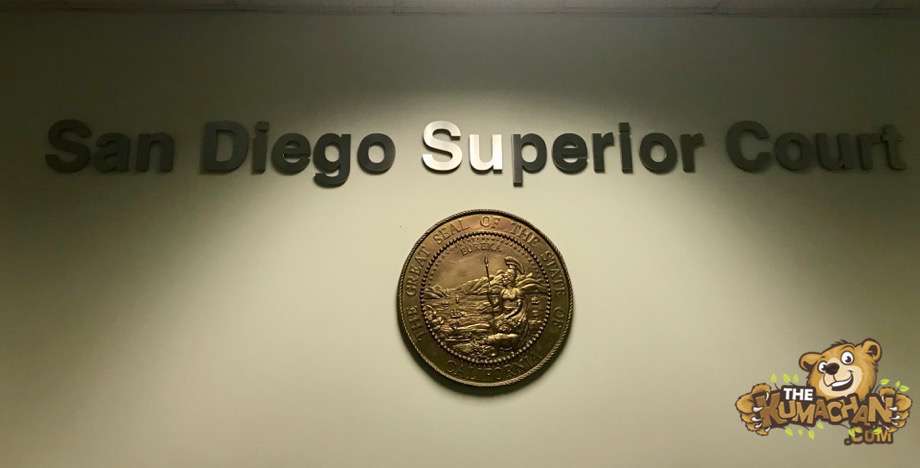
Here is a picture I took of the California seal and the San Diego Superior Court.

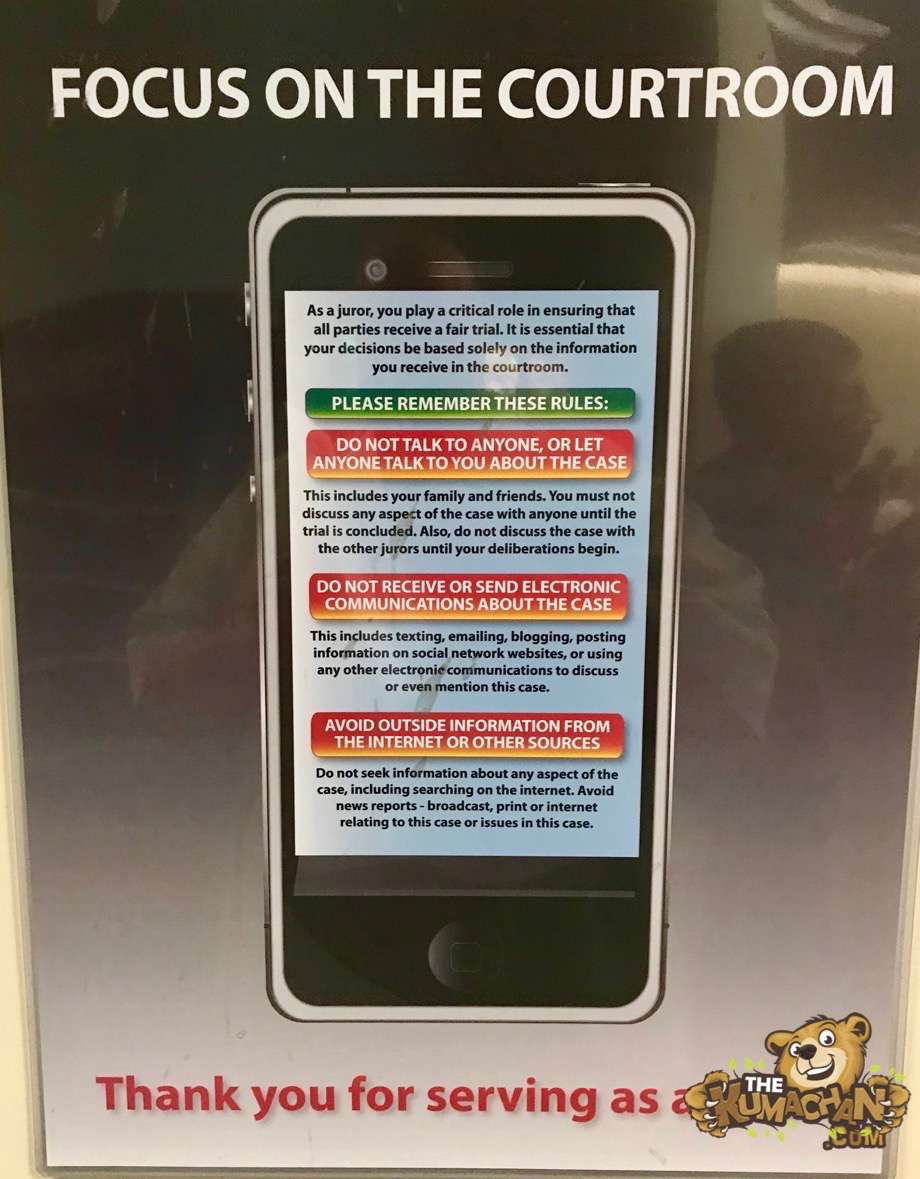
Also while I was waiting I saw this reminder on the wall of the rules for jurors to remember. After having the juror experience it was pretty neat to see the choreography of how the events took place throughout the day and how the juror selection took place. As it is a civic duty I am glad I was able to do my part.

Related Posts

The Amazing WD-40

Dave

I had a neighbor who bought a new pickup. I got up very early one Sunday morning and saw that someone had spray painted red all around the sides of this beige truck (for some unknown reason). I went over, woke him up, and told him the bad news. He was very upset and was trying to figure out what to do…probably nothing until Monday morning, since nothing was open. Another neighbor came out and told him to get his WD-40 and clean it off. It removed the unwanted paint beautifully and did not harm his paint job that was on the truck. I was impressed!

WD-40 (Water Displacement #40):
The product began from a search for a rust preventative solvent and degreaser to protect missile parts. WD-40 was created in 1953, by three technicians at the San Diego Rocket Chemical Company. Its name comes from the project that was to find a ‘Water Displacement’ Compound. They were finally successful for a formulation, with their fortieth attempt, thus WD-40. The ‘Convair Company’ bought it in bulk to protect their atlas missile parts. Ken East (one of the original founders) says there is nothing in WD-40 that would hurt you.

When you read the ‘shower door’ part, try it. It’s the first thing that has ever cleaned that spotty shower door. If yours is plastic, it works just as well as on glass. It’s a miracle!

Then try it on your stove-top. It will be shinier than it’s ever been. You’ll be amazed.

WD-40 Uses:
1. Protects silver from tarnishing.
2. Removes road tar and grime from cars.
3. Cleans and lubricates guitar strings.
4. Gives floor that ‘just-waxed’ sheen without making them slippery.
5. Keeps the flies off of Cows, Horses, and other Farm Critters, as well.
6. Restores and cleans chalkboards.
7. Removes lipstick stains.
8. Loosens stubborn zippers.
9. Untangles jewelry chains.
10. Removes stains from stainless steel sinks.
11. Removes dirt and grime from the barbecue grill.
12. Keeps ceramic / terracotta garden pots from oxidizing.
13. Removes tomato stains from clothing.
14. Keeps glass shower doors free of water spots. Works on plastic too.
15. Camouflages scratches in ceramic and marble floors.
16. Keeps scissors working smoothly.
17. Lubricates noisy door hinges on both home and vehicles doors.
18. Removes tar and scuff marks from the kitchen flooring. Don’t have to scrub nearly as hard to get them off.
19. Remove those nasty Bug guts that will eat away the finish on your car if not removed quickly!
20. Gives a children’s playground gym slide a shine for a super-fast slide.
21. Lubricates gearshift and mower deck lever for ease of handling on riding mowers.
22. Rids kids rocking chair and swings of squeaky noises.
23. Lubricates tracks in sticking home windows and makes them easier to open.
24. Spraying an umbrella stem makes it easier to open and close.
25. Restores and cleans padded leather dashboards in vehicles, as well as vinyl bumpers.
26. Restores and cleans roof racks on vehicles.
27. Lubricates and stops squeaks in electric fans.
28. Lubricates wheel sprockets on tricycles, wagons, and bicycles for easy handling.
29. Lubricates fan belts on washers and dryers and keeps them running smoothly.
30. Keeps rust from forming on saws and saw blades, and other tools.
31. Removes grease splatters from stove-tops.
32. Keeps bathroom mirror from fogging.
33. Lubricates prosthetic limbs.
34. Keeps pigeons off the balcony (they hate the smell).
35. Removes all traces of duct tape.
36. Folks even spray it on their arms, hands, and knees to relieve arthritis pain.
37. Florida’s favorite use is: ‘cleans and removes love bugs from grills and bumpers.’
38. The favorite use in the state of New York, it protects the Statue of Liberty from the elements.
39. WD-40 attracts fish. Spray a little on live bait or lures and you will be catching the big one in no time.


40. Use it for fire ant bites. It takes the sting away immediately and stops the itch.
41. It is great for removing crayon from walls. Spray it on the marks and wipe with a clean rag.
42. Washed and dried a tube of lipstick with the laundry, saturate the lipstick spots with WD-40 and rewash.
43. If you spray it inside a wet distributor cap, it will displace the moisture, allowing the engine to start.

…and the main basic ingredient in WD-40? Fish oil.

Related Posts