Category: Travel

Cherry Blossoms at the Tidal Basin: Washington D.C.’s Most Beautiful Moment of the Year

Dave

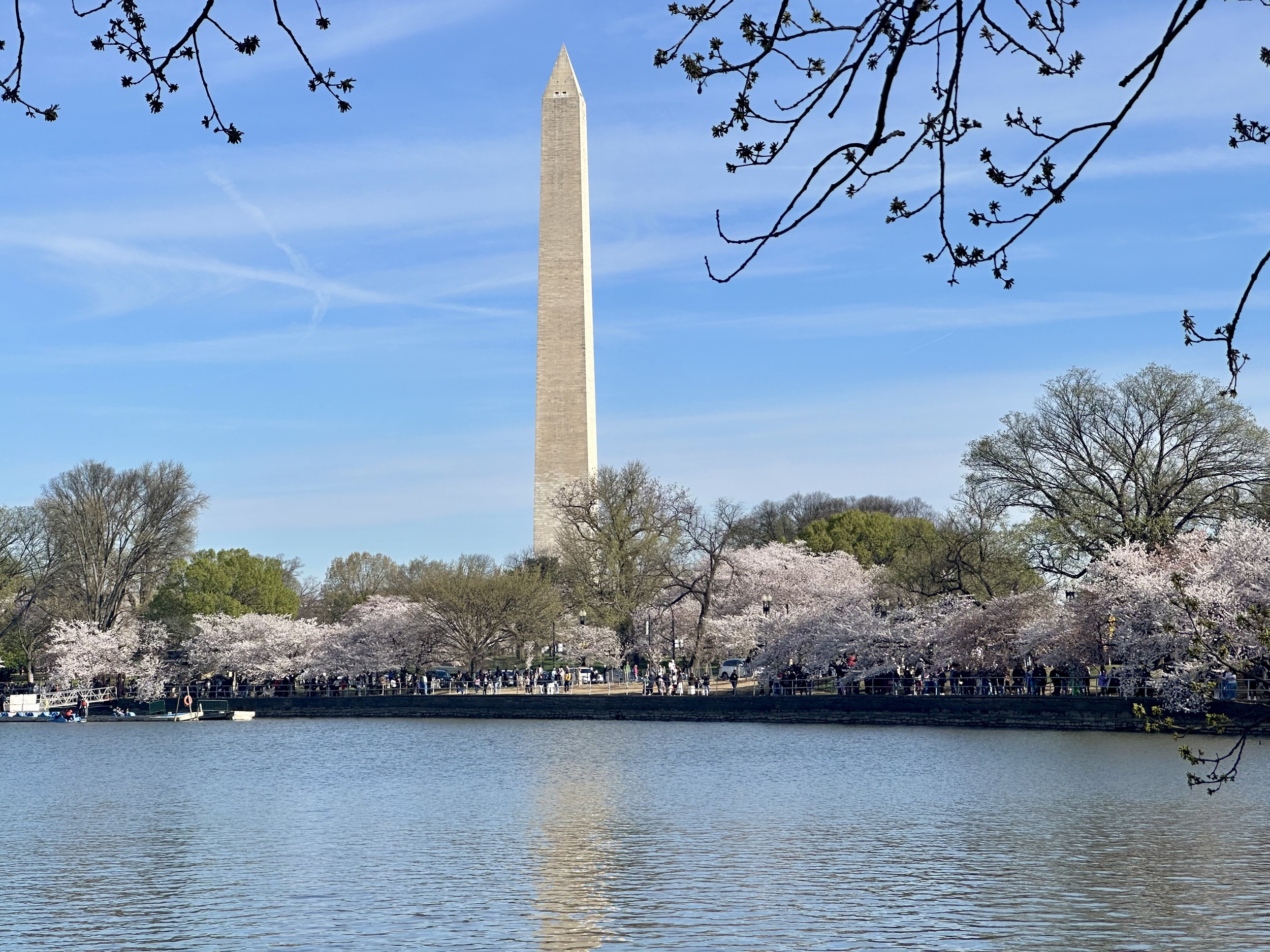
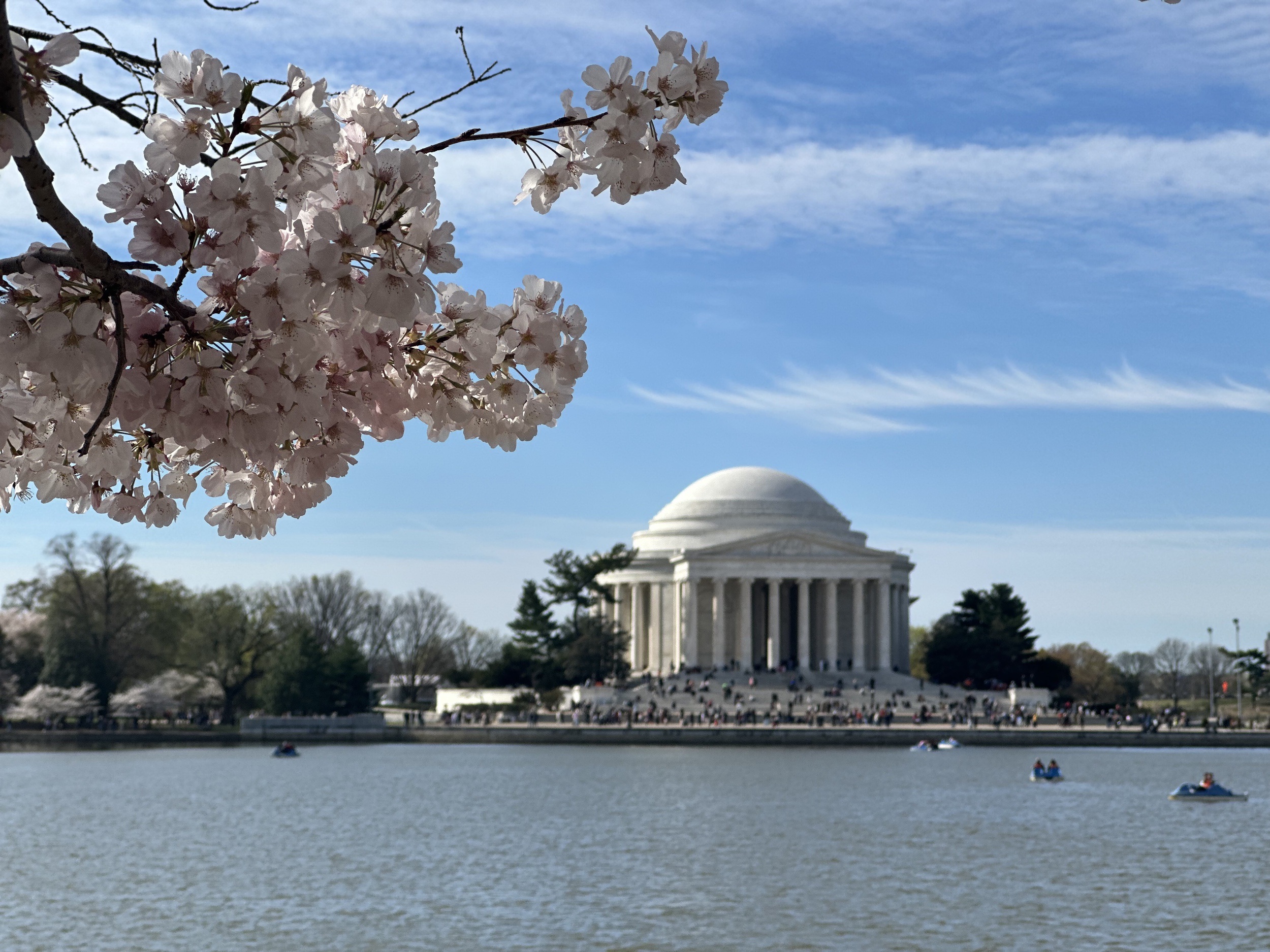
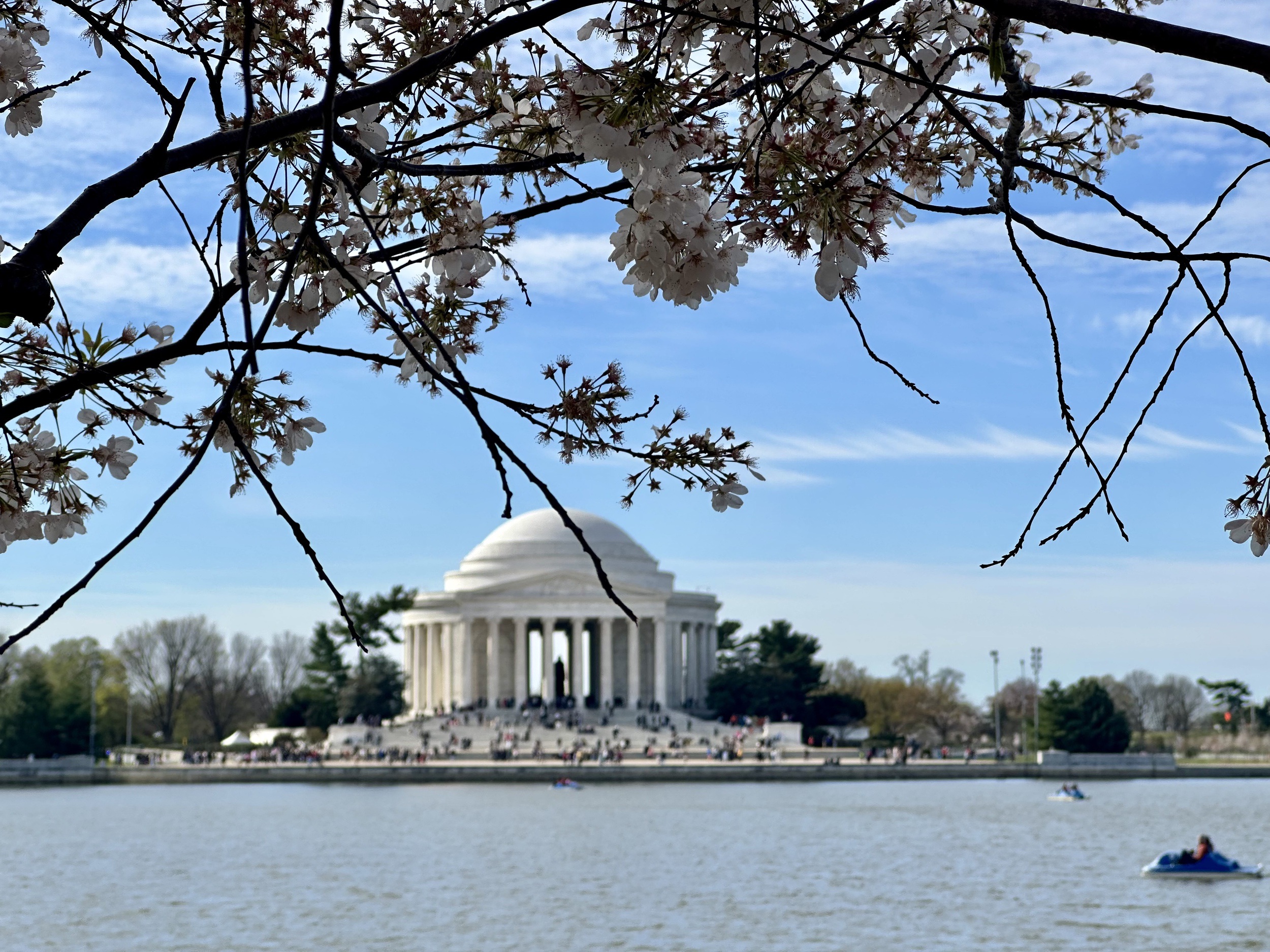
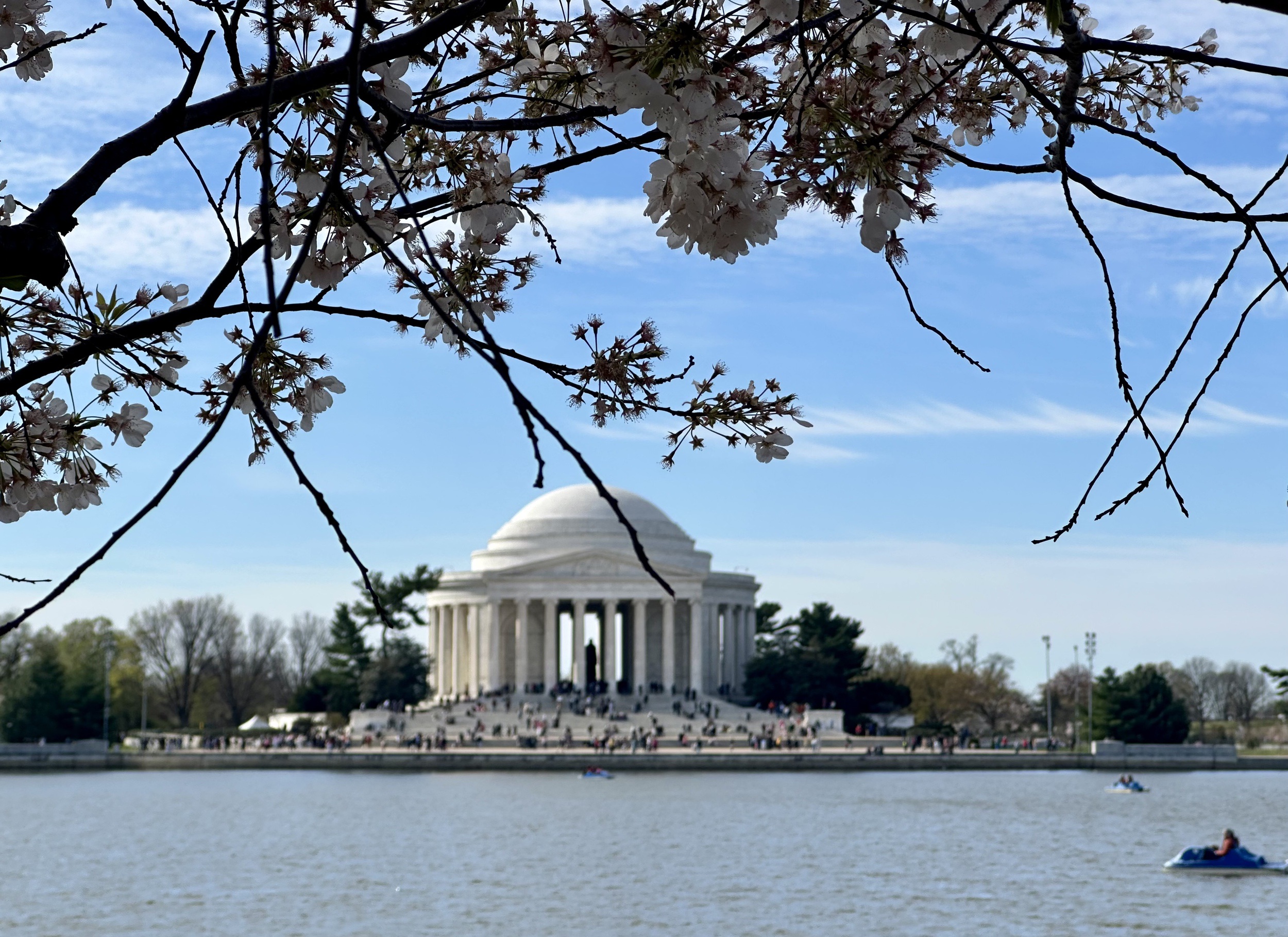
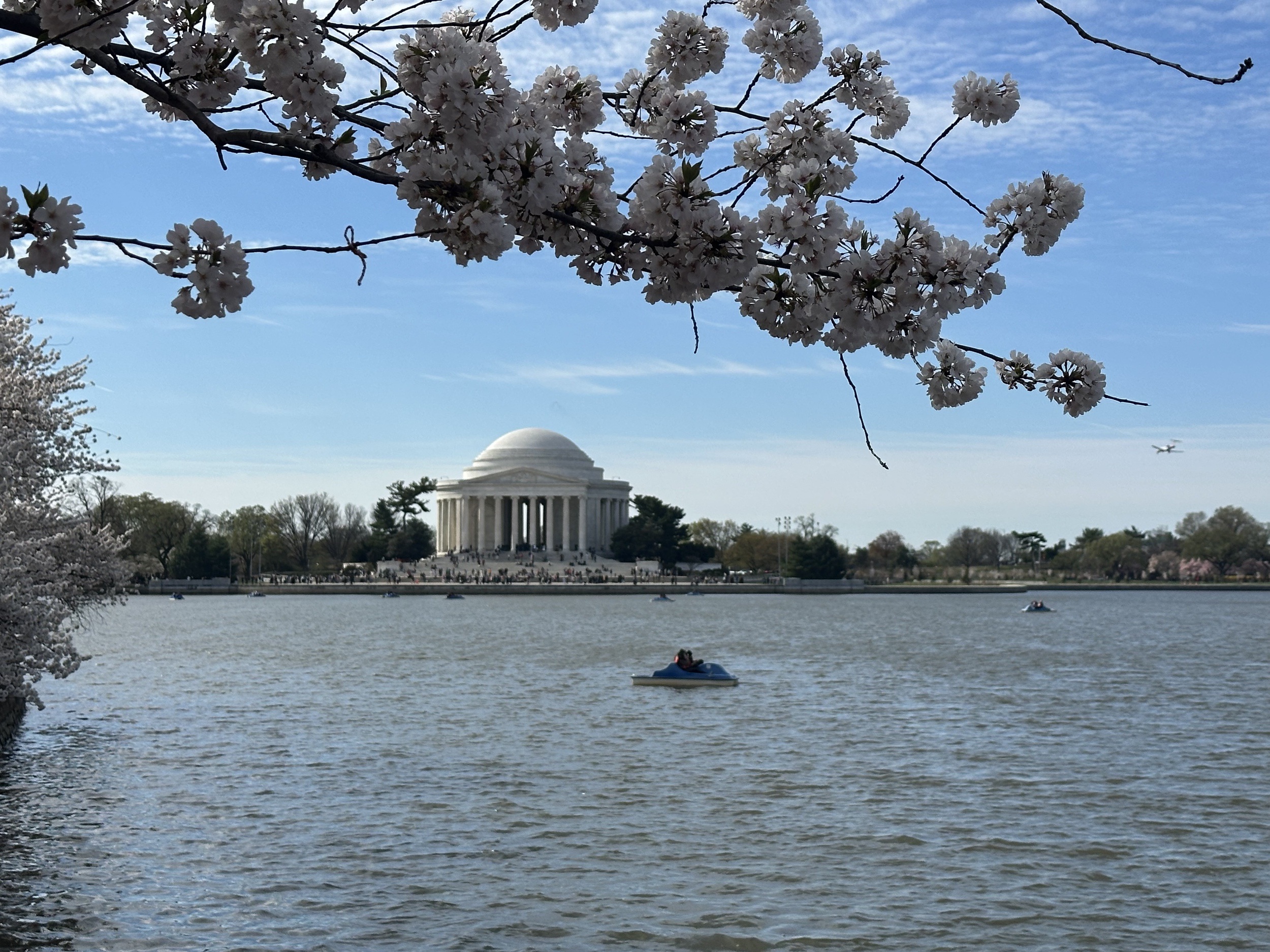
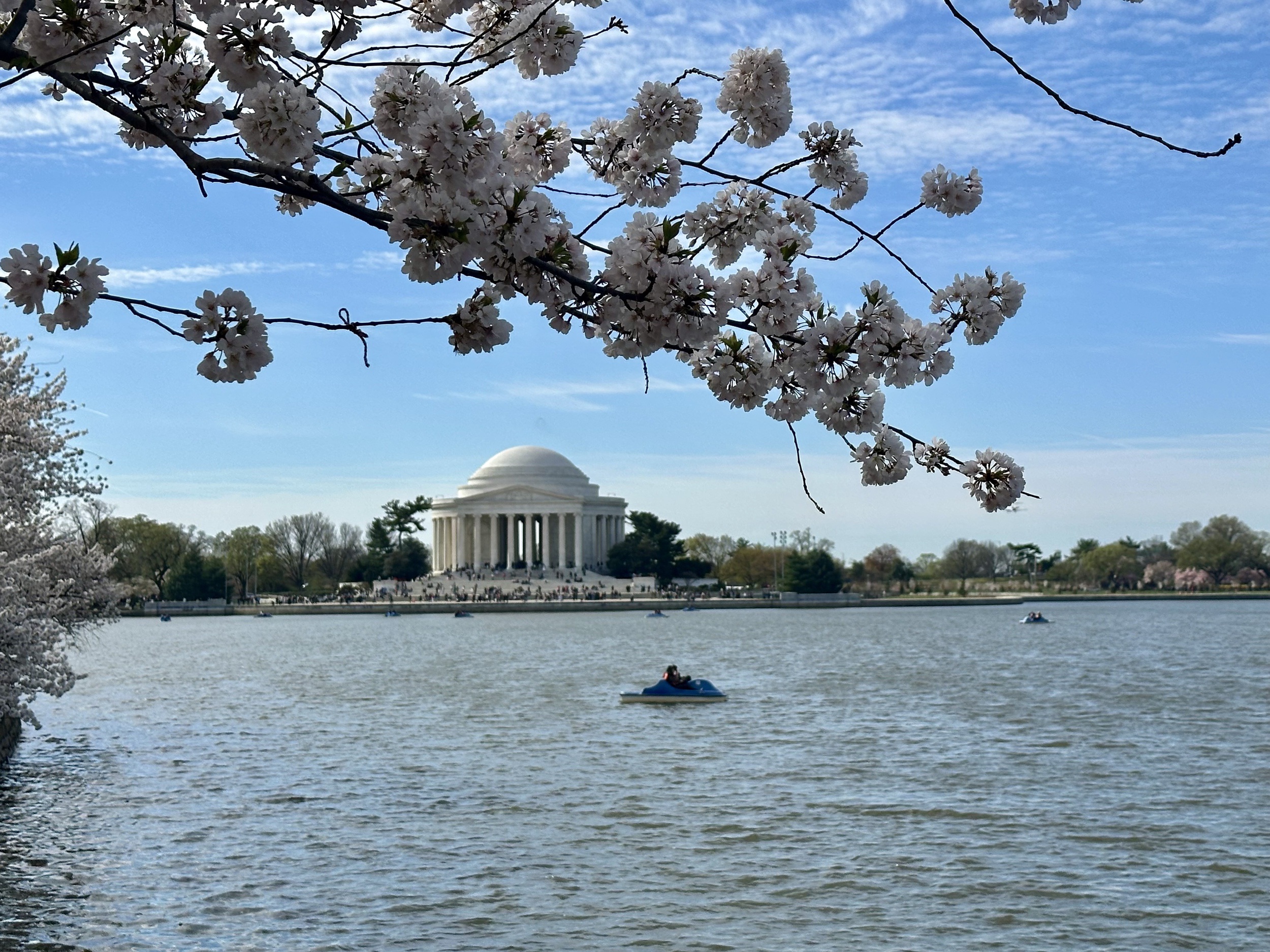
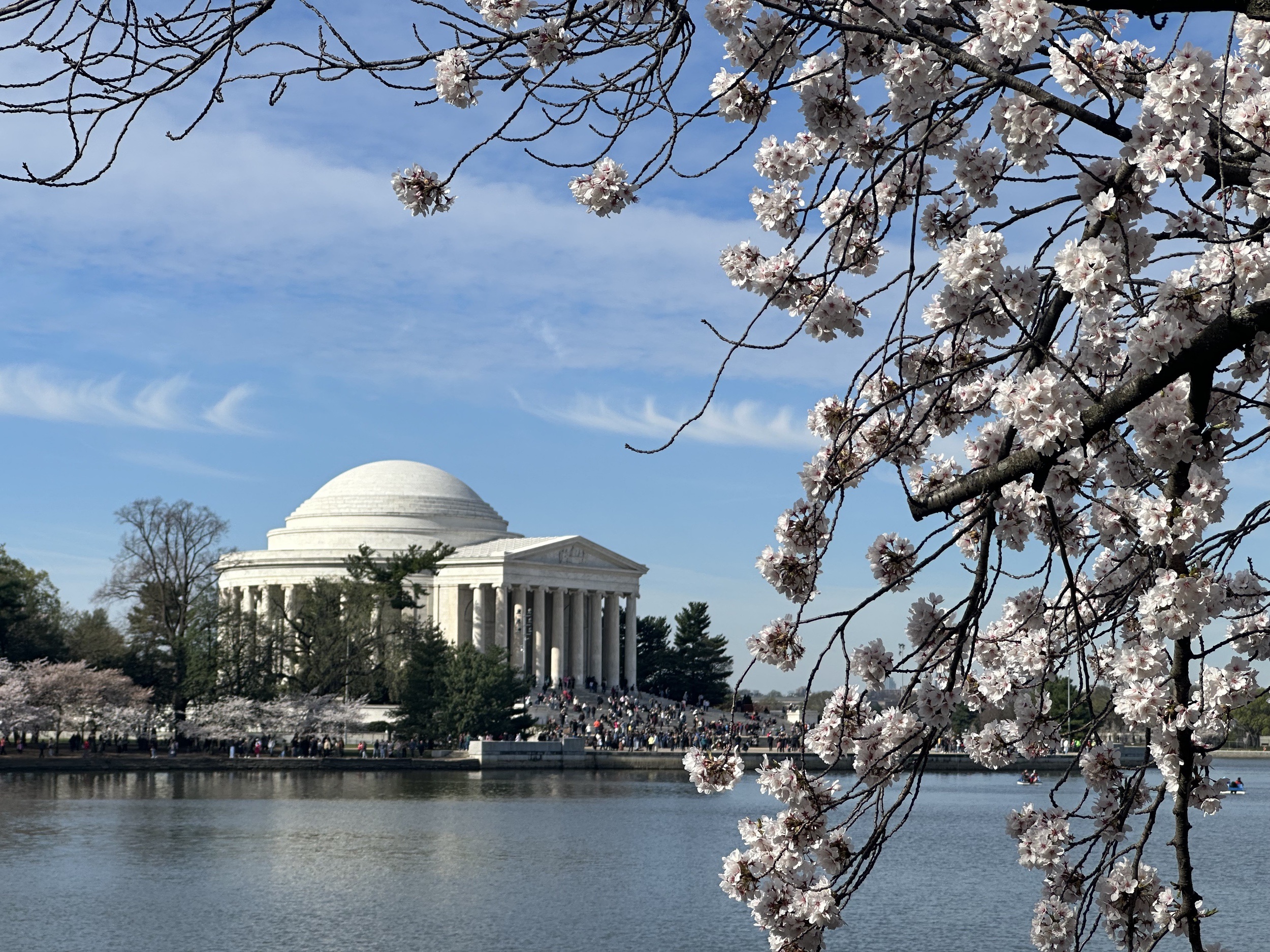
There’s a moment every year in Washington, D.C. when the city softens. The sharp edges of marble monuments blur just slightly, the air feels lighter, and even the usual rush of people seems to slow down. It doesn’t happen because of a holiday or a national event. It happens because, almost overnight, the cherry blossoms around the Tidal Basin burst into bloom.

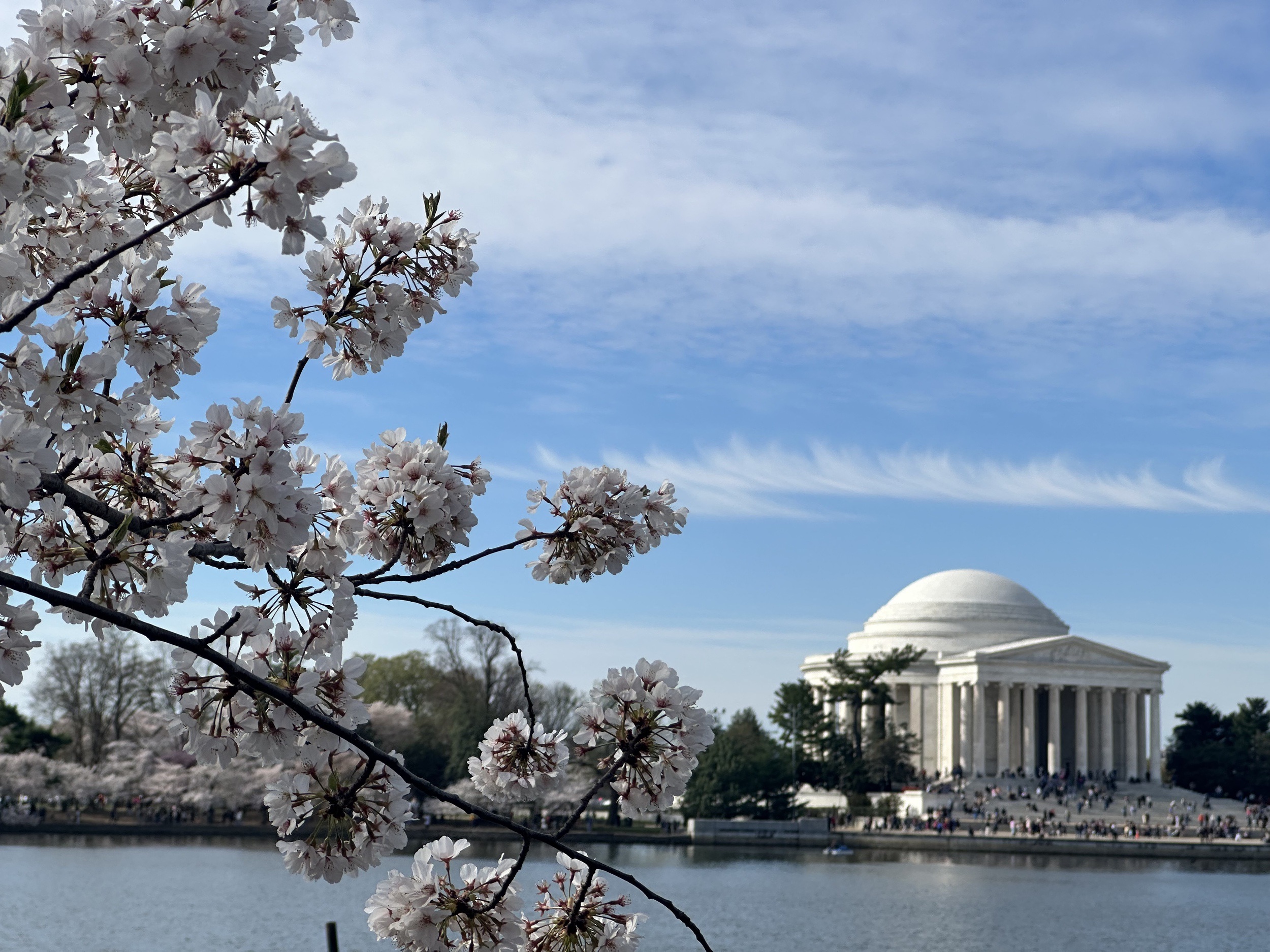
If you’ve never seen it in person, it’s easy to underestimate what makes it so special. After all, they’re just trees, right? Flowers that bloom and fall like they do in countless places around the world. But standing there, surrounded by soft pink and white petals drifting through the air, it becomes clear that this isn’t just about the blossoms themselves. It’s about the way they transform everything around them—the light, the mood, even the way people interact with one another.

The story behind these trees is as meaningful as the experience of seeing them. In 1912, the city of Tokyo gifted thousands of cherry trees to the United States as a gesture of friendship. That gift, rooted in diplomacy and goodwill, has outlived generations. Today, those trees—or rather, their descendants—stand as living symbols of connection between cultures, quietly reminding visitors that beauty and peace can be shared across oceans.

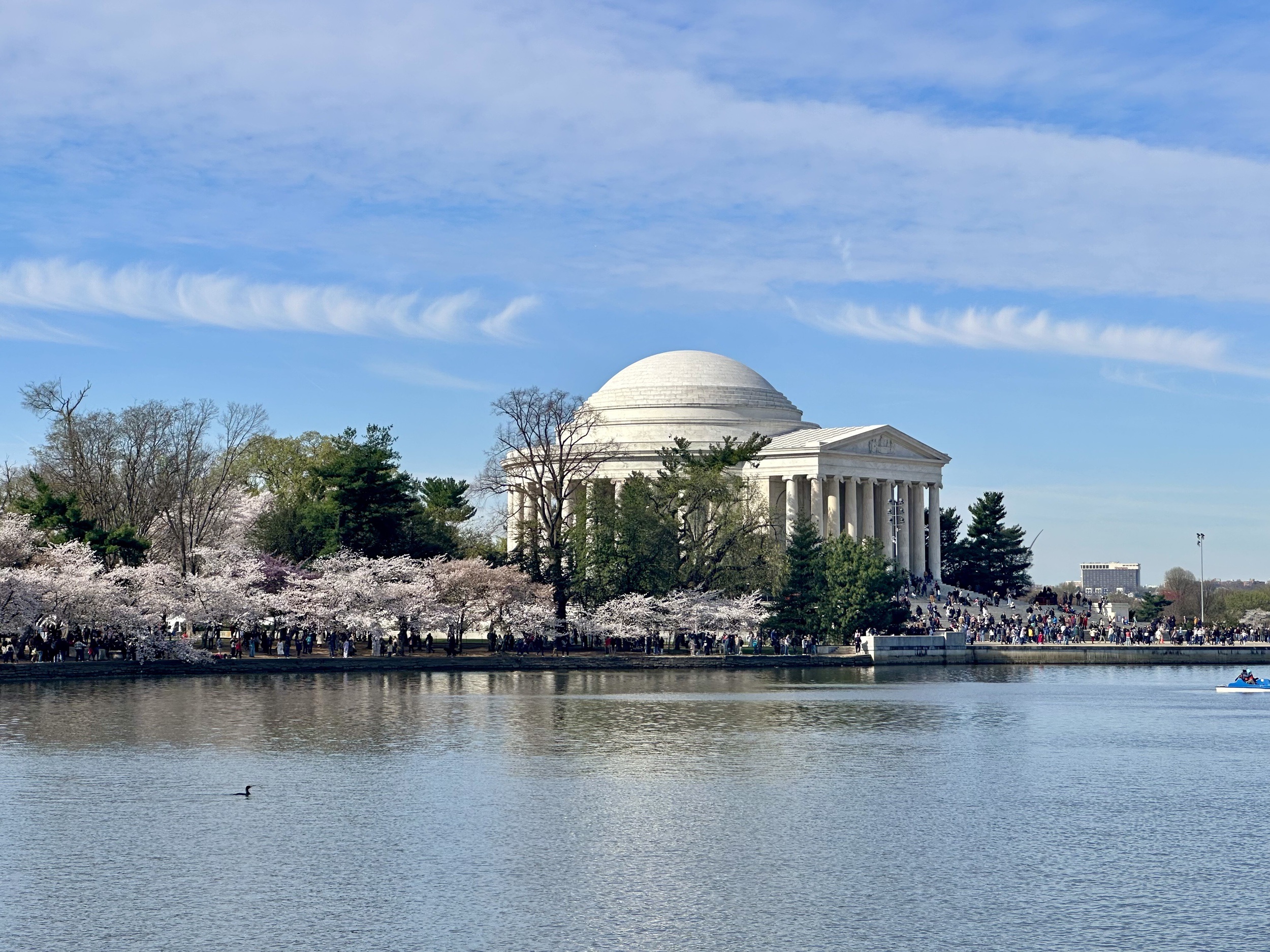
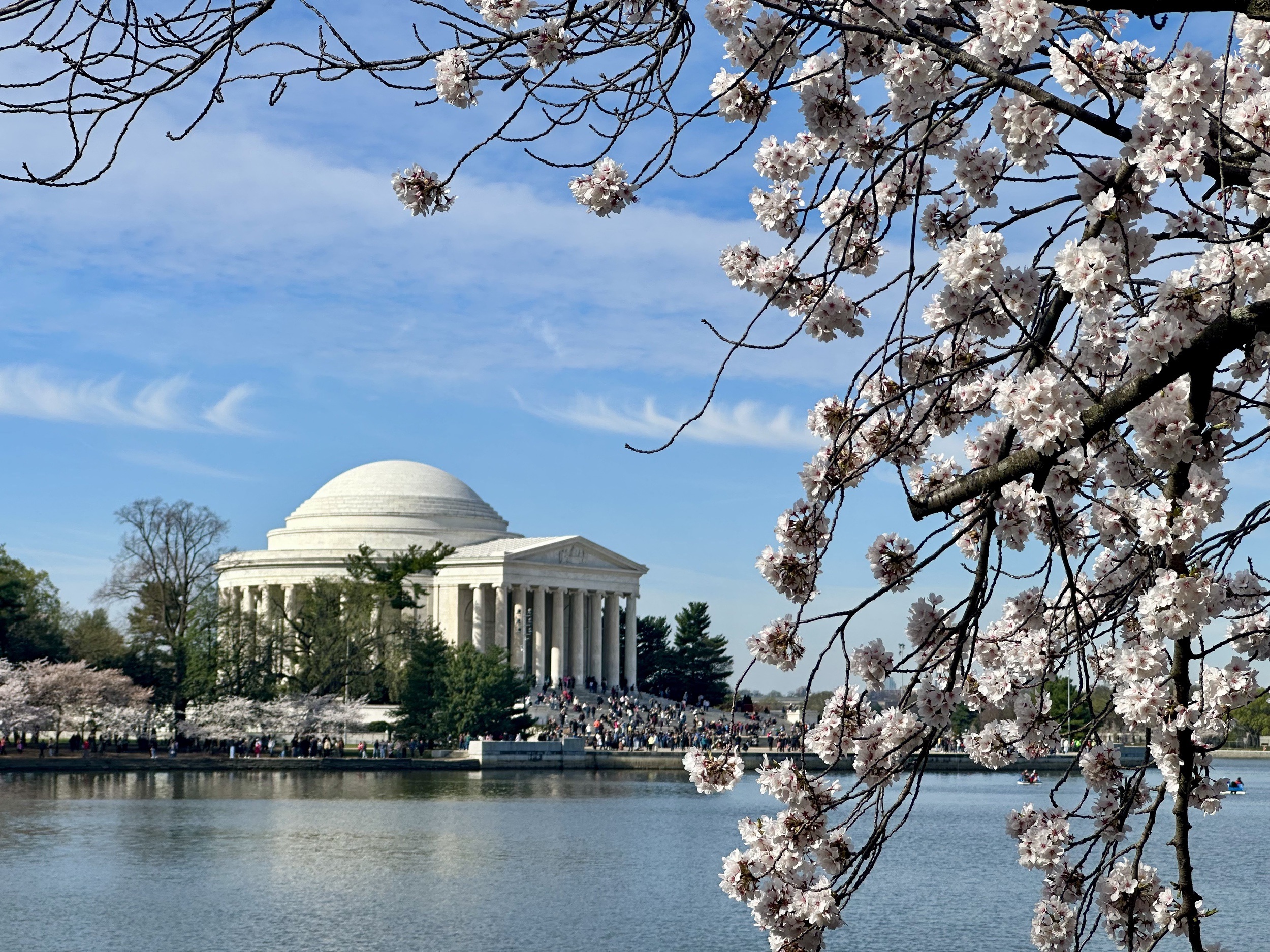
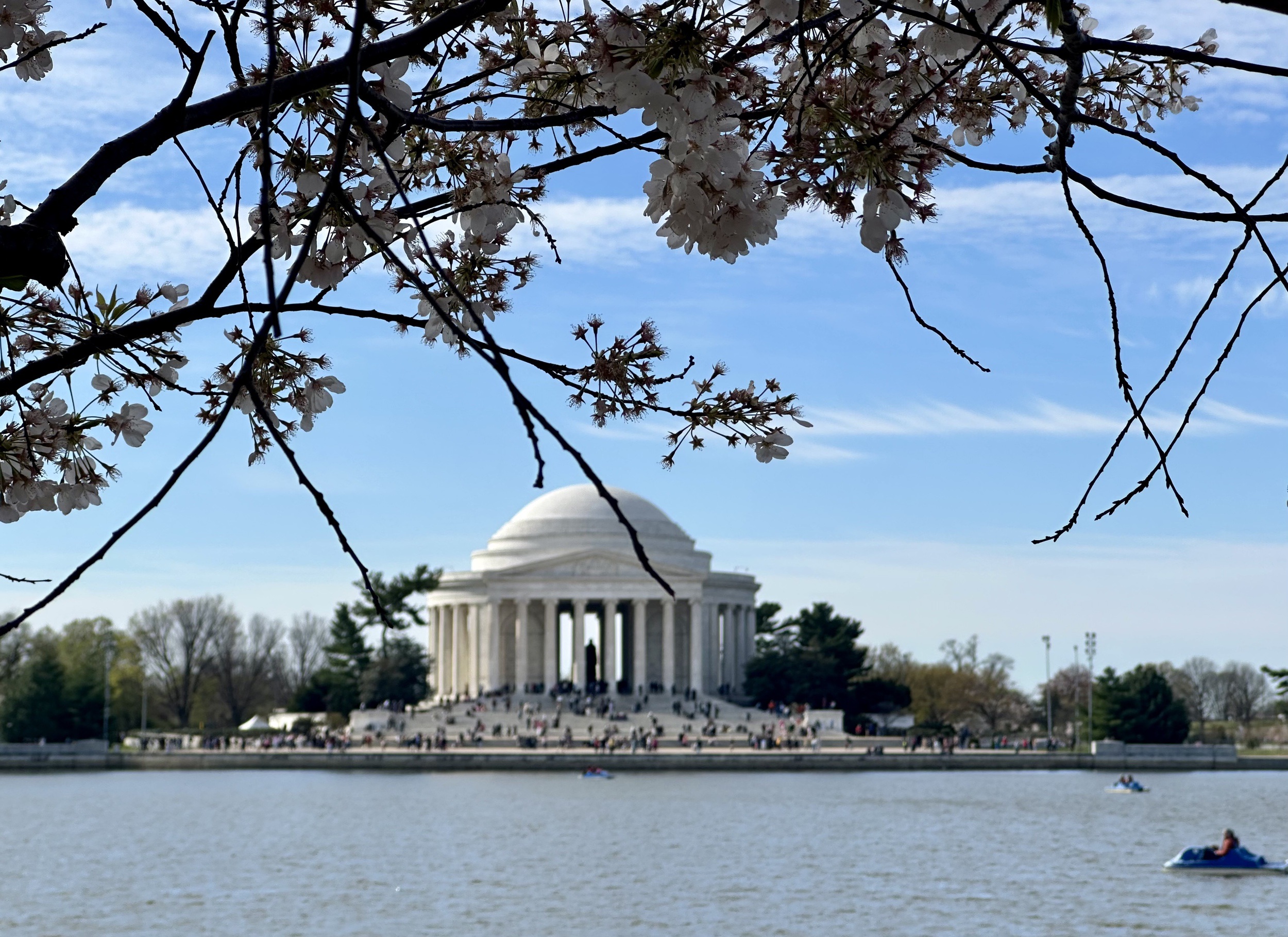
Walking along the Tidal Basin during peak bloom feels almost surreal. The branches stretch outward, heavy with blossoms, forming a canopy that filters the sunlight into a soft, diffused glow. It’s the kind of light photographers chase, but here it exists naturally, effortlessly. The water mirrors everything—the sky, the monuments, the blossoms themselves—creating a kind of symmetry that makes you pause, if only for a second.

And then there are the petals. They don’t just fall; they drift. Slowly, unpredictably, like tiny pieces of confetti carried by the wind. Every so often, a gentle gust sends a small flurry into the air, and for a brief moment, it feels like you’re standing inside a snow globe that’s been lightly shaken. It’s fleeting, delicate, and impossible to fully capture in a photo.

What makes the experience even more powerful is the contrast. Just steps away, you have some of the most recognizable landmarks in the country—the Thomas Jefferson Memorial, the Washington Monument in the distance, the long stretch of the National Mall. These are symbols of permanence, built to endure for centuries. And yet, surrounding them are blossoms that last only a week or two before they begin to fade.

That contrast creates a kind of quiet tension. On one hand, you’re looking at structures meant to stand forever. On the other, you’re immersed in something that exists only briefly. It’s a reminder—subtle but unmistakable—that not everything meaningful is meant to last.

The crowds, of course, are part of the experience. During peak bloom, the Tidal Basin becomes one of the most visited spots in the country. People come from everywhere—families, tourists, photographers, couples, joggers who suddenly slow down to take it all in. At first glance, it might seem like the crowds would take away from the beauty, but in a strange way, they add to it.

There’s something about seeing so many people collectively pause, collectively appreciate the same thing, that makes the moment feel shared. You’ll notice strangers smiling at each other, pointing out particularly beautiful clusters of blossoms, or stepping aside so someone else can get a photo. It’s a small shift, but it’s noticeable. For a little while, people seem more patient, more present.

If you arrive early in the morning, before the crowds fully settle in, the experience changes again. The light is cooler, softer, and the basin is quieter. You can hear the water, the distant sounds of the city waking up, and the occasional rustle of branches overhead. It feels more personal, more introspective. Like the city is offering you a private glimpse before the day begins.

Evenings bring their own kind of magic. As the sun sets, the sky shifts through shades of gold, orange, and eventually deep blue. The blossoms take on a slightly warmer tone, and the reflections in the water become more pronounced. By the time night falls, the monuments are lit, and the blossoms seem to glow faintly in the artificial light. It’s a different kind of beauty—quieter, more subdued, but no less striking.

There’s also an emotional layer to the experience that’s hard to put into words. Maybe it’s the fleeting nature of the blossoms, or maybe it’s the setting, surrounded by symbols of history and identity. But for many people, being there feels meaningful in a way that goes beyond aesthetics.

You might find yourself thinking about time—how quickly things change, how certain moments come and go before you’re ready for them to end. The blossoms, in their short-lived brilliance, seem to embody that idea perfectly. They don’t last, and they’re not meant to. Their beauty comes from that very fact.

And yet, they return every year. That’s the other side of it. Even though each bloom is temporary, the experience itself is cyclical. Predictable, in a comforting way. No matter what changes in the world, the blossoms come back. They remind you that some things, even if fleeting in the moment, are part of a larger rhythm.

For locals, the cherry blossoms often mark a kind of seasonal reset. The end of winter, the beginning of something lighter. For visitors, they can feel like a once-in-a-lifetime experience, even if they end up coming back again and again. There’s a pull to it, something that makes people want to revisit the same place, year after year, just to see how it feels this time.

And it never feels exactly the same. The timing shifts slightly each year, the weather changes, the crowds ebb and flow differently. Even your own perspective changes. What you notice one year might be completely different the next.

Maybe one year, it’s the reflections in the water that catch your attention. Another year, it’s the way the petals collect along the edges of the walkway, forming a soft, pink carpet. Another time, it might be the expressions on people’s faces—the quiet awe, the excitement, the calm.

The cherry blossoms near the Tidal Basin aren’t just a visual experience. They’re a reminder of how powerful simple things can be. Trees, flowers, light, water—none of it is complicated. But together, in the right moment, they create something that feels almost extraordinary.

As you leave, whether it’s after a quick visit or a long, unhurried walk around the basin, there’s often a sense that you’ve witnessed something you can’t fully hold onto. You might have photos, of course, maybe even dozens of them. But the feeling itself—the way the air felt, the way the light shifted, the way the petals moved—that’s harder to capture.

And maybe that’s the point. Not everything needs to be preserved perfectly. Some experiences are meant to be felt, remembered imperfectly, and then revisited when the time comes again.

Because it will come again. The blossoms will return, the basin will fill with color, and for a brief window each year, Washington, D.C. will once again feel just a little softer, a little quieter, and a little more connected to something timeless.

Related Posts

The Thomas Jefferson Memorial: Where Ideas of Freedom Still Echo

Dave

There’s something quietly powerful about standing at the edge of the Tidal Basin in Washington, D.C., watching the white marble dome of the Thomas Jefferson Memorial glow against the sky. It doesn’t shout for attention the way some landmarks do. It doesn’t tower over you with overwhelming scale or intricate ornamentation. Instead, it feels deliberate, almost contemplative—like it’s inviting you to slow down, think, and maybe even question something you thought you understood.

That feeling isn’t accidental. The memorial was designed to reflect the mind of Thomas Jefferson himself—a man who believed deeply in reason, liberty, and the messy, evolving nature of democracy. And like Jefferson, the memorial isn’t simple. It’s layered, full of contradictions, and deeply tied to both the ideals and imperfections of the nation he helped shape.

When you approach the memorial, especially during cherry blossom season, the scene feels almost cinematic. Soft pink petals drift across the water, framing the structure in a way that feels too perfect to be real. But then you step closer, climb the steps, and suddenly the beauty gives way to something heavier. Inside, Jefferson stands—towering, bronze, and still—gazing outward as if he’s still watching the country unfold centuries after his time.

The statue itself wasn’t even part of the original unveiling. When the memorial was dedicated in 1943, during the height of World War II, a plaster version stood in its place because metal was being reserved for the war effort. That detail alone tells you something about the moment in which the memorial came to life. The United States was fighting for its survival, and here it was, building a monument to the man who wrote the words that defined its purpose. There’s something poetic about that—almost like a reminder that ideas can outlast even the most uncertain times.

Step inside and you’re surrounded not just by Jefferson’s presence, but by his words. They’re carved into the walls, pulled from documents like the Declaration of Independence and his letters. But what’s striking isn’t just what the words say—it’s how they feel in that space. They don’t come across as distant, historical artifacts. They feel immediate. Alive. Even a little uncomfortable at times.

Jefferson wrote about equality, about liberty, about the rights of individuals to govern themselves. But standing there, it’s impossible not to also think about the contradictions. Jefferson was a slave owner. A man who spoke of freedom while participating in a system that denied it to others. The memorial doesn’t explicitly spell out that tension, but it lingers in the air. And maybe that’s part of its power—it doesn’t resolve the contradiction for you. It leaves you to wrestle with it.

That tension makes the memorial feel less like a celebration and more like a conversation. It’s not just saying, “Here’s a great man.” It’s asking, “What do we do with the legacy of someone who helped build something extraordinary, but was also deeply flawed?” That’s not an easy question, and it’s one the country is still trying to answer.

Architecturally, the memorial draws heavily from classical influences, particularly Roman designs like the Pantheon. The circular structure, the columns, the open interior—they all point back to the ancient world that Jefferson admired so much. He believed that the ideals of democracy and civic responsibility had roots in those earlier civilizations, and the memorial reflects that belief in a very literal way.

But there’s also something distinctly American about it. Unlike the Pantheon, which feels enclosed and inward-looking, the Jefferson Memorial is open to the outside world. There are no doors sealing it off. The wind moves through it. The light changes constantly. It feels connected to its surroundings, almost as if it’s part of the landscape rather than separate from it.

That openness mirrors Jefferson’s own philosophy. He believed that ideas should evolve, that societies should adapt, and that no system of government should be so rigid that it can’t change. Standing in the memorial, you get the sense that it’s not just honoring the past—it’s leaving space for the future.

The location itself is no accident either. Positioned along the Tidal Basin, the memorial sits slightly removed from the more crowded areas of the National Mall. It’s not hidden, but it’s not central either. You have to make a conscious decision to go there. And when you do, the journey becomes part of the experience.

Walking along the water, you start to notice how the memorial reveals itself gradually. First, just a glimpse of white through the trees. Then the full dome. Then the reflection shimmering on the water. By the time you reach it, you’ve already been pulled into its orbit.

At night, the experience changes completely. The crowds thin out, the noise fades, and the memorial takes on a different personality. The lighting casts long shadows across the columns, and Jefferson’s statue feels more introspective, almost like he’s lost in thought. The reflection in the water becomes sharper, clearer, as if the world itself has quieted down just enough to listen.

It’s in those quieter moments that the memorial feels most alive. Not because anything is happening, but because of what it represents. It’s a space dedicated not just to a person, but to an idea—an idea that’s still being tested, debated, and redefined.

And maybe that’s why it resonates so strongly with people, even today. It’s not frozen in time. It doesn’t feel like a relic. It feels relevant. The questions it raises—about freedom, equality, responsibility—are the same ones that continue to shape conversations across the country.

There’s also something deeply human about the way people interact with the memorial. You’ll see tourists snapping photos, of course, but you’ll also see people sitting quietly on the steps, staring out at the water. Couples talking in hushed voices. Individuals reading the inscriptions slowly, as if trying to absorb every word.

It’s not uncommon to see someone stand in front of Jefferson’s statue for a long time, just looking up. Not out of awe, necessarily, but out of curiosity. Maybe even a little uncertainty. As if they’re trying to figure out what to make of him—and by extension, what to make of the country he helped create.

That’s the thing about the Jefferson Memorial. It doesn’t tell you what to think. It doesn’t wrap everything up neatly. It leaves space for interpretation, for reflection, for disagreement. And in a way, that makes it one of the most honest monuments in the city.

Because the story of the United States isn’t simple. It’s not a straight line from past to present. It’s a complicated, often contradictory narrative filled with progress, setbacks, and constant reevaluation. The memorial captures that complexity without trying to simplify it.

Even the decision to build it was controversial. Some people opposed its construction, arguing that it would disrupt the natural beauty of the Tidal Basin. Others questioned whether Jefferson, with all his contradictions, should be honored in such a grand way. Those debates echo the very themes the memorial embodies—who we choose to remember, how we remember them, and why it matters.

In the end, the memorial stands not as a final statement, but as an ongoing dialogue. It invites you to engage with history, not just observe it. To question it. To learn from it. And maybe, to carry those lessons forward in your own way.

As you leave, walking back along the water, the memorial slowly fades behind you. But the feeling doesn’t. It lingers. Not as a clear answer, but as a kind of quiet challenge—one that asks you to think about what freedom really means, and what it takes to live up to it.

And that might be the most powerful thing about the Thomas Jefferson Memorial. It doesn’t just honor the past. It keeps it alive—unfinished, unresolved, and still deeply connected to the present.

Related Posts

Saltwater Solitude: How to Plan the Perfect Solo Beach Getaway

Dave

There’s a particular kind of freedom that comes with standing at the edge of the ocean completely on your own. No itinerary dictated by friends, no compromises over where to eat, no distractions except for the waves curling against the sand and the sound of your own breath syncing with the tide. A solo beach getaway is more than just a vacation—it’s a conversation with yourself, a rare chance to step outside the noise of daily life and rediscover the rhythm of your own thoughts. While traveling alone can feel intimidating at first, especially when you imagine stepping into wide-open spaces where couples stroll hand in hand or families set up umbrellas, the truth is that a beach is one of the best places in the world to experience solitude in comfort. And planning that kind of escape doesn’t have to be complicated—it just requires intention, a little creativity, and the courage to give yourself the gift of your own company.

The first step is choosing the right destination. Not all beaches are created equal, and not all are suited to the kind of solo retreat you’re envisioning. Do you want a lively coastal town where you can alternate between quiet mornings and bustling nightlife, or do you crave an isolated stretch of sand where your only company will be seabirds and the occasional wandering crab? Popular resort beaches are great for safety and amenities, offering restaurants, lifeguards, and plenty of people-watching. But for some, the magic of a solo getaway is found on quieter shores, where you can walk for miles without seeing another footprint. Deciding on your vibe—social or solitary—guides the entire planning process. If it’s your first solo trip, consider a destination that offers a balance: enough activity that you won’t feel out of place, but enough serenity that you can truly unwind.

Once you’ve chosen where to go, the next task is planning how to get there. Solo travel means you’re responsible for every detail, and while that can feel overwhelming, it’s also liberating. You don’t have to negotiate departure times, layovers, or road trip playlists with anyone. You can drive with the windows down, blasting your favorite music without judgment, or take a train and watch the landscape roll by while you lose yourself in thought. Flying solo? Book a window seat and let yourself feel like an adventurer staring down at coastlines from above, knowing that every choice from here on out is yours alone. Transportation becomes part of the experience; instead of rushing through it, you can savor the independence that comes with not having to answer to anyone else’s schedule.

Packing for a solo beach getaway is an art form in itself. Without the need to consider anyone else, your suitcase becomes a reflection of pure self-care. Think lightweight, breathable clothes, a couple of swimsuits that make you feel confident, a sunhat, sandals, and a good beach bag. Essentials like sunscreen, a reusable water bottle, and a quick-dry towel are non-negotiable, but beyond that, pack for pleasure. Bring that novel you’ve been meaning to read, a journal for capturing fleeting thoughts, or a camera to document the adventure from your own perspective. Don’t forget snacks that you love, whether it’s tropical fruit, granola bars, or indulgent chocolate. One of the quiet joys of solo travel is that you get to pack without compromise; everything in your bag is for you, and you alone.

Safety, of course, is part of planning, but it doesn’t have to overshadow the fun. Choosing well-populated beaches, letting someone back home know your itinerary, and keeping valuables secure are all simple steps that ensure peace of mind. Traveling alone doesn’t mean traveling recklessly. On the contrary, it means listening closely to your intuition, trusting your instincts, and setting boundaries that keep you comfortable. The reward for this mindfulness is freedom—the freedom to sit wherever you want, eat whenever you want, swim when the mood strikes, and leave without waiting on anyone else.

The real beauty of a solo beach getaway is the pace. Without the needs of companions, the day unfolds like a tide: natural, fluid, and unrushed. Maybe you rise early to watch the sun climb over the horizon, sipping coffee as the sky shifts through pink, orange, and gold. Maybe you nap under your umbrella at midday, lulled by the hypnotic crash of waves. Maybe you take long walks with headphones, curating a personal soundtrack that makes each step feel cinematic. And maybe, just maybe, you find yourself laughing out loud at nothing in particular, realizing how rare it is to be truly alone yet truly content.

Food takes on a new dimension when you’re solo by the sea. Instead of compromising over restaurants, you can follow your cravings without hesitation. Maybe you grab a simple fish taco from a beachside shack, sit at a table with sand beneath your feet, and savor the spice and crunch. Maybe you splurge on a seafood platter at sunset, ordering a cocktail without needing to toast anyone but yourself. Or maybe you keep it simple with groceries from a local market, picnicking on the sand with fruit, cheese, and bread, feeling more satisfied than any five-star meal could provide. Eating alone isn’t lonely; it’s liberating. It’s a declaration that your own company is enough, and that flavors taste different when savored without distraction.

Connection still finds its way into solo trips, though often in unexpected ways. Strangers become companions for a moment: the local vendor who recommends the best beach at sunrise, the fellow traveler who offers to snap your photo, the child who proudly shows you a seashell before running back to their family. These interactions remind you that solitude doesn’t mean isolation; it means choosing when and how to engage. And when you do, the conversations often feel richer because they aren’t born from obligation but curiosity.

Journaling or documenting your solo trip becomes an extension of the experience. Writing down what you see, hear, and feel sharpens your awareness, turning fleeting sensations into lasting memories. The glint of light on wet sand, the cool shock of a wave on sun-warmed skin, the distant laughter of strangers—these details become the fabric of your story. If you’re more visual, photography turns the beach into a canvas, and every shot is a reflection of your unique perspective. No two people see the same shore the same way, and solo travel allows you to embrace that fully, framing the world exactly as you want it to be remembered.

Perhaps the most important part of planning a solo beach getaway is embracing spontaneity. Build in room for surprises. Maybe you stumble upon a hidden cove while wandering. Maybe you spend hours talking to a local fisherman who teaches you about tides. Maybe you decide to rent a kayak on a whim and discover mangroves you didn’t know existed. Solo travel allows these detours to become the highlights of the trip, precisely because there’s no agenda but your own. The freedom to pivot, to chase curiosity wherever it leads, is the true luxury of traveling alone.

And when the day winds down, when the sky turns lavender and the horizon swallows the sun, you may find the solitude takes on a different kind of beauty. Sitting alone on the sand at dusk, you realize that the ocean isn’t just a backdrop but a companion. Its vastness mirrors your own inner landscape—sometimes calm, sometimes restless, always deep. In its rhythm, you find reassurance that being alone is not the same as being lonely. A solo beach getaway teaches you this truth better than any self-help book could: your own presence can be enough, and sometimes, it’s exactly what you need.

So how do you plan a solo beach getaway? You choose a destination that calls to your spirit. You pack with intention and pleasure. You set safety in place so your mind can rest. You open yourself to the rhythm of the tide, the joy of self-directed days, and the possibility of spontaneous discovery. Most of all, you give yourself permission to revel in your own company. The reward is not just a vacation but a transformation—a chance to meet yourself again in the mirror of the sea, unfiltered, unhurried, and entirely free.

Related Posts

Waves Without Worry: The Art of Budget-Friendly Beach Escapes

Dave

There is a myth that has lingered far too long, one that says a beach vacation has to be expensive to be memorable. That to feel sand under your feet and hear the rhythmic crash of waves, you need a five-star resort, pricey cocktails, or a plane ticket halfway around the world. The truth is much kinder, much simpler: the ocean doesn’t care how much money you have. The sea welcomes everyone, no questions asked, and some of the most magical beach escapes are also the ones that barely dent your wallet. Budget-friendly doesn’t mean boring; it means smart, creative, and often more authentic than trips weighed down by luxury price tags. When you chase the essence of a beach escape—the salt air, the endless horizon, the laughter of friends or family—it becomes clear that joy doesn’t need a receipt.

The heart of a budget-friendly beach escape lies in reimagining what a getaway truly is. It doesn’t need to involve flights, sprawling resorts, or expensive beachside dinners. Sometimes, the best trips happen just a car ride away. Exploring local or nearby coastlines is one of the simplest hacks for saving money while still scratching that itch for ocean air. Those overlooked beaches within a couple of hours of home often surprise travelers with their beauty, their quirks, and their quiet charm. Day trips turn into overnight stays with a tent, a sleeping bag, or a modest Airbnb, and suddenly, the cost of a getaway is a fraction of what a big vacation would demand. The point isn’t distance—it’s perspective. Even the closest stretch of sand can feel like paradise if you allow yourself to slow down, breathe it in, and let go of the idea that vacations only count when they require passports.

Lodging is often where budgets stretch and snap, but for those willing to think outside the box, affordable options abound. Camping on or near the beach delivers not just savings but experiences money can’t buy. Falling asleep to the sound of waves crashing just feet away from your tent is priceless. For those less enthusiastic about tents, budget-friendly guesthouses, hostels, or small vacation rentals offer comfortable, no-frills lodging that keeps the focus on the beach rather than the bedroom. Traveling with friends or family? Splitting costs across more people makes private rentals affordable and even cozy, transforming them into shared spaces of laughter, storytelling, and sandy footprints.

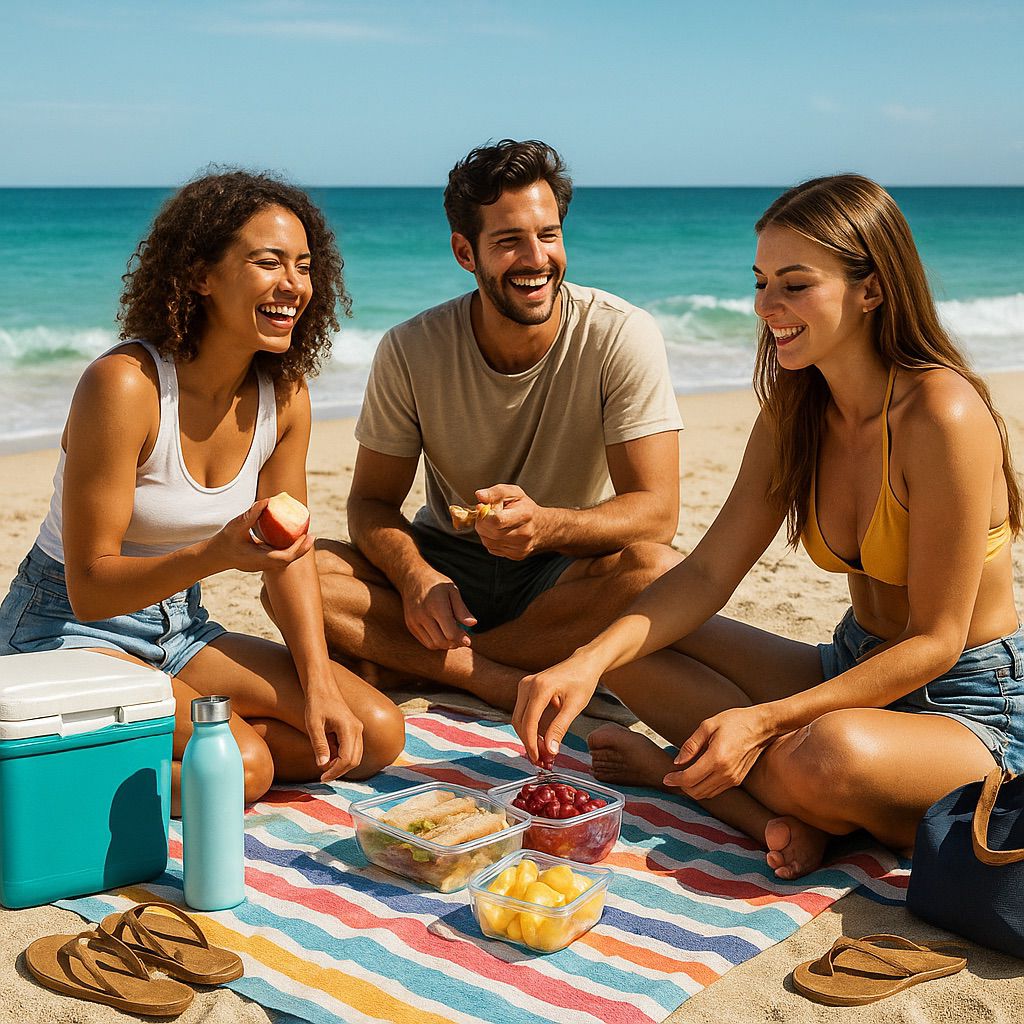
Food, another common money sink, becomes an opportunity on a budget escape. Picnics are underrated masterpieces of beach living. A cooler packed with sandwiches, fresh fruit, chips, and a bottle of something fizzy tastes infinitely better with the ocean as your dining room. Instead of costly beachside restaurants, visiting local markets and grocery stores saves money while adding cultural flavor. Cooking simple meals together in a rental or enjoying sunset snacks directly on the sand often makes memories far sweeter than a high-priced menu. And the occasional treat—a cone of ice cream on the boardwalk, a local specialty from a seaside shack—feels more indulgent when surrounded by simplicity.

Activities, too, don’t need to cost a thing. The beach itself is the entertainment. Swimming, snorkeling near shore, building sandcastles, collecting shells, or walking along the tide line at sunrise or sunset are experiences that outshine anything a theme park could sell. Bring along a frisbee, a volleyball, or even a deck of cards, and the day is instantly filled with play. Reading, napping, sketching, or simply sitting still while listening to waves are luxuries we forget in the rush of everyday life, and yet they cost nothing. For the more adventurous, many public beaches now offer free or low-cost activities like yoga classes, beach concerts, or guided nature walks through nearby dunes and wetlands. Entertainment is all around—you just have to notice it.

Transportation can also be tackled cleverly. Carpooling with friends splits gas costs, while public transportation to nearby beaches is often cheaper than expected. Off-season travel saves not just on lodging but also on parking fees and overall crowd stress, allowing you to enjoy the same destination with more peace and fewer expenses. Walking or biking around beach towns instead of renting cars not only saves money but also immerses you deeper into the rhythm of coastal living. It’s in those slower explorations that you discover hidden gems—a tucked-away café, a mural on a boardwalk, a quiet inlet only locals know about.

There’s also the joy of DIY fun. Instead of renting pricey kayaks or paddleboards every time, investing in an inflatable version to share among friends pays for itself quickly. Snorkel masks, beach games, and umbrellas can be bought once and reused across countless trips. The budget-friendly philosophy isn’t about denying yourself joy but about recognizing that ownership and planning often create long-term freedom. Building a beach kit that comes with you every time turns each trip into a well-oiled adventure that’s as inexpensive as it is delightful.

What people often forget is that some of the most viral-worthy, envy-inducing beach escapes come from budget travel. There’s a rawness to them, a feeling of authenticity that curated luxury can’t replicate. That photo of friends laughing around a driftwood bonfire, toes buried in sand, hair still damp from the sea—it doesn’t matter that no one spent hundreds of dollars on dinner. That video of a child squealing as waves chase their ankles doesn’t come from an all-inclusive package. The most shareable, heartwarming, inspiring stories of beach trips usually come from the simple ones. Because in the end, no one likes a vacation story about the bill. People love stories about freedom.

Perhaps the greatest gift of a budget-friendly beach escape is how it strips away distractions. Without the pressure of luxury, without the burden of financial guilt, you’re free to focus on what really matters: the people you’re with, the moments you’re in, and the ocean itself. It’s not about what cocktail you’re sipping but about the laughter that bubbles up as your group tries to open a stubborn cooler. It’s not about the fanciest resort pool but about plunging into the salty sea and feeling every muscle loosen. It’s not about souvenirs in glossy shops but about the perfect shell found at dawn, tucked into a pocket, priceless and irreplaceable.

At its core, the ocean has always been the great equalizer. It doesn’t ask for admission. It doesn’t charge you for sunsets. It doesn’t care what kind of car brought you there or what hotel you checked into. Its magic is free, its beauty belongs to everyone, and its ability to renew your spirit doesn’t come with a price tag. A budget-friendly beach escape is not a compromise—it’s a reminder that joy is simple, beauty is everywhere, and the best things in life are, indeed, free.

So the next time you find yourself longing for the shore but worrying about the cost, take heart. Pack a bag with the basics: swimsuits, sunscreen, a towel, some snacks, and your favorite people. Drive to the nearest coastline or plan a weekend getaway that values simplicity over splurge. Sit on the sand, breathe deep, and let the waves wash away not just stress but the idea that you need money to buy happiness. Because happiness is already there, rolling in with every tide, free for anyone who makes the time to find it. That is the art of the budget-friendly beach escape, and once you learn it, the ocean will never feel far away again.

Related Posts

Paradise Found and Lost: The Story of Maya Bay, Thailand’s Most Famous Beach

Dave

There are beaches that people visit to escape their daily lives, and then there is Maya Bay, a stretch of sand so impossibly beautiful that it almost seems fictional. Nestled among the dramatic limestone cliffs of Koh Phi Phi Leh in southern Thailand, this crescent-shaped bay has been worshiped, destroyed, mourned, and resurrected in the eyes of the world. For centuries, it was a secret shared only by fishermen, passing travelers, and locals who believed that spirits inhabited the caves along its cliffs. The powder-white sand and turquoise waters remained untouched for generations, a natural masterpiece created not by human hands but by the slow artistry of time, tide, and tropical sun. But as fate would have it, Maya Bay’s destiny was rewritten by a film camera, a Hollywood script, and a young Leonardo DiCaprio searching for paradise in the year 2000.

When Danny Boyle’s cult film The Beach was released, audiences were captivated by the story of an adventurous backpacker chasing the dream of a hidden Eden. Maya Bay was cast as that Eden, and from the moment its image lit up cinema screens, the bay ceased to be a secret. For many, the film was not just entertainment but an invitation, a promise that there really existed a place on Earth untouched by modern chaos. Tourists flocked from every corner of the globe, their imaginations fired by the dream of walking the same sands where DiCaprio once stood. What they found was real enough—limestone cliffs rising like guardians around a lagoon of jade water, soft sand slipping beneath their feet—but their presence began to unravel the very paradise they had come to adore.

In the early 2000s, what began as a trickle of curious travelers became a flood. At the height of its fame, Maya Bay welcomed as many as 6,000 tourists a day. Longtail boats and speedboats crowded into the lagoon, dropping anchors that tore through coral reefs which had taken centuries to grow. Sunscreen from thousands of bodies seeped into the waters, poisoning marine life. Plastic bottles and trash began appearing along the tide line. The once-crystalline bay became a swimming pool of humanity. Coral bleaching, pollution, and physical destruction devastated the underwater ecosystem, and blacktip reef sharks, once common in the shallows, disappeared. What had once been paradise had become a cautionary tale, and environmentalists who had warned of this fate during the filming of The Beach now watched as their predictions came true.

By 2018, Maya Bay was a shadow of itself. Scientists estimated that over 80 percent of its coral reefs were destroyed, and the marine biodiversity that once thrived in the bay was on the brink of collapse. The Thai government faced a difficult choice: continue profiting from mass tourism or take radical steps to save the bay. In a bold and unprecedented move, they chose the latter. Maya Bay was closed to visitors indefinitely, an extraordinary decision in a country where tourism is a lifeline for the economy. The announcement shocked the world. Could one of the most famous beaches on Earth really be sealed off? For more than three years, that is exactly what happened.

During its closure, Maya Bay became a laboratory of hope. Conservationists and marine biologists worked tirelessly to restore what had been lost. Tens of thousands of new corals were planted by hand, nurtured like fragile seedlings in a garden of the sea. Strict protections were introduced, and speedboats were permanently banned from entering the bay. Slowly, nature responded. Waters cleared, corals began to grow again, and in a moment of triumph, blacktip reef sharks returned to the shallows, a living symbol that the ecosystem was healing. What was once paradise lost was now, against the odds, becoming paradise reborn.

When Maya Bay finally reopened in 2022, it did so under a very different set of rules. Gone were the days of endless boatloads of tourists pouring directly onto its sands. Now, access was tightly controlled. Only 375 visitors were allowed at a time, each permitted just one hour on the beach. Boats were forced to dock on the far side of the island, and tourists had to walk along a wooden boardwalk to reach the bay. Swimming in the bay’s waters was prohibited to protect marine life, and park rangers enforced the new regulations with vigilance. Some travelers grumbled at the restrictions, but many more understood that this was the price of preservation. Maya Bay had not been saved just for Instagram photos—it had been saved for the future.

Today, visiting Maya Bay feels different than it once did. The beauty remains, but it is layered with meaning. To walk its sands is to step into a story of rise, fall, and redemption. You feel the echo of the past when the beach was untouched, the rush of excitement from the film that catapulted it into fame, the chaos of mass tourism, and finally the hope of a world learning to care for the fragile places it loves. Tourists now speak in hushed tones, aware that they are guests in a place that almost vanished. For many, it is a transformative experience, not just because of what they see, but because of what the beach represents.

Maya Bay has become more than a beach. It is a parable about the human desire for paradise and the consequences of our collective hunger for beauty. It is a mirror that reflects our choices as travelers, our responsibilities as global citizens, and our capacity for both destruction and healing. In an era when viral fame can be both a blessing and a curse, Maya Bay stands as a reminder that sometimes the world’s most viral stories come with lessons we cannot afford to ignore.

To write about Maya Bay is to share more than photographs of turquoise waters and white sand. It is to tell a story that resonates across cultures and generations, a story of longing, excess, collapse, and ultimately redemption. It is to remind readers that paradise is not simply found; it must be protected, nurtured, and respected. And perhaps that is why Maya Bay continues to capture imaginations, even now. Because it speaks not just of a place, but of who we are, and what we might still become if we learn from its journey.

Related Posts

Sandy Toes and Happy Hearts: The Magic of Family-Friendly Beach Vacations

Dave

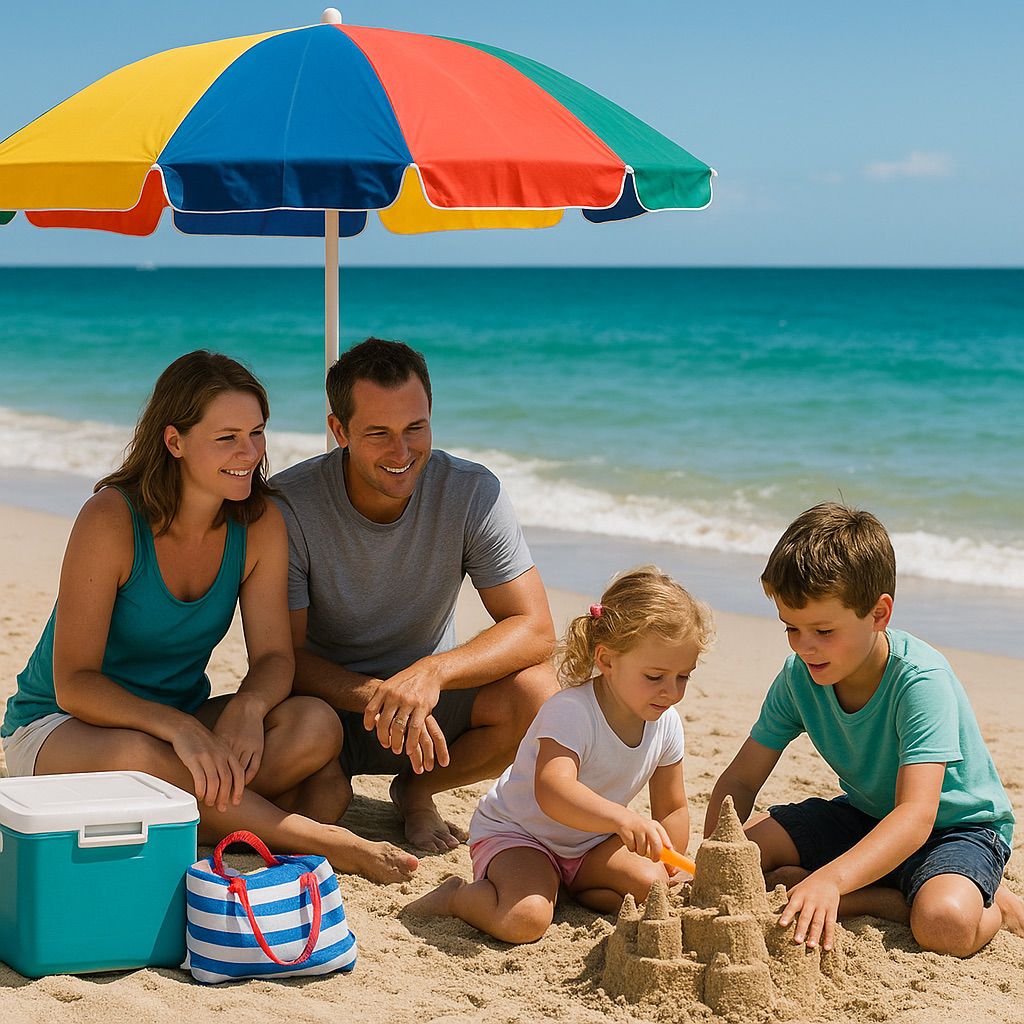
There’s a certain electricity in the air when a family beach trip is approaching. It starts with the buzz of anticipation while packing bags, digging out swimsuits from the back of drawers, checking sunscreen supplies, and debating whether you really need to bring that extra set of sand toys. A family-friendly beach vacation isn’t just a trip—it’s a tradition, an anchor of memories that children and parents alike will carry long after the tan lines fade. These vacations have a way of compressing joy into small, unforgettable moments: a child’s first seashell discovery, a dad attempting to fly a kite that refuses to cooperate, a mom laughing so hard while being splashed that the sound of her laughter carries down the shoreline. It’s in these snapshots that family bonds are strengthened, and it’s no wonder why so many people say their happiest childhood memories are wrapped in the sound of crashing waves and the smell of salt air.

The beauty of a family-friendly beach destination lies in its ability to satisfy everyone. Kids crave endless play, and beaches deliver—sandcastle competitions that grow more elaborate by the hour, boogie boards riding waves until exhaustion sets in, or the simple delight of chasing gulls across the shore. Teens, often hard to please, find freedom in beach boardwalks, watersports, or the safe independence of exploring local shops and cafés. Parents rediscover the art of slowing down, stretching out under an umbrella with a book they’ve meant to read for months or joining in on a spontaneous beach volleyball game with their children. Grandparents, if they’re along, enjoy long walks at sunset, hand-in-hand storytelling, and seeing joy radiate across generations. Few vacation types allow such a natural blend of activities where every age group finds something they love, and where togetherness feels effortless rather than forced.

Some beaches around the world are legendary for catering to families. Destinations like Hilton Head in South Carolina, with its gentle waves and biking trails, or San Diego’s Coronado Beach, with its golden sand and calm surf, consistently rank high on the family-friendly list. Abroad, places like Algarve in Portugal or Playa del Carmen in Mexico offer warm waters, safe swimming zones, and activities that make kids feel just as catered to as adults. The key is not the size of the destination or even its fame—it’s the ability for a beach to become a playground, a dining room, a nap spot, and a stage for stories all in one day. Families don’t just visit beaches—they live entire days on them, sunrise to sunset, and the best spots are those that embrace that rhythm.

There’s also something inherently budget-friendly about family beach trips. Unlike theme parks or elaborate vacations, much of the fun comes free of charge. The ocean doesn’t ask for tickets. Sandcastles cost nothing more than imagination and a bucket. Shell collecting, frisbee tossing, evening walks along the tide line—all are priceless activities that weave themselves into the vacation tapestry without draining wallets. Of course, extras like ice cream runs, seafood dinners, or surf lessons add flavor, but the heart of a family-friendly beach trip is built on accessibility. The simplest joys often become the most meaningful, and no one feels left out because the beach belongs to everyone equally.

Packing for a family beach vacation becomes an art form of its own. Parents learn quickly that while the beach seems simple, it demands a certain toolkit: sunscreen that actually stays put, a sturdy umbrella or pop-up tent for shade, endless snacks that somehow vanish within minutes, and plenty of water. Towels multiply like rabbits, sand toys somehow double with each trip, and coolers become mobile buffets. The ritual of lugging it all across hot sand is part of the experience, and though parents may groan at the load, the payoff is watching their kids run ahead, barefoot and giddy, ready for another day of salty adventure. These efforts, though exhausting in the moment, often become the things laughed about later—the memory of that umbrella that flipped in the wind, or the cooler lid that refused to close over too many juice boxes.

Meals, too, transform on beach vacations. Even the pickiest eaters seem to find an appetite after hours in the surf. Sandwiches taste better when eaten on a towel, fruit feels sweeter when bitten into under the sun, and even a simple bag of chips somehow transforms into a feast when shared on the sand. For dinners, families gather at beachside restaurants where seafood platters and fruity drinks remind everyone that vacation is not just a place but a state of mind. There’s something deeply bonding about watching a sunset together while waiting for food, sticky fingers still covered in saltwater, cheeks pink with sun. These moments aren’t polished—they’re sandy, noisy, sometimes chaotic—but they’re real, and they’re the ones everyone remembers.

Perhaps the most powerful part of family-friendly beach vacations is the rhythm they establish. Days start earlier because children rise with the sun, eager to head back to the water. Mornings are filled with energy—digging moats, building sand kingdoms, diving into waves again and again. Afternoons slow down, the beach quieter as naps sneak in under umbrellas, books finally open, and parents watch their kids through half-closed eyes with a contentment that only comes when the entire family is at ease. Evenings sparkle with boardwalk strolls, arcade games, fireworks shows, and late-night swims in hotel pools. Every hour feels filled, not with obligation but with choice, and that’s what makes them special. Family-friendly beach vacations thrive on flexibility—the freedom to do nothing or everything, all under the same sun.

Technology seems to fade here, too. While phones still capture countless photos, they often end up forgotten in bags as families immerse themselves in the moment. Kids aren’t scrolling when the waves call, and parents aren’t glued to screens when the view is this good. Instead, conversations stretch, games emerge, and laughter feels louder without digital interruption. The beach becomes not only an escape from routine but also from distraction, offering a kind of presence rarely achieved in daily life. Families rediscover not just the joy of vacation but the joy of each other.

As children grow older, beach trips become markers of time. The sandcastle years give way to surfing lessons, the seashell hunts give way to teenage selfies at sunset, the family volleyball games give way to adult siblings returning with their own kids. The beach holds continuity—it’s the backdrop against which families change, a reminder that while time moves forward, the ocean remains steady, welcoming, unchanging in its call. Parents who once pushed strollers across boardwalks later walk arm-in-arm with grandchildren, and in those moments, the circle feels complete.

Family-friendly beach vacations are not about perfection. Sometimes the weather doesn’t cooperate, sometimes the hotel isn’t as nice as the brochure, sometimes kids squabble or sunscreen stings eyes. But those imperfections fade into the background when set against the larger picture of joy. Years later, nobody remembers the tantrum or the lost flip-flop. They remember the first time they jumped into a wave, the family photo taken with messy hair and crooked smiles, the way the beach made them feel limitless. The ocean has a way of sanding down the rough edges, leaving behind only the polished, glowing memories.

At their core, family beach vacations are about connection—to each other, to the ocean, to the idea that life is best lived in shared moments of joy. They remind us that family is not just about being together in the same space but about playing, laughing, eating, and exploring side by side. They teach kids resilience in the face of waves, curiosity in the search for shells, and appreciation for the simple beauty of sunsets. They teach parents the art of presence, the gift of slowing down, the importance of prioritizing joy. And when families return home, they bring the ocean with them—not in the sand stuck to their shoes, but in the way they remember what it felt like to belong to something bigger than themselves.

So the next time you’re wondering where to go, remember that the answer doesn’t have to be complicated. Sometimes the best trip is the one with the simplest ingredients: a stretch of sand, the sound of waves, a cooler of snacks, and the people you love most. A family-friendly beach vacation isn’t about extravagance. It’s about joy, connection, and memories that will outlast even the tides.

Related Posts

Treasures in a Bottle: How to Capture Sand Memories from Your Trips

Dave

There are souvenirs you buy and souvenirs you create, and the ones you create always carry the deepest weight. Anyone can walk into an airport gift shop and pick up a magnet, a T-shirt, or a snow globe with the name of a city printed on it. But when you crouch down on the shore of a place you’ve loved, dig your hand into the sand, and save a little of it to take home, you aren’t just collecting grains of earth — you’re bottling a memory, a moment, a feeling. Sand holds more than shells and fragments of coral. It holds laughter, saltwater, sunsets, stories, and the echoes of footprints long gone. Learning how to bottle sand memories from your trips is less about the mechanics of filling a jar and more about the poetry of preserving something fleeting in a way that will always bring you back to the shore where you first felt it.

The magic of sand is its uniqueness. No two beaches are ever the same. Some sands are as white and soft as powdered sugar, while others glitter with black volcanic minerals or glow with pink coral fragments. There are golden beaches that shine like sunlight, red sands carved by ancient iron, and even green sands born of olivine crystals. When you scoop a handful of sand from one place, you are holding a geological fingerprint of that stretch of coastline, a piece of history shaped over thousands of years. When you line bottles of sand from different journeys side by side, you create a gallery of landscapes, each one distinct and personal, telling a story no store-bought souvenir could ever tell.

Bottling sand memories is also an act of intimacy. The moment of bending down, of feeling the grains slip through your fingers, is like a handshake with the earth. You’re not just looking at a place; you’re touching it, engaging with it, taking a piece of its essence home. Later, when you’re back in your daily routine, opening that little bottle, shaking it gently, and watching the grains shift is like flipping through a diary written not in words, but in minerals and textures. The sand doesn’t just remind you where you were. It reminds you who you were in that moment — carefree, laughing, perhaps sunburned and salty, or maybe calm, contemplative, and in awe of the horizon.

The process of bottling sand memories doesn’t have to be complicated. A small glass jar or bottle, something simple and clear, is all it takes. The transparency is key — you want to see the sand, to let the light hit it and reveal its details. Some travelers add labels with the name of the beach and the date of the trip, while others prefer to leave it anonymous, letting memory fill in the gaps. A simple handwritten note or even a tiny tag tied around the neck of the bottle can turn sand into a time capsule. Each time you glance at it on your shelf, you’ll be transported to that beach, hearing the waves crash and feeling the sun on your skin again.

But beyond mechanics, there’s an art to making sand collections meaningful. Some people layer sands from multiple beaches in one jar, creating stripes of color and texture like a geological rainbow. Others add small seashells, pebbles, or dried flowers from the beach itself. A bottle can become a microcosm of an entire day, each element a piece of a larger memory. If you’re artistic, you can use sand in craft projects — layering it in shadow boxes with photographs, sprinkling it into resin jewelry, or using it in candles and ornaments. Each creative choice is another way of making the memory live outside of your head, tangible and touchable.

The power of sand memory bottles is not just in their beauty but in their accessibility. Unlike expensive souvenirs, sand is free, humble, and universal. Almost anyone can bend down and take a handful of sand, and yet what they create with it is entirely personal. A bottle of sand from your honeymoon beach will carry a different weight than one from a family vacation, a solo backpacking trip, or a spontaneous weekend getaway. Together, they weave the story of your life’s adventures in a way no mass-produced trinket could.

Of course, as with all acts of collecting, respect matters. Some beaches and parks have strict rules against removing natural elements, and those rules are there for a reason. Before you bottle, check. Sometimes, the right choice is not to take, but to find creative ways of capturing the memory in other forms — a photograph of your footprints, a sketch, a journal entry. When collecting is allowed, take only a small amount, just enough to fill your bottle, leaving the beach as beautiful as you found it. After all, the essence of bottling sand memories is to honor the place, not diminish it.

The beauty of this tradition is that it grows over time. The first bottle may seem small, almost insignificant, sitting alone on a shelf. But as years pass and travels accumulate, your bottles become a library. Each one is a chapter, each one a story, each one waiting to be opened and remembered. Lined up, they become not just souvenirs but a map of your wanderings, a timeline of your life’s adventures. The grains of sand you hold will outlast photographs that fade or phones that lose storage. They are elemental, timeless, and enduring.

When guests visit your home and notice the collection, they don’t just see sand. They see curiosity, they see love for the world, they see a storyteller who captures moments in bottles instead of relying on postcards. The conversations that follow are their own kind of memory-making — you, recounting the day you first scooped that sand, reliving the laughter, the swims, the sunsets. In this way, the bottles continue to create joy long after the trip has ended.

Ultimately, bottling sand memories is about grounding yourself in something physical. In a world where so much of our memory lives in digital clouds and endless scrolls of photos, a bottle of sand feels refreshingly real. You can hold it in your hand, shake it, feel its weight, see the way the grains catch light. It is a reminder that travel is not just about destinations but about connections — with places, with people, with moments that shape who we are. Each bottle is a reminder that time is fleeting, but memory, when honored and preserved, can last forever.

So the next time you find yourself at the edge of the sea, toes sinking into the shore, waves brushing against you, and sun sinking low on the horizon, take a moment to scoop up a handful of that place. Let it run through your fingers, feel its texture, and then save just enough to bring home. Later, when life is hectic and routine feels endless, you can pick up that bottle, shake it gently, and be transported. The sound of laughter, the warmth of sun, the crash of waves — all bottled, all yours, forever.

Related Posts

Beneath the Surface: Discovering the Best Beaches for Snorkeling Around the World

Dave

The beauty of a beach is often measured by the way it looks above the waterline, but the true magic lies just beneath the surface. For those willing to strap on a mask, bite down on a snorkel, and glide into the blue, an entire hidden universe awaits — colorful, vibrant, teeming with life. Snorkeling is one of the simplest and most rewarding adventures you can have on a beach day, requiring little more than curiosity and a willingness to float. It opens up a secret door into the world of coral gardens, swaying sea fans, darting tropical fish, and encounters with creatures that seem pulled straight from myths. Finding the best beaches for snorkeling is not about geography alone; it’s about entering places where nature has written her most dazzling stories in shades of turquoise and gold, pink and violet, emerald and silver. The water becomes a canvas, the fish the brushstrokes, and every snorkeler is both an explorer and a guest in a world older and grander than their own.

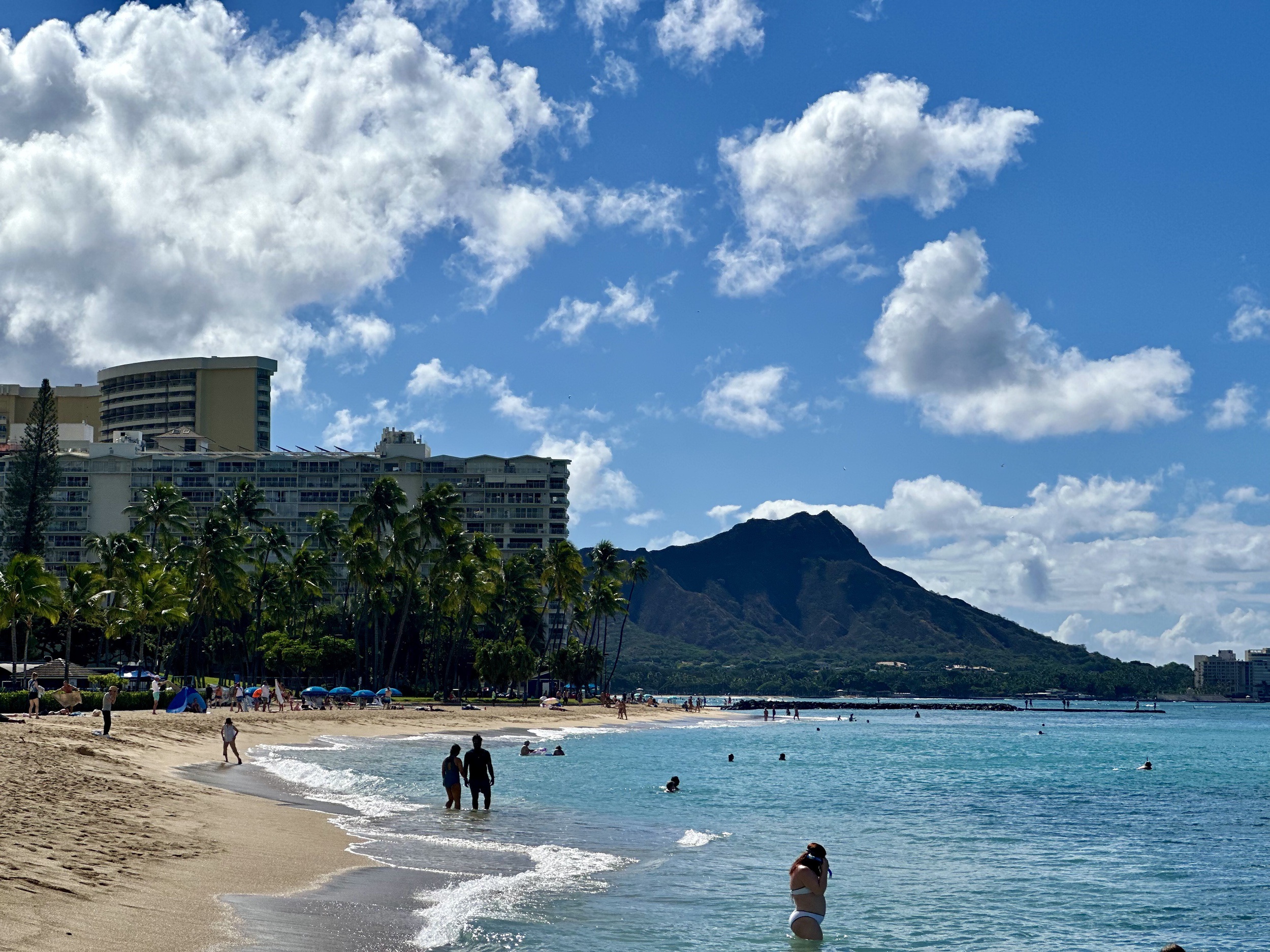
One of the most iconic snorkeling destinations on earth is Hanauma Bay in Oahu, Hawaii. From above, the bay looks like a perfect crescent carved out of volcanic rock, but beneath the waves lies a sanctuary bursting with coral reefs and vibrant marine life. The water here is calm and shallow, making it perfect even for beginners, but it’s the density of life that makes it unforgettable. Glide through the bay and you’ll find yourself surrounded by schools of butterflyfish and parrotfish, flashes of yellow tangs, and perhaps even a graceful sea turtle cruising by like a serene elder of the reef. The experience is so overwhelming that it feels less like snorkeling and more like stepping into a living aquarium, only this one has been sculpted by nature and preserved by protection efforts that have made Hanauma Bay a global model for marine conservation.

Half a world away, the Caribbean offers its own treasures. Trunk Bay in St. John, part of the U.S. Virgin Islands, is often described as one of the most beautiful beaches in the world, but its real jewel is underwater. An underwater snorkeling trail has been created here, complete with plaques that guide you through the coral formations and introduce you to the fish you’ll encounter. It’s as if the ocean itself is giving you a guided tour, whispering secrets about the reef as you glide through warm, crystalline waters. This blending of education and adventure ensures that even first-timers leave not only dazzled but also more aware of how fragile and precious these underwater ecosystems are.

Australia’s Great Barrier Reef may be the crown jewel of global snorkeling, but it is the smaller, more intimate spots that truly capture the heart. At Whitehaven Beach in the Whitsundays, powdery white sand gives way to waters where stingrays glide like shadows over a turquoise canvas, and tiny, curious fish dart between your legs as you walk in from the shore. The reef here is shallow and easy to access, but the diversity is staggering — corals like sculpted castles, clownfish peeking from anemones, and flashes of electric blue and neon pink that seem too vivid to be real. Snorkeling here reminds you that sometimes the greatest beauty is not in size but in intimacy, in the way each encounter feels personal, like the reef is performing just for you.

For those drawn to the raw, untamed beauty of the Red Sea, Egypt’s Ras Mohammed National Park offers snorkeling like nowhere else. Located at the tip of the Sinai Peninsula, this region is where vibrant coral reefs meet desert cliffs, creating a surreal collision of landscapes. Slip beneath the surface and you are greeted by walls of coral that drop into the depths, teeming with fish that shimmer like jewels against the backdrop of the blue. Barracuda patrol the outer edges, while colorful wrasses, angelfish, and butterflyfish populate the reef. Snorkeling here feels primal, ancient, as if you are tapping into the same waters that have flowed unbroken since the dawn of life itself.

Mexico’s Riviera Maya holds another treasure in Akumal, which means “Place of the Turtles” in Mayan. True to its name, Akumal’s shallow, calm waters are home to green sea turtles that graze peacefully on seagrass meadows just offshore. To snorkel here is to experience one of the most humbling encounters possible — drifting alongside these gentle giants as they move with slow, deliberate grace, completely unbothered by your presence. The sight of a turtle lifting its head to the surface for a breath before sinking back down into the meadow is unforgettable, a reminder of the delicate balance between sea and land, air and water.

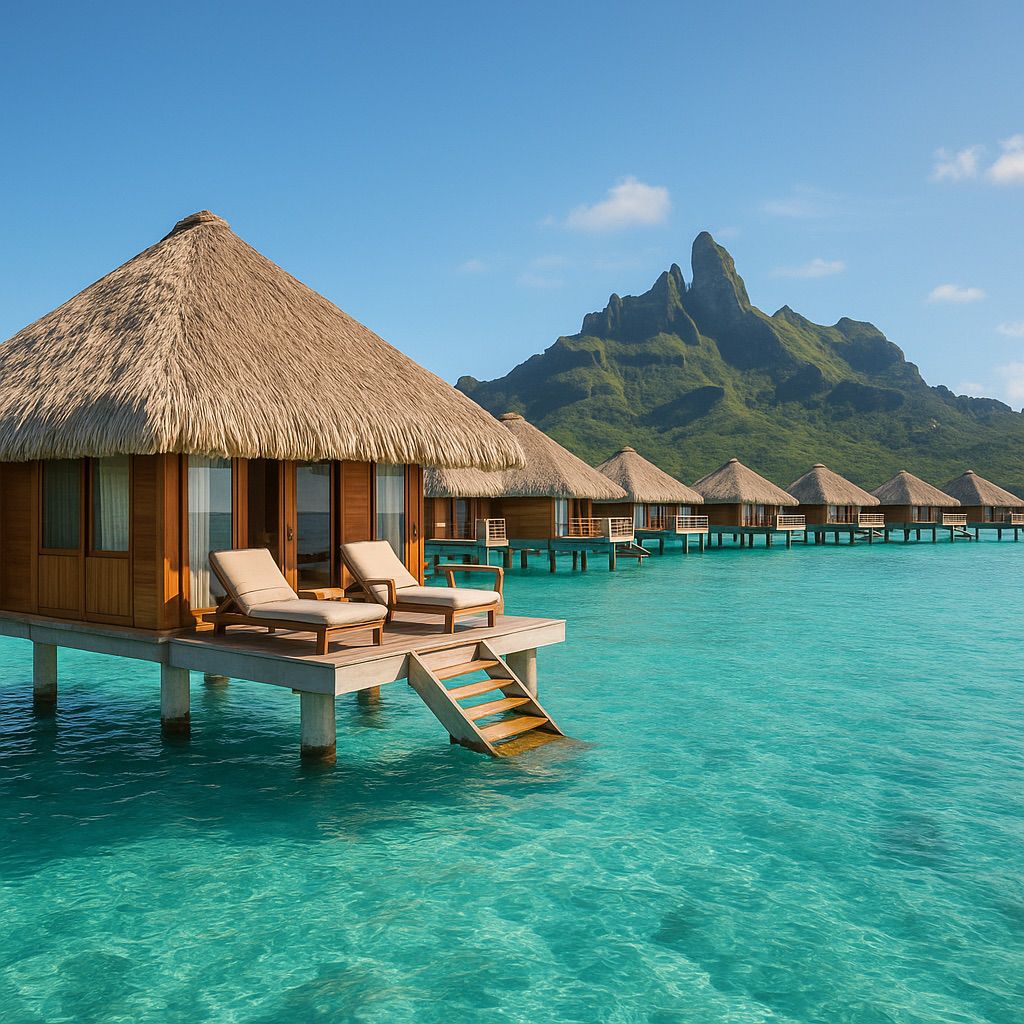
In the Maldives, nearly every island offers snorkeling that could make the list of “world’s best.” The waters here are impossibly clear, the corals alive with every imaginable hue, the marine life dazzling in both diversity and abundance. Perhaps nowhere else in the world can you step directly from your overwater villa into a reef where you might see manta rays, reef sharks, and clouds of tropical fish in a single swim. The Maldives redefine what it means to be surrounded by the sea, making every snorkel an immersion in paradise.

The Galápagos Islands, meanwhile, add another dimension to snorkeling — not just color and beauty, but history and uniqueness. Here, you are as likely to encounter a marine iguana gliding past you as you are to see a school of surgeonfish. Sea lions often swim playfully alongside snorkelers, their agility and joy infectious. The Galápagos remind us that snorkeling is not just about seeing beautiful fish, but about sharing space with creatures found nowhere else on earth. It is a humbling, exhilarating reminder of how diverse life can be when allowed to flourish in isolation.

And then there are the hidden gems, the places that don’t make every glossy magazine list but stay forever etched in the memories of those who discover them. Devil’s Crown in the Galápagos, a submerged volcanic crater teeming with life. Molokini Crater in Hawaii, a crescent-shaped sanctuary where visibility is so clear it feels like floating through glass. Ningaloo Reef in Western Australia, less famous than the Great Barrier but just as dazzling, where whale sharks migrate and coral flourishes with fewer crowds.

What makes a beach great for snorkeling is not just what you see, but how it makes you feel. The best beaches for snorkeling remind you that the world is larger and more complex than you imagined, that beauty exists in layers, that every fish, coral, and current is part of a grand design you are only beginning to glimpse. They teach patience, humility, and wonder. They slow you down, force you to breathe, to observe, to marvel.

The real gift of snorkeling is not just the photographs or the list of species you can check off. It is the moment of connection — when a turtle meets your eye, when a school of fish envelops you like a living cloud, when sunlight refracts through water and turns everything into a kaleidoscope. These are moments of intimacy with a world that exists whether or not we visit it, a reminder that paradise is not a resort but an ecosystem, fragile and alive.

The best beaches for snorkeling are scattered across the globe, but they share one thing in common: they leave you changed. You emerge from the water with salt on your skin and wonder in your eyes, carrying with you a piece of the reef, not physically but emotionally. You carry the colors, the rhythms, the quiet power of a world that thrives just beyond our everyday sight. And once you have seen it, you will spend your life seeking it again, diving into new waters, chasing new horizons, searching for that same thrill of discovery.

Snorkeling is not about expertise, expensive gear, or even travel to the farthest corners of the planet. It is about curiosity, about surrendering to the idea that the world beneath the waves is as much ours to explore as the mountains and cities we call home. The best beaches for snorkeling are not just destinations; they are invitations — invitations to witness, to respect, to protect. Because once you have seen paradise underwater, you cannot help but want to keep it safe for generations to come.

Related Posts

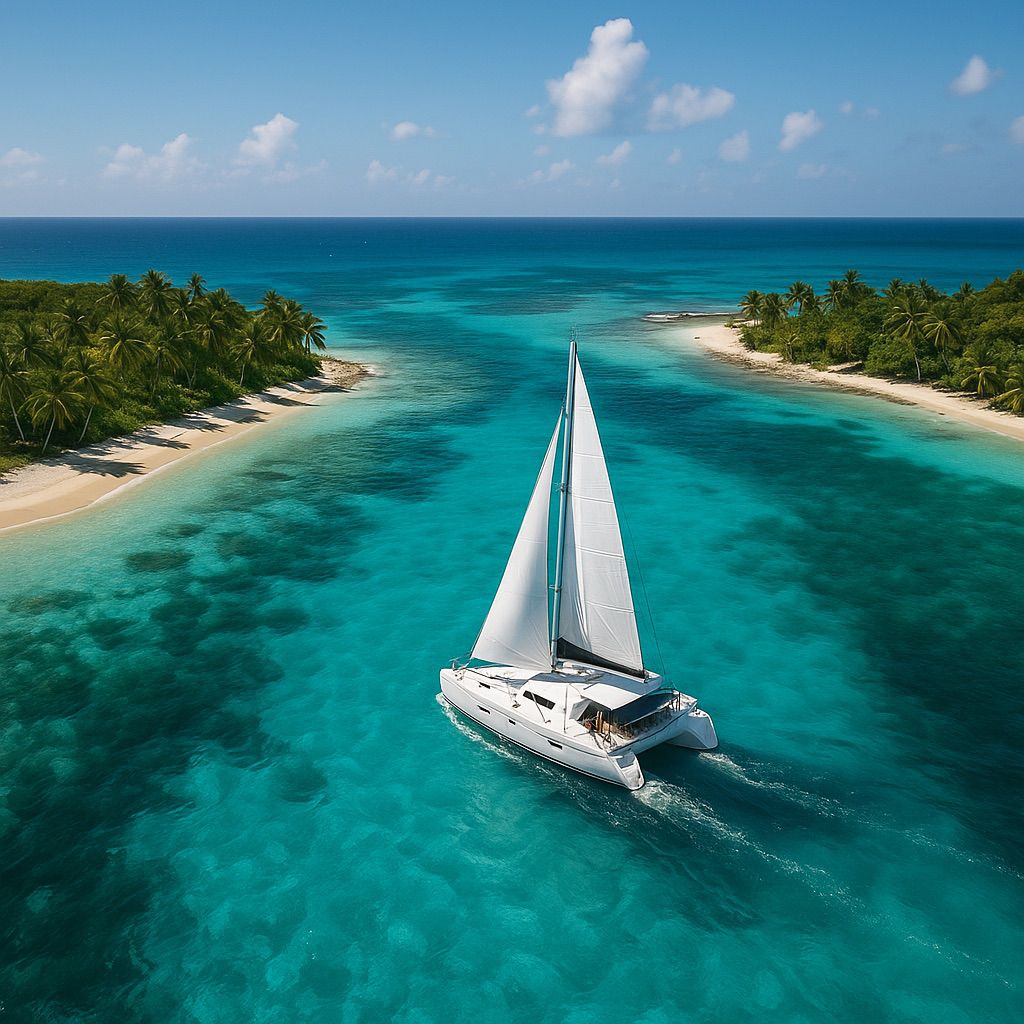
Sailing Through Paradise: The Ultimate Journey of Island-Hopping in the Caribbean

Dave

There are trips you plan, trips you dream about, and trips that end up etching themselves into the fabric of your memory so deeply that no amount of time can erase them. Island-hopping in the Caribbean belongs firmly in the third category. It is not just a vacation; it is a pilgrimage to turquoise waters and golden sands, to cultures layered with history and alive with rhythm, to food that dances on the tongue and sunsets that set the sky aflame. The Caribbean is not a single destination. It is a mosaic of islands, each with its own soul, its own stories, its own flavor of paradise. To hop from one to the next is to move through a kaleidoscope of experiences, each island offering a new revelation, a new note in a song that never seems to end.

The journey begins long before your feet ever touch the sand. It begins in the imagination, in the way the word “Caribbean” conjures visions of palm-fringed beaches and hammocks swinging lazily in the shade. But the reality is richer, more vivid, more complex than the postcard clichés. Step onto a ferry, a catamaran, or a small plane, and you are transported not only across waters but across histories. Colonization, piracy, slavery, resilience, and independence have all left their imprints here, shaping the islands into a tapestry where no two are alike. Island-hopping is not simply about beaches — though the beaches will take your breath away. It is about discovery, about peeling back layers, about surrendering to the rhythm of the islands and letting each one tell you its story.

In the Bahamas, the gateway to many Caribbean dreams, the water is so clear it seems unreal, like floating glass beneath your boat. Hop over to Nassau, with its pastel-colored colonial buildings and bustling straw markets, and then sail to the Exumas, where pigs actually swim in the sea and sandbars stretch endlessly beneath a sun so bright it feels like a spotlight. Already, you are intoxicated. Already, the spell is taking hold. But the Bahamas are just the beginning, the first note in a symphony of islands.

Head south to Jamaica, and the energy shifts. The island throbs with rhythm, reggae pouring from every doorway, jerk spices filling the air with smoke and fire. The beaches here are wide and golden, but what truly captivates is the spirit of the people — warm, vibrant, alive with a resilience born of struggle and pride. Climb Dunn’s River Falls, raft down the Martha Brae, dance in Kingston, sip overproof rum while listening to Bob Marley’s voice drifting from a local bar. Jamaica is not just an island; it is a pulse, a beat that lodges itself in your chest and stays with you long after you’ve left.

Then comes Cuba, an island frozen and yet timeless, where vintage cars roll past crumbling colonial facades and music spills into the streets at all hours. Havana feels like stepping into another world, one where history lingers in every cobblestone and every cigar. Walk the Malecón at sunset, the waves crashing against the seawall as couples stroll arm in arm, and you understand why poets and revolutionaries alike have been drawn to this island for centuries. To hop from Cuba to Puerto Rico is to feel the shift again, from the revolutionary to the celebratory. San Juan dazzles with its colorful Old Town, its forts standing guard against centuries of storms and sieges, its plazas alive with dancing, laughter, and the irresistible pull of salsa. Puerto Rico feels like a celebration that never ends, a place where history and joy dance together under the Caribbean sun.

Further along the chain, the Virgin Islands beckon. St. Thomas with its bustling harbor, St. John with its pristine national park beaches, St. Croix with its Danish history and rum distilleries. Then the British Virgin Islands, where sailors find nirvana among scattered isles like Tortola, Virgin Gorda, and Jost Van Dyke. Here, island-hopping is literal — hopping from one stretch of paradise to the next in the span of an afternoon sail. White Bay on Jost Van Dyke is famous for its beach bars, where rum punch flows like water and strangers become friends as easily as the tide rolls in. There is no hurry here, no schedule, only the sun overhead and the sand between your toes.

As you move further south, the Lesser Antilles unfurl like jewels scattered across the sea. Antigua boasts 365 beaches — one for every day of the year, they like to say. St. Lucia rises in dramatic splendor, its twin Pitons piercing the sky, waterfalls tumbling down emerald slopes, volcanic sand black beneath your feet. Barbados, with its British charm and calypso heart, offers cricket matches under swaying palms and waves that lure surfers from across the globe. Each island brings contrast, each island adds a verse to the story.

Then there is Dominica, the Nature Island, where rainforests cloak the land and boiling lakes steam from volcanic depths. This is a place less touched by mass tourism, where waterfalls crash into hidden pools and parrots flash their colors through the canopy. Grenada, the Spice Island, greets you with the scent of nutmeg and cinnamon the moment you step ashore. Its markets burst with color, its hillsides glow with flowers, its beaches invite without pretense. To wander here is to let your senses guide you — taste, smell, sight, all heightened by the island’s lush generosity.

And if you continue, you reach the ABC islands — Aruba, Bonaire, and Curaçao — each unique, each kissed by constant trade winds and boasting waters so clear they seem lit from within. Aruba dazzles with its luxury resorts and white sands, Curaçao charms with its Dutch architecture and vibrant culture, while Bonaire remains a diver’s paradise, its reefs protected, its waters alive with fish and coral. Here, the Caribbean feels both familiar and exotic, European and Caribbean, wild and refined.

What makes island-hopping so addictive is the contrast. You wake up one morning eating callaloo for breakfast, and by evening you’re sipping piña coladas on another shore. One day you’re hiking to a volcanic crater, the next you’re snorkeling above a coral reef or dancing in a street parade. Every island is a new world, and yet they are all tied together by the sea — that constant expanse of turquoise and indigo that carries you forward.

But island-hopping in the Caribbean is not just about the destinations. It’s about the people. The fisherman who offers you a fresh catch from his boat. The bartender who insists you try the local rum punch — “stronger here than anywhere else,” he swears. The musician whose steel drum melody makes you stop mid-step because for a moment, you feel you are hearing the heartbeat of the islands themselves. The Caribbean is not just seen. It is felt, lived, embraced through the warmth of the people who call it home.

Of course, no journey is without its challenges. Ferries can be unpredictable, flights delayed, weather capricious. A sudden storm can wash out plans, and the laid-back pace that makes the Caribbean so charming can frustrate those who crave punctuality. But island-hopping here teaches you something vital: to let go. To surrender control. To realize that paradise is not about sticking to a schedule but about embracing the unexpected. It is in those unscripted moments — the rain shower that forces you into a beachside shack where you discover the best conch fritters of your life, or the missed ferry that leaves you watching a sunset you would otherwise have rushed past — that the Caribbean reveals its true gifts.

By the time you have skipped from island to island, danced to different rhythms, tasted countless flavors, and dipped your feet in waters that change shade with every horizon, you come to understand why people call the Caribbean a paradise. It isn’t perfect — no paradise ever is. It is layered with histories of struggle, colonization, and resilience. But it is alive. It is joyful. It is generous. It is a place where the sea ties together a thousand differences into one shared identity.

Island-hopping in the Caribbean is not about checking boxes or collecting stamps. It is about immersion. It is about the way the light hits the water differently on each shore, the way the music changes beat from island to island, the way food tells a story that history books cannot. It is about the feeling of constant discovery, of waking up each day knowing you will step into something new, something unforgettable. And when you leave, when the plane takes off and the turquoise waters fall away beneath you, you carry more than memories. You carry the rhythm of the islands inside you.

The Caribbean is not a place you simply visit. It is a place you return to, again and again, in your dreams, in your heart, in the way a certain smell or song can transport you back instantly. To hop across its islands is to collect pieces of paradise, and those pieces never fade. They stay with you, salt-kissed and sun-warmed, forever.

Related Posts

Whispering Shores: Underrated Beaches in Europe You’ll Wish You’d Found Sooner

Dave

There’s a point in every coastal journey where the map fades and the sea begins to speak for itself. It sounds like pebbles rolling in a gentle tide. It smells like pine warmed by a noon sun. It looks like a tiny crescent of sand that never made a “top 10” list, a place where you can hear your own footsteps and the faint clink of a fisherman’s tackle somewhere around the headland. These are Europe’s underrated beaches—the quiet edges that don’t go viral, that don’t rent out entire summers to influencers, that don’t require an alarm clock battle to claim two meters of sand. They’re the bays you remember years later because you shared the water with five people and a curious cormorant. They’re the places where the coffee is strong, the bread is warm, and the salt dries on your skin before you make it back to the car. This is a love letter to those beaches—and a guide to finding them—written for travelers who prefer a whisper to a shout.

Start in Portugal, but step around the obvious. The Algarve’s cliffs are famous for good reason, yet just a little north of the postcard coves sits Alentejo’s wild littoral, where beaches stretch so long they become a mood. At Praia da Amália, a narrow path threads through eucalyptus and descends to a small amphitheater of sand framed by slate rock. A waterfall sometimes tumbles directly onto the beach, fresh water etching a cold ribbon through the warm Atlantic. Fishermen pick their way across the headland, their silhouettes crisp against the sky. It’s a place that doesn’t care whether you came for a selfie; it cares only that the tide keeps time. Drive a bit farther and you’ll reach Praia de Aberta Nova, a wide, golden sheet where the dunes move like sleeping animals. There’s nothing to do but walk, swim, and become the kind of person who unlearns urgency.

Hop east to Spain, but not to the Costa crowded. On Menorca, the least performative of the Balearics, the south coast hides miniature paradises reachable by pine-scented trails. Cala Trebalúger is one of the loveliest—milk-blue water, chalky sand, and a silent river mouth where you can rinse the salt from your hair with fresh water. The hike in keeps it modestly empty even in high summer; the reward is a cove that feels sketched by a minimalist architect. Menorca’s secret is proportion: cliffs high enough to hush the wind, sand wide enough to spread lunch, water shallow enough to invite even cautious swimmers. If you arrive at noon, the sea looks like it’s plugged into a light socket; if you stay until late afternoon, it downgrades to a perfect, expensive teal.

France’s Mediterranean is famous for a certain kind of glamour—yachts, rosé, and sun loungers priced like limited-edition sneakers. But the country also guards pockets of quiet that feel like revelations. On the Côte Vermeille, where the Pyrenees tumble into the sea near the Spanish border, you’ll find Plage de Paulilles, a pebbled arc with water clear as a bell. The headlands cradle it from the Mistral, and the surrounding Bay of Paulilles is a protected landscape. Swimmers cut slow lines along the buoys while families picnic under tamarisk trees. A small museum nods to the site’s history as a dynamite factory; the sea, eternally unbothered, just keeps being blue. Farther west in Brittany, Plage de l’Île Vierge (Crozon Peninsula) is a northern miracle: spruce and maritime pine, chalk cliffs, and water so translucent it looks like a trick of latitude. It’s proof that “Mediterranean color” can happen hundreds of miles from the Med, if the geology is right and the clouds are feeling kind.

Italy may be the motherland of la dolce vita by the sea, but its coasts still hold secrets. In Puglia, the Gargano Promontory hides Vignanotica, a long ribbon of white pebbles below chalk cliffs stippled with caves. The pebbles sing underfoot when the waves retreat—one of those small, perfect sounds you only notice when you’re not jostling a crowd. On Sardinia, everyone knows about La Pelosa’s electric shallows; far fewer make the dusty drive to Cala Domestica, a double-bay on the island’s southwest edge where an old watchtower guards a bowl of sand the color of toasted bread. A side path leads through a buttonhole in the rock to a secret secondary inlet; swim there alone and you feel like the first person to read a footnote and understand its importance.

Across the Adriatic, Croatia’s Dalmatian Coast has coastline so chopped and intricate that solitude is almost a guarantee if you’re willing to look. On Brač, walk past the tail-end of Zlatni Rat’s famous spit to Lovrečina Bay, where a shallow, sandy floor (rare in Croatia) invites barefoot ambling far from shore. Olive groves press close to the water, and a small church ruin keeps quiet watch. On Dugi Otok, Sakarun’s white-sugar sand is known, but the nearby coves—Pantera Bay, Veli Žal—often feel like their own private rehearsals: same glassy water, fewer witnesses. If you like your beaches with a side of lunar drama, sail to the Kornati archipelago, where beige domes rise from a cobalt sea and the line between land and water seems negotiated anew each morning.

Montenegro is smaller than some European provinces but punches well above its weight in coastline drama. Past Budva’s energy, past Sveti Stefan’s cinematic fame, you’ll reach Queen’s Beach (Kraljičina Plaža), a short, graceful curve tucked beneath red cliffs and Aleppo pines. In the morning, the sun sets the limestone glowing; by late day, the water turns a kind of bruised sapphire. A sense of hush holds here, partly because access is limited, partly because the mountains draw the sound upward rather than outward. Dip under and you can hear your heartbeat, steady as a metronome.

Greece, of course, could supply an entire atlas of “underrated.” On the Ionian island of Kefalonia, Antisamos is a stunner—pebbles so white they bleach the light, slopes of green that cascade into indigo water. But drive thirty minutes and hike another ten and you’ll find Koutsoupia, a long, crescent cove reachable only by a coastal path. The sea shifts through a painter’s swatch book—lapis, cyan, peacock—while goats graze the terraces above. On Crete’s south coast, Agiofarago lies at the mouth of a short gorge: tall walls, a narrow beach, and water that looks poured from a bottle. If you go in the morning, you might share it with climbers and a monk from the nearby cave-chapel; by afternoon the wind combs the surface into silky lines.

Venture north to Albania, where the Riviera south of Vlorë is still inventing its tourism story. Gjipe Beach might be the headline: a sandy throat at the mouth of a dramatic canyon, reached by a thirty-minute walk or a bouncy 4×4 track. The sea is Ionian-clear; the cliffs vault straight up like cathedral walls. There is just enough infrastructure to get a cold drink, not enough to make the landscape feel compromised. Keep driving to Borsh, where an almost endless strand of pebbles unrolls along olive groves and fig trees, the smell of grilling fish drifting on evening air. Albania’s gift is scale without saturation: big views, small crowds.

In Slovenia, two dozen kilometers of coastline punch above their length. Moonstone-colored Piran leans Venetian, but the quieter swimming platforms east of town let you slip into jade water with the church bell as your metronome. A short jog inland delivers you to salt pans where flamingos sometimes draw gossip-pink lines across the horizon. It’s not a “beach” in the sandy sense; it’s better—a daily life politely interrupted by the sea.

Sicily’s little cousin islands hold the key for anyone who hears “underrated” and thinks “ferry schedule.” On Favignana, Cala Rossa is rightly adored, but Cala Azzurra often feels roomier and just as vivid, with pale slabs stepping into glass. On Pantelleria, there’s almost no sand at all—just lava terraces, hot springs, and water so inky blue it seems unreal. Swim at Cala Gadir, then soak in the ancient thermal pools as locals discuss capers, wind, and gossip with equal expertise.

The Black Sea, often left out of glowing travel prose, deserves its own song. Bulgaria’s northern cap hides Bolata, a small horseshoe of sand at the mouth of a river, backed by rust-red cliffs. The water is usually as mild as a secret, and fishermen’s huts lend the cove a hand-built humility. In Romania’s Danube Delta, beach becomes delta becomes wetland; at Sfântu Gheorghe, you can lie on a strand that feels like an unrolled ribbon at the edge of a biosphere, pelicans drafting across an enormous sky.

Even the British Isles, which some imagine as a catalog of weather rather than beaches, keep aces up their sleeve. On the Isle of Harris in Scotland’s Outer Hebrides, Luskentyre wears Caribbean colors on a Gaelic face: dunes, machair wildflowers, pale sand, and a sea that would be fully tropical if someone nudged the thermostat. On a clear day, the island of Taransay floats in the distance like a memory. Cornwall’s north coast has Portheras—once off-limits due to leftover wartime debris, now carefully cleared and watched over by locals who prefer it to stay a little secret. Arrive at low tide and the slate outcrops sketch tidal pools you could stare into for hours.

What binds these beaches is not a single aesthetic but a shared temperament. They are modest. They make you work just enough—an extra bus, a last dirt track, a walk under pines—so that arrival feels earned. They ask for low volume, a small footprint, and a willingness to adjust your plans to the weather’s. In return, they give you silence measured in waves, stars unbothered by nightclub glare, and the luxury of time that doesn’t feel monetized. These are beaches that give you your curiosity back.

How to find your own? Ignore hashtags and stare at topographic maps. Look for where a road stops short of the coast, then for little footpaths that trust you to be polite. Ask a baker where they swim after work. Follow fishermen in the early morning, not too closely; they know the coves that hold clean water after a blow. Pick a national park over a town beach, a shoulder season over a headline month, a north-facing bay in a south wind. Learn the local word for “cove,” “inlet,” and “pebble”; languages often hide the landscape in plain sight.

There’s also etiquette, the unspoken constitution of hidden places. Pack out your lunch and your pride. Leave stones on cairns and shells where they belong. Keep music in your headphones and drones in their cases; some views aren’t improved by a soundtrack or a buzz. If a beach is reached by a path through private olive groves, walk quietly and wave at the farmer. If you find a turtle nest marked with sticks, keep your towel elsewhere and your evening strolls at a respectful distance. The point of an underrated beach is that it remains itself after you leave.

The truth, of course, is that no beach stays “underrated” forever. The world’s curiosity is inexhaustible; discovery is the internet’s favorite hobby. That’s not a reason to hoard names, only a reason to share them carefully and to travel like a guest. The goal isn’t to keep places secret—it’s to keep them whole. If you fall in love with a cove, ask not just “How do I tell people about this?” but “How do I help this endure?” Sometimes the answer is as simple as carrying a small trash bag. Sometimes it’s as human as buying lunch from the family tavern with the faded sign and the best tomatoes you’ve ever tasted.

By the time you fold your towel and walk back up the trail, the day will have rearranged you. Your shoulders will be salted and a little pink around the edges. Your phone will be politely forgotten at the bottom of your bag. You’ll taste anise from the biscuit the café owner insisted you try, and you’ll be thinking about the way the water changed color every time a cloud drifted past. You won’t remember a single queue or reservation system, because there weren’t any. You will, however, remember the feeling—the one that arrives when the world is quiet enough to hear the tide choose its stones. That’s the currency of underrated beaches, and it spends well in memory.

So go. Choose the map’s margins, the places that need no marketing department. Bring strong legs, soft shoes, and a promise to leave nothing behind but a flattened patch of grass where you picnicked. Wade out until the sea lifts you, then float and watch the clouds trade secrets with the hills. If you’re lucky, a local dog will adopt you for the afternoon, a seal will surface like a polite question mark, and you’ll understand what the old travelers meant when they said a good shoreline teaches patience. Europe is full of these quiet teachers. Find one before everyone else remembers how to listen.

Related Posts

Sun, Sand, and Play: Beach Games Around the World

Dave

There’s something universal about a beach. You don’t have to speak the local language or even know the name of the town to recognize what happens when people gather at the edge of the sea. Children run barefoot, couples stroll with waves nipping at their ankles, friends spread towels across the sand, and before long, someone pulls out a ball, a stick, or even just a simple idea—and suddenly a game begins. Beach games are not bound by nationality, age, or social class. They spring to life wherever sand meets water, proof that humans instinctively turn shared spaces into playgrounds. From sun-soaked coasts in Brazil to rocky Mediterranean shores, from the golden beaches of California to the windswept sands of northern Europe, games on the beach connect cultures while offering joy, exercise, and memory-making.

The magic of beach games is that they blur the line between structured sport and spontaneous fun. A patch of sand becomes a field, a stick becomes a bat, an inflatable ball becomes a prize worth diving for. The ocean is the world’s most democratic backdrop; it requires no ticket, no membership, no equipment beyond what’s at hand. You can stumble into a beach volleyball match in Rio de Janeiro, join a game of frescobol in Copacabana, watch kids play pétanque in southern France, or see fishermen in Sri Lanka organize impromptu tug-of-war contests at dusk. Everywhere, the script is slightly different, but the theme is the same: community, laughter, and the simple thrill of playing where land dissolves into sea.

Perhaps the most iconic beach game of them all is beach volleyball. Born in Santa Monica in the 1920s, it has grown into an Olympic sport and a global passion. The game is deceptively simple—two teams, a net, and a ball. But the sand transforms the dynamics entirely. Leaping for a spike requires not just height but timing, because sand absorbs energy, demanding explosive effort. Diving to save a low ball doesn’t carry the same sting as it would on asphalt—it feels almost liberating, like the sand itself is in on the fun. In Brazil, where volleyball is as common on the beach as umbrellas, the sport has evolved into versions like footvolley, where players use their feet, chest, and head instead of hands, blending soccer skills with volleyball structure. Watching a beach in Rio is like seeing a festival of movement, with games spilling into one another, each claiming its own patch of sand.

Travel east to the Mediterranean, and you might encounter frescobol, a uniquely Brazilian export that thrives anywhere the sand is warm. Frescobol uses wooden paddles and a small rubber ball, but unlike tennis, the objective isn’t to beat your opponent—it’s to keep the ball in play for as long as possible. It’s a cooperative dance disguised as a game, a rhythm between two people where the true joy lies in continuity rather than competition. Tourists often underestimate it until they see how intense and graceful it becomes at higher speeds, players darting and lunging, paddles striking with a satisfying crack against the ball. Frescobol has spread beyond Brazil, popping up in places like Spain, Italy, and even beaches in the United States, where it appeals to those who like their games equal parts challenge and camaraderie.

Then there are the quieter, family-centered games like pétanque in France or bocce in Italy. These games require little more than a few metal or wooden balls and a sandy strip of ground. Friends gather, wine glasses nearby, and matches unfold slowly, punctuated with laughter and playful disputes over whose ball sits closer to the small target. On Mediterranean beaches, these games are as much about the social ritual as they are about scoring points. They create pockets of calm amid the more kinetic beach activities, offering a reminder that play can be both leisurely and competitive. For many, these are childhood memories tied to grandparents and summer holidays, carried across generations like heirlooms.

Move farther around the globe and you’ll find unique local traditions. In Southeast Asia, sepak takraw, usually played on hard courts, often spills onto beaches where nimble players keep a rattan ball aloft using only feet, knees, chest, and head. The sight of it is mesmerizing—a mix of acrobatics and control that seems almost impossible until you realize these players have trained since childhood. In India and Sri Lanka, beach cricket dominates the shoreline, with kids fashioning wickets out of driftwood and using taped tennis balls when real cricket gear isn’t available. The rules are often improvised, but the spirit is pure: every wave carries the laughter of batters sprinting across uneven sand, bowlers testing their speed, and fielders diving with reckless abandon into the surf.

In Hawaii, beach culture fuses with ocean sport seamlessly. Games like kanikapila—casual jam sessions with ukuleles—often coexist with active pastimes like frisbee, surf tag, or water-based relays. Children make obstacle courses out of sandcastles, racing to jump over moats or scale towers before the tide washes them away. Adults might organize canoe races that begin on the beach, with teams charging into the surf in perfect synchrony. Every event carries an element of respect for the ocean, reminding participants that the beach is both playground and sacred space.

The beauty of beach games is how adaptable they are to environment and mood. In Australia, beaches host large-scale events like surf lifesaving competitions, which combine swimming, running, and paddling in a test of athleticism rooted in safety traditions. But on any given afternoon, you’re just as likely to stumble upon a simple game of chase, frisbee, or beach rugby. Australians have perfected the art of mixing casual fun with fierce competition, and the beaches serve as arenas where both coexist.

Northern Europe, with its cooler waters and shorter summers, still finds joy in beach play. In Denmark and Sweden, kite flying is practically a beach sport, with families filling the sky with vibrant shapes while children dig elaborate sand mazes. In the United Kingdom, beach football (soccer) is a common sight, especially when the tide retreats to leave wide expanses of wet, compact sand. Even in chilly weather, the sight of people kicking a ball barefoot across the shoreline is a reminder of how irresistible the combination of sand, sport, and community truly is.

What’s striking is how often beach games cross boundaries. A family visiting from Italy might introduce bocce to children in Florida, who then bring the game back to their neighborhood park. Tourists who try frescobol in Rio may fall in love with it enough to buy paddles and continue the tradition back home. Beach volleyball has become a universal language—you can step into a pickup game in Bali or California without saying a word. The rules, like the waves, are understood.

Part of what makes beach games so enduring is their flexibility. They accommodate every mood: if you want high intensity, dive into beach volleyball or soccer; if you want relaxation, play pétanque or build elaborate sandcastles with kids; if you want to feel connected, try cooperative games like frisbee or frescobol. They also accommodate every body—whether you’re young or old, fit or casual, extroverted or introverted, there’s a beach game that matches your energy. In that sense, they are more than games; they are invitations to belong.

Beyond fun, beach games carry hidden benefits. Running in sand strengthens stabilizing muscles and improves balance. Tossing a frisbee or ball encourages coordination and cardiovascular activity. Cooperative games enhance communication and teamwork, while slower games like bocce foster patience and social bonding. Even building sandcastles, often dismissed as child’s play, develops creativity, spatial awareness, and problem-solving skills. The laughter, the sunshine, and the salty air only enhance these physical and mental rewards.

There’s also a poetic element to beach play. Games played at the edge of land and sea are temporary by design. A perfectly raked pétanque court is erased overnight by the tide. Footprints from a soccer match vanish with the next wave. Sandcastles crumble before dawn. Unlike stadium sports where victories are immortalized in scoreboards, beach games embrace impermanence. They remind us that joy doesn’t need to be preserved to be meaningful. The memory is enough.

Think of the cultural storytelling hidden in these games. In Brazil, volleyball and footvolley reflect a national love for both soccer and community gatherings. In France and Italy, pétanque and bocce embody leisurely afternoons infused with conversation. In South Asia, cricket on the beach reflects both colonial history and contemporary passion. In Australia, surf lifesaving competitions highlight the blending of safety, sport, and spectacle. Together, these games tell us not just how people play, but how they live, celebrate, and connect.

At the heart of it all is accessibility. Unlike elite sports that require expensive equipment, beach games thrive on simplicity. A stick, a ball, a paddle, or sometimes just imagination is enough. Sand is the great equalizer; whether you’re a millionaire tourist or a local child, the ground under your feet is the same. That’s why beach games have endured for generations, unchanged in their essence. They democratize play in a way that few other settings allow.

And so, the next time you step onto a beach, look around. Notice the volleyball players soaring into the sky. Notice the family crouched over bocce balls, debating distances with theatrical seriousness. Notice the children chasing a frisbee that the wind has carried almost to the water. Notice the young couple with paddles, moving in perfect harmony as they rally a frescobol ball. Notice how strangers become teammates, how laughter becomes the common tongue, how the beach itself seems to cheer each point, each dive, each improvised rule.

Beach games, in the end, are not about winning or losing. They are about being present—present in your body, in your community, and in the fleeting moment where the sun dips low and the horizon glows. They remind us that joy is not complicated. It can be as simple as a ball tossed across the sand, caught by a hand that belongs to a friend—or even better, a stranger who just became one.

Related Posts

Salt in the Air, Sun on Your Skin: The Best U.S. Beach Towns for Summer Getaways

Dave

There’s something wildly healing about the first breath of ocean air after a long winter or a brutal spring. You step out of your car, feel the heat rising from the pavement, hear seagulls laughing in the distance, and taste salt on your lips before you’ve even reached the sand. Summer at the beach isn’t just a vacation—it’s a soul reset. And across the United States, a glorious variety of beach towns are waiting to give you exactly that. From quiet coastal escapes to lively boardwalk scenes, the best U.S. beach towns don’t just offer sun and surf—they offer a full-blown experience of relaxation, culture, food, and memory-making. Whether you’re a sun-seeker, a surf junkie, a seafood lover, or someone who simply wants to sink your toes into warm sand with a cold drink in hand, this essay is your love letter to the best coastal communities across America. And we’re not talking generic “best of” listicles. We’re talking real places. Real moments. Real beach town magic that seeps into your soul and never lets go.

Picture a slow morning on the coast of Maine, the fog still hugging the boats in the harbor as gulls dance overhead. Or imagine a wild California sunset painting the sky while surfers catch their final wave, their shadows stretching long on the beach. Or a bustling summer night in South Carolina, where the air smells of shrimp boil and sweetgrass baskets, and kids chase fireflies while live music pulses from a tiki bar by the dunes. These aren’t just vacations—they’re living postcards of American coastal life. And this essay is going to walk you through them one by one, weaving together history, charm, culture, and that intangible pull that only a true beach town can deliver.

Let’s start in New England, where beach towns carry the history of centuries and charm that feels straight out of a storybook. Kennebunkport, Maine, is a stunner. Cobblestone streets, white-steepled churches, old sea captain’s homes, and a harbor dotted with lobster boats. It’s the kind of place where you wander into a seafood shack and order a lobster roll so fresh it still tastes of the Atlantic. The air is brisk even in July, perfect for those who like a cool breeze with their sunshine. The beaches are raw and beautiful, framed by rocky outcrops and salty air that smells like nostalgia. You’ll find long morning walks and quiet evenings here, the kind where you watch sailboats drift while sipping wine on a porch swing.

Shift your compass slightly south, and you’ll land in Cape May, New Jersey—a Victorian fantasy dressed in candy-colored paint. This beach town is elegance by the sea, with gas-lit streets, horse-drawn carriages, and gingerbread-trimmed B&Bs lining the lanes. The beach is wide and clean, dotted with striped umbrellas and the smell of saltwater taffy floating on the breeze. Cape May feels like summer was never meant to end here. It’s where families return year after year to the same rental, the same boardwalk, the same ice cream shop that remembers your name. It’s charming, walkable, and endlessly photogenic. And yes, the sunsets over Sunset Beach will steal your breath every time.

On the other side of the Mid-Atlantic lies a place of pure East Coast summer glory: Rehoboth Beach, Delaware. Friendly, vibrant, and impossibly alive in the summer months, Rehoboth is a blend of traditional boardwalk fun and quirky modern cool. Picture saltwater taffy next to craft beer tastings, arcades alongside art galleries, and street performers sharing space with yoga on the sand. It’s inclusive and energetic—a town that doesn’t just welcome summer, it throws a block party in its honor. The waves are gentle enough for families, yet the food scene is sophisticated enough for serious foodies. And at night, the lights along the boardwalk glow like something out of a film.

For those who like their beach towns with a little more southern flavor, Tybee Island, Georgia, is a true gem. Just a stone’s throw from Savannah, Tybee blends southern charm with island ease. It’s the kind of place where you sip sweet tea on a porch, walk to the beach barefoot, and watch dolphins play in the surf. It has just enough kitsch to feel local—think quirky cafes and tie-dye shops—but the marshes and low-country beauty surrounding it make it something truly special. Rent a bike, explore the lighthouse, and settle into the slow rhythm of this island where time seems to stretch out with the tide.

Keep driving south and you’ll hit Folly Beach, South Carolina—Charleston’s rebellious little sister. Folly has soul. It’s gritty in the best way, a mix of surf culture, Southern hospitality, and bohemian spirit. The beach is wild and wonderful, often full of surfers carving lines into foamy waves, dogs chasing Frisbees, and kids digging castles with sunburned noses. The town itself is packed with music, dive bars, vintage shops, and seafood shacks where the shrimp is always local and the beer is always cold. It’s a place that knows how to live in the moment.

Now let’s fly across the country to Cannon Beach, Oregon, where the Pacific Ocean meets towering cliffs and iconic sea stacks. This isn’t your typical sunbathing beach town—it’s moody, majestic, and magnetic. The kind of place where you throw on a sweater in July and walk barefoot in the mist. Haystack Rock rises from the ocean like something out of a Tolkien novel. And when the fog rolls in, it feels like the entire world gets quiet. Cannon Beach is for the thinkers, the wanderers, the ones who crave beauty and depth in their coastal retreat. And the town’s boutiques, art galleries, and locally roasted coffee only add to the charm.

Further down the West Coast, Laguna Beach, California, is an artist’s dream in motion. Everything here feels painted—the cliffs, the coves, the sunsets that set the ocean on fire. It’s upscale without being pretentious, hip without trying too hard. You can spend your mornings hiking canyons, your afternoons snorkeling in emerald waters, and your evenings browsing art walks or sipping rosé at cliffside restaurants. The community here revolves around creativity and coastal living, and it’s hard not to feel inspired by the sheer beauty of your surroundings.

And then, of course, there’s Kailua, Hawaii—a beach town on Oahu’s windward side that redefines paradise. Unlike its bustling cousin Waikiki, Kailua is all about laid-back luxury. The beaches are powder-soft and postcard-perfect, the water so blue it feels unreal. But what makes Kailua sing is its community vibe. People here surf before work, paddleboard with their dogs, and shop at farmer’s markets that overflow with mangoes, pineapples, and handmade goods. The town blends Hawaiian tradition with modern soul, and once you’re there, the thought of leaving feels like sacrilege.

As you begin to wrap your mind around all these places, you realize that “best” isn’t about the most popular or most photographed. It’s about the feeling a place gives you when you arrive, the stories you take with you, and the longing it plants in your chest when you leave. It’s about the bookstore in a hidden alley, the crab shack on the dock, the old couple walking hand-in-hand down the boardwalk, the kid leaping through the tide with sand-covered legs and wide eyes. It’s about how your skin feels after a day in the sun, how your hair curls from the salt, how your heart softens from the stillness.

There is no one-size-fits-all beach town. Some will call you back every year. Others will become once-in-a-lifetime postcards that live in the back of your mind. But every beach town worth its salt shares one thing—they remind you to slow down, breathe deep, and let go. In these places, the calendar melts, and the only clock you follow is the rhythm of the tide. It’s where first kisses happen. Where families bond. Where old souls rest and wild ones roam.

So where should you go this summer? Should you chase the golden light of California, or the storm-kissed shores of Oregon? Should you eat hushpuppies in the Carolinas or crack lobster claws in Maine? Should you dance on the pier in Delaware or sip shave ice in Hawaii? The answer is yes. Yes to all of it. Yes to salt in your hair and sand in your shoes. Yes to getting a little lost and finding yourself again. Yes to beach towns, big and small, that welcome you like a long-lost friend.

Because the best U.S. beach towns aren’t just destinations. They’re states of mind. And this summer, you deserve to find yours.

Related Posts

Sands of Splendor: Luxury Beach Resorts to Dream About

Dave

There’s a peculiar way the human heart responds to the meeting point between sea and land. It isn’t simply about beauty, though beauty is the most obvious of its charms—it’s about possibility. That infinite horizon holds a promise that our lives can be different here, freer, simpler, more sensuous. For most of us, that promise is fulfilled through a simple beach holiday: a few days of sunscreen, rented umbrellas, and sandy sandwiches. But there’s another world—one in which the shore is not just a backdrop for our rest but the stage for an entirely different lifestyle, a place where every detail is crafted to stir both wonder and comfort in equal measure. These are the luxury beach resorts of the world, sanctuaries where the salt air mingles with champagne bubbles, where even the smallest moments are designed to feel like they belong in a memory you will revisit for the rest of your life.

Imagine stepping off a small seaplane or a sleek private launch into a place where reality feels suspended. A barefoot attendant greets you by name as though you are an old friend returning home, pressing a cool towel into your hand while the scent of frangipani drifts through the air. You look around and realize that everything here has been designed to let the ocean remain the star—the villas are low and graceful, their lines following the contours of the shoreline, their roofs blending with the palms. Somewhere nearby, you hear the muffled pop of a champagne cork and the clink of crystal against crystal, and in that moment you know that you have arrived in a world where the ordinary rules no longer apply.

The Maldives, of course, is the first place many minds go when imagining luxury by the sea, and for good reason. It is impossible to overstate the dreamlike quality of its lagoons, the water shifting through impossible shades of turquoise and sapphire as the light changes. Resorts here tend to be entire islands, each one a small kingdom of pleasure, accessible only by boat or seaplane. The overwater villas—perched on stilts above the shallows—are as iconic as they are indulgent, offering private decks, plunge pools, and steps that lead directly into the warm Indian Ocean. In the morning, you might wake to the sound of tiny waves lapping at the supports beneath your bedroom, pull open the sliding glass doors, and watch a school of parrotfish drifting lazily by. Breakfast arrives by boat, served by a smiling butler who seems to anticipate your mood before you speak. And the day unfolds in a rhythm that belongs entirely to you—perhaps a guided snorkeling trip to see manta rays gliding like winged spirits through the deep, or an afternoon in the spa where your massage table is set so close to the water that the scent of salt and the sound of the waves becomes part of the therapy.

But while the Maldives has perfected the art of isolation and intimacy, other regions offer their own flavors of coastal indulgence. In the Seychelles, for example, the natural landscape plays an even greater role in the luxury experience. The granite boulders here rise from the beaches like the remnants of some ancient sculpture, and the sand is so pale and fine it seems to glow under the midday sun. Resorts in the Seychelles embrace this raw drama, building villas into the hillsides so that each room feels like part of the jungle canopy. You might have breakfast on a terrace that looks out over a secluded cove where the only footprints are yours, then wander down to the shore for a swim in water as clear as air. The feeling is not just one of luxury, but of discovery—like you have stumbled upon a secret that the rest of the world has yet to find.

In Bora Bora, the ocean is not simply a view—it is an environment in which you live. Here, the bungalows hover above a lagoon so vividly colored that photographs struggle to do it justice. Glass floor panels allow you to watch fish moving beneath your feet, and at sunset the entire lagoon becomes a mirror for the sky’s transformation, painting the water in streaks of gold, rose, and violet. You might dine on a private sandbar set for two, the table lit by torches, the gentle lap of water forming the rhythm of your evening. And as you eat, you might feel as though you’ve been lifted out of the ordinary world entirely, suspended in a moment that belongs only to you.

In the Caribbean, the rhythm changes. Here, luxury often comes with music in the air—steel drums carrying on the breeze, the occasional burst of laughter from a sailing crew just offshore, the scent of jerk spices curling up from a beachside grill. Places like St. Lucia combine dramatic scenery with indulgent amenities, the island’s twin Pitons rising like sentinels over turquoise bays. Resorts here are carved into the landscape so artfully that each room feels like it has been waiting just for you, with open-air designs that invite the trade winds to wander through your living space. You could spend your morning swimming in an infinity pool that seems to pour directly into the Caribbean Sea, then wander down to a crescent of white sand where your cabana is already prepared—fresh towels folded with impossible precision, a small table stocked with chilled coconut water and lime wedges. And when the sun begins to sink, painting the horizon in gold and tangerine, you might find yourself sitting on your balcony with a rum cocktail, wondering how it is that time feels both slower and fuller here.

In the Bahamas, the luxury resorts seem to understand the appeal of contrast—on one hand, there’s the allure of pure, untamed beaches where the sand squeaks beneath your feet and the only other footprints are those of a seabird. On the other, there’s the glittering energy of high-end marinas, where yachts from around the world bob gently in the evening light, their decks glowing like floating mansions. A day might begin with a dive into water so transparent that you can see the ripple of sunlight across the seafloor twenty feet down, and end with dinner at a table set directly on the sand, toes buried in its cool softness as the tide whispers nearby. The resorts here tend to fuse that raw island beauty with impeccable service—private chefs who’ll prepare a seafood feast tailored exactly to your taste, butlers who manage to appear exactly when you need them, and villas that somehow feel like both palaces and hideaways.

Across the world in the Mediterranean, the vibe shifts again. Luxury beach resorts in places like the Amalfi Coast, Santorini, and the Côte d’Azur have their own brand of seduction—one born from history as much as beauty. Here, your suite might be in a centuries-old villa, its stone walls cool even in the heat of summer, balconies spilling over with bougainvillea. The beaches themselves may be small coves of polished pebbles rather than sprawling stretches of sand, but what they lack in size they make up for in intimacy. The sea here glimmers in deep, royal blues, and the air is scented with a blend of salt, citrus, and the faint spice of wild herbs growing along the cliffs. You might spend the afternoon on a private yacht, weaving between coastal villages whose pastel facades seem to defy gravity, and return to the resort just in time for a dinner of freshly caught fish drizzled with olive oil pressed from groves you passed earlier that day. In these places, luxury is inseparable from culture—you don’t just visit the sea, you inherit its centuries of stories.

In Thailand, luxury beach resorts take full advantage of the country’s extraordinary sense of hospitality and its lush natural environment. On islands like Koh Samui and Phuket, you might find a villa so seamlessly integrated into the tropical greenery that it feels almost like part of the forest. Outdoor showers open onto views of the ocean, infinity pools reflect both palm fronds and passing clouds, and interiors are crafted from polished teak and silk so that even the smallest detail feels intentional. Days here often balance the indulgence of spa treatments and five-star dining with adventures—snorkeling through coral gardens alive with color, kayaking into hidden sea caves, or hiking to jungle waterfalls where the only sounds are the rush of water and the calls of distant birds. And always, there is the gentle rhythm of Thai life—gracious smiles, a sense that nothing is rushed unless you want it to be, and a deep connection between the land, the water, and the people who call it home.

Then there is Bali, where the concept of a luxury beach resort often transcends simple comfort and ventures into something more spiritual. Many of the island’s most exclusive coastal retreats are designed to honor Balinese traditions, incorporating temples and ceremonial spaces alongside guest villas. You might wake to the sound of a gamelan orchestra drifting over the waves, join a morning offering ceremony where flowers and incense are set afloat on the water, and then spend the day in a blend of modern indulgence and timeless ritual. The beaches themselves vary from stretches of soft white sand to dramatic black-sand shores where the ocean roars against volcanic rock. In the evenings, you might find yourself dining under a sky crowded with stars, the air perfumed with frangipani and clove, feeling that rare combination of absolute luxury and deep cultural immersion.

In Australia, luxury beach escapes often mean going somewhere far from the rest of the world—places like the Whitsundays, where the sand of Whitehaven Beach is so pure it squeaks underfoot and reflects the sun in dazzling brightness. Here, high-end resorts often occupy entire islands, blending contemporary architecture with the raw splendor of the Great Barrier Reef. You could start your day with a scenic helicopter ride over Heart Reef, watching the turquoise water swirl around the coral, then return to your villa for a leisurely breakfast on a deck that seems to float above the sea. The sense of scale here is staggering—long sweeps of beach where you might walk for an hour without meeting another soul, waters so rich with marine life that you could spend weeks exploring and still find something new each day. And yet, when you return to the resort, you’re met with all the touches of modern indulgence: champagne on ice, a drawn bath scented with eucalyptus, and a sunset view so mesmerizing it makes you forget the rest of the world exists.

Hawaii offers its own interpretation of coastal luxury, one that is deeply tied to the islands’ spirit of aloha. In places like Maui, Kauai, and the Big Island, resorts are designed to highlight the dramatic contrast between volcanic landscapes and the serene sweep of the Pacific. One moment you might be lying in a hammock strung between palms, listening to the rustle of leaves in the breeze, and the next you’re watching molten lava pour into the sea from a helicopter. The service here is warm and genuine, blending high-end attentiveness with a familial friendliness that makes you feel less like a guest and more like an honored friend. And as the sun sets behind the ocean, often in a blaze of fiery reds and golds, you might find yourself at a luau where the rhythms of hula and the pulse of drums seem to sync with the waves themselves.

In Dubai, luxury beach resorts often seem to defy the laws of nature entirely, creating coastal paradises where there were none before. On the shores of man-made islands shaped like palm trees or entire world maps, you’ll find resorts with private beaches imported from the whitest sands imaginable, cooled swimming pools overlooking the sea, and amenities so over-the-top they feel like something from a dream—think underwater suites with windows into aquariums, gold-leaf facials at the spa, or dining rooms where Michelin-star chefs prepare meals served by candlelight on floating platforms in the lagoon. The ocean here is warm and calm, a mirror for the towering architecture that lines the horizon, and the resorts seem locked in a friendly competition to see who can make their guests’ jaws drop the furthest.

Related Posts

Hidden Gem Beaches Worth Exploring: Escaping the Crowds, Finding the Magic

Dave

There’s something almost sacred about stumbling upon a beach you didn’t know existed, a place untouched by tourist swarms and left to the rhythm of the waves. These hidden gem beaches—some tucked behind rugged cliffs, others revealed only at low tide—are the antidote to the crowded boardwalk and the postcard-perfect but overrun resort. They offer a kind of intimacy with nature that’s hard to find in the age of social media check-ins and drone-shot travel videos. They are for those who are willing to wander off the beaten path, endure the dirt road, the steep hike, or the uncertain directions, in exchange for serenity and unspoiled beauty.

The first thing you notice about a hidden gem beach is the quiet. Not silence exactly—the ocean is rarely still—but the absence of human clamor. You hear the wind threading through coastal grasses, the soft hiss of waves on sand, the occasional cry of a gull. Without the buzz of jet skis or the thump of portable speakers, the beach feels alive in a different way, its soundtrack composed by wind, water, and wildlife. That quiet allows you to sink deeper into the moment.

The second thing is the feeling of discovery. Unlike well-known beaches, where you arrive knowing exactly what to expect from countless reviews and photographs, a hidden beach holds surprises. Maybe the sand is a shade darker than you’ve ever seen. Maybe the tide pools are rich with sea stars and anemones. Maybe a freshwater stream spills directly into the ocean, creating a mingling of currents you can feel at your ankles. These moments feel personal, as though the beach is showing you a secret it reserves only for those who come looking.

Finding these places often requires persistence. Some are known only to locals, shared in low voices over coffee or whispered directions. Others appear in obscure guidebooks, overshadowed by the “top ten” lists. Many demand a physical effort—trekking through jungle, clambering over boulders, or kayaking along a coastline until the perfect cove comes into view. But the journey is part of the magic. Every step or paddle is a declaration: you’re willing to work for this beauty, to earn it.

Hidden gem beaches are scattered across the globe, and each has its own personality. There’s Playa de Gulpiyuri in Spain, a landlocked beach connected to the sea through underground channels. There’s Whitehaven Beach in Australia’s Whitsundays, reachable only by boat or seaplane, with sand so pure it squeaks beneath your feet. In Hawaii, you might find yourself at Papakōlea, one of the rare green-sand beaches in the world, its olive hue born from volcanic minerals. In the Philippines, the secluded Nacpan Beach stretches for miles with barely a footprint. And along the coasts of lesser-traveled islands in Greece or Croatia, countless unnamed coves await the adventurous.

Beyond their beauty, these beaches carry an unspoken code: tread lightly. Their allure often lies in their relative untouched state, and it’s a responsibility to leave them as you found them. Pack out your trash, avoid trampling delicate dunes, resist the urge to take shells or stones. This respect ensures that future wanderers will feel the same wonder you did.

Many hidden beaches are more than just sand and sea—they’re ecosystems teeming with life. Coral reefs fringe some shorelines, offering snorkeling experiences richer than those at crowded tourist spots. Seabirds nest in rocky outcroppings, and if you’re lucky, you might catch sight of a pod of dolphins passing offshore or sea turtles hauling themselves onto the sand. Being there feels less like a vacation and more like being let into a private world where nature runs the show.

The best time to visit these beaches often defies the high-season calendar. Off-season trips mean fewer people, more dramatic weather, and in some places, migrating wildlife. Stormy skies can make turquoise waters glow even more vividly, and the occasional rain shower leaves the sand pristine, smoothing away any traces of the last visitor. The play of light at sunrise or sunset can transform even the simplest cove into something ethereal.

Traveling to these hidden spots changes the way you see beaches altogether. After a few experiences of sitting alone on a stretch of sand with no one else in sight, it’s hard to go back to fighting for a square of towel space between strangers. You begin to realize that beaches aren’t just backdrops for tanning and swimming—they’re living, shifting landscapes, each with its own story. And the ones you find yourself working to reach often leave the deepest imprint on your memory.

The joy of a hidden gem beach isn’t just in its beauty—it’s in the way it sharpens your senses. Without shops selling snacks or rental huts pushing parasols, you notice the salt in the air, the texture of the sand between your toes, the intricate lace of foam left by a receding wave. You taste your food more vividly when it’s the picnic you carried in your own backpack. You hear the faint rustle of crabs moving in tide pools, the low crash of a bigger wave beyond the reef.

Of course, the paradox is that the more we talk about these beaches, the less hidden they become. Sharing them is an act of generosity but also a risk. One extra set of footprints doesn’t seem like much, but multiply it by hundreds, and the fragile balance can tip. That’s why many travelers keep their favorite spots secret, or share them only with those who understand the importance of preservation. In an era when every discovery is documented and broadcast, protecting the mystery of a place can be an act of love.

Ultimately, hidden gem beaches remind us why we travel in the first place—not just to tick boxes on a list, but to connect with the world in a way that feels personal and rare. They invite you to slow down, to immerse yourself in a place without distraction, to let time stretch the way it does when you’re lying on the sand with no schedule. They strip away the extras and leave you with what matters: the meeting of land and sea, the feel of sun on your skin, the sense of being exactly where you should be, if only for a moment.

If you ever get the chance to wander down a barely marked path and find yourself stepping onto an empty shoreline, take it. Step onto that sand knowing that you are one of the few who have been there. Listen to the waves, breathe in the salt, and let the feeling sink deep. These beaches are worth more than any souvenir—they are memories you carry for a lifetime, treasures no one else can take from you.

Related Posts

Cultural Differences in Beachwear Norms: How the World Dresses for the Shore

Dave

The beach is one of humanity’s great equalizers. Whether you’re in a bustling coastal city or a sleepy island village, people gather at the water’s edge to relax, play, and escape the daily grind. But while the waves may be the same everywhere, what people wear when they meet them can be wildly different. Beachwear is more than just clothing—it’s a reflection of history, climate, religion, body politics, and local attitudes toward modesty, gender, and style. Walk down a stretch of sand in one country and you might see bikinis in every imaginable cut; in another, the shoreline could be dotted with long-sleeved swimsuits or layered coverings. Some cultures embrace bold prints and body-baring designs, others prioritize functional coverage or cultural modesty, and still others have hybrid styles that tell stories of history and adaptation. The beach is a global runway, and every shoreline has its own dress code—spoken or unspoken.

Where the Bikini Reigns Supreme
In much of Western Europe, South America, and parts of Oceania, beachwear norms lean toward minimalism and body confidence. In France, Spain, Italy, and Greece, bikinis are the standard for women and speedo-style briefs or fitted trunks for men—regardless of age or body type. There’s a cultural acceptance, even expectation, that you dress for comfort and the sun, not to hide perceived imperfections. Southern Europe’s history of sunbathing culture, intertwined with post–World War II leisure trends, has made topless sunbathing common in certain regions, especially on designated beaches. In Brazil, the beach is practically a national stage. The fio dental bikini (literally “dental floss”) leaves little to the imagination, and men often wear snug swim briefs. Here, showing skin isn’t inherently sexualized—it’s a celebration of the body and the climate.

Modesty by the Sea
Travel to the Middle East or certain parts of Southeast Asia, and the norms shift significantly. In many Muslim-majority countries, modesty guidelines extend to swimwear, particularly for women. In places like Dubai or Oman, public beaches often see women wearing burkinis—a full-coverage swimsuit that includes a head covering, long sleeves, and leggings, made from lightweight, swim-appropriate fabrics. These garments are designed to allow for swimming while maintaining religious modesty standards. Men’s swimwear is generally more relaxed, often knee-length board shorts, but extremely brief cuts are less common. On private or resort beaches that cater to international tourists, you might see more variety, but local cultural expectations still influence what’s considered respectful.

Functional Coverage in the Sunbelt
In Australia, beach culture is deeply ingrained, but so is sun safety. Thanks to one of the highest rates of skin cancer in the world, the “Slip-Slop-Slap” campaign (slip on a shirt, slop on sunscreen, slap on a hat) has shaped generations of beachgoers. Here, rash guards and swim shirts are common for both children and adults, often paired with board shorts. This functional approach prioritizes UV protection while still allowing for athleticism and water sports. The same is true in Hawaii and parts of the Pacific Islands, where surfing and snorkeling drive swimwear choices—tight-fitting rash vests, reef shoes, and UV-protective leggings are as much a part of the look as the swimsuit underneath.

The Hybrid Approach
In places with a blend of local traditions and international tourism, beachwear norms often merge. In Thailand, for example, tourists in bikinis share the sand with locals wearing shorts and T-shirts in the water. In the Maldives, resort islands see a wide range of swimwear styles, but local inhabited islands expect visitors to cover shoulders and thighs even at the shore. In Bali, stylish one-pieces and bikinis dominate the tourist beaches, but more conservative dress appears in rural coastal areas. These hybrid zones require a level of cultural awareness—visitors who adapt their attire based on location often earn greater respect from locals.

Influence of Climate and Culture on Coverage
Climate shapes clothing choices everywhere, but at the beach, it’s especially pronounced. In Nordic countries, summer is short and precious. On those rare warm days, people embrace minimal beachwear—bikinis, trunks, and even nude beaches, which are widely accepted in places like Denmark, Sweden, and Germany. In contrast, tropical regions might lean toward looser cover-ups not just for modesty, but for protection from intense sun. The history of colonization, religion, and Western influence also plays a role in defining norms—beachwear in the Philippines, for example, mixes American-influenced swim fashion with traditional modesty values in more rural areas.

Gender Dynamics and Body Politics
Beachwear norms also reflect broader attitudes toward gender and the body. In cultures where public discussion of sexuality is more open, swimwear often follows suit with more revealing cuts. In societies where body modesty is valued for reasons of religion or tradition, swimwear is designed to cover more. However, the global conversation around body positivity has started to shift expectations. Social media has amplified images of diverse body types in all kinds of swimwear, encouraging people to wear what makes them feel good rather than conform strictly to traditional norms. In some places, this has softened rigid rules; in others, it has sparked debate over the boundaries of cultural respect versus individual expression.

Tourism’s Role in Shaping Norms
Tourism can dramatically influence local beachwear culture. Popular destinations often adapt to visitors’ expectations, especially in resort zones. What might be considered inappropriate in a small fishing village could be perfectly acceptable at a hotel’s private beach. This creates a dual set of norms—one for locals, one for visitors. The tension between preserving cultural values and catering to the global tourist market is ongoing, and it’s visible in the signage, rules, and enforcement on different beaches.

The Politics of the Beach
Even within the same country, beachwear can be political. France, for example, has seen heated debates and legal battles over the burkini, with some municipalities attempting to ban it on public beaches. These controversies reveal how swimwear is more than just fabric—it’s a flashpoint for conversations about identity, integration, and freedom of expression. In other places, battles over topless sunbathing or nude beaches carry similar undertones.

Respect and Adaptation
For travelers, navigating these differences comes down to a mix of awareness and adaptability. Researching a destination’s beachwear customs before packing is a small step that can prevent discomfort or offense. Carrying a versatile cover-up, sarong, or T-shirt can make it easy to transition between areas with different expectations. And perhaps most importantly, recognizing that your “normal” may not be someone else’s is the foundation of respectful global travel.

The Beach as a Mirror
The variety of beachwear norms around the world reflects the diversity of human culture itself. Each shoreline is a mirror of the people who gather there—shaped by their values, history, climate, and evolving social attitudes. Standing at the edge of the ocean in another country, you’re not just seeing a different view; you’re stepping into a different way of understanding the body, modesty, and community. And that’s one of the most beautiful parts of travel: learning how something as simple as a day at the beach can be a doorway into deeper cultural connection.

Related Posts

Romantic Beach Date Ideas: Love in the Tide’s Embrace

Dave

There’s something about the beach that makes love feel amplified. Maybe it’s the way the horizon stretches endlessly, promising possibility. Maybe it’s the salt in the air, tangling with your hair and taste buds. Or maybe it’s simply that the ocean, in all its moods, reflects romance itself—sometimes calm and steady, sometimes wild and unrestrained. Whatever the reason, the beach has long been the stage for love stories, from first kisses to wedding proposals to quiet anniversaries. If you’re looking for ways to turn a day by the shore into something unforgettable, you don’t just need good weather—you need intention. The best romantic beach dates blend the beauty of nature with the intimacy of shared experiences, creating moments that linger in memory long after the sand has been washed from your toes.

Imagine starting your date before the sun even rises. Dawn is the ocean’s quiet secret—when the sand is cool and unmarked, and the air still holds the chill of the night. Bring a thick blanket, a thermos of coffee or hot chocolate, and slip off your shoes to feel the sand against your bare feet as the sky slowly brightens. Sitting side by side, watching the first light touch the water, is like having the world to yourselves. No crowds, no noise but the rhythmic hush of waves—it’s a perfect canvas for conversation or comfortable silence. And the sunrise has a way of softening even the most guarded hearts, as if the day’s first light carries its own kind of truth.

If sunrise isn’t your style, perhaps a midday picnic will suit you better. But not just any picnic—think beyond the paper plates and hastily packed sandwiches. Spread a soft, oversized beach blanket under the shade of a big umbrella or near a cluster of dunes. Pack a basket with fresh fruit, a bottle of wine or sparkling juice, cheeses, crackers, and maybe some chocolate-covered strawberries for dessert. The beach adds its own soundtrack: gulls calling overhead, waves lapping gently at the shore. Feeding each other bites of juicy melon or sweet berries becomes playful and sensual in the salty breeze. And when you lean back together, the sunlight warming your skin, you realize it’s not just a meal—it’s a shared indulgence.

For couples who like a little adventure, renting a tandem kayak or paddleboard can turn a date into a story you’ll tell for years. Working together to keep your balance, paddling in sync, and gliding across turquoise water builds trust and closeness in ways that sitting on a towel never could. You might discover a hidden cove, a sandbar with shallow, crystal-clear water, or even spot dolphins in the distance. There’s something exhilarating about being on the water together, feeling small against the vastness of the sea yet completely safe in each other’s presence. And when you return to shore, muscles pleasantly tired, the shared effort leaves you feeling even more connected.

Some of the most romantic beach dates don’t require much movement at all—just the willingness to slow down and be present. Find a quiet spot, lie down on a blanket, and cloud-watch together. Trace shapes in the sky, let your fingers intertwine, and let the warmth of the day lull you into an easy intimacy. Or read to each other from a favorite book, the kind where the words feel like they were meant to be spoken aloud. The beach has a way of stripping away distractions; without the pull of screens and schedules, you notice each other more deeply—the curve of a smile, the sound of a laugh, the way sunlight catches in your partner’s hair.

When the sun begins its descent, that’s when the magic really begins. A sunset beach date might sound cliché, but clichés exist for a reason—they work. Plan ahead so you’re settled in your spot before the sky starts its transformation. Bring a light blanket for when the breeze turns cool, and maybe even a small speaker for soft background music—just low enough that the sound of the waves still takes the lead. As the sky bleeds from gold to pink to deep violet, the light softens, casting everything in a kind of cinematic glow. This is the moment for those quiet admissions, for leaning your head on a shoulder, for feeling like the rest of the world has gently stepped aside to let you have this.

If you want to carry the romance into the night, a moonlit beach walk is as timeless as it gets. There’s something otherworldly about walking barefoot on cool sand, the moon casting silver light across the water. The sound of the ocean in the dark feels deeper, almost like it’s speaking directly to you. Conversations seem to shift naturally into more personal territory—hopes, dreams, memories you’ve never shared before. And every so often, you stop, toes in the water, and look up at the endless sky, realizing that love, like the tide, has its own rhythms you can trust.

For an unexpected twist, consider a beach bonfire date (if local laws allow). There’s a primal romance to sitting close to a crackling fire, its heat warding off the evening chill while the smell of woodsmoke lingers in your hair. Roast marshmallows, make s’mores, or toast slices of bread with melted cheese. The firelight dances across your faces, making every smile feel warmer, every glance more intense. And when the flames die down to glowing embers, the darkness around you makes the world feel smaller, more intimate.

If you’re celebrating something special—a birthday, an anniversary, or even just the fact that you found each other—surprise your partner with a private beach dinner. Some resorts and coastal restaurants offer setups right on the sand: a small table draped in white linen, lanterns or fairy lights strung above, and the ocean just a few steps away. Dining like this feels like stepping into a movie scene, every detail curated for romance. But you don’t need a resort to create the magic; you can bring your own table, candles, and a favorite meal to recreate the feeling yourself.

And finally, there’s the spontaneous beach date—the one where you don’t plan much at all. You simply grab a towel, a couple of drinks, and each other’s hands. Maybe you end up building a sandcastle, chasing waves like kids, or lying back in the sand until you can see the first stars prick through the evening sky. Sometimes the best moments are the ones that happen without expectation, when you let the beach guide you instead of the other way around.

The truth is, a romantic beach date isn’t about the perfect setup or the most original idea. It’s about being present together, letting the ocean’s timeless rhythm weave your shared moments into something lasting. It’s about holding hands with the smell of salt in the air, about finding joy in the simplicity of sun and sand, and about realizing that the most beautiful thing on the beach isn’t the view—it’s the person you’re sharing it with.

Related Posts

Top 10 Most Instagrammable Beaches in the World: Where Sand Meets the Perfect Shot

Dave

There’s something magical about beaches that makes us all a little camera-happy. Maybe it’s the way sunlight bounces off turquoise water, or the hypnotic pattern of footprints fading into the tide, or the rush of catching that perfect wave-lit selfie. On Instagram, beaches aren’t just destinations—they’re stages, and the world’s most photogenic stretches of sand have become icons in their own right. Some dazzle with surreal colors, others seduce with dramatic backdrops, and a few feel like they were designed solely for a sunset filter. But beauty alone isn’t enough—an Instagrammable beach has personality, a soul that seeps into every shot, transforming a casual snap into a story.

I’ve wandered through feeds and hashtags, pored over traveler tales, and let my imagination surf the globe to bring you the ultimate countdown of the ten most Instagrammable beaches in the world. Consider this your passport to places where every glance could be a postcard, and every photo might just be the one that blows up your likes.

1. Whitehaven Beach – Whitsunday Island, Australia
There’s a reason Whitehaven Beach regularly tops “most beautiful” lists—it’s like the ocean decided to outdo itself. Seven kilometers of pure, silica sand so fine it squeaks underfoot, wrapping around a bay where the water shifts from emerald to sapphire to aquamarine in seamless gradients. The aerial shots are almost unfair: Hill Inlet’s swirling patterns of sand and sea look like abstract art painted by Poseidon himself. Whether you capture it from a drone, a sailboat, or with your toes dug into the shore, Whitehaven’s purity is camera gold. And yes, barefoot strolls here feel as soft as they look.

2. Anse Source d’Argent – La Digue, Seychelles
This beach isn’t just photogenic—it’s a supermodel. Pink-tinged sand, massive granite boulders sculpted into otherworldly shapes, and water so clear it feels like a visual effect. The way the light shifts here is addictive; morning brings soft golds, midday turns the place into a color-saturated dream, and sunset bathes the rocks in a warm blush that no filter can match. It’s the kind of beach where you stop halfway through taking a picture just to stare in disbelief. The secret? The surrounding shallow reef keeps the waves gentle, so the mirrored surface doubles the drama in your shots.

3. Navagio Beach – Zakynthos, Greece
Also known as Shipwreck Beach, Navagio is a dramatic postcard come to life. Accessible only by boat, it’s hemmed in by towering limestone cliffs that plunge into electric blue water, with the rusted skeleton of the MV Panagiotis resting like a forgotten movie prop on the sand. A shot from above—captured from the cliffside viewpoint—might just be one of the most recognizable beach images in the world. Down below, every angle is cinematic, with shadows from the cliffs shifting like stage lighting throughout the day. Bring your drone if you have one, but even a smartphone here feels like cheating.

4. Grace Bay – Turks and Caicos
Sometimes less is more, and Grace Bay is the proof. No wild rock formations or surreal colors—just flawless, powder-white sand meeting calm, crystalline water under a vast, uninterrupted sky. The horizon here is clean and endless, making it a minimalist dream for photographers. Sunsets are slow and syrupy, the colors bleeding across the water like spilled sherbet. A walk along the shore here feels like you’re inside one of those perfectly composed stock photos, except it’s all real, and the only “editing” is what the sun and clouds decide to do that day.

5. Pink Sands Beach – Harbour Island, Bahamas
Some beaches wear white, others gold, but Pink Sands Beach is dressed for the ball. The color comes from microscopic coral organisms mixed into the sand, creating a soft blush that feels like a permanent Instagram filter. The best time to capture it is in the early morning or late afternoon, when the angle of the sun turns the pink into a glowing rose-gold. Stretching for three miles, it’s easy to find a secluded spot for those dreamy “just you and the horizon” shots. The pastel palette here makes every outfit pop—yes, even if you show up in a simple linen cover-up.

6. Tulum Beach – Quintana Roo, Mexico
Where else can you get turquoise waves, soft sand, and ancient Mayan ruins in the same frame? Tulum’s beaches have a laid-back bohemian vibe that blends perfectly with its history. Palm trees lean lazily over yoga mats, boutique hotels spill hammocks onto the sand, and the water glitters like polished glass. Photographers love the contrast of old and new—the weathered stone of the El Castillo temple perched on the cliffside, with sunbathers below and surfers paddling out. Whether you’re snapping a luxury cabana shot or a raw, salty-hair selfie, Tulum delivers authenticity with just enough polish.

7. Matira Beach – Bora Bora, French Polynesia
Bora Bora’s only public beach feels like a VIP pass to paradise. Shallow, warm lagoons stretch for what feels like forever, framed by lush green hills in the background. The sand here is almost impossibly soft, and the water glows with a turquoise so pure it could make a gemstone jealous. Sunset turns the lagoon into a liquid mirror, reflecting colors from fiery orange to deep lavender. Photographers often wade waist-deep to get the perfect low-angle water shot with Mount Otemanu rising in the distance—it’s worth every wrinkle your fingers get.

8. Reynisfjara – Vik, Iceland
Not all Instagrammable beaches are tropical. Reynisfjara is proof that drama can be just as captivating as tranquility. This black-sand beach, born from volcanic rock, is flanked by towering basalt columns and sea stacks that loom like ancient guardians. The Atlantic crashes here with wild, untamed power, sending up plumes of spray that catch the light in ghostly arcs. On foggy days, it feels like walking into a fantasy novel; on clear ones, the contrast between dark sand, white surf, and green cliffs is electric. Just don’t turn your back on the waves—they’re as unpredictable as they are photogenic.

9. White Beach – Boracay, Philippines
A tropical cliché in the best way possible—palm trees swaying, sailboats gliding past, and sand so fine it clings like powder to your feet. White Beach is a masterclass in golden-hour magic; the shallow water amplifies the sun’s glow, turning the whole shoreline into a molten gold runway. Beach bars spill music into the air, and there’s always someone mid-jump or twirl for that perfect action shot. The vibe here is pure joy, and it radiates through every photo—proof that sometimes, beauty isn’t just about the view, but the energy in it.

10. Baía do Sancho – Fernando de Noronha, Brazil
Remote, protected, and almost too perfect to believe, Baía do Sancho regularly tops “world’s best beach” rankings. You reach it by descending steep ladders down a cliff face, and when you finally step onto the sand, the view feels like a reward you’ve earned. Cliffs wrap around in a protective embrace, and the water is an impossible shade of jade. Snorkeling here reveals a kaleidoscope of marine life, and from above, the crescent shape of the bay is a photographer’s dream. With limited daily visitors, your photos have an unspoiled quality—rare in a world of crowded hotspots.

What makes these beaches Instagrammable isn’t just their beauty—it’s their ability to tell a story through a single image. The way light dances on the water in the Seychelles. The contrast of ancient ruins and modern leisure in Tulum. The raw, moody power of Iceland’s Reynisfjara. Each one offers more than a pretty picture; they offer an atmosphere, an emotion, an instant memory frozen in pixels. And when you scroll through your feed months or years later, these images won’t just remind you where you were—they’ll remind you how it felt to be there.

So next time you’re chasing likes and wanderlust, remember that the best beach photos don’t just show a place—they make your followers feel like they’ve dipped their toes into the same tide. And maybe, just maybe, they’ll book their own ticket to see if the sand really does squeak, blush, or glow exactly as your photo promised.

Related Posts

Famous Beaches Through Time

Dave

If you ask a coastline what it remembers, it won’t give you a list so much as a feeling: salt in the lungs, sun in the teeth, a thrum beneath the ribs that starts where the waves meet the sand and keeps going, century after century. Beaches have always been our porous borders—edges where we try on new identities, trade old anxieties for wet footprints, and leave the rest to the tide. Walk with me, then, along a long ribbon of shore that slips between time zones and centuries, where the same wind flips a Roman sail, a Victorian parasol, and a neon surf flag as if they were just different verses of the same song. There are famous beaches that everyone can name—Bondi, Waikiki, Copacabana, Ipanema, Venice Beach, the Côte d’Azur, Santa Monica, Brighton, the Amalfi coves—and there are beaches that belong to old myths and family photos and lost ticket stubs. Together they sketch the biography of leisure, survival, and style, a narrative written in shells and sunscreen and the scratch of a lifeguard’s whistle across heat-shimmered air.

Somewhere near the beginning, the Mediterranean cradled the idea of “shore” not as an ending but as a plaza—a place of exchange and arrival. Think of the beaches near Alexandria and Syracuse where fishermen knew the moods of the sea like a spouse’s face, and traders dragged their hulls up onto shingle bright as wet coins. The sand there overheard the first rumors of oranges from the east, glass that looked like frozen water, and philosophical arguments conducted with toes digging for coolness beneath the surface. On quiet mornings when the swell is lazy, the past still shows itself in glints: a fragment of amphora suddenly rolled into light, a smooth marble chip that feels like a secret. Farther west along the same inland sea, Capri’s coves and the Amalfi halos evolved from working inlets into postcards, proof that the beach could be theater, with cliffs as balcony seating and the turquoise stage set to eternal matinee. The Roman elite learned to pose against such backdrops; millennia later, movie stars would take notes. Fame on the beach, it turns out, is a tide too.

By the nineteenth century, Europeans had discovered that sea air might do for the spirit what tonics claimed for the blood. Brighton shifted from fishing town to wellness destination; the idea of the “bathing machine,” prim and strange as a wheeled wardrobe, toddled into the surf to protect modesty while promising vigor. On the promenade, top hats and crinolines traded side-eyes across sun-flicked water, and the notion of the beach as a democratic stage—where class mingles if only to watch each other—began to take hold. The Côte d’Azur polished this notion to glamour: Cannes and Nice built promenades like catwalks, and silhouette became currency. It mattered how you moved against the horizon line. Parasols flickered like rare birds. In sepia photographs, the sea looks almost shy, as if flattered by so much attention. But beneath the manners, the same ancient ritual unfolded: people walked toward the water to feel small in a way that felt big, then walked back up the sand feeling bigger in a way that felt true.

Across the world, the Pacific was discovering its own vocabulary for coastal fame. Waikiki, with its long, forgiving waves and the diamond headland like a guardian at the gate, incubated surf culture’s first legends. Duke Kahanamoku took a plank and taught it grace; soon the idea of riding the ocean rather than merely surviving it reoriented what the beach meant. Not just a place to sit and look, but a place to do— to carve, to dance, to flirt with momentum. The beach here became a school, and the lesson was balance: you and the water, you and the board, you and the sky—three notes making a kind of chord. Tourists came, inevitably, and left with salt-dried hair and a conviction that their lives needed more of this loosened time, this unplanned laughter. Waikiki kindness—beachboys launching strangers into waves like proud uncles—sparked a new archetype of coastal hospitality. Fame, at this latitude, tasted like pineapple and brine.

South again, to Australia, where Bondi Beach learned to be both casual and mighty. Early morning light lays a sheet of silver over the water, joggers fizz past, and the shark alarm is both a relic and a reminder that the stage has teeth. Bondi gave the world the modern lifeguard spectacle: zinc-smeared, red-and-yellow-capped figures whose vigilance is a constant bassline beneath the shrieks and naps and ice-cream trucks. Here the fame isn’t only glamour; it’s competence. The sand remembers resuscitations and rescues, the clear-eyed democracy of a rip current that doesn’t care how famous you are. The Bondi Icebergs Club—white concrete against blue infinity—hangs over the waves like a vow: we’ll be here in winter, too, when it hurts a little, because cold can also be a kind of clarity. Ask any dawn swimmer. The most famous beaches, Bondi insists, are the ones that keep a pact with the sea rather than just a brand strategy.

In Brazil, Copacabana and Ipanema perfected the idea of the beach as boulevard. The mosaic promenade swirls underfoot—a black-and-white river that mirrors the real one beside it—and bodies glide from sun to shadow like punctuation marks. Here the sand is not a buffer between city and ocean but a living room where a metropolis comes to sprawl. Music shakes out of coolers. Volleyballs arc against a sun so bright it might be in on the fun. “Garota de Ipanema” may have given the myth a soundtrack, but what made the beaches famous was their alchemy: people brought their best selves to the water and the water, amused and indulgent, made those selves better. The hills look on like parental chaperones pretending not to be charmed. And yet, even in this carnival of ease, history keeps an eye open: political rallies, national griefs, New Year’s rituals that put hundreds of thousands of bare feet into the surf at once to meet the future with foam at the ankles. Copacabana’s fame has a pulse you can count with your fingers.

On the American west coast, Venice Beach and Santa Monica reimagined the shoreline as an outdoor studio where everything from body-building to roller-disco could find its light. Muscle Beach flexed toward the camera; skateboards ticked a metronome across the day. The pier, part amusement park and part compass needle, pointed toward a horizon that Americans traditionally read as promise. Inland heat rolled downhill, collided with marine layer, and produced a mood—the kind that makes you believe you might try acting, or stand-up, or at least a new haircut. Fame here is performative, yes, but also participatory; on any given afternoon, someone will offer you a hoop to try, a board to wobble on, a beat to step into. The beach whispers the oldest advice in the world: play. Even if you fall, the sand forgives.

There are beaches that are famous without being easy. The Normandy coast, serene under a pastel sky, holds a silence that is heavy with names. The tide doesn’t judge; it simply does its ancient work, folding and unfolding the map of the day. Yet every grain here is a witness. People walk from the car park to the waterline with the peculiar hush of a museum, their shoes making a sound like turned pages. A child might find a smooth steel fragment that once mattered terribly and now is nothing more than strange. Fame here is a duty: to remember that the beach is not just leisure but a line where history slams into the present with the force of weather. Later, back in town, someone orders mussels, someone else laughs too loudly—it is life’s right, after all—but the wind that comes off the Channel carries a sternness like an old teacher: learn this, keep it.

Then there are strange beauties that became famous because they are themselves, stubbornly and out loud. The black sands of Reynisfjara in Iceland, for example, where basalt stacks stand like chess pieces built by a god who got distracted mid-game. The Atlantic here is not sociable; sneaker waves take what they want, and the warning signs are serious for a reason. Photographers come for the mood—the sky like graphite, the spray white as chalk dust—and leave talking about humility. Fame, in such places, acts like a flare: Come look, but come carefully. The beach is not your prop; you are its guest. In the Seychelles, meanwhile, granite boulders smooth as sleeping whales scatter themselves across water so clear it makes your eyes thirsty. La Digue’s Anse Source d’Argent has been on more calendars than your dentist, but the real seduction is tactile: the way tide and rock hold hands, the way shade and sun tile the shallows into a thousand small vacations.

In the Caribbean, Seven Mile Beach in Negril learned to be both hush and party, a sheet of powder-white that teaches you the meaning of “lilt.” The water is so calm it feels domesticated, as if taught manners by generations of easy afternoons. Chop recites itself on the reef, and snorkeling faces come up with delighted gasps that turn into rum orders by evening. Fame here wears a smile, sunlight at its teeth. Meanwhile, Varadero, Turks and Caicos, Grace Bay—names that sound like postcards—chase perfection as if it were a sport: water at exactly the right temperature to delete complaint, breezes pre-salted with joy, sand as fine as an apology. The fame of these places is partly algorithmic, boosted by drone shots and influencers’ toes; but the reason it sticks is older: this particular blue, this unambiguous ease. Even your cynicism loosens its tie and orders another coconut.

Asia’s great beaches meanwhile stretch fame along different lines of history. On Boracay in the Philippines, the powder is so immaculate it squeaks underfoot, like fresh snow in summer drag. After over-tourism bruised the island, closures and careful stewardship reminded the world that fame can be renegotiated; the beach, if loved properly, can reset. Thailand’s Maya Bay, cast in movie-light by “The Beach,” became a victim of its own charisma and then a case study in marine rehabilitation: coral nurseries, limited access, a choreographed second chance. Fame can be a teacher, too, if it admits mistakes. On Bali’s Kuta and Uluwatu, surfers slide along the edge of rituals; incense from a cliffside temple drifts across waxed decks, and the collision of the sacred and the salt feels less like a clash than a chord. Here, to be famous is to be woven into a fabric—ceremony, commerce, and the tide loom it together every day.

Africa’s shores carry stories as profound as any scripture. Along Cape Town’s Camps Bay, the Twelve Apostles mountain range leans in close as if to listen, and the Atlantic, cold and strict, keeps bathers brief. Penguins waddle around Boulders Beach in tuxedoed disbelief that such water could be for play. To the east, Zanzibar’s stone-town shore organizes itself around the falling and rising of dhows, sails sharp as jawlines. Much of this fame remains underwhispered in global itineraries, but the beaches keep their own metrics: the smell of cloves drifting down to the tide, the hush that sweeps a crowd when bioluminescent waves spark at night like neon spilled on velvet. Fame is sometimes a word we use when we mean “finally noticed,” and the beaches of a thousand coasts have been practicing their excellence in anonymity for longer than our passports have had staples.

Even beaches born in tragedy make their way into the world’s registry of essential places. In Indonesia and Japan, where tsunamis rewrote shorelines in minutes, the sand is not the same as before; neither are the people. Memorials rise in places where laughter did, and then—slowly, tentatively—laughter returns, a fragile flag reclaiming wind. The fame that follows is reverent: not a recommendation but a bow. Visitors come to stand, to look, to say nothing, to drop a flower into the push and pull. If there is wisdom here, it is the kind that doesn’t announce itself: coasts teach resilience by being both utterly mutable and utterly constant. The waves erase, but they also insist. The next day comes, and with it the daily unspooling of foamy lace.

What, then, makes a beach famous? Partly it’s the photographs, of course: the curl of a wave captured at the golden fraction of its roar, a silhouette at the shore’s brink edited into myth. Partly it’s the infrastructure—piers and promenades and bars with cold things in them—and the way cities decide to turn toward (or away from) their water. Partly it’s the stories we carry: a first kiss wearing a crown of salt, a long talk with a parent while seagulls heckled, a solo walk in a lonely season when the beach was the only place big enough to hear you. Fame can be earned by spectacle, but it can also be bestowed by intimacy; enough small personal legends braided together and suddenly the beach belongs to the world. The hashtag era just gives us a faster loom.

There is also the matter of change. Beaches are made to move—sand migrates, shorelines sigh, underwater canyons reorganize how waves arrive. The places we love most have seasons even when the weather doesn’t: a morning beach and a midnight beach are as different as siblings. The famous ones adapt under the camera’s gaze. Venice Beach gets a new trick, Waikiki stays generous even as boards go carbon, Copacabana keeps dancing between sorrow and samba, Bondi refines the choreography of safety. Locals grumble, as locals must, about crowds and prices and the fact that someone is always leaving trash behind. But when the sun’s angle leans toward the water and the whole world seems to be made of moving light, even the grumblers go quiet.

If you stand far enough back on the sand—any famous sand—you see a democracy of small gestures: a mother reapplying sunscreen with the tenderness of a painter; a teenager trying and failing and trying again to pop up on a wave; an older couple sitting with their knees touching lightly, bright towels folded like flags beneath them; a vendor balancing impossible architecture on his head—hats on hats on hats—calling out in a cadence that belongs to this latitude; a lifeguard scanning, scanning, scanning, like a lighthouse made of bone. The larger drama of the beach—weather, crowd, tide—flows through these small moments like current through a net. We are our best selves here not because we have escaped responsibility but because the horizon complicates it; under that long line, we remember how to belong to something without owning it.

Children don’t care about fame, of course. They care about sand’s engineering properties and the way seaweed feels like alien hair and the discovery that if you run out of things to do you can just run. That is where beach legend starts: in thin legs churning, in squeals that make gulls jealous, in the first time a child tastes the ocean and makes a face they’ll make again forty years later when a lover surprises them. Adults chase a more complicated magic—nostalgia plus novelty, relaxation with just enough hazard to make it taste real. Famous beaches understand this and set their stages accordingly: a stretch of calm for floating, a pocket of rocks for exploring, a reef for the brave, shade for the sensible. The choreography is old; the cast keeps changing.

One could argue that a truly famous beach does more than host; it shapes. Santa Monica made fitness a kind of civic virtue. Bondi built a religion out of vigilance and community. Waikiki taught the world to stand on water with a grin. The French Riviera wrote a fashion grammar from which we still borrow every summer: stripes and straw, linen that pretends not to care about wrinkles. Copacabana demonstrated how a promenade could be a national mood ring. Brighton invented the seaside weekend and, in so doing, gave Monday a rival. These legacies ripple outward. A lake beach in a small town halfway across the world borrows a lifeguard protocol from Australia, a snack-bar menu from California, a sunscreen habit from wherever social media staged its last argument, and the children there never know they are participating in global coastal culture. They are simply happy, comme il faut.

Fame, of course, attracts problems. Overcrowding, coral stress, erosion accelerated by infrastructure, trash that tells on us. The very act of going to see a place because everyone goes to see it can injure what we loved in the first place. Yet the story isn’t doomed. Famous beaches are learning words like “carrying capacity” and “reef-safe” and “dune restoration.” Maya Bay closed and reopened with new rules; Boracay reset; dozens of coasts now recruit their visitors into stewardship with the shameless charm of a lifeguard whistling at you and then handing you a bag for your litter. The ocean, patient but honest, grades our efforts in real time. When turtles nest again, when water clarity returns, when seagrass oscillates in healthy bands, the beach smiles without lips. And we, for once, earn our tickets.

At twilight, fame quiets. The day’s freckles—the umbrellas, the tans, the confetti of swimsuits—fade into silhouettes. Lamps blink awake along the boardwalk. Music recedes or deepens, depending on the beach’s personality. Fishermen claim their hours; couples walk with a slowness that suggests the day will not end until they agree it has. Tourists fall for that old trick where the sky acts like it’s about to end the show and then builds an encore so extravagant that strangers applaud, actually applaud, at color. Night beaches reinvent themselves: bonfires make constellations at ground level, phosphorescence scribbles a secret alphabet in the foam, and the horizon becomes an idea more than a line. Even the famous ones become simply themselves. You could be anywhere; you are exactly here.

To walk along famous beaches through time is to flip through a family album that belongs to everyone. The pictures are not always of you, but you recognize the gestures, the jokes, the songs. The same exhale occurs whether the view is Amalfi or Anse Lazio, Brighton or Bells, Bondi or Búzios. The beach teaches us to arrive and to leave—skills we never quite master in the rest of life. It gives us a little theater to practice courage, kindness, attention. It tells us, with the tact that only waves possess, that our footprints matter and also vanish. And it invites us, every time, to return—not to the same spot, necessarily, but to the same conversation with a moving edge: Who are you today? What will you let go of? What will you hold like a shell against your ear and listen to until it becomes music?

So when we say “famous beaches,” let’s mean more than rankings and reels; let’s mean shores that have entered the common language of joy, grief, adventure, flirtation, rest. Let’s mean places that do what all great public spaces do: they host us, change us a little, and send us back better. Stand at any of them—Bondi at dawn, Copacabana at New Year’s, Waikiki under a lazy trade wind, the Côte d’Azur at a leisurely blue hour, Brighton in a stiff breeze with chips balancing on your knee—and you will sense how many lives the sand is holding up at once, like a hand under water cupping a school of darting silver. That’s the trick of beaches: they are one place that is also many. They belong to emperors and children, to influencers and ghosts, to big history and tiny afternoons. And when you leave, salt in the creases of your life, you carry a little piece of that fame back into your not-so-famous day, where it does quiet, durable work: it reminds you how to breathe.

Related Posts

Chasing Sunsets and Shorelines: The Ultimate Tropical Beach Bucket List

Dave

There’s a universal kind of magic that only exists at the edge of warm turquoise waves and powdery white sand. The rhythmic hush of the tide, the scent of salt in the air, and the kiss of sunlight on your skin have a way of dissolving stress and awakening a sense of wonder that too often lies dormant in our everyday lives. For many of us, tropical beaches are the ultimate escape—the postcard version of paradise that tugs at our imagination during office meetings or in the middle of long, gray winters. But dreaming is one thing—doing is another. If you’ve ever longed to feel the warm breeze of the Caribbean, the volcanic sands of Hawaii, or the untouched beauty of Southeast Asia, it’s time to start planning the tropical beach bucket list of a lifetime.

This isn’t just about ticking destinations off a map—it’s about capturing moments, collecting stories, and creating memories that will make your soul smile for years to come. From iconic global hotspots to hidden gems known only to locals, the tropical beach bucket list is more than a travel guide. It’s a call to experience life more fully, more freely, and more in tune with the natural world. Whether you’re a seasoned traveler or someone who’s just learning to dip their toes into wanderlust, this journey promises awe-inspiring beauty and personal transformation.

First on the list is Bora Bora, French Polynesia—a name that practically drips with indulgence. Picture this: a private overwater bungalow, your own plunge pool, and a view of Mount Otemanu rising dramatically in the background. The lagoon here isn’t just blue—it’s every shade of blue, melting into the horizon like an artist’s palette. Beyond the luxurious resorts, there’s snorkeling among vibrant coral gardens, shark and ray safaris, and local island tours that reveal a rich Polynesian culture. For many, Bora Bora is the beach fantasy incarnate, and it’s a worthy place to begin any bucket list journey.

Next, we jet over to the Maldives, where the Indian Ocean whispers in soft tides over stretches of pure, powdery sand. With more than 1,000 islands scattered across 26 atolls, the Maldives offers a deeply personal experience for every traveler. Some come for romance, others for wellness, and some just to disappear into the kind of peace you can’t buy in most places on Earth. Stay in an eco-resort that floats above the reef, take a sunset cruise with wild dolphins, or dine underwater as manta rays glide by. The Maldives isn’t just a destination—it’s a dream you get to live in.

While we’re floating in the Indian Ocean, let’s not forget Seychelles—a constellation of 115 islands each more breathtaking than the last. Anse Lazio and Anse Source d’Argent regularly top “world’s best beaches” lists for good reason. The contrast of creamy sand, granite boulders, and turquoise waters feels almost unreal. But Seychelles offers more than beauty; it’s also a biodiversity haven. Trek through jungles home to giant tortoises and exotic birds, or snorkel in protected marine reserves teeming with life. Seychelles is where luxury meets wilderness, and every visit feels like stepping into a nature documentary.

From Africa to the Caribbean, the next must-see is Grace Bay in Turks and Caicos. This beach often earns the title of best beach in the world—and not just because of its appearance. The sand here is so fine it squeaks underfoot, and the water is so clear it feels like swimming through glass. It’s also a snorkeler’s paradise, with coral reefs just offshore and the occasional curious sea turtle gliding by. The laid-back vibe, pastel-colored resorts, and warm island hospitality make Grace Bay a top choice for travelers seeking both tranquility and sophistication.

Now, let’s add a touch of adventure. Tulum, Mexico, is where bohemian spirit meets Mayan heritage, all wrapped in a jungle-meets-sea experience that feels earthy and ethereal at once. The beaches are soft and wide, framed by palm trees that lean lazily over the shoreline. But Tulum’s real appeal lies in its blend of history and modern energy. Swim in ancient cenotes—limestone sinkholes filled with fresh, cool water—or explore the ruins of a cliffside temple that once watched over the sea. As night falls, the beach clubs light up with music, mezcal cocktails, and barefoot dancing under the stars.

Bali deserves its own chapter in the book of bucket-list beaches. While technically not just one beach but many, the entire island pulses with beach life. Kuta and Seminyak are buzzing with surfers and nightlife, while Uluwatu offers dramatic cliffs and some of the best waves in the world. For something quieter, head to the Gili Islands or Amed, where the sand glows black and the world slows to a gentle hum. What makes Bali special isn’t just its beauty—it’s the sense of spiritual renewal you feel here. From sunrise yoga on the beach to temple offerings left at the tide’s edge, every detail speaks to a deeper rhythm of life.

Hawaii, too, is a siren call for beach lovers. Each island offers its own flavor, from the black sand beaches of Punaluʻu on the Big Island to the gold-and-green dreamscapes of Lanikai Beach on Oahu. Surfing was born here, and watching locals carve through waves is like witnessing art in motion. But perhaps the most bucket-list worthy experience is watching the sunrise from Haleakalā, then heading down to the coast to swim with sea turtles and sip fresh coconut water. It’s the kind of day that makes you believe in magic again.

In the Philippines, Palawan is often called “the last frontier.” Its beauty is raw, unfiltered, and unlike anywhere else. El Nido and Coron boast jagged limestone cliffs that rise from emerald waters, hiding secret lagoons and silent beaches only accessible by boat. You can kayak through caves, dive shipwrecks from World War II, or simply swing in a hammock between two palm trees with nothing but time on your hands. Palawan is a place to disconnect from the noise and reconnect with what truly matters.

Let’s journey to the other side of the world—to Whitehaven Beach in Australia’s Whitsundays. This place defies logic. The sand is 98% pure silica, giving it a blinding white glow that feels cool underfoot no matter how hot the sun gets. The swirling patterns created by the tides moving over the sandbars are a photographer’s dream, especially when viewed from a seaplane. Pair that with snorkeling in the Great Barrier Reef, and you’ve got a once-in-a-lifetime destination that feels like nature’s masterpiece.

And then there’s Thailand—where the beaches are as warm as the people. While Phuket and Koh Phi Phi are famous, lesser-known spots like Koh Lipe or Railay Beach offer the kind of quiet, postcard-perfect escapes you didn’t know still existed. Imagine longtail boats bobbing in the shallows, limestone cliffs framing the sky, and the scent of grilled seafood wafting from a beachside shack. Thailand’s beaches are places where you can lose a day—or a week—without ever checking your watch.

No bucket list would be complete without mentioning the coastlines of Brazil, particularly Baía do Sancho in Fernando de Noronha. This secluded beach is accessible only by ladder or boat, and it feels like a secret carved out of paradise. The water is alive with dolphins, the cliffs are covered in greenery, and the sunsets paint the sky in shades you didn’t think nature could produce. It’s rugged, untamed, and unforgettable.

What ties all these places together isn’t just geography—it’s the feeling they evoke. Each beach has its own flavor, its own rhythm. Some invite stillness, others exhilaration. But all of them awaken something deep inside us. They remind us of how vast and varied the world is, how stunning it can be, and how lucky we are to be part of it.

Planning your tropical beach bucket list isn’t just about travel—it’s about intention. It’s saying yes to new experiences, new people, new versions of yourself. It’s the soft shock of diving into clear ocean water, the heat of the sun on your shoulders, the cool bite of a sunset cocktail. It’s conversations that stretch late into the night on open-air terraces, the laughter of strangers who become friends, and the quiet moments where everything just feels right.

Of course, not every trip needs to be a luxury splurge or far-flung expedition. Some of the most memorable beach experiences happen when you stumble upon a quiet cove during a road trip, or when you watch the sunrise wrapped in a towel and sipping gas station coffee. The bucket list is about dreaming big—but it’s also about being present wherever you are. Because the beach isn’t just a place. It’s a feeling.

So go ahead. Buy the ticket. Book the boat. Pack the sunscreen. Stand on new shores with your feet in the sand and your heart wide open. Because no one ever regrets watching one more sunset, taking one more swim, or collecting one more shell to remind them that this world, in all its blue-green wonder, was made to be explored.

Related Posts
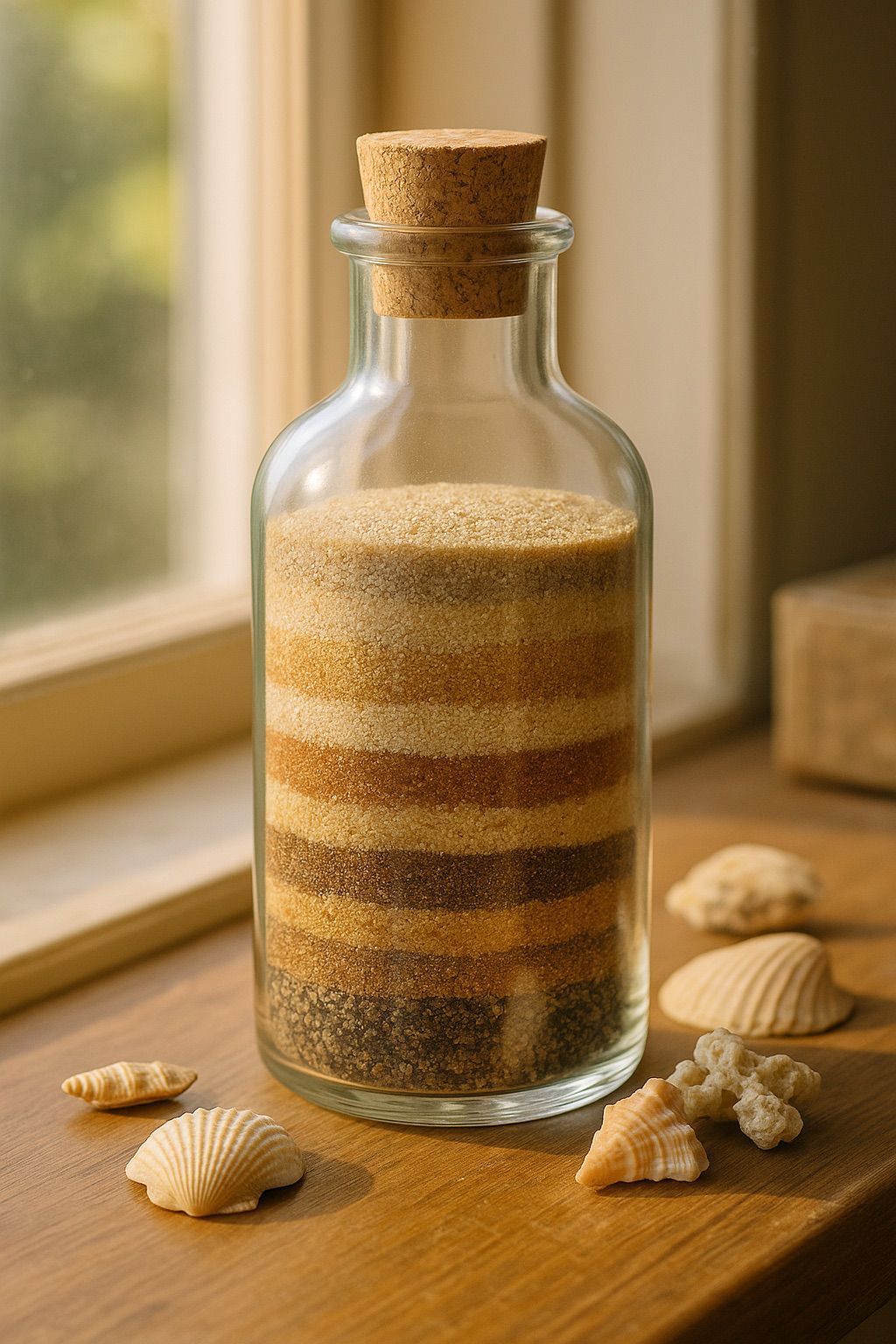
Splash Zone Spectacle: The Thrill and Controversy of SeaWorld’s Orca Show

Elmo

シーワルド・サンディエゴ
期待しないで行ったのですがとても良かったです。1日で周らないといけないので、乗り物を二の次で、ショーを中心に周ろうと決定。
ショーの時間は、パーキング入り口で貰った地図の紙に書いてありました。
各ショー開演30分前から会場入りなので、良い座席確保の為に早めに席取りが基本。でも待ってる客を飽きさせない工夫がされてるのがgood!
ポップコーンや食べ物を食べながら映画鑑賞のノリでみんな着席。

ORCA(シャチ)ショー
前へ行くほど水が掛かります。この席まで濡れますと表示されてます。ちょっとかかるぐらいじゃありません。全身ずぶ濡れです。
前席に座るなら、最初から水着を着るかレインコートを持っていくか着替えを持つか防御が必要です。会場でもポンチョやタオルを売り子が売り歩いています。
初めて生で見るシャチの大きさにど肝を抜かれ、ザッパザッパ高波を作り飛び跳ねる巨体。尾ひれで遠慮なく客に洗礼の如く水しぶきを掛けていきます。子供達は浴槽近くでスタンバイ。オオハシャギでそれを待ちかねます。
観客の中から選ばれた1人が特別席に座り、水しぶきを間近で思いっきり浴びると観客のボルテージはMAX!
シャチの種類や生体についてスクリーンで説明してくれるのが嬉しかったです。
前に事故があったせいで飼育員が浴槽に入ってのパフォーマンスは禁止されたそうで、浴槽外からの指示でしたがとてもよく連携が取れていて、技を決める度に、シャチの顔が笑っているように見え可愛かったです。

パークへの入場チケットと駐車場料金は公式ページで前もって購入するのがお得です。米軍関係者は特別料金があるので、お近くのMWR Ticket officeへ行くことをおススメします。

Sea World San Diego

Related Posts