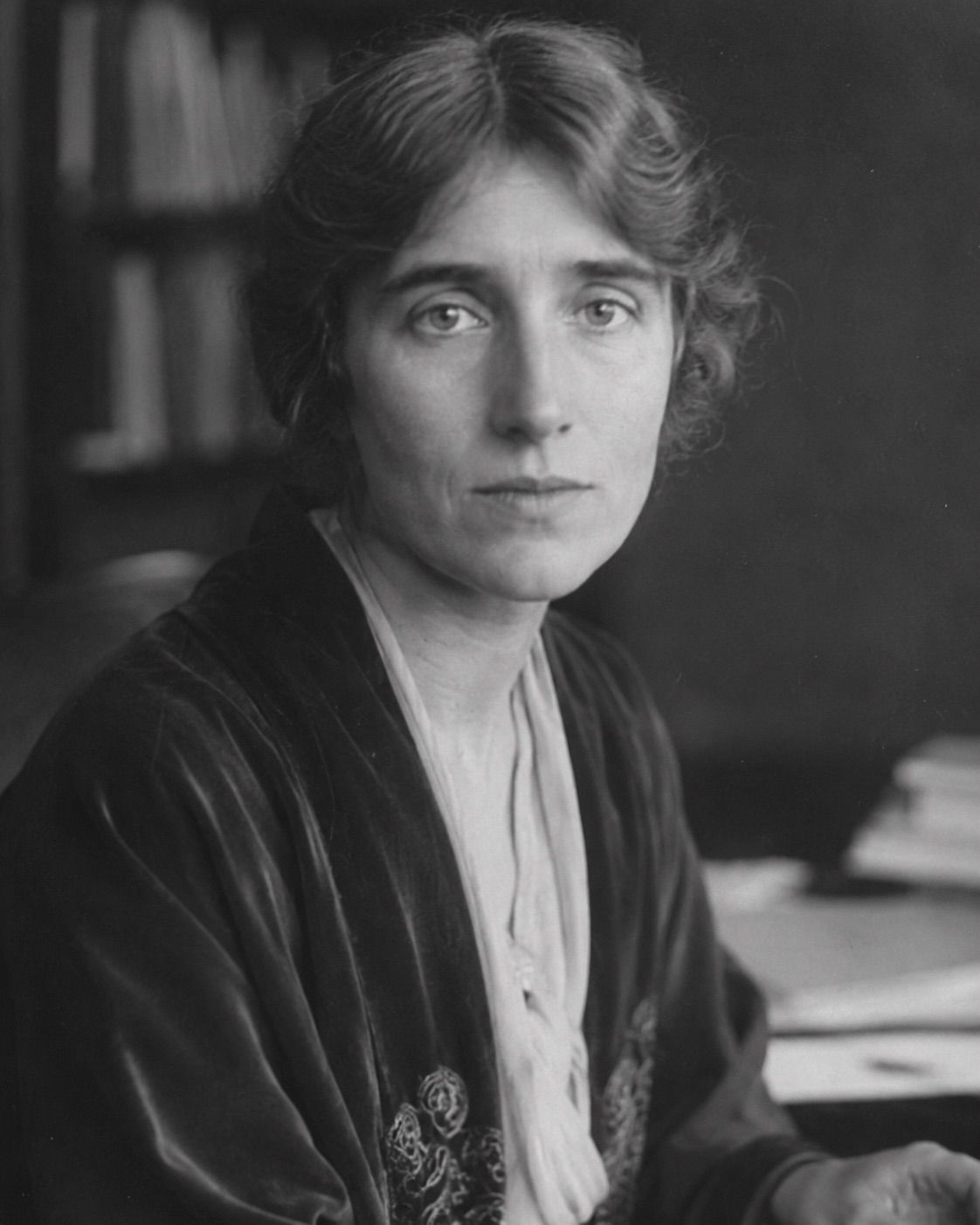
Vera Brittain’s letters have been haunting me for weeks now, like a quiet echo that refuses to fade away. I first stumbled upon her name while browsing through a used bookstore, and something about the title “Testament of Youth” resonated with me on a deep level. As I began reading her memoir, I felt an unsettling sense of familiarity with her experiences – not because we lived parallel lives or shared similar circumstances, but because I sensed a kindred spirit in her.
Brittain’s writing is raw and unflinching, laying bare the brutal realities of war and loss. Her words cut through the sanitizing veneer that often accompanies historical accounts, forcing me to confront the messy, human side of conflict. What drew me in was not just her remarkable story – though it is undeniably compelling – but the way she navigated the darkest corners of existence with unflinching honesty.
I’ve always been drawn to writers who dare to be vulnerable, to expose their fears and doubts without pretension or apology. Brittain’s letters, which I later devoured after finishing her memoir, are a testament (no pun intended) to this courage. In them, she bares her soul, revealing the inner turmoil that accompanied her experiences as a nurse during World War I. Her words are infused with a sense of uncertainty, of questioning her own convictions and moral compass in the face of unimaginable horrors.
As I read through Brittain’s letters, I found myself reflecting on my own relationship with vulnerability. Growing up, I was always encouraged to be “tough” – not just as a physical defense mechanism, but also as an emotional one. I learned to mask my fears and doubts, to present a façade of confidence that belied the uncertainty simmering beneath the surface. Brittain’s writing challenged this notion, making me realize that vulnerability is not weakness, but rather a strength born from facing the darkest corners of existence head-on.
But it’s not just her bravery that fascinates me – it’s also the way she grappled with the aftermath of war, the lingering trauma that haunted her long after the fighting had stopped. Her writing often dwells on the complexities of grief, the impossible task of processing loss and finding a new sense of purpose in its wake. This resonated deeply with me, as I’ve struggled to make sense of my own experiences with loss – not on the same scale, of course, but nonetheless, I’ve grappled with the weight of absence and the search for meaning.
I’m struck by how Brittain’s writing is both deeply personal and universally relatable. Her struggles are not unique to her experience; they’re common to many who have navigated the darker corners of life. As I read through her letters, I felt a sense of solidarity with this woman, born from our shared humanity rather than any specific circumstance.
There’s something disconcerting about reading someone else’s raw emotions, their innermost thoughts and fears. It’s as if we’re trespassing on private territory, one that feels both intimate and uncomfortable at the same time. Brittain’s writing makes me confront my own vulnerabilities, to acknowledge the places where I’m still uncertain or afraid.
And yet, it’s this willingness to be vulnerable – to expose ourselves in all our messy complexity – that draws me to her words. In a world where we’re often encouraged to present a curated version of ourselves, Brittain’s writing is a powerful reminder that true strength lies in embracing our fragility, in acknowledging the spaces where we’re still growing and learning.
I’m not sure what I’ll take away from Vera Brittain’s letters or memoirs. Perhaps it’s the realization that vulnerability is not something to be ashamed of, but rather a necessary step towards healing and growth. Or maybe it’s simply the sense that I’m not alone in my struggles – that there are others who have navigated similar terrain, with all its attendant fears and doubts.
For now, Brittain’s words linger within me, a quiet reminder that we’re all connected by our shared humanity – even in the darkest corners of existence.
As I continue to read through Vera Brittain’s letters, I’m struck by the way she weaves together fragments of her own story with those of others. Her writing is not just a personal memoir, but also a testament to the interconnectedness of human experience. She shares stories of her friends and comrades who fell during the war, their deaths still raw and painful in her mind. In doing so, she humanizes the abstract concept of “loss,” making it feel more tangible and relatable.
I find myself wondering about the role of nostalgia in Brittain’s writing. On one hand, her letters are infused with a deep sense of longing for a lost era – the pre-war world that existed before the Great War ravaged Europe. Her words are tinged with a bittersweet melancholy, as if she’s mourning not just the people who died, but also the innocence and simplicity of a bygone age.
At the same time, I’m aware that nostalgia can be a complex emotion – one that often masks a deeper discomfort or unease. Brittain’s writing doesn’t shy away from the brutal realities of war, nor does it romanticize the pre-war era. Instead, she grapples with the contradictions and complexities of human experience, revealing the messy, imperfect nature of memory.
As I reflect on my own experiences with nostalgia, I realize that I’ve often used it as a coping mechanism – a way to avoid confronting the present or dealing with difficult emotions. Brittain’s writing challenges this notion, encouraging me to approach nostalgia with a more nuanced perspective. Perhaps, she suggests, our memories and experiences are not just a source of comfort, but also a reminder of the fragility and impermanence of human life.
I’m drawn to the way Brittain navigates these complexities – her willingness to confront difficult emotions head-on, without sugarcoating or romanticizing them. Her writing is a powerful reminder that true growth and healing often require us to face our vulnerabilities, rather than hiding from them. As I continue to read through her letters, I’m struck by the sense of depth and introspection that permeates every page – a testament to the enduring power of vulnerability and self-awareness.
As I delve deeper into Brittain’s letters, I find myself pondering the concept of time and its relationship to memory. She writes about the past with such vivid detail, as if it’s still unfolding before her eyes. Her words transport me to a different era, one that feels both foreign and familiar at the same time.
I’m struck by how Brittain’s experiences during World War I have left an indelible mark on her perspective of time. She writes about the way time seemed to slow down during those years – as if every moment was stretched out like a thread, pulling her in different directions. This notion resonates with me, as I’ve often felt like time is warped and distorted when I’m dealing with loss or uncertainty.
As I reflect on my own experiences, I realize that Brittain’s writing has given me permission to slow down and savor the moments that feel particularly poignant. In a world that’s increasingly fast-paced and demanding, it’s easy to get caught up in the present and forget to appreciate the complexities of memory. Brittain’s letters remind me that time is not always linear – that our experiences can be messy and non-linear, full of twists and turns that defy chronological order.
I’m also drawn to the way Brittain explores the concept of identity in her writing. As a nurse during World War I, she was forced to confront her own mortality and the fragility of human life. This experience had a profound impact on her sense of self, leading her to question who she was outside of her relationships and circumstances.
I find myself wondering if Brittain’s experiences with identity are relevant to my own life. As someone who’s struggled to define themselves in recent years, I’m drawn to the idea that our identities are fluid and constantly evolving. Brittain’s writing suggests that we’re not fixed entities – that we’re capable of growth, change, and transformation.
As I continue to read through her letters, I’m struck by the sense of introspection and self-awareness that permeates every page. Brittain’s writing is not just a personal memoir; it’s also a testament to the power of vulnerability and self-reflection. Her words remind me that true growth and healing require us to confront our fears, doubts, and uncertainties head-on – rather than hiding from them or pretending they don’t exist.
In many ways, Brittain’s writing has become a mirror for me, reflecting back my own struggles with identity, nostalgia, and the complexities of human experience. Her words have given me permission to slow down, savor the moments that feel particularly poignant, and confront my fears and doubts in a way that feels authentic and vulnerable. As I continue to read through her letters, I’m not sure what I’ll take away from this experience – but I know it will be something profound and lasting.
As I delve deeper into Brittain’s letters, I find myself thinking about the concept of legacy and how it relates to our experiences. She writes about her own fears and doubts regarding her future, and the weight of responsibility she felt as a woman during World War I. Her words are infused with a sense of uncertainty, as if she’s grappling with the idea that her choices will have lasting consequences.
I’m struck by the way Brittain’s writing highlights the tension between individual agency and societal expectations. She navigates the complexities of being a woman in a patriarchal society, where women were expected to conform to certain norms and roles. Her experiences as a nurse during the war only added to this sense of constraint, as she was forced to navigate the boundaries between her personal life and professional duties.
As I reflect on my own life, I realize that Brittain’s writing has given me permission to question the expectations placed upon me. Growing up, I was always encouraged to pursue a “stable” career, one that would provide financial security and social status. But as I’ve grown older, I’ve begun to wonder if this is truly what I want for myself.
Brittain’s letters have made me realize that our choices and experiences are not just personal, but also deeply influenced by the cultural and historical contexts in which we live. Her writing challenges me to think more critically about the expectations placed upon women, particularly during times of war and social upheaval.
I’m drawn to the way Brittain explores the intersectionality of her experiences – how being a woman, a nurse, and an artist all intersected and influenced one another. Her writing is not just a personal memoir; it’s also a testament to the complexities of identity and experience.
As I continue to read through her letters, I’m struck by the sense of hope that permeates every page. Despite the brutal realities of war and loss, Brittain’s writing is infused with a sense of resilience and determination. Her words are a reminder that even in the darkest moments, there is always a glimmer of light – a chance for growth, healing, and transformation.
I’m not sure what I’ll take away from this experience, but I know it will be something profound and lasting. Brittain’s writing has given me permission to question my own expectations and desires, to explore the complexities of identity and experience, and to find hope in the darkest moments.
As I finish reading Vera Brittain’s letters, I’m left with a sense of awe and reverence for her courage and resilience. Her writing has been a mirror held up to my own experiences, reflecting back my struggles with identity, nostalgia, and the complexities of human experience. But it’s not just her bravery that impresses me – it’s also her willingness to be vulnerable, to expose her fears and doubts in the face of unimaginable horrors.
As I close the book on Brittain’s letters, I’m struck by the realization that vulnerability is not something to be ashamed of, but rather a necessary step towards healing and growth. Her writing has given me permission to slow down, savor the moments that feel particularly poignant, and confront my fears and doubts in a way that feels authentic and vulnerable.
But as I look back on our shared experiences through her letters, I’m also aware of the ways in which we differ. Brittain’s life was marked by trauma and loss on a scale that’s unimaginable to me – she lost friends, comrades, and loved ones during World War I, and her own mortality hung precariously in the balance. My experiences with loss have been more personal, more contained, but no less painful.
As I reflect on our differences, I’m struck by the ways in which Brittain’s writing has helped me to see my own experiences in a new light. Her courage and resilience in the face of unimaginable horrors has given me permission to reframe my own struggles with loss and identity. And as I look ahead, I know that I’ll carry her example with me – her willingness to be vulnerable, to confront her fears and doubts head-on, and to find hope in the darkest moments.
But even as I’m inspired by Brittain’s writing, I’m also aware of the ways in which it has left me feeling unsettled. Her letters have made me confront my own vulnerabilities, my own fears and doubts – and that can be a uncomfortable process. There are moments when I feel like I’m trespassing on private territory, like I’m intruding on her innermost thoughts and feelings.
And yet, it’s precisely this willingness to be vulnerable that has drawn me to Brittain’s writing in the first place. Her courage and resilience have given me permission to be more honest with myself, to confront my own fears and doubts head-on. As I close the book on her letters, I know that I’ll carry her example with me – not just as a source of inspiration, but also as a reminder of the complexities and uncertainties of human experience.
As I put Brittain’s letters back on the shelf, I’m left with a sense of gratitude for having had the chance to read them. Her writing has given me permission to be more vulnerable, more honest – and that’s a gift that I won’t soon forget. And as I look ahead, I know that I’ll carry her example with me, using it to navigate my own complexities and uncertainties with greater courage and resilience.