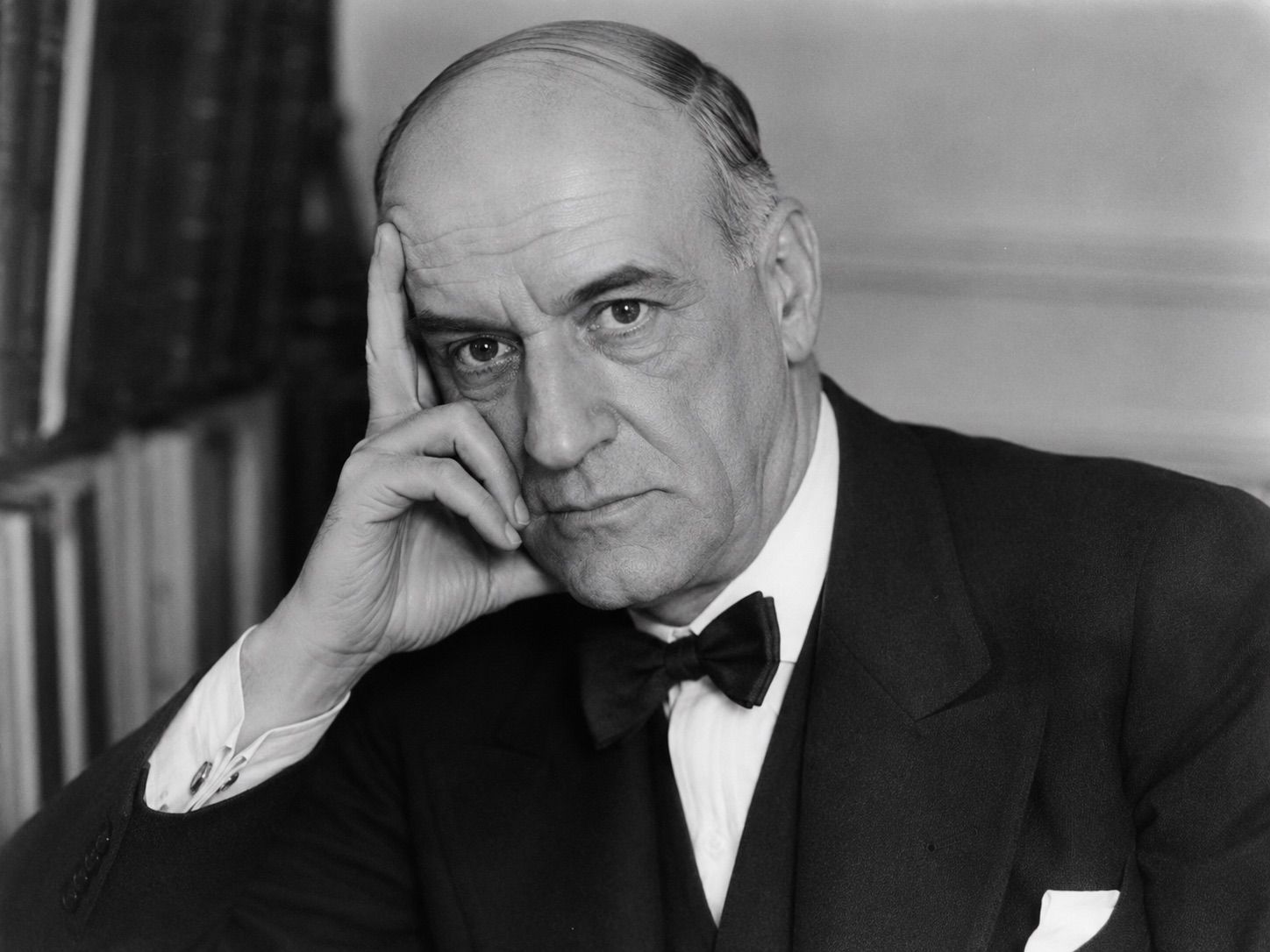
I’ve been fascinated by Jose Ortega y Gasset for months now, ever since I stumbled upon his essay “The Revolt of the Masses” while browsing through a used bookstore. There’s something about his writing that resonates with me, a sense of unease and discomfort that makes me feel like he’s speaking directly to me.
As I read through his works, I started to notice a recurring theme – the tension between individuality and mass culture. Ortega y Gasset argues that modern society is characterized by a “revolt” of the masses against traditional values and institutions. He sees this as a threat to genuine human experience, which he believes can only be achieved through introspection and self-awareness.
I find myself drawn to his critique of conformity and the ways in which we’re pressured to conform to societal norms. It’s like he’s describing my own struggles with trying to fit in while still being true to myself. I remember feeling suffocated by the expectations placed on me during high school – the pressure to take certain classes, participate in extracurricular activities, and maintain a certain image. It was exhausting, and Ortega y Gasset’s words seem to validate my feelings of frustration and disillusionment.
But what really interests me is the way he approaches this topic with such nuance and complexity. He’s not just railing against the masses; he’s also acknowledging the need for collective action and social change. This ambiguity makes him difficult to pin down, and I find myself oscillating between agreement and disagreement as I read his works.
One of the things that’s hardest for me to wrap my head around is Ortega y Gasset’s concept of the “mass man.” He describes this figure as someone who has abandoned their individuality in favor of a sense of belonging and security. It sounds like a caricature, but at the same time, I recognize aspects of myself in his description. Have I been guilty of sacrificing my own desires and aspirations for the sake of fitting in? Ortega y Gasset’s words make me wonder if this is a universal experience, something that we all struggle with to some degree.
I also find it striking how Ortega y Gasset’s ideas seem to be both deeply personal and profoundly philosophical. His writing is infused with a sense of introspection and self-examination, which I think is what draws me in. He’s not just offering abstract theories or critiques; he’s sharing his own struggles and doubts, and that makes him feel more relatable.
As I continue to explore Ortega y Gasset’s works, I’m struck by the ways in which he challenges my assumptions about individuality and collective action. His ideas make me uncomfortable, but in a good way – they’re pushing me to think critically about my own values and priorities. And that, I think, is the greatest gift of his writing: it forces me to confront my own biases and limitations, even if I’m not always sure what to do with those insights.
I’m still grappling with Ortega y Gasset’s ideas, trying to make sense of them in relation to my own life. It’s like trying to untangle a knot – the more I pull on one thread, the more complicated it becomes. But that’s also what makes his writing so compelling: it refuses to provide easy answers or solutions. Instead, it invites me to join him on this journey of self-discovery and exploration, where the only certainty is the uncertainty itself.
As I delve deeper into Ortega y Gasset’s thoughts, I’m struck by the way he speaks about the importance of living a life of “inquietud” – a sense of inner restlessness that propels us towards growth and self-awareness. He sees this as essential for genuine human experience, but also acknowledges that it can be painful and uncomfortable. It’s like he’s saying that true individuality requires embracing the messiness and uncertainty of life.
I find myself resonating with this idea, especially after graduating from college and feeling a sense of disorientation. I’ve been struggling to figure out what comes next, and Ortega y Gasset’s words seem to validate my feelings of anxiety and confusion. It’s like he’s telling me that it’s okay not to have all the answers, that uncertainty is an inherent part of growth.
But at the same time, I’m also drawn to his critique of modern society’s emphasis on efficiency and productivity. He sees this as a threat to genuine human experience, arguing that we’re sacrificing our creative potential and depth for the sake of achieving success and status. It’s like he’s saying that we’re losing sight of what truly matters in life.
I’m not sure how to reconcile these two ideas – the importance of living with inner restlessness and uncertainty, versus the pressure to achieve success and conform to societal norms. Ortega y Gasset doesn’t seem to have easy answers either, which is both frustrating and liberating. It’s like he’s giving me permission to question everything, including my own assumptions about what it means to live a good life.
As I continue to explore his ideas, I’m struck by the way he writes about the relationship between individuality and solitude. He sees solitude as essential for genuine human experience, arguing that we need time alone to reflect on our values and priorities. But at the same time, he acknowledges that solitude can be a lonely and isolating experience.
I find myself wondering if this is why I’ve always felt drawn to writing – it’s a way for me to process my thoughts and emotions in solitude, without having to conform to societal norms or expectations. Ortega y Gasset’s words seem to validate this feeling, saying that true individuality requires embracing our own unique experiences and perspectives.
But what does this mean in practice? How do I balance the need for individuality with the pressure to fit in and succeed? And what does it look like to live a life of genuine human experience, one that’s characterized by inner restlessness and uncertainty?
Ortega y Gasset’s words leave me with more questions than answers, which is exactly what I need right now.
I’m still trying to untangle the threads of Ortega y Gasset’s ideas about individuality and collective action. His concept of “inquietud” keeps resonating with me – this sense of inner restlessness that propels us towards growth and self-awareness. I feel like I’ve been living in a state of quiet desperation for years, trying to fit into the mold of what others expect from me.
But Ortega y Gasset’s words make me wonder if this is just a form of resistance, a way of rebelling against societal norms without really challenging them. Can individuality truly be achieved by simply being different, or does it require something more profound? I’m not sure, and that uncertainty makes me feel both frustrated and liberated.
As I continue to read his works, I’m struck by the way he writes about the importance of living in the present moment. He argues that our obsession with the future and past prevents us from truly experiencing life as it unfolds. This resonates with me on a deep level – I’ve always felt like I’m stuck between two worlds, unable to fully inhabit either one.
Ortega y Gasset’s words make me wonder if this is a universal experience, something that we all struggle with in our own way. Can we ever truly be present in the moment, or are we forever caught up in our thoughts and expectations? I’m not sure, but his writing makes me want to explore this question further.
One of the things that’s hardest for me to wrap my head around is Ortega y Gasset’s concept of “the crowd.” He sees the crowd as a kind of mindless, anonymous entity that swallows up individuality and creativity. But at the same time, he acknowledges that we’re all part of the crowd in some way, caught up in our own collective narratives and expectations.
I find myself oscillating between agreement and disagreement with his ideas on this point. On one hand, I see how the crowd can stifle individuality and creativity – think about social media, where everyone’s curated online persona erases the uniqueness of their real-life experiences. On the other hand, I’m not sure if it’s possible to completely escape the crowd, especially in a world that seems increasingly interconnected.
Ortega y Gasset’s words leave me with more questions than answers, but they also give me a sense of permission to explore these ideas further. Maybe that’s what his writing is all about – giving us the courage to question our assumptions and challenge ourselves to think more deeply about who we are and what we want from life.
As I continue to delve into his works, I’m struck by the way he writes about the importance of doubt and uncertainty in the creative process. He argues that true innovation requires a willingness to take risks and challenge our own assumptions, even if it means failing or looking foolish.
This resonates with me on a deep level – I’ve always felt like my writing is a kind of therapy for myself, a way of processing my thoughts and emotions through language. But Ortega y Gasset’s words make me wonder if there’s more to creativity than just self-expression. Can art be a form of social commentary, a way of challenging the status quo and pushing us towards growth and change?
I’m not sure, but his writing makes me want to explore this question further. Maybe that’s what it means to live a life of genuine human experience – embracing our doubts and uncertainties, rather than trying to suppress them.
As I ponder the relationship between doubt and uncertainty in creativity, I find myself thinking about my own writing process. I’ve always thought of myself as a reflective person, someone who uses writing as a way to make sense of my thoughts and emotions. But Ortega y Gasset’s words make me wonder if that’s just a form of escapism – a way of avoiding the uncertainty and ambiguity of life.
I think about the times when I’ve been stuck on a piece, unsure of how to move forward or what to say. It’s like being lost in a dense forest, with no clear path in sight. And yet, it’s precisely during those moments that I feel most alive – like I’m on the cusp of discovering something new and important.
Ortega y Gasset would probably say that this is an example of “inquietud” – that sense of inner restlessness that propels us towards growth and self-awareness. And in a way, he’s right. When I’m stuck on a piece, I’m forced to confront my own limitations and biases, to question everything I thought I knew about writing and creativity.
But what if this process is not just about individual growth, but also about collective transformation? What if our creative endeavors have the power to challenge societal norms and expectations, to push us towards greater empathy and understanding?
Ortega y Gasset’s words make me wonder if this is a possibility – if art can be a form of social commentary that inspires change and progress. I think about the ways in which literature has shaped my own perspective on the world, challenging me to see things from different angles and experience life in new and unexpected ways.
And yet, I’m also aware of the limitations of art as a force for social change. We can write and create all we want, but if our message is not heard or understood, what’s the point? This is where Ortega y Gasset’s concept of “the crowd” comes back into play – how do we reach beyond the confines of our own individual experiences and connect with others in meaningful ways?
I’m still grappling with these questions, trying to make sense of them in relation to my own life and creative endeavors. But as I continue to explore Ortega y Gasset’s ideas, I’m struck by the way he writes about the importance of living a life that is authentically our own – one that is marked by individuality, creativity, and a willingness to take risks.
It’s not always easy, and it’s certainly not comfortable. But as I look back on my own experiences with writing and self-discovery, I realize that this is precisely where the magic happens – in those moments of uncertainty and doubt, when we’re forced to confront our own limitations and biases.
And so, I’ll keep writing, keep exploring, and keep questioning everything I thought I knew about life and creativity. Because it’s only by embracing the messiness and uncertainty of existence that we can truly live a life that is genuine, authentic, and meaningful – one that reflects the complexities and nuances of the human experience.