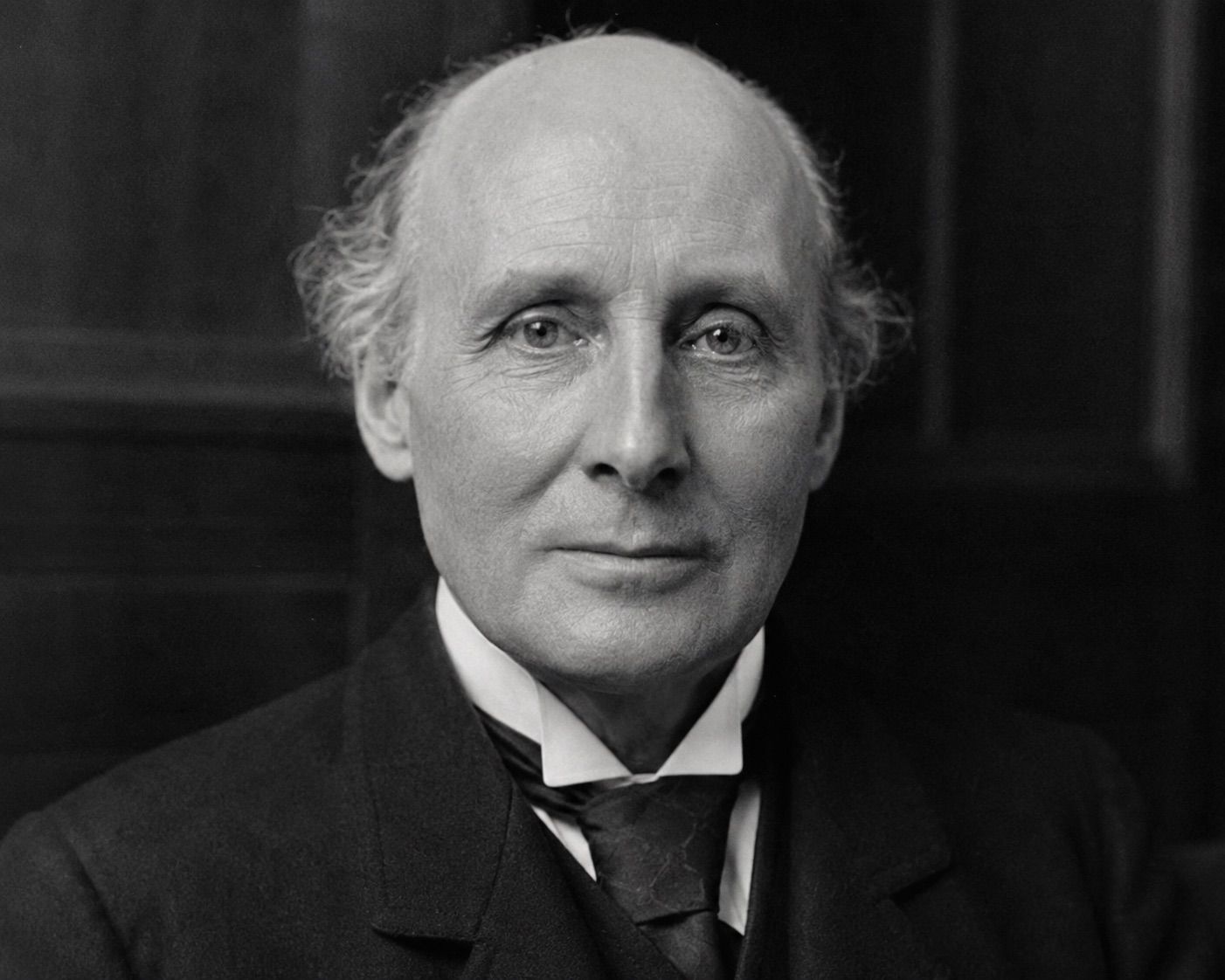
I’ve been reading about Alfred North Whitehead, and I’m stuck on his concept of “eternal objects.” It’s this idea that there are abstract entities that exist independently of the physical world, and they’re what give rise to the diversity we see in reality. At first, it sounds like some fancy philosophical mumbo-jumbo, but the more I think about it, the more it feels like something worth exploring.
I remember when I was taking philosophy classes in college, my professors would often use these abstract concepts as a way to get us thinking about the big questions of existence and reality. But Whitehead’s eternal objects seem different – they’re not just some vague notion or a tool for getting at deeper truths; they’re actual things that he thinks exist in their own right.
What I find really fascinating is how this idea relates to creativity. Whitehead saw eternal objects as the raw material of the universe, the building blocks from which all sorts of possibilities emerge. It’s like he’s saying that art and imagination are fundamental aspects of reality – not just human constructs or mere expressions of our emotions, but actual forces that shape the world.
As a writer, this resonates with me deeply. I’ve always found that writing is a way for me to tap into some deeper sense of what’s real, to uncover patterns and connections that aren’t immediately apparent. It’s like I’m searching for these eternal objects in my own thoughts and emotions, trying to grasp the intangible threads that connect us all.
But here’s the thing: Whitehead’s idea of eternal objects also makes me uncomfortable. If they’re really out there, existing independently of our perceptions, does that mean that everything we experience is just a pale reflection of something more fundamental? It feels like it would reduce the world to a kind of Platonic idealism – that the only “real” reality is this abstract realm of eternal objects, and everything else is just a shadow or an approximation.
I’m not sure I buy into that. I think about all the times I’ve felt most alive, when I was fully immersed in some activity or experience: writing, hiking, talking with friends – it’s like my entire being was attuned to this moment, and nothing else mattered. And yet, if Whitehead is right, wouldn’t those moments be just pale reflections of the eternal objects themselves? Wouldn’t I be merely responding to a pre-existing pattern, rather than creating something new?
It’s hard for me to shake the feeling that there’s some tension between this idea of eternal objects and my own experience of creativity. It’s like I’m caught between two opposing forces: on one hand, I want to believe that my writing (and everything else I do) has some fundamental significance, that it taps into something deeper than just my own thoughts and emotions; on the other hand, I’m not sure I can accept the idea of eternal objects as the sole source of reality.
I guess what I’m getting at is that Whitehead’s concept of eternal objects feels both exhilarating and terrifying. It’s like I’m being forced to confront the limits of my own understanding, to consider the possibility that there are forces beyond my control shaping the world – and my own creativity – in ways I can hardly begin to comprehend.
As I continue reading about Whitehead, I find myself returning again and again to this sense of discomfort. It’s like I’m caught in some kind of philosophical feedback loop: the more I learn, the more questions I have; the more I question, the more I feel like I’m glimpsing something profound – but also elusive.
The more I think about Whitehead’s eternal objects, the more I wonder if they’re not just a philosophical concept, but a metaphor for the way our minds work. Think about it: when we create, whether it’s writing or painting or music, we’re always drawing from some internal reservoir of ideas and experiences. We might call these “eternal objects” in the sense that they feel timeless and unchanging, like they’ve been there all along, waiting to be tapped into.
But what if our minds are actually just processing and recombining existing patterns and associations? What if creativity is less about making something new and more about rearranging the building blocks we already have? It’s a humbling thought, one that suggests our originality might not be as original as we think it is. And yet, at the same time, doesn’t this idea of eternal objects also imply that there are depths within us waiting to be explored, like hidden pools of water that we can tap into and draw from?
I’m not sure I buy into the idea that our minds are just passive recipients of external stimuli, but Whitehead’s concept does make me realize how much of my own creativity is rooted in patterns and associations that feel familiar, if not inevitable. When I write about a particular theme or emotion, it’s like I’m drawing from some collective wellspring of human experience – one that’s been shaped by countless other writers, artists, and thinkers throughout history.
And yet, even as I acknowledge this debt to the past, I still want to believe that my own writing has some unique value. That there’s something original and authentic about it, even if it’s just a recombination of existing ideas and patterns. It’s like I’m caught between a desire for connection and community – knowing that our experiences are not isolated or unique – and a need for individuality and expression.
I guess what I’m getting at is that Whitehead’s concept of eternal objects has me questioning the nature of creativity, but also its relationship to our own identities. Are we just passive vessels, processing and recombining existing patterns? Or do we have some degree of agency and originality? Can we tap into these eternal objects in a way that feels authentic and meaningful, or are we forever bound by the limitations of our own minds and experiences?
I don’t know the answers to these questions, but I’m starting to think that’s okay. Maybe the point is not to arrive at some definitive conclusion, but to keep exploring, questioning, and pushing against the boundaries of what we think we know.
As I continue to grapple with Whitehead’s eternal objects, I find myself returning to the idea of agency and originality. If our minds are just processing and recombining existing patterns, does that mean we’re not truly creative beings? Or is it possible that our unique experiences and perspectives allow us to approach these eternal objects in a way that feels authentic and meaningful?
I think about my own writing process, how I often find myself drawn to certain themes or emotions because they resonate with me on a deep level. It’s like I’m tapping into some collective unconscious, but also somehow making it my own. But is this really originality, or am I just repeating patterns that have been laid out for me?
I remember reading about the concept of “prolepsis” in literature theory – how authors often draw on existing cultural narratives and themes to create something new. It’s like I’m building on the foundation of others’ ideas, but also adding my own unique spin. But is this really creative expression, or just a recombination of existing elements?
It’s hard for me to shake the feeling that Whitehead’s eternal objects are both exhilarating and suffocating at the same time. On one hand, they suggest a world of possibilities and connections that transcend our individual experiences. On the other hand, they imply that we’re not as original or creative as we think we are.
I guess what I’m getting at is that I want to hold onto both ideas – that there’s something deeper and more meaningful behind our creativity, but also that our unique experiences and perspectives give us a certain degree of agency and originality. It’s like I’m caught between two opposing forces: the desire for connection and community, and the need for individuality and expression.
As I continue to explore Whitehead’s concept, I’m starting to realize that it’s not just about eternal objects or creativity – it’s also about the nature of reality itself. If these abstract entities exist independently of our perceptions, what does that say about the world we experience every day? Is it just a pale reflection of something more fundamental, or is it an actual manifestation of these eternal objects?
I’m not sure I have the answers to these questions, but I do know that Whitehead’s concept has me questioning everything. It’s like I’m standing at the edge of a precipice, looking out into a vast unknown – and feeling both exhilarated and terrified by what lies ahead.
As I write this, I’m aware that I’m not just exploring Whitehead’s ideas – I’m also reflecting on my own creative process, and what it means to be a writer. It’s like I’m searching for some deeper sense of purpose or meaning behind my writing, but also acknowledging the limitations and constraints that come with being a human being.
I guess what I’m getting at is that Whitehead’s eternal objects have given me a new perspective on creativity – one that’s both humbling and liberating. It’s like I’ve been freed from the need to create something entirely original, and instead can focus on tapping into these deeper patterns and connections that exist within and beyond myself.
But even as I find some sense of comfort in this idea, I know that it’s not a straightforward answer. There are still questions and doubts that linger – about the nature of reality, creativity, and our place within it all. And that’s okay. Because for me, the process of exploring these ideas is just as important as any conclusion or resolution.
As I close this piece, I’m left with more questions than answers – but also a sense of wonder and awe at the complexity and mystery of Whitehead’s eternal objects. It’s like I’ve caught a glimpse of something profound, but also elusive – and I’m eager to continue exploring its depths.
The more I grapple with Whitehead’s concept, the more I find myself drawn into the world of philosophy. I’m not sure if it’s because I’m trying to understand this abstract idea or because I’m genuinely fascinated by the way philosophers think about reality, but either way, I feel like I’ve only scratched the surface.
I keep coming back to the idea that Whitehead’s eternal objects are both familiar and strange. On one hand, they seem like a natural extension of my own experiences as a writer – after all, isn’t creativity just about tapping into some deeper wellspring of human emotion and expression? But on the other hand, there’s something unsettling about the idea that these abstract entities exist independently of our perceptions.
It’s like I’m caught in this liminal space where the world feels both more connected and more fragmented than ever before. I think about all the ways we experience reality – through our senses, our emotions, our thoughts – and wonder if any of it is truly “real” or if it’s all just a pale reflection of these eternal objects.
As I continue to explore this idea, I find myself drawn into the world of mysticism and spirituality. I start reading about various philosophers who have grappled with similar concepts – thinkers like Plato, Plotinus, and Schelling – and begin to see how their ideas intersect with Whitehead’s.
It’s fascinating to me how these philosophers seem to be asking the same questions that I am: what is the nature of reality? Is it a fixed, objective truth or something more fluid and dynamic? And what role does creativity play in shaping our understanding of the world?
I start to see parallels between Whitehead’s eternal objects and various spiritual traditions – like the concept of divine inspiration or the idea of creative energy that flows through all things. It’s as if I’m tapping into a deeper wellspring of human experience, one that transcends individual perspectives and speaks to something more fundamental.
But even as I find this connection, I’m aware of how fragile it is. There are still so many questions and uncertainties that surround these ideas – about the nature of reality, creativity, and our place within it all. And yet, despite the doubts and uncertainties, I feel a sense of excitement and wonder at the possibilities that lie ahead.
As I write this, I’m aware that I’ve only scratched the surface of Whitehead’s concept. There are still so many aspects to explore – the relationship between eternal objects and time, for example, or how they intersect with our understanding of human consciousness.
But even as I acknowledge these limitations, I feel a sense of hope and possibility. Maybe it’s because I’m drawn into this world of philosophy and spirituality, but either way, I feel like I’ve stumbled upon something profound – something that speaks to the very heart of what it means to be creative and alive.