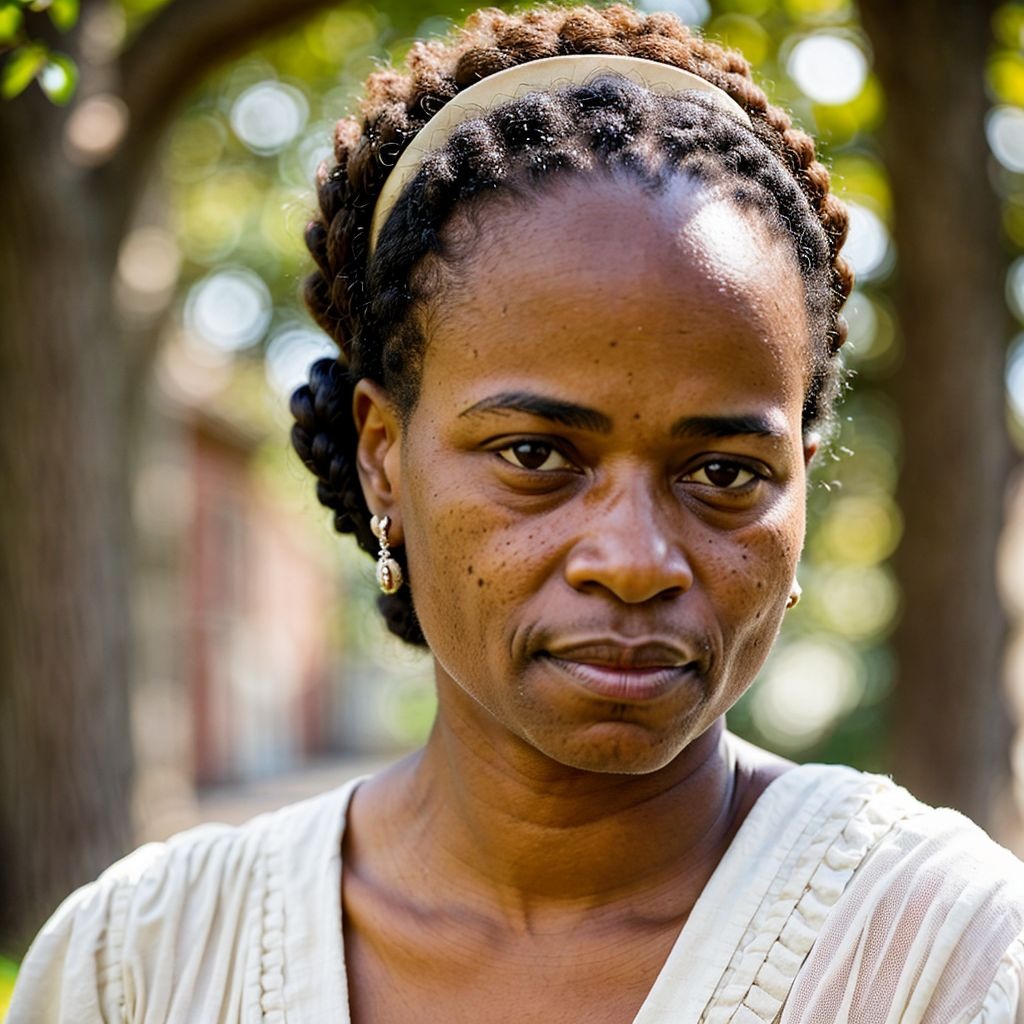
I’ve been reading about Jessie Redmon Fauset for a while now, and I find myself returning to her life like a refrain in my mind. It’s not just the fact that she was one of the first African American women to publish novels or that she was a key figure in the Harlem Renaissance – although those things are certainly interesting. It’s more than that.
For me, it’s the complexity of her identity that draws me in. Fauset was a light-skinned woman who often struggled with her own racial identity. She would go on to write about the experiences of darker-skinned women, but her own experiences as a member of the Negro elite – as she put it – made her feel like an outsider among both white and black communities.
I find myself resonating with that feeling of disconnection. I’ve never experienced racism firsthand, not in the way that many people have. My privilege is palpable, and yet… sometimes I feel like I’m observing things from a distance, unsure of how to fully engage or participate. It’s as if I’m stuck between worlds, just like Fauset.
One of her novels, “Plum Bun”, explores this idea of racial passing – the phenomenon where light-skinned black people might choose to pass as white in order to avoid racism or achieve social mobility. The protagonist, Angela Murray, is a prime example: she passes as white for much of the novel, but ultimately struggles with feelings of disloyalty and disconnection from her black heritage.
I think about my own experiences with identity – growing up in a predominantly white community, feeling like an outsider among my peers because I’m biracial. But it’s different, of course; I’ve never had to choose between passing as white or embracing my blackness. And yet… there’s something about Fauset’s story that resonates deep within me.
Perhaps it’s the way she navigated multiple identities – writer, wife, mother, light-skinned black woman – and yet struggled with a sense of authenticity. I’ve been reading her letters to friends and family, and they’re full of self-doubt and uncertainty. Fauset writes about feeling like an imposter, like she’s faking it as a writer or a member of the Harlem Renaissance.
I know that feeling all too well. I’ve always felt like I’m trying to fit into this narrow definition of what it means to be a “good” writer – published in reputable journals, taught at a prestigious university, etc. And when I fail to meet those expectations… I feel like an imposter too.
It’s funny; when I think about Fauset’s legacy, I’m struck by how much she embodied the contradictions of her time. She was a middle-class black woman who wrote about working-class black women – someone who navigated multiple identities and yet felt like an outsider in both worlds. And that makes me wonder: what does it mean to be authentic when you’re caught between multiple selves?
As I delve deeper into Fauset’s life, I find myself getting lost in the complexities of her identity. It’s like trying to navigate a maze with no clear exit sign. She was a member of the Negro elite, but she wrote about the struggles of working-class black women. She passed as white to escape racism, but she also felt a deep connection to her black heritage. And through it all, she struggled with feelings of disloyalty and disconnection.
I think about how I’ve been trying to fit into my own niche in the writing world – trying to find my place among other writers who seem more established or talented. It’s like Fauset, always looking over her shoulder, wondering if she’s doing enough, being enough. And it’s exhausting. The pressure to perform, to prove oneself, is suffocating.
But what if authenticity isn’t about finding a single, true self? What if it’s about embracing the messy, complicated nature of identity? Fauset’s life suggests that maybe it’s okay to be caught between worlds – to feel like an outsider in both places. Maybe that’s where the real writing happens – in the spaces between, where we’re forced to navigate the contradictions of our own lives.
I’m not sure I fully understand this yet, but something about Fauset’s story resonates with me on a deep level. It’s like she’s saying, “Yes, you’re an imposter. Yes, you don’t know what you’re doing. But maybe that’s exactly where the truth lies – in the spaces between our insecurities and doubts.”
As I read Fauset’s letters, I start to notice a pattern – she often writes about feeling like an outsider in both black and white communities, but also within her own family. Her parents were wealthy and influential, but they had differing opinions on how to navigate racial politics. Her father was more conservative, while her mother was more radical. Fauset struggled with finding common ground between them, and often felt caught in the middle.
I relate to this feeling of being stuck between different expectations. Growing up, my parents had high standards for me academically, but they also encouraged me to pursue creative interests – writing, art, music. But when it came time to choose a career path, they pushed me towards more “practical” fields, like business or engineering. I felt torn between pleasing them and following my own passions.
Fauset’s letters also reveal her ambivalence about marriage and motherhood. She got married young to a man who was not her first love, but rather someone who fit into the social norms of their community. As she navigated her roles as wife and mother, Fauset struggled with feelings of suffocation and loss of identity. It’s like she’s saying, “I’ve been conditioned to prioritize family and duty over my own desires and ambitions.”
I think about how I’m currently navigating my own relationships – romantic and platonic. I feel pressure from friends and family to settle down, get married, have kids. But what if that’s not the life I want? What if I need more time to focus on my writing, my career, myself?
Fauset’s story makes me realize that these feelings of disconnection are not unique to her. We’re all struggling with our own versions of identity politics – trying to reconcile our individual desires with societal expectations, family obligations, and cultural norms.
As I continue to read Fauset’s work, I start to see a thread of self-doubt running throughout it. She writes about feeling like an imposter as a writer, but also as a black woman in a predominantly white society. It’s like she’s constantly questioning her place at the table, wondering if she belongs.
I’m struck by how Fauset’s insecurities and doubts are not just personal struggles, but also reflective of the societal context in which she lived. The Harlem Renaissance was a time of great creativity and innovation, but also of intense racial tension and societal pressure. It’s like Fauset is saying, “I’m not just struggling with my own identity; I’m also trying to navigate the politics of being black in America.”
As I think about my own writing and its relationship to identity, I start to see that it’s not just about finding a single, authentic voice. It’s about embracing the messy, complicated nature of self. Fauset’s story shows me that even in the midst of uncertainty and doubt, there can be beauty and truth.
But what does this mean for me? Can I find a way to reconcile my own desires with societal expectations? Can I learn to navigate the contradictions of identity without getting lost in the process?
I’m not sure yet. All I know is that Fauset’s story has given me permission to question, to doubt, and to search for meaning in the spaces between our insecurities and doubts.
As I delve deeper into Fauset’s life, I start to notice a pattern – her struggles with identity and belonging are not just personal, but also deeply rooted in the historical context of her time. The Harlem Renaissance was a complex and multifaceted movement that both celebrated black culture and perpetuated racist stereotypes. It’s like Fauset is saying, “I’m caught between two worlds: one that celebrates my blackness, and another that seeks to erase it.”
I think about how this resonates with my own experiences as a biracial person growing up in a predominantly white community. I’ve always felt like I’m navigating multiple identities – being white enough for some people, but not white enough for others. It’s like Fauset, constantly trying to find her place within the black community, while also struggling with the expectations of white society.
Fauset’s writing often explores this tension between authenticity and performance. In her novel “There Is Confusion,” she writes about a young woman named Crystal Burden who is torn between her desire for independence and her need to conform to societal norms. Crystal’s struggles are mirrored in Fauset’s own life, as she navigates the expectations of being a black woman writer during the Harlem Renaissance.
I’m struck by how Fauset’s work continues to resonate with me today. I think about my own struggles with identity and belonging – feeling like an outsider among both white and black communities, trying to find my place within the writing world. It’s like Fauset is saying, “You’re not alone in this struggle; it’s a universal human experience.”
But what if authenticity isn’t just about finding a true self? What if it’s about embracing the complexities of identity, the contradictions and ambiguities that make us who we are? Fauset’s life suggests that maybe it’s okay to be caught between worlds – to feel like an outsider in both places.
I think about how this idea resonates with my own writing. I’ve always struggled with finding a voice that feels authentic, one that combines my experiences as a biracial person with my passion for storytelling. But what if authenticity isn’t just about finding a single voice? What if it’s about embracing the messy, complicated nature of self?
Fauset’s story makes me realize that this is a journey I’m still on – trying to navigate the complexities of identity, the expectations of others, and my own desires. It’s like she’s saying, “You’re not there yet; you’ll never be there. But maybe that’s okay.”
As I continue to read Fauset’s work, I start to see a thread of hope running throughout it – a hope that despite our struggles with identity and belonging, we can still find meaning and purpose in the spaces between our insecurities and doubts.
I’m not sure what this means for me yet. All I know is that Fauset’s story has given me permission to question, to doubt, and to search for meaning in the most unexpected places.
As I delve deeper into Fauset’s life, I start to see a pattern of resilience and determination. Despite facing numerous challenges, she continued to write, to speak out against racism, and to advocate for social justice. Her story is a testament to the power of the human spirit, even in the face of adversity.
I’m struck by how Fauset’s experiences as a light-skinned black woman resonate with my own feelings of disconnection and marginalization as a biracial person. But whereas I’ve often felt like an outsider looking in, Fauset’s story shows me that it’s possible to be a part of multiple communities, to navigate the complexities of identity and belonging.
I think about how this might apply to my own writing. As a writer who is still finding her voice, I’m constantly torn between trying to please others and staying true to myself. But Fauset’s story suggests that it’s possible to find a way forward, even when the path ahead is uncertain.
It’s funny; as I read through Fauset’s letters and essays, I start to notice the ways in which she uses her writing as a form of self-discovery. She writes about her struggles with identity and belonging, but also about her hopes and dreams for the future. It’s like she’s saying, “I’m not just trying to find my place in the world; I’m also trying to understand myself.”
This resonates deeply with me, because as a writer, I’ve always felt like I’m searching for answers, trying to make sense of the world and my place within it. Fauset’s story shows me that this search is not just about finding external validation or approval, but about embracing the complexities of identity and belonging.
As I continue to read through Fauset’s work, I start to see a thread of interconnectedness running throughout it – a connection between her experiences as a black woman writer during the Harlem Renaissance, my own experiences as a biracial person growing up in a predominantly white community, and the struggles of other writers who have come before me.
It’s like Fauset is saying, “We’re not alone in this struggle; we’re all connected through our shared humanity.” And this realization is both comforting and terrifying – comforting because it reminds me that I’m part of something bigger than myself, but also terrifying because it acknowledges the complexity and messiness of identity.
As I reflect on Fauset’s story, I start to wonder about the implications of her legacy. How can we honor her memory and continue to push forward in our own struggles with identity and belonging? What does it mean to be a part of multiple communities, to navigate the complexities of identity and belonging?
I’m not sure yet, but as I read through Fauset’s work, I start to see a glimmer of hope – a hope that despite our differences, we can still find common ground and shared purpose. It’s like Fauset is saying, “We may be different, but we’re all searching for the same thing: meaning, connection, authenticity.”
As I close this chapter on Fauset’s life, I’m left with more questions than answers. But that’s okay, because I know that her story will continue to resonate with me long after I finish reading these letters and essays.