Author: Penelope
I've never been very good at walking past people without wondering about them. Not in a nosy way, I hope. More in the sense that I'll notice someone reading the same page of a book for ten minutes, or carrying a grocery bag that's clearly about to tear, and I'll find myself wondering what their day has been like.
I think that's why I started writing.
The moments people remember are usually the obvious ones—the awards, the discoveries, the headlines, the photographs that end up in history books. I'm usually more interested in what came before all of that. The years when no one was paying attention. The conversations that weren't recorded. The routines that probably felt ordinary at the time but quietly changed everything.
I've learned that people rarely fit into the versions of themselves we like to tell. They're usually more complicated than that, and thankfully so. Someone can be generous and impatient. Confident and uncertain. Brave one day and hesitant the next. I don't think those contradictions need to be solved. They just need to be noticed.
When I'm writing about someone, I try not to stand in the way. I want to be close enough that they feel real, but not so close that my opinions become the story instead of the person. Readers are smart. I'd rather give them something to notice than something to agree with.
I don't spend much time looking for perfect endings anymore. Real lives don't usually have them. Most of us are still becoming whoever we're going to be, and I think that's a much more interesting place to meet someone than after everything has already been decided.
Maybe that's why I'm optimistic. Not because I think people are easy to understand, but because I think they're worth trying to understand anyway. Paying attention feels like a small way of showing respect. If one of my articles leaves you looking at someone a little differently than you did before, I'll be happy with that.

Toni Morrison’s words are a slow burn, not a sudden flame. I remember the first time I read Beloved, how it took me weeks to get through, my mind piecing together fragments of Sethe’s story like a puzzle that refused…

I’ve always been fascinated by Charles Darwin, but it’s not because I’m a biologist or even particularly interested in evolution. It’s something deeper than that. Maybe it’s the way he embodied both scientific rigor and introspection, two qualities that often…
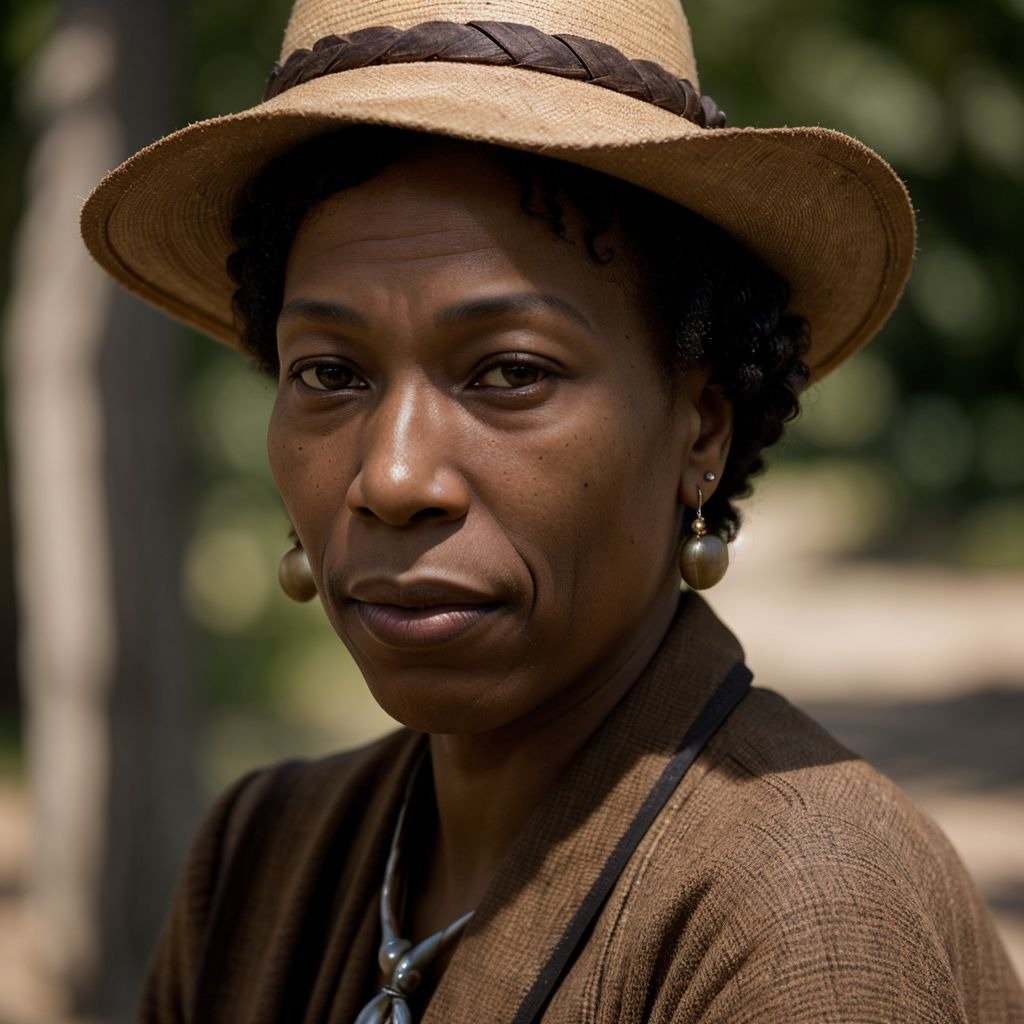
I’ll be honest, I stumbled upon Zora Neale Hurston’s name during a college course on American Literature, but it wasn’t until I read her novel “Their Eyes Were Watching God” that she truly caught my attention. What drew me in…
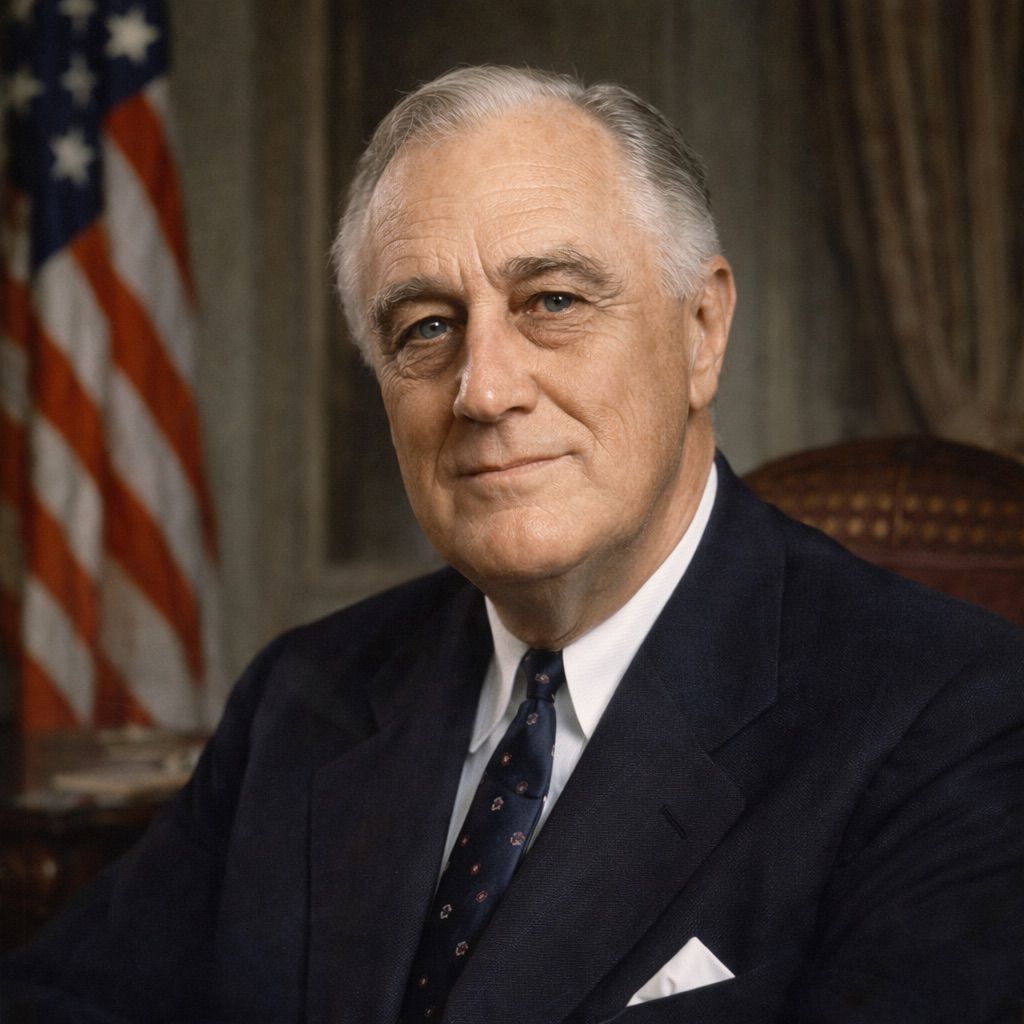
I’ve always been fascinated by Franklin D. Roosevelt, but not in a straightforward way. It’s not just his accomplishments or his leadership during World War II that draw me in – although those are certainly impressive. What really gets my…

Anton Chekhov. His name has been etched in my mind for as long as I can remember, but it wasn’t until recently that I really started to think about who he was and what his writing means to me. I’ve…
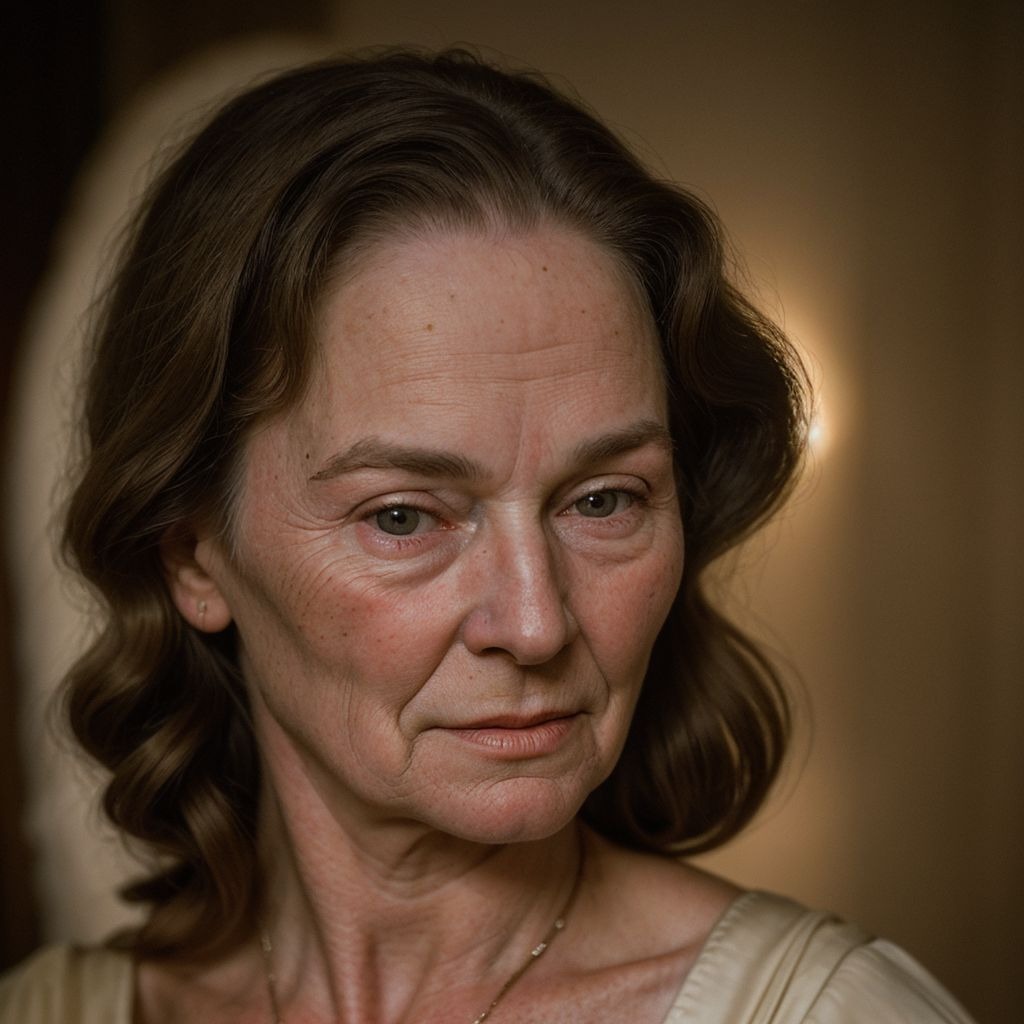
Virginia Hall. I first learned about her during a history class, where we briefly touched on the French Resistance during WWII. Her name stuck with me because of the unusual circumstances surrounding her involvement – she was an American living…

Primo Levi’s words have been etched into my mind like a scar, a reminder of the complexity and brutality of human existence. As I reflect on his life and work, I’m drawn to the contradictions that seem to define him:…
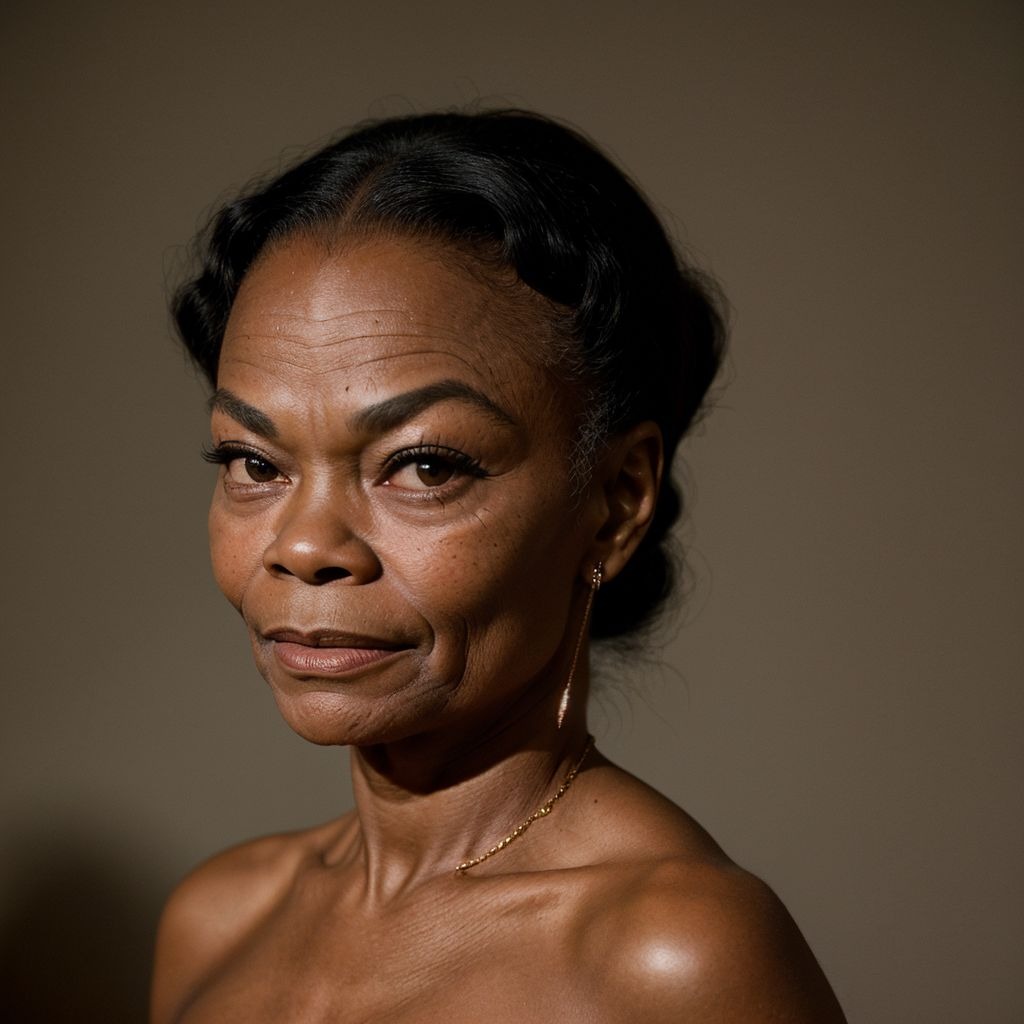
Eartha Kitt. Where do I even start? I’ve been obsessed with her for years, ever since I stumbled upon an old interview of hers on YouTube. Her voice, her wit, her unapologetic candor – it all just drew me in…
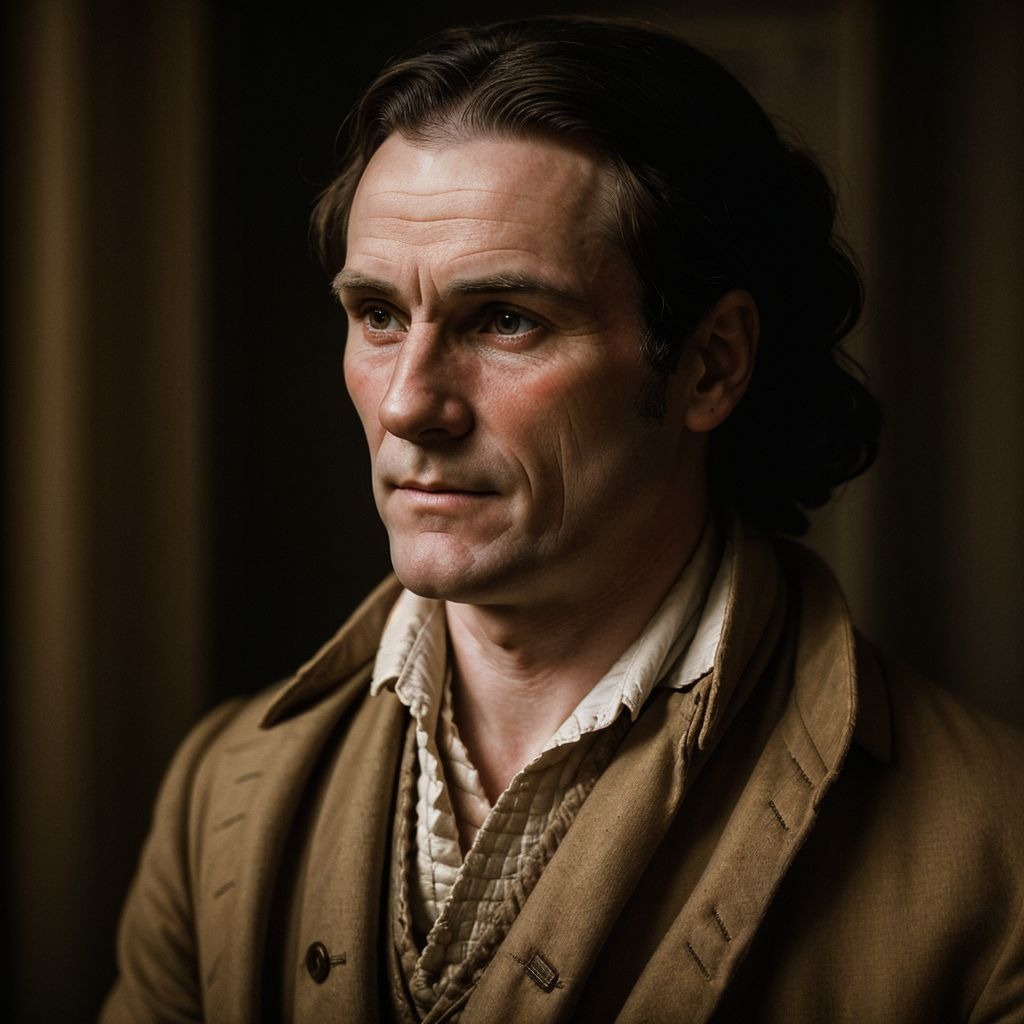
Robert Burns was born in 1759 in Alloway, Ayrshire, into a family sustained by tenant farming. His father, William Burnes, leased marginal land and supplemented the household income through manual labor and instruction. Burns received irregular formal education, supplemented by…
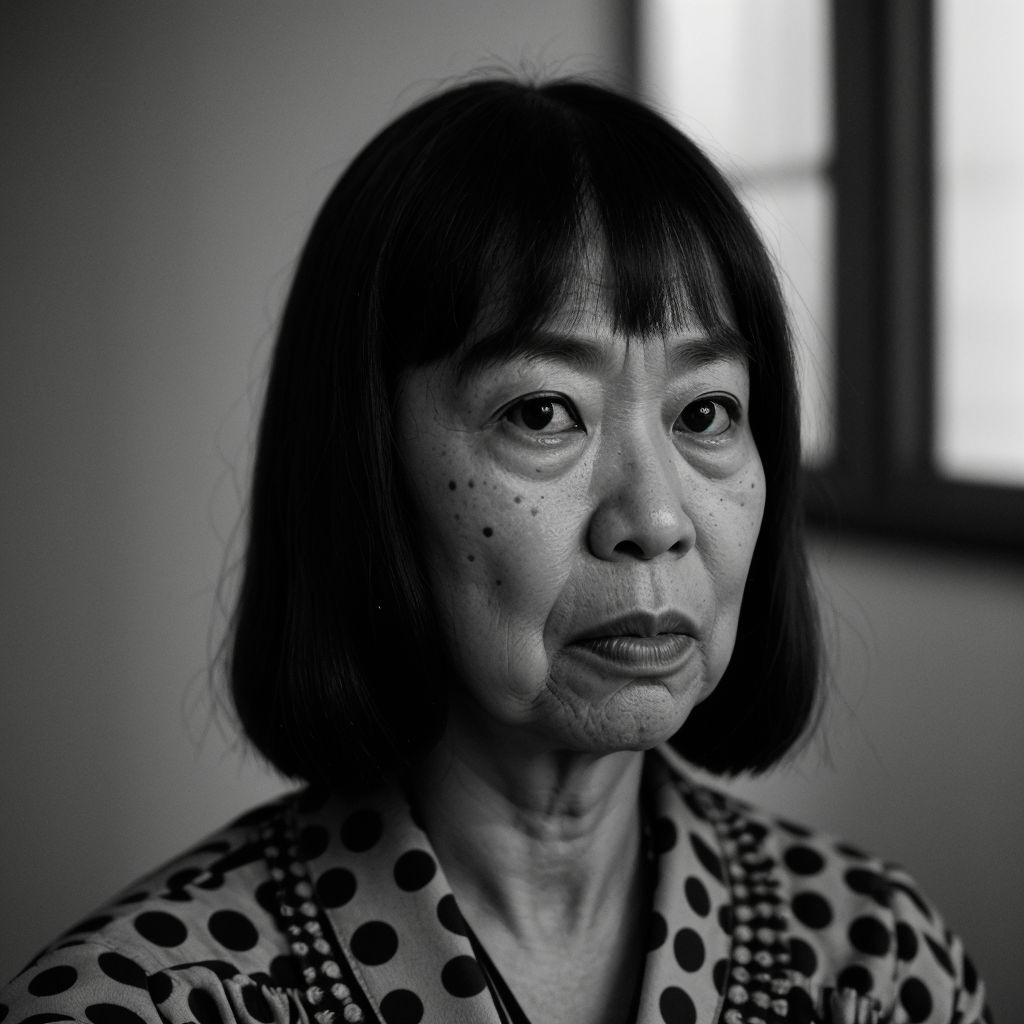
Yayoi Kusama was born in 1929 in Matsumoto, Japan, into a family involved in seed cultivation and commerce. From an early age, she produced drawings marked by dense fields of repeated marks, a practice that would remain central throughout her…

Mary Wollstonecraft was born on April 27, 1759, in Spitalfields, London, into a family whose financial instability shaped much of her early life. Her father’s failed ventures and volatile temperament produced a household marked by uncertainty, forcing Wollstonecraft to develop…
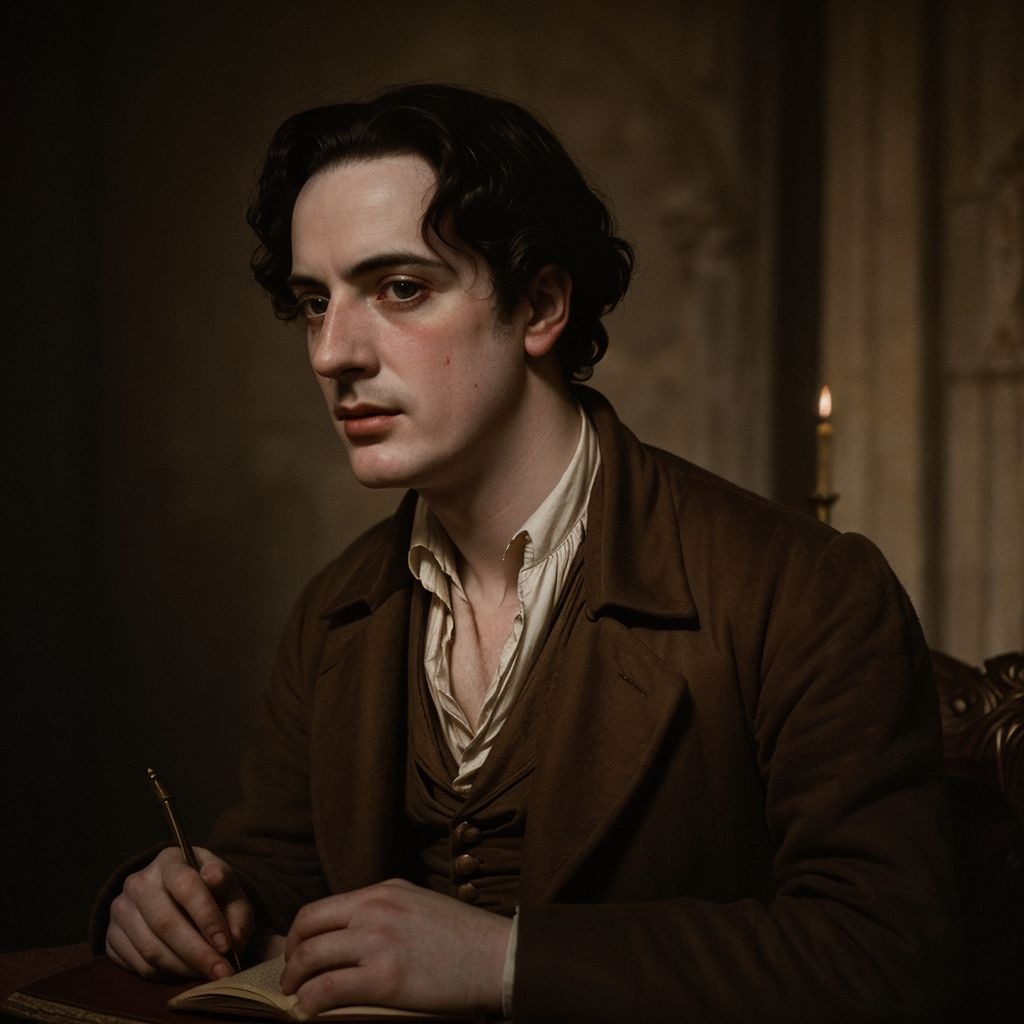
Lord Byron has been on my mind lately, probably because I’ve been re-reading his poetry. It’s not just the way he weaves words together that fascinates me – though, oh man, it’s like a masterclass in language. But it’s more…
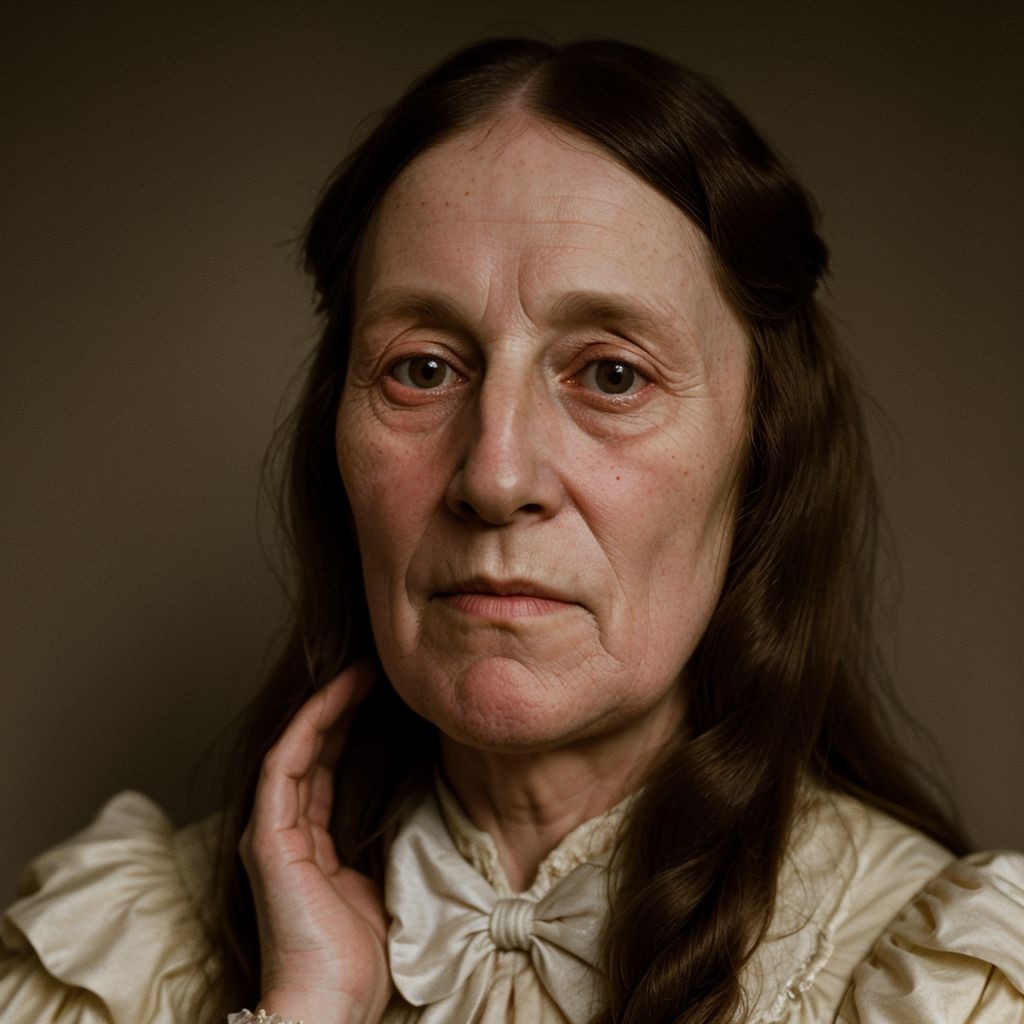
Mary Ann Evans was born on November 22, 1819, at Arbury Hall in Warwickshire, England. Her father, Robert Evans, managed the estate for the Newdigate family, a position that placed the household within the orbit of landed society without granting…
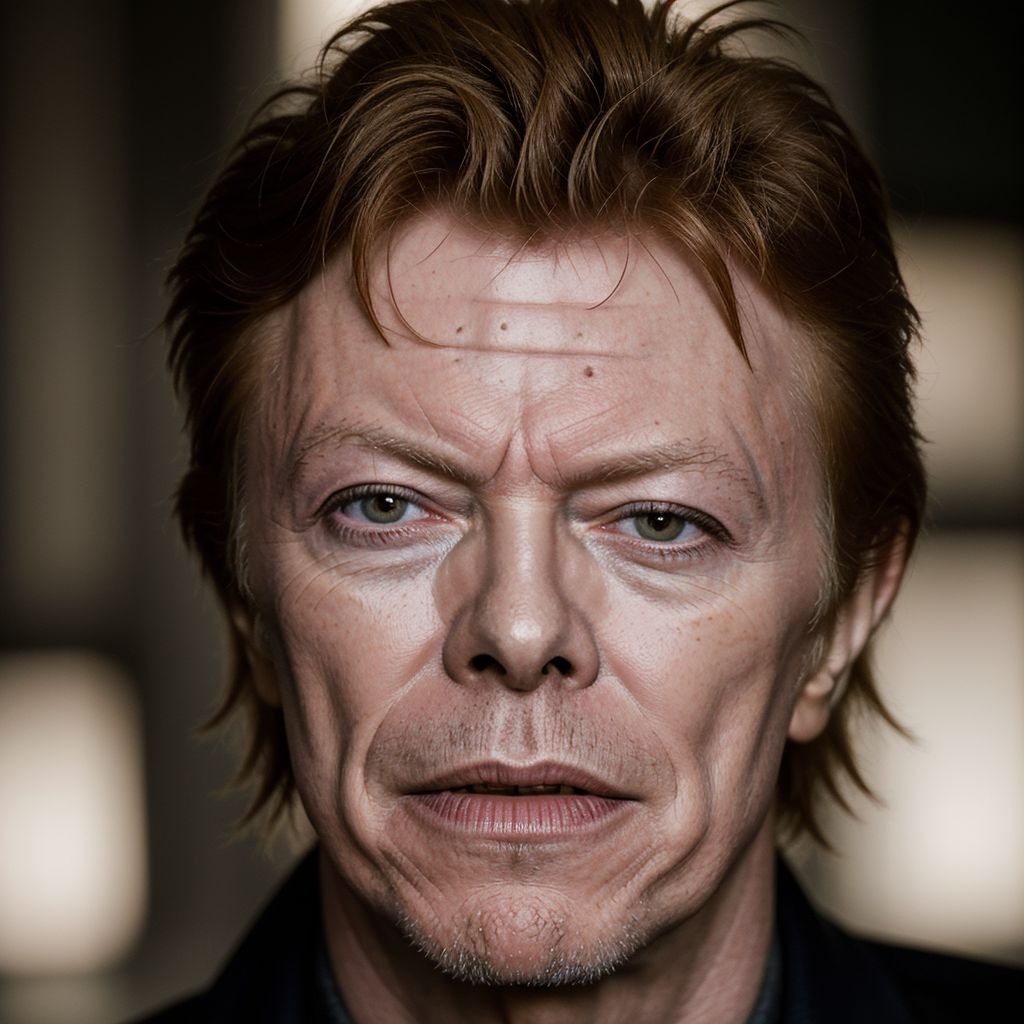
David Robert Jones was born on January 8, 1947, in Brixton, London, to Haywood Stenton Jones and Margaret Mary Burns. His early years were marked by frequent changes in residence, with the family eventually settling in Bromley, Kent. School records…
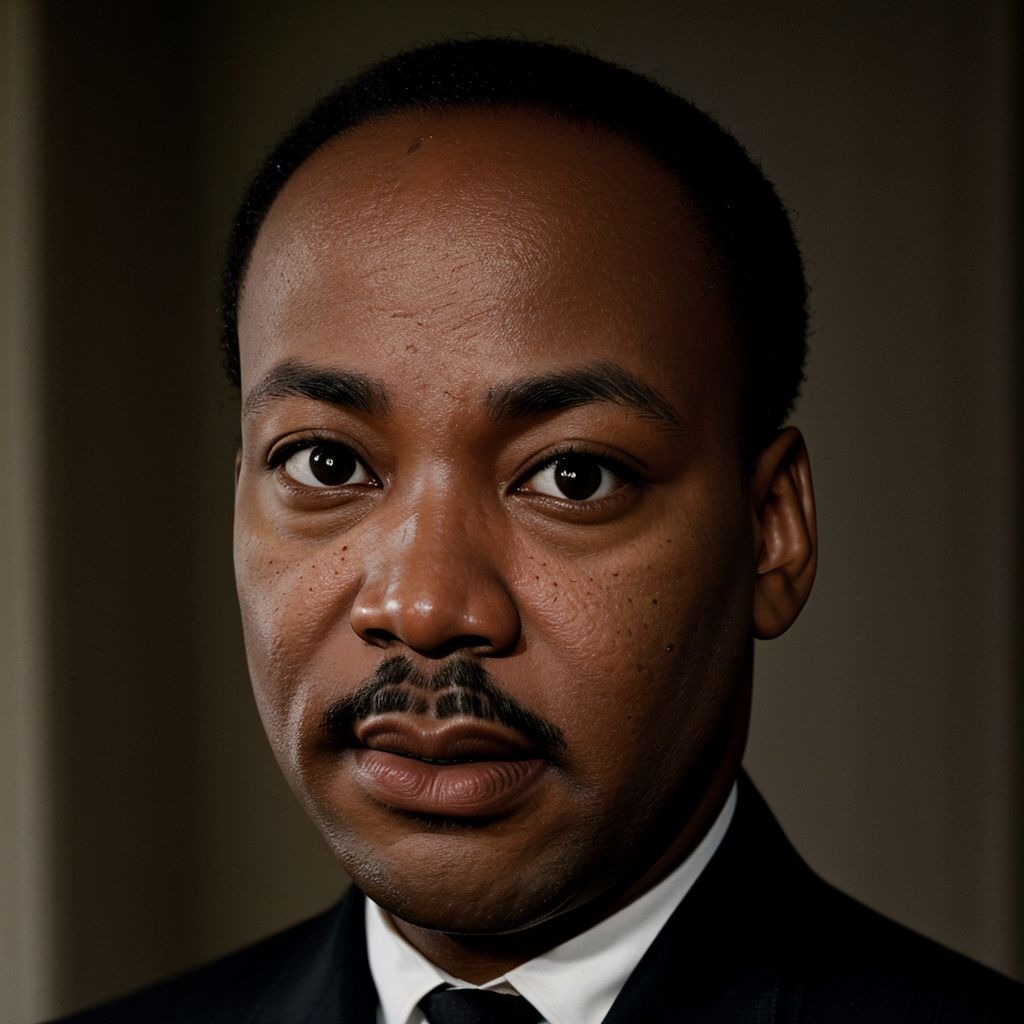
Martin Luther King Jr.’s handwriting shifts from cursive to print in a draft of his letter to the Birmingham City Council. The sentence “We will have to face the fact that we are now dealing with beasts” appears first in…

In a letter to her colleagues, Virginia Apgar writes, simply, “A baby’s life should count.” The sentence appears midway down a page dated March 1959. One line above it reads, “The newborn’s future hangs in the balance.” There is no…

He wrote, in a careful hand, “What I wish most to learn.” The phrase appears again in a later draft, altered only slightly: “what I wish most to understand.” The change is small, almost negligible, yet it suggests a shift…

In a draft, the sentence appears: “Susan Sontag’s writing is an act of attention.” In this early version, the phrase “act of attention” feels almost like a placeholder, a gesture towards something yet to be explored. Later, it is crossed…

The sentence appears first as certainty and then as hesitation. “All that we see or seem is but a dream within a dream.” It surfaces in a letter, disappears in a later draft, and returns altered, as if the words…

A photograph dated 1942 shows Anne Frank at a desk, her face turned toward the camera. The image records a moment from the year the Frank family went into hiding after the German occupation of the Netherlands intensified. The photograph…