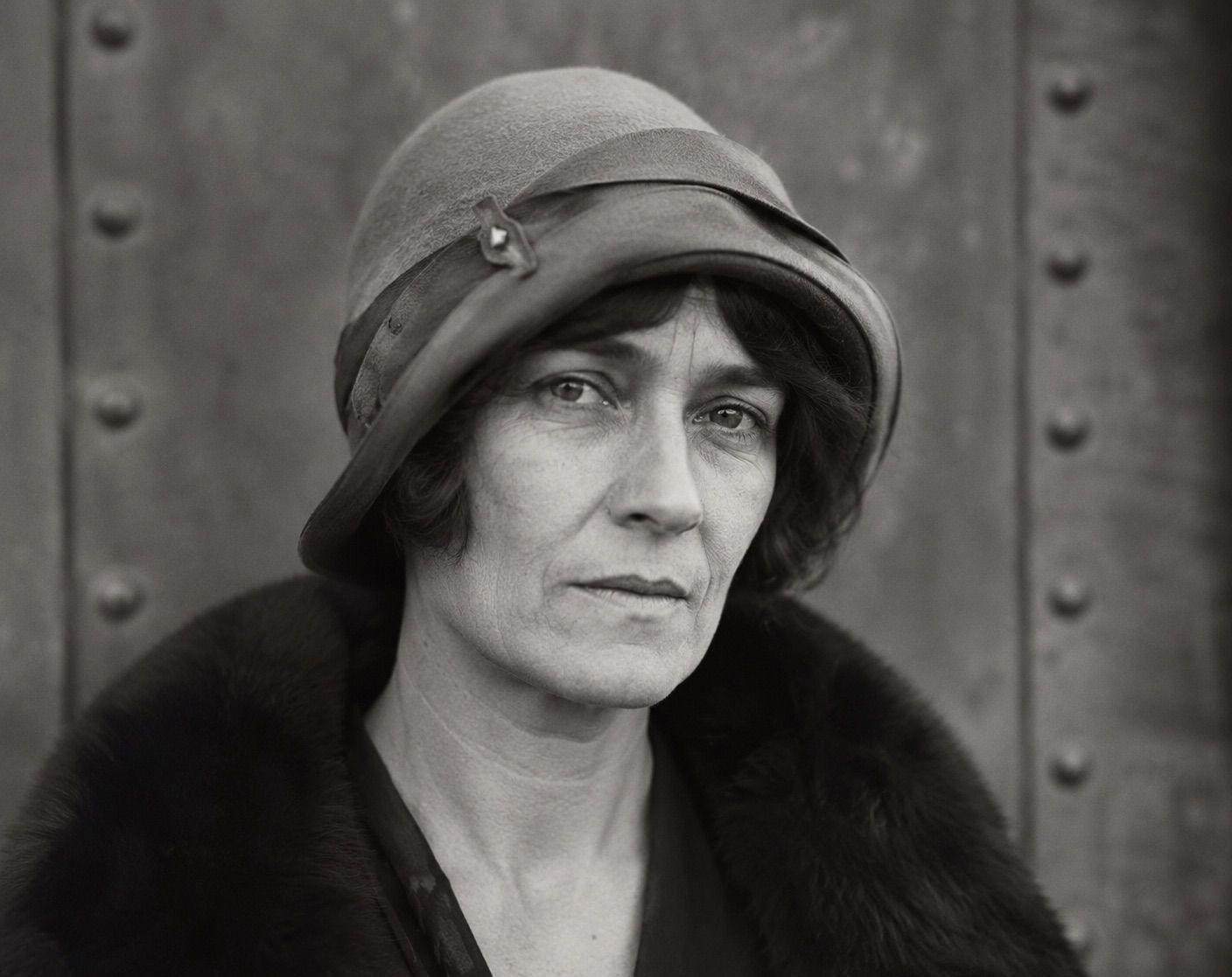
I’ve been thinking about Dorothea Lange a lot lately, trying to figure out why her photographs resonate with me on a deep level. It’s not just the way she captured the struggles of migrant workers during the Great Depression – though that’s certainly part of it. It’s more than that. When I look at her images, I feel like I’m seeing myself reflected back.
Growing up, my family struggled financially. We moved around a lot when I was younger, and I remember the feeling of being on the outside looking in. My parents worked multiple jobs just to make ends meet, and I often felt like an afterthought. But Dorothea Lange’s photographs show people who are even more desperate than we were – folks living in shantytowns, working for minimal wages, and struggling to survive.
What draws me in is the way Lange captures the humanity of these individuals. She doesn’t just document their struggles; she shows us their dignity. Her photographs often focus on the smallest details: a child’s face, a worn pair of shoes, or a piece of torn fabric. These small moments speak volumes about the people behind them.
But it’s not just the subjects that interest me – it’s also Lange’s perspective. She was a white woman from a relatively affluent background, yet she chose to photograph the lives of those who were marginalized and oppressed. That takes a level of empathy and courage I don’t think I could ever muster. And yet, at the same time, there’s something uncomfortable about her privilege – like she’s gazing in on these people’s struggles from an outside perspective.
I find myself wondering: can someone truly capture another person’s experience without also imposing their own biases and assumptions? Is it even possible to see the world through someone else’s eyes? Lange’s photographs often feel both authentic and artificial at the same time – a paradox I’m still trying to untangle.
One of my favorite images by Lange is “Migrant Mother,” taken in 1936. It shows Florence Owens Thompson, a mother of seven, with her children gathered around her. The look on Thompson’s face is both desperate and resilient – like she’s fighting to hold everything together despite the odds being stacked against her.
When I look at this photograph, I’m struck by how little has changed since Lange took it. Poverty, inequality, and displacement are still major issues in our world today. And yet, there’s something about Thompson’s face that feels timeless – like she’s a symbol of the struggles we all face, no matter where we come from.
I’ve been trying to understand why I’m so drawn to this photograph, but it’s hard for me to articulate. Part of it is probably because I see myself in Thompson’s story – or at least, I see my own fears and anxieties reflected back. Another part of it might be the way Lange captures the beauty in these difficult moments – like there’s a glimmer of hope even in the midst of hardship.
But what if I’m reading too much into this photograph? What if Thompson’s story is more complex than I’m letting on, and my own experiences are influencing how I interpret her image? Am I seeing myself reflected back because that’s all I know, or am I genuinely connecting with something deeper?
I don’t have the answers to these questions yet. All I can do is keep looking at Lange’s photographs, trying to understand what it is about them that resonates so deeply. And maybe – just maybe – by doing so, I’ll gain a new perspective on my own life and struggles.
As I continue to reflect on Dorothea Lange’s work, I find myself thinking about the power of photography to both reveal and obscure truth. Her images are like windows into the lives of others, but they’re also filtered through her own lens – a lens that is shaped by her privilege, her education, and her experiences as a woman in the 1930s.
I’m reminded of a conversation I had with a friend who’s an artist, about how we can never truly see things as they are. She said something like, “The moment you frame something, it becomes a representation rather than reality itself.” That stuck with me, because it makes sense that Lange’s photographs – beautiful and powerful as they are – are still just representations of the people she photographed.
It’s not to say that her work is any less valuable or impactful. On the contrary, I think it’s precisely because her images are filtered through her own experiences and biases that they’re so compelling. They show us how one person saw another person’s struggles, and how that encounter can be both a source of empathy and a reminder of our own limitations.
Looking at Lange’s photographs also makes me think about the role of the observer in any given situation. We often assume that we’re objective bystanders, but in reality, we’re all embedded within the systems and structures that shape the world around us. Even Lange, with her best intentions and her remarkable empathy, was still a product of her time and place.
This realization makes me question my own assumptions about photography as a medium. I used to think that if you could just capture a moment in time – freeze it, so to speak – then you’d have the truth. But now I’m not so sure. The more I look at Lange’s work, the more I realize that truth is always slippery, always in flux.
It’s like trying to pin down a memory from my childhood. I remember what it felt like to be on the outside looking in – to be poor and struggling – but the details are hazy. And when I try to recreate those memories through writing or photography, I’m inevitably imposing my own narrative on them. It’s a strange kind of intimacy with the past, where you’re both trying to recapture it and simultaneously aware that you can never truly hold onto it.
Lange’s photographs seem to acknowledge this tension between representation and reality. They show us people who are struggling to survive, but they also show us the beauty in those struggles – a beauty that’s often overlooked or marginalized by society at large. And maybe that’s what I’m drawn to: not just the photograph itself, but the way it invites me to reflect on my own place within this larger story.
I still don’t have all the answers about why Lange’s photographs resonate with me so deeply. But as I keep looking at them – and thinking about them – I feel like I’m getting closer to understanding something essential about myself and my own experiences. It’s a fragile, tentative process, but it feels necessary all the same.
As I continue to grapple with the complexities of Lange’s photographs, I find myself drawn back to the idea of representation versus reality. It’s a tension that seems inherent in any creative work – including writing. When I put words on paper, am I capturing truth or imposing my own narrative? The more I think about it, the more I realize how easily the two can blur together.
I remember reading an interview with Lange where she talks about her approach to photography. She says something like, “The camera is an instrument that teaches people how to see without a preconception.” That resonates with me on a deep level because, as a writer, I’m constantly trying to shed my own preconceptions and biases when approaching a subject.
But the more I think about it, the more I realize how impossible that is. We’re all embedded in our own experiences and perspectives – even Lange, with her remarkable empathy and understanding of the people she photographed. And yet, despite those limitations, her photographs still manage to capture something essential about the human experience.
It’s a paradox that I’m still trying to wrap my head around. How can we create work that’s both authentic and honest, when we’re inevitably filtered through our own lenses? It’s a question that haunts me as a writer, too – because no matter how hard I try, I know that my words will always be shaped by my own experiences and biases.
I’ve been thinking about this paradox in relation to my own writing, particularly when it comes to writing about poverty or inequality. As someone who’s never experienced those struggles firsthand, do I have a right to write about them? Or am I simply imposing my own narrative on people’s lives?
These are questions that keep me up at night – and they’re questions that I don’t think I’ll ever fully resolve. But as I continue to grapple with Lange’s photographs, I’m starting to see the value in uncertainty. Maybe it’s okay not to have all the answers – maybe it’s even more important to acknowledge our own limitations and biases.
When I look at “Migrant Mother” again, I see Thompson’s face in a new light. She’s not just a symbol of struggle; she’s also a reminder that we’re all imperfect observers, trying to make sense of the world around us. And maybe – just maybe – it’s our imperfections and biases that make our work more authentic, more honest.
It’s a strange kind of freedom to admit our own limitations, but I think it’s one that allows us to create work that’s more nuanced, more empathetic. Lange’s photographs may be filtered through her own experiences and biases, but they’re also a testament to the power of human connection – even across vastly different backgrounds and circumstances.
As I continue to reflect on Dorothea Lange’s work, I’m starting to see it not just as a collection of photographs, but as a reflection of our shared humanity. Her images may be imperfect, but they’re also a reminder that we’re all in this together – struggling, striving, and seeking connection with one another.
As I delve deeper into Lange’s photographs, I find myself thinking about the concept of “otherness” and how it relates to my own experiences as an observer. Growing up, I often felt like an outsider looking in, unsure of where I belonged or who I was. And yet, when I look at Lange’s images, I see people who are even more marginalized than I ever was – people who are struggling to survive, who are desperate for hope.
It’s a strange kind of solidarity that I feel with these individuals, despite the vast differences in our experiences. Maybe it’s because we’re all human beings, striving to make sense of this complex and often cruel world. Or maybe it’s something more profound – like the recognition that we’re all caught up in systems of oppression and inequality, even if we don’t realize it.
Lange’s photographs are a powerful reminder that our individual struggles are part of a larger web of human experience. They show us people who are fighting to survive, to thrive, and to find meaning in the face of adversity. And they remind me that my own experiences – though different from theirs – are also shaped by systems of power and privilege.
This realization is both humbling and empowering. It makes me realize how much I don’t know, how much I’m still learning about myself and the world around me. But it also gives me hope – hope that even in the darkest moments, there’s always a way forward, always a glimmer of light to hold onto.
I think back to my own experiences growing up poor and struggling to make ends meet. It was a difficult time, but it also taught me resilience and resourcefulness. And when I look at Lange’s photographs, I see those same qualities in the people she photographed – folks who are fighting to survive, to provide for their families, and to hold onto hope.
It’s not just about empathy or understanding; it’s about recognizing that we’re all connected, that our individual struggles are part of a larger tapestry. Lange’s photographs may be imperfect, but they’re also a testament to the power of human connection – even across vastly different backgrounds and circumstances.
As I continue to reflect on Dorothea Lange’s work, I’m starting to see it as a reminder of my own place within this larger story. We’re all part of a complex web of relationships and experiences, connected in ways that are both visible and invisible. And when we create art or write about our lives, we’re not just capturing truth – we’re also imposing our own narratives on the world.
It’s a messy, complicated process, but it’s one that I’m increasingly drawn to. Because even as we strive for objectivity and accuracy, we’re always filtering our experiences through our own lenses – lenses that are shaped by our privilege, our biases, and our unique perspectives.
Lange’s photographs may be imperfect, but they’re also a testament to the power of human connection – a reminder that even in the darkest moments, there’s always hope. And as I continue to grapple with her work, I’m starting to see it not just as a collection of images, but as a reflection of our shared humanity – all its complexities and imperfections included.