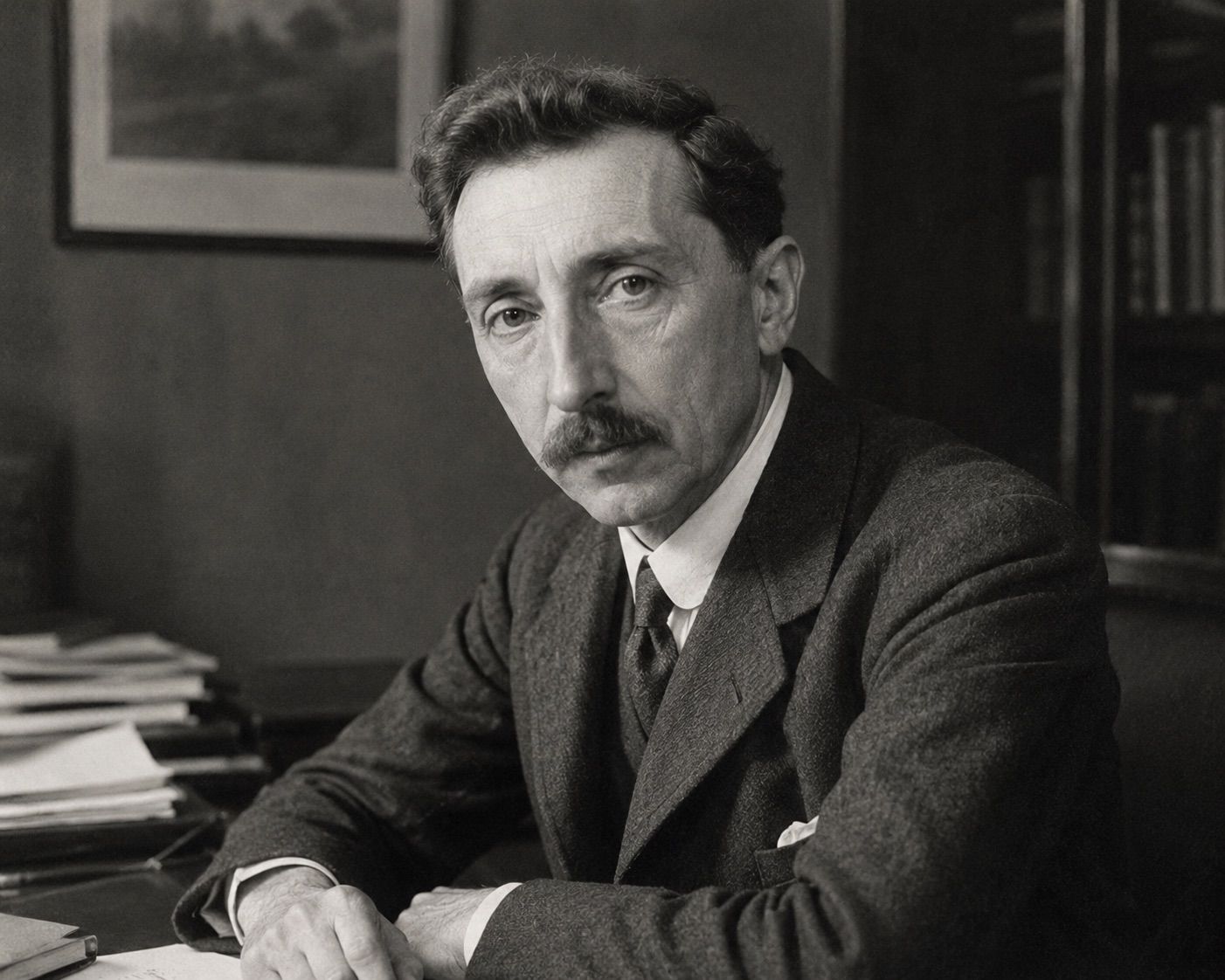
I’ve always been fascinated by E.M. Forster’s life, but not in the way you’d expect. I don’t get caught up in his literary successes or the scandal of his relationships – although, I have to admit, those things do pique my interest. No, what really draws me in is the tension between his private and public selves.
As a writer, I find myself constantly navigating this same divide. There are the stories I want to tell, the ones that feel honest and true, but also potentially exposing or vulnerable. And then there are the expectations of others – my family, friends, even editors – who may not always understand what I’m trying to do with my words.
Forster’s struggles with his own identity seem eerily relatable. He was known for his introspection, often exploring themes of alienation and social class in his writing. But how did he reconcile these intense inner lives with the need to present a polished public persona? Was it ever possible for him to be fully himself?
I think about my own struggles with identity, particularly during college when I was trying to figure out who I wanted to be as a writer. It felt like there were so many expectations: produce something commercial, gain recognition, fit into a particular genre or style. But what if those things didn’t come naturally? What if I had no idea where my true voice lay?
Forster’s relationships – with his family, particularly his mother – also feel intriguingly complicated to me. His letters reveal a deep affection and sense of duty towards her, but also frustration and resentment at the constraints she placed on him. It’s like he was caught between two worlds: the world of family obligation and the world of artistic expression.
I can relate to that feeling of being stuck in limbo. I’ve often felt torn between pleasing others – my parents, for instance – and following my own creative path. Forster’s struggles with his mother’s expectations seem like a constant reminder that this is a universal experience, one that transcends time and place.
Of course, there are aspects of Forster’s life that feel utterly alien to me. His experiences as a gay man in a society that openly disapproved of such relationships must have been incredibly difficult to navigate. I can only imagine the secrecy, the hiding, the constant fear of being discovered. It’s a world I don’t know and don’t claim to understand.
Yet, despite these vast differences, there’s something about Forster’s struggles with identity that resonates deeply within me. Maybe it’s because he was so unafraid to confront the ambiguities and contradictions of his own life. Or maybe it’s simply because, in my own writing, I’m still grappling with those same complexities.
Whatever the reason, Forster’s life has become a source of comfort for me – a reminder that even the most seemingly polished writers are often struggling to find their true voices. It’s a messy, imperfect process, full of doubt and uncertainty. But it’s also a testament to the human capacity for growth, for self-discovery, and for creating something beautiful in the midst of chaos.
As I delve deeper into Forster’s life, I’m struck by his sense of wanderlust – his desire to explore the world beyond England’s shores. He spent years traveling, immersing himself in different cultures, and observing the ways people lived their lives. I wonder if this restlessness was a coping mechanism for him, a way to escape the suffocating expectations of his family and society.
I think about my own wanderlust, my desire to explore new places and experiences. In college, I spent summers backpacking through Europe, trying to soak up as much of the world as possible. But while Forster’s travels seemed driven by a sense of curiosity and wonder, mine felt more like a flight from uncertainty – a way to avoid confronting the unknowns of my own life.
It’s funny how easily we can justify our actions to ourselves. I told myself that traveling was about broadening my horizons, learning new things, and meeting new people. But deep down, I think I was running from the same sense of identity crisis that Forster faced. I was trying to figure out who I was as a writer, as a person, and the world seemed too big and overwhelming.
Forster’s writing often touches on this theme of dislocation – the feeling of being adrift in a sea of uncertainty. In “Howards End,” for example, he explores the tensions between different social classes, highlighting the ways that individuals are shaped by their surroundings. I can relate to that sense of disconnection, that feeling of not quite belonging anywhere.
As I think about my own writing, I realize that Forster’s struggles with identity and belonging have become a sort of north star for me. His work is a reminder that our lives are complex, multifaceted things – full of contradictions and paradoxes. And it’s okay to be uncertain, to not know where we’re going or what we want.
In fact, I think that’s often when the best writing happens – when we’re forced to confront our own doubts and fears head-on. It’s a messy, imperfect process, but one that can lead to something beautiful and true.
As I continue to explore Forster’s life and work, I’m struck by his notion of “only connect.” It’s a phrase he uses in “Howards End,” emphasizing the importance of human relationships and understanding. But for Forster, this connection was often complicated by his own sense of disconnection from society.
I think about how that feeling can be both liberating and suffocating at the same time. On one hand, being an outsider can give you a unique perspective on the world – a chance to observe and comment on things that others take for granted. But on the other hand, it can also make you feel like you’re always looking in from the outside, never quite belonging.
Forster’s experiences as a gay man in a society that didn’t accept him made this feeling of disconnection even more pronounced. He had to navigate a world that was hostile towards people like him, all while trying to maintain his own sense of identity and integrity.
I wonder if that’s why his writing often feels so attuned to the human condition – because he understood what it means to be an outsider looking in. And yet, even as he wrote about these themes of alienation and disconnection, there’s a sense of hope and longing that pervades his work.
For me, that’s what makes Forster’s writing so compelling – not just the way he explores complex themes, but also the way he does it with such nuance and empathy. He never shies away from the hard questions, but neither does he offer easy answers.
As I think about my own writing, I realize that I’m still grappling with these same issues of identity and connection. I want to write about things that matter to me – about the world around me, about the people in it – but I also want to do so in a way that feels authentic and true.
Forster’s struggles with his own sense of self have become a source of comfort for me, reminding me that it’s okay to be uncertain and to take risks. His writing shows me that even in the midst of chaos and uncertainty, there can be beauty and truth waiting to be found.
I’m not sure what the future holds for my writing or for myself, but as I continue to explore Forster’s life and work, I feel a sense of hope and possibility. Maybe it’s because his writing reminds me that even in the darkest moments, there’s always a glimmer of light – a chance for connection, for understanding, and for growth.
As I close my book on Forster, I’m left with more questions than answers. But that’s okay. In fact, it feels like just the beginning of a much larger conversation – one that I’m eager to continue, both in my writing and in my life.
I find myself drawn to Forster’s concept of “only connect” even more deeply now. It’s as if he’s urging me to bridge the gap between my private self and my public persona – to be more authentic, more vulnerable, and more open with others. But what does that look like in practice? How do I balance the need for connection with the fear of exposure?
Forster’s own relationships offer some clues. His friendships with people like Lytton Strachey and Virginia Woolf were built on a foundation of mutual respect, trust, and intellectual curiosity. They didn’t shy away from difficult conversations or topics, but instead used them as opportunities to deepen their understanding of one another.
I think about my own relationships – the ones I’ve formed through writing groups, online communities, and social media. Are they based on a similar foundation of mutual respect and trust? Or are they more superficial, founded on shared interests or convenience?
As I ponder this question, I realize that Forster’s concept of “only connect” isn’t just about forming connections with others; it’s also about being connected to myself. It’s about embracing my own complexities, contradictions, and uncertainties – rather than trying to present a polished, curated version of myself to the world.
This is where Forster’s struggles with his own identity become so relatable to me. He was constantly grappling with his own sense of self, trying to reconcile his desires, values, and principles with the demands of his family, society, and even his own artistic ambitions. And yet, in the midst of all this turmoil, he continued to write – to explore, experiment, and create.
Forster’s writing is a testament to the power of self-expression, but it’s also a reminder that this process is never easy or straightforward. There are always trade-offs, compromises, and uncertainties involved. But what if I’m willing to take those risks? What if I’m brave enough to be vulnerable, to expose my own flaws and imperfections?
This is where Forster’s writing becomes most compelling – not just as a reflection of his own experiences, but also as a guide for mine. His struggles with identity, belonging, and connection offer me a sense of solidarity, a reminder that I’m not alone in this process.
As I continue to explore Forster’s life and work, I’m left with more questions than answers – but also a growing sense of curiosity and wonder. What does it mean to be connected to myself? How do I balance the need for authenticity with the pressure to present a polished image? And what role can writing play in helping me navigate these complexities?
These are questions that will likely take me years, if not a lifetime, to answer. But for now, I’m content to continue exploring Forster’s work – to see where his ideas, themes, and struggles lead me, and to use them as a starting point for my own creative journey.
As I delve deeper into Forster’s life and work, I find myself becoming increasingly fascinated by the concept of “only connect” in relation to his own experiences with identity and belonging. On one hand, his struggles with his family’s expectations and societal norms make me think about how those same forces shape my own relationships with others.
But on the other hand, Forster’s ability to transcend these boundaries – to forge connections across social classes, cultures, and even personal differences – is a constant source of inspiration for me. His writing shows that connection is not only possible but also necessary, if we’re to truly understand one another and ourselves.
I think about my own relationships with others, particularly those I’ve formed through writing groups or online communities. Are they shallow, based on shared interests rather than genuine connections? Or are they deeper, founded on mutual respect, trust, and empathy?
Forster’s friendships with people like Lytton Strachey and Virginia Woolf offer a model for how to build meaningful relationships – one that values intellectual curiosity, creative experimentation, and honest communication. Their friendships were not without their challenges, but they were also characterized by a deep affection and mutual understanding.
As I reflect on my own friendships, I realize that Forster’s concept of “only connect” is not just about forming connections with others; it’s also about being connected to myself. It’s about embracing my own complexities, contradictions, and uncertainties – rather than trying to present a polished, curated version of myself to the world.
This is where Forster’s struggles with his own identity become so relatable to me. He was constantly grappling with his own sense of self, trying to reconcile his desires, values, and principles with the demands of his family, society, and even his own artistic ambitions. And yet, in the midst of all this turmoil, he continued to write – to explore, experiment, and create.
Forster’s writing is a testament to the power of self-expression, but it’s also a reminder that this process is never easy or straightforward. There are always trade-offs, compromises, and uncertainties involved. But what if I’m willing to take those risks? What if I’m brave enough to be vulnerable, to expose my own flaws and imperfections?
As I continue to explore Forster’s life and work, I find myself drawn to the idea that connection is not just about forming relationships with others but also about being in relationship with ourselves. It’s about embracing our own complexities, contradictions, and uncertainties – rather than trying to present a polished, curated version of ourselves to the world.
I think about how Forster’s concept of “only connect” can be applied to my own writing process. What does it mean for me to be connected to myself as I write? How do I balance the need for authenticity with the pressure to produce something marketable or commercially viable?
Forster’s struggles with his own identity and belonging make me realize that these are questions I’ll likely be grappling with for years to come – perhaps even a lifetime. But in the meantime, I’m content to continue exploring Forster’s work, using it as a guide for my own creative journey.
As I close this essay, I’m left with more questions than answers – but also a growing sense of curiosity and wonder about what it means to be connected to myself and others.