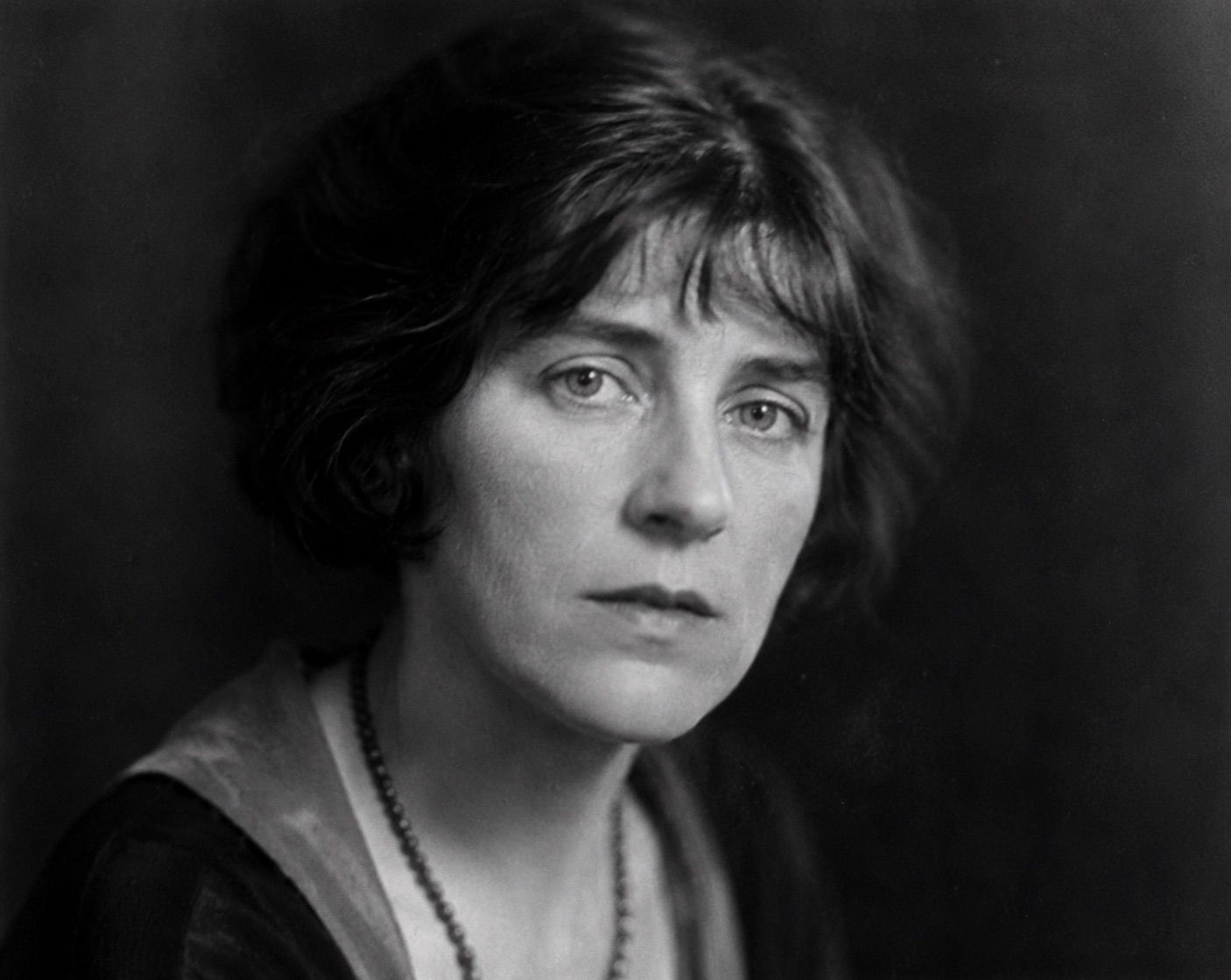
I’ve always been drawn to H.D.’s writing, but it’s not just her words that captivate me – it’s the mystery surrounding her life. As I delve into her poetry and essays, I find myself entangled in a web of contradictions: her desire for independence and her willingness to conform; her passion for feminism and her complex relationships with women. It’s as if she’s speaking directly to my own inner turmoil.
I think about how H.D.’s experiences mirror my own struggles with identity and autonomy. Like me, she felt stifled by societal expectations – in her case, the confines of a patriarchal society that dictated her roles as wife and mother. Her writing often grapples with these limitations, but it’s not just the external constraints that interest me; it’s also the ways in which she internalized them.
I’ve always been fascinated by the fact that H.D. married Richard Aldington, despite his infidelity and possessiveness. On one hand, it seems like a desperate attempt to escape her family’s suffocating influence or perhaps even an act of rebellion – she was, after all, a rebellious spirit who defied conventions in many ways. But on the other hand, their marriage feels like a compromise, a way for H.D. to maintain some semblance of stability and security.
As I read her poetry, I feel a sense of kinship with H.D.’s own disorientation. Her words often convey a sense of longing and disconnection – a feeling that’s all too familiar to me as well. When she writes about the “darkness” within herself, I feel like I’m reading my own thoughts back to me. It’s as if we’re both navigating similar landscapes of uncertainty, searching for a way to reconcile our desires with the expectations placed upon us.
But what really unsettles me is H.D.’s complicated relationship with D.H. Lawrence – another literary giant whose life and work have always fascinated me. I’m drawn to their intense correspondence, but it’s also unsettling to see how she idealizes him, often at the expense of her own agency. It’s like she’s caught in a web of admiration and desire, unsure of how to reconcile her feelings with her own needs.
I wonder if this is what draws me to H.D.’s work – the way she exposes her own vulnerabilities, revealing the messy complexities that lie beneath her words. Her writing feels like a raw, unflinching examination of herself, and in some ways, it’s terrifyingly relatable. I see myself in her struggles with identity, her attempts to break free from societal constraints, and her ongoing quest for self-discovery.
As I continue to read H.D.’s work, I’m left with more questions than answers – about her life, about my own reactions, and about the ways in which we’re all connected through our shared experiences. It’s a messy, uncomfortable place to be, but it’s also exhilarating, because I know that I’m not alone in these feelings. H.D.’s writing has given me permission to explore my own doubts and fears, and for that, I’m eternally grateful.
The more I immerse myself in H.D.’s world, the more I find myself questioning my own relationships with women. Her complex friendships and romantic entanglements are a far cry from my own experiences, but there’s something about her vulnerability that makes me feel seen. I think about my closest friends – people who know me better than I know myself – and wonder if we’re all just navigating similar complexities in our own ways.
I’m particularly drawn to H.D.’s friendships with women like Bryher and Nancy Cunard, women who were also part of the expatriate literary scene. Their relationships are characterized by a mix of intellectual curiosity, emotional intimacy, and a deep-seated desire for connection. It’s as if they’re all searching for something more – a sense of community, perhaps, or a deeper understanding of themselves.
But what really fascinates me is how H.D.’s friendships often blur the lines between platonic and romantic relationships. I’m not sure if she herself ever explicitly labels these connections, but it’s clear that they’re multifaceted and deeply meaningful to her. And in some ways, this feels like a reflection of my own experiences – the way I’ve struggled to define my relationships with women, oscillating between friendship and something more.
It’s unsettling to admit, but I think part of what draws me to H.D.’s work is the way she exposes the messy, often fraught nature of female relationships. Her writing feels like a testament to the complexities we face as women – the pressure to conform to societal expectations, the weight of internalized shame and guilt, and the constant struggle for self-definition.
I’m not sure if I’ll ever fully understand H.D.’s inner world, but I do know that her writing has given me permission to explore my own ambiguities. Her words have become a kind of solace – a reminder that I’m not alone in my doubts and fears, and that even the most seemingly contradictory feelings can be held together with compassion and understanding.
As I delve deeper into H.D.’s relationships with women, I find myself reflecting on my own connections with female friends. Like H.D., I’ve struggled to define these bonds, often feeling like I’m caught between a deep affection and something more. It’s as if we’re both navigating a world where traditional labels don’t quite fit.
I think about the way H.D.’s friendships with women like Bryher and Nancy Cunard are characterized by a sense of intellectual curiosity and emotional intimacy. These relationships feel almost… fluid, like they’re constantly shifting between platonic and romantic terrain. And yet, this ambiguity is also what makes them so compelling – it’s as if we’re witnessing the unfolding of a complex dance, one that defies easy categorization.
I’m struck by how often H.D.’s writing touches on themes of female desire and pleasure. Her words seem to whisper secrets, revealing the hidden contours of her own body and its longings. And in doing so, she opens up a space for me to explore my own desires, to confront the ways in which I’ve internalized shame and guilt around sex.
It’s a liberating feeling, to be honest – like I’m finally allowing myself to breathe. H.D.’s writing has given me permission to acknowledge my own desires, even if they don’t fit neatly into societal expectations. And it’s not just about sex; it’s also about the ways in which we’re socialized to suppress our emotions, to deny ourselves pleasure and connection.
I wonder if this is what draws me to H.D.’s work – the way she excavates the hidden recesses of her own body, revealing a world of sensations that are both deeply personal and universally relatable. Her writing feels like a form of excavation, one that uncovers the hidden fault lines between desire and shame.
As I continue to read H.D., I’m left with more questions than answers – about her life, about my own reactions, and about the ways in which we’re all connected through our shared experiences. But this uncertainty is also what makes me feel seen, like I’m part of a larger web of human connection that’s messy, complicated, and ultimately beautiful.
I think about how H.D.’s writing has given me permission to explore my own ambiguities, to confront the ways in which I’ve internalized shame and guilt around sex. And it’s not just about me; it’s also about the women who came before us – women like H.D., who dared to speak their truth despite the risks.
Their bravery is a reminder that we’re all connected through our shared experiences, that we’re all navigating similar complexities in our own ways. And it’s this sense of solidarity that makes me feel most alive – like I’m part of something bigger than myself, something that transcends the boundaries of identity and desire.
As I ponder H.D.’s relationships with women, I find myself thinking about my own connections with female friends who are also queer or non-binary. The way we navigate our relationships can be fraught with uncertainty, especially when societal expectations around love and intimacy are so rigidly defined.
I think about how H.D.’s friendships often blur the lines between platonic and romantic relationships, and I wonder if this is a phenomenon unique to women who love women? Is it because we’re socialized to prioritize emotional connection over physical desire, or is it something more complex?
I’m not sure if I’ll ever find the answers, but what strikes me is how H.D.’s writing has given me permission to explore my own ambiguities. Her words have shown me that it’s okay to be uncertain, to question the norms and conventions that govern our relationships.
It’s a liberating feeling, but also a challenging one. As I delve deeper into H.D.’s world, I’m forced to confront the ways in which I’ve internalized shame and guilt around my own desires. It’s like looking at myself through a different lens – one that reveals all the hidden contours of my body, its longings, and its secrets.
I think about how H.D.’s writing often grapples with themes of identity and self-discovery. Her words seem to whisper secrets, revealing the ways in which she navigated her own complex relationships with women. And in doing so, she opens up a space for me to explore my own sense of self – to confront the ways in which I’ve defined myself according to societal expectations.
It’s not easy, though. As I read H.D.’s poetry and essays, I’m confronted with my own doubts and fears. What does it mean to be a woman who loves women? How do we navigate our relationships without sacrificing our identities or our desires?
I’m not sure if I’ll ever find the answers, but what I do know is that H.D.’s writing has given me permission to ask these questions. Her words have shown me that it’s okay to be uncertain, to question the norms and conventions that govern our relationships.
And so, I continue to read H.D., to delve deeper into her world of complex relationships and ambiguous desires. It’s a journey that’s both exhilarating and terrifying, but also deeply liberating. For in H.D.’s words, I’ve found a kindred spirit – someone who understands the messiness of human connection, the complexity of female desire, and the beauty of ambiguity itself.
As I navigate the complexities of H.D.’s relationships with women, I’m struck by how often her writing touches on themes of motherhood and femininity. Her words seem to explore the ways in which societal expectations can both empower and constrain us as women. It’s a paradox that resonates deeply with me, particularly when it comes to my own complicated feelings about motherhood.
I think about how H.D.’s experiences as a mother are often intertwined with her relationships with other women. Her son, Perdita Shakenfaul, was born out of wedlock and raised by H.D. in a non-traditional household. This has led me to wonder about the ways in which H.D.’s unconventional family structure may have influenced her writing.
In particular, I’m drawn to her essay ” Tribute to Freud,” where she grapples with the idea of motherhood as both a source of strength and weakness for women. Her words seem to reflect on the societal expectations placed upon mothers – the pressure to nurture, to sacrifice, and to conform to traditional roles. It’s a complex exploration that feels eerily familiar to me.
As I read H.D.’s writing about motherhood, I’m struck by how often she returns to themes of vulnerability and self-discovery. Her words seem to suggest that it’s through embracing our vulnerabilities – rather than trying to suppress them – that we can find true empowerment as women. This is a message that resonates deeply with me, particularly when it comes to my own experiences as a young woman navigating the complexities of identity.
I’m also drawn to H.D.’s relationships with other women writers and artists of her time. Her friendships with figures like Gertrude Stein and Mina Loy are a testament to the power of female connections in shaping our lives and our writing. It’s clear that these women were all part of a larger network, one that was both supportive and intellectually stimulating.
But what really fascinates me is how H.D.’s friendships often blur the lines between personal and professional relationships. Her words seem to suggest that she saw her friendships with other writers as a source of creative inspiration – something that fueled her own writing and helped her navigate the complexities of her life.
As I delve deeper into H.D.’s world, I’m struck by how often her writing touches on themes of spirituality and the human condition. Her words seem to reflect on the mysteries of existence, the power of nature, and the search for meaning in a chaotic world. It’s a profound exploration that feels both deeply personal and universally relatable.
I think about how H.D.’s experiences with mysticism and spiritualism may have influenced her writing – particularly when it comes to themes like identity, desire, and self-discovery. Her words seem to suggest that she saw spirituality as a way of accessing deeper truths about herself and the world around her.
But what really unsettles me is how H.D.’s spiritual explorations often intersect with her relationships with other women. Her writing seems to reflect on the ways in which female connections can be both a source of strength and weakness – particularly when it comes to issues like desire, identity, and power dynamics.
As I continue to read H.D., I’m left with more questions than answers – about her life, about my own reactions, and about the ways in which we’re all connected through our shared experiences. But this uncertainty is also what makes me feel seen, like I’m part of a larger web of human connection that’s messy, complicated, and ultimately beautiful.
I think about how H.D.’s writing has given me permission to explore my own ambiguities – to question the norms and conventions that govern our relationships. And it’s not just about me; it’s also about the women who came before us – women like H.D., who dared to speak their truth despite the risks.
Their bravery is a reminder that we’re all connected through our shared experiences, that we’re all navigating similar complexities in our own ways. And it’s this sense of solidarity that makes me feel most alive – like I’m part of something bigger than myself, something that transcends the boundaries of identity and desire.