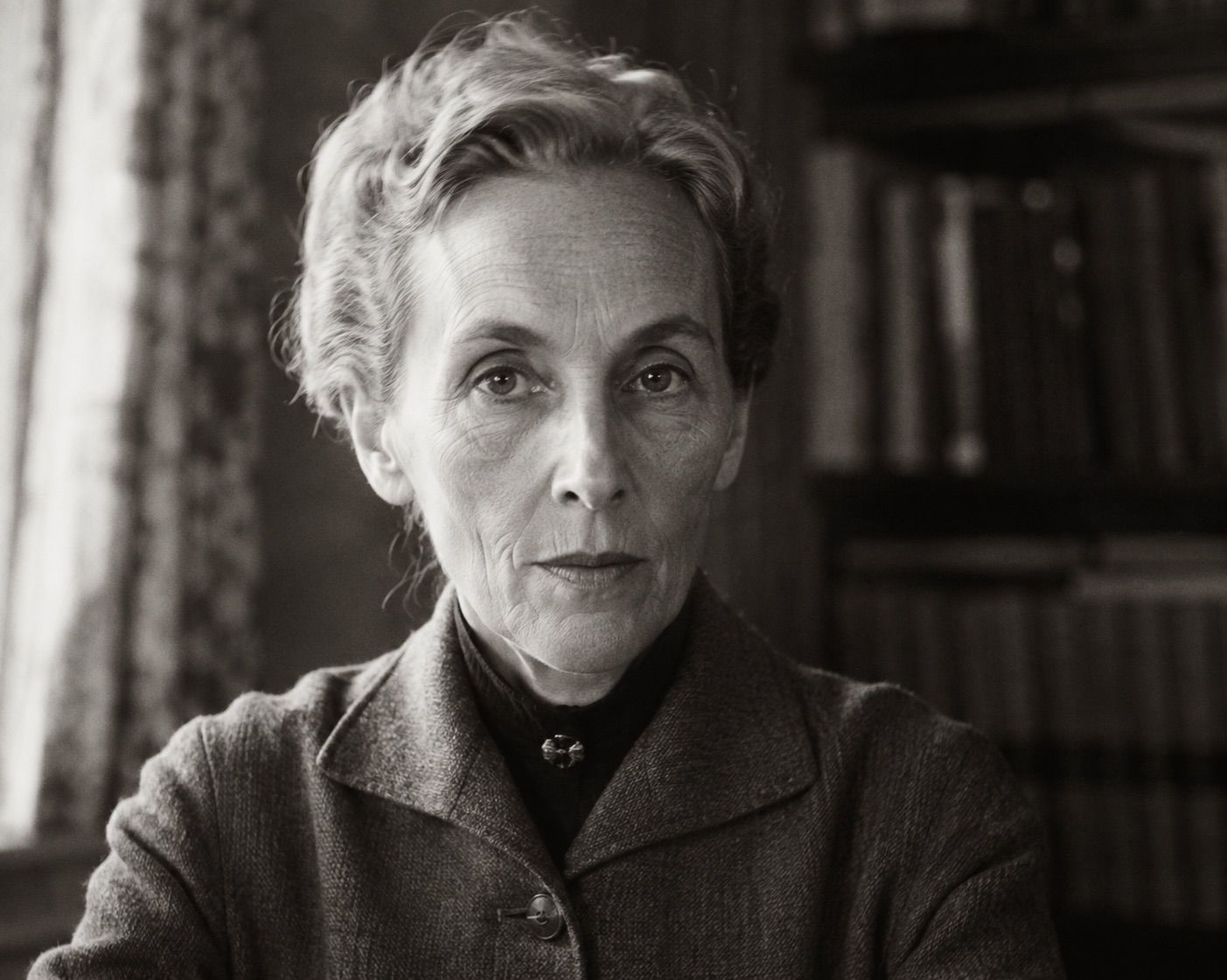
Isak Dinesen’s writing has been a constant companion for me over the past year, ever since I stumbled upon her stories and essays while rummaging through my mother’s old bookshelf. There was something about her words that resonated deeply with me – perhaps it was the way she wove together tales of love, loss, and identity in a way that felt both familiar and yet utterly foreign.
As I delved deeper into her work, I found myself drawn to the contradictions that seemed to permeate every aspect of her life. She was a Danish aristocrat who had lived a life of privilege, but one that was also marked by personal struggles and uncertainty. Her writing often touched on themes of identity, nationality, and belonging – issues that I’ve grappled with myself as a young woman navigating the complexities of adulthood.
One aspect of Dinesen’s work that has always fascinated me is her tendency to blur the lines between truth and fiction. In stories like “Babette’s Feast” and “Siddhartha’s Song,” she weaves together historical fact and poetic invention in ways that feel both captivating and unsettling. As I read through these tales, I couldn’t help but wonder: was Dinesen writing about herself, or was this some kind of elaborate masquerade? Was she using her fiction to explore the complexities of her own identity, or was she simply crafting a mythic narrative?
I find myself returning to these questions because they speak to my own experiences as a writer. When I’m struggling to put words on paper, I often feel like I’m searching for some hidden truth – something that will reveal itself only if I dig deep enough. And yet, the more I write, the more I realize that this search is also a kind of performance: we’re all performing our identities, whether through our writing or our daily lives.
Dinesen’s own life was marked by a series of performances and reinventions – she adopted new personas, changed her name, and moved between countries in search of new beginnings. And yet, as I read about her, I couldn’t shake the feeling that there was something else at play here – some deeper longing or desire that drove her to keep moving, to keep creating.
Perhaps it’s this sense of restlessness that draws me to Dinesen’s work – a restlessness that I recognize in myself. As I navigate my own post-college life, I’m constantly torn between the desire for stability and security, and the need to keep exploring, to keep pushing boundaries. It’s a feeling that Dinesen seems to capture perfectly in her writing: the sense of being suspended between worlds, unsure which path to take or where to call home.
As I close this essay – or rather, allow it to drift off into the ether – I’m left with more questions than answers. What does it mean to perform our identities, and how do we separate truth from fiction in the process? Is Dinesen’s writing a reflection of her own search for self, or is it something entirely different?
I don’t know. And that’s okay. Sometimes, I think, it’s more interesting to simply acknowledge the uncertainty – to let the questions hang in the air like a tantalizing mist.
The more I read Dinesen’s work, the more I’m struck by her use of masks and personas as a way of navigating the complexities of identity. In her stories, characters often wear multiple faces, just as she did in real life. It’s as if she knew that identity is always in flux, that we’re all constantly performing for ourselves and others.
This idea resonates deeply with me, especially now that I’m trying to figure out who I am outside of academia. In college, my identity was defined by my major, my extracurriculars, and my social circle. But now that I’ve graduated, I’m left with a sense of uncertainty – what does it mean to be a writer outside of the classroom? Do I still write for myself, or am I trying to write for someone else’s approval?
Dinesen’s writing often feels like a exploration of this very question. Her characters are always on the move, searching for new identities and new experiences. And yet, despite their restlessness, they’re never quite able to shake off the past – the memories, the scars, the ghosts that haunt them.
I think about my own family history, and how it’s shaped me in ways both conscious and unconscious. My parents immigrated from a different country when I was young, and I’ve always felt like I’m caught between two cultures. Sometimes I wonder if this sense of displacement is what draws me to Dinesen’s work – her characters are often outsiders, navigating the complexities of identity and belonging.
But it’s not just about cultural identity; it’s also about personal history. Dinesen’s writing is full of references to her own life experiences – the loss of her husband, the struggles with depression, the wanderlust that took her to Africa and back again. And yet, even as she incorporates these details into her stories, she never seems to let them define her.
This is what I find most compelling about Dinesen’s work: the way she weaves together disparate threads of identity, history, and experience into a rich tapestry of storytelling. It’s like she’s saying that our identities are always in flux, that we’re all constantly performing and reinventing ourselves – but also that this performance is what makes us human.
As I close this essay, I’m left with more questions than answers. What does it mean to perform our identities, and how do we separate truth from fiction in the process? Is Dinesen’s writing a reflection of her own search for self, or is it something entirely different?
And yet, even as I acknowledge these uncertainties, I feel a sense of peace settle over me. Maybe it’s not about finding answers; maybe it’s just about embracing the messiness of identity, and letting our stories unfold in all their complexity.
The more I read Dinesen’s work, the more I’m struck by her ability to capture the human experience in all its messy, beautiful complexity. Her writing is like a mirror held up to our own struggles with identity, belonging, and self-discovery.
I think about my own experiences as a writer, and how I often feel like I’m searching for some hidden truth – something that will reveal itself only if I dig deep enough. But what if the truth is that there’s no one “true” self to uncover? What if our identities are constantly shifting, like the sands of the desert?
Dinesen’s writing suggests that this might be the case. Her characters are always on the move, searching for new identities and new experiences. And yet, despite their restlessness, they’re never quite able to shake off the past – the memories, the scars, the ghosts that haunt them.
This resonates with me because I’ve often felt like I’m caught between two worlds: the world of my childhood, where my family’s cultural traditions and values were deeply ingrained; and the world of adulthood, where I’m trying to forge my own path. It’s a feeling of dislocation, of not quite belonging anywhere.
But Dinesen’s writing suggests that this sense of dislocation is not unique to me – it’s a universal human experience. Her characters are always negotiating between different worlds, different identities, and different selves. And yet, despite the uncertainty and confusion, they’re never static; they’re always in motion, always growing, always changing.
This idea both comforts and unsettles me. On the one hand, it suggests that I’m not alone in my struggles with identity – that we’re all navigating this complex landscape together. But on the other hand, it raises questions about the nature of selfhood itself: if our identities are constantly shifting, then what does it mean to be “me”?
I think about Dinesen’s own life story, and how she reinvented herself multiple times throughout her life. She was born Karen Blixen, a Danish aristocrat; but she also became Isak Dinesen, a writer of international renown. And yet, even as she took on new identities, she never seemed to lose sight of who she truly was.
Or did she? This is the question that continues to haunt me – the question of whether our performances, our reinventions, are ever truly authentic. Are we always playing roles, always pretending to be someone we’re not? Or can we find a way to inhabit our true selves, even as we navigate the complexities of identity and belonging?
I don’t know the answer to this question, any more than I do the answer to the questions that have been swirling in my head throughout this essay. But I do know that Dinesen’s writing has given me permission to explore these questions – to delve into the messy, beautiful complexity of human experience.
As I reflect on Isak Dinesen’s life and work, I’m struck by her ability to inhabit multiple worlds simultaneously. She was a Dane living in Africa, a writer navigating the complexities of identity and belonging, a woman struggling with depression and loss. And yet, despite these multiple selves, she remained remarkably true to herself.
Or so it seems. The more I read about Dinesen, the more I’m convinced that her performances were always rooted in a deep sense of authenticity. She wasn’t just playing roles; she was inhabiting them, with all the complexity and nuance that comes with being human.
I think about my own experiences as a writer, and how I often feel like I’m struggling to find my authentic voice. Do I write for myself, or do I write for others? Am I trying to impress readers with my clever turns of phrase, or am I simply pouring out my heart onto the page?
Dinesen’s writing suggests that this is a false dichotomy – that our performances are always intertwined with our authenticity. She didn’t just write about her own experiences; she also wrote about the experiences of others, using them as a way to explore the complexities of identity and belonging.
This resonates with me because I’ve often felt like my writing is a form of performance – not in the sense that I’m trying to deceive or manipulate readers, but rather in the sense that I’m always negotiating multiple identities. As a writer from a multicultural background, I feel like I’m caught between different worlds, different cultures.
Dinesen’s writing suggests that this feeling of dislocation is not unique to me – it’s a universal human experience. Her characters are always navigating between different selves, different identities, and different worlds. And yet, despite the uncertainty and confusion, they’re never static; they’re always in motion, always growing, always changing.
This idea both comforts and unsettles me. On the one hand, it suggests that I’m not alone in my struggles with identity – that we’re all navigating this complex landscape together. But on the other hand, it raises questions about the nature of selfhood itself: if our identities are constantly shifting, then what does it mean to be “me”?
As I ponder these questions, I find myself returning to Dinesen’s writing again and again. Her stories are like a mirror held up to my own experiences – they reflect back my own struggles with identity, belonging, and self-discovery.
And yet, even as I find comfort in her words, I’m also aware of the complexity and nuance that lies beneath the surface. Dinesen’s writing is not just about identity; it’s also about power, privilege, and social class. She was a Dane living in Africa, after all – a member of the colonial elite who benefited from the very systems she often critiqued.
This awareness complicates my reading of Dinesen’s work, forcing me to consider the ways in which her performances were shaped by her own positionality. Was she a self-aware and critically reflective writer, or was she simply perpetuating the dominant narratives of her time?
I don’t know the answer to this question, any more than I do the answer to the questions that have been swirling in my head throughout this essay. But I do know that Dinesen’s writing has given me permission to explore these complexities – to delve into the messy, beautiful complexity of human experience.
As I close this essay (or rather, allow it to drift off into the ether), I’m left with more questions than answers. What does it mean to perform our identities, and how do we separate truth from fiction in the process? Is Dinesen’s writing a reflection of her own search for self, or is it something entirely different?
But perhaps that’s not the right question to ask. Perhaps the real question is this: what happens when we let go of the need for answers, and instead simply allow ourselves to be present with the complexities of human experience?