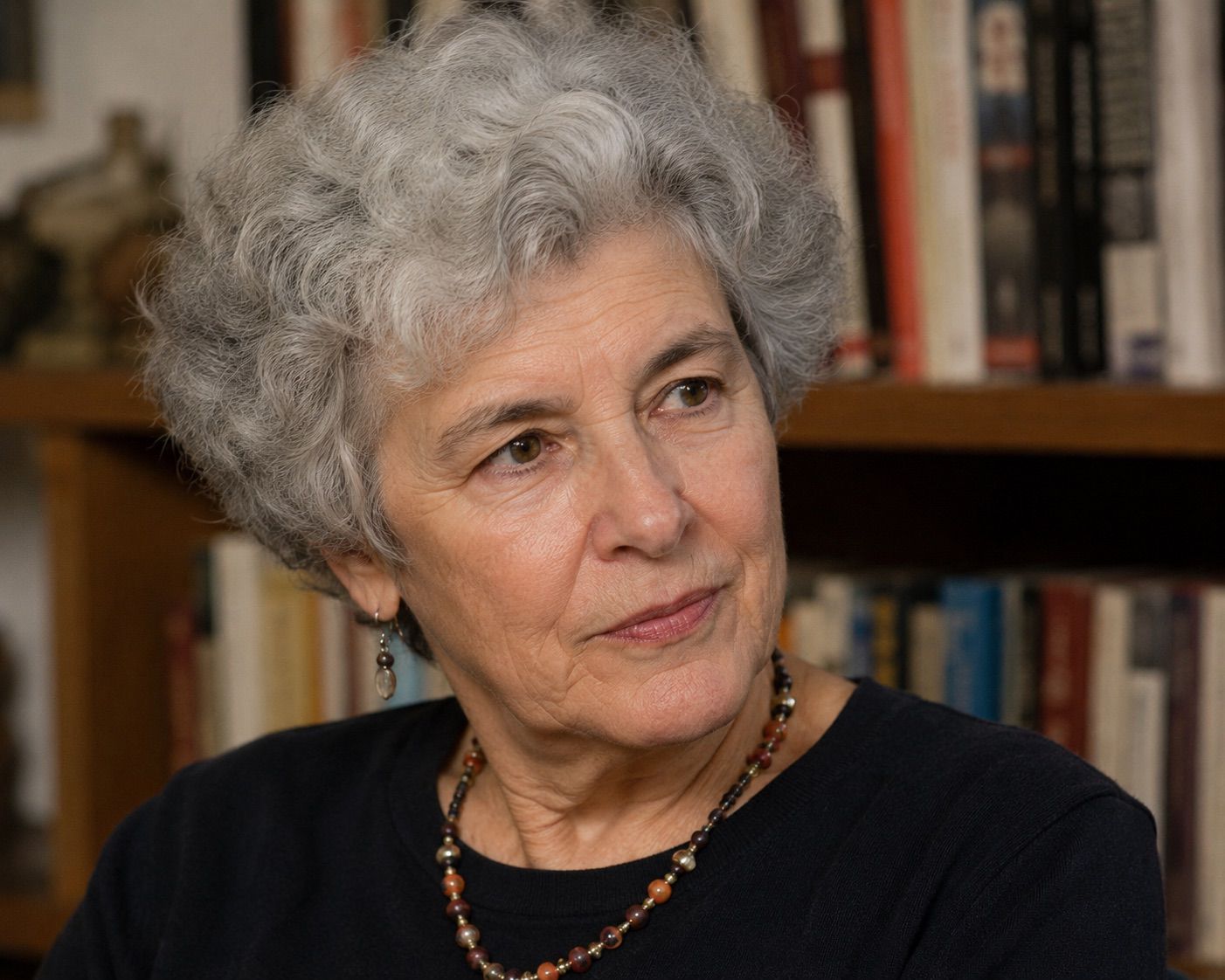
Natalie Zemon Davis – the name has a way of sticking with me long after I’ve finished reading about her work on historical events like the French Renaissance and the witch trials. As an English major, I was initially drawn to her writing because it’s so…clear. No, that’s not right. It’s more like she knows exactly how to make complex ideas feel approachable without dumbing them down.
I remember spending hours in my favorite coffee shop during finals week pouring over her book “The Return of Martin Guerre.” I was fascinated by the way she used historical fiction to explore the tensions between truth and storytelling, especially when it comes to the lives of ordinary people. There’s this one scene where she describes a woman who claims to be the returned husband – it’s like Davis is holding up a mirror to our own biases about what makes someone believable.
What really drew me in, though, was how her work challenged my expectations about history as a dry, factual field. She showed me that the past can be messy and contradictory, just like life itself. It made me think about how I’d been taught to approach historical events – all those dates and names and neat little narratives – and how Davis’s work forced me to question what I thought I knew.
But there’s something else, too. Something about Natalie Zemon Davis that makes me feel…restless. Like she’s always pushing the boundaries of what it means to be a historian, an author, a person. She’s written about everything from Jewish mysticism to colonialism in North America – it’s like she’s trying to tell us that our individual experiences are all connected in ways we can’t even see.
Sometimes I worry that I’m misreading her work entirely. Am I just responding to the surface-level stuff, without really grasping what she’s getting at? What if I’m imposing my own values and biases onto her ideas? The more I read about Davis, the more I realize how much I don’t know – not just about her life or career, but about myself.
I’ve been thinking a lot about this lately as I try to figure out what comes next after college. Will I be able to do something that feels meaningful and true to who I am? Or will I get caught up in the expectations of others – my parents, my friends, society at large? Davis’s work has shown me how easily we can get trapped in our own narratives about ourselves, even as we try to tell stories about the world around us.
It’s funny…I used to think that being a writer meant having all the answers, or at least knowing where I was going. But Natalie Zemon Davis makes it clear that writing is just as much about asking questions – and living with uncertainty – as it is about finding answers.
As I reflect on Davis’s work, I’m struck by how she embodies the qualities I aspire to in my own writing. Her willingness to challenge conventional wisdom, to question her own assumptions, and to explore complex ideas through multiple lenses – these are all traits that I admire and strive for. But what I think really resonates with me is her sense of curiosity, her desire to learn and understand, even when the answers aren’t clear-cut.
I remember a conversation I had with my professor about Davis’s use of historical fiction in “The Return of Martin Guerre.” He said something that stuck with me – that Davis wasn’t just trying to tell a compelling story, but was also using the narrative to reveal the underlying social and cultural dynamics at play. It made me realize how often we get caught up in the surface-level details of a story without really digging deeper into what it means.
This is where I feel like Davis’s work intersects with my own life – in the process of trying to uncover meaning and significance, even when the path forward isn’t clear. As someone who’s struggling to find their place in the world after college, I’m constantly searching for ways to make sense of my experiences and values. Davis’s writing shows me that this is a lifelong journey, one that requires patience, humility, and a willingness to question everything.
It’s funny – when I was younger, I used to think that history was just about dates and names, as I mentioned earlier. But now I see it as so much more than that – a way of understanding the complexities of human experience, with all its contradictions and paradoxes. Davis’s work has taught me that even in the most seemingly straightforward narratives, there are layers upon layers of meaning waiting to be uncovered.
As I think about my own writing, I realize that I’m still figuring out what it means to be a writer – to balance the desire for truth and accuracy with the need for creativity and imagination. Davis’s work is a reminder that these aren’t mutually exclusive goals; in fact, they’re deeply intertwined. When we write, we’re not just conveying information or telling stories; we’re also creating new connections between people, ideas, and experiences.
I’m not sure where this will take me – whether I’ll continue to explore themes of history, identity, and storytelling in my writing, or if I’ll venture into entirely different territories. But one thing is certain: Natalie Zemon Davis has given me a new perspective on what it means to write, think, and live with intention and curiosity.
As I delve deeper into Natalie Zemon Davis’s work, I’m struck by the way she weaves together different threads of history, culture, and personal experience. It’s as if she’s taking apart the fabric of our understanding and reweaving it in a new way, one that’s both nuanced and expansive. Her writing is like a masterful tapestry, with each thread complementing and contrasting the others to create a rich and complex pattern.
I find myself thinking about my own life experiences and how they intersect with Davis’s ideas. Growing up, I was always fascinated by stories of family history and cultural traditions. My grandparents would regale me with tales of their childhoods, of struggles and triumphs, of love and loss. But as I grew older, I began to realize that these stories were not just nostalgic reminiscences but also windows into the broader social and historical context in which they lived.
Davis’s work has helped me see my own family stories in a new light – as part of a larger narrative that spans generations and continents. It’s humbling to recognize that our individual experiences are connected to a vast web of human experience, one that’s full of complexities and contradictions.
I’m also struck by the way Davis uses her writing to explore the boundaries between history and fiction. In “The Return of Martin Guerre,” she employs historical fiction as a tool for understanding the past, but also blurs the lines between fact and imagination. It’s a move that challenges my own assumptions about what it means to write truthfully – whether through memoir or fiction.
This is where I think Davis’s work intersects with my own writing struggles. As someone who’s still finding their voice and style, I often worry about getting it “right” – about capturing the essence of an experience or a person without resorting to clichés or simplifications. But Davis shows me that this is precisely what fiction can do: capture the messy, contradictory nature of human experience in all its complexity.
One of the most striking aspects of Davis’s writing is her ability to engage with complex ideas and make them accessible to a broad audience. She has this remarkable talent for finding the right words to convey the intricacies of historical events or cultural phenomena – without losing sight of the big picture, without sacrificing nuance or depth.
As I reflect on my own writing aspirations, I realize that this is something I’d like to cultivate in myself: the ability to make complex ideas feel approachable and engaging. It’s a skill that requires patience, empathy, and a willingness to listen – qualities that Davis embodies in her work.
But even as I aspire to these qualities, I’m also aware of my own limitations and biases. As someone who’s relatively new to writing about historical events or cultural phenomena, I worry that I’ll inadvertently perpetuate the very same narratives and power structures that Davis is trying to subvert. It’s a daunting prospect – one that makes me question whether I have what it takes to contribute meaningfully to the conversation.
And yet, as I continue to read Davis’s work, I’m struck by her sense of vulnerability and self-doubt. She writes about the challenges she faced as a historian, about the ways in which her own biases and assumptions influenced her research. It’s a reminder that even the most accomplished writers are not immune to uncertainty – that we’re all navigating this terrain together, albeit with varying degrees of clarity and confidence.
This is what I think I’m learning from Davis’s work: that writing is a journey, not a destination; that it requires patience, humility, and a willingness to question everything. It’s a message that resonates deeply with me as I try to find my own voice in the world – and one that I’ll carry with me for years to come.
As I delve deeper into Natalie Zemon Davis’s work, I’m struck by the way she blurs the lines between history and fiction. In “The Return of Martin Guerre,” she employs historical fiction as a tool for understanding the past, but also acknowledges the complexities of truth-telling. It’s a move that challenges my own assumptions about what it means to write truthfully – whether through memoir or fiction.
I find myself wondering: can we ever truly separate fact from fiction? Or are they two sides of the same coin, intertwined in ways we can’t even see? Davis’s work suggests that history is not just a series of events, but a narrative that’s constantly being rewritten and reinterpreted. And as writers, we’re a part of this process – shaping and reshaping the stories we tell about ourselves and the world around us.
This realization is both exhilarating and intimidating. As someone who’s still finding their voice and style, I worry about getting it “right” – about capturing the essence of an experience or a person without resorting to clichés or simplifications. But Davis shows me that this is precisely what fiction can do: capture the messy, contradictory nature of human experience in all its complexity.
I’m also struck by Davis’s use of language. She has this remarkable ability to find the right words to convey complex ideas – without losing sight of the big picture, without sacrificing nuance or depth. As I read her work, I’m reminded of my own struggles with language – the way I often get caught up in trying to use “big” words or fancy phrases, rather than simply saying what I mean.
Davis’s writing is a reminder that simplicity can be a powerful tool for conveying complexity. It’s a lesson I’m still learning, and one that I’ll continue to grapple with as I try to find my own voice in the world. But even as I aspire to this kind of clarity and precision, I’m also aware of the risks – of oversimplifying or reducing complex ideas to easy answers.
As I navigate these complexities, I’m drawn back to Davis’s work on the tensions between truth and storytelling. In “The Return of Martin Guerre,” she describes a woman who claims to be the returned husband – it’s like Davis is holding up a mirror to our own biases about what makes someone believable. And as I reflect on my own life experiences, I realize that this is precisely what Davis is doing: challenging me to question my assumptions, to see the world in all its complexity and nuance.
It’s a reminder that writing is not just about conveying information or telling stories – it’s also about creating new connections between people, ideas, and experiences. And as I think about my own writing aspirations, I realize that this is what I’m trying to do: create a space for connection and understanding, where readers can engage with complex ideas in all their messiness.
But even as I strive for this kind of connection, I’m aware of the risks – of getting caught up in my own narrative, or of imposing my own values and biases onto others. It’s a delicate balance to strike, one that requires empathy, humility, and a willingness to listen. As Davis shows me, it’s okay to not have all the answers – in fact, it’s often more honest to acknowledge our uncertainty, to question everything, and to keep exploring.