As the seasons transition, and with them our routines, I find myself witnessing a peculiar phenomenon. In an attempt to reboot and rebuild their daily habits, many individuals are turning to what appears to be a foolproof solution: morning meditation. The notion is simple — wake up earlier, sit comfortably, close your eyes, and focus on the present moment. Sounds impressive, doesn’t it? However, I’m here to argue that this supposedly life-altering habit is, in reality, nothing more than a fleeting indulgence.
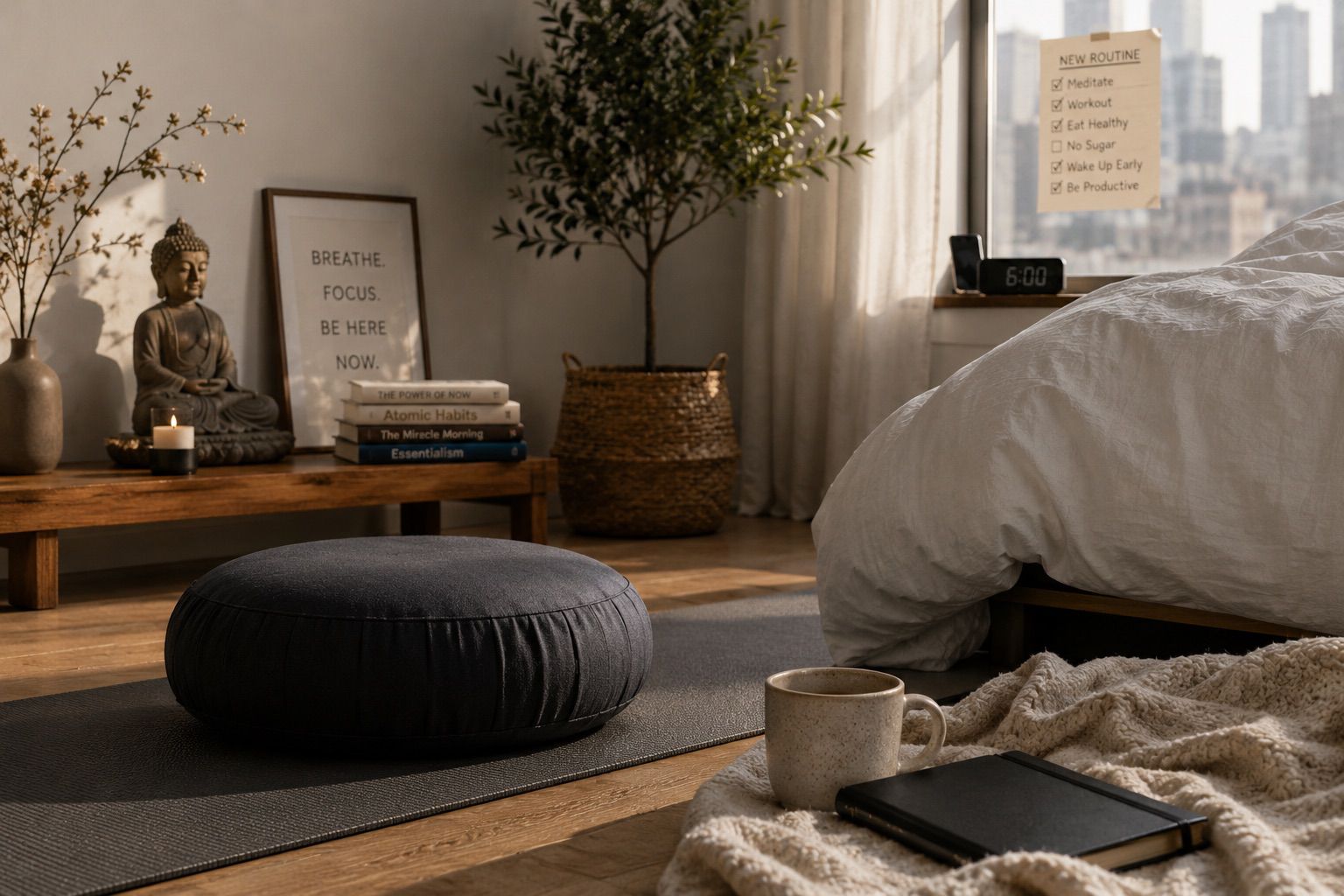
Observe the woman who has just purchased a sleek, high-end meditation cushion, carefully placing it in the center of her bedroom floor. She sets her alarm clock 30 minutes earlier than usual, determined to start each day with a clear mind and a sense of purpose. For a week or two, she diligently adheres to this new routine, donning comfortable yoga pants and a matching sports bra, even on weekends. Her social media feed is soon filled with serene images of her morning meditation setup — a steaming cup of coffee, a neatly arranged bouquet of flowers, and, of course, the obligatory Buddha statue in the background.
But as the initial excitement wears off, I notice that this same woman begins to struggle with maintaining her morning meditation routine. She starts hitting the snooze button more frequently, citing “not enough time” or “too tired.” The once-pristine meditation cushion is now relegated to a dusty corner of her room, serving only as a reminder of her failed experiment.
This phenomenon is not unique to individuals; it’s also observable in professional settings. Companies are increasingly offering mindfulness workshops and meditation classes, touting them as essential tools for boosting productivity and reducing stress. However, I’ve witnessed how these programs often fizzle out after the initial hype dies down. Employees return to their old habits, citing “too much work” or “not enough time” — the same excuses they used before.
What’s driving this trend? Is it a genuine desire to cultivate mindfulness and improve one’s mental well-being, or is it merely a response to societal pressure? We live in an era where wellness has become a status symbol. The more “wellness-oriented” you appear, the more impressive your self-care routine seems. Social media platforms are filled with images of perfectly arranged yoga poses, green smoothies, and serene landscapes — all designed to create an illusion of balance and control.
The reality, however, is far from it. Most people I observe struggle to maintain a consistent meditation practice, often due to unrealistic expectations or a lack of genuine interest. They confuse the idea of mindfulness with the notion of being “zen” or “enlightened.” The truth is that true mindfulness requires dedication, patience, and self-awareness — qualities that are difficult to develop overnight.
Consider the fabrics we choose for our clothing — soft, breathable materials like cotton and silk are often preferred. Yet when it comes to meditation, many opt for stiff, formal attire, as if trying to force a sense of discipline into their practice. The disconnect is striking: why do we prioritize comfort in our daily lives, but feel the need to “dress up” for meditation?
As I watch individuals attempting to rebuild their routines this spring, I notice that they often focus on grand gestures — adopting a new exercise regimen, overhauling their diet, or taking up an ambitious hobby. But what about the small, incremental changes? What about developing a consistent sleep schedule, eating regular meals, or simply taking short breaks throughout the day to stretch and move?
These are the habits that truly foster well-being, not flashy meditation practices or restrictive diets. By focusing on these subtle adjustments, we can create lasting change without relying on fleeting trends or external validation.
As I walk through a crowded street in late spring, I notice the way people carry themselves — shoulders slumped, eyes fixed on their phones, feet shuffling along with a sense of purposelessness. It’s as if they’re trying to escape the present moment rather than embracing it. This is where true mindfulness begins — not in some tranquil, candlelit room, but in the midst of chaos and uncertainty.
The next time you find yourself tempted by the allure of morning meditation or any other wellness trend, take a step back and assess your motivations. Are you seeking genuine growth, or are you trying to project an image? Remember that true discipline lies not in grand gestures, but in small, consistent actions — like choosing comfortable fabrics for your daily life rather than saving them for special occasions.
And when it comes to rebuilding routines this spring, focus on cultivating habits that promote gradual, sustainable change. Ditch the expensive meditation cushion and instead invest in a good night’s sleep, a balanced diet, or simply taking short breaks throughout the day. These are the standards by which true well-being is measured — not flashy trends or external validation, but quiet, consistent discipline.
This quiet discipline is precisely what allows us to navigate life’s uncertainties with greater ease and resilience. It’s the accumulation of small, deliberate choices that ultimately shapes our well-being, rather than a fleeting enthusiasm for the latest wellness trend.
Consider the way we approach physical exercise. Many people I know embark on ambitious fitness programs, only to abandon them within weeks or months. They invest in expensive gym memberships, personal trainers, and high-end equipment, yet struggle to maintain a consistent routine. Meanwhile, others quietly cultivate habits like taking regular walks, doing bodyweight exercises at home, or practicing gentle stretches each morning.
Which approach yields more sustainable results? It’s not the grand, attention-grabbing gestures that lead to lasting change, but rather the small, incremental efforts we make daily. By focusing on these subtle adjustments, we can build resilience and improve our overall health without relying on external motivators or validation from others.
The same principle applies to mental well-being. Rather than seeking a magical solution in morning meditation or mindfulness apps, we’d be better off cultivating habits like journaling, reading, or engaging in creative pursuits that bring us joy and calmness. These activities help us process our emotions, gain insight into our thoughts and behaviors, and develop greater self-awareness — all of which are essential for true well-being.
As the seasons continue to transition, I urge you to reevaluate your approach to wellness. Rather than chasing after fleeting trends or external validation, focus on building quiet discipline through small, consistent actions. Prioritize habits that promote gradual, sustainable change — like getting enough sleep, eating a balanced diet, and taking short breaks throughout the day.
By doing so, you’ll not only cultivate greater resilience and well-being, but also develop a more authentic relationship with yourself. You’ll learn to listen to your inner voice rather than relying on external cues or societal pressure. And when it comes to rebuilding routines this spring, remember that true discipline lies not in grand gestures, but in the small, incremental choices we make daily — choices that ultimately shape our lives and well-being.