Month: December 2024

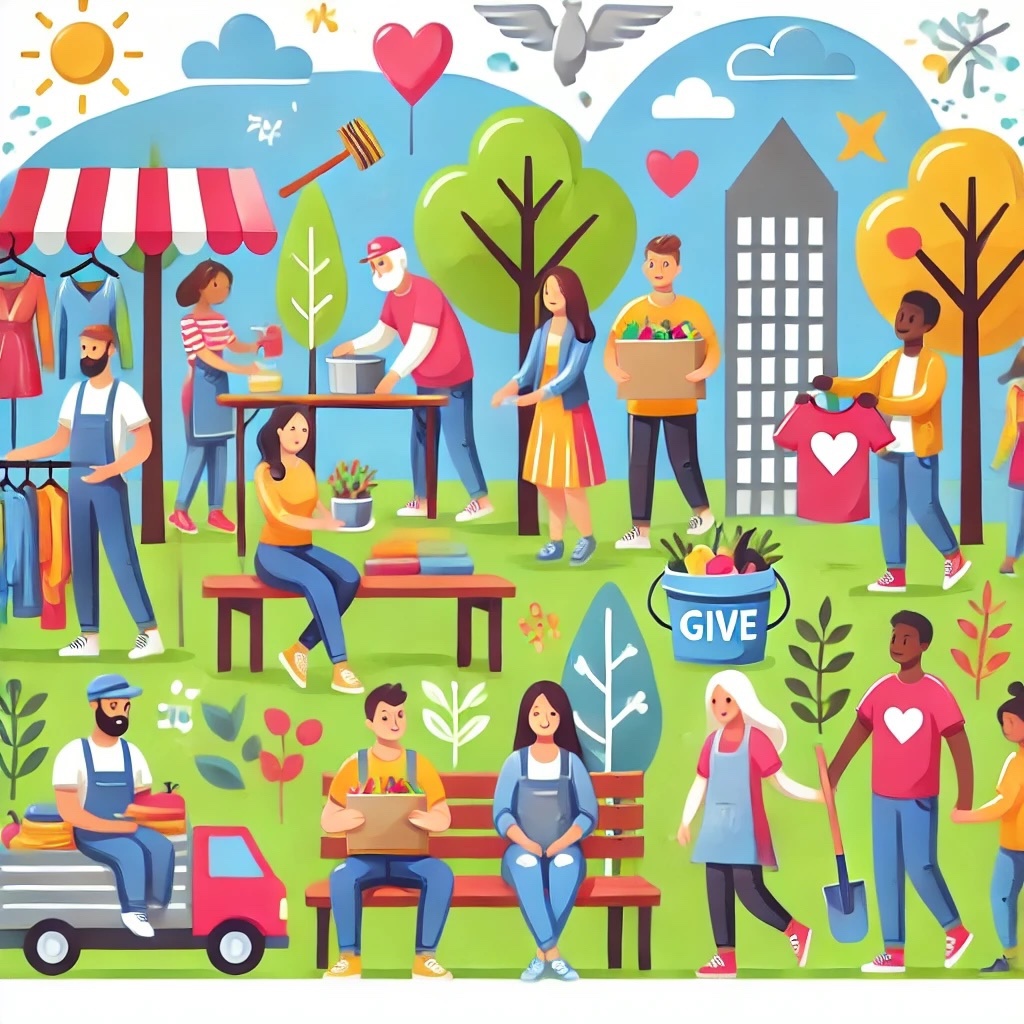
Give More Than You Take: Transforming Communities Through Giving Back

Dave

In a world often focused on individual success and personal gain, the idea of giving back to the community can sometimes feel like a distant or even impossible goal. However, when individuals, families, and organizations take the time to contribute to their communities, the effects can be transformative—both for those receiving help and for the givers themselves. Giving doesn’t always require large donations or dramatic efforts; sometimes, the smallest acts of kindness can make the biggest difference. From volunteering time to donating skills or simply showing up when someone needs support, giving back is a powerful tool for building stronger, more connected communities.

One of the most impactful ways to give back is through volunteering. Whether it’s helping out at a local food bank, participating in neighborhood cleanups, or tutoring students after school, donating time and energy to causes in need strengthens the fabric of a community. Volunteering doesn’t just help those who benefit directly from the service—it also enriches the volunteers themselves. By getting involved, individuals can develop new skills, expand their networks, and gain a deeper sense of purpose. The act of giving, particularly when done selflessly, brings a sense of fulfillment that cannot be replicated by material possessions.

Another meaningful way to give back is through sharing one’s talents or expertise. Whether someone is an artist, a teacher, a lawyer, or a chef, offering skills to those in need can be life-changing. A community might be in need of an educational workshop, a legal aid clinic, or a fundraiser that requires professional event planning. By donating these specific skills, individuals not only make a tangible impact but also inspire others to contribute in similar ways. This kind of giving helps elevate the entire community, allowing people to thrive in ways they might not have been able to otherwise.

Giving back also fosters a culture of kindness and connection. In many communities, people may not always know how to ask for help, or they might feel hesitant to do so. By creating an environment where generosity is the norm—whether it’s through setting up mutual aid groups, creating food pantries, or organizing support networks—communities can create safety nets that uplift everyone. This sense of collective responsibility strengthens bonds between neighbors and helps ensure that no one is left behind.

In addition to community projects, supporting local businesses is another important way to give back. In times of economic hardship or uncertainty, spending money at small, local shops, cafes, and service providers helps stimulate the local economy and supports the livelihoods of entrepreneurs and their families. By supporting local businesses, individuals contribute directly to the health and prosperity of their community, helping it grow in a sustainable way.

Giving also encourages empathy and understanding. When people take the time to listen to each other, share their stories, and offer support, it creates an atmosphere of compassion. It opens up opportunities for people to connect across differences, whether those differences are cultural, economic, or ideological. By embracing a mindset of giving, communities can become more inclusive and supportive, fostering environments where everyone feels valued.

In the end, giving back is not just about making a difference in someone else’s life—it’s about making the world a better place for everyone. When we give more than we take, we create ripples of kindness that spread far beyond our immediate circles, transforming not only individual lives but entire communities. Whether through small gestures or large initiatives, each act of giving strengthens the community, nurtures connections, and builds a better, more compassionate world for the future.

Related Posts

Leading the Way: Exploring Leadership Styles and Their Impact on Career Growth

Dave

Leadership is a quality that can make or break a career, and the way one leads can significantly shape not only personal success but also the success of the entire organization. While some may think leadership is simply about holding a title, the true essence of leadership lies in how you inspire and guide others. Understanding different leadership styles and how they impact career growth is essential for anyone looking to make an impact in their professional journey. Whether you’re leading a team or aiming to enhance your career, the leadership style you adopt can have a lasting effect on your personal development, relationships, and overall achievements.

One of the most well-known leadership styles is the transformational leadership approach. Leaders who follow this style focus on inspiring and motivating their team members by encouraging innovation, personal growth, and a shared vision. They often lead by example, showing passion and enthusiasm for their work. For individuals looking to advance in their careers, adopting a transformational leadership style can be incredibly effective, as it fosters an environment where both leaders and their teams can grow and succeed together. By encouraging creativity and challenging conventional thinking, transformational leaders empower their team members, resulting in a more engaged and productive workforce.

In contrast, transactional leadership focuses on structure, rules, and results. Leaders who employ this style are typically focused on achieving specific goals and providing clear guidelines for their team members to follow. While this style is often seen in more hierarchical organizations, it can also be beneficial for those who want to ensure that tasks are completed efficiently and on time. For career growth, transactional leadership can teach the value of accountability, responsibility, and performance metrics. This leadership style can help individuals develop discipline and work ethic, which are crucial skills in any professional environment.

Another common leadership style is servant leadership, which focuses on putting the needs of others first and helping them develop and perform as highly as possible. Servant leaders are dedicated to serving their teams, fostering a sense of trust and empathy. This approach is ideal for creating a supportive work culture, and it’s particularly beneficial for leaders looking to build long-lasting relationships within their teams. By adopting a servant leadership style, individuals can enhance their own interpersonal skills, emotional intelligence, and collaboration abilities—key traits for any successful career. For those looking to climb the corporate ladder, this style can create an environment where team members are motivated to contribute, leading to higher retention rates and improved job satisfaction.

In more modern workplaces, the democratic leadership style has gained traction. Leaders who adopt this approach encourage open communication and seek input from their team members when making decisions. This inclusive approach helps cultivate a sense of ownership among employees and fosters creativity and innovation. For those advancing in their careers, a democratic leadership style can enhance decision-making skills and the ability to manage diverse perspectives. It allows individuals to sharpen their problem-solving skills, foster collaboration, and develop a more well-rounded approach to leadership.

Finally, autocratic leadership is a more directive approach where leaders make decisions unilaterally, with little to no input from team members. This style is often seen in high-pressure situations or industries where quick decisions are crucial. While not always the most popular approach, it can still be effective in certain contexts. For career growth, adopting elements of autocratic leadership can teach individuals the value of decisiveness and clear direction, especially in fast-paced or crisis situations.

In the end, the leadership style that you choose or adopt can significantly influence your career trajectory. By understanding and experimenting with different leadership styles, you can hone your strengths, improve your relationships with others, and shape your career in a way that aligns with both your goals and the needs of your team. Effective leadership is not a one-size-fits-all approach—it’s about finding the right balance that works for you and your professional environment. By leading with intention, authenticity, and empathy, you can pave the way for career success and meaningful growth.

Related Posts

Gifts That Speak From the Heart: Creative Ways to Make the Holidays

Dave

The holiday season is often associated with gift-giving, but beyond the ribbons and wrapping paper lies an opportunity to create meaningful, heartfelt connections. While it’s easy to rely on material gifts, the most cherished presents are those that come with personal thought, creativity, and emotion. In a world where we often rush through the season, taking the time to carefully select or craft a gift that speaks to the heart can turn an ordinary holiday into something unforgettable. This year, let’s focus on gifts that not only stand out but reflect love, thoughtfulness, and individuality.

One of the most beautiful ways to show someone you care is by personalizing their gift. Whether it’s an engraved bracelet with a significant date, a custom portrait of a beloved pet, or a piece of jewelry with their initials, personalized gifts carry a unique, sentimental value. These items become treasures, reminders of a special moment shared between two people. They stand the test of time, much like the memories they represent, and can hold a far greater emotional impact than any generic store-bought item.

For those who enjoy spending time together, experiential gifts can be the perfect choice. Rather than handing over a physical object, give the gift of an experience—whether it’s a weekend getaway, a cooking class, or tickets to a concert they’ve been dreaming about. These gifts create lasting memories, providing opportunities for shared moments of joy and connection. Sometimes, the most meaningful present is not something wrapped in a box, but a day spent with loved ones, enjoying an activity that aligns with their passions and interests.

Another thoughtful approach is crafting something with your own hands. Homemade gifts, such as baked goods, knitted scarves, or a hand-painted ornament, are a tangible representation of the time and effort you’ve invested in making the recipient feel special. These gifts often have an intimacy that cannot be replicated by mass-produced items. A jar of homemade jam, a carefully crafted photo album, or a custom-written poem all carry personal meaning and convey a message of care that transcends material value. The recipient will feel the love in every stitch, every word, and every detail.

Sometimes, the best way to speak from the heart is by offering your time and service. Instead of giving a physical object, consider helping your loved one with something they’ve been needing assistance with. This could be offering to babysit, running errands, organizing their space, or cooking them a home-cooked meal. These gifts, though simple, have a lasting impact because they show that you’re invested in making their life a little easier and more enjoyable. It’s a gift of presence and attention, which can be far more valuable than any material item.

For the creative souls, another heartfelt gift is a memory book or a scrapbook. Compiling a collection of photos, ticket stubs, postcards, and little notes into a personalized album tells the story of your shared moments. This kind of gift is a testament to the bond you’ve built, capturing the essence of your time together and preserving it for years to come. It’s a way of saying, “I treasure every moment we’ve spent together.”

Lastly, for those who want to give back, consider donating to a cause that is close to the recipient’s heart. This thoughtful gesture not only reflects your understanding of their passions but also spreads goodwill. A donation made in their name to a cause they care about can make the holiday season meaningful in a way that transcends personal gifts. It’s a beautiful way to show that you value their values and wish to support what matters most to them.

Ultimately, the holidays are about connection, love, and shared memories. The most special gifts are those that reflect the essence of who we are, what we care about, and the bond we share with others. By thinking outside the box and infusing your presents with meaning and creativity, you can create a holiday season that feels truly heartfelt—one that speaks louder than any material possession ever could.

Related Posts