Day: February 21, 2025

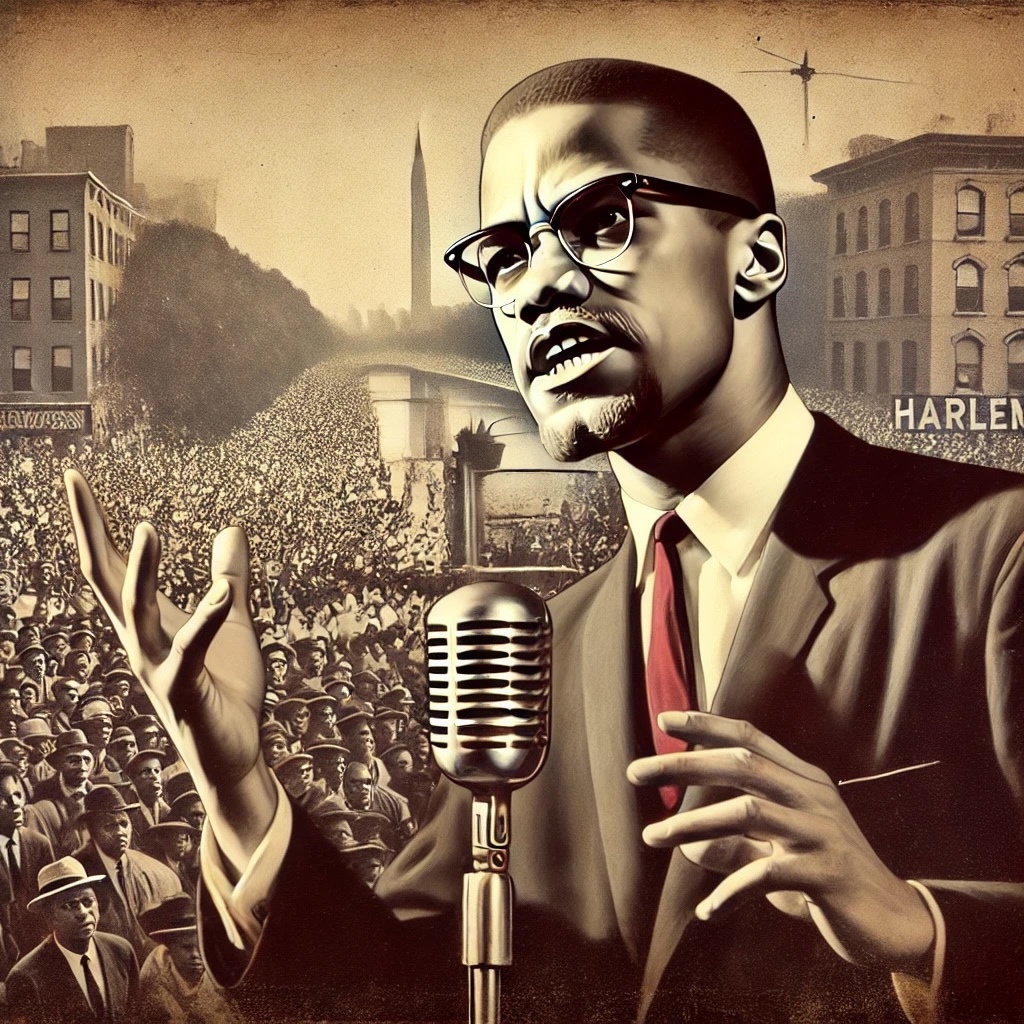
Malcolm X: A Voice Silenced but Never Forgotten

Elias Rowen

On February 21, 1965, Malcolm X, one of the most influential and controversial civil rights leaders of his time, was assassinated in New York City. His death shocked the nation and the world, leaving a void in the fight for racial justice. Though his life was cut short at just 39 years old, his legacy continues to inspire movements for equality, empowerment, and social change.

Born Malcolm Little in 1925, he endured a life marked by hardship, systemic racism, and personal transformation. After joining the Nation of Islam while in prison, he became one of its most powerful voices, advocating for Black self-reliance, pride, and resistance against oppression. Over time, his philosophy evolved, particularly after his pilgrimage to Mecca, where he embraced a broader vision of unity and human rights. His willingness to challenge not only white supremacy but also the limitations within the civil rights movement made him both revered and feared.

On that tragic day in 1965, Malcolm X was preparing to address a crowd at the Audubon Ballroom in Harlem when he was gunned down by multiple attackers. The assassination was a devastating blow to the civil rights struggle, silencing a leader who had only begun to refine and expand his vision for justice. In the aftermath, many theories emerged about the true orchestrators of his murder, fueling debates that persist to this day.

Despite his untimely death, Malcolm X’s influence remains undeniable. His autobiography, speeches, and ideas continue to resonate with those fighting against racial and social injustices worldwide. His call for self-determination and empowerment echoes through modern movements, proving that while his physical voice was silenced, his message endures.

More than half a century later, Malcolm X remains a symbol of resistance, transformation, and the relentless pursuit of justice. His words still challenge the status quo, reminding us that progress requires courage, conviction, and the willingness to speak truth to power.
Related Posts

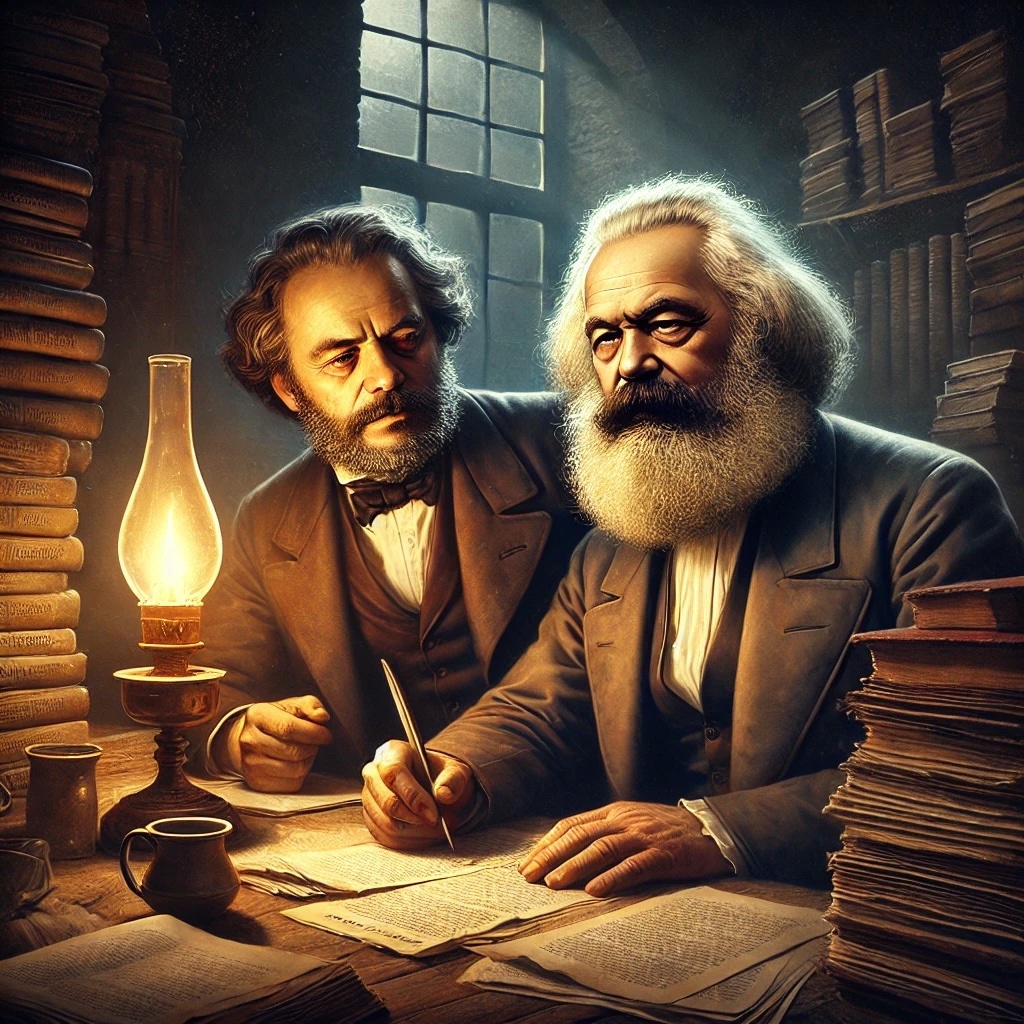
The Communist Manifesto: A Revolutionary Call to Action

Elias Rowen

In 1848, Karl Marx and Friedrich Engels published The Communist Manifesto, a document that would forever change the course of history. Written during a time of political upheaval and economic transformation, the manifesto served as a rallying cry for the working class, challenging the dominance of capitalism and advocating for a classless society. Its powerful message resonated with oppressed workers across Europe, igniting socialist movements and shaping the political landscape for generations to come.

At the heart of The Communist Manifesto was the idea that history is defined by class struggle—the ongoing battle between the bourgeoisie, who controlled wealth and production, and the proletariat, the working class who labored under their rule. Marx and Engels argued that capitalism was inherently exploitative, keeping the working class in poverty while the wealthy elite reaped the benefits of their labor. Their solution was a revolution: workers of the world uniting to overthrow the capitalist system and establish a society in which wealth and resources were shared equally among all.

The publication of the manifesto coincided with the revolutionary wave that swept across Europe in 1848, as workers and citizens demanded greater rights, economic fairness, and political representation. Though many of these revolutions were suppressed, the ideas set forth in The Communist Manifesto continued to spread, influencing socialist and communist movements throughout the 19th and 20th centuries. From the rise of the Soviet Union to labor rights movements around the world, the manifesto’s principles have left an indelible mark on history.

Despite being written over 175 years ago, The Communist Manifesto remains a widely read and debated political text. Some see it as a visionary blueprint for social justice, while others criticize its call for revolution as unrealistic or dangerous. Regardless of perspective, its influence cannot be denied. It challenged the status quo, forced societies to reckon with economic inequality, and provided a foundation for political ideologies that continue to shape global discourse today.

Ultimately, The Communist Manifesto was more than just a political pamphlet—it was a declaration of hope for the working class and a demand for a more just and equitable world. Whether one agrees with its ideas or not, its impact on history and its role in shaping modern political thought are undeniable.

Related Posts