Day: February 27, 2025

The Reichstag Fire: A Spark That Ignited a Dictatorship

Elias Rowen

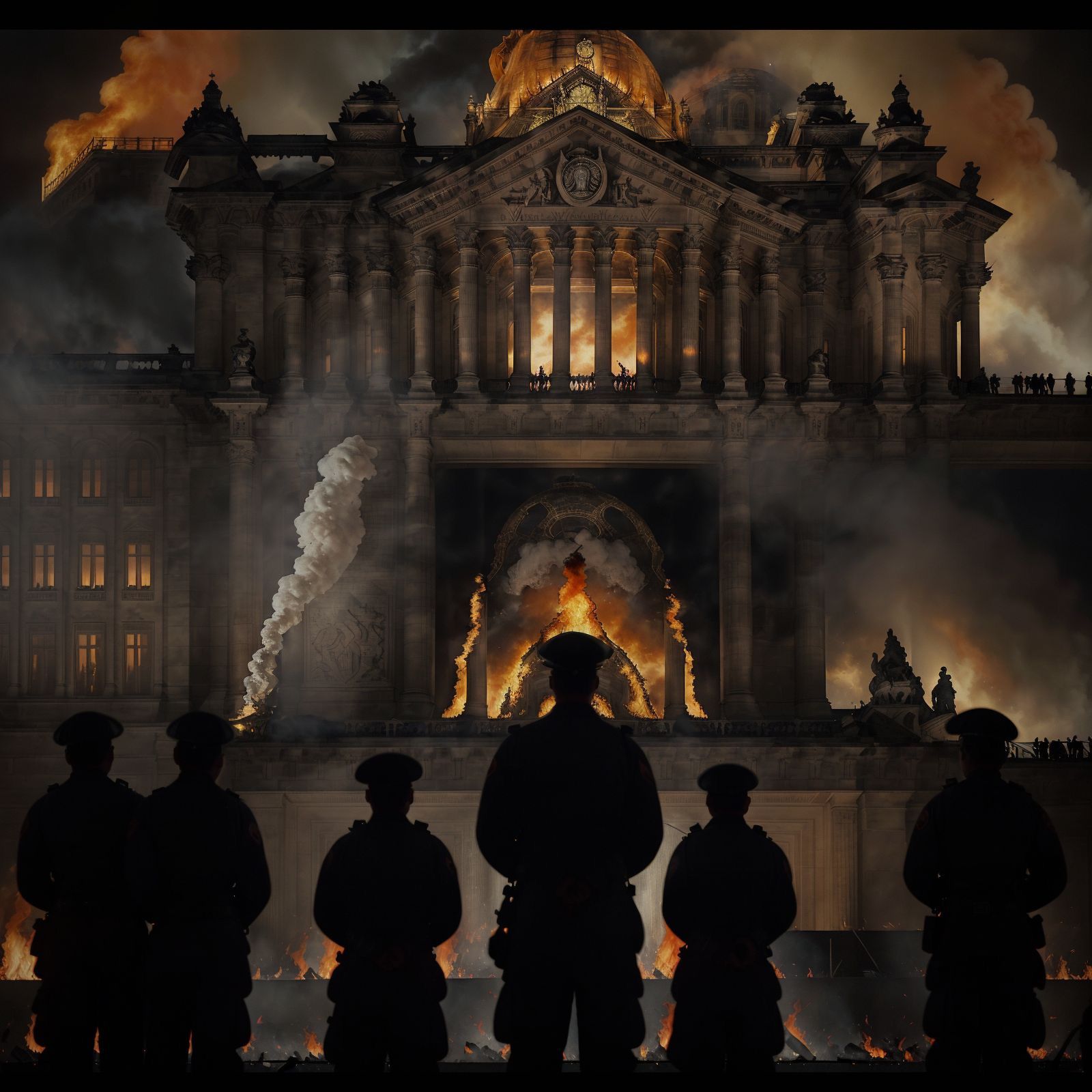
On the night of February 27, 1933, flames engulfed Germany’s Reichstag building, a pivotal moment that altered the course of history. The fire, which destroyed the seat of the German parliament in Berlin, became the catalyst Adolf Hitler and the Nazi Party needed to consolidate their grip on power. Although the true cause of the fire remains debated, the Nazis wasted no time in blaming communists, using the event as a pretext to crack down on political opposition and dismantle democratic institutions.

In the immediate aftermath, President Paul von Hindenburg, under Hitler’s urging, signed the Reichstag Fire Decree. This decree suspended civil liberties, allowing the government to arrest political adversaries, suppress dissent, and control the press. In a matter of weeks, thousands of communists, socialists, and other perceived enemies of the Nazi regime were imprisoned or eliminated, silencing any opposition. This moment marked a significant turning point, setting the stage for Hitler’s totalitarian rule and the eventual horrors of World War II.

The Reichstag Fire was more than just an act of arson; it was a masterstroke of political manipulation. The Nazis used fear and propaganda to convince the German people that extreme measures were necessary for national security. This tactic of exploiting crises to justify authoritarian control is a stark reminder of how fragile democracy can be in the face of unchecked power.

Nearly a century later, the events surrounding the Reichstag Fire continue to serve as a cautionary tale about the dangers of political extremism and manufactured crises. It underscores the importance of vigilance in defending democratic values and resisting efforts to erode civil liberties in the name of security. History has shown that when fear overrides freedom, the consequences can be devastating.
Related Posts

Term Limits and Democracy: The 22nd Amendment

Elias Rowen

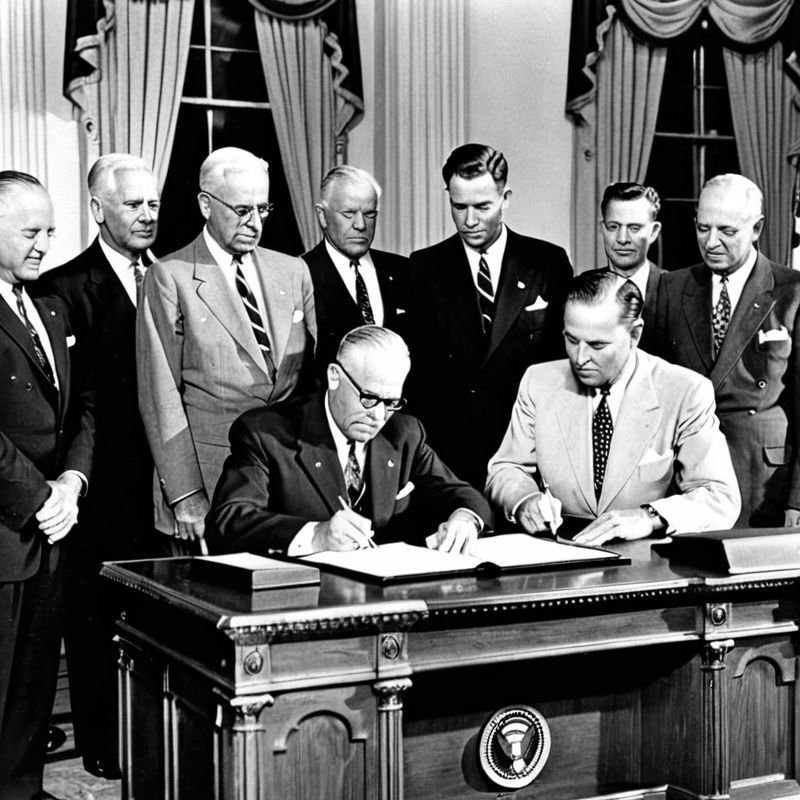
On February 27, 1951, the United States formally ratified the 22nd Amendment to the Constitution, forever shaping the nation’s highest office. This amendment set a two-term limit for U.S. presidents, ensuring that no individual could hold the presidency for more than eight years. The decision stemmed largely from Franklin D. Roosevelt’s unprecedented four-term presidency, which raised concerns about the concentration of power in a single leader’s hands. By enshrining term limits into law, the amendment reinforced the principle of democratic leadership and the peaceful transition of power.

The Founding Fathers originally did not impose term limits, believing that tradition and voter choice would prevent any president from staying in office indefinitely. George Washington set an informal precedent by stepping down after two terms, a tradition followed by nearly every president until Roosevelt’s era. However, in the wake of World War II and Roosevelt’s extended presidency, lawmakers feared that unlimited terms could lead to authoritarian rule. The 22nd Amendment was their response—a safeguard against the potential dangers of prolonged executive power.

While some argue that term limits prevent experienced leaders from continuing effective policies, others view them as essential to preventing political stagnation and fostering fresh ideas. The amendment has since shaped modern American politics, forcing leaders to make their mark within a finite period and ensuring that new voices have a chance to rise to the presidency. It remains a crucial component of the checks and balances system, reminding Americans that no single leader is above democracy itself.

Over seventy years later, the 22nd Amendment continues to spark debate, especially during times of political division. Some have even called for its repeal, while others see it as a necessary protection against the risks of power consolidation. Regardless of opinion, its impact on American governance is undeniable, standing as a testament to the nation’s commitment to democratic principles and the peaceful transition of power.

Related Posts