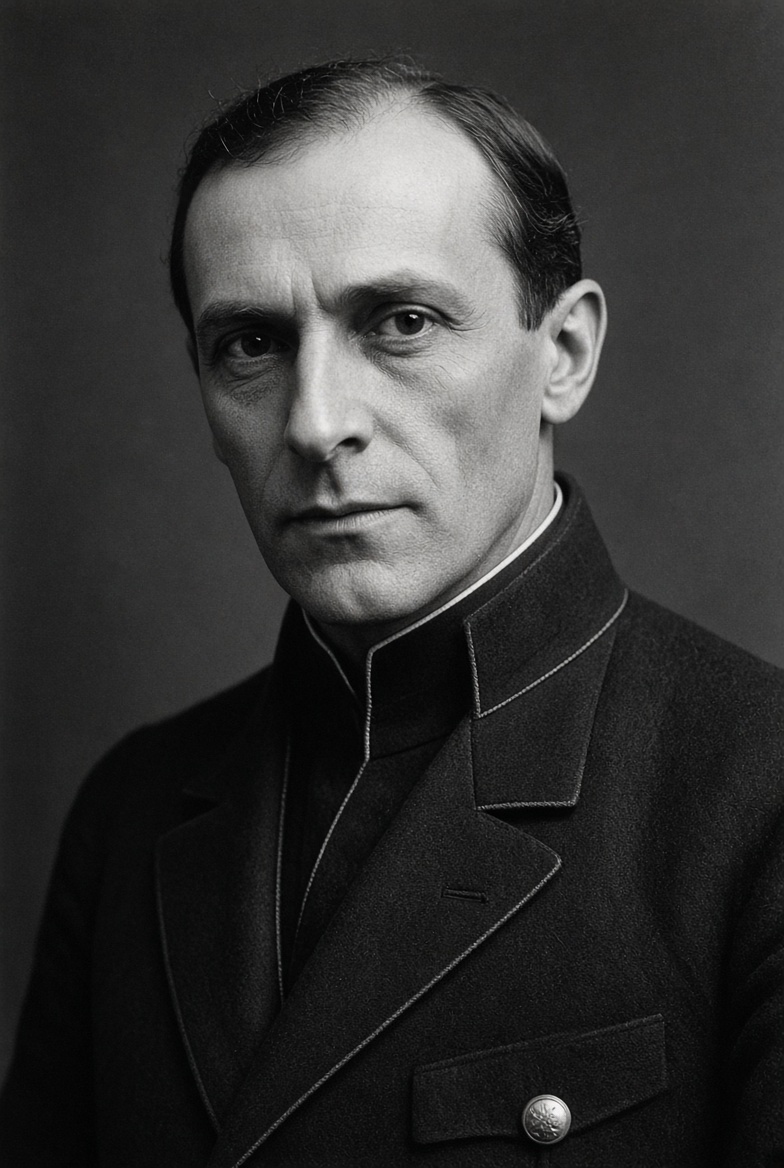
I find myself drawn to Wyndham Lewis, the British modernist writer and artist, because of his intense dislike for his contemporaries, particularly James Joyce and Virginia Woolf. As someone who has navigated the complexities of academic relationships and found herself at odds with colleagues, I can appreciate the depth of Lewis’s animosity.
At first glance, it seems like a strange thing to be fascinated by – Lewis’s vitriol towards other writers, his tendency to provoke and polarize. But as I delve deeper into his work, particularly his essays and polemics, I start to see parallels between his experiences and my own. The sense of being an outsider, of not quite fitting in with the dominant literary crowd, is a feeling I’ve come to know all too well.
Lewis’s criticisms of Joyce and Woolf often feel like thinly veiled personal attacks, laced with a condescending tone that makes me uncomfortable. And yet, I find myself wanting to understand what drives this animosity. Is it jealousy? A desire for attention? Or is there something more complex at play – a sense of insecurity or inadequacy that Lewis attempts to mask through his aggressive posturing?
As someone who has struggled with self-doubt and feelings of inadequacy, I can relate to the fear of being seen as inferior. When I read Lewis’s essays, I catch glimpses of this vulnerability peeking out from beneath his confident exterior. He rails against Joyce’s supposed “femininity” and Woolf’s perceived “sentimentality,” but in doing so, he reveals his own insecurities about masculinity and the role of the artist.
I’m struck by the way Lewis’s writings often blur the lines between personal attack and genuine critique. It’s as if he’s trying to prove a point – that he is a serious, important writer who will not be ignored – while also struggling to assert his own identity within the literary world. This tension between confidence and self-doubt resonates with me on a deep level.
Of course, I’m not suggesting that Lewis’s behavior is in any way justifiable or admirable. His personal attacks and condescending tone can be off-putting, even alienating. But as someone who has navigated the complexities of academic relationships, I understand the desire to prove oneself, to be seen as a legitimate player in the literary world.
As I continue to explore Lewis’s work, I find myself wondering about the personal costs of his behavior. Did his constant needling and provocation ultimately harm his relationships or undermine his own credibility? Or did it serve as a defense mechanism, a way to mask his insecurities and protect himself from perceived threats?
I’m not sure I’ll ever have answers to these questions. But what I do know is that Wyndham Lewis’s complicated, often infuriating persona has captured my attention in a way that few others have. His struggles with identity, insecurity, and the role of the artist are all too familiar, and it’s this sense of recognition – rather than any grand notion of his “importance” or “influence” – that keeps me returning to his work.
As I delve deeper into Lewis’s essays and polemics, I’m struck by the way he uses language as a shield, deflecting criticism and scrutiny with a barrage of clever wordplay and intellectual jabs. It’s almost as if he’s convinced himself that if he can just outmaneuver his opponents with wit and sarcasm, he’ll be able to avoid confronting the deeper insecurities that plague him.
I find myself wondering if this defense mechanism is a coping strategy, born from years of struggling to establish himself within the literary world. Did Lewis feel like an outsider among his peers, a feeling I’ve come to know all too well? Or did he simply have a more fragile ego than most writers, making it harder for him to absorb criticism and rejection?
There’s a sense in which Lewis’s behavior is both pathetic and fascinating – pathetic because it reveals the depth of his insecurity, and fascinating because it speaks to a fundamental human experience: the need to prove oneself, to be seen as worthy. As someone who has navigated the cutthroat world of academia, I know that this desire can be overwhelming, leading us to do things we might later regret.
I’m also struck by the way Lewis’s relationships with other writers are so often marked by tension and rivalry. His feud with Joyce is particularly well-documented, with both men trading barbs and personal attacks in the press. But what I find interesting is how this rivalry seems to stem from a deeper sense of insecurity – not just about their writing styles or artistic visions, but about their own identities as writers.
In my own experiences, I’ve often found myself caught up in similar rivalries, whether it’s with classmates or colleagues. We’d compete for attention and recognition, often using our words as weapons to cut each other down. It’s a strange kind of social dance, where we’re all trying to prove ourselves while also trying to bring each other down.
As I continue to explore Lewis’s work, I’m left wondering if this sense of rivalry is something inherent to the creative process – or whether it’s simply a product of our own insecurities and fears. Is it possible to write without feeling like we’re competing with others, without that nagging voice in the back of our heads asking us to prove ourselves?
I don’t know the answer to this question, but I do know that Lewis’s struggles with identity and insecurity have left a lasting impression on me. His work is a reminder that even the most confident writers are often hiding behind masks of self-doubt and fear – and that it’s only by acknowledging these vulnerabilities that we can truly create something authentic and meaningful.
As I delve deeper into Lewis’s essays, I’m struck by his tendency to conflate art with identity. For him, being a writer wasn’t just about producing quality work, but also about establishing himself as a certain kind of person – a serious, intellectual, and morally upright individual. This blurring of lines between art and self has always resonated with me, particularly in the context of academia.
In my own experiences, I’ve often found myself caught up in the pressure to present a polished image, both online and offline. Social media platforms like Instagram and Twitter seem to encourage us to curate a curated version of ourselves – one that’s aesthetically pleasing, witty, and always “on.” But what happens when this carefully constructed persona begins to feel suffocating? When the need to maintain this image starts to outweigh our genuine creative pursuits?
Lewis’s struggles with identity make me wonder if he ever felt trapped by his own persona. Was he aware of the ways in which his writing was also a form of self-representation, one that reinforced certain expectations and stereotypes about him as an artist? Or did he truly believe that his art could be separated from his personal identity, that they existed on separate planes?
I think about my own experiences with social media, where I’ve often felt pressure to present a cohesive online persona. But what happens when this persona no longer feels authentic? When the words and images we curate online start to feel like a mask, rather than an honest reflection of ourselves? Lewis’s struggles with identity make me question whether it’s possible to maintain a sense of artistic integrity in the face of these external pressures.
As I continue to explore his work, I’m left wondering about the relationship between art and ego. Is it possible to create something truly original and meaningful without being driven by a desire for recognition or validation? Or is this desire an inherent part of the creative process – a necessary fuel that propels us forward, even if it’s also a source of pain and anxiety?
I’m not sure I have any answers to these questions. But what I do know is that Wyndham Lewis’s complicated, often infuriating persona has taught me to appreciate the complexity of human experience. His struggles with identity, insecurity, and the role of the artist are all too familiar, and it’s this sense of recognition – rather than any grand notion of his “importance” or “influence” – that keeps me returning to his work.
As I close this essay on Wyndham Lewis, I’m left with more questions than answers. But perhaps that’s the point – to acknowledge the complexity of human experience, and to recognize that even the most confident writers are often hiding behind masks of self-doubt and fear.
I’ve been thinking a lot about how Lewis’s struggles with identity and ego have resonated with me on a deep level. It’s like he’s speaking directly to my own experiences as a writer, where I often feel like I’m trying to prove myself to others while also navigating the pressure to present a certain image.
As I’ve been reading his work, I’ve started to wonder if this is a common thread among writers – that we’re all struggling with some level of self-doubt and insecurity. It’s almost as if we’re constantly trying to justify our existence as artists, to prove to ourselves and others that we have something valuable to say.
Lewis’s feud with Joyce is a great example of this dynamic. On the surface, it seems like a personal attack, but on closer inspection, it’s clear that both men are struggling with their own insecurities about identity and artistic vision. It’s almost as if they’re engaged in some sort of intellectual dance, where each man is trying to outdo the other while also protecting his own ego.
I’ve seen this same dynamic play out in my own relationships with fellow writers and academics. We’ll often engage in heated debates or critiques of each other’s work, but beneath the surface, it’s usually a struggle for recognition and validation. We’re all trying to prove ourselves as worthy artists, while also protecting our own egos from perceived slights or criticisms.
It’s this tension between confidence and self-doubt that I find so fascinating about Lewis’s work. On one hand, he’s a confident and assertive writer who isn’t afraid to speak his mind. But on the other hand, he’s also deeply insecure and struggling to establish himself as a serious artist.
I think this is where my own experiences come in – as someone who has struggled with self-doubt and feelings of inadequacy, I can relate to Lewis’s insecurities about identity and artistic vision. It’s like we’re both trying to navigate the same treacherous landscape, where every step forward feels like a risk and every criticism feels like a personal attack.
As I continue to explore Lewis’s work, I’m left wondering if it’s possible to reconcile this tension between confidence and self-doubt. Can we find a way to be confident in our artistic abilities while also acknowledging the insecurities that come with being human? Or are these two aspects of our personalities forever locked in a struggle for dominance?
I don’t have any answers, but I do know that Lewis’s work has given me a lot to think about. His struggles with identity and ego have taught me to appreciate the complexity of human experience, and to recognize that even the most confident writers are often hiding behind masks of self-doubt and fear.
I’ve been thinking a lot about how Lewis’s struggles with identity and ego have resonated with me on a deep level. It’s like he’s speaking directly to my own experiences as a writer, where I often feel like I’m trying to prove myself to others while also navigating the pressure to present a certain image.
As I’ve been reading his work, I’ve started to wonder if this is a common thread among writers – that we’re all struggling with some level of self-doubt and insecurity. It’s almost as if we’re constantly trying to justify our existence as artists, to prove to ourselves and others that we have something valuable to say.
I’ve noticed that even the most confident writers often have a deep-seated fear of being seen as pretentious or arrogant. They may try to hide this behind a mask of confidence, but it’s always lurking just beneath the surface. Lewis’s work is a perfect example of this – he’s always pushing against the boundaries of what’s considered acceptable, but at the same time, he’s also deeply anxious about being seen as a poseur or a charlatan.
This tension between confidence and self-doubt is something that I’ve struggled with in my own writing. As a young writer, I often feel like I’m trying to prove myself to others – to show them that I have talent, that I have worth. But at the same time, I’m also deeply afraid of being seen as pretentious or arrogant. It’s a constant balancing act, where I’m always trying to find the right tone and the right words to express myself without coming across as too self-assured.
Lewis’s work has made me realize that this is not just a personal struggle – it’s a universal one. Every writer, no matter how confident or successful they may seem, is struggling with these same insecurities. It’s like we’re all caught up in some kind of collective anxiety, where we’re constantly trying to prove ourselves and justify our existence as artists.
I’ve also been thinking about the role of language in this process. Lewis was a master of using language to deflect criticism and scrutiny – he’d use his wit and sarcasm to outmaneuver his opponents and make himself seem cleverer than they were. But at the same time, he was also using language to hide behind a mask of confidence, to make himself seem more confident and self-assured than he actually felt.
I’ve noticed that this is something that many writers do – we use language as a way to present ourselves in a certain light, to create a persona or an image that we hope will be seen as appealing. But at the same time, we’re also using language to hide behind our own insecurities and fears. It’s like we’re constantly caught up in this paradox, where we’re trying to express ourselves honestly while also presenting a curated version of ourselves to the world.
I’m not sure if I’ll ever fully resolve this tension – it seems like something that will always be present in my writing, a constant reminder of the complexities and challenges of being human. But what Lewis’s work has taught me is that it’s okay to struggle with these insecurities, that it’s okay to be vulnerable and unsure. In fact, it’s often in those moments of vulnerability that we find our most authentic and meaningful writing.