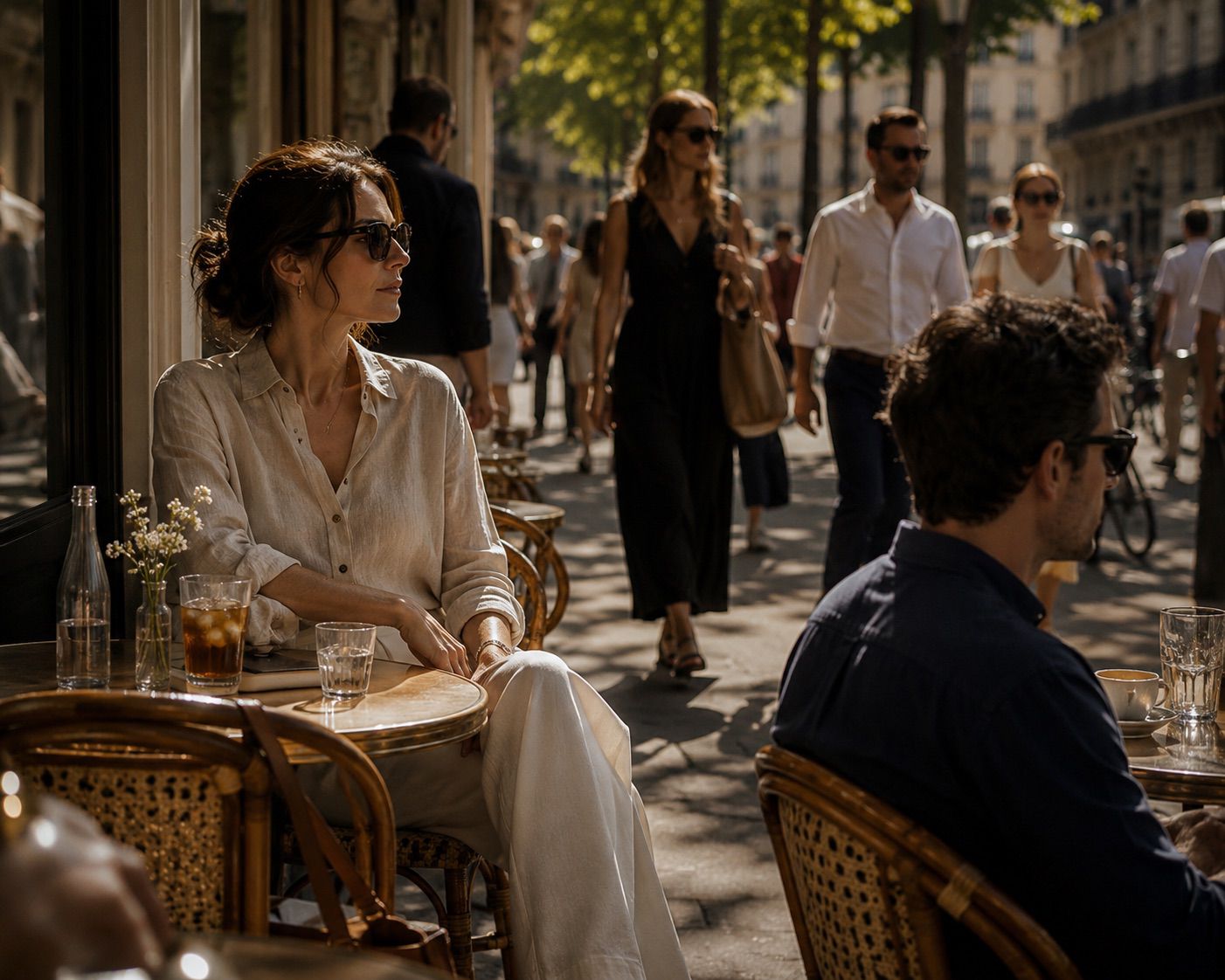
In the sweltering streets of July, I observe individuals who have mastered the art of discipline, their movements economical and deliberate. They dress in light, breathable fabrics — linen, cotton, and silk — allowing air to move gently against their skin as they navigate the city’s concrete landscape. Their footsteps are measured and unhurried, conserving energy for what truly matters. In contrast, those who prioritize performance over discipline often appear frazzled, their bodies tense from the constant exertion of maintaining an image. They wear heavy, dark clothing that absorbs the summer heat, amplifying discomfort rather than easing it.
The distinction between these approaches becomes especially visible in fitness culture. Disciplined individuals often engage in quiet morning routines — a thirty-minute jog, a yoga session, a walk before sunrise — practices that leave them refreshed and centered for the day ahead. They understand that wellness is not about achieving an external ideal, but about cultivating internal balance. Performance-driven individuals, by contrast, often pursue intensity above all else. Their faces become strained with effort, their minds preoccupied with presentation rather than presence.
In public spaces, this contrast reveals itself in subtle ways. At sidewalk cafés, disciplined people sit with poise, sipping coffee or iced tea while reading or simply observing the world around them. Their presence is unobtrusive, reflecting an ability to move through life without demanding constant attention. Those driven by performance, however, often seek visibility — choosing highly conspicuous spaces and engaging in louder displays designed to be noticed.
The consequences of prioritizing performance over discipline eventually become difficult to ignore. Emotional fatigue develops as people exhaust themselves trying to maintain impossible standards. Relationships suffer as attention shifts inward and external validation replaces meaningful connection. Burnout follows, leaving people depleted and uncertain how to restore equilibrium.
Beauty reveals this distinction particularly well. Disciplined individuals understand that elegance rarely comes from excess. They favor clean lines, subtle makeup, and understated accessories — a pearl necklace, a classic watch, a carefully chosen detail rather than overwhelming ornamentation. Their appearance feels refined without distracting from who they are. Performance-oriented individuals often rely on louder signals — dramatic cosmetics, strong fragrances, or ostentatious accessories intended to announce their presence before they speak.
Clothing tells a similar story. Those who value discipline invest in timeless pieces — tailored blazers, quality denim, and knitwear selected with intention. Their wardrobes feel curated rather than accumulated. Meanwhile, those focused on performance often chase trends, filling closets with items that loudly declare allegiance to the latest cultural moment.
Routines reveal another difference. Disciplined people create structure without rigidity. Their schedules provide rhythm rather than restriction, allowing room for creativity and rest. Performance-focused individuals often live reactively, pulled from one demand to another.
As we move through these summer months, perhaps true wellness lies not in pursuing idealized versions of ourselves, but in cultivating balance through restraint, simplicity, and a deeper understanding of our own needs.
In the stillness of summer evenings, I notice people who embody this quiet confidence. Their movements remain unhurried. Their presence feels grounded. They understand that elegance is not rooted in external validation, but in the disciplined pursuit of inner refinement.