Category: Fashion

The Fabric of Intention: How Summer Clothing Reveals Character

Fiona

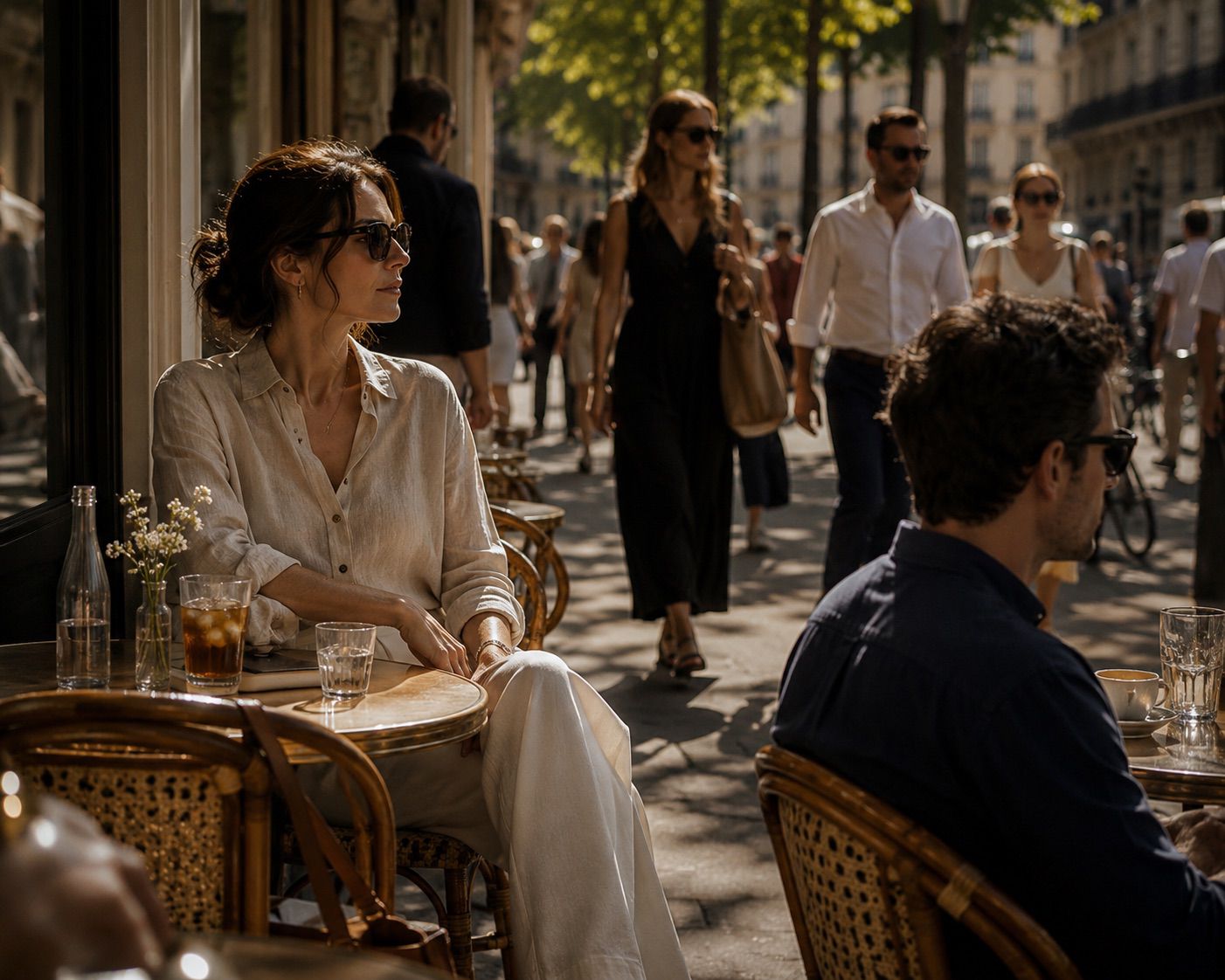
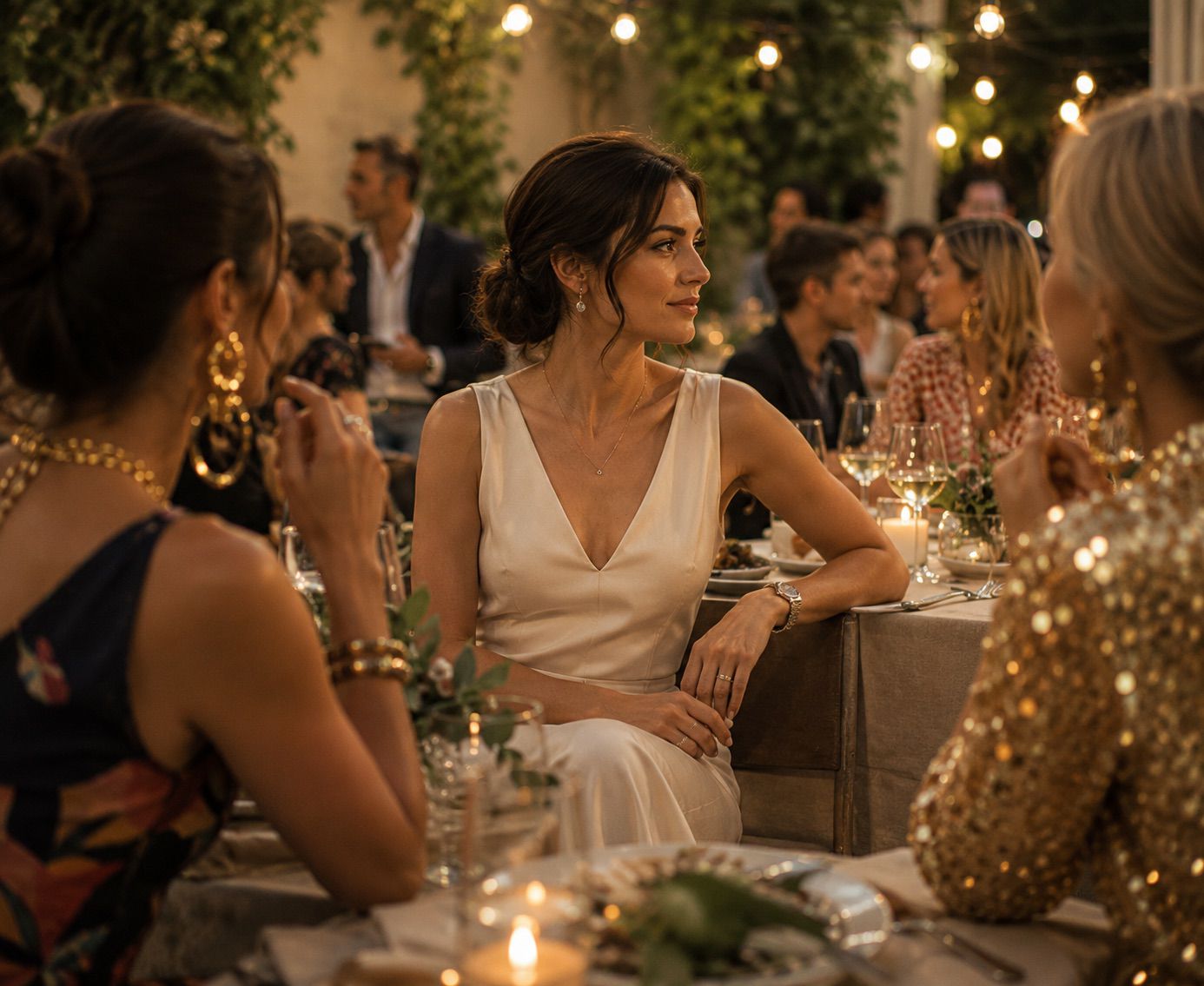
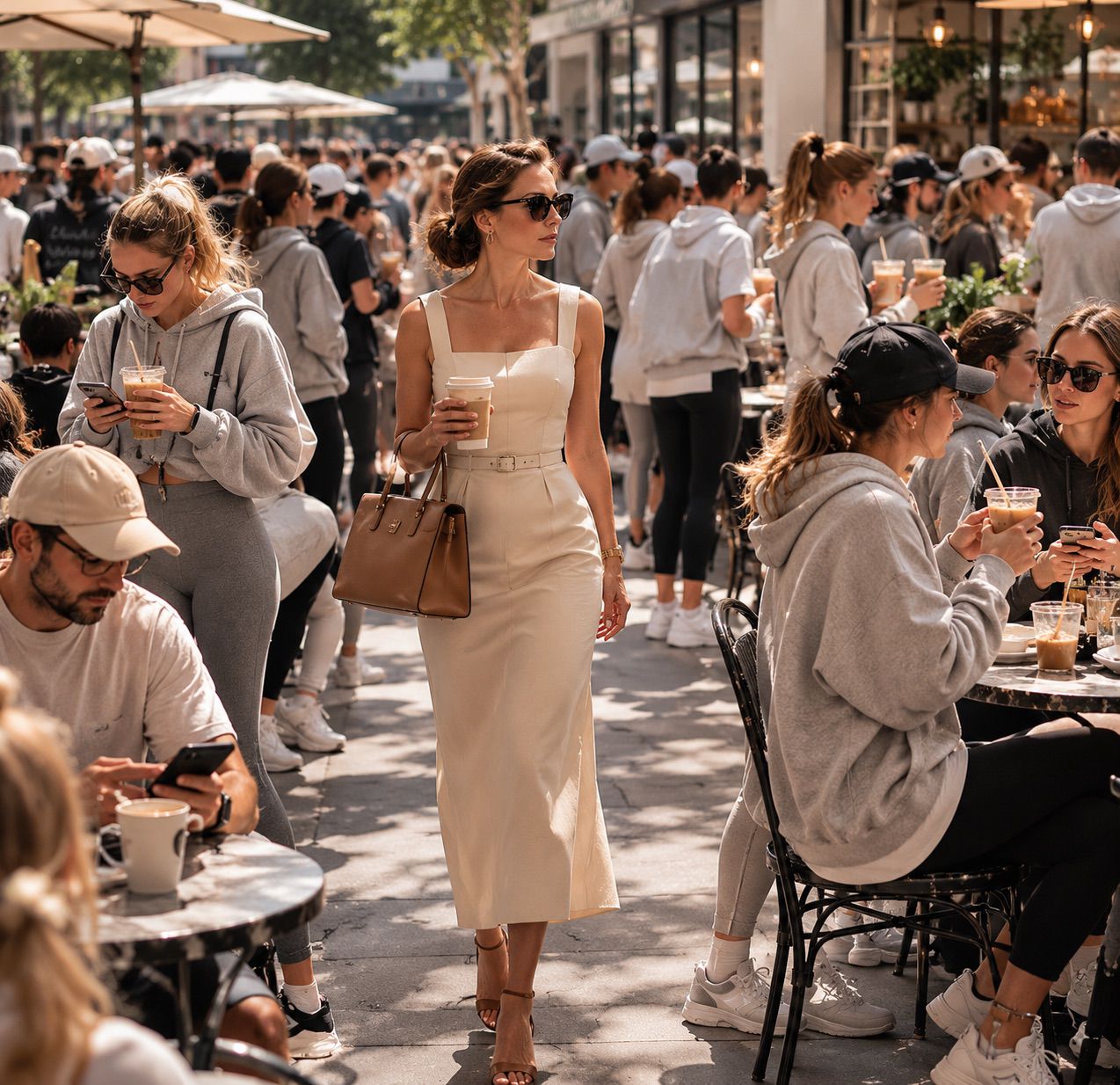
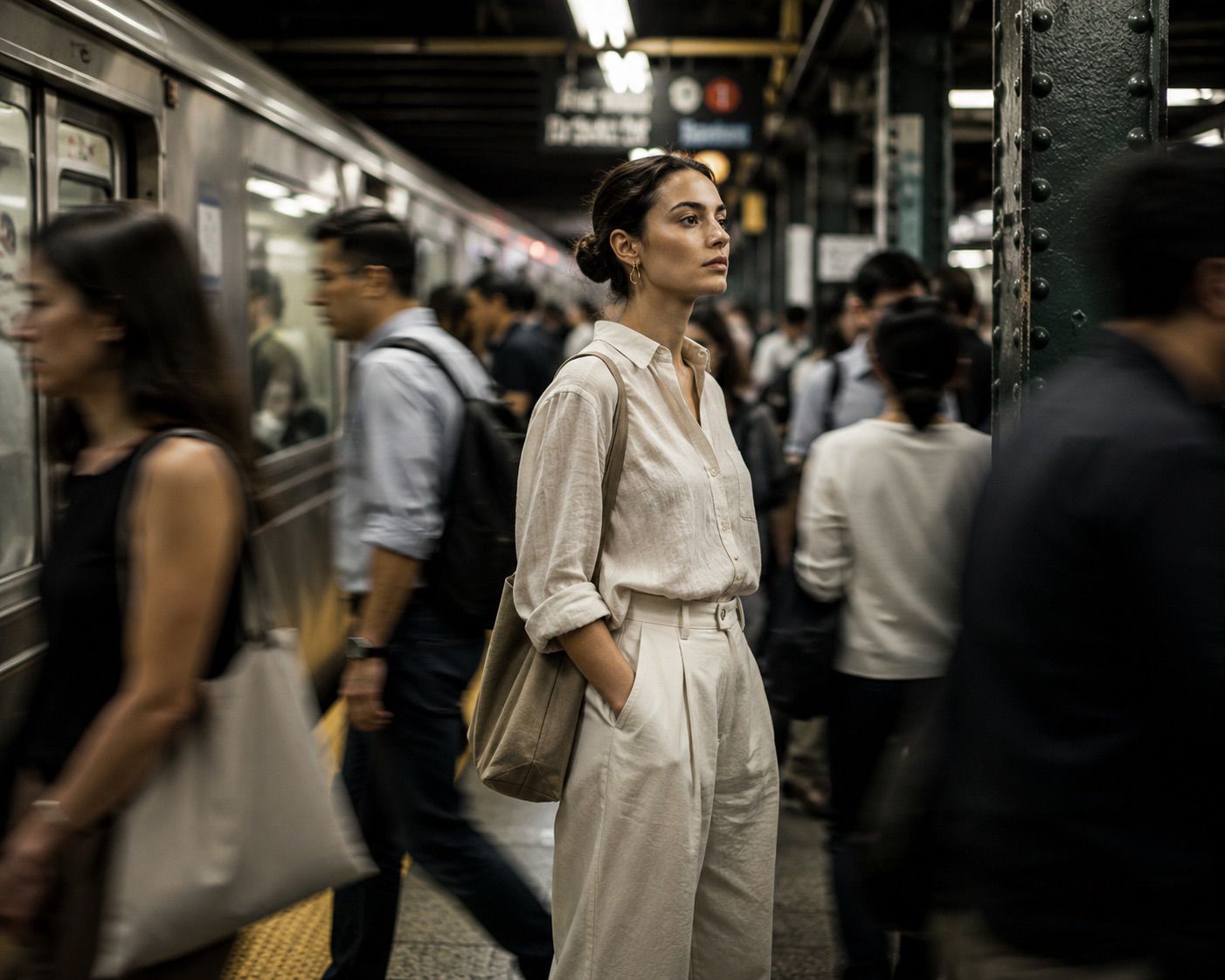
A walk down the street during these sweltering months becomes a study in contrasts. Some people move through crowds with an air of consideration, their attire reflecting attention to detail and respect for the season itself. Others, however, appear to have surrendered entirely, their clothing choices revealing a careless approach to comfort, presentation, and environment.

It’s not simply about aesthetics. It’s about intention.

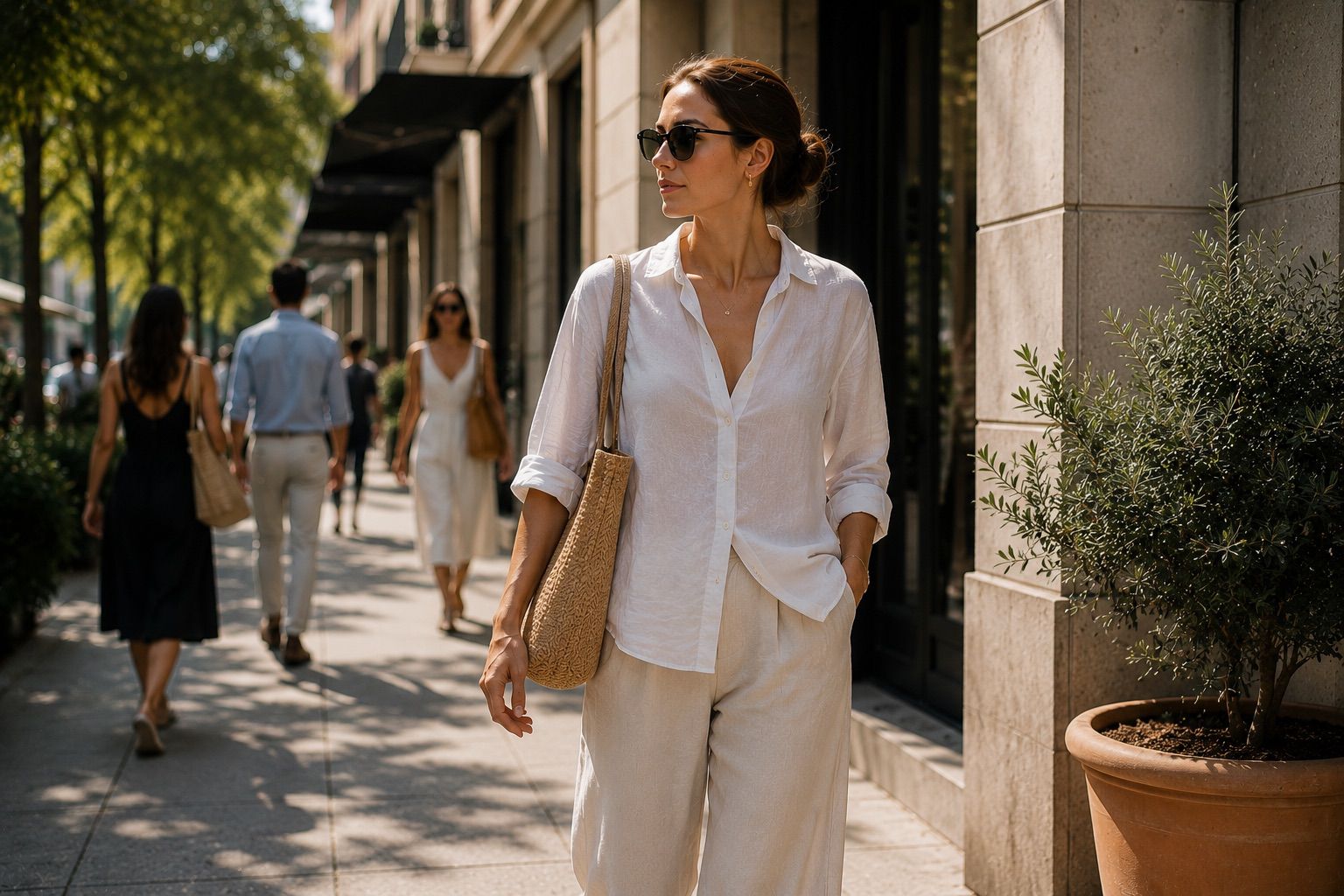
A person who chooses linen in summer is making a deliberate decision — one that acknowledges the realities of heat, movement, and atmosphere. Linen, with its breathable weave and natural cooling properties, is an intentional fabric. It communicates something about the wearer: that they value comfort without abandoning elegance, and that they’re willing to think carefully about how they move through the world.

By contrast, those who default to heavy cottons or synthetic fabrics like polyester and nylon often reveal a different set of priorities. Perhaps they value convenience over consideration, or expediency over refinement. It’s not that these materials are inherently wrong, but rather that they are frequently chosen without much awareness of their consequences.

Consider the woman walking through the city in dark-wash jeans and a thick cotton shirt. She may be comfortable enough indoors, but outside she radiates heat, her clothing trapping warmth and contributing to the discomfort surrounding her. Compare this to the man wearing lightweight linen trousers and a breathable shirt, moving through the same crowded sidewalks with ease and composure.

Some would argue these distinctions are superficial — that clothing has little connection to character or values. But I disagree. The way we dress often reflects our internal standards, our priorities, and the degree of care we bring to daily life. Dressing intentionally sends a subtle message about how we engage with the world around us.

Summer exposes these differences more clearly than any other season. Heat strips away excess and forces us into direct contact with our environment. It becomes tempting to abandon all standards in favor of convenience alone. Yet those who resist this impulse — who continue to dress with restraint and awareness — reveal a discipline that is increasingly uncommon.

Take the art of layering, for example. In colder seasons, layering often serves decorative or practical purposes tied to warmth. In summer, however, thoughtful layering becomes about airflow, movement, and texture. A lightweight linen shirt draped loosely over a soft cotton tank can create both elegance and comfort without heaviness.

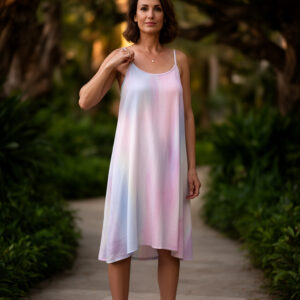
There’s also the matter of how fabrics interact with light. Linen possesses a remarkable ability to absorb and reflect sunlight softly, creating a subtle glow that feels alive in warm weather. Loose linen garments — sundresses, wide-leg trousers, relaxed shirts — seem almost designed for summer light itself.

Synthetic fabrics rarely achieve the same effect. Instead, they absorb heat and flatten texture, often appearing dull and lifeless beneath the sun. There’s something strangely dispiriting about watching someone endure summer wrapped in polyester blends and heavy technical fabrics, disconnected from the environment surrounding them.

Summer heightens sensory awareness. Skin becomes more sensitive to texture and temperature. We seek shade instinctively, notice airflow immediately, and become acutely aware of discomfort. In this environment, intentional dressing becomes an act of harmony rather than vanity.

Choosing natural fibers is ultimately a form of respect — for oneself, for others, and for the season itself. It demonstrates an awareness of one’s surroundings and a willingness to work with nature rather than against it.

There’s a reason certain fabrics have endured for centuries. Linen survives because it works. It cools the body while maintaining elegance. It allows movement without stiffness. It ages beautifully. And perhaps most importantly, it communicates a sense of restraint rather than excess.

Intentional dressing is never simply about fashion. It’s about standards.

Do we settle for what is easiest, or do we choose what is thoughtful? Summer clothing quietly reveals the answer. As temperatures rise and city streets grow crowded, our attire becomes more than personal preference. It becomes an outward reflection of how consciously we choose to live.

In summer, fabrics reveal character.

And yet, despite knowing which materials serve us best, many people continue choosing convenience over consideration. We understand that certain fabrics breathe better, move better, and feel better against the skin, but still gravitate toward fast, disposable alternatives.

What does this reveal about modern culture? Perhaps we’ve become so accustomed to prioritizing convenience that we no longer notice the physical and emotional effects of poor choices. Or perhaps we’ve simply lost touch with the relationship between clothing and environment altogether.

The result is visible everywhere: crowds trudging through intense heat wrapped in fabrics completely unsuited to the season. Sweat-soaked synthetics cling heavily to the body while breathable natural textiles remain oddly underappreciated.

But there is another approach.

By choosing natural fibers and breathable garments, we can create harmony between ourselves and our environment. We can move through the world with greater comfort, ease, and composure. It requires attention and intentionality, but the rewards are tangible.

Consider the tactile experience of linen on a warm afternoon. The fabric lifts slightly from the skin, allowing airflow and movement. It softens with wear rather than deteriorating. It feels connected to the season rather than resistant to it.

Synthetic fabrics rarely offer this experience. They often feel dense, artificial, and disconnected from the body’s natural rhythms. Yet despite this, fast fashion continues encouraging us toward cheap convenience rather than thoughtful craftsmanship.

This choice carries consequences beyond aesthetics. It shapes how we feel physically, how we present ourselves socially, and even how we engage with the environment around us.

As this sweltering season continues, perhaps it’s worth reconsidering the quiet power of intentional dressing. By choosing breathable fabrics, natural textures, and garments designed with care, we create a different relationship with summer itself — one rooted not in performance or excess, but in awareness, comfort, and quiet refinement.

Related Posts

The Beauty of Restraint: Finding Elegance in a Culture of Excess

Fiona

In the midst of this sweltering summer, I find myself drawn to those who embody restraint. Not in the sense that they’re buttoned up or suppressing themselves, but rather that they’ve cultivated a sense of discipline that allows them to navigate chaos with ease. It’s a quality that’s increasingly rare in today’s performance-driven culture, where the emphasis is on being seen and heard above all else.

Take, for instance, the way people dress during this time of year. I’ve noticed that those who prioritize comfort without consideration for presentation often end up looking frumpy and disheveled. On the other hand, individuals who maintain a sense of sartorial discipline — crisp cotton shirts, lightweight trousers, and well-tailored sundresses — exude a quiet confidence that’s difficult to ignore. It’s not about chasing trends or making a statement; it’s about understanding what works for one’s body, lifestyle, and personal standards.

This brings me to the subject of wardrobe evaluation. I’ve long believed that clothing choices reveal far more about a person than many realize. Not in a superficial sense, but in terms of values and priorities. Do they favor disposable fast fashion, or do they invest in timeless pieces? Are they more concerned with attracting attention through loud patterns and flashy accessories, or do they prefer understated elegance? These are not trivial questions. They reflect a broader philosophy of living.

Consider the individual who insists on statement pieces — oversized logos, loud prints, dramatic jewelry. To me, this often suggests a desire to be noticed above all else. It becomes less about genuine self-expression and more about performance. By contrast, people who favor simpler, more understated attire often appear more secure in themselves. They’re not trying to prove anything. They simply are.

Of course, this isn’t to suggest that restraint should become another rigid set of rules. There’s a fine line between discipline and dullness. The key lies in finding a balance that genuinely works for you. For some, restraint may mean adopting a minimalist wardrobe; for others, it may involve setting healthier boundaries around work, social obligations, or digital consumption.

As someone who has written extensively about burnout and emotional fatigue, I’ve come to view discipline as one of the most underrated components of personal well-being. We’re constantly encouraged to push harder, consume more, and strive endlessly upward. But what about the value of holding back? What about recognizing when enough is enough?

I recall a conversation with a friend struggling to balance work and family life. She felt pulled in too many directions at once and was beginning to collapse under the pressure. My advice was simple: prioritize your own needs for once. Learn to say no without guilt. Accept that stepping back to recover is not weakness, but wisdom.

This is where discipline becomes transformative — not as an exercise in self-denial, but as a means of reclaiming control over one’s life. It’s about setting boundaries, establishing routines, and cultivating habits that support genuine well-being. And it’s precisely this kind of restraint that allows us to navigate modern life with greater calm and clarity.

Take the ritual of getting dressed in the morning. For some, it becomes an elaborate production involving endless deliberation and perfectionism. Others approach it with complete indifference, throwing on whatever happens to be closest at hand. But then there are those who strike a balance between care and simplicity — people who choose clothing that makes them feel composed and confident without becoming consumed by the process.

To me, this is where true elegance resides. Not in grand gestures or conspicuous displays, but in the subtle art of restraint. It’s about understanding yourself well enough to know what works and remaining loyal to those standards with quiet confidence.

In a city where heat and chaos dominate the streets, I find myself increasingly drawn to people who embody this quality — individuals who radiate calm, collected authority without demanding attention. They’re not performing for an audience. They simply move through the world with self-possession.

As I walk through the city on another sweltering summer afternoon, I’m struck by how many people appear to be performing constantly — through their clothing, their behavior, or their social media presence. Yet the individuals who truly stand out are often the least performative of all. They prioritize discipline over spectacle and substance over self-promotion.

These are the people who possess genuine style. Not because they’re trying to distinguish themselves, but because they’ve cultivated an internal sense of confidence that naturally shapes the way they move through the world.

And it’s precisely this kind of discipline that I believe we should aspire to — not as some unattainable ideal, but as a practical method for navigating the complexities of contemporary life. In an era where performance and visibility are rewarded above all else, restraint itself has become quietly radical.

As I pause on the sidewalk and watch the crowds drift past, I’m reminded that true style has very little to do with attracting attention. It’s about carrying oneself with calm assurance and moving through the world with intention.

The city streets may feel relentless during the height of summer, but with the right mindset, we can still navigate them with grace and restraint. It’s not about changing who you are to fit someone else’s ideal. It’s about recognizing your own standards — and living by them consistently, without apology.

That, to me, is true elegance. And it can never be manufactured externally. It comes entirely from within.

Related Posts

The Performance of Exhaustion: How Our Culture’s Obsession with Validation Fuels Burnout

Fiona

As I watch people navigate the sweltering summer streets, I’m reminded of a peculiar phenomenon: the performative nature of social exhaustion. It’s as if the mere act of being seen in public has become an exhausting endeavor worthy of theatrical display. The telltale signs are everywhere — limp posture, forced yawns, and the obligatory declarations of “I’m so done with this heat.”

But what lies beneath this façade of fatigue? Is it truly a result of the sweltering temperatures, or is it a manifestation of our collective burnout from overstimulation? As someone who has personally experienced the consequences of excessive consumption, I’ve come to realize that true exhaustion stems not from external factors, but from internal ones. The constant need for validation, the pressure to present a curated online persona, and the endless pursuit of novelty have all taken their toll on our collective psyche.

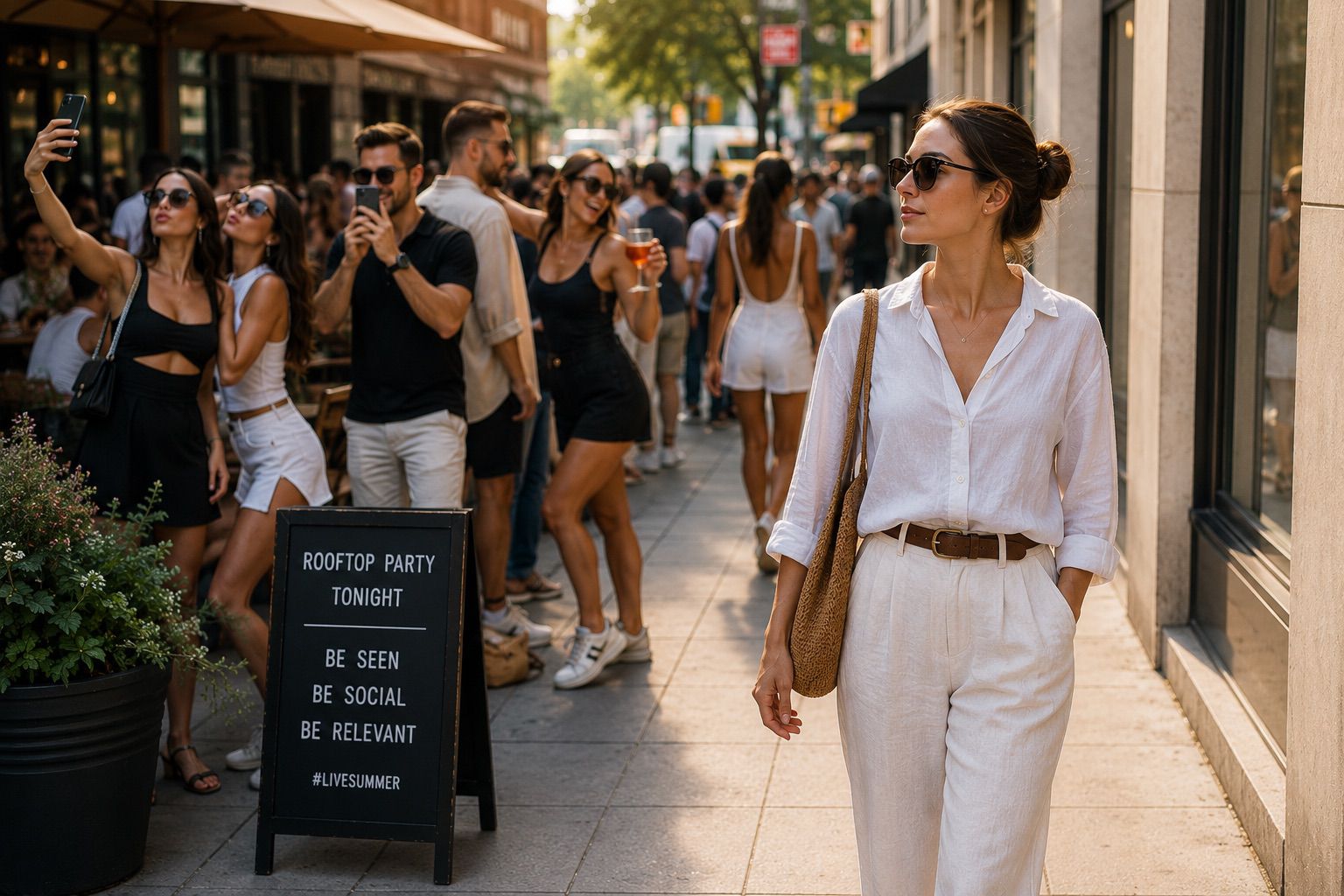
Take, for instance, the summer social calendar. What was once a season of leisurely gatherings and carefree outings has devolved into a grueling schedule of events, each carefully choreographed to maximize visibility and social approval. Instagram-worthy rooftop parties, influencer-packed music festivals, and obligatory beach vacations all serve as reminders that our worth is increasingly measured by our ability to present a flawless exterior.

But at what cost? As we prioritize the superficial over the substantial, we sacrifice our mental and physical well-being in the process. I recall a recent dinner party where the conversation revolved around the latest wellness trends and detox diets. The guests, all impeccably dressed and carefully groomed, spoke of their exhaustion as though it were a badge of honor — proof of their hectic, important lives. Yet as the evening wore on, it became clear that their fatigue was not the result of genuine exertion, but rather the consequence of relentless self-imposed pressure to maintain appearances.

This performative exhaustion is not unique to women. Men, too, have fallen prey to this phenomenon, often expressing it through exaggerated displays of bravado and hyper-masculinity. Summer sports events, beer-fueled barbecues, and obligatory gym sessions become opportunities to prove strength and endurance in a culture increasingly obsessed with outward performance.

But what about those who refuse to participate in this cycle? The people who reject the notion that exhaustion is a necessary byproduct of success? I think of the woman who wears her hair in a simple bun, without makeup or unnecessary adornment. She moves with purpose, unencumbered by the need for validation. Her confidence stems not from external approval, but from within — a quiet self-assurance that is both captivating and intimidating.

As I observe this cultural phenomenon, I’m reminded of my own journey toward refinement. After years of overconsumption and burnout, I was forced to reevaluate my priorities and establish a new set of standards. I began by paring down my wardrobe, eliminating anything that didn’t meet my criteria for quality and timelessness. I adopted a more disciplined approach to social media, limiting my online presence to what felt authentic and necessary.

I also made a conscious effort to surround myself with people who shared my values — those who prioritize substance over style and depth over breadth. Our conversations are richer and more nuanced, often revolving around topics that have nothing to do with appearances or external validation.

As the summer months draw to a close, I’m left with a lingering sense of unease. Will we continue down this path of performative exhaustion, or will we finally acknowledge the toll it takes on our collective well-being? The answer lies not in some grand transformative gesture, but in small, incremental changes. It begins with a willingness to question our assumptions, challenge the status quo, and redefine what constitutes a meaningful life.

I watch as people continue to move through the sweltering streets, their exhaustion on full display. But I also see glimmers of hope — individuals who move with intention, unburdened by the need for constant approval. They are the people who will ultimately reshape our cultural narrative and establish new standards for what it means to live a life of depth and substance.

And as I prepare to leave, I notice a woman walking toward me, her gaze fixed somewhere in the distance. Her hair is tied back, her face unadorned, and her shoulders squared. She radiates a quiet confidence that has nothing to do with performative exhaustion or social validation. In that moment, I’m reminded that true elegance lies not in appearance, but in the ability to move through the world with intention, free from the endless need for approval.

As I continue on my own path, I catch glimpses of others breaking free from the machinery of performative exhaustion. They are not rebels or extremists, but simply people who have grown tired of the charade. They find solace in quieter pursuits: reading books that inspire meaningful conversation, taking long walks without a destination, and engaging in hobbies that bring genuine joy rather than social recognition.

These individuals are not escaping the world; they are redefining their relationship with it. They understand that true fulfillment comes from within, not from external validation. And as they release the need for constant approval, they discover a sense of lightness and freedom that is impossible to ignore.

I see this transformation in my own life as well. As I’ve distanced myself from the culture of performative exhaustion, my relationships have become more authentic and meaningful. My friendships are no longer built around extravagant displays or curated social moments, but around shared values and genuine connection.

But this transformation is not without difficulty. There are still moments when I’m tempted to slip back into old habits — to seek validation through visibility, attention, or recognition. It’s a constant effort to remind myself that my worth is not measured by likes or followers, but by the depth of my relationships and the quality of my experiences.

As I navigate this evolving landscape, I’m reminded that meaningful change requires patience, self-awareness, and the courage to confront our own vulnerabilities. It’s not about achieving perfection; it’s about learning to live honestly and intentionally.

Summer may be drawing to a close, but the conversation surrounding performative exhaustion is only beginning. As we move into a new season, I hope more people begin questioning the systems that demand constant visibility and endless performance. Perhaps then we can start building lives defined not by external validation, but by genuine connection, inner fulfillment, and quiet confidence.

Related Posts

The Illusion of Effort: How Athleisure Wear Obscures Reality

Fiona

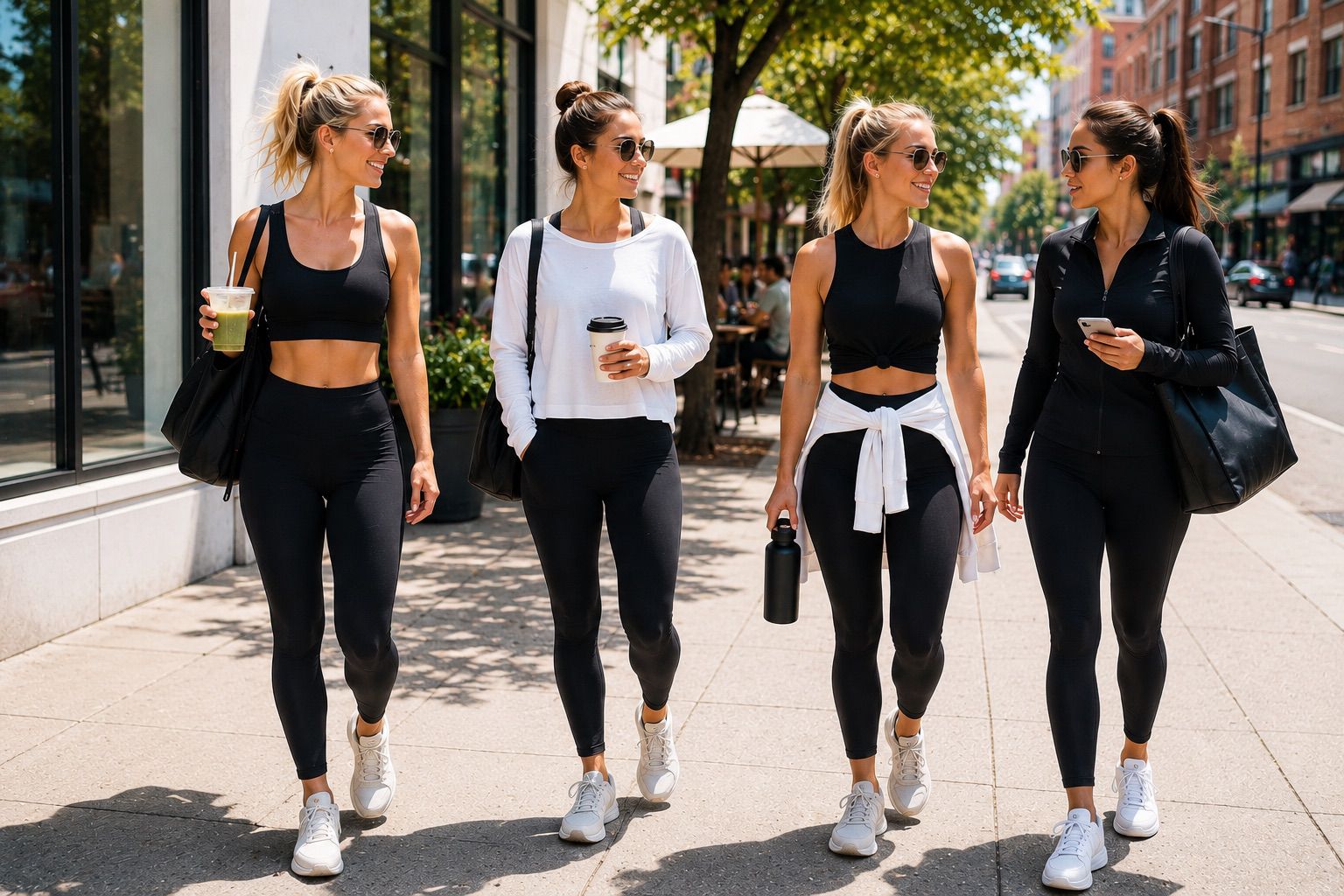
As we trudge through the sweltering summer months, it’s hard not to notice the proliferation of athleisure wear on our city streets. Everywhere you look, people are clad in the latest yoga pants and technical tops, often paired with sleek sneakers that seem more suited to a fashion runway than a hiking trail. But amidst all this hype, I’ve noticed something peculiar: despite its ubiquity, athleisure wear rarely seems to live up to its promise.

At first glance, it’s easy to see why athleisure wear has become the go-to choice for so many people. The fabrics are often soft and breathable, the designs are sleek and modern, and the marketing is nothing short of genius. Who wouldn’t want to feel like they’re ready to take on a marathon at a moment’s notice, even if they’re just running errands? But as I’ve observed people wearing athleisure wear in various settings — from coffee shops to parks to public transportation — I’ve started to notice a disturbing trend.

Despite its touted benefits, athleisure wear often seems to be more of a hindrance than a help. The leggings that are supposed to provide support and compression frequently sag or ride up, the tops that promise to wick away sweat instead cling to every curve in an unflattering way, and those sleek sneakers are often scuffed and stained from being worn for everything except actual exercise.

But it’s not just the functionality of athleisure wear that’s lacking — it’s also the aesthetics. What was once a sleek and modern look has quickly devolved into a sloppy uniform. Everywhere you go, people are wearing the same outfits: yoga pants, technical tops, and sneakers. It’s as if they’ve all been issued some sort of athletic uniform rather than taking the time to cultivate their own individual style.

And then there’s the issue of overconsumption. With new athleisure brands popping up every week, it seems like people are buying — and discarding — these clothes at an alarming rate. I’ve lost count of how many friends have told me they’re “investing” in a new pair of yoga pants or a technical top, only to discard them a few months later when the next big trend comes along.

But what’s driving this phenomenon? Is it really that people are so invested in their athletic pursuits that they need an entirely new wardrobe for every activity? Or is something else at play? As I’ve observed the athleisure trend unfold, I think I’ve arrived at a troubling answer: we’re not buying these clothes because we actually need them — we’re buying them because they make us feel like we’re part of some sort of exclusive club.

Think about it: when you wear athleisure clothing, you’re signaling to the world that you’re fit, healthy, and on top of your game. You’re part of a select group of people who prioritize their physical well-being above all else. And in an era where self-care and wellness have become cultural buzzwords, this can be an incredibly powerful draw.

But here’s the thing: athleisure wear is not just about signaling status — it’s also about obscuring reality. When everyone looks like they’re ready to run a marathon at any moment, it becomes difficult to distinguish between those who are actually putting in the work and those who are simply dressing the part. It’s as if we’ve created an elaborate costume that allows us to pretend to be something we’re not, without ever having to put in the actual effort.

As someone who values discipline and restraint, I find this phenomenon deeply troubling. We’re living in an era where people seem more concerned with appearances than actual substance, and athleisure wear has become a major player in this charade.

But there’s another issue at play here — one that cuts to the heart of our collective obsession with wellness and self-care. As we prioritize our physical health above all else, are we neglecting other aspects of our lives? Are we so focused on getting the perfect yoga pants or technical top that we’re ignoring more pressing concerns — like our mental health, our relationships, or our contributions to society?

I think it’s time for a reckoning. We need to take a step back and examine why we’re so obsessed with athleisure wear in the first place. Is it really because we care about our physical health, or is it simply another way of signaling status and avoiding actual effort? As I look around at the sea of yoga pants and technical tops, I’m reminded of something my grandmother used to say: “If everyone looks the same, then no one stands out.”

It’s time for us to step back from this athleisure obsession — not just because it’s failing to deliver on its promises, but because it’s obscuring our true priorities. We need to start valuing substance over style and recognizing that genuine effort is far more impressive than any fashionable outfit.

As the summer months drag on and we all succumb to social exhaustion, I’ll be opting out of this athleisure charade. You can find me in my trusty linen shirt and well-worn jeans — clothes that may not signal status or athleticism, but that will always stand the test of time.

And as for you? Take a closer look at your own closet and ask yourself what’s driving your purchasing decisions. Is it really about functionality and aesthetics, or is something else at play?

Related Posts

The Quiet Confidence of Effective Skincare: A Study on Hydra Renewal

Fiona

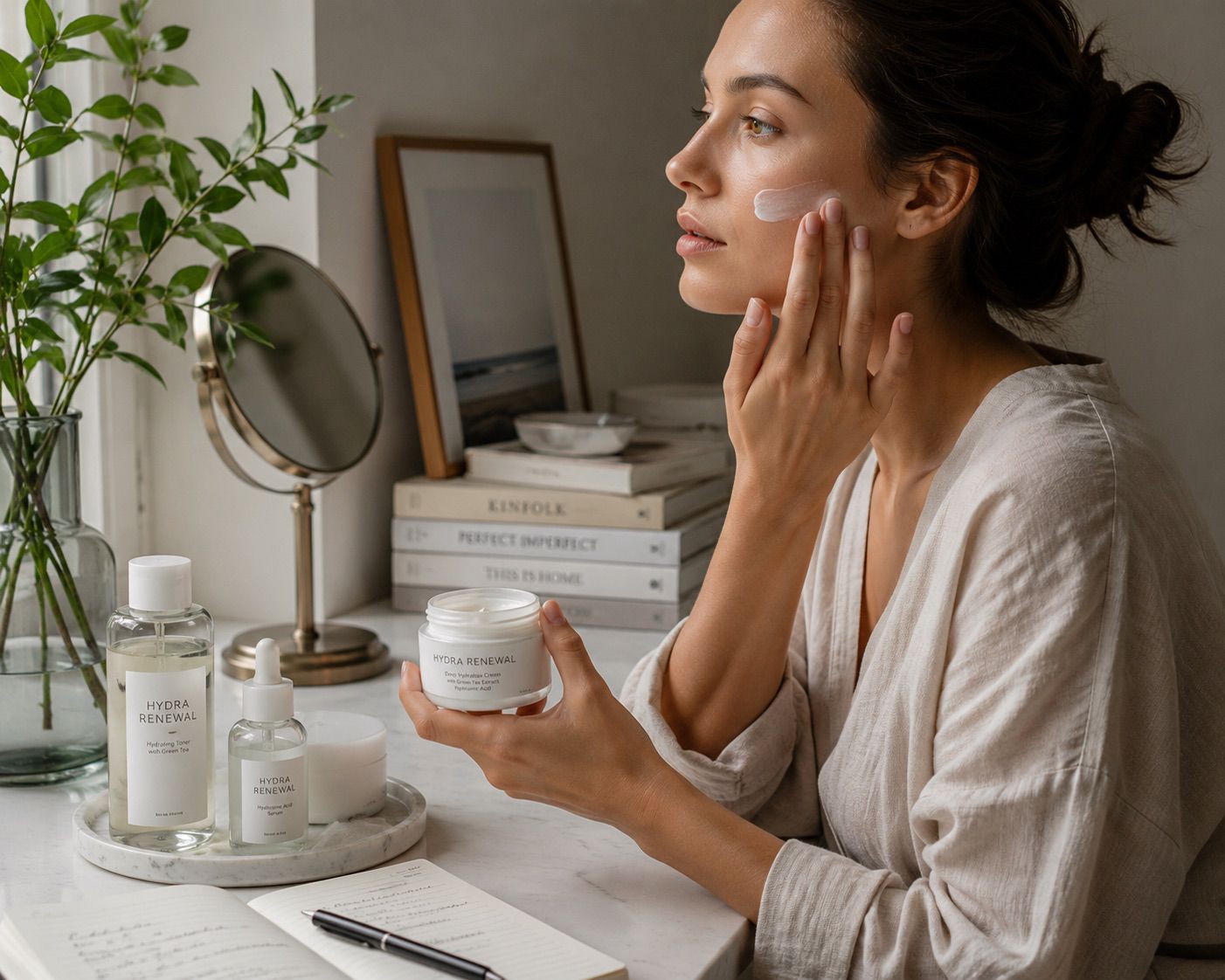
At first glance, the packaging was unassuming — a sleek white jar with clean typography. The brand’s marketing emphasized its use of natural ingredients and its ability to provide long-lasting hydration. I approached this claim with skepticism, having tried numerous creams that promised similar benefits without delivering. My skin type is combination, prone to oiliness in the summer months, so I was eager to see how Hydra Renewal would perform.

I incorporated the cream into my daily routine, applying it after cleansing and toning. Initially, I noticed a subtle sheen on my skin’s surface, which I attributed to the product’s moisturizing properties. However, as the days went by, I began to observe a more significant impact. My skin felt softer, with fine lines appearing less pronounced. The oiliness that typically plagued me during summer was noticeably reduced.

One of the most striking aspects of Hydra Renewal was its ability to balance my skin’s moisture levels without clogging pores or exacerbating oil production. This is no small feat, especially considering the cream’s rich texture. I suspect this can be attributed to the inclusion of green tea extract and hyaluronic acid in its formula.

As I continued using the product, I found myself pondering the notion of “beauty” in the context of summer. Coastal towns are filled with people eager to showcase their sun-kissed skin, often at the expense of genuine skincare. The emphasis on achieving a perfect glow can lead individuals to neglect fundamental aspects of skin health. It’s refreshing to see products like Hydra Renewal that prioritize function over fleeting aesthetic appeal.

A recent visit to a beachside town reinforced this observation. I noticed numerous people applying copious amounts of sunscreen, only to follow it up with heavy layers of foundation and concealer. This approach not only defeats the purpose of protecting one’s skin, but also neglects the importance of allowing skin to breathe. The emphasis on appearance over actual skincare is a concerning trend that warrants attention.

As someone who values restraint in beauty routines, I appreciate Hydra Renewal’s understated approach. It doesn’t pretend to be a miracle worker or promise unrealistic results. Instead, it delivers on its promise of providing long-lasting hydration without clogging pores. In an era where over-the-top beauty claims are rampant, this product stands out for its humility.

Another aspect that resonated with me was the cream’s subtle scent. Unlike many products that assault the senses with overpowering fragrances, Hydra Renewal’s aroma is barely perceptible. This attention to detail speaks volumes about the brand’s commitment to creating a product that truly serves the skin, rather than simply appealing to our sense of smell.

In contrast, I’ve noticed an increase in products that prioritize fragrance over actual skincare benefits. These products often contain artificial fragrances and dyes that can irritate sensitive skin. The proliferation of such products only serves to further the notion that beauty is primarily about appearance rather than genuine health.

As the summer months draw to a close, I’ll continue using Hydra Renewal as part of my daily routine. It’s become an integral component of my skincare regimen — one that I’m confident will provide long-term benefits. This product has taught me that true beauty lies in subtlety and restraint, rather than flashy promises or overpowering fragrances.

In the world of beauty, it’s easy to get caught up in the hype surrounding new products. However, as someone who values standards over performance, I’ve learned to approach such claims with a healthy dose of skepticism. Hydra Renewal has proven itself to be an exception — a product that delivers on its promise without resorting to empty marketing tactics.

As I observe people going about their daily routines, I’m struck by the realization that beauty is often less about achieving perfection and more about cultivating a sense of self-awareness. It’s about recognizing our skin’s unique needs and addressing them with humility and restraint. Products like Hydra Renewal serve as a reminder that true beauty lies not in flashy packaging or over-the-top claims, but in the quiet confidence that comes from taking genuine care of one’s skin.

In the end, it’s this sense of refinement and attention to detail that sets Hydra Renewal apart from its competitors. In an industry where excess often reigns supreme, this product stands as a testament to the power of subtlety and restraint. As I conclude my assessment of Hydra Renewal, I’m left with one unshakable standard: true beauty is not about making grand promises, but about delivering quiet, lasting results.

This emphasis on understated elegance is a refreshing respite from the bombastic marketing that often dominates the beauty industry. It’s a reminder that true innovation lies not in flashy packaging or celebrity endorsements, but in the subtle nuances of formulation and design.

As I reflect on my experience with Hydra Renewal, I’m struck by the parallels between this product and the broader cultural conversation around beauty. In an era where social media platforms prioritize curated perfection over authenticity, it’s easy to get caught up in the notion that beauty is solely about appearance. However, products like Hydra Renewal serve as a gentle corrective, reminding us that true beauty lies not in external validation, but in the quiet confidence that comes from taking care of one’s skin.

Moreover, the subtlety of Hydra Renewal’s approach has made me realize the importance of patience and persistence in skincare. In an industry where instant gratification is often promised, it’s refreshing to encounter a product that prioritizes long-term benefits over short-term fixes. This emphasis on gradual improvement resonates with my own approach to beauty, which values slow, incremental progress over dramatic, overnight transformations.

As the seasons change and my skin adapts to new environmental conditions, I’m confident that Hydra Renewal will remain a trusted ally in my skincare routine. Its understated elegance has won me over, and I suspect it will do the same for others who value subtlety and restraint in their beauty products. In an industry where excess often reigns supreme, Hydra Renewal stands as a testament to the power of quiet, lasting results — a reminder that true beauty lies not in grand promises, but in the subtle nuances of formulation and design.

Related Posts

The Discipline of Simplifying a Routine

Fiona

Here is a title for the article:

As we rebuild our daily habits this spring, it’s worth considering the value of paring down our routines to their essential components. In my own experience, simplifying a routine can have a profound impact on one’s sense of control and well-being. I recall a particularly grueling winter when I found myself burned out from overcommitting to social engagements, work projects, and exercise regimens. My mornings had become a chaotic jumble of checking email, scrolling through news feeds, and rushing to get out the door on time.

In an effort to reclaim some sense of order, I decided to simplify my morning routine by eliminating all electronic devices for the first hour after waking. No phone, no computer, no television. Instead, I focused on a quiet, low-key sequence of activities: brewing coffee, reading a book, and taking a short walk outside. The results were almost immediate. Without the constant ping of notifications and the temptation to mindlessly scroll through social media, I found myself feeling more grounded and centered.

One of the key benefits of this simplified routine was its ability to reduce decision fatigue. By limiting my options and sticking to a straightforward sequence of activities, I eliminated the need for constant deliberation about what to do next. This, in turn, allowed me to conserve mental energy and approach the rest of my day with greater clarity and purpose.

Of course, this is not to suggest that everyone should adopt a similarly austere routine. The point, rather, is that simplifying one’s daily habits can be a powerful tool for rebuilding a sense of control and calm in an increasingly frenetic world. By paring down our routines to their essential components, we can create space for more meaningful activities and reduce the mental clutter that so often accompanies overcommitting.

In my observations, many people struggle with this concept. They feel pressure to cram as much activity into their day as possible, lest they fall behind or miss out on some vital experience. But this approach is often counterproductive. By trying to do too much, we risk spreading ourselves too thin and losing sight of what truly matters.

Consider the contrast between two friends I know: Sarah, a high-powered executive who prides herself on her ability to juggle multiple projects simultaneously, and Emily, a freelance writer who has carefully curated her daily routine to include ample time for reading, writing, and exercise. While Sarah may appear more “productive” on paper, she is often frazzled and exhausted, while Emily exudes a sense of calm and contentment.

This difference in approach can be attributed, at least in part, to the way each woman views her daily routine. For Sarah, it’s all about maximizing efficiency and achieving tangible results. But for Emily, the focus is on creating space for meaningful activities and cultivating a sense of inner peace. By prioritizing her own well-being over external markers of success, Emily has managed to create a more sustainable, balanced lifestyle.

As we rebuild our routines this spring, it’s worth considering which approach we want to take. Will we prioritize efficiency and productivity above all else, or will we focus on creating space for meaningful activities and cultivating inner peace? The answer, I believe, lies in finding a balance between these competing demands.

Ultimately, the key to rebuilding effective routines is not about achieving some mythical state of “balance” or “wellness,” but rather about cultivating a sense of discernment and restraint. By paring down our daily habits to their essential components and prioritizing what truly matters, we can create space for more meaningful activities and reduce the mental clutter that so often accompanies overcommitting.

In this regard, I’m reminded of a conversation I had with a friend who recently returned from a trip to Japan. She was struck by the simplicity and elegance of everyday life in Tokyo — the carefully curated storefronts, the minimalist decor, the quiet reverence for tradition. And yet, despite the apparent restraint, there was a deep sense of beauty and meaning that pervaded every aspect of daily life.

As we rebuild our routines this spring, it’s worth considering what we can learn from this approach. By embracing simplicity and elegance in our daily habits, we may just find that we’re able to cultivate a deeper sense of calm, clarity, and purpose — one that extends far beyond the confines of our morning routine.

In my observations, there is a growing recognition among professionals that burnout is not simply a personal failing, but rather a systemic issue that requires a fundamental shift in how we approach work and daily life. As such, rebuilding routines that prioritize simplicity, elegance, and inner peace may be an essential step toward creating a more sustainable, balanced lifestyle.

Of course, this will require a willingness to let go of certain habits and expectations — the notion, for example, that one must always be “on” or constantly connected in order to succeed. But by embracing a more restrained approach to daily life, we may just find that we’re able to create space for more meaningful activities and reduce the mental clutter that so often accompanies overcommitting.

In this regard, I’m reminded of the Japanese concept of “wabi-sabi” — the idea that beauty lies not in perfection or completion, but rather in imperfection and incompleteness. By embracing this philosophy, we may find that our routines become more beautiful, elegant, and meaningful — not despite their simplicity, but because of it.

As we rebuild our routines this spring, let us focus on cultivating a sense of discernment and restraint. Let us prioritize what truly matters and eliminate the extraneous. And let us remember that true beauty lies not in complexity or overachievement, but rather in simplicity, elegance, and inner peace.

Related Posts

Beyond Optimization: The Quiet Beauty of Being Unadorned

Fiona

As I observe the city’s streets, now filled with the gentle warmth of spring, it’s striking to see how this season of renewal has become an excuse for further exhaustion. People rush to parks and green spaces not to bask in the fresh air, but to optimize their physical activity. The once-leisurely act of taking a walk is now a calculated endeavor, with pedometers tracking every step and apps monitoring each heartbeat.

Their faces, hidden behind sunglasses and fitness trackers, betray no signs of enjoyment. Instead, they wear expressions of intense focus, as if the slightest distraction might compromise their progress. These individuals are not merely exercising; they’re engaged in a relentless pursuit of self-improvement, fueled by the fear that any moment spent without optimization is a moment wasted.

This phenomenon is not unique to fitness enthusiasts. It has permeated every aspect of modern life. We’ve become obsessed with streamlining our routines, eliminating inefficiencies, and maximizing productivity. The notion that “time is money” has given way to a more insidious mantra: “every moment must be optimized.” This creed has transformed even the most mundane activities into opportunities for self-improvement.

Consider the ritual of dressing in the morning. What was once a straightforward process has become an exercise in strategic planning. Clothing choices are no longer based on personal taste or comfort, but on how well they will perform throughout the day. Athleisure wear, with its promises of moisture-wicking fabrics and four-way stretch, has become the de facto uniform for many professionals. Even those who don’t engage in physical activity now dress as if they might break into a sprint at any moment.

This constant striving for optimization has taken a toll on our collective mental health. The pressure to perform has created an environment where exhaustion is not only tolerated but celebrated. We’ve begun to view burnout as a badge of honor, proof that we’re pushing ourselves to the limit. Social media platforms are filled with testimonials from individuals who claim to have achieved success through sheer force of will, neglecting to mention the emotional toll their relentless drive has taken.

But what’s often overlooked is the impact this culture has on our relationships. Romantic partners and friends are now expected to be sources of support and encouragement, rather than simply companions. We’ve begun to view those around us as resources to be optimized, rather than individuals with their own desires and needs. The language of optimization has infiltrated even our most intimate connections, reducing them to transactions where emotional labor is exchanged for validation.

In the midst of this chaos, it’s refreshing to encounter someone who defies these expectations. I recall a recent conversation with a colleague who mentioned that she’d been feeling overwhelmed by her workload. Instead of offering advice on time management or suggesting productivity apps, I found myself drawn to her simple, unapologetic admission of exhaustion. It was a rare moment of vulnerability in an environment where weakness is often seen as a liability.

As our conversation progressed, it became clear that she had no interest in optimizing her schedule or streamlining her tasks. She simply wanted to acknowledge the toll her work had taken on her mental health and find ways to mitigate its effects. Her willingness to confront her own limitations was a breath of fresh air, a reminder that sometimes the most radical act is to refuse the cult of optimization.

In this season of renewal, as we’re tempted to join the throngs of people seeking to optimize every aspect of their lives, let’s not forget the beauty of restraint. Let’s recognize that sometimes the greatest luxury is simply being present, untethered from the constant pursuit of self-improvement. As I watch the city awaken from its winter slumber, I’m reminded that true elegance lies not in our ability to optimize every moment, but in our capacity to appreciate the simple, unadorned beauty of existence.

As I walk through the park on a crisp spring morning, surrounded by the gentle rustle of leaves and the sweet songs of birds, I notice a woman sitting on a bench. She’s not checking her phone or tracking her progress; she’s simply sitting, eyes closed, face tilted toward the sun. In that moment, she embodies a standard of elegance that has nothing to do with optimization and everything to do with being fully, unapologetically human.

As I observe this woman, I’m struck by the radical nature of her inaction. In a world where every moment is an opportunity for self-improvement, she’s choosing to simply be. Her stillness is a rebuke to the cult of optimization, a reminder that there’s beauty in being untethered from the constant pursuit of progress.

I watch as people walk by, some glancing at her with curiosity, others barely noticing her presence. But I see something in her that they don’t — a sense of freedom. She’s not bound by the need to optimize every moment; she’s free to simply exist. And in that existence, I see a deep sense of contentment.

As I continue my walk, I notice more people like her — individuals who are quietly rebelling against the cult of optimization. A man sitting on a bench, reading a book without any visible signs of digital distraction. A group of friends laughing and chatting over coffee, their faces unadorned by fitness trackers or smartwatches.

These small acts of resistance give me hope. They remind me that there’s still a place for simplicity and elegance in our increasingly complex world. They show me that it’s possible to live a life untethered from the constant pursuit of self-improvement, and that such a life can be rich in beauty and meaning.

But these moments of rebellion are fragile, easily disrupted by the sirens of optimization. As I walk through the city, I’m constantly bombarded with messages telling me to improve myself, to optimize my life, and to strive for greatness. The cult of optimization is a powerful force, one that seeks to colonize every aspect of our lives.

And yet, as I look around, I see glimmers of resistance — small pockets of people who are refusing to be optimized, who are choosing instead to live simple, unadorned lives. They’re not seeking to change the world; they’re simply seeking to be themselves, without apology or pretension.

In this season of renewal, as we’re tempted to join the throngs of people seeking to optimize every aspect of their lives, let’s remember these quiet rebels. Let’s honor their courage and simplicity, and let’s seek to emulate them in our own lives. For it’s only by refusing the cult of optimization that we can truly begin to live.

Related Posts

The Subtle Elegance of Linen: A Fabric of Refinement

Fiona

As spring arrives with its promise of renewal, the fashion world awakens from its winter slumber. Amidst the flurry of fresh trends and must-haves, one fabric stands out for its understated elegance: linen. Misunderstood by many as a bland, utilitarian material, linen is, in fact, a masterclass in refinement.

Linen’s reputation as a humble, homespun fabric stems from its association with rustic tablecloths and simple summer dresses. However, this perception belies the complexity of linen’s texture, drape, and history. Linen has been prized for centuries by those who value subtlety over showiness. From ancient Egyptian pharaohs to 19th-century European aristocrats, linen has been a staple of refined attire.

One reason linen is often misunderstood lies in its tendency to wrinkle. Unlike the smooth, synthetic fabrics that dominate modern clothing, linen’s natural fibers can appear rumpled and uncooperative. However, this perceived drawback is, in fact, a hallmark of linen’s authenticity. The subtle creases and folds that develop on a well-worn linen garment are testaments to its organic, human-made nature.

The production process itself contributes to linen’s unique character. Linen fibers are derived from the flax plant, which requires careful cultivation and harvesting. Unlike cotton or polyester, which can be mass-produced with ease, linen demands attention to detail and a commitment to quality. This labor-intensive process imbues linen with an air of exclusivity, making it a favorite among those who value craftsmanship.

Despite its rich history and cultural significance, linen is often relegated to the realm of “summer wear.” However, this seasonal categorization does linen a disservice. While it’s true that linen excels in warm weather, its versatility extends far beyond the confines of summer fashion. A well-made linen garment can be dressed up or down, paired with statement accessories or understated essentials.

One of the most compelling aspects of linen lies in its relationship to movement. Unlike stiff, structured fabrics that restrict the body’s natural flow, linen drapes elegantly around the form, allowing for a full range of motion. This fluidity makes linen an ideal choice for those who prioritize comfort without sacrificing style. Observe the way a linen dress flows behind a woman as she walks, or how a linen suit hangs effortlessly on a man’s frame — these are testaments to the fabric’s mastery of movement.

As we recalibrate our approach to wellness in the wake of overstimulation and exhaustion, linen offers a refreshing respite from the noise. In an era where “wellness” often translates to flashy athleisure wear or Instagram-perfect yoga poses, linen reminds us that true elegance lies in restraint. By embracing the subtle beauty of linen, we can rediscover the value of understatement.

Consider the way linen interacts with light. Unlike synthetic fabrics, which can appear garish or overly reflective, linen absorbs and diffuses light with ease. This gentle relationship between fabric and illumination creates a soft, flattering glow that enhances the wearer’s natural complexion. Whether paired with earthy tones or bold colors, linen provides a subtle yet striking backdrop for self-expression.

In an age where social media often reduces fashion to a series of attention-grabbing gestures, linen stands as a testament to the power of subtlety. Unlike showy logos or loud prints, linen’s understated elegance requires no explanation. Its beauty lies in its quiet confidence, its refusal to shout for attention in a world dominated by noise.

As we navigate the complexities of modern life, linen offers a rare and precious commodity: simplicity. In an era where “self-care” often translates to elaborate routines or expensive spa treatments, linen reminds us that true restoration can be found in the simplest things — a well-made garment, a carefully chosen color palette, and a commitment to quality over quantity.

In the stillness of spring, as the world awakens from its winter slumber, linen stands as a beacon of refinement. It is a fabric that rewards attention, that demands to be understood on its own terms. And it is here, in the quiet beauty of linen, that we may rediscover the value of subtlety — a quality that, in an age of overstimulation and exhaustion, has never been more precious.

The creases on a well-worn linen shirt are not imperfections; they are testaments to the fabric’s authenticity.

In this sense, linen embodies a philosophy of fashion that prioritizes character over perfection. It is a reminder that true style lies not in the flawless, Photoshopped images that dominate our feeds, but in the subtle imperfections that make us human. The soft patina that develops on a well-loved linen garment is a testament to its history, a record of the moments and memories it has accumulated over time.

This approach to fashion also speaks to the value of longevity. In an era where fast fashion reigns supreme and garments are discarded without a second thought, linen offers a refreshing alternative. A well-made linen piece can be treasured for years, even decades, its beauty only deepening with age. This durability is not just a practical consideration, but also an aesthetic one — the subtle signs of wear and tear that accumulate on a linen garment are a testament to its enduring appeal.

Furthermore, linen’s relationship with nature is deeply symbiotic. Unlike synthetic fabrics, which often rely on chemical treatments and artificial processes, linen is derived from the flax plant, a renewable resource that requires minimal pesticides and irrigation. This eco-friendly approach to production makes linen an attractive choice for those who prioritize sustainability in their fashion choices.

As we move forward in our quest for a more mindful approach to fashion, linen offers a compelling model for how to redefine our relationship with clothes. By embracing the subtle beauty of this natural fiber, we can rediscover the value of quality over quantity and cultivate a deeper appreciation for the craftsmanship that goes into creating each garment.

In the end, linen’s understated elegance is not just a matter of style — it’s also a statement about values. In an age where fashion often prioritizes flash over substance, linen reminds us that true beauty lies in restraint, simplicity, and a deep respect for the natural world.

Related Posts

The Calculated Luxury of Intentional Living

Fiona

In the midst of spring’s rejuvenation, it’s easy to get caught up in the fervor of renewal. The clean slate that comes with the season’s arrival can lead to impulsive decisions, especially when it comes to our wardrobes and personal presentation. As someone who has tempered their enthusiasm with experience, I’ve come to appreciate the value of calculated upgrades.

Recently, I invested in a quality wool coat, one that justified its cost through exceptional craftsmanship and timeless design. The purchase was not made on impulse, but rather after careful consideration of my existing wardrobe’s shortcomings. It’s a decision that has left me questioning why we so often prioritize fleeting trends over lasting quality.

As I observe the way people present themselves in public, I’m struck by the prevalence of cheap, disposable fashion. Synthetic fabrics cling to bodies like plastic wrap, while garish colors and logos scream for attention. These choices are not just aesthetically jarring; they also speak to a lack of consideration for one’s own dignity.

A well-crafted garment, on the other hand, exudes an air of self-respect. The subtle sheen of high-quality wool, the precision cut of tailored seams — these details convey a sense of attention and care that is all too rare in today’s fast-fashion landscape. My new coat, with its soft yet substantial fabric, has become an extension of my own standards.

Of course, this level of quality comes at a price. Some might argue that investing in a few high-end pieces is an indulgence, particularly when there are more affordable options available. But I would counter that true luxury lies not in the cost itself, but in the value it brings to one’s daily life. A well-made coat can last for years, even decades, with proper care — a testament to the enduring power of craftsmanship.

This is not to say that I advocate for a return to an era of excessive formality or stuffiness. Rather, I believe that our wardrobes should reflect a balance between comfort and sophistication. A simple white shirt, expertly tailored trousers, or a quality leather handbag can elevate even the most mundane outfit into something refined and polished.

As I walk through the city streets, I notice how people’s attire often betrays their priorities. Those who favor convenience over quality are easily identifiable by their sloppy silhouettes and lackluster colors. Conversely, individuals who have taken the time to curate their wardrobes with care exude an air of confidence that transcends fashion itself.

It’s a phenomenon I’ve observed in various environments — from professional settings to social gatherings. People who take pride in their appearance are more likely to command respect and attention, not because they’re trying to impress others, but because they’ve demonstrated a level of self-awareness and consideration.

This principle extends beyond the realm of fashion, too. In an era where instant gratification is increasingly prioritized, it’s refreshing to encounter individuals who have mastered the art of delayed satisfaction. Those who can wait for quality over quick fixes, who prioritize substance over flashiness — these are the people who will always stand out in a crowd.

Ultimately, my decision to invest in that wool coat was not just about acquiring a new piece of clothing; it was about recalibrating my own sense of standards. By choosing quality over quantity, I’ve reaffirmed my commitment to a life of purpose and intentionality.

As spring’s clarity gives way to the warmth of summer, I’ll be watching with interest how people adapt their wardrobes to the changing seasons. Will they prioritize comfort at the expense of style, or will they strive for that elusive balance between form and function? For my part, I know that I’ll continue to evaluate every purchase — no matter how small — through the lens of timeless quality.

The result is not just a more refined wardrobe; it’s a more discerning sense of self.

This heightened awareness extends beyond my own personal choices, too. As I navigate the world around me, I find myself drawn to individuals who embody this same spirit of intentionality. The way they move through life with purpose and deliberation is a testament to the power of considered decision-making.

In an age where algorithms dictate our every move, from social media feeds to curated playlists, it’s refreshing to encounter people who have taken the time to curate their own experiences. They are the ones who can hold a conversation without checking their phones, who savor each bite of food rather than snapping photos for Instagram, and who listen with genuine interest rather than waiting for their turn to speak.

These individuals understand that true luxury lies not in the external trappings of success but in the quiet confidence that comes from living intentionally. They have taken the time to consider what truly adds value to their lives — whether it’s a well-crafted piece of clothing, a meaningful conversation with a loved one, or a simple moment of solitude.

As I reflect on my own experiences and observations, I am struck by the realization that this sense of intentionality is not just about personal taste but also about the values we hold dear. In an era where fast fashion, disposable technology, and instant gratification reign supreme, it takes courage to prioritize what truly matters.

By choosing quality over quantity, substance over flashiness, and experience over convenience, we are making a statement about what we value — ourselves, others, and the enduring importance of thoughtful living. We are declaring that some things are worth waiting for, that patience is a virtue, and that the pursuit of excellence is an investment in ourselves.

As I look around me, I see a world where people are hungry for authenticity, for connection, and for meaning. And it’s those who embody these qualities — through their words, actions, and choices — who will ultimately shape our shared future.

Related Posts

The Quiet Virtue of Timelessness: A Case for Investing in Enduring Style

Fiona

It’s a staple that has endured in my wardrobe, season after season. Not because it’s a trendy piece or one that’s been heavily promoted by fashion influencers, but because of its timeless quality and versatility. Linen, as a fabric, is particularly suited to the warmer months, but this shirt has proven itself to be a worthy investment, capable of bridging the gap between spring and summer.

The first time I wore it was on a crisp spring morning, layered under a light sweater for a walk in the park. The air was still cool enough that the linen’s texture provided a welcome layer of warmth without feeling oppressive. As the day warmed up, I shed the sweater and let the shirt stand on its own, its natural fibers allowing for a gentle breeze to pass through.

In contrast, many people around me were already succumbing to the temptation of shorts and tank tops, eager to bare skin as soon as the sun broke through the clouds. But I’ve found that there’s value in restraint, even when it comes to something as seemingly innocuous as wardrobe choices. The linen shirt allowed me to enjoy the outdoors without sacrificing dignity or comfort.

Of course, this is not just about personal taste; it’s also a matter of discipline. In an era where fast fashion dominates and people are encouraged to constantly update their wardrobes, there’s a tendency to prioritize novelty over quality. But I believe that investing in timeless pieces like my linen shirt is essential for developing a sense of style that transcends fleeting trends.

As the seasons progress, I’ve found that this shirt can be easily adapted to suit different occasions and environments. In the summer, it’s perfect for a casual dinner party or an evening stroll through the city. Paired with a pair of light trousers and sandals, it exudes effortless elegance without appearing too formal.

But what really sets this shirt apart is its ability to endure beyond a single season. Unlike so many other garments that are discarded after a few months, this linen shirt has become a trusted companion, one that I can rely on year after year. It’s not about nostalgia or sentimentality; it’s simply a matter of recognizing the value in something well-made and versatile.

This brings me to the topic of burnout — a phenomenon that affects so many areas of our lives, from work to relationships to personal style. We’re constantly being bombarded with messages telling us that we need to upgrade, update, or overhaul some aspect of ourselves or our lives. But I believe that this relentless pursuit of novelty is ultimately self-destructive.

When it comes to fashion, burnout can manifest in a number of ways: the endless cycle of buying and discarding clothes, the pressure to keep up with the latest trends, or the exhaustion that comes from constantly trying to project an image. It’s no wonder that so many people feel overwhelmed by their wardrobes, unsure of what to wear or how to create a cohesive sense of style.

In this context, my linen shirt is more than just a piece of clothing — it’s a symbol of resistance against the forces of overconsumption and disposability. By investing in something timeless and well-made, I’m making a statement about the kind of values I want to prioritize: quality over quantity, substance over novelty.

As we move into the warmer months, I encourage readers to take a step back and assess their own wardrobes. What are the pieces that have truly stood the test of time? Which items can be relied upon to deliver comfort, elegance, and versatility without succumbing to the whims of fashion trends?

For me, it’s this linen shirt — a simple yet profound reminder of the power of restraint and refinement in an era that often seems to value neither.

The irony is that, despite being a seemingly mundane item, my linen shirt has become a beacon of sophistication in a world where loud logos and flashy designs are often mistaken for style. It’s a testament to the fact that true elegance lies not in showy displays of wealth or status, but in the quiet confidence that comes from owning a well-crafted piece of clothing.

I recall attending a wedding recently, where I wore my linen shirt paired with a simple pair of trousers and a pair of loafers. Amidst a sea of rented suits and flashy cocktail dresses, I felt like an oasis of understated refinement. It wasn’t just the outfit itself that made me feel this way — it was the knowledge that I had invested in something that would stand the test of time, rather than trying to keep up with the latest fashion fad.

In an era where social media has created a culture of perpetual performance, where every outfit is an opportunity for self-promotion and validation, my linen shirt serves as a refreshing antidote. It reminds me that true style is not about broadcasting one’s status or individuality to the world, but about cultivating a sense of inner confidence and quiet assurance.

Of course, this approach requires patience and discipline — qualities that are often in short supply in today’s fast-paced world. We’re constantly bombarded with messages telling us that we need to upgrade, update, and overhaul every aspect of our lives, from our clothes to our homes to our relationships. But I firmly believe that this relentless pursuit of novelty is a recipe for burnout rather than fulfillment.

By investing in timeless pieces like my linen shirt, we’re not just making a statement about our personal style — we’re also making a statement about the kind of values we want to prioritize in life. We’re choosing quality over quantity, substance over novelty, and refinement over flashiness. And that, I believe, is a truly revolutionary act.

Related Posts

Investing in Timeless Elegance, One Coat at a Time

Fiona

Investing in Timeless Elegance, One Coat at a Time

I recall the day I acquired my tailored wool coat like it was yesterday. It had been a deliberate decision, one that capped off months of researching and evaluating various options. As someone who values quality over quantity, I had grown tired of fast fashion’s disposability and the mediocre craftsmanship that often accompanied it.

My previous coats had been lackluster at best—flimsy materials, awkward fits, and a general air of cheapness that made me feel like I was settling for something less than ideal. But this time around, I was determined to invest in a piece that would stand the test of time, one that exuded sophistication and refinement.

I began by educating myself on the nuances of fabric, learning about the differences between various types of wool and their respective properties. I discovered that merino wool, with its exceptional temperature regulation and softness, was the perfect choice for a coat intended to be worn frequently. Next, I delved into the world of tailoring, studying the intricacies of fit and construction.

The search itself became an exercise in patience and discernment. I scoured high-end boutiques, visited bespoke shops, and even attended fashion shows to get a sense of what was available on the market. It wasn’t about finding something trendy or attention-grabbing; rather, it was about locating a piece that embodied timeless elegance.

When I finally stumbled upon the coat in question, I knew I had found something special. Crafted from rich, charcoal-gray merino wool, its subtle texture and understated sheen spoke volumes about the craftsmanship that had gone into its creation. The fit, too, was impeccable—tailored to perfection, with a slim silhouette that accentuated my frame without feeling constricting.

But what truly set this coat apart was its construction. Upon closer inspection, I noticed the attention to detail in every aspect of its design: the sturdy stitching, the carefully placed seams, and the precision-cut buttons. This was no mere garment; it was a testament to the art of tailoring, where form and function coalesced into something greater than the sum of its parts.

The price tag, naturally, reflected this level of quality—a substantial investment that made me pause for a moment before committing. Yet as I weighed my options, I realized that the cost was not merely about the coat itself, but about the values it represented: craftsmanship, durability, and a deep appreciation for the art of dressing well.

It’s easy to get caught up in the idea that fashion must be disposable, that the latest trends should be chased at all costs. But as someone who has learned the value of restraint, I can attest to the fact that true style lies not in the fleeting nature of fast fashion, but in the quiet confidence that comes from wearing something exceptional.

For me, this coat represents an upgrade—a deliberate choice to prioritize quality over quantity, to invest in a piece that will stand the test of time rather than succumbing to the whims of trend-driven mediocrity. It’s not about seeking validation or making a statement; it’s simply about dressing in a way that feels authentic and true to oneself.

In an era where fast fashion reigns supreme, it can be tempting to get caught up in the cycle of disposability—to view clothing as something ephemeral, meant to be worn once or twice before being discarded like so much trash. But for those willing to take the time to seek out true craftsmanship, there lies a world of possibility.

A well-made coat is more than just a piece of clothing; it’s an investment in oneself—a reflection of values that transcend the fleeting nature of fashion trends. It’s about recognizing that, sometimes, the best things in life are worth waiting for—and paying for.

For those willing to take the leap, I can attest that the upgrade is well worth it. A considered purchase like this coat may come with a higher price tag, but it also comes with a sense of pride, of knowing that one has chosen something truly exceptional. And in the end, isn’t that what matters most—not the cost itself, but the value we place on our own standards?

A hard standard: quality is paramount; anything less is unacceptable.

This mantra serves as a guiding principle for those who prioritize craftsmanship over convenience, and it’s one that I’ve found to be particularly relevant in my own relationship with fashion. By holding myself to this high standard, I’m forced to consider the long-term implications of every purchase—not just how something looks or feels, but also its potential impact on the environment, the people involved in its production, and the values it represents.

It’s a mindset that requires patience and diligence, as well as a willingness to look beyond the surface level of a garment. It means researching brands, scrutinizing materials, and seeking out artisans who share my commitment to quality. And while this approach may not be for everyone, I’ve found that the rewards are well worth the extra effort.

One of the most significant benefits of prioritizing quality is the way it can fundamentally shift our relationship with time. When we view clothing as disposable, we’re perpetually stuck in a cycle of consumption—constantly seeking out new things to replace the old, without ever really stopping to appreciate what we have. But when we invest in truly exceptional pieces, like my coat, we begin to see time as an ally rather than an enemy. We can enjoy the slow process of watching something develop character and patina over the years, rather than discarding it after a single season.

This perspective is not just limited to clothing, of course—it has far-reaching implications for how we approach life in general. By valuing quality above all else, we begin to see that true worth is often found in the slow, deliberate processes that go into creating something truly exceptional.

Related Posts

Crowned in Firelight: Why the Sexy Pumpkin Queen Reigns Supreme on Halloween

Dave

Every October, pumpkins are everywhere. They sit on porches carved into grinning Jack-o’-Lanterns, line grocery aisles in orange abundance, spice lattes and candles with their seasonal flavor, and glow from windows as symbols of autumn’s magic. But while pumpkins are beloved in pies and celebrated in patch photoshoots, Halloween has given rise to something even more unforgettable: the Sexy Pumpkin Queen. Draped in an orange corset that clings like firelight, crowned with seasonal splendor, and glowing with makeup that seems lit from within, she doesn’t just join the Halloween festivities—she rules them. She is the fusion of harvest goddess and Halloween temptress, a monarch of mystery who commands the night with elegance, sass, and the allure of a glowing Jack-o’-Lantern.

The Sexy Pumpkin Queen thrives because she embodies the very spirit of Halloween. She isn’t borrowed from myths or legends; she is the legend. Her outfit is designed to pop like neon against autumn darkness: the orange corset is a visual exclamation point, bold and unapologetic, its vibrant hue evoking flickering lanterns and autumn sunsets. Her crown, crafted with leaves, thorns, or metallic orange detail, sets her apart as a sovereign presence—a reminder that she doesn’t just attend the Halloween party, she presides over it. And her glowing makeup, lit with glitter, metallic hues, and luminous highlighter, makes her skin shimmer like candlelight inside a Jack-o’-Lantern. She is both flame and pumpkin, both queen and reveler, both fantasy and fire.

Visually, the Pumpkin Queen costume is built for viral power. The orange corset sculpts the body into a regal silhouette, while skirts, lace, or flowing fabrics can be layered to add movement that mimics falling leaves. Fishnets or thigh-high boots add a sultry contrast, while pumpkin-inspired jewelry—earrings shaped like vines, chokers decorated with tiny lanterns—adds detail that photographs beautifully. The crown completes the ensemble, tall and ornate, catching light like embers. And then there’s the makeup: orange-gold eyeshadow blended with smoky browns, glitter along cheekbones, glowing highlighter along the jaw, and bold lipstick in black, crimson, or even metallic copper. Under neon lights, she looks like royalty. Under strobe lights, she looks like magic. And in every selfie, she looks unforgettable.

But what makes the Pumpkin Queen more than just fabric and glitter is the story she carries. Costumes that thrive aren’t just outfits—they’re characters. The Sexy Pumpkin Queen has a mythology of her own: she is the spirit of Halloween embodied, the monarch of autumn nights, the one who blesses Jack-o’-Lanterns with their glow and keeps the season alive. For the woman wearing the costume, this means embodying a persona—regal yet playful, powerful yet inviting, sultry yet seasonal. Every step is a royal procession, every smile a command, every photo an announcement: the Queen has arrived. That sense of roleplay makes her costume more than clothing—it makes it performance art.

On social media, the Sexy Pumpkin Queen explodes because she’s instantly recognizable yet infinitely adaptable. On TikTok, she thrives in transition videos, snapping from everyday clothes into glowing corsets, her crown sparkling under Halloween filters. On Instagram, she rules with her aesthetic, whether posed against pumpkin patches, framed by neon cobwebs, or dancing on smoky dance floors. On X, she trends because her hashtags are irresistible: she’s seasonal, she’s sultry, she’s meme-worthy, and she commands conversation. The Pumpkin Queen isn’t just a costume—she’s a brand, a seasonal icon who lives in our feeds as surely as she lives in our imaginations.

Her adaptability ensures she never grows stale. Some versions lean classic, with orange satin corsets, golden crowns, and soft glowing makeup. Others glam it up with sequined bodices, rhinestone crowns, and glitter exploding like sparks across her cheeks. Some lean gothic, adding black lace, thorned crowns, and dark smoky makeup for a sinister pumpkin monarch. Others lean playful, with tutu skirts, pumpkin-print fabrics, and glowing LED accessories. Each twist reimagines her, yet the essence remains: she’s orange, she’s glowing, she’s crowned, and she’s unforgettable.

The human side of the Sexy Pumpkin Queen is what seals her crown. Pumpkins are warm, nostalgic symbols of autumn, tied to family, tradition, and community. The costume channels that nostalgia but twists it into empowerment. For the woman wearing it, the Sexy Pumpkin Queen isn’t about hiding—it’s about celebrating. It says: I am the embodiment of Halloween’s heart, and I own this night. She becomes the fire in the Jack-o’-Lantern, the warmth of the harvest, the royalty of the season. That confidence radiates outward, filling every room with energy. People don’t just admire her—they’re drawn to her glow.

Halloween is about transformation, and no costume captures transformation better than the Pumpkin Queen. She transforms the ordinary into extraordinary, a pumpkin into a crown, autumn warmth into royal power. She’s not a side character—she’s the headliner, the monarch, the ruler of October 31st. And when the night ends, her legacy remains. Her selfies will glow across Instagram. Her TikToks will rack up millions of views. Her hashtags will trend because she embodies the spirit of the season. She isn’t just a costume—she’s a cultural phenomenon, reborn every year.

So when the Halloween lights flicker, when the music shakes the walls, and when the crowd hushes as someone makes her entrance, it will be her. Orange corset blazing, crown gleaming, makeup glowing like candlelight, smile sharp as a flame. She won’t need to demand attention—it will already be hers. Because that’s the Sexy Pumpkin Queen. That’s the monarch of Halloween. And that’s why, year after year, she reigns supreme over the night of fire and fantasy.

Related Posts

Knockout Allure: Why the Sexy Ring Girl and Boxer Combo Dominates Halloween

Dave

Halloween is a spectacle of transformation, a night where you can be anything you want. Some become creatures of the night—witches, vampires, zombies. Others lean into fantasy—fairies, angels, goddesses. But there’s one costume that hits harder than the rest, one that combines athletic power with undeniable charm, and one that goes viral every single year because it’s both fierce and flirty: the Sexy Ring Girl/Boxer. With her silky robe shimmering like championship gold, sports bra and shorts hugging her body like second skin, and an aura of confidence that could light up an entire arena, she doesn’t just enter the party—she struts into it like it’s Madison Square Garden. She is the main event, the title fight, the reason people grab their phones to post before they even say hello.

The Sexy Ring Girl/Boxer costume thrives because it merges two powerful archetypes: the glamor of the ring girl and the grit of the boxer. On one side, you have the sparkle—the silky robe, often trimmed in metallics, flowing like liquid under the lights. On the other, you have the edge—the sports bra, the shorts, the wraps or gloves that scream toughness. It’s a costume that is both alluring and commanding, equal parts athlete and icon. It doesn’t just look good—it tells a story. She’s not here to sit on the sidelines. She’s not just announcing the next round. She is the fight, and she looks damn good doing it.

Visually, the look is built to pop in photos and glow under party lights. The silky robe flows dramatically, catching air with every turn like a cape. The sports bra and shorts show off strength and sensuality in perfect balance. Satin waistbands glimmer under neon lights, while gloves—whether oversized boxing gloves or playful fingerless variants—double as props that transform any pose into a moment. High ponytails, braids, or loose waves tied with satin headbands frame the face, and bold makeup—glossy lips, smoky eyes, a hint of shimmer—completes the look. Every detail is tailored to scream confidence. When she throws a mock punch or poses with her robe hanging off one shoulder, the crowd doesn’t just see a costume—they see a champion.

But what elevates this costume into viral territory is its performance potential. Costumes that go viral aren’t just about looks—they’re about character. The Sexy Ring Girl/Boxer thrives because she comes with a persona built in. She can shadowbox her way across the dance floor, strike fierce victory poses, or hype up her friends like a ringside champ. She can carry a toy championship belt as a prop, raising it overhead like a victor. She can throw playful punches for photos, strut like she’s entering a weigh-in, or dance with her robe trailing like flames behind her. Every move becomes a performance, every action a clip-worthy moment. On TikTok, she trends with transformation videos—casual in sweats one second, silky robe and gloves the next, bass thumping as the reveal drops. On Instagram, she dominates with gym-inspired photoshoots, sweaty yet sexy, fierce yet flawless. On X, her hashtags explode because she embodies both grit and glamour in one irresistible package.

Adaptability makes her timeless. Some versions lean more into the boxer side—sports bras, shorts, wraps, and gloves, radiating toughness. Others glam it up with sequined robes, rhinestone belts, and bold lashes that shimmer like fight-night fireworks. Some even mix in parody, wearing oversized belts or carrying giant foam gloves. Others lean sultry, with shorter shorts, satin bralettes, and robes trimmed in lace. No matter the spin, the core remains: she’s in the ring, and she’s here to win. That versatility ensures the costume never feels stale—it evolves, it reinvents, it stays fresh while always hitting hard.

The human element is what really makes this costume unforgettable. At its core, the Sexy Ring Girl/Boxer is about empowerment. Boxing is a sport defined by grit, resilience, and heart—and this costume channels that energy. It says: I am strong. I am confident. I am the main event. But it’s also playful, saying: I can be fierce and flirty at the same time. For the woman wearing it, the costume isn’t just fabric—it’s armor, satin armor that gives her the confidence to strut, to pose, to shine. That confidence radiates, making her the person everyone gravitates toward, not just because she looks good, but because she feels unstoppable.

Halloween is about transformation, and the Sexy Ring Girl/Boxer is pure transformation energy. She transforms the ordinary into the extraordinary, a party into a fight night, a costume into a statement. She doesn’t just show up—she headlines. She doesn’t just participate—she wins. And when the night is over, her robe may be hung up, her gloves tossed aside, but her legacy lingers. Her selfies will dominate feeds. Her TikToks will rack up likes. Her hashtags will spread like wildfire. Because she isn’t just another costume—she’s the champ, and she doesn’t give up her crown easily.

So when the music hits, when the lights flash like camera bulbs at a weigh-in, and when the crowd parts to see who’s coming down the metaphorical ramp, it will be her. Silky robe flowing, gloves laced, shorts gleaming, smile radiant and fierce. She’ll shadowbox a little, strut a little, pose a lot. And the crowd will cheer—not because she’s pretending to fight, but because she’s already won. That’s the Sexy Ring Girl/Boxer. That’s the queen of Halloween. And that’s why, year after year, she’s the knockout nobody forgets.

Related Posts

Electric Chaos: Why the Rock Star Diva Rules Halloween

Dave

Every Halloween night, when the streets thrum with costumed chaos and music pulses from house parties, clubs, and festivals, one figure always finds herself front and center. She isn’t a monster. She isn’t a witch. She isn’t a queen from myth or a ghost from folklore. She is something even more magnetic, something real yet legendary, something stitched into the cultural DNA of rebellion and glamour: the Rock Star Diva. With fishnets clinging to her legs, leather hugging her frame, bold makeup blazing across her face like war paint, and attitude louder than the amplifiers, she doesn’t just walk into a party—she crashes through it like a power chord that rattles the walls. She is the costume that isn’t just worn—it’s performed. She is the energy of rebellion, distilled into lace, leather, and eyeliner. And she is why every Halloween, someone always leaves a trail of glitter, sweat, and Instagram posts screaming: the Rock Star Diva owned the night.

The allure of the Rock Star Diva lies in her untamed duality. She is glamorous, dripping with sequins, studs, and sparkle, but she is also raw, rough, and unapologetically wild. She is makeup smeared from the heat of the night, but she makes it look intentional. She is sweat on leather, glitter in hair, lipstick smudged onto a microphone—messy, chaotic, and absolutely irresistible. The Rock Star Diva isn’t polished perfection—she’s alive. And that authenticity is what makes her costume not just sexy, not just iconic, but viral.

Visually, this look is built for impact. Fishnets wrap her legs like a net of rebellion, tearing strategically in places to hint at nights of dancing and chaos. Leather corsets, jackets, or mini skirts scream authority, gleaming under strobe lights as though they’re alive. Spikes and studs add danger, catching light like firecrackers. And the bold makeup—thick eyeliner, glitter shadows, smudged lipstick in blood-red or electric purple—becomes a mask, a statement that says, I am larger than life tonight. Hair is teased, sprayed, dyed, or streaked in colors that feel like neon lightning. Whether it’s wild curls, messy waves, or spiky chaos, the hair alone tells the story: this is not a character you tame.

But the Rock Star Diva isn’t just a look—it’s a performance. Costumes thrive when they let you step into a persona, and this one practically begs you to unleash your inner chaos. She doesn’t just pose for selfies—she rips the air with air guitars, screams into invisible microphones, leaps onto couches like stages. At parties, she is kinetic energy personified, dancing harder, laughing louder, living bigger than anyone else. On TikTok, her costume is a viral dream—transitions from “everyday” to “rock goddess” with guitar riffs, smoky edits, and glitter filters rack up millions of views. On Instagram, her portraits dominate feeds—fishnets stretched across neon-lit thighs, leather gleaming under stage lights, faces painted like warriors of glam. On X, she trends because her energy is contagious. The Rock Star Diva isn’t just a costume—it’s a cultural archetype.

What makes her timeless is adaptability. The Rock Star Diva can be styled in countless ways, and every version is iconic. Some channel the punk roots—spiked leather jackets, ripped fishnets, Doc Martens pounding the pavement. Others lean glam, with sequins dripping, heels soaring, and glitter exploding like fireworks. Some go full metal, with chains, studs, and black leather corsets. Others tap into pop-rock energy, adding neon, rhinestones, and platform boots that glitter with every stomp. She can be vintage ‘70s, channeling Joan Jett or Debbie Harry, or ‘80s glam with Madonna’s lace and leather excess. She can be modern, cyberpunk-inspired with neon LEDs laced into her outfit, or minimalist, stripped down to just eyeliner, leather, and a snarl. Every variation works because the essence remains: rebellion, glamour, chaos, and confidence.

The human side of the Rock Star Diva is what really makes her viral. Everyone has, deep inside, a piece of themselves that wants to scream, to dance, to be unapologetically loud. Most of the time, we tuck it away. We go to work, we play roles, we stay neat. But Halloween is the one night of the year where that piece of us gets to roar. The Rock Star Diva is that roar made visible. She embodies freedom—the freedom to wear fishnets without apology, to smear on glitter without restraint, to scream lyrics into the night as though the whole world is listening. People connect with her because she represents what they crave: freedom, rebellion, self-expression without compromise.

And then there’s her power. She doesn’t just enter a room—she owns it. The Rock Star Diva costume isn’t passive, it’s commanding. It says: You will look at me. You will hear me. You will remember me. That confidence is magnetic, sparking admiration, envy, laughter, and connection. She doesn’t just wear leather—she wears power. She doesn’t just wield a microphone prop—she wields authority. And for the woman who puts her on, the costume becomes a transformation not into someone else, but into a version of herself that’s bold, fearless, and unforgettable.

Halloween is about transformation, and the Rock Star Diva is pure metamorphosis. She transforms living rooms into arenas, dance floors into stages, quiet moments into encores. She turns a costume into a performance, a night into a show, an ordinary person into a legend. And when the night is over, when the glitter has settled and the fishnets are torn, her legacy doesn’t fade. Her selfies will dominate feeds, her TikToks will hit the algorithm like a drumbeat, her hashtags will spread like wildfire. She isn’t just a costume—she’s a cultural moment, reborn every year.

So when the bass rattles through the Halloween party, when lights flash like strobes, and when the crowd surges like a mosh pit, look for her. She’ll be the one in fishnets and leather, bold makeup blazing like battle paint, hair wild, voice louder than the music itself. Phones will rise, flashes will pop, hashtags will flood. Because the Rock Star Diva doesn’t just attend Halloween—she headlines it. And like every true diva, she will never go quietly.

Related Posts

Dark Divinity: Why the Sexy Angel of Death Slays Halloween Every Time

Dave

Halloween thrives on opposites: life and death, light and dark, innocence and corruption. And no costume embodies those juxtapositions more powerfully—or more seductively—than the Sexy Angel of Death. Draped in lace, draped in mystery, her black wings spread wide like a promise and a threat. She doesn’t creep or crawl into the party—she descends, commanding the room with a scythe in hand, eyes rimmed in smoky kohl, lips painted in shades as dark as midnight. She is not here to be background noise. She is not here to whisper. She is here to slay, to take souls, to turn every head, and to go viral with a single pose.

The reason this costume resonates is simple: it is the personification of forbidden allure. Death is terrifying, inevitable, untouchable. But Halloween gives us the power to twist fear into fantasy, and the Sexy Angel of Death does exactly that. She makes the grim reaper wearable, irresistible, humanized. Her lace bodysuit turns bones and shadows into curves and confidence. Her black wings frame her like a fallen goddess. And her scythe—long, gleaming, theatrical—isn’t just a prop. It’s her scepter, her claim to the throne of the party. She doesn’t hide in darkness—she is the darkness, and she glows within it.

Visually, this look is unmatched. The lace bodysuit balances edge and elegance, its intricate details catching light in ways that transform fragility into power. Black feathers of her wings add scale and spectacle, each shift of her shoulders creating motion like thunderclouds unfurling. High boots or stilettos complete the silhouette, elongating every stride into a catwalk. And the scythe? That’s pure viral fuel. In photos, it creates drama. In videos, it adds performance. It turns every pose into a story, every smile into a threat, every turn into a showstopper. No other costume combines theatrics and sensuality in quite the same way.

But the Sexy Angel of Death isn’t just aesthetics—it’s narrative. Costumes that go viral always tell a story, and hers is as old as time. She’s the end we all fear, turned into something we can’t resist. She’s mortality itself, made glamorous. She whispers the truth we all know but rarely face: nothing is permanent, everything fades. And yet she doesn’t embody despair—she embodies power. For the woman who wears it, the costume is about claiming control over that inevitability. She’s not running from death—she is death, and she’s beautiful. That twist on one of humanity’s deepest fears makes her unforgettable.

Performance potential is another reason this costume dominates. She doesn’t just walk into the room—she stalks it. She doesn’t just pose—she performs. Adjusting her wings, twirling her scythe, gazing over her shoulder with a knowing smirk—every gesture is theater. On TikTok, she thrives in transformation videos, one snap changing a soft, innocent look into black-winged glory. On Instagram, her portraits dominate: wings stretched, scythe angled, lace gleaming under neon lights. On X, she trends because she’s meme-worthy and magnetic. She is the perfect blend of glamour and danger, humor and horror, beauty and dread. Every share, every repost, every hashtag amplifies her presence because she captures what Halloween is meant to be: the seductive face of fear.

Adaptability makes her timeless. Some versions lean gothic, with corseted lace, heavy makeup, and cathedral-like wings. Others go minimalist, with sheer bodysuits, sleek black feathers, and silver accents. Some emphasize horror, adding skull makeup, blood effects, or glowing contacts. Others lean sultry, highlighting curves and radiance against the darkness. Each interpretation is different, but the essence remains the same: the Angel of Death is eternal, and sexy or not, she cannot be ignored.

What makes her human, though, is her empowerment. Dressing as the Sexy Angel of Death isn’t about being looked at—it’s about embodying dominance. She isn’t running from fear—she is fear. She isn’t apologizing for her presence—she’s demanding it. For the woman wearing it, the costume isn’t just about lace and feathers—it’s about stepping into a role that commands. It’s about walking into a room and knowing you don’t just turn heads—you silence them. That confidence radiates outward, filling every space with a charge that is magnetic. People don’t just admire her—they’re captivated by her.

Halloween is about transformation, and the Sexy Angel of Death transforms one of humanity’s darkest archetypes into a vision of empowerment and allure. She takes the inevitability of mortality and turns it into performance. She takes dread and makes it dazzling. She reminds everyone that even in endings, there is spectacle, there is beauty, there is a presence that cannot be denied.

So when the lights flash and the music shakes the walls, watch who owns the room. It will be the woman in black wings, lace bodysuit hugging her frame, scythe gleaming under the neon glow. She won’t need to scream, she won’t need to chant—her silence will be louder than the bass itself. That’s the Sexy Angel of Death. That’s the viral queen of the underworld. And that’s why, year after year, she doesn’t just haunt Halloween—she rules it.

Related Posts

Pixelated Temptation: Why the Gamer Girl Costume Levels Up Halloween

Dave

Halloween is the one night where every identity can be tried on, tested, and performed. Vampires drain the room with their crimson allure, witches cast shadows in sequins and lace, devils smolder with horns and tridents. Yet amid the supernatural and the monstrous, a new icon has emerged in the cultural zeitgeist—one that didn’t come from ancient legends or gothic nightmares, but from the glowing blue light of screens, the hum of consoles, and the rhythm of keystrokes. She is the Gamer Girl, dressed in her short cosplay-inspired gamer outfit, oversized headset perched like a crown of neon, controller in hand, and confidence radiating as brightly as RGB lights. The Gamer Girl costume is more than cosplay—it’s a declaration of a cultural force that dominates the twenty-first century: gaming itself.

The Gamer Girl thrives on Halloween because she taps into the immediacy of culture. We live in an age where gaming isn’t niche—it’s mainstream. It’s esports stadiums filled with screaming fans, Twitch streams watched by millions, and online communities where friendships, rivalries, and entire worlds are built pixel by pixel. The Gamer Girl costume transforms that world into fashion, giving physical shape to a digital identity. The short outfit—a mix of cosplay tailoring and playful sensuality—makes her look like she just stepped out of a beloved RPG or anime. The headset adds authority, symbolizing not just play but power: she’s not just watching—she’s in the game. Add in props like controllers, keyboards, or even neon-lit accessories, and the look becomes unmistakable, instantly viral, instantly iconic.

Visually, the Gamer Girl costume thrives because it’s a feast of modern aesthetics. Neon trims mimic RGB lighting, the language of gaming setups everywhere. Skirts or shorts, often paired with thigh-high socks or boots, create silhouettes that pop both in real life and in photos. Cropped tops, zip-up jackets, or jerseys emblazoned with gamer-inspired logos fuse athleticism with playfulness. The oversized headset frames the face, amplifying expressions and creating a cinematic aesthetic that looks straight out of a stream overlay. Glitter makeup or face paint—perhaps with digital motifs like pixel hearts or neon streaks—transforms the face into a character that blurs the line between fantasy and reality. Under party lights, she glows like a screen come to life. In photos, she dominates the frame with equal parts gamer grit and playful charm.

But the Gamer Girl isn’t just visual spectacle—she’s symbolic power. Gaming has long been stereotyped as male-dominated, but the reality is that women have always been part of the story. Today, Gamer Girls are streamers, developers, cosplayers, esports champions, and community leaders. The costume celebrates that presence, flipping the stereotype on its head. She’s not a sidekick—she’s the main character. She’s not logging in quietly—she’s taking the spotlight. That symbolism resonates not only with gamers but with anyone who’s ever felt underestimated. To dress as a Gamer Girl is to say: I belong here. I am confident, I am bold, and I level up on my own terms.

The performance potential is another reason this costume thrives. Halloween costumes that go viral are the ones that can be performed—and the Gamer Girl practically begs for it. With a headset in place, she can lip-sync into her mic, play-act as a streamer, or call out commands to her “squad” on the dance floor. With a controller in hand, she can fake competitive rage, slam buttons with exaggerated flair, or “celebrate victory” mid-party. Even her gestures—adjusting her headset, leaning forward as though streaming—become instantly recognizable. These moments don’t just entertain—they create content. On TikTok, transformation videos flourish: casual one moment, decked out in headset and gamer gear the next, screen overlays flashing across the edit. On Instagram, neon-trimmed outfits and thigh-high socks dominate carousel posts, captions filled with playful gaming puns. On X, her image spreads like a meme, fueling debates, admiration, and nostalgia for countless hours spent in digital worlds.

Adaptability ensures the Gamer Girl costume remains fresh year after year. Some go full cosplay, basing their look on famous video game heroines with recognizable color schemes and props. Others create a hybrid, mixing generic gamer aesthetics—hoodies, skirts, controllers—with sultry flourishes. Some lean futuristic, turning themselves into cyberpunk avatars complete with LED visors and holographic accessories. Others go retro, dressing in ‘80s arcade chic with pixel motifs, Pac-Man accessories, and joystick props. No matter the variation, the costume is always recognizable because it carries the DNA of gaming culture. It evolves with the industry, reflecting trends, fandoms, and aesthetics as they shift.

What makes the Gamer Girl costume human, though, is its relatability. Unlike vampires or witches, the Gamer Girl isn’t mythological—she’s real. She’s your friend streaming on Twitch. She’s your sister cosplaying at a convention. She’s you, up at 3 AM, headset crooked, eyes lit by the glow of a monitor, laughter spilling into the mic as the game drags on. That authenticity makes the costume resonate deeply. When people see a Gamer Girl on Halloween, they don’t just see a fantasy—they see someone they know, someone they connect with, someone who reflects a piece of their everyday life. That’s why the costume isn’t just sexy or playful—it’s personal.

Halloween is about transformation, and the Gamer Girl costume captures the transformation of culture itself. It represents how gaming moved from basements to arenas, from niche hobby to global phenomenon, from stereotype to empowerment. It transforms the virtual into the tangible, the avatar into reality, the pixels into presence. And for the woman who wears it, the transformation is more than external—it’s internal. She doesn’t just look like she could stream to thousands—she feels like it. She steps into the party like she’s stepping onto a stage, headset on, mic hot, confidence radiating.

So when the party is in full swing and the room is alive with devils, angels, zombies, and superheroes, keep an eye out for the Gamer Girl. She’ll be the one in neon-trimmed cosplay gear, headset glowing, pom-poms replaced by controllers, smirk tilted as if she just landed a headshot in the middle of the dance floor. She won’t need to demand attention—it will already be hers. Phones will rise, flashes will pop, feeds will flood. Because the Gamer Girl isn’t just part of the Halloween lineup—she’s the new main character, the viral queen of a generation raised on pixels and playlists.

When the night ends, her legacy won’t fade. Her selfies will still shimmer, her TikToks will still trend, her hashtags will still spike. Because the Gamer Girl isn’t just a costume—she’s a movement. She proves that Halloween isn’t just about ghosts and ghouls—it’s about celebrating the icons who shape our culture. And in 2025, no icon shines brighter, streams louder, or trends faster than the Gamer Girl.

Related Posts

Enchanted Spark: Why the Sexy Fairy Spreads Her Glitter Over Every Halloween

Dave

Every October, when the air is crisp with possibility and the nights shimmer with imagination, there is one costume that always seems to flit through the dance floors, glow in the neon lights, and glitter across every Instagram feed. She is not stitched together from nightmares like a zombie, nor does she sprout from mythology as a goddess or devil. Instead, she floats out of dreams, dusted in glitter, glowing in iridescence, playful as a wink and powerful as a spell. She is the Sexy Fairy, a creature born of fantasy but perfected for the spectacle of Halloween. In her shimmering mini dress, her sparkling wings catching the light like stained glass, and her glitter makeup glowing brighter than the moon, she doesn’t just attend the party—she transforms it.

The Sexy Fairy costume thrives on its duality. On one hand, she is delicate: wings as fragile as dragonfly silk, glitter spread across her cheekbones like morning dew, a dress that flutters with every spin. On the other, she is bold: a figure that commands attention, a vibe that says I am here to glow brighter than anyone else tonight. That contradiction—soft yet strong, ethereal yet electric—is what makes her timeless and viral. Everyone recognizes her, everyone admires her, and everyone secretly wishes they, too, had the wings to float above the chaos of a Halloween crowd.

Visually, the Sexy Fairy costume is irresistible because it is built for light. The mini dress—whether sequined, satin, or sheer with shimmering layers—catches every beam, turning the wearer into a walking disco ball. The wings transform movement into spectacle, their glitter and glow leaving trails like comets with every turn. The glitter makeup is the final touch, dusted across eyelids, cheekbones, and even lips, catching flashes of light and transforming a face into a constellation. Under strobe lights, she glows. In selfies, she dazzles. In TikTok transitions, she explodes into virality because her transformation is visual magic in itself.

But her allure isn’t just visual—it’s symbolic. Fairies are creatures of freedom, playfulness, and rebellion against the ordinary. They exist outside of rules, flitting in shadows and sunlight, mischievous and untamed. The Sexy Fairy costume taps into that mythology, but with a sultry twist. She isn’t just an innocent pixie—she’s a confident enchantress, a flirtatious sprite who knows the power of glitter and wings. She doesn’t wait to be noticed—she creates the sparkle that makes her unforgettable. Wearing the costume is like stepping into a spell, like embodying a freedom we all crave: the freedom to shine unapologetically.

The performance potential of the Sexy Fairy costume is what cements her as a viral queen. She doesn’t just stand still—she moves. Wings flutter, glitter sparkles, and the mini dress twirls into motion. The woman wearing it doesn’t pose—she plays. She sprinkles glitter into the air, she winks mischievously, she spins until her wings blur into light. Every moment becomes a performance, every gesture an opportunity for content. On TikTok, she thrives because her costume turns movement into magic—dusting glitter, glowing in UV lights, floating across dance floors. On Instagram, her portraits gleam because the costume itself is aesthetic perfection—tiny details like wing edges, glitter eyeliner, and sequined hems turn each frame into a painting. On X, she trends because she embodies everything Halloween is meant to be: fantasy, playfulness, and unforgettable spectacle.

Adaptability makes the Sexy Fairy costume endlessly fresh. Some go full fantasy, with neon-colored wigs, elaborate feathered wings, and glitter trails across their bodies. Others go minimalist, keeping the wings delicate, the dress simple, and the makeup ethereal. Some lean whimsical, with pastel tones, floral crowns, and star-shaped glitter. Others lean sultry, with sheer mini dresses, thigh-high boots, and wings edged in metallic shimmer. The Sexy Fairy can be sugar-sweet, darkly gothic, neon rave-inspired, or classic woodland sprite. No matter the variation, the DNA remains: wings, glitter, confidence. She’s always recognizable, always fresh, always ready to sparkle her way into the spotlight.

The humanizing part of this costume is its empowerment. Halloween is the one night where people are encouraged to transform, and the Sexy Fairy is transformation personified. She takes the ordinary—fabric, glitter, accessories—and elevates them into fantasy. For the woman wearing it, the costume is permission to glow unapologetically, to claim her space, to sparkle without shame. It’s not about hiding—it’s about amplifying. It says: I don’t just belong at this party, I light it up. That empowerment is magnetic, and it’s why people don’t just admire the Sexy Fairy—they’re drawn to her.

Halloween thrives on icons, and the Sexy Fairy is one of the most iconic because she embodies fantasy itself. She’s playful enough to charm, sultry enough to tempt, bold enough to dominate. She’s more than a costume—she’s an experience. The glitter, the wings, the twirl of her dress—they don’t just create an outfit, they create a memory. And in an age where memory is shared in stories, posts, and hashtags, the Sexy Fairy is built to go viral.

So when the party lights flash and the room fills with vampires, witches, and devils, watch who turns heads. She’ll be the one glowing under the lights, glitter shimmering on her skin, wings fluttering with every move, mini dress catching every flash. She won’t just be part of the night—she’ll be the memory that defines it. That’s the Sexy Fairy. That’s the sparkle that spreads across feeds, the glow that lingers in the mind, the icon who turns Halloween into an enchanted carnival.

Because at the end of the night, when the glitter is swept from the floor and the wings are folded away, her presence will remain. In photos. In posts. In memory. And that’s why, year after year, she’ll always return—not just to attend Halloween, but to reign over it, wings spread wide, glitter raining down, smile daring you to forget her.

Related Posts

Pep, Power, and Playfulness: Why the Cheerleader Costume Always Wins on Halloween

Dave

Halloween thrives on icons. Every October 31st, the world’s stages—from smoky basements to rooftop bars, from crowded nightclubs to suburban streets filled with trick-or-treaters—transform into theaters of transformation. People become vampires, witches, ghosts, pirates, superheroes, and monsters. But amid the blood, fangs, and cobwebs, one costume consistently jumps higher, smiles brighter, and lands in the spotlight with unapologetic energy: the Cheerleader. With her short pleated skirt bouncing to the rhythm of her stride, pom-poms sparkling in her hands, and charisma radiating with every twirl, she doesn’t just dress up—she electrifies. The Cheerleader is more than just a uniform—she’s a vibe, a viral moment waiting to happen, and a timeless Halloween queen.

The allure of the Cheerleader costume starts with its design. The short pleated skirt, flaring with each playful movement, is iconic in itself. Paired with a fitted top that often bears bold letters or stripes, the look is instantly recognizable, conjuring the high-energy world of pep rallies, halftime shows, and endless chants of “Go! Fight! Win!” The pom-poms complete the look, shimmering like metallic firecrackers in her hands, doubling as both props and accessories. They catch the light on dance floors, they twirl in photos, and they amplify her movements like punctuation marks to her energy. On Halloween night, where costumes compete for attention, the Cheerleader thrives because her look is kinetic—she doesn’t just wear it, she performs it.

But the costume’s power doesn’t lie only in aesthetics—it lies in symbolism. Cheerleaders represent vitality, confidence, and leadership. They are the figures who rally crowds, who turn chaos into unison, who electrify entire stadiums with nothing but spirit and rhythm. On Halloween, that energy translates perfectly. The woman in the Cheerleader costume becomes the life of the party, the one who doesn’t just participate but ignites. She’s the spark on the dance floor, the one leading chants, the one laughing the loudest and posing the boldest. The costume doesn’t just tell people what she is—it tells people what she’ll do: command attention, inspire fun, and keep the energy soaring all night long.

The Cheerleader costume is viral gold because of its roleplay potential. Every prop, every piece, every detail invites performance. With pom-poms in hand, she can dance, jump, spin, and cheer on cue. The skirt flares with movement, making even the simplest gesture photogenic. The costume encourages choreography, whether rehearsed or improvised, creating natural moments of spectacle that beg to be filmed, shared, and posted. TikTok loves her for transitions—normal one second, high-energy Cheer Queen the next. Instagram adores her for her aesthetic—pleats catching neon lights, pom-poms reflecting strobe beams, hair bouncing in perfect sync. On X, she trends because she embodies nostalgia, humor, and allure all in one package. People can’t resist sharing her, because she doesn’t just stand out—she entertains.

Another reason the Cheerleader thrives is adaptability. The base of the costume is iconic, but the variations are endless. Some go classic, with school colors, varsity stripes, and ponytails tied in ribbons. Others glam it up, with sequined skirts, rhinestone tops, and glitter pom-poms that sparkle like fireworks. Some lean comedic, parodying the archetype with oversized props or exaggerated chants. Others lean sultry, pairing fishnets, boots, or crop tops with the classic pleats. She can be styled as sweet and bubbly, as edgy and rebellious, as dark and gothic. Every wearer brings her own twist, and every twist keeps the costume alive, fresh, and viral.

The humanizing element is what seals the Cheerleader’s crown. Unlike costumes rooted in fantasy or horror, the Cheerleader connects to lived experience. Everyone remembers cheerleaders from high school or college, whether as friends, crushes, rivals, or teammates. That familiarity makes the costume instantly relatable—it carries nostalgia, recognition, and cultural weight. But on Halloween, that familiarity is reborn with a twist. She’s not the same Cheerleader from gym class—she’s bolder, freer, unleashed. She’s taken the uniform and made it her own, transforming it from symbol of school spirit into symbol of personal power. That reclamation resonates, because it reflects the truth of Halloween itself: we take roles, tropes, and icons, and we twist them into something new, something unforgettable.

And then there’s the confidence. The Cheerleader costume isn’t about hiding—it’s about showing. It’s about celebrating the body, the energy, the charisma of the person inside it. It’s about embracing playfulness without apology, strutting with spirit, laughing loudly, dancing wildly. For the person wearing it, the costume becomes a declaration: I’m here, I’m bold, I’m fun, and you’re going to remember me. That confidence is magnetic, sparking admiration and envy in equal measure. People don’t just see the Cheerleader—they gravitate to her, drawn by the energy she radiates.

Halloween is about transformation, and the Cheerleader transforms every space she enters. She turns dance floors into stadiums, conversations into chants, rooms into arenas of laughter and fun. She isn’t just part of the party—she leads it. And when the night is over and the feeds fill with posts, hers are the images and videos that go viral. Hers are the moves that trend, the chants that become memes, the smiles that stay lodged in memory.

So when the music thunders and the lights flash, watch who takes center stage. She’ll be the one with pom-poms in hand, skirt twirling in the air, grin wide enough to light the room. She won’t just join the energy—she’ll multiply it. That’s the Cheerleader. That’s the viral queen of Halloween. And that’s why, year after year, she doesn’t just cheer for the team—she is the team, the leader, the icon, the moment.

Related Posts

Velvet Temptation: Why the Sexy Bunny Still Rules Halloween Nights

Dave

Every October, as the nights grow longer and the world prepares for its biggest masquerade, certain costumes emerge as timeless icons. Vampires stalk in velvet, witches sparkle in sequins, and devils strut in crimson, but one figure hops confidently into the spotlight, year after year, claiming her throne as one of the most enduring and viral costumes of all time. She is the Sexy Bunny—draped in a sleek bodysuit, adorned with playful cuffs, crowned with tall ears, and sealed with a soft little tail that winks at the world from behind. She is equal parts sophistication and seduction, humor and allure, innocence and boldness. She doesn’t need spells or fangs to captivate. With her velvet curves, her pointed ears, and her confident smile, the Sexy Bunny doesn’t just play Halloween—she owns it.

The costume’s power comes from its perfect balance of simplicity and impact. On the surface, it’s minimal: a bodysuit, cuffs, ears, tail. No elaborate props, no complicated makeup, no heavy fabrics. And yet, the effect is undeniable. The bodysuit frames the figure like a canvas, sculpting sleek lines that radiate confidence. The cuffs add just enough sophistication, playful nods to tuxedo elegance. The ears crown her head like a playful secret, a wink that says, I know exactly how much attention I command. And the tail? That’s the punchline, the detail that transforms allure into charm, sultry into playful. Together, these pieces create an image so iconic that it doesn’t need explanation. Everyone knows the Sexy Bunny when they see her, and everyone remembers her long after the night is over.

What makes the Sexy Bunny viral is the roleplay it inspires. Costumes thrive on Halloween not because of fabric, but because of story, and the Bunny carries one of the strongest narratives. She embodies contradiction: refined yet risqué, elegant yet cheeky, powerful yet playful. The woman who dons the costume becomes a character, someone who walks the line between sophistication and seduction, someone who knows how to laugh at herself even as she turns every head in the room. That character is endlessly fun to play, and endlessly fun to watch. On TikTok, she thrives in transformation videos, shifting from casual wear to ears and corset in a snap, the camera zooming as confidence floods the screen. On Instagram, she dominates feeds with full-body portraits that shimmer with charisma. On X, she trends every year as debates reignite: is she playful or powerful, innocent or seductive? The answer, of course, is both—and that ambiguity is what keeps her viral.

The adaptability of the Sexy Bunny is another key to her reign. Some choose the classic look: sleek black bodysuit, cuffs, bow tie, and iconic satin ears. Others glam her up with sequins, rhinestones, or vibrant colors, transforming her into a disco queen. Some lean minimalist, stripping the look down to sleek bodysuit and ears. Others exaggerate it, adding thigh-high boots, fishnets, or elaborate makeup. She can be styled vintage, like a pin-up pulled from the golden age of glamour, or modern, like a neon-lit goddess from a cyber club. The Sexy Bunny costume thrives because it’s endlessly customizable, always fresh, always relevant, yet always recognizable. No matter how it evolves, it always carries the same DNA: confidence, playfulness, and undeniable allure.

But beneath the sequins and satin lies something deeply human. The Sexy Bunny endures because she speaks to empowerment. She’s not about hiding—she’s about celebrating. She’s about stepping into a costume that doesn’t just look good but makes the wearer feel bold, radiant, and unapologetic. Halloween is the one night of the year where we can transform, where we can step into roles that amplify hidden parts of ourselves. For many women, the Bunny is that amplifier, the costume that says: I can be smart and sexy, funny and powerful, playful and confident—all at once. That empowerment radiates outward, charging every room, sparking admiration and laughter, inspiring envy and delight. The costume becomes more than fabric—it becomes a performance of self-confidence.

On social media, that confidence translates perfectly into content. The sleek lines of the bodysuit, the playful wiggle of the tail, the smirk framed by ears—all of it photographs beautifully, designed for virality. On TikTok, the Bunny thrives in lip-syncs, winks, and dances, hopping between humor and allure. On Instagram, she dominates in carousels—close-ups of makeup, playful ear adjustments, full-length portraits under neon lights. On X, she becomes a cultural talking point, sparking memes, jokes, and endless reposts. The Bunny is evergreen content, a costume that never fades because it’s always fresh, always fun, always memorable.

Halloween is about transformation, and the Sexy Bunny transforms the ordinary into extraordinary. She takes simple fabrics and accessories and turns them into an experience. She takes the playful innocence of an animal and fuses it with the boldness of glamour, creating something both familiar and surprising. She turns a person into a performance, a costume into a character, a night into a spectacle. And that’s why, year after year, she isn’t just present at the party—she defines it.

So when the music pulses and the strobe lights flicker, look around the room. Notice who commands attention without needing to shout. Notice who people are gravitating toward, who they’re laughing with, who they’re taking photos of, who they’re posting about online the next day. It will be the one in velvet, cuffs glimmering, ears standing tall, tail perched with perfection. That’s the Sexy Bunny. That’s the queen of playful contradiction. And that’s why, long after Halloween is over, she’ll still be hopping through feeds, trending across platforms, and living rent-free in memory.

Because the truth is simple: the Sexy Bunny doesn’t just wear a costume—she wears confidence. She doesn’t just play Halloween—she owns it. She doesn’t just attract attention—she deserves it. And that’s why she’ll always reign, golden tail and all, as one of the most viral icons of October 31st.

Related Posts

Golden Legacy: Why the Cleopatra Queen Reigns Over Every Halloween

Dave

Every October, when costumes flood the streets, bars, and parties of the world, certain archetypes rise above the rest. Vampires stalk in velvet and fangs. Witches glide in black silk with broomsticks in hand. Devils sparkle in red sequins and horns. Yet among all the monsters, seductresses, and rebels of the night, there is one figure who doesn’t need claws, wings, or spells to command attention. She simply needs a golden dress, a snake armband coiled like power on her arm, and a headpiece that gleams like the desert sun. She is Cleopatra, Queen of the Nile—the woman who, more than two thousand years after her reign, still owns any room, any stage, any Halloween night she chooses to enter.

The Cleopatra Queen costume endures because it blends history with fantasy. Cleopatra herself was a figure of myth and reality, power and beauty, intellect and seduction. Historians remember her as one of the most cunning rulers of ancient Egypt, a woman fluent in politics, economics, and languages, who dared to challenge Rome’s supremacy. Pop culture, however, immortalized her as a seductress, a queen who ensnared Julius Caesar and Mark Antony with her allure. The truth lies somewhere in the middle—but that duality is exactly what makes her perfect for Halloween. She’s both real and legendary, both political and passionate, both goddess and human. Wearing Cleopatra isn’t just about looking glamorous—it’s about embodying a role that has commanded fascination for millennia.

Visually, the Cleopatra Queen costume is pure spectacle. The gold dress is the foundation, shimmering under any light like the sands of the Nile at sunset. Its fabric clings, flows, and dazzles, sculpting the body into a figure of undeniable regality. The snake armband is the perfect detail, a coil of power and symbolism—snakes represented royalty, divinity, and immortality in Egyptian culture. Worn on the upper arm, it signals authority, danger, and sensuality. And the headpiece? That’s her crown, her unmistakable signature. Whether a cobra diadem, a bejeweled circlet, or a golden band across the forehead, it frames her like a living goddess, marking her not just as beautiful, but as divine. No matter how crowded the room is, Cleopatra’s costume gleams like a beacon—every eye finds her, every camera captures her, every post featuring her goes viral.

But Cleopatra’s power isn’t just in the costume—it’s in the performance it inspires. Costumes that thrive on Halloween are the ones that allow for character, and Cleopatra is a role ready to be played. The tilt of her chin, the smolder of her eyes, the deliberate grace of her walk—all become tools of her seduction. She doesn’t need to shriek or scare. She doesn’t even need to speak. Her presence alone is enough to make people hush, to turn heads, to create an aura of awe. At parties, the Cleopatra Queen doesn’t fade into the crowd—she rules it, as if every dance floor is her throne room and every guest her subject. And online, her presence transforms into content that feels mythic: slow-motion spins of her golden gown, close-ups of eyeliner sharp enough to cut, captions declaring her “Queen of Halloween.”

Adaptability also explains why Cleopatra’s look has remained one of the most popular Halloween costumes for decades. Some lean into historical authenticity, with linen gowns, intricate beaded collars, and cobra headpieces straight out of ancient reliefs. Others glam her up with sequins, stilettos, and plunging necklines that modernize her allure. Some reinterpret her as dark and gothic, adding shadowy tones and venomous accents. Others reimagine her as futuristic, a Cleopatra reborn for a cyberpunk age, draped in metallics and LED jewels. No matter the spin, the core essence remains: Cleopatra is power, Cleopatra is beauty, Cleopatra is eternal. That flexibility ensures that she never feels stale—she always returns, always reinvents, always reigns.

The humanizing part of Cleopatra’s costume is what makes it more than just dress-up. Cleopatra, the historical figure, was complicated. She was brilliant and strategic, but also vulnerable. She lived in a world that constantly sought to diminish women, yet she carved out her legacy in stone. She’s remembered as both seductress and stateswoman, sinner and saint, goddess and mortal. That messy duality resonates with us today because we all know what it feels like to be underestimated, to be judged, to be told we’re too much of one thing and not enough of another. When someone wears Cleopatra, they’re not just wearing gold—they’re embodying that defiance. They’re saying: I contain multitudes, I can be soft and fierce, I can be beautiful and brilliant, and I will not apologize for any of it. That’s why the costume isn’t just glamorous—it’s empowering.

And on social media, Cleopatra is viral gold. Instagram feeds light up with golden shimmer when she appears, her eyeliner wings cutting sharper than any vampire fang, her poses regal enough to rival influencers and models. On TikTok, Cleopatra transitions thrive: one moment barefaced, the next moment crowned in gold, draped in sequins, staring down the camera like a goddess. On X, she trends because she isn’t just another character—she’s an icon, a cultural touchstone that everyone instantly recognizes. Cleopatra’s hashtag fills with queens of all shapes, shades, and sizes, each one taking her legacy and making it their own. And that universality, that ability to connect across generations and cultures, is what cements her as a viral staple.

Halloween is about transformation, and Cleopatra’s story is one of eternal transformation. She has been remembered, reimagined, and reborn countless times across history: in Shakespeare’s words, in Elizabeth Taylor’s eyes, in the costumes of women at Halloween parties around the globe. She proves that icons never die—they simply take new forms, shimmering in new fabrics, glowing under new lights. Every Cleopatra costume is part of that ongoing story, another chapter in the Queen’s endless reign.

So when the Halloween party reaches its peak, when the music pounds and the lights flash, watch who stands at the center. She’ll be the one in gold, snake coiled around her arm, headpiece gleaming as if it were forged by the gods themselves. She won’t need to fight for attention—it will already be hers. People will approach her, drawn like moths to flame, eager to bask in her glow. Phones will rise, flashes will pop, feeds will flood. And when the night ends and the costumes are packed away, her image will linger, her posts will spread, her reign will continue. Because Cleopatra is not just a queen of the Nile—she’s the queen of Halloween.

Related Posts