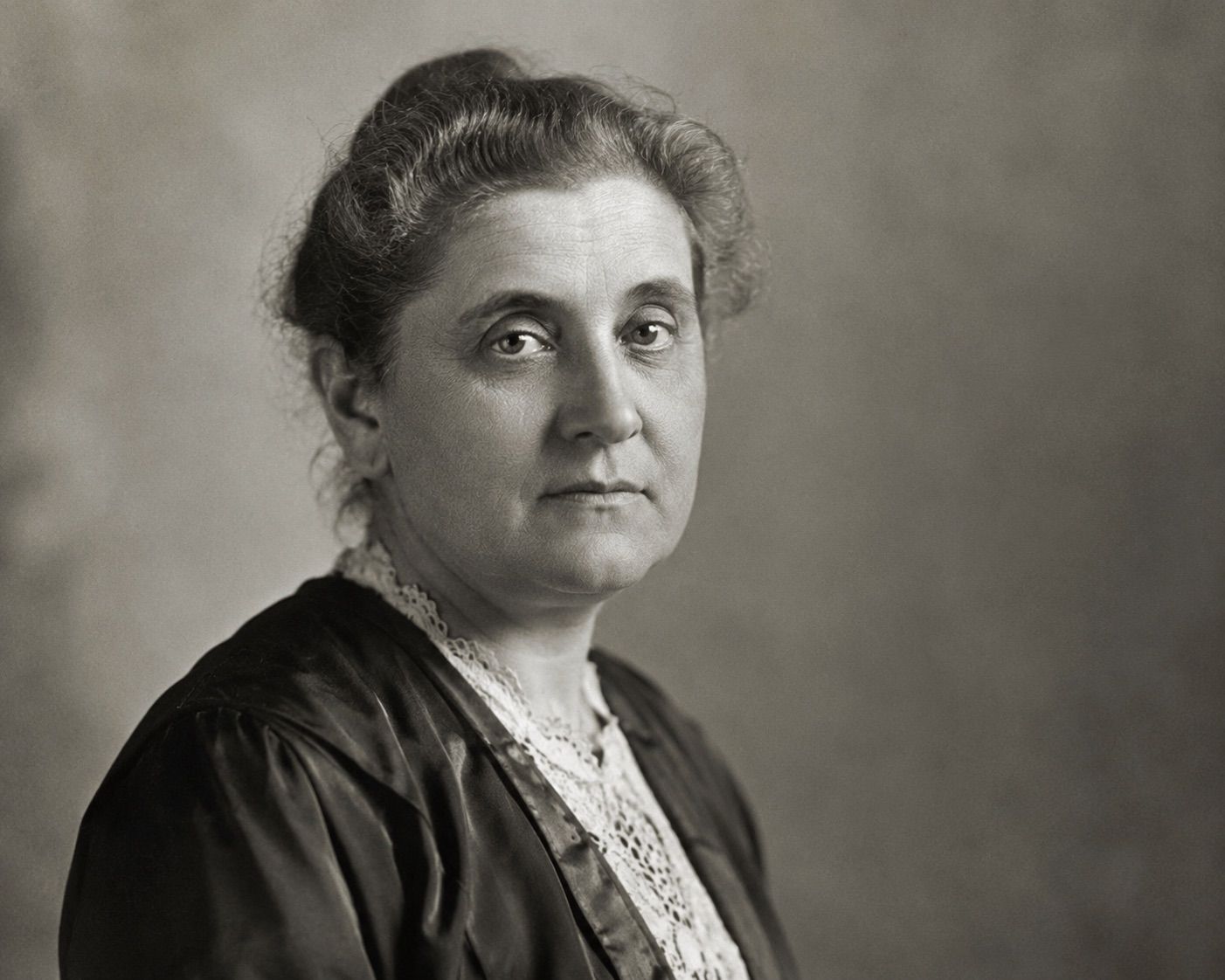
I have always admired Jane Addams, but not because she fits neatly into the familiar image of a historical hero. What draws me to her is something quieter and, perhaps, more difficult to explain. She possessed an uncommon willingness to enter situations that were complicated, uncomfortable, and unresolved without demanding certainty before taking action. As someone who naturally prefers to think through every possibility before making a decision, I find that quality both inspiring and deeply challenging.
When I first began reading about Addams and Hull House, I was struck less by the accomplishments themselves than by the philosophy behind them. Hull House was never simply a charitable institution. It became a place where people from different backgrounds could learn from one another, share meals, exchange ideas, and gradually build trust. That vision required humility as much as conviction. Addams understood that meaningful reform begins with listening before leading.
One of the qualities I admire most is her intellectual honesty. She rarely presented herself as someone who possessed all the answers. Instead, she allowed experience to shape her understanding. That willingness to remain teachable feels remarkably modern. Rather than forcing reality to conform to an ideology, she let reality deepen her compassion and refine her thinking.
Reading about Addams has also made me reflect on my own habits. I often feel most comfortable observing, researching, and analyzing before participating. There is value in careful thought, but there is also a point where preparation becomes hesitation. Addams reminds me that knowledge and action are partners rather than rivals. Understanding grows richer when it is tested by lived experience.
Her work with immigrant communities especially illustrates this balance. Hull House offered practical assistance—education, childcare, legal guidance, and cultural programs—but it also affirmed the dignity of the people it served. Addams did not approach immigrants as problems to be solved. She approached them as neighbors whose stories deserved to be heard. That distinction matters, and it continues to shape conversations about community today.
As a writer, I find myself returning to that lesson repeatedly. Good writing begins with curiosity rather than certainty. It asks questions before it offers conclusions. The more I study Jane Addams, the more I appreciate her ability to combine empathy with disciplined thinking. She demonstrated that compassion does not require abandoning reason, nor does intellectual rigor require emotional distance.
Perhaps that is why her legacy still feels so relevant. She reminds us that meaningful change is rarely dramatic. More often it is built through ordinary acts of attention, patient listening, and the quiet decision to keep showing up even when progress feels slow. Those qualities may never attract the headlines that accompany sweeping political victories, yet they often leave the deepest and most enduring mark on the lives of others.
When I finish reading about Jane Addams, I find myself less interested in asking whether I could accomplish what she accomplished and more interested in asking whether I can cultivate the same habits of mind. Can I listen more carefully? Can I remain intellectually humble? Can I choose engagement over comfortable detachment? Those questions linger long after I close the book, and perhaps that is the greatest gift any historical figure can offer: not admiration alone, but an invitation to become a little better than we were before.