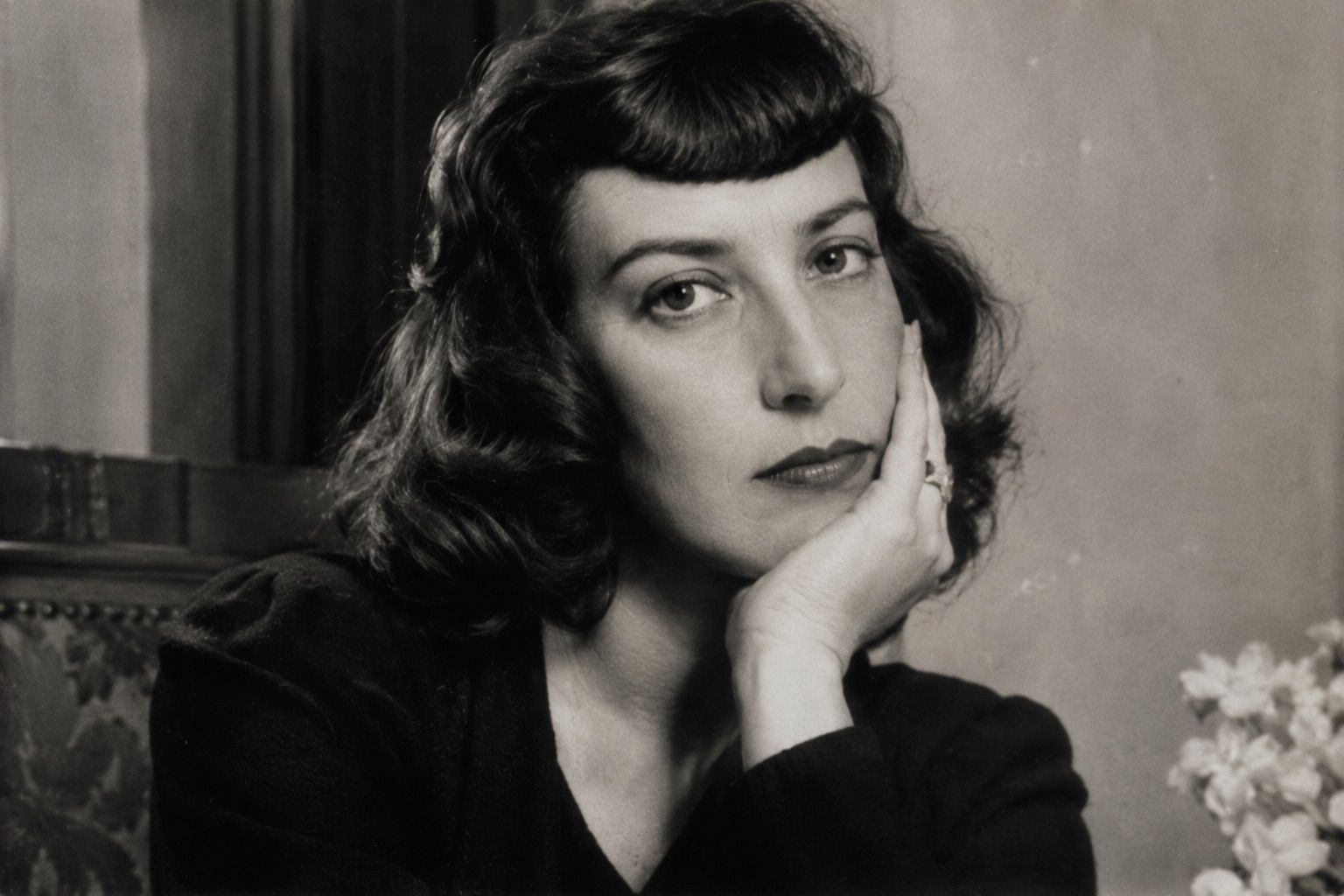
Maria Luisa Bombal – a name that keeps popping up in my literary studies, and yet, I’ve always felt… disconnected from her work. It’s not that I don’t appreciate the complexity of her writing or the way she defies traditional narrative structures. But whenever I try to dive into her stories, I find myself struggling to connect with the characters on a deeper level.
I think it’s because Bombal’s writing often feels so… removed. Not in a bad way, exactly – it’s just that her world is so clearly her own, and yet, it’s also so distant from my own experiences. I mean, she writes about high-society Chilean women with such precision and nuance, but to me, those characters feel like they’re speaking a language I don’t quite understand.
I’ve read “The House of Mist” multiple times now, trying to tease out the symbolism and metaphors that seem to be woven throughout the narrative. And while I appreciate the way she uses language to create this eerie, dreamlike atmosphere, I just can’t shake the feeling that I’m reading someone else’s story – not my own.
It’s funny, because when I was studying abroad in Spain, I encountered a similar phenomenon with Lorca’s poetry. His work is so… intense, you know? It’s like he’s tapping into this deep well of emotions and experiences that are just beyond my grasp. And yet, at the same time, his writing feels so deeply rooted in Spanish culture and history – it’s like I’m reading a language that’s familiar, but also completely foreign.
I think what draws me to Bombal’s work is the way she writes about isolation and disconnection. Her characters are often trapped in these suffocating relationships or societal expectations, and yet, they’re also somehow… free? Or at least, they seem to be searching for a way out, even if it’s just a small crack in the wall.
It’s a feeling I know all too well, actually – that sense of being stuck between two worlds, unsure which one is truly “home”. When I graduated from college and moved back to my hometown, I felt like I was losing myself in the process. Everything about my life had changed, but somehow, nothing had shifted at all.
I’ve been wondering if Bombal’s writing is a reflection of her own experiences with identity and belonging. Did she feel like an outsider in her own society, like she was trapped between cultures or languages? And if so, how did she find a way to express that sense of disconnection through her work?
It’s a question I’ve been asking myself for weeks now – one that I don’t think I’ll ever fully answer. But the more I read Bombal’s stories, the more I feel like I’m peeling back layers of my own psyche, uncovering hidden fears and desires that I never knew existed.
It’s a strange kind of intimacy, really – like I’m reading someone else’s diary, but also my own. And in that sense, Maria Luisa Bombal becomes a mirror, reflecting back at me all the messy, complicated emotions I’ve been trying to untangle for years.
As I sit here, surrounded by the familiar comforts of my childhood home, I’m struck by the realization that Bombal’s writing is not just about her own experiences, but also about the universal human struggle to find one’s place in the world. Her characters are not just trapped in their societal roles, but also in their own minds, struggling to reconcile the contradictions between who they think they should be and who they truly are.
I think back to my own struggles with identity after graduating from college. It was like I’d been living in a state of limbo, caught between the freedom of adulthood and the security of childhood. My parents had always expected me to follow in their footsteps and pursue a “respectable” career, but deep down, I knew that wasn’t what I wanted. I felt like I was stuck in a perpetual state of transition, unsure which path to take or who I was supposed to be.
Bombal’s writing captures this sense of disorientation perfectly. Her characters are often lost in their own thoughts, wandering through the labyrinthine corridors of their minds, searching for a way out. And yet, even as they’re trapped, they’re also free – free to imagine, to dream, to escape into a world that’s both familiar and unknown.
It’s a paradox that I’ve come to realize is at the heart of Bombal’s work: the tension between confinement and freedom, between the constraints of society and the infinite possibilities of the human imagination. Her writing is like a map, guiding me through the twists and turns of my own mind, helping me navigate the complexities of my own identity.
As I read her stories, I start to see myself in her characters – not just as outsiders looking in, but also as insiders looking out, searching for a way to connect with the world around me. It’s a strange kind of solidarity, really – like I’m part of a secret club, bound together by our shared experiences of disconnection and longing.
And yet, even as I feel this sense of connection, I know that it’s also a fragile one. Bombal’s writing is not just about finding common ground with others; it’s also about the solitude of individual experience. Her characters are often isolated, lost in their own thoughts, struggling to find meaning in a world that seems indifferent to their existence.
It’s a feeling I know all too well – the sense of being alone in my own skin, unsure how to connect with anyone else. And it’s here, in this space of disconnection and isolation, that Bombal’s writing becomes most powerful. Her stories are not just about finding a way out; they’re also about embracing the darkness, the uncertainty, and the mystery of our own experiences.
As I close my book and step back from the page, I’m left with more questions than answers – questions about identity, belonging, and the human condition. But it’s okay to be uncertain, I tell myself. It’s okay to not have all the answers. Because in Bombal’s world, uncertainty is not just a state of being; it’s also a source of creativity, imagination, and transformation.
I find myself drawn back to this sense of uncertainty, this feeling of being suspended between worlds. It’s as if I’m perpetually caught in the threshold between one reality and another, unsure which side I belong on. And yet, it’s precisely this state of limbo that allows me to tap into Bombal’s writing on a deeper level.
As I reread her stories, I begin to notice the ways in which she weaves together disparate threads – fragments of myth, folklore, and history – to create this rich tapestry of human experience. It’s like she’s taking all these disconnected pieces and stitching them together into a cohesive whole, one that speaks directly to my own fragmented self.
I think back to my own experiences with fragmentation, with feeling like I’m pieced together from disparate parts. Growing up, I was always the outsider kid, the one who didn’t quite fit in with either my family’s traditional values or my friends’ more carefree attitudes. And as I navigated this tension between worlds, I began to realize that I wasn’t alone – that Bombal’s characters were also caught in their own webs of identity and belonging.
Her writing becomes a mirror for me, reflecting back all the contradictions and paradoxes that I’ve struggled with my entire life. The more I read her stories, the more I see myself in her characters’ struggles to reconcile their true selves with the societal expectations placed upon them. It’s like she’s speaking directly to my own sense of disconnection, this feeling of being lost between worlds.
And yet, even as I feel this sense of connection to Bombal’s work, I know that it’s also a complicated one. Her writing is not just about finding common ground with others; it’s also about the darkness and uncertainty that lies at the heart of human experience. It’s like she’s shining a light into the abyss, illuminating all the shadowy corners of our own psyches.
As I delve deeper into her stories, I begin to realize that Bombal’s writing is not just about escaping the constraints of society; it’s also about embracing them. Her characters are often trapped in their own minds, stuck between the desire for freedom and the need for connection. And it’s here, in this space of tension and paradox, that I find myself most drawn to her work.
I think back to my own experiences with creativity, with trying to tap into my own imagination and express it through writing. It’s like Bombal is showing me a map, guiding me through the twists and turns of my own mind. And as I follow this path, I begin to see that the line between confinement and freedom is not always clear-cut – that sometimes, it’s precisely in our moments of isolation and disconnection that we find the greatest sources of creativity and transformation.
As I sit here, surrounded by the familiar comforts of my childhood home, I feel a sense of wonder wash over me. Bombal’s writing has become a mirror for me, reflecting back all the complexities and paradoxes of human experience. And in this moment, I know that I’m not alone – that I’m part of a larger community of writers and thinkers who are also grappling with these same questions of identity, belonging, and creativity.
It’s a strange kind of solidarity, really – one that transcends language and culture, speaking directly to the universal human experience. And as I close my book and step back from the page, I’m left with more questions than answers – but also with a sense of hope and wonder, knowing that Bombal’s writing will continue to guide me through the twists and turns of my own mind.
As I sit here, surrounded by the echoes of my own thoughts, I find myself wondering about the nature of this solidarity I’ve discovered in Bombal’s work. Is it a shared experience that transcends cultural and linguistic boundaries? Or is it something more ephemeral, a fleeting sense of connection that arises from the complexities of human emotion?
I think back to my own experiences with writing as a way of processing my emotions. For me, writing has always been a form of escape, a way of navigating the twists and turns of my own mind when words seem inadequate to express the depth of my feelings. But reading Bombal’s work, I’ve come to realize that this is not just about escaping reality; it’s also about embracing it.
Her characters are often trapped in their own minds, struggling to reconcile the contradictions between who they think they should be and who they truly are. And yet, even as they’re stuck, they’re also free – free to imagine, to dream, to escape into a world that’s both familiar and unknown. This is not just about Bombal’s writing; it’s about the human experience itself.
As I reflect on my own experiences of disconnection and longing, I realize that this sense of solidarity with Bombal’s work is not just about finding common ground with others; it’s also about acknowledging our shared humanity. We’re all trapped in our own minds, struggling to make sense of the world around us. And it’s precisely this sense of uncertainty, this feeling of being suspended between worlds, that allows us to tap into Bombal’s writing on a deeper level.
I think back to my own experiences with identity and belonging after graduating from college. It was like I’d been living in a state of limbo, caught between the freedom of adulthood and the security of childhood. My parents had always expected me to follow in their footsteps and pursue a “respectable” career, but deep down, I knew that wasn’t what I wanted. I felt like I was stuck in a perpetual state of transition, unsure which path to take or who I was supposed to be.
Reading Bombal’s work has helped me realize that this feeling of disorientation is not unique to my own experiences; it’s a universal human condition. Her characters are often lost in their own thoughts, wandering through the labyrinthine corridors of their minds, searching for a way out. And yet, even as they’re trapped, they’re also free – free to imagine, to dream, to escape into a world that’s both familiar and unknown.
This is not just about Bombal’s writing; it’s about the human experience itself. We’re all struggling to find our place in the world, to reconcile the contradictions between who we think we should be and who we truly are. And it’s precisely this sense of uncertainty, this feeling of being suspended between worlds, that allows us to tap into Bombal’s writing on a deeper level.
As I sit here, surrounded by the echoes of my own thoughts, I feel a sense of wonder wash over me. Bombal’s work has become a mirror for me, reflecting back all the complexities and paradoxes of human experience. And in this moment, I know that I’m not alone – that I’m part of a larger community of writers and thinkers who are also grappling with these same questions of identity, belonging, and creativity.
It’s a strange kind of solidarity, really – one that transcends language and culture, speaking directly to the universal human experience. And as I close my book and step back from the page, I’m left with more questions than answers – but also with a sense of hope and wonder, knowing that Bombal’s writing will continue to guide me through the twists and turns of my own mind.