
Latest Articles

The Spirit of Christmas: More Than Just Gifts

Dave

There’s something magical about the exchange of gifts during the Christmas season. Whether it’s a small token of appreciation, a handmade creation, or a grand surprise, the act of giving embodies the spirit of connection, love, and generosity. But why has the tradition of gift-giving become such a central part of Christmas? The answer lies in a blend of historical, cultural, and deeply personal reasons that make the holiday season so special.

At its core, the tradition of giving gifts at Christmas is inspired by the story of the Three Wise Men, who brought gifts of gold, frankincense, and myrrh to the baby Jesus. These offerings symbolized reverence and celebration, setting the stage for the idea of sharing treasures with others during this sacred time. Over centuries, this act of giving evolved, merging religious roots with cultural customs to create the modern tradition we know today.

Beyond its historical ties, the practice of gift-giving reflects the human desire to connect and express emotion. A carefully chosen gift can say what words often cannot—“I value you,” “I thought of you,” or “I appreciate what you bring to my life.” Whether it’s a child eagerly unwrapping a toy or an adult surprised by a heartfelt gesture, gifts have a way of creating moments of joy and strengthening relationships.

The Christmas season amplifies this spirit of generosity, encouraging people to look beyond themselves and spread kindness. For some, it’s about giving back to the community through charitable donations or volunteering. For others, it’s about creating a sense of wonder and excitement for their loved ones. The act of giving isn’t just about the gift itself but the thought, care, and intention behind it.

Psychologists even suggest that giving gifts has psychological benefits for the giver. It fosters feelings of happiness, satisfaction, and connection, creating a cycle of positivity that extends far beyond the holiday season. The anticipation of seeing a loved one’s reaction or knowing you’ve brightened someone’s day can be as rewarding as receiving a gift.

Yet, the spirit of giving at Christmas isn’t just about material items. Sometimes, the most meaningful gifts are intangible: time spent together, heartfelt words, or acts of service. These gestures remind us that the true essence of Christmas lies not in the price tag but in the love and care we show one another.

Ultimately, giving gifts at Christmas is a celebration of togetherness and gratitude. It’s a way of saying, “You matter to me,” and creating memories that last long after the decorations are packed away. So whether it’s a shiny new gadget or a handwritten card, every gift carries with it the timeless message of love, appreciation, and the enduring spirit of the season.
Related Posts

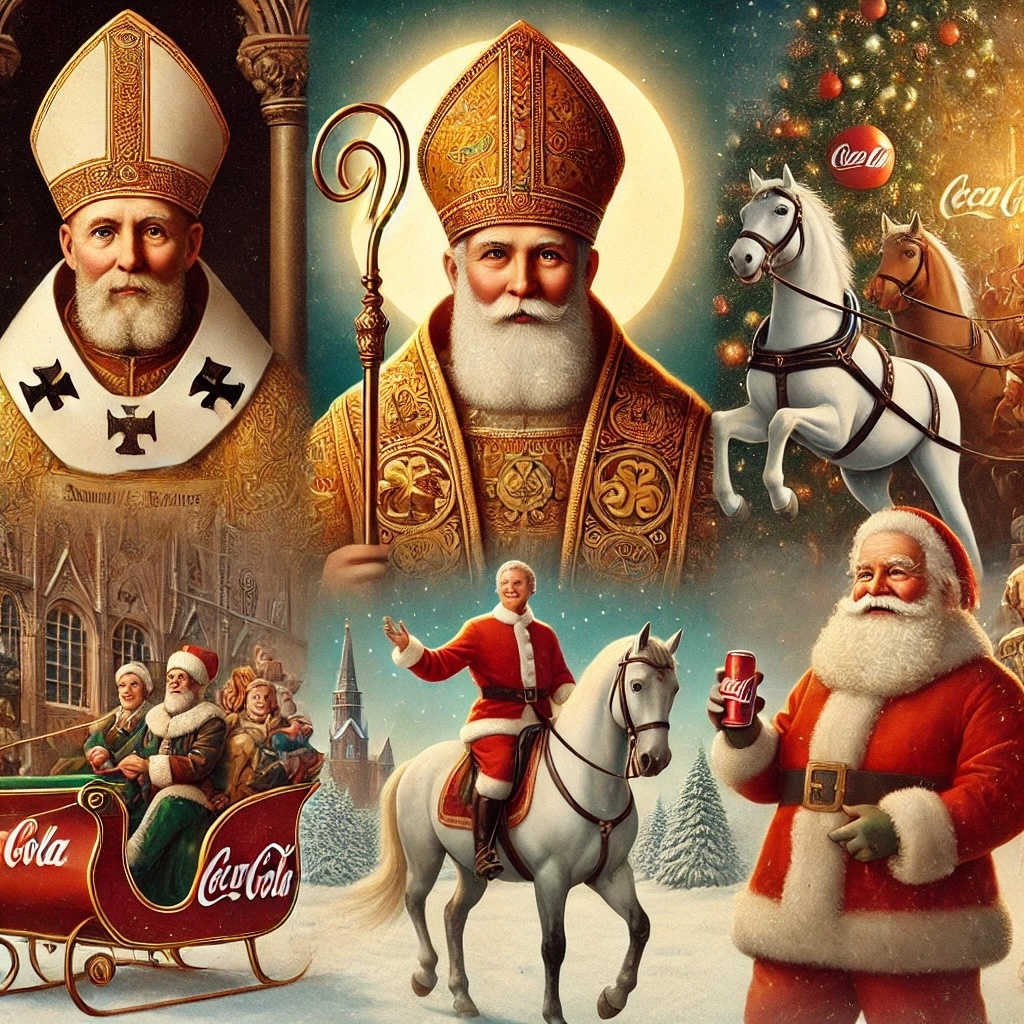
From Saint to Santa: The Fascinating Evolution of Father Christmas

Dave

Santa Claus, with his twinkling eyes, hearty laugh, and red suit, is a symbol of Christmas recognized worldwide. Yet, his story is far more intricate and fascinating than the image we know today. The journey of Father Christmas spans centuries, blending history, legend, and cultural evolution. From a humble saint to a global icon of generosity, the transformation of Santa Claus tells us much about the enduring power of traditions and the magic of storytelling.

The origins of Santa Claus can be traced back to St. Nicholas, a 4th-century bishop from Myra, in modern-day Turkey. Renowned for his kindness and charitable deeds, St. Nicholas became legendary for his habit of secret gift-giving, particularly to children and those in need. Over time, his reputation as a protector of the poor and patron of children spread across Europe, and his feast day, December 6th, became a celebration of giving.

As centuries passed, the story of St. Nicholas intertwined with local folklore and customs. In the Netherlands, he became “Sinterklaas,” a figure who arrived by ship from Spain to deliver gifts to well-behaved children. Dutch settlers brought this tradition to America, where it gradually merged with other cultural influences. By the 19th century, the modern image of Santa Claus began to take shape, with writers and artists adding details that would become iconic.

One of the most influential moments in Santa’s evolution came in 1823, with the publication of the poem A Visit from St. Nicholas—now famously known as ’Twas the Night Before Christmas. Written by Clement Clarke Moore, the poem introduced key elements of Santa’s persona: a jolly man who traveled in a sleigh pulled by reindeer, sliding down chimneys to deliver toys. This version of Santa captured imaginations and became the foundation for the character we know today.

The final touches to Santa’s image were added in the 20th century, with the help of Coca-Cola advertisements and illustrators like Haddon Sundblom, who gave him his iconic red-and-white suit. These visual depictions solidified Santa’s role as the cheerful gift-bringer of Christmas, spreading joy and wonder to children worldwide.

Despite his commercial evolution, the essence of Santa Claus remains rooted in the values of generosity, kindness, and hope. He represents the magic of giving without expecting anything in return, a reminder of the joy found in making others happy. Santa is more than a character—he’s a symbol of the best qualities humanity has to offer, carried through generations by the power of belief and tradition.

From his humble beginnings as a saint to his role as the modern-day ambassador of Christmas cheer, Santa Claus continues to evolve while holding true to his heartwarming message. His story is a testament to the way myths and legends adapt over time, shaping and reshaping our collective imagination.

Related Posts

The Spirit of Giving: Why People Give Gifts on Christmas

Dave

There’s something magical about the exchange of gifts during the Christmas season. Whether it’s a small token of appreciation, a handmade creation, or a grand surprise, the act of giving embodies the spirit of connection, love, and generosity. But why has the tradition of gift-giving become such a central part of Christmas? The answer lies in a blend of historical, cultural, and deeply personal reasons that make the holiday season so special.

At its core, the tradition of giving gifts at Christmas is inspired by the story of the Three Wise Men, who brought gifts of gold, frankincense, and myrrh to the baby Jesus. These offerings symbolized reverence and celebration, setting the stage for the idea of sharing treasures with others during this sacred time. Over centuries, this act of giving evolved, merging religious roots with cultural customs to create the modern tradition we know today.

Beyond its historical ties, the practice of gift-giving reflects the human desire to connect and express emotion. A carefully chosen gift can say what words often cannot—“I value you,” “I thought of you,” or “I appreciate what you bring to my life.” Whether it’s a child eagerly unwrapping a toy or an adult surprised by a heartfelt gesture, gifts have a way of creating moments of joy and strengthening relationships.

The Christmas season amplifies this spirit of generosity, encouraging people to look beyond themselves and spread kindness. For some, it’s about giving back to the community through charitable donations or volunteering. For others, it’s about creating a sense of wonder and excitement for their loved ones. The act of giving isn’t just about the gift itself but the thought, care, and intention behind it.

Psychologists even suggest that giving gifts has psychological benefits for the giver. It fosters feelings of happiness, satisfaction, and connection, creating a cycle of positivity that extends far beyond the holiday season. The anticipation of seeing a loved one’s reaction or knowing you’ve brightened someone’s day can be as rewarding as receiving a gift.

Yet, the spirit of giving at Christmas isn’t just about material items. Sometimes, the most meaningful gifts are intangible: time spent together, heartfelt words, or acts of service. These gestures remind us that the true essence of Christmas lies not in the price tag but in the love and care we show one another.

Ultimately, giving gifts at Christmas is a celebration of togetherness and gratitude. It’s a way of saying, “You matter to me,” and creating memories that last long after the decorations are packed away. So whether it’s a shiny new gadget or a handwritten card, every gift carries with it the timeless message of love, appreciation, and the enduring spirit of the season.

Related Posts

From Pines to Stockings: Unearthing the Stories Behind Christmas Traditions

Dave

Every December, homes light up with twinkling decorations, trees are adorned with glittering ornaments, and stockings hang by the fireplace. These traditions bring warmth and joy to the season, but have you ever wondered where they come from? The customs we associate with Christmas today are a rich tapestry woven from centuries of history, culture, and folklore. From evergreen trees to festive stockings, each tradition carries its own fascinating story.

The Christmas tree, for instance, has its roots in ancient pagan celebrations. Long before Christianity, people used evergreen branches to symbolize life and resilience during the dark, cold winters. By the 16th century, German Christians began bringing entire trees indoors and decorating them with candles, fruits, and eventually ornaments. The tradition spread across Europe and later to America, where it evolved into the dazzling centerpiece we know today.

Stockings, too, have a tale steeped in legend. According to one popular story, a poor widower worried about providing dowries for his three daughters. St. Nicholas, known for his generosity, secretly dropped gold coins down their chimney, which conveniently landed in stockings drying by the fire. This heartwarming act of kindness inspired the tradition of hanging stockings in hopes of receiving small gifts or treats—a custom that continues to delight children (and adults) every Christmas morning.

Another beloved tradition, the exchange of gifts, is thought to honor the Magi, who brought gold, frankincense, and myrrh to the baby Jesus. Over time, this practice expanded beyond religious symbolism to emphasize generosity and thoughtfulness. Today, gifts under the tree represent more than material items; they’re tokens of love, appreciation, and the joy of giving.

Even the festive meals we look forward to have historical significance. In medieval Europe, Christmas feasts were grand affairs meant to bring communities together. Dishes like roasted meats and spiced desserts symbolized abundance and celebration. These culinary traditions evolved over time, but the idea of gathering around a table to share a special meal with loved ones remains timeless.

The beauty of Christmas traditions lies in their ability to adapt and resonate with each generation. While their origins are rooted in specific cultures and beliefs, they’ve become universal expressions of joy, gratitude, and connection. Each ornament hung, stocking stuffed, or carol sung ties us to the past while creating new memories for the future.

So, the next time you decorate your tree or fill a stocking, remember the stories behind these cherished customs. They’re more than just rituals; they’re a bridge between history and the present, connecting us to one another through the timeless magic of the season.

Related Posts

The Sensual Magic of Holiday Scents: From Pine to Cinnamon

Dave

The holidays are a time of joy, family, and tradition, but one of the most enchanting aspects of this season lies in the scents that fill the air. From the fresh, crisp aroma of pine trees to the warm and inviting fragrance of cinnamon, holiday scents have the magical ability to transport us to moments of comfort and nostalgia. Whether it’s the first smell of a Christmas tree or the wafting fragrance of gingerbread baking in the oven, these smells become deeply associated with the festive spirit, often sparking memories and emotions that define the season. The scent of pine, for instance, immediately evokes imagery of snowy forests, holiday wreaths, and the cozy feeling of home. On the other hand, the scent of cinnamon has a universal appeal, bringing warmth and spice to both the heart and the home. It’s no wonder that people adorn their homes with candles, oils, and diffusers that replicate these scents, as they play a significant role in creating the cozy atmosphere that so many cherish during the colder months. Scents are not only linked to tradition but also influence our mood and sense of well-being. The familiar fragrance of holiday treats or the earthy smell of evergreen trees can elevate our spirits and deepen our connection to the present moment, making the holidays even more memorable. Through these holiday aromas, we experience the season in a way that goes beyond sight and sound, inviting us to savor the warmth of the season with every breath we take.

Related Posts