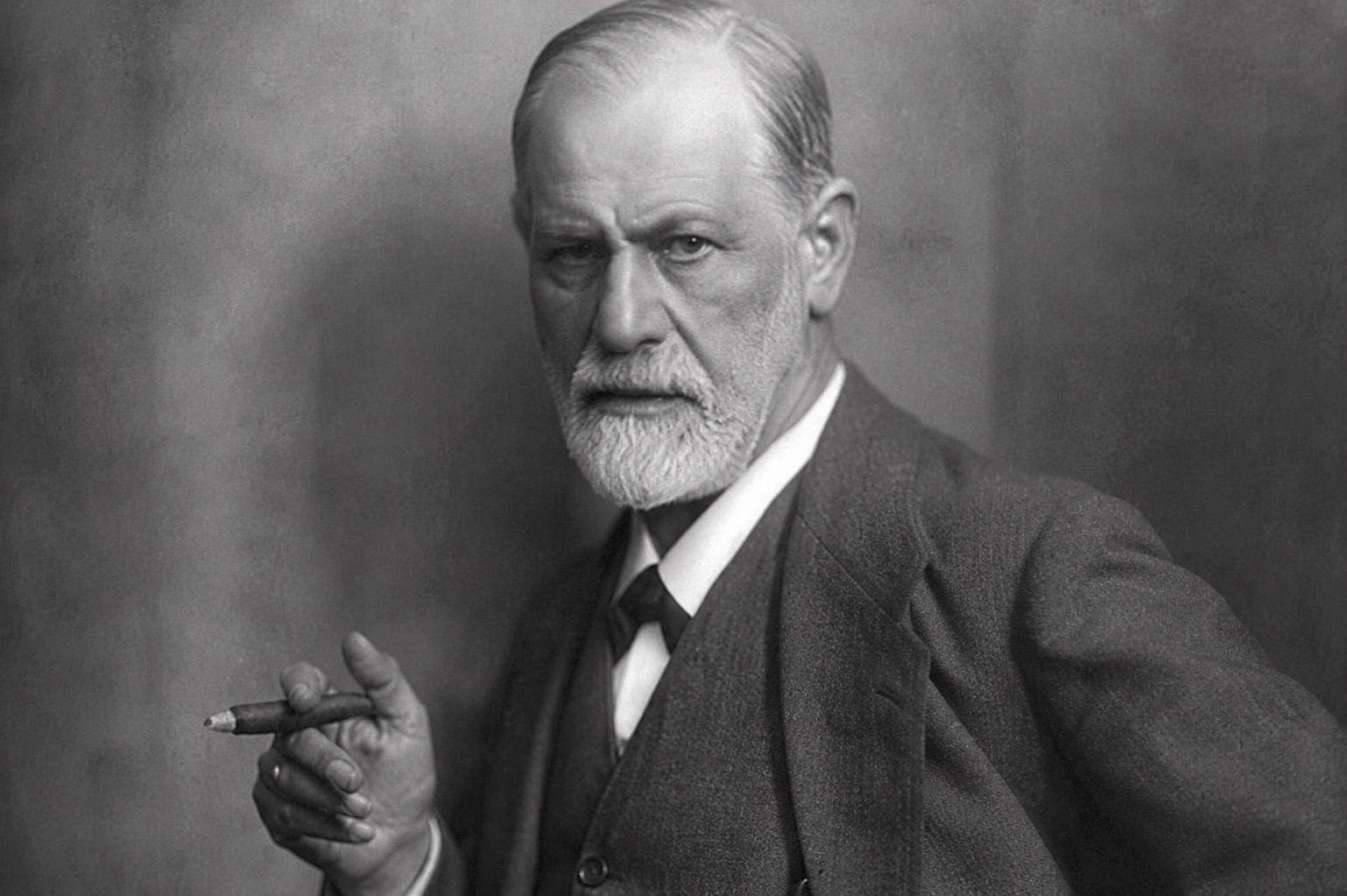
Sigmund Freud’s name pops up whenever I think about the human psyche, and it’s not just because of his famous mustache. I’ve always been fascinated by how he dared to ask the questions that everyone else wanted to avoid. Like, what makes us tick? Why do we do the things we do when we know they’re bad for us?
I remember reading “The Interpretation of Dreams” in a psychology class my senior year, and it was like someone had finally given voice to all the weird thoughts running around in my own head. I felt seen, but also uncomfortable. It’s not every day you encounter someone who’s so unafraid to confront the darker aspects of human nature.
Freud’s ideas about the unconscious mind have always stuck with me. He believed that our conscious thoughts are just the tip of the iceberg, and that there’s a whole other world of desires and conflicts lurking beneath the surface. It’s scary to think about how much of ourselves we might be hiding from, even from ourselves.
I’ve had my own share of experiences where I felt like I was living in two different worlds. Like when I was dating someone who seemed perfect on the outside but turned out to be a nightmare once you got to know them. It’s disorienting to realize that the person you thought you knew wasn’t real at all.
Freud’s concept of the “id,” the “ego,” and the “superego” feels like a pretty good explanation for why we do the things we do. Our id is like the part of us that just wants to indulge in whatever feels good, even if it’s bad for us. But then there’s our superego, which tries to keep us in line with societal norms and expectations. And somewhere in between, our ego struggles to balance out these two opposing forces.
It’s funny, because sometimes I feel like I’m constantly negotiating between my own id and superego. Like when I want to stay up all night watching Netflix but know I should be getting sleep for work tomorrow. It’s like this constant battle between what feels good in the moment and what’s actually good for me.
I’ve also been thinking about Freud’s ideas on repression and how it relates to creativity. He believed that sometimes we express our repressed thoughts or desires through art or writing, which can be both liberating and terrifying. I know from my own experience with writing that there are certain themes or emotions that I’m hesitant to explore because they feel too personal or vulnerable.
But maybe that’s what makes writing so powerful – it allows us to tap into our repressed thoughts and emotions in a way that feels safe, at least in theory. When I write, I feel like I’m able to access parts of myself that I wouldn’t normally think about. It’s like Freud said, “The unconscious mind is the source of all creativity.” At least, that’s what I keep telling myself.
I guess what really draws me to Freud is his willingness to confront the complexities and ambiguities of human nature. He didn’t try to simplify things or offer easy answers; instead, he asked even more questions. And in a way, that feels like the most honest thing anyone can do when trying to understand ourselves or others.
As I sit here thinking about all this, I’m not sure where it’s going to take me. But one thing is for sure – Freud’s ideas have given me a lot to think about, and maybe even a little bit of discomfort in the process. Which isn’t always a bad thing.
I’ve been thinking a lot about how Freud’s ideas on repression relate to my own experiences with writing. I mentioned earlier that there are certain themes or emotions that I’m hesitant to explore because they feel too personal or vulnerable. But what if I told you that some of those very same topics have been simmering beneath the surface, waiting to be expressed?
I think about all the times I’ve felt like I was stuck in a creative rut, unable to tap into my usual sources of inspiration. And then suddenly, something happens – a conversation with a friend, a personal struggle, or even just a weird dream – and it sparks an idea that I couldn’t shake if I tried.
It’s as if my unconscious mind has been working on some hidden level, processing all the thoughts and emotions that I’ve been trying to keep under wraps. And when I finally give in and write about those things, it’s like a weight is lifted off my shoulders. It’s exhilarating and terrifying all at once.
Freud would probably say that this is just another example of the ego struggling to balance out the id and superego. That maybe I’m trying to hold back my creative impulses because they’re too raw or uncomfortable, but ultimately, it’s the repression itself that’s driving me to express them in some way. It’s a vicious cycle, really – one that I’m still trying to understand.
I wonder if this is what Freud meant by “the return of the repressed.” When we try to suppress our thoughts and emotions, do they just come back stronger, more intense, and maybe even more creative? It’s hard to say for sure, but it feels like there’s something to be learned from exploring these dark corners of our own minds.
As I continue to grapple with Freud’s ideas, I’m starting to realize that the line between creativity and repression is a lot blurrier than I thought. Maybe they’re not mutually exclusive at all – maybe they’re two sides of the same coin. And maybe, just maybe, it’s in embracing those uncomfortable thoughts and emotions that we find our truest sources of inspiration.
The more I think about it, the more I’m convinced that Freud was onto something with his ideas on repression and creativity. It’s as if he knew that the things we try to keep hidden are often the very things that drive us to create in the first place.
I’ve been thinking a lot about my own writing process, and how often I find myself drawn to themes or emotions that make me feel vulnerable. It’s like I’m constantly negotiating with my own id and superego, trying to figure out what’s okay to express and what needs to be kept hidden. But the more I write, the more I realize that those repressed thoughts and emotions are actually the ones that give my writing its spark.
It’s not always easy, of course. There are times when I feel like I’m wading through a swamp of uncertainty, unsure of where my writing is going or what it’s trying to say. But in those moments, I remind myself of Freud’s words: “The unconscious mind is the source of all creativity.” And I try to tap into that source, no matter how scary or uncomfortable it might be.
I wonder if this is why so many artists and writers struggle with anxiety or self-doubt. Maybe it’s because we’re constantly navigating this tightrope between our creative impulses and our need for control or security. But what if I told you that the very things that make us anxious or uncertain are also the things that drive us to create?
It sounds like a paradox, I know. But the more I think about it, the more I believe that Freud was onto something profound. That by embracing our repressed thoughts and emotions, we might just find the key to unlocking our truest sources of inspiration.
I’m not saying it’s easy, or that it feels good all the time. But what if I told you that some of my most meaningful writing has come from exploring those dark corners of my own mind? That by confronting my fears and doubts head-on, I’ve been able to tap into a source of creativity that I never knew existed?
It’s like Freud said: “The truth is always an abyss.” And maybe that’s where the real magic happens – in that abyss of uncertainty, where our repressed thoughts and emotions wait to be explored.
As I sit here, lost in thought about the complexities of human nature and the role of repression in creativity, I’m struck by how much of my own life has been influenced by Freud’s ideas. His theories have given me a language to understand myself, to make sense of the contradictions that seem to plague us all.
I think about my own creative process, and how often I’ve found myself drawn to themes or emotions that feel uncomfortable or vulnerable. It’s as if I’m constantly negotiating with my own id and superego, trying to figure out what’s okay to express and what needs to be kept hidden. But the more I write, the more I realize that those repressed thoughts and emotions are actually the ones that give my writing its spark.
It’s funny, because sometimes I feel like I’m living in a state of constant flux, always balancing between the desire to create something new and true with the need to protect myself from the uncertainty and vulnerability that comes with it. But what if I told you that this is exactly where the magic happens?
Freud would probably say that this is just another example of the ego struggling to balance out the id and superego, but for me, it feels like something more profound. It feels like a recognition that our creative impulses are often tied up with our deepest desires and fears, and that by exploring those darker corners of ourselves, we might just find the key to unlocking our truest sources of inspiration.
I wonder if this is why so many artists and writers struggle with anxiety or self-doubt. Maybe it’s because we’re constantly navigating this tightrope between our creative impulses and our need for control or security. But what if I told you that the very things that make us anxious or uncertain are also the things that drive us to create?
It sounds like a paradox, I know. But the more I think about it, the more I believe that Freud was onto something profound. That by embracing our repressed thoughts and emotions, we might just find the key to unlocking our truest sources of inspiration.
I’m not saying it’s easy, or that it feels good all the time. But what if I told you that some of my most meaningful writing has come from exploring those dark corners of my own mind? That by confronting my fears and doubts head-on, I’ve been able to tap into a source of creativity that I never knew existed?
It’s like Freud said: “The truth is always an abyss.” And maybe that’s where the real magic happens – in that abyss of uncertainty, where our repressed thoughts and emotions wait to be explored.
I’m not sure what the future holds for me as a writer, or how much more I’ll be able to tap into this source of creativity. But one thing is for sure: Freud’s ideas have given me a new perspective on my own creative process, and a newfound appreciation for the complexities and ambiguities of human nature.
As I close this reflection, I’m left with more questions than answers. What does it mean to truly confront our repressed thoughts and emotions? How do we navigate the tightrope between creativity and control? And what lies at the heart of that abyss of uncertainty?
I don’t know if I’ll ever have all the answers, but I do know one thing: by embracing the complexities and ambiguities of human nature, I’ve found a new source of inspiration for my writing. And maybe, just maybe, that’s where the real magic happens.
As I wrap up this reflection on Freud’s ideas, I’m struck by how much his theories have resonated with me on a personal level. It’s as if he’s given me permission to explore the darker corners of my own mind, and in doing so, has unlocked a source of creativity that I never knew existed.
I think about all the times I’ve felt stuck or uncertain in my writing, only to find inspiration in the most unexpected places. Like the time I was struggling to write a piece on mental health, and then had a conversation with a friend who shared their own struggles with anxiety. Suddenly, the words flowed effortlessly onto the page.
It’s as if Freud is right – our unconscious mind is constantly working behind the scenes, processing thoughts and emotions that we’re not even aware of. And when we tap into those hidden corners of ourselves, we can create something truly remarkable.
But it’s not just about creativity – it’s also about self-discovery. By exploring my own repressed thoughts and emotions, I’ve gained a deeper understanding of myself and the world around me. It’s like Freud said: “The truth is always an abyss.” And maybe that’s where the real magic happens – in that abyss of uncertainty, where our repressed thoughts and emotions wait to be explored.
I’m not sure what the future holds for me as a writer, but I do know that I’ll continue to explore these themes of creativity, repression, and self-discovery. It’s a journey without clear answers, but one that feels necessary to me. As I look back on this reflection, I realize that Freud’s ideas have given me a language to understand myself in ways that feel both scary and liberating.
As I close this reflection, I’m left with more questions than answers. What does it mean to truly confront our repressed thoughts and emotions? How do we navigate the tightrope between creativity and control? And what lies at the heart of that abyss of uncertainty?
I don’t know if I’ll ever have all the answers, but I do know one thing: by embracing the complexities and ambiguities of human nature, I’ve found a new source of inspiration for my writing. And maybe, just maybe, that’s where the real magic happens.
For now, I’m content to continue exploring these ideas, to see where they take me and what secrets they might reveal about the human psyche. It’s a journey without clear endpoints or destinations – but one that feels both exhilarating and terrifying in equal measure.