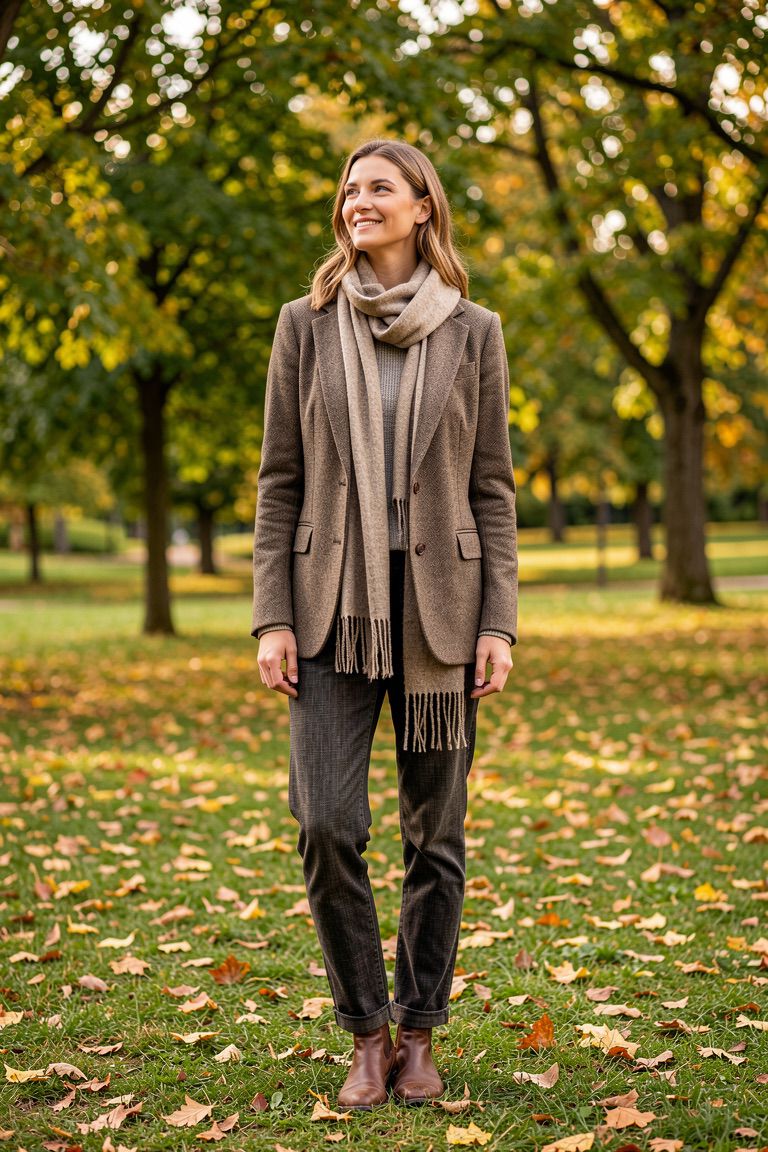
A person layering a soft knit sweater over a dress for a work meeting is a common sight, one that highlights the versatility of knitwear in professional settings. This everyday scene reveals a shift in standards and habits surrounding clothing choices, where comfort and style are no longer mutually exclusive. The assumption that knitwear is only suitable for casual or lounging occasions is being replaced by a more nuanced understanding of its potential to elevate a simple outfit while providing durability and comfort.
The notion that knitwear is relegated to casual wear stems from a lack of understanding about the nuances of textile materials and construction techniques. High-quality knitwear boasts a unique combination of comfort, durability, and aesthetic appeal, making it an attractive option for dressing up or down. For instance, a fine-gauge knit sweater can add a touch of sophistication to a formal business meeting, while a chunky knit cardigan can effortlessly dress down a summer dress for a casual evening out. By recognizing the potential of knitwear to bridge the gap between comfort and style, individuals can discover a world of sartorial possibilities that were previously unimaginable.
To understand why high-quality knitwear is a valuable investment for any wardrobe, it’s essential to examine the construction techniques and materials used in its production. The type of yarn used significantly impacts the durability and comfort of the final product. Merino wool, known for its temperature-regulating properties and softness, is an excellent choice for knitwear intended for everyday wear. In contrast, synthetic fibers like nylon or polyester may be more prone to pilling or losing their shape over time. Furthermore, the gauge of the knit, which refers to the density of the stitches, also plays a crucial role in determining the overall quality of the garment. A finer gauge typically results in a more refined texture and a more versatile piece that can be easily dressed up or down.
The knitting technique itself is another critical factor in the construction of high-quality knitwear. Techniques like intarsia or Fair Isle knitting require a high level of skill and attention to detail, resulting in intricate patterns and a more durable fabric. Additionally, the way the garment is finished, including the seams and any additional details like buttons or zippers, can greatly impact its overall longevity and comfort. By considering these factors, individuals can make informed decisions when investing in knitwear, prioritizing pieces that will provide both comfort and style for years to come. This thoughtful approach to knitwear selection allows individuals to transcend the common misconception that knitwear is only suitable for casual wear, instead incorporating high-quality, versatile pieces into their everyday attire.
In discerning genuine quality in knitwear, it’s essential to look beyond the surface level of a garment’s appearance and instead examine its underlying construction and materials. A key factor in determining the quality of knitwear is the type of yarn used, with natural fibers like merino wool, cashmere, and silk offering superior softness, breathability, and temperature regulation compared to synthetic alternatives. The way these fibers are spun and woven also impacts the final product’s durability and texture, with tightly spun yarns and dense weaves generally resulting in a more resilient fabric.
The finishing touches on a knitwear piece can also significantly impact its overall quality and longevity. Seams that are carefully constructed to minimize bulk and prevent fraying, for example, can greatly extend the life of a garment, while attention to detail in elements like buttonholes and cuffs can elevate the overall aesthetic and usability of the piece. By considering these often-overlooked aspects of knitwear construction, individuals can develop a more nuanced understanding of what sets high-quality pieces apart from their more disposable counterparts, and make informed decisions when investing in garments that will provide lasting comfort and style.
To effectively apply the standard of investing in high-quality, versatile knitwear pieces that fit well, it’s crucial to consider the nuances of personal style and occasion. For instance, an individual with a penchant for minimalist fashion may find that a simple, fine-gauge knit sweater in a neutral color is an excellent addition to their wardrobe, as it can be effortlessly paired with a variety of pieces to create a polished look. On the other hand, someone who favors bold, statement-making clothing may prefer a chunky knit cardigan in a vibrant hue, which can add a touch of personality to an outfit while still providing comfort and warmth.
When evaluating knitwear based on quality, versatility, and personal style, it’s also important to think about the specific activities and environments in which the garments will be worn. For example, someone who spends a lot of time outdoors may prioritize knitwear pieces made from moisture-wicking materials, such as merino wool or synthetic blends, which can help regulate body temperature and prevent overheating. In contrast, an individual who works in an office setting may focus on knitwear with a more formal aesthetic, such as a classic crew-neck sweater in a refined gauge, which can be easily dressed up or down depending on the occasion. By taking these factors into account and selecting knitwear pieces that align with their unique needs and preferences, individuals can create a wardrobe that is both functional and fashionable, and that showcases the full potential of high-quality knitwear to elevate and transform their everyday attire.
Evaluating knitwear based on quality, versatility, and personal style requires a nuanced understanding of the interplay between material properties, construction techniques, and intended use. For instance, the crimp of wool fibers can significantly impact the texture and warmth of a knitwear piece, with higher crimp rates resulting in a more insulating and durable fabric. Similarly, the choice of knitting needle size and type can influence the density and drape of the final product, making some pieces more suitable for layering while others excel as standalone garments. By considering these concrete properties and their implications for comfort, durability, and aesthetic appeal, individuals can make informed decisions when selecting knitwear that aligns with their unique needs and preferences, ultimately elevating their everyday attire with high-quality, versatile pieces that provide lasting value. A well-crafted knitwear piece can become a trusted companion in one’s wardrobe, providing comfort, style, and a sense of confidence that comes from knowing one is wearing something truly exceptional.