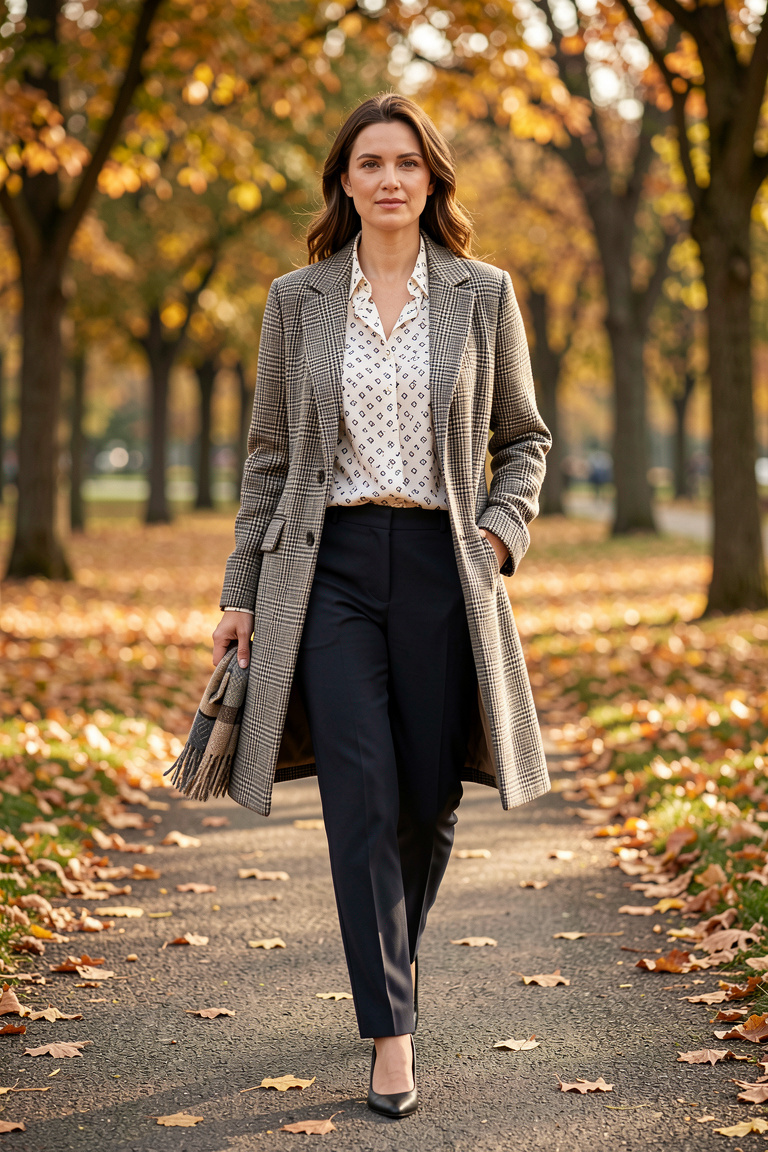
The incorporation of subtle patterns into everyday dressing can significantly elevate one’s elegance when executed thoughtfully, considering factors such as proportion, texture, and context. This judgment directly challenges the common misconception that subtle patterns are solely suitable for special occasions or will inevitably clash with other elements of an outfit. Such a limited view overlooks the potential of subtle patterns to add sophistication and visual interest to daily attire without overwhelming the senses.
Understanding the distinction between understated refinement and visual noise is crucial in this context. Subtle patterns, when chosen with care, can complement rather than overwhelm, thereby achieving a balance that is both engaging and polished. This approach requires a thoughtful consideration of how different patterns interact with each other and with solids, as well as an awareness of how scale, color palette, and texture mixing impact the overall visual effect of an outfit. By recognizing and applying these principles, individuals can move beyond the misconception that subtle patterns are only for special occasions and instead harness their potential to enhance everyday elegance.
To demonstrate the effectiveness of subtle patterns in elevating everyday elegance, it’s essential to consider the properties of fabrics and how they interact with the body. For instance, the drape of a garment can significantly impact the visual effect of a pattern. A fabric with a smooth, lustrous finish, such as silk or cotton lawn, can showcase a subtle pattern like a small geometric motif or a delicate stripe, allowing it to add visual interest without overwhelming the senses. In contrast, a fabric with a more textured or matte finish, such as wool or linen, may require a bolder pattern to achieve the same level of visual impact.
The construction of a garment also plays a crucial role in determining the success of a subtle pattern. A well-crafted piece with attention to detail, such as carefully matched seams and balanced proportions, can help to create a polished, refined look that showcases the pattern to its best advantage. Furthermore, understanding how to balance pattern scale with garment proportions and body type is vital in avoiding overwhelming the senses. For example, a petite individual may find that a smaller-scale pattern creates a more balanced look, while a taller person may be able to carry off a larger-scale design. By considering these factors and applying a thoughtful approach to subtle patterns, individuals can create outfits that are both engaging and polished, elevating their everyday elegance without resorting to bold or overwhelming designs.
To discern genuine quality in subtle patterns for everyday elegance, it’s crucial to move beyond the superficial assessment of visual appeal and instead consider the nuanced interplay between pattern, fabric, and garment construction. A key distinction lies in understanding how different fabrics interact with subtle patterns to create a refined, polished look. For instance, the tight weave of a high-quality cotton or the soft drape of a silk blend can elevate a subtle geometric motif, making it appear more sophisticated and understated. Conversely, a loosely woven fabric or one with an overly prominent texture may overwhelm the pattern, resulting in visual noise.
The manner in which patterns are integrated into garment design also significantly impacts their overall effect. A thoughtful approach to pattern placement, taking into account the flow of the garment on the body and how different elements of the outfit work together, is essential for achieving a balanced look. For example, placing a subtle stripe or geometric motif along the lines of a well-tailored jacket can create a streamlined, elegant appearance, whereas random or mismatched patterns can detract from the overall polish of the outfit. By focusing on these tangible aspects of garment construction and fabric properties, individuals can develop a discerning eye for what truly constitutes quality in subtle patterns, moving beyond fleeting trends or superficial assessments to cultivate a lasting sense of refined elegance.
To apply the standard of incorporating subtle patterns into everyday dressing effectively, it’s crucial to consider how different occasions and personal styles may require adjustments in approach. For instance, a formal work setting might call for more restrained use of subtle patterns, such as a small geometric motif on a blouse paired with a solid-colored suit, whereas a casual weekend outing could allow for bolder combinations, like pairing a subtly patterned scarf with a textured sweater. Understanding how to adapt the balance between pattern scale, color palette, and texture mixing according to the context is vital. This might involve selecting patterns that complement the dominant colors of the setting or choosing fabrics that reflect the appropriate level of formality.
The adaptability of subtle patterns also extends to personal styles, which can vary greatly in terms of preferred levels of visual complexity and comfort with boldness. For individuals who prefer a more minimalist aesthetic, incorporating subtle patterns through accessories like watches, belts, or shoes can add elegance without overwhelming the overall look. Conversely, those who enjoy making a statement might opt for bolder pattern combinations that still maintain balance through thoughtful consideration of scale and texture. By recognizing these variables and applying the standard of balancing visual weight, individuals can navigate different occasions and personal styles with confidence, ensuring their use of subtle patterns enhances rather than detracts from their overall elegance.
The effective incorporation of subtle patterns into everyday dressing also hinges on the consideration of fabric density and weight, as these properties can significantly impact the visual effect of a pattern. For instance, a densely woven fabric like tweed or a heavy wool can add depth and texture to a subtle plaid or herringbone pattern, making it more engaging and polished. Conversely, a lightweight fabric with an open weave, such as voile or organza, may require a more delicate pattern to avoid overwhelming the senses. Understanding how different fabric densities and weights interact with subtle patterns is crucial for achieving a balanced and refined look, as it allows individuals to select fabrics that complement the pattern and create a cohesive visual effect. By considering these tangible properties of fabric, individuals can make informed decisions about which subtle patterns to incorporate into their everyday dressing, ensuring that their outfits are both elegant and polished.