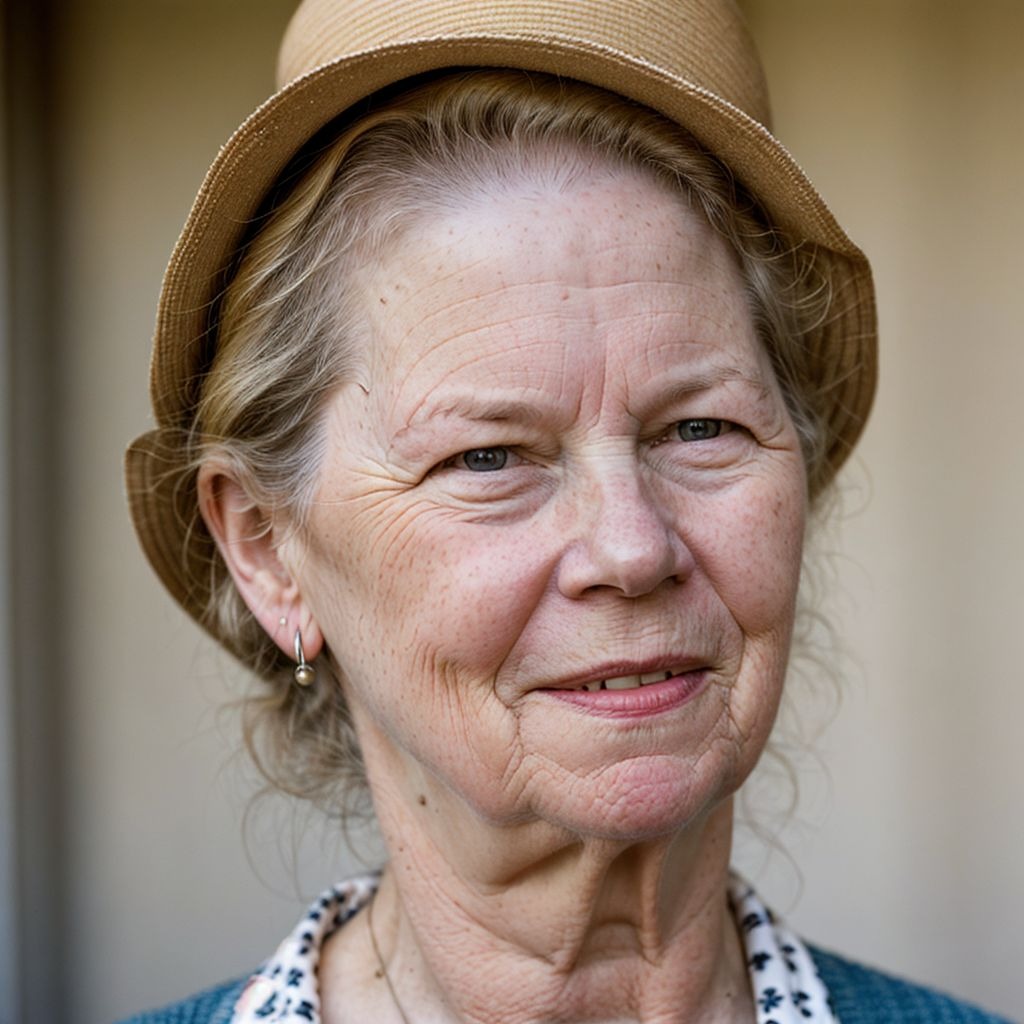
Annie Dillard. I’ve been reading her work for years, but only recently did I start to feel a deep connection to her writing. As I delve into her essays and stories, I find myself drawn to the way she navigates the complexities of nature, human existence, and the self.
For me, it’s the tension between reverence and irreverence in Dillard’s writing that’s captivating. She can write about the majesty of a forest or the beauty of a sunrise with such lyricism that I feel like I’m experiencing the world anew. And yet, she also has this razor-sharp wit and critique that makes me laugh out loud one moment and squirm in my seat the next.
I think what I love most about Dillard is her willingness to be uncomfortable – with herself, with others, and even with the natural world. In “Pilgrim at Tinker Creek,” she writes about observing a spider spinning its web, but instead of marveling at its precision, she notes how it’s also a gruesome reminder of life’s fragility. This paradox – the beauty and brutality that exist side by side – is something I’ve always struggled with.
As someone who’s often been more comfortable in the world of words than in the world of human relationships, Dillard’s writing resonates with me on a deep level. Her essays are like a mirror held up to my own insecurities and fears about being seen, heard, and understood. She writes about how she felt “like a leaf blown by every wind” as a young woman, never quite finding her place in the world.
I wonder if this sense of disorientation is part of what drew me to Dillard’s work in the first place. As I navigated college and eventually graduated with a degree in creative writing, I found myself questioning my own path and purpose. Dillard’s essays on finding meaning and agency in life – even when faced with uncertainty or disillusionment – have become a guiding light for me.
But it’s not just her ideas that I’m drawn to; it’s also the way she writes about herself. Her self-portrait is never tidy or polished, but instead reveals a complex web of emotions and contradictions. She’s both deeply introspective and fiercely observant of others – a paradox that I find myself struggling with in my own life.
As I continue to read Dillard’s work, I’m struck by how her writing isn’t just about the world outside; it’s also a reflection of her inner landscape. Her essays are like a map of her own mind and heart, with all its twists and turns. And yet, despite this intimacy, she never loses sight of the larger questions – the ones that have haunted human beings for centuries.
I find myself wondering what would happen if I allowed myself to be as vulnerable and honest in my own writing as Dillard is in hers. Would people still listen? Would they still care? Or would they recoil from the messy, imperfect truth that I’m trying to convey?
These questions swirl in my mind like the rivers and forests that Dillard writes about with such reverence. As I sit here with her words scattered around me – notes scribbled on scraps of paper, dog-eared pages, and torn-out passages – I feel a sense of kinship with this writer who’s not afraid to confront the complexities of life head-on.
In Dillard’s world, there’s no neat resolution or tidy conclusion; instead, there’s only the ever-unfolding mystery of existence. And it’s in this space that I find myself most at home – lost and found, questioning and seeking, all at once.
As I delve deeper into Dillard’s work, I’m struck by how she weaves together the personal and the universal. Her essays are like a tapestry of threads, each one connected to the next, yet also existing on its own as a distinct entity. It’s as if she’s saying that our individual experiences – our struggles, triumphs, and doubts – are not isolated events, but rather part of a larger fabric that connects us all.
I think about my own life, and how I’ve often felt like a thread that’s been pulled loose from the tapestry. As someone who’s struggled with anxiety and self-doubt, I’ve sometimes felt like I’m just trying to find my way back into the narrative of my own life. But Dillard’s writing reminds me that it’s okay to be disjointed, to feel like a fragment that’s yet to be whole.
Her essay “An American Childhood” is particularly poignant in this regard. She writes about growing up in Pittsburgh, surrounded by the steel mills and smokestacks that seemed to define her city. But as she looks back on those years, she realizes that it was not just the industrial landscape that shaped her, but also the quiet moments of beauty – a sunset over the Allegheny River, a conversation with a stranger that left her feeling seen.
I think about my own childhood, and how I often felt like an outsider looking in. My family moved around a lot when I was growing up, so I never really had a stable sense of home or community. But Dillard’s essay reminds me that even in the midst of uncertainty, there can be moments of clarity – moments that reveal to us who we are and where we belong.
As I continue to read Dillard’s work, I’m struck by how she seems to be saying that our lives are not just a series of individual events, but rather a complex web of relationships and experiences that shape us into who we become. It’s a perspective that both comforts and unsettles me – comforts me in the sense that it reminds me that I’m not alone in my struggles, but unsettles me because it forces me to confront the messy, imperfect nature of human existence.
I wonder if this is what Dillard means when she writes about the importance of “paying attention” – paying attention not just to the world around us, but also to our own inner lives. As someone who’s often felt like a leaf blown by every wind, I’m still trying to figure out how to cultivate that kind of attention – how to quiet my mind and listen to the whispers of my own heart.
Dillard’s writing is not just about the world outside; it’s also a guide for navigating our own inner landscapes. And as I continue to explore her work, I feel like I’m embarking on a journey of self-discovery that’s both exhilarating and terrifying – a journey that will lead me into the unknown, but also back to myself.
As I ponder Dillard’s emphasis on paying attention, I find myself drawn to her essay “Teaching a Stone to Talk.” In it, she writes about the act of observation – how it can reveal the hidden patterns and secrets of the natural world. She describes watching a stone that’s been split open by weathering, revealing its internal structure in all its intricate beauty.
I think about my own experiences with observation, and how I’ve often felt like an outsider looking in. As someone who’s struggled with anxiety and self-doubt, it’s easy to get caught up in the noise of my own mind – to feel like I’m lost in a sea of thoughts and emotions. But Dillard’s writing reminds me that observation is not just about seeing the world around us; it’s also about tuning into our own inner lives.
When I read “Teaching a Stone to Talk,” I felt a sense of resonance that went beyond just the words on the page. It was as if Dillard had tapped into something deep within me – a longing to observe, to pay attention, and to understand. And yet, it’s also a scary proposition – what if I see things that I don’t want to see? What if I confront truths about myself that are uncomfortable or painful?
As I continue to explore Dillard’s work, I’m struck by how she seems to be saying that the act of observation is not just about seeing; it’s also about being seen. When we pay attention to the world around us, we’re also forced to confront our own place within it – our own relationships with others and with ourselves.
I think about my own relationships, and how I’ve often felt like I’m struggling to be seen or heard. As someone who’s been more comfortable in the world of words than in the world of human connections, I’ve sometimes felt like an invisible person – a ghost hovering on the edges of conversations and social interactions. But Dillard’s writing reminds me that being seen is not just about being visible; it’s also about being present.
When I read her essay “An Expedition to the Pole,” I was struck by how she writes about the act of journeying into the unknown – not just physically, but also emotionally. She describes feeling a sense of disorientation and uncertainty as she navigates the Arctic landscape, but also a deep sense of connection to the natural world.
I think about my own experiences with journeying – not just in terms of physical travel, but also in terms of emotional or spiritual exploration. As someone who’s struggled with anxiety and self-doubt, I’ve often felt like I’m wandering through the wilderness without a map or compass. But Dillard’s writing reminds me that even in the midst of uncertainty, there can be moments of clarity – moments that reveal to us our own inner strength and resilience.
As I continue to read Dillard’s work, I’m struck by how she seems to be saying that journeying is not just about reaching a destination; it’s also about the act of movement itself. When we pay attention to our own journeys – whether physical or emotional – we’re forced to confront our own limitations and possibilities. And it’s in this space of confrontation that we can discover new truths about ourselves and the world around us.
I find myself wondering what would happen if I allowed myself to be as vulnerable and honest in my own writing as Dillard is in hers. Would people still listen? Would they still care? Or would they recoil from the messy, imperfect truth that I’m trying to convey?
These questions swirl in my mind like the rivers and forests that Dillard writes about with such reverence. As I sit here with her words scattered around me – notes scribbled on scraps of paper, dog-eared pages, and torn-out passages – I feel a sense of kinship with this writer who’s not afraid to confront the complexities of life head-on.
As I delve deeper into Dillard’s work, I’m struck by her use of language as a form of spiritual practice. She writes about the power of words to shape our perceptions and understanding of the world. In “Pilgrim at Tinker Creek,” she describes how the act of writing can be a form of meditation – a way to quiet the mind and listen to the whispers of the soul.
I think about my own experiences with writing as a form of self-discovery. As someone who’s always struggled with anxiety and self-doubt, I’ve often found solace in the act of putting pen to paper or fingers to keyboard. Writing has been a way for me to process my thoughts and emotions, to make sense of the world around me.
But Dillard takes this idea a step further – she sees writing as a form of spiritual practice that can help us connect with something greater than ourselves. She writes about how language has the power to shape our reality, to create new worlds and possibilities. And it’s in this space of creation that I find myself feeling most alive.
As I read through Dillard’s essays, I’m struck by her emphasis on the importance of wonder – not just as a feeling, but as a way of being. She writes about how we can cultivate wonder by paying attention to the world around us, by seeking out new experiences and perspectives. And it’s in this space of wonder that I find myself feeling most connected to Dillard’s writing.
I think about my own life, and how I’ve often felt like a small part of a much larger story. As someone who’s struggled with anxiety and self-doubt, I’ve sometimes felt like I’m just trying to make it through each day without getting lost in the noise of my own mind. But Dillard’s writing reminds me that wonder is not just something we experience as individuals – it’s also a collective force that can bring us together.
As I continue to explore Dillard’s work, I’m struck by her use of metaphor and imagery to convey complex ideas and emotions. She writes about the natural world in terms that are both poetic and precise – using language that is both beautiful and evocative. And it’s in this space of metaphor that I find myself feeling most connected to her writing.
I think about my own experiences with metaphor and imagery, and how I’ve often used them as a way to describe complex emotions or ideas. As someone who’s struggled with anxiety and self-doubt, I’ve sometimes felt like I’m lost in a sea of thoughts and feelings – unable to find the words to express what I’m going through. But Dillard’s writing reminds me that metaphor is not just a literary device – it’s also a way of accessing deeper truths about ourselves and the world around us.
As I ponder Dillard’s use of metaphor, I’m struck by how she weaves together seemingly disparate elements to create something new and beautiful. She writes about how the natural world is full of metaphors – from the spiral patterns on a seashell to the intricate networks of roots and branches in a forest. And it’s in this space of connection that I find myself feeling most at home.
I think about my own life, and how I’ve often felt like a small part of a much larger story. As someone who’s struggled with anxiety and self-doubt, I’ve sometimes felt like I’m just trying to make it through each day without getting lost in the noise of my own mind. But Dillard’s writing reminds me that we’re all connected – that our individual experiences are part of a larger tapestry that includes everything from the smallest microbe to the vast expanse of the universe.
As I continue to read Dillard’s work, I’m struck by how she seems to be saying that our lives are not just individual stories; they’re also part of a larger narrative that is still unfolding. And it’s in this space of connection and wonder that I find myself feeling most alive – lost and found, questioning and seeking, all at once.