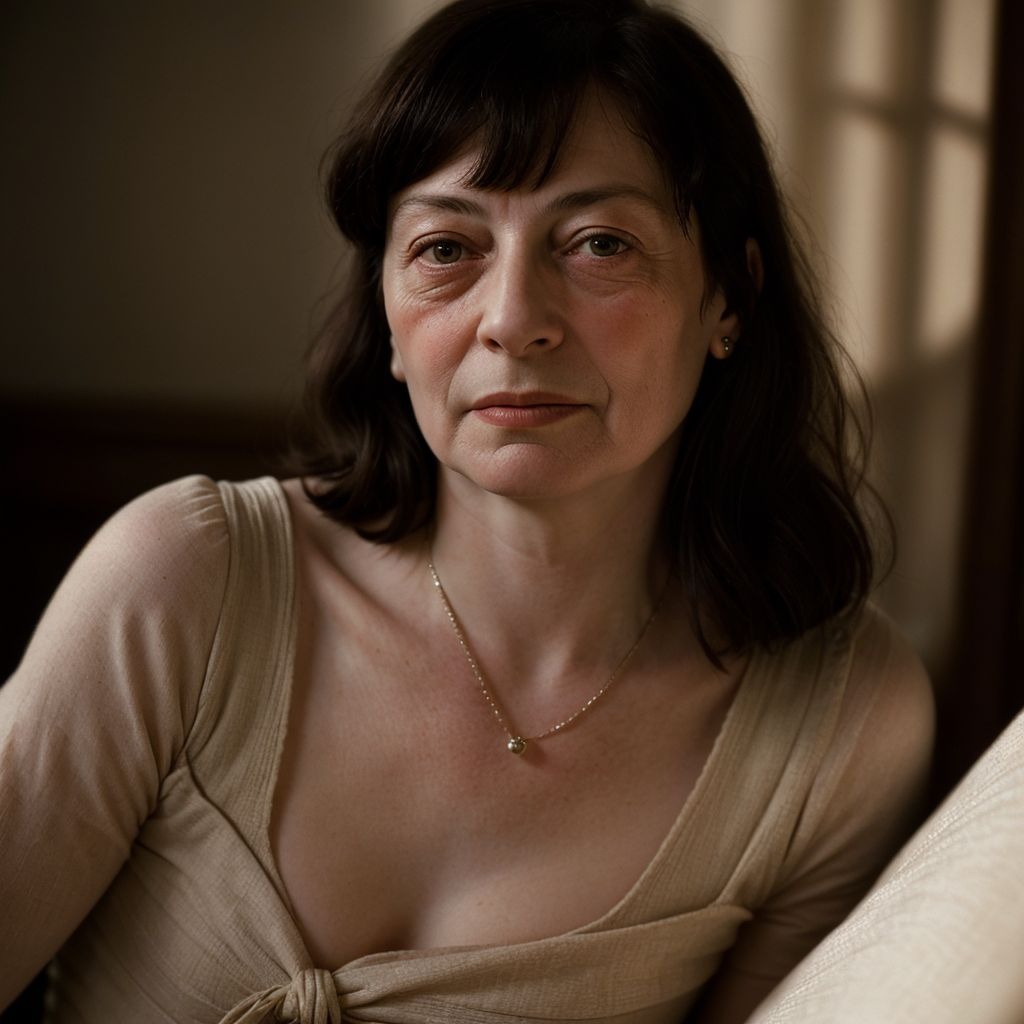
Dorothy Parker. Her name has been etched into my mind for years, but it wasn’t until I stumbled upon her poetry in college that I truly started to understand why she fascinates me. It’s not just the wit and sarcasm that drips from every line – although, let’s be real, those are some of my favorite things about her. No, what really draws me in is the complexity, the contradictions that seem to swirl around her like a dark, swirling vortex.
I think it’s because I see so much of myself in her. We’re both women who write as a way to navigate the world, to make sense of our own feelings and experiences. But while I’m still figuring out how to do this whole adulting thing, Parker was already blazing trails in the 1920s, publishing scathing poetry and short stories that cut through the social conventions of her time.
But there’s a part of me that can’t help but feel intimidated by her brilliance. I mean, what can I possibly say about someone who wrote lines like “Men seldom make passes / At girls who wear glasses”? It’s like she’s speaking directly to my soul, acknowledging the insecurities and awkwardness that have always made me feel like an outsider.
As I delve deeper into her work, I’m struck by the way Parker seems to inhabit multiple personas – the sophisticated New Yorker, the vulnerable poet, the sharp-tongued critic. It’s as if she’s constantly reinventing herself, refusing to be pinned down by any one identity or expectation. And yet, despite this fluidity, there’s a sense of sadness that permeates her writing, a sense of disillusionment with the world around her.
I’m not sure I understand why Parker seems so troubled, even as she’s laughing and flirting her way through the Jazz Age. Was it the societal expectations placed on her as a woman? The pressure to conform to certain standards of beauty or behavior? Or was it something deeper, something more existential?
For me, reading Parker’s work is like staring into a mirror – I see my own anxieties and doubts reflected back at me, but also a sense of determination and resilience that I aspire to. It’s as if she’s saying, “Look, kid, you’re not alone in this mess. We’re all just fumbling our way through, trying to make sense of the world.”
But what really gets me is Parker’s willingness to take risks, to push boundaries and challenge conventions. She wasn’t afraid to be herself, even when that meant being unpopular or provocative. And that, I think, is a lesson I’m still learning – that it’s okay to be uncomfortable, to speak truth to power, even if it means going against the grain.
As I close this essay (or at least, this strand of thought), I’m left with more questions than answers. What does it mean to be a woman who writes? How do we balance our desire for self-expression with the expectations of others? And what lies at the heart of Parker’s darkness – is it sorrow or frustration, disappointment or despair?
I don’t have any definitive answers, but I’m grateful for the opportunity to ask these questions in the first place. Reading Dorothy Parker has been like having a conversation with my own inner voice – one that’s raw, honest, and unapologetic. And even if I never fully grasp her complexity, I know that her words will continue to haunt me, to challenge me, and to inspire me to be more of myself.
One thing that strikes me about Parker’s writing is the way she uses humor as a defense mechanism. On the surface, her wit and sarcasm can come across as biting and dismissive, but beneath that lies a vulnerability that’s hard to ignore. I see this in my own writing, too – when I’m feeling anxious or uncertain, I often resort to irony or self-deprecation as a way to cope.
But Parker’s use of humor is more than just a coping mechanism; it’s also a powerful tool for social commentary. She uses satire and irony to expose the hypocrisies and absurdities of her time, from the sexism and racism that pervaded 1920s society to the superficiality of the wealthy elite. And yet, despite her sharp tongue, she’s not afraid to show her own vulnerabilities, to admit when she’s feeling lost or uncertain.
I think this is something I struggle with in my own writing – finding a balance between being honest and being likable. Parker seems to have navigated this tension with ease, using her wit and humor to disarm even the most skeptical of readers. But for me, it’s still a work in progress. Sometimes I feel like I’m walking a tightrope, trying to be authentic without scaring off my readers.
As I read more of Parker’s poetry, I’m struck by the way she seems to inhabit different personas – the flapper, the intellectual, the lover. It’s as if she’s constantly reinventing herself, refusing to be pinned down by any one identity or expectation. And yet, despite this fluidity, there’s a sense of continuity that runs throughout her work – a deep-seated desire for connection and understanding.
I’m not sure I understand how Parker manages to reconcile these different aspects of herself, but it’s something I aspire to in my own writing. I want to be able to express myself honestly, without fear of judgment or rejection. And yet, at the same time, I don’t want to sacrifice my authenticity for the sake of being likable.
As I sit here, staring at the pages of Parker’s poetry, I’m struck by the realization that her work is not just a reflection of her own experiences – but also a commentary on the world around her. She’s writing about the societal expectations placed on women, the limitations and constraints that come with being female. And yet, despite these challenges, she’s not afraid to speak truth to power, to challenge the status quo.
It’s this willingness to take risks that I admire most about Parker – her ability to be bold, to be fearless, even when it means going against the grain. And as I look back on my own writing, I realize that I have a long way to go before I can say the same thing.
As I continue to immerse myself in Parker’s work, I find myself drawn to her letters and essays, which offer a glimpse into her personal life and relationships. It’s fascinating to see how she navigates the complexities of love and friendship, often with a keen eye for observation and a willingness to speak her mind.
One aspect that strikes me is her relationship with Robert Benchley, a fellow writer and wit who became a close friend and confidant. Their correspondence is filled with witty repartee and clever banter, but beneath the surface lies a deep affection and mutual respect for each other’s work. I’m struck by how Parker and Benchley support and challenge each other, pushing each other to be their best selves.
This dynamic reminds me of my own friendships, where I often find myself drawn into intense conversations about writing, art, and life in general. It’s as if we’re all trying to make sense of the world together, and our discussions become a way of processing and making meaning from our experiences.
As I read through Parker’s letters, I’m also struck by her vulnerability and openness with Benchley. She shares her fears and doubts about her writing, her struggles with relationships and her own identity. It’s as if she’s baring her soul to him, trusting that he’ll understand and respond with empathy and kindness.
This kind of intimacy is something I aspire to in my own friendships, but it’s also a reminder of the risks involved. When we open ourselves up to others, we run the risk of getting hurt or rejected. Parker and Benchley’s relationship shows me that this vulnerability can be a strength, rather than a weakness – but it requires a level of trust and understanding that not all relationships possess.
As I continue to explore Parker’s work, I’m left with more questions about her personal life and experiences. What was it like being a woman in the 1920s, when societal expectations were so rigid and limiting? How did she navigate the complexities of love and friendship, often with men who held power and influence over her?
These are questions that will likely remain unanswered, but they’re ones that continue to fascinate me. Parker’s life and work offer a unique window into the past, a reminder of the struggles and triumphs of women writers throughout history. And as I look to my own writing, I’m inspired by her courage, creativity, and willingness to take risks – even when it means going against the grain.
One aspect of Parker’s life that continues to intrigue me is her complex relationship with marriage and motherhood. She was married three times, and while she seemed to value independence and freedom above all else, she also had a deep desire for connection and family. Her letters and essays reveal a woman torn between these competing desires, often feeling trapped by the societal expectations placed on her as a wife and mother.
I find myself reflecting on my own experiences with relationships and identity. As someone who has struggled to balance their desire for independence with their need for human connection, I see echoes of Parker’s ambivalence in my own life. It’s a delicate dance, one that requires me to be honest about my desires while also acknowledging the limitations and constraints placed on me by others.
Parker’s writing often grapples with this tension, and it’s something that continues to resonate with me today. Her poem “A Certain Lady” is a powerful example of this – in it, she describes a woman who is trapped in a loveless marriage, feeling suffocated by the expectations placed on her. The poem is both a cri de coeur and a scathing critique of the societal norms that perpetuate these kinds of situations.
As I read Parker’s words, I’m struck by the way she uses her writing to process her own emotions and experiences. It’s as if she’s trying to make sense of the world around her, even when it feels like everything is spinning out of control. And in doing so, she creates a kind of intimacy with the reader – an invitation to join her on this journey of self-discovery.
This intimacy is something I strive for in my own writing, but it’s not always easy. There are moments when I feel like I’m exposing too much of myself, or that I’m risking vulnerability without any guarantee of connection or understanding. But reading Parker’s work reminds me that this risk-taking is precisely what makes writing so powerful – and why it’s worth taking.
As I continue to explore Parker’s life and work, I’m left with a sense of awe and admiration for her bravery and creativity. She was a true original, a woman who defied conventions and expectations in order to forge her own path. And as I look back on my own writing, I realize that I still have a long way to go before I can say the same thing.
But what if, instead of trying to emulate Parker’s success or style, I focused on embracing my own unique voice and perspective? What if I allowed myself to be vulnerable, to take risks, and to speak truth to power – even when it feels scary or uncomfortable?
It’s a daunting prospect, but one that I’m starting to feel more and more drawn to. As I read Parker’s words, I’m reminded that writing is not just about creating art or expressing oneself – it’s also about connection, intimacy, and the search for meaning in this crazy, beautiful world we live in.
And so, as I sit here with my pen and paper, trying to make sense of the thoughts and emotions swirling through me, I feel a sense of gratitude towards Parker. She may have been a complex, troubled woman – but her writing has given me a gift: the courage to be myself, to take risks, and to speak truth to power.