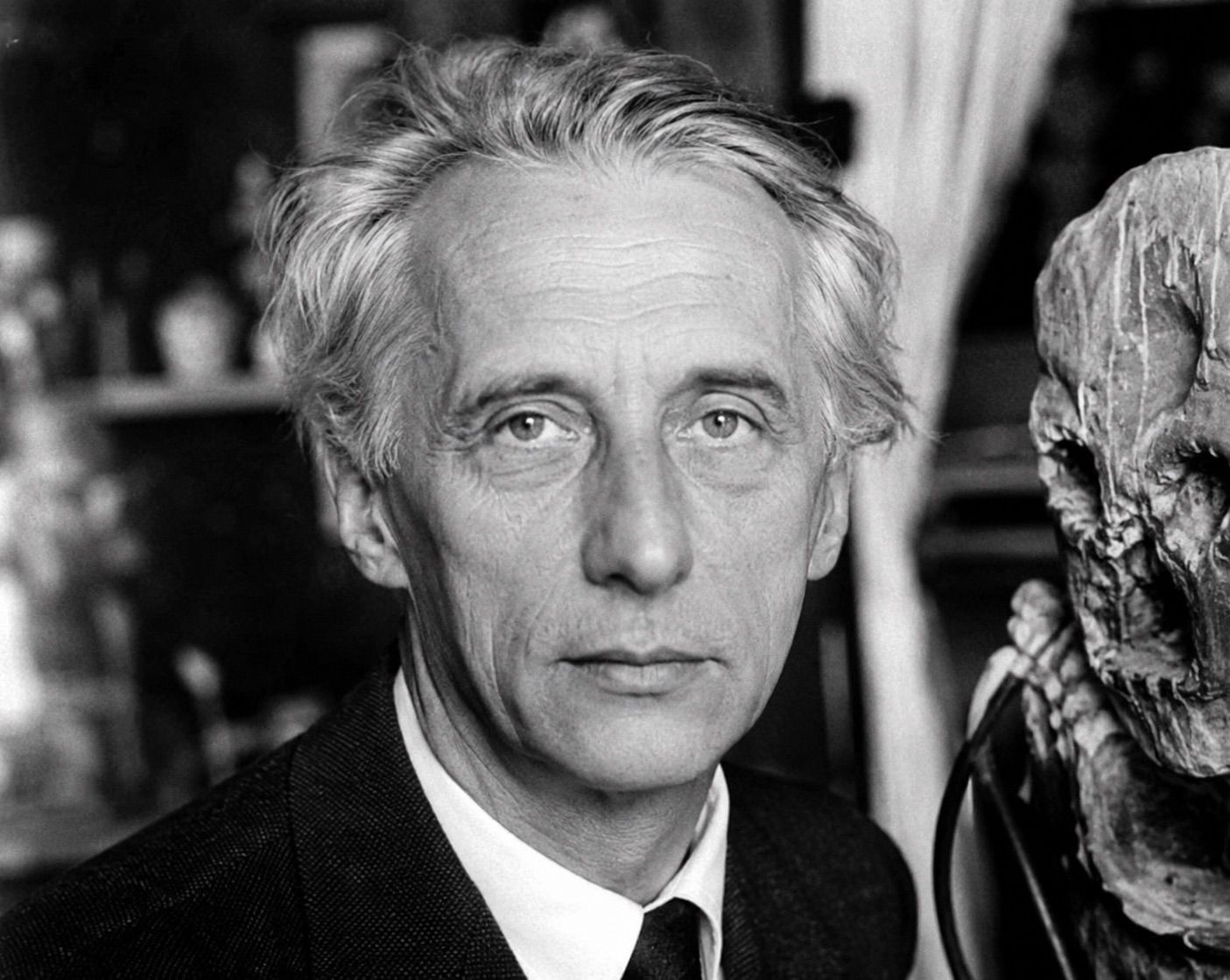
Max Ernst’s Surrealist landscapes have been etched in my mind since I first stumbled upon his work in an art history class during my senior year of college. At the time, I was struggling to find meaning in my own life, feeling lost in a sea of possibilities and expectations. As I gazed at Ernst’s dreamlike paintings, I felt a sense of kinship with this German artist who had also navigated the complexities of identity and creativity.
I’m drawn to Ernst’s fascination with the uncanny and the irrational – his ability to conjure worlds that are both fantastical and unsettling. His art makes me think about the fragmented nature of reality and how it can be reimagined through the lens of our deepest desires and fears. I find myself wondering what lies beneath the surface of his works, what secrets he might have been trying to uncover or reveal.
As I explore Ernst’s oeuvre, I’m struck by his use of collage and found materials. He was a master of transforming discarded objects into new forms, much like how I’ve often felt like I’m piecing together my own life from scraps and leftovers. His technique speaks to the notion that even in chaos, there can be beauty and meaning. This resonates deeply with me, as I navigate the uncertainty of post-graduation life.
But it’s not just Ernst’s art that captivates me – it’s also his personal story. A former student of Franz Marc, he was part of the early 20th-century avant-garde movement, which valued experimentation and innovation above all else. However, as I delve deeper into his biography, I become increasingly uncomfortable with the romanticized narrative surrounding Surrealism and its male-dominated core. The way Ernst’s relationships with women – like Leonor Fini and Peggy Guggenheim – are often portrayed as secondary to his artistic pursuits makes me uneasy.
I’m not sure if I’m simply projecting my own feelings of disempowerment onto Ernst’s experiences or if there’s something more complex at play here. Perhaps it’s the fact that, despite his groundbreaking work, he remained tied to traditional forms and conventions – even as he pushed against them in ways both innovative and irreverent.
My fascination with Max Ernst lies not just in his art but also in the contradictions that surround him. He was a creative genius who thrived on chaos and disorder, yet he also struggled with the societal expectations placed upon him. As I continue to grapple with my own place in the world, I find myself drawn back to Ernst’s Surrealist landscapes – they’re a reminder that even in uncertainty, there can be beauty and meaning waiting to be uncovered.
As I sit here, surrounded by notes and scraps of paper filled with my own thoughts and musings, I’m struck by how much Ernst’s work has become intertwined with my own. His art serves as a mirror, reflecting back at me the complexities and contradictions that I see in myself. It’s a reminder that the line between reality and fantasy is often blurred – and that it’s okay to get lost in the process of exploring the unknown.
In many ways, Ernst’s Surrealist landscapes have become a metaphor for my own journey into adulthood. They represent the uncharted territories I’m still navigating, the fragments of self that are slowly coming together to form something new. And as I continue to wander through the strange and fantastical worlds he created, I’m left with more questions than answers – but it’s in those uncertainties that I find a sense of connection, of solidarity, with this complex and enigmatic artist who continues to inspire me long after our first encounter.
As I delve deeper into Ernst’s work, I’ve started to notice the presence of women throughout his art – not just as muses or objects, but as active participants in his creative process. His relationships with Leonor Fini and Peggy Guggenheim, while complex and multifaceted, suggest a level of collaboration and mutual respect that challenges the traditional patriarchal narratives surrounding Surrealism.
I find myself wondering if Ernst’s collaborations with women were more than just convenient arrangements or patron-client relationships. Was there something specific about his interactions with them that allowed for a deeper exploration of the feminine? His use of female forms in his art, particularly in works like “The Robing of the Bride” (1939-1940), speaks to this curiosity.
For me, Ernst’s engagement with femininity serves as a counterpoint to the dominant male voices that often define Surrealism. It’s a reminder that women were an integral part of the movement, even if their contributions have historically been overlooked or erased. I’m drawn to the idea that Ernst’s work might be seen as a testament to the power of collaboration and co-creation, rather than solely the product of a lone genius.
This resonates with my own experiences in college, where I often found myself navigating predominantly male-dominated spaces – from art history classes to creative writing workshops. As a woman, I’ve felt the weight of expectation, the pressure to conform to certain norms or ideals that don’t necessarily align with my own desires or perspectives.
Ernst’s work offers me a sense of hope, a reminder that even within the most seemingly rigid structures, there can be room for subversion and innovation. His art becomes a kind of bridge between my own experiences and those of women like Fini and Guggenheim – women who, in their own ways, pushed against the boundaries of what was considered acceptable.
As I continue to explore Ernst’s Surrealist landscapes, I’m struck by the way they seem to hold up a mirror to our collective psyche. His art is a reflection of the contradictions we all carry within us – the tensions between reason and emotion, order and chaos, self and other. And it’s in these liminal spaces that we find the possibility for transformation, for growth, and for creation.
I’m not sure what this means for my own life or artistic practice, but I do know that Ernst’s work has become a kind of touchstone for me – a reminder to stay curious, to explore the unknown, and to celebrate the complexities that make us human.
As I delve deeper into Max Ernst’s oeuvre, I find myself returning to his fascination with the uncanny and the irrational. His use of collage and found materials creates a sense of dislocation, as if the familiar is being upended by the strange and the unexpected. It’s this quality that draws me in, making me feel like I’m part of a larger experiment – one where the boundaries between reality and fantasy are blurred.
I think about my own experiences with creative uncertainty, how it can be both exhilarating and terrifying to embark on a new project or venture without a clear plan. Ernst’s art speaks to this feeling, capturing the sense of disorientation that comes from navigating uncharted territories. It’s as if he’s saying, “Yes, it’s okay to not know what you’re doing – in fact, it might be necessary to create something truly innovative.”
This idea resonates with me on a personal level, particularly now that I’ve graduated and am trying to navigate the world outside of academia. There are so many expectations placed upon me, from finding a stable career to paying off student loans. It’s easy to feel like I’m stuck in a never-ending cycle of uncertainty, unsure of how to make my own path.
But when I look at Ernst’s art, I see something different. I see someone who was unafraid to take risks, to experiment and push against the boundaries of what was considered acceptable. He didn’t let societal expectations hold him back; instead, he used them as fuel for his creativity. This is a lesson that I’m still learning, one that I need to remind myself of on a daily basis.
As I continue to explore Ernst’s work, I’m struck by the way it challenges my own assumptions about art and creativity. His use of found materials and collage techniques forces me to think about the value we place on “originality” and “authenticity.” What does it mean for something to be truly original, when so much of our culture is built upon borrowed ideas and influences? Ernst’s art suggests that even in appropriation lies a kind of beauty – one that comes from the collisions and fusions between different perspectives and experiences.
This idea has implications beyond just my own creative practice. It speaks to the ways in which we consume and engage with cultural artifacts, how we value and prioritize certain forms over others. As someone who’s interested in writing and art, I’m constantly grappling with these questions – not just about what constitutes “good” art, but also about the power dynamics at play when it comes to creation and reception.
Ernst’s Surrealist landscapes offer me a way out of this maze, reminding me that creativity is a messy and often contradictory process. It’s not about creating something polished or perfect; rather, it’s about embracing the uncertainty and chaos that lies at the heart of any creative endeavor.
As I sit here, surrounded by the remnants of my own thoughts and musings, I’m struck by how Max Ernst’s Surrealist landscapes continue to echo through me like a refrain. It’s as if his art has become a kind of resonance chamber, amplifying my own desires and fears, my own creative struggles and triumphs.
I find myself wondering if this is what it means to be an artist – not just in the classical sense, but also in the sense of being a navigator of one’s own inner world. Ernst’s work suggests that creativity is not just about producing something external, but also about excavating the depths of our own psyche, where the rational and irrational coexist.
This idea resonates deeply with me, as someone who has always been drawn to the margins of art and literature – those places where the conventions of language and form are pushed to their limits. It’s in these liminal spaces that I find myself most at home, surrounded by the echoes of Ernst’s Surrealist landscapes.
But what lies beyond the boundaries of his art? What secrets does it hold, hidden beneath the surface like a submerged city waiting to be discovered? As I continue to explore Ernst’s work, I’m struck by the way it seems to hold up a mirror to our collective psyche – reflecting back at us the contradictions and paradoxes that we all carry within ourselves.
It’s in this sense that I see Max Ernst not just as an artist, but also as a kind of cartographer – mapping out the uncharted territories of the human experience. His Surrealist landscapes become a kind of atlas, guiding me through the twists and turns of my own creative journey.
And yet, even as I’m drawn to Ernst’s art, I’m aware of the limitations of his vision. As much as he sought to subvert traditional forms and conventions, his work remains tied to the dominant narratives of its time – narratives that often erased or marginalized women, people of color, and other marginalized groups.
This discomfort is familiar to me, having grown up in a world where my own voice and experiences were often overlooked or dismissed. It’s a feeling that I’ve carried with me throughout my life, even as I’ve sought to create art and writing that reflects my own unique perspective.
As I sit here, surrounded by the remnants of my thoughts and musings, I’m struck by the realization that Max Ernst’s Surrealist landscapes are not just a reflection of his own psyche – but also a reflection of our collective history. They’re a testament to the power of art to both challenge and reinforce our cultural norms.
And it’s here, in this complex web of meaning and interpretation, that I find myself most at home. For me, Ernst’s work is not just about creating something external – but also about excavating the depths of my own psyche, where the rational and irrational coexist.
It’s a journey that I’m still navigating, one that will likely take me through twists and turns that I’ve yet to anticipate. But with Max Ernst as my guide, I feel a sense of hope and possibility – a reminder that even in the most uncertain times, there is always room for creation, growth, and transformation.