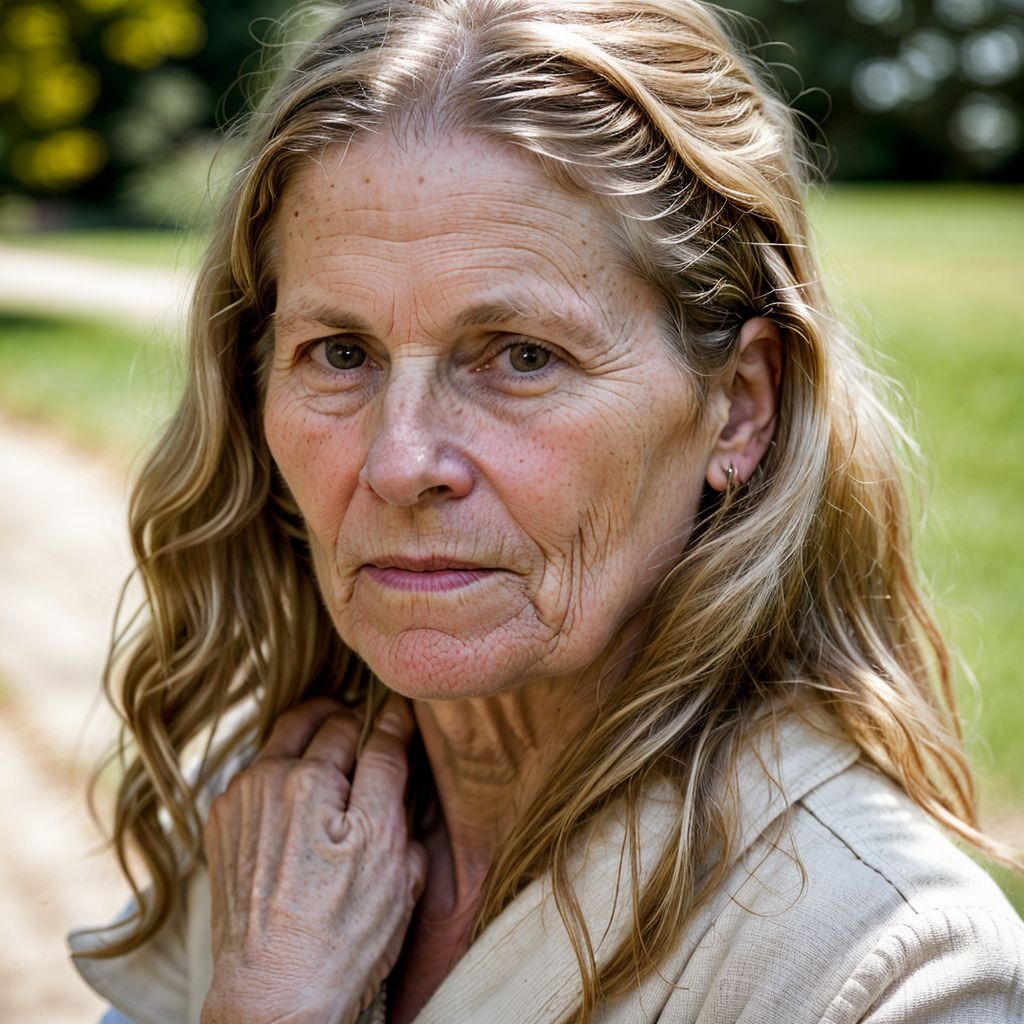
I’ve been fascinated by Lorine Niedecker’s poetry for a while now, but the more I read her work, the more complicated it becomes. Her life story is one of quiet dedication to art and nature, which resonates with me on some level. But what really draws me in is how she seems to embody this tension between confinement and freedom.
Niedecker lived most of her life on a small island in Wisconsin’s Lake Monona, surrounded by woods and water. She married twice and had two children, but her relationships were often strained or unfulfilling. Meanwhile, she was pouring her heart into poetry that’s marked by its simplicity, precision, and attention to the natural world. It’s as if she’s created this parallel universe where art and solitude are one and the same.
I find myself wondering about the costs of such a dedication. Niedecker’s biographers often describe her as fiercely independent, but also deeply isolated. She spent much of her life in small, rural towns, far from literary centers or cultural hubs. Did she ever feel stifled by this isolation? Or was it a deliberate choice, one that allowed her to focus on her art without distraction?
When I read Niedecker’s poetry, I’m struck by its intimacy and precision. She writes about the smallest details – the way light falls on water, the sound of birds calling in the morning – with a depth that feels almost overwhelming. It’s as if she’s attempting to capture the essence of existence itself.
But at the same time, her work often seems marked by a sense of withdrawal or detachment. She writes about nature in a way that’s both celebratory and melancholic, as if she’s observing it from a distance, rather than fully participating in it. This ambivalence resonates with me, because I know what it’s like to feel disconnected from the world around me.
Sometimes I wonder if Niedecker’s isolation was a necessary condition for her art. Did she need that sense of confinement to focus on her poetry? Or did she simply prefer the quiet, predictable rhythms of rural life? These are questions I’ll never have answers to, but they’re what keep me coming back to her work.
I’ve been trying to understand why Niedecker’s poetry feels so relevant to me, even though our lives are vastly different. Perhaps it’s because she’s found a way to express the complexities of my own inner world – the conflicting desires for solitude and connection, the search for meaning in the smallest details.
As I delve deeper into Niedecker’s poetry, I’m struck by the ways in which she weaves together opposing forces: the stillness of nature with the turmoil of human emotion. Her lines often feel like a delicate balance between clarity and obscurity, making me wonder if she’s intentionally crafting this sense of ambiguity.
I think about my own writing process, how I try to capture the essence of a moment or feeling through words. It’s a fragile thing, trying to pin down the intangible, but Niedecker seems to do it with such ease. Her poetry is like a whispered secret, one that only reveals itself slowly, over time.
But what draws me to this whispery quality? Is it because I’m drawn to the quiet, introspective aspects of my own personality? Or is it something more – a desire to connect with others on a deeper level, even if that connection feels fleeting or ephemeral?
Niedecker’s poetry often seems to exist in a state of suspension, neither fully embracing nor rejecting the world around her. She writes about the beauty of nature, but also its indifference to human existence. This ambivalence makes me think about my own relationships – how I sometimes feel like an outsider looking in, observing the world with a mix of fascination and detachment.
I’ve been reading Niedecker’s letters, scattered throughout various biographies and anthologies. They’re brief, often cryptic, but offer glimpses into her inner world. In one letter, she writes about feeling “isolated” despite being surrounded by people. It’s a paradox that resonates with me – the sense of disconnection that can exist even in the midst of connection.
As I continue to read Niedecker’s work, I’m left with more questions than answers. What lies at the heart of her poetry – a desire for solitude or a need for connection? Is it possible to reconcile these opposing forces within oneself? And what does this have to do with my own writing, and the ways in which I try to capture the complexities of human experience?
These are the kinds of questions that keep me up at night, scribbling notes in the margins of her poetry books or staring out the window, trying to make sense of it all. But they’re also what draw me back to Niedecker’s work – a reminder that even in the quietest moments, there’s always something more waiting to be discovered.
I find myself returning to Niedecker’s poetry again and again, not just because of its beauty or technical skill, but because it seems to capture a part of me that I’m still trying to understand. Her ambivalence about nature, her tendency to observe from a distance – these are qualities that I recognize in myself, particularly when I’m writing.
There’s something about capturing the essence of a moment or feeling on paper that feels both exhilarating and terrifying to me. It’s as if I’m attempting to bottle up a storm, to hold onto a fleeting thought or emotion long enough to examine it from every angle. And yet, Niedecker’s poetry suggests that this is exactly what she did – that she spent her life observing the world around her, trying to grasp its essence through words.
I think about how my own writing process often feels like a solitary endeavor, even when I’m working on collaborative projects or sharing drafts with friends. There’s something about putting pen to paper (or fingers to keyboard) that feels intensely personal, as if I’m laying bare a part of myself that I’d rather keep hidden.
Niedecker’s poetry, on the other hand, seems to inhabit this space between public and private, observation and introspection. Her lines often feel like a whispered secret, one that only reveals itself slowly over time – and yet, they’re also written in a language that’s accessible, even transparent.
This paradox – the tension between intimacy and clarity – is something that I struggle with in my own writing. Do I want to share my thoughts and feelings with others, or do I want to keep them hidden away? Is it possible to find a balance between these two desires, or are they inherently at odds?
As I continue to read Niedecker’s poetry, I’m struck by the ways in which she seems to navigate this tension. Her lines often feel like a gentle probing, a delicate exploration of the human experience that’s both deeply personal and universally relatable.
I think about how this might relate to my own experiences with anxiety and self-doubt – how they can make me feel disconnected from the world around me, even when I’m surrounded by people who care about me. Niedecker’s poetry suggests that these feelings are not unique to me, that others have experienced them too, in their own ways.
In this sense, her work feels like a kind of permission – a reminder that it’s okay to feel uncertain or disconnected, and that these emotions can actually be a source of creativity and insight. It’s a message that I need to hear, particularly when I’m feeling lost or overwhelmed by my own thoughts and feelings.
As I finish reading Niedecker’s latest collection, I’m left with more questions than answers – as always. But this time, I feel like I’ve gained a new perspective on the writing process, one that acknowledges the complexity of human experience and the tensions between intimacy and clarity.
I’m struck by how Niedecker’s poetry often blurs the lines between inner and outer worlds, making me wonder if this is something I’ve been trying to do in my own writing without even realizing it. As a writer, I often feel like I’m observing myself from outside, trying to capture the essence of my thoughts and emotions on paper. But Niedecker’s work shows me that this can be both a strength and a weakness – a way to gain perspective and insight, but also a source of disconnection and isolation.
I think about how this might relate to my own experiences with anxiety and self-doubt, which often make me feel like I’m observing myself from afar, as if I’m watching someone else’s life unfold. Niedecker’s poetry suggests that this feeling of detachment can be a creative force, allowing me to approach my writing from a unique angle and perspective.
But it also makes me wonder about the risks of this approach – the risk of becoming so detached that I lose touch with my own emotions and experiences. This is something I’ve struggled with in my own writing, particularly when I’m trying to tackle complex or difficult subjects. Do I need to find a way to inhabit my characters and stories more fully, to immerse myself in their worlds and experiences? Or can I continue to approach writing from the outside, using my observations and insights as a guide?
Niedecker’s poetry doesn’t offer any clear answers to these questions – it simply presents them, like a mirror reflecting back at me. But this is what I love about her work: its ability to raise more questions than it answers, to prompt me to think deeply about the writing process and my place within it.
As I continue to explore Niedecker’s poetry, I’m struck by how it seems to exist in a state of suspension, neither fully embracing nor rejecting the world around her. This ambivalence makes me wonder if this is something I’ve been trying to do in my own life – finding ways to reconcile opposing forces within myself, like solitude and connection, creativity and practicality.
I think about how Niedecker’s relationships with others often seem complicated or strained, but also deeply felt. She writes about her marriages and friendships with a mix of tenderness and detachment, as if she’s observing them from a distance while still being fully immersed in their emotional complexities. This is something I struggle with in my own relationships – finding ways to balance intimacy and independence, connection and solitude.
Niedecker’s poetry suggests that this is a lifelong process, one that requires ongoing effort and attention. She writes about the importance of solitude, but also the need for human connection – both as a source of inspiration and as a way to ground ourselves in the world around us. This resonates deeply with me, particularly as I navigate my own relationships and try to find ways to balance my desire for independence with my need for connection.
As I finish reading Niedecker’s poetry, I’m left with more questions than answers – but this time, I feel like I’ve gained a new perspective on the writing process, one that acknowledges the complexity of human experience and the tensions between inner and outer worlds.
I find myself returning to these ideas again and again, as if Niedecker’s poetry is a puzzle that I’m still trying to piece together. The more I read her work, the more I feel like I’m uncovering new facets of my own writing process – the tension between intimacy and clarity, the risk of detachment versus the need for connection.
One thing that strikes me about Niedecker’s poetry is its use of metaphor. She often describes natural phenomena in ways that are both precise and evocative, as if she’s trying to capture the essence of a moment or feeling through language. This resonates with me, because I’ve always been drawn to metaphors as a way to express complex emotions or ideas.
But what I’m also struck by is how Niedecker’s metaphors often seem to exist in a state of tension – between the concrete and the abstract, the specific and the universal. She writes about trees that are both individual and representative of all trees, rivers that are both local and part of a larger ecosystem. This tension makes me wonder if this is something I’ve been trying to do in my own writing without even realizing it.
As I think about Niedecker’s metaphors, I’m reminded of the way she often writes about nature as a source of both beauty and indifference. Her poetry can be both celebratory and melancholic, acknowledging the wonder of the world around us while also its vastness and mystery. This ambivalence makes me think about my own experiences with nature – how it can be both grounding and overwhelming, inspiring and intimidating.
I’ve always been drawn to writing about the natural world because it feels like a way to tap into something deeper and more universal than my own personal experiences or emotions. But Niedecker’s poetry suggests that this is not just about observing nature from outside – it’s also about inhabiting it, being part of its rhythms and cycles.
This idea resonates with me on a deep level, because I’ve always struggled to balance my desire for connection with the world around me with my need for solitude. As someone who writes, I often feel like I’m observing myself from outside – trying to capture the essence of my thoughts and emotions on paper. But Niedecker’s poetry suggests that this is not just about observation – it’s also about immersion.
As I continue to read Niedecker’s work, I’m struck by the ways in which she seems to be constantly negotiating between inner and outer worlds. Her poetry is both deeply personal and universally relatable, speaking to universal human experiences while also being rooted in her own unique perspective and voice.
I think about how this might relate to my own writing – how I often struggle to balance my desire for intimacy with the need for clarity. Do I want to share my thoughts and feelings with others, or do I want to keep them hidden away? Niedecker’s poetry suggests that it’s possible to find a way to inhabit both spaces at once, using language as a way to bridge the gap between inner and outer worlds.
This is something that I’ve been trying to explore in my own writing – finding ways to balance intimacy and clarity, connection and solitude. It’s not always easy, but Niedecker’s poetry suggests that it’s possible, even necessary, for growth and self-discovery.
As I finish reading through Niedecker’s collections again, I’m left with a sense of wonder and awe – at the complexity of her work, the depth of her insights, and the ways in which she continues to inspire me as a writer. Her poetry is like a mirror held up to my own writing process, reflecting back at me the complexities and tensions that I’ve been trying to navigate.
But it’s also more than just a reflection – it’s an invitation to explore, to experiment, and to push beyond my own limits as a writer. Niedecker’s poetry is a reminder that the writing process is always ongoing, always evolving, and that there’s no one “right” way to approach it.
As I close her books and put them back on my shelf, I feel like I’m taking with me a newfound sense of possibility – the idea that I can continue to explore, experiment, and grow as a writer. Niedecker’s poetry may be complex and multifaceted, but its message is simple: the writing process is a journey, not a destination.