Car enthusiasts spend a lot of time talking about dream cars. We argue about horsepower figures, Nürburgring lap times, quarter-mile records, and the latest technological breakthroughs from manufacturers determined to build the next automotive masterpiece. We admire exotic supercars, celebrate racing legends, and occasionally convince ourselves that happiness is only one vehicle purchase away. Yet if you ask most people about the car they remember most fondly, the answer is rarely the fastest vehicle they ever drove. More often than not, the answer is a vehicle that became part of their life story.
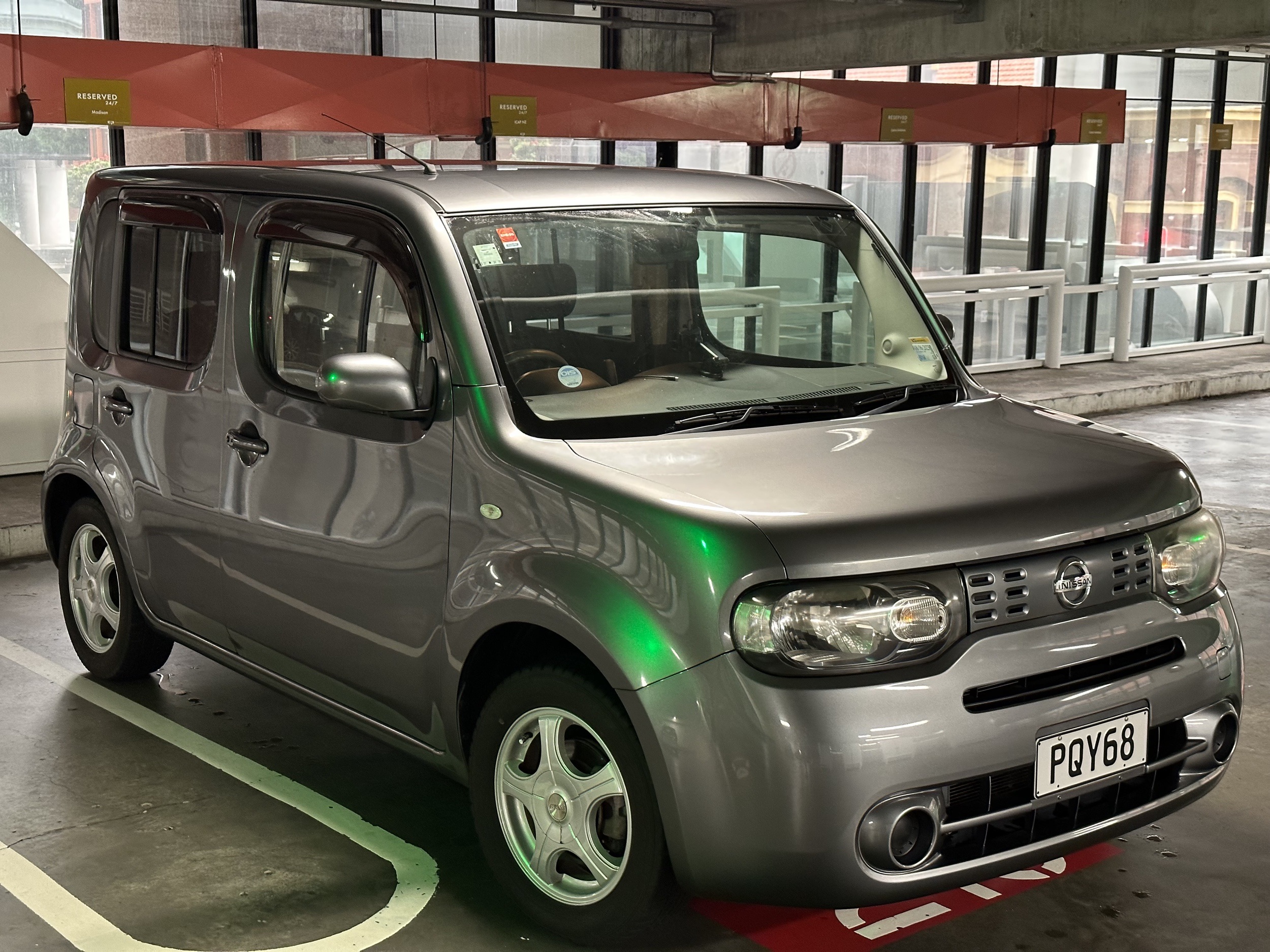
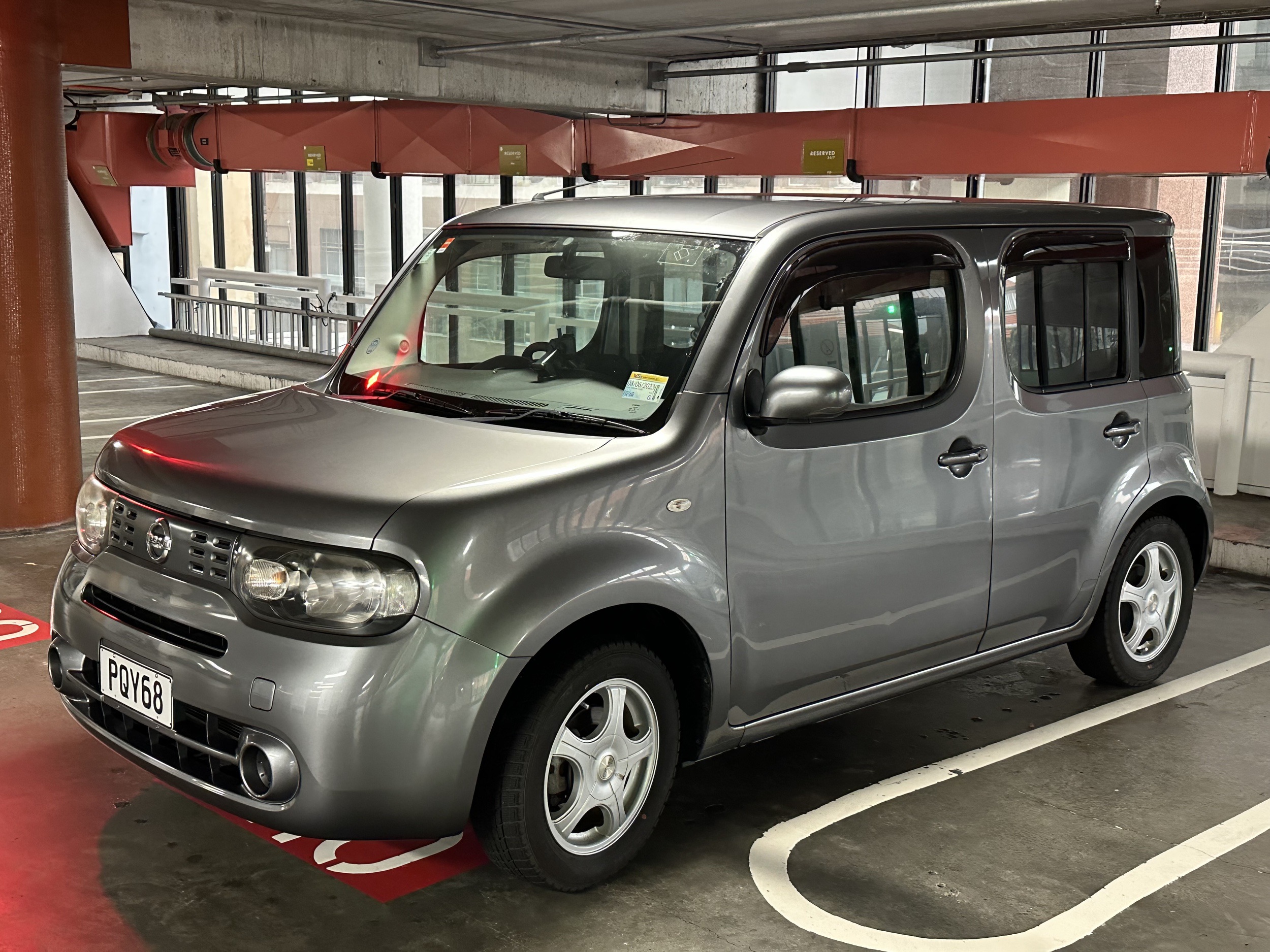
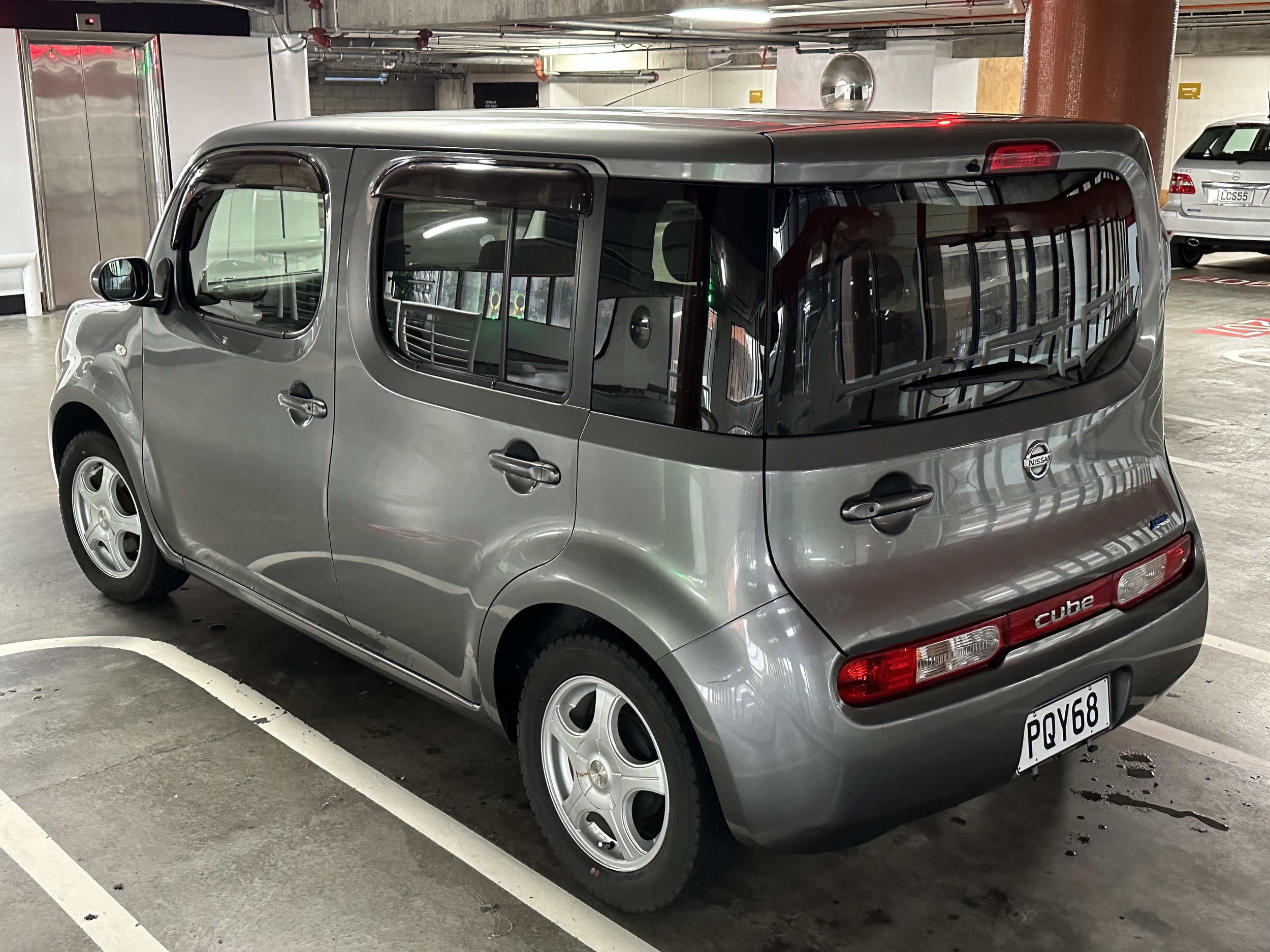
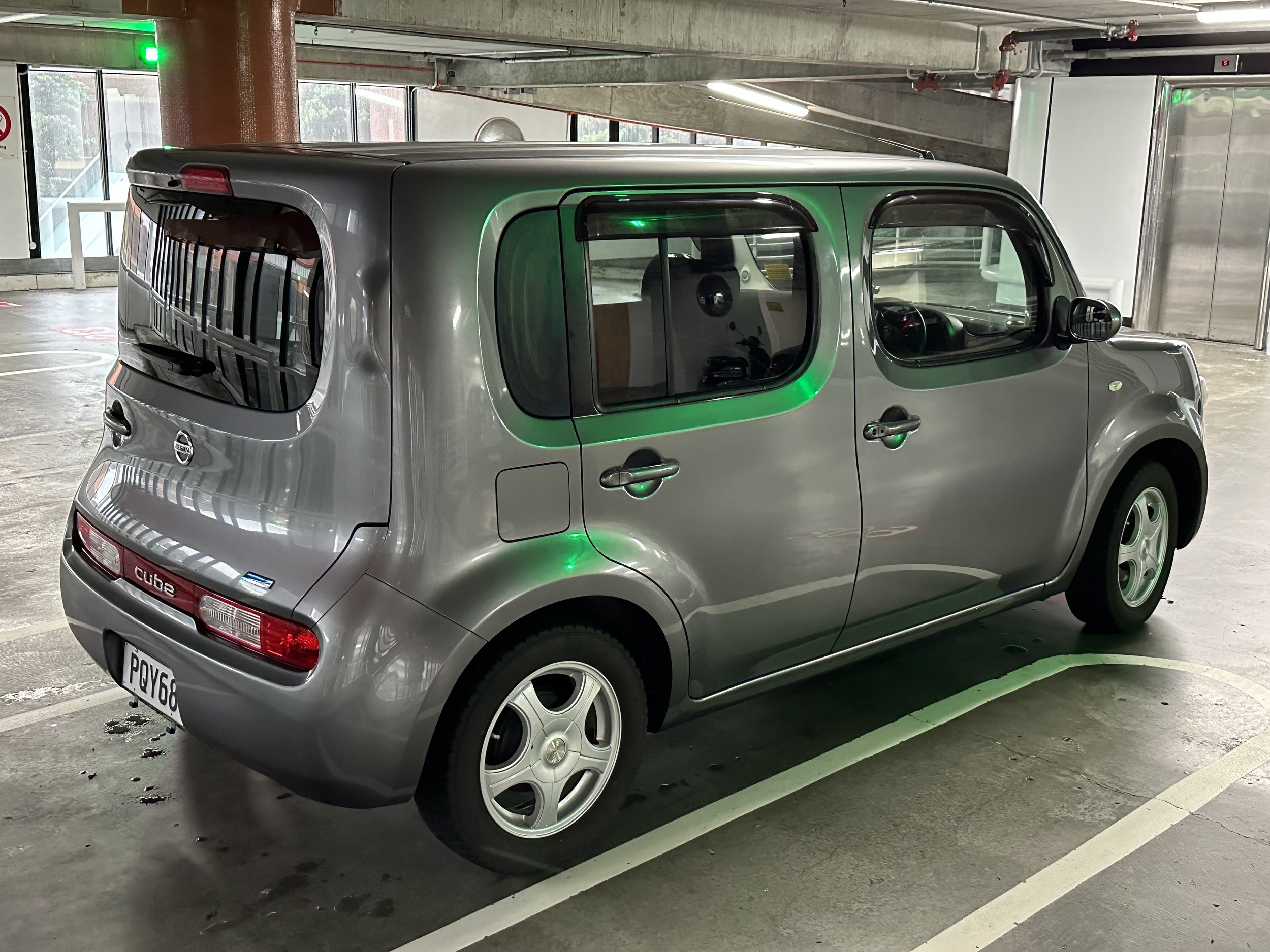
For me, that vehicle is the Nissan Cube.
At first glance, that statement sounds ridiculous. The Cube was never intended to be an enthusiast vehicle. It wasn’t designed to dominate race tracks, attract crowds at car shows, or appear on posters hanging in a teenager’s bedroom. It was a practical, box-shaped transportation appliance built around efficiency, visibility, comfort, and interior space. Many people laughed at its appearance. Others ignored it completely. Yet after owning and driving Cubes in Japan, New Zealand, Bahrain, and the United States, I’ve come to appreciate something that automotive journalists often overlook. A truly great vehicle isn’t necessarily the one that impresses strangers. It’s the one that consistently earns your trust.
Over the years I’ve owned other vehicles, including a Nissan Skyline equipped with Nissan’s legendary inline-six engine. The Skyline was exciting. It was the kind of vehicle enthusiasts love discussing. It sounded great, looked great, and carried a reputation that has become part of automotive history. Yet when I think about reliability, dependability, and sheer usefulness, it isn’t the Skyline that comes to mind first. It’s the Cube. The Skyline was the car I enjoyed talking about. The Cube became the vehicle I depended on.
That distinction became clear during my years overseas. In Bahrain, summer temperatures routinely climbed into territory that many Americans never experience. The heat was relentless. Walking across a parking lot could feel like opening the door to an industrial oven. Vehicles that perform perfectly in mild climates often reveal their weaknesses when exposed to those conditions day after day. Air conditioning systems struggle, interior materials deteriorate, and mechanical components endure stress that engineers rarely discuss in marketing brochures. Yet through all of it, the Cube simply carried on. Every time I climbed inside, the air conditioning did exactly what I needed it to do. While the desert sun turned the outside world into a furnace, the cabin remained cool and comfortable.
Years later, I found myself driving through Death Valley during temperatures that approached 130 degrees Fahrenheit. People who have never experienced that kind of heat have difficulty understanding just how oppressive it feels. The landscape itself seems hostile to life. Every decision becomes influenced by the environment, and you gain a newfound appreciation for machines that continue functioning when conditions become extreme. Once again, the Cube performed without complaint. The air conditioning remained cold, the engine remained happy, and the vehicle carried me through one of the harshest environments on Earth as though it were just another afternoon drive.
Some of my favorite memories, however, come from New Zealand. Anyone who has spent significant time driving through the North Island understands that weather can become an adventure of its own. A journey from Wellington to Auckland can feel like traveling through multiple seasons in a single day. I would leave Wellington under gray skies, rain, and wind, only to find myself hours later crossing the Desert Road where conditions felt cold, dry, and almost winter-like. By the time I reached Auckland, the weather might be warm and humid, with sunshine one moment and rain the next. The changing conditions kept every drive interesting.
One particular trip remains vivid in my memory because it perfectly captured the strange realities of New Zealand weather. As I crossed the high desert region, temperatures were low enough that I needed the heater running to remain comfortable. At the same time, moisture in the air was causing the windows to fog. The solution was to run both the heater and air conditioner simultaneously. To anyone unfamiliar with automotive climate control systems, that combination sounds contradictory. Yet it worked perfectly. The heater kept the cabin warm while the air conditioner removed excess humidity from the air. Outside, New Zealand couldn’t decide which season it wanted to be. Inside, the Cube simply adapted.
Perhaps the most memorable journey occurred during a diplomatic pouch run. A project required materials to be delivered the following day, leaving very little room for delay. I woke up at 0400, loaded the diplomatic pouch into the back of the Cube, and began the drive from Wellington to Auckland. After arriving, I spent roughly forty-five minutes completing the delivery and handling a few additional tasks before immediately turning around and driving all the way back to Wellington. By the time I arrived home it was around 2200. The next day I had another appointment that I couldn’t miss, so spending the night in Auckland wasn’t an option. It was a long day by any standard, yet the Cube never became part of the problem. It simply did what it had always done: start, run, and get the job done.
That phrase has become central to how I think about the vehicle. Just like me, the Cube gets the job done. It doesn’t seek attention. It doesn’t need recognition. It simply performs the task in front of it and moves on to the next one. Looking back, I realize that’s probably why I’ve remained loyal to the platform for so many years. The Cube and I seem to share the same philosophy. Neither of us is interested in making a dramatic entrance. We simply show up, handle our responsibilities, and keep moving forward.
Even today, the vehicle continues to surprise me. Despite its age, it still returns fuel economy figures that many larger and newer vehicles struggle to achieve. Gas prices may rise and fall, but the Cube remains remarkably economical to operate. Even when I spend part of my lunch break sitting inside with the air conditioning running while I play video games, the vehicle still averages more than twenty-five miles per gallon. On road trips, that figure climbs even higher, sometimes exceeding twenty-seven miles per gallon. Considering everything the vehicle has endured throughout its life, those numbers remain impressive.
Recently, while joking about my long history with the Cube, I realized that the vehicle reminded me of someone unexpected: Rick Astley. The comparison sounds absurd until you think about it for a moment. Rick Astley’s most famous song contains a promise that has somehow endured for decades. “Never gonna give you up. Never gonna let you down.” The more I considered my experiences with the Cube, the more appropriate the comparison became. Through scorching deserts, cross-country road trips, diplomatic assignments, changing continents, and countless ordinary days, the Cube has consistently honored that same promise. It has never given up. It has never let me down.
In an automotive world increasingly obsessed with performance numbers, luxury features, and technological gimmicks, there is something refreshing about a vehicle that succeeds through reliability alone. The Cube will never be mistaken for an exotic supercar. It will never dominate auction headlines or become the centerpiece of a prestigious collection. Yet it accomplished something many far more expensive vehicles never achieve. It earned complete trust. After all these years, across multiple countries and climates, that trust remains intact. And honestly, that’s about the highest compliment I can give any automobile.