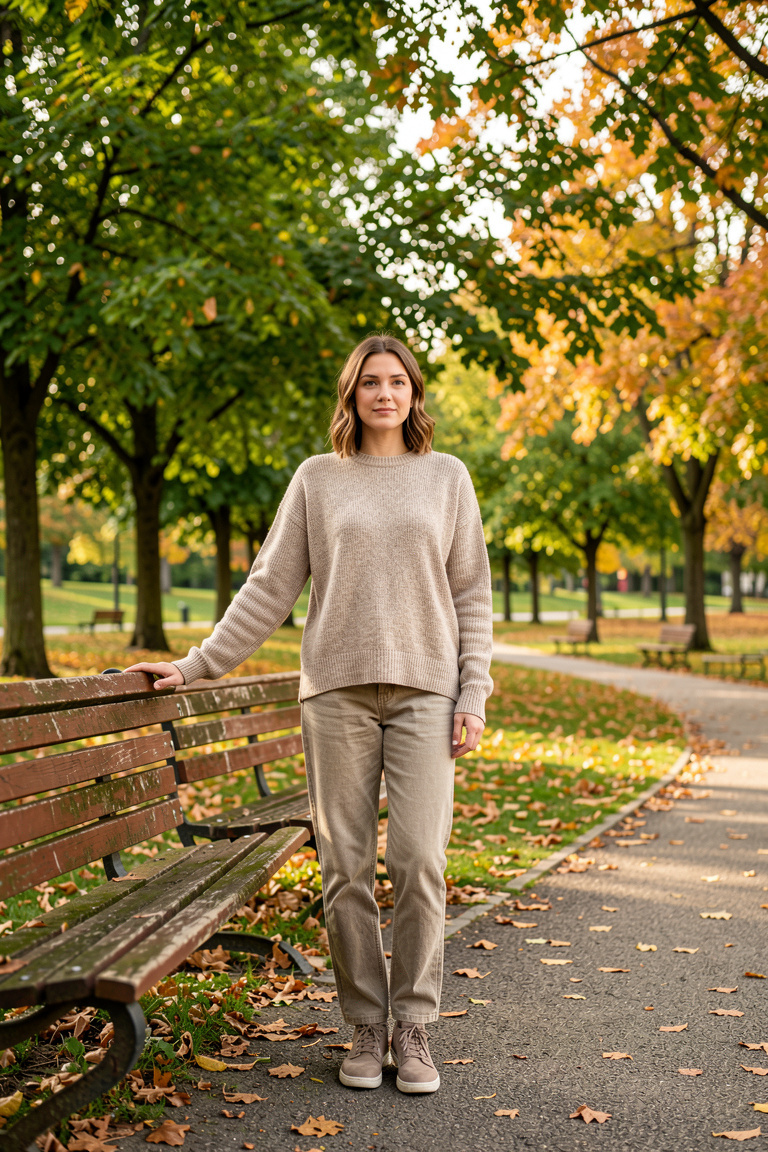
The foundation of effortless personal style lies in quality essentials, not trendy items or excessive effort. This judgment replaces the inadequate standard that measures personal style by the number of items in one’s wardrobe. The notion that a larger wardrobe equates to better style is misguided, as it often leads to decision fatigue and a lack of cohesion in one’s daily looks. In contrast, investing in a smaller collection of high-quality, versatile pieces allows for ease and efficiency in getting dressed, while also ensuring a more polished and put-together appearance.
This approach prioritizes substance over novelty, recognizing that true style is not about accumulating a vast array of trendy items, but rather about curating a selection of timeless, well-made essentials that can be mixed and matched to create multiple outfits. By focusing on quality over quantity, individuals can simplify their daily routines, reduce decision fatigue, and ultimately achieve a more effortless and elegant personal style. This standard is not about sacrificing personal expression, but rather about refining it through the careful selection of high-quality pieces that exude a sense of timeless sophistication.
To understand why quality essentials are the foundation of effortless personal style, it’s essential to examine the construction and materials that underpin these pieces. High-quality garments, for instance, often feature meticulous attention to detail, such as reinforced seams, sturdy zippers, and carefully selected fabrics that not only look good but also wear well over time. The choice of fabric, in particular, plays a significant role in determining the longevity and comfort of a garment. Natural fibers like wool, cotton, and silk are generally more breathable and durable than synthetic alternatives, making them ideal for investment pieces.
Moreover, the way a garment is constructed can greatly impact its overall quality and usability. A well-made piece will typically have a flattering fit, with proportions that create a balanced silhouette. This attention to detail extends to the finishing touches, such as buttonholes, hemming, and stitching, all of which contribute to a polished appearance that withstands the test of time. By focusing on these tangible aspects of quality, individuals can build a wardrobe that not only looks great but also functions well, reducing the need for frequent purchases and minimizing decision fatigue in the process. This approach may require an initial investment, but the long-term benefits of owning versatile, high-quality pieces far outweigh the costs, making it a sound strategy for achieving effortless personal style.
To discern genuine quality in essentials, it’s crucial to examine the interplay between materials, construction, and functionality. A high-quality piece is not merely a sum of its parts but an integrated whole where each component enhances the others. For instance, a well-crafted leather handbag will have a sturdy strap that complements its robust body, ensuring durability and comfort over time. The thickness and grain of the leather, the precision of the stitching, and the quality of the hardware all contribute to its overall resilience and aesthetic appeal.
In contrast, trendy low-maintenance items often prioritize ease of production over enduring quality, resulting in a shorter lifespan and diminished usability. The distinction lies not just in the materials used but in how they are combined to create a cohesive, functional whole. A genuinely high-quality essential will demonstrate a thoughtful consideration of its intended use, with every aspect designed to facilitate ease, comfort, and elegance. This nuanced understanding of quality allows individuals to make informed decisions when curating their wardrobe, recognizing that true style is not about accumulating trendy pieces but about investing in timeless, well-crafted essentials that simplify daily routines while elevating personal expression.
To apply the standard of quality essentials in everyday routines effectively, it’s essential to consider the context in which these pieces will be used. For instance, a professional setting may require a more formal approach to personal style, whereas a casual environment allows for greater flexibility. In both cases, however, the principle remains the same: investing in versatile, high-quality items that can be mixed and matched to create multiple outfits. This might involve selecting a few key pieces, such as a well-tailored blazer or a classic watch, that can elevate a variety of looks while also ensuring ease and efficiency in getting dressed.
When implementing this approach, it’s crucial to assess the specific demands of one’s daily routine and lifestyle. For example, someone who commutes frequently may prioritize items that are not only stylish but also durable and low-maintenance, such as a high-quality leather bag or a pair of comfortable yet polished shoes. Conversely, an individual with a more sedentary job may focus on investing in quality tops and blouses that can be easily paired with a variety of bottoms. By considering these factors and applying the standard of quality essentials thoughtfully, individuals can create a personal style that is both effortless and elegant, regardless of their specific circumstances or environment. This thoughtful application of the standard ensures that the investment in high-quality pieces yields long-term benefits in terms of both style and practicality.
The distinction between quality essentials and trendy items is further underscored by the consideration of fabric density and weave. A high-quality essential, such as a wool coat, will often feature a dense weave that provides both warmth and durability, while a trendy item may prioritize a lighter, less substantial fabric for the sake of ease and speed in production. The choice of fabric density also affects the garment’s drape and silhouette, with denser fabrics tend to hold their shape better over time. Moreover, the finish of the fabric, such as a softening treatment or a water-repellent coating, can significantly impact the overall usability and longevity of the piece, making it more suitable for everyday wear and reducing the need for frequent replacements. By examining these tangible properties, individuals can make informed decisions when curating their wardrobe, recognizing that true style is not about accumulating trendy pieces but about investing in well-crafted essentials that simplify daily routines while elevating personal expression.