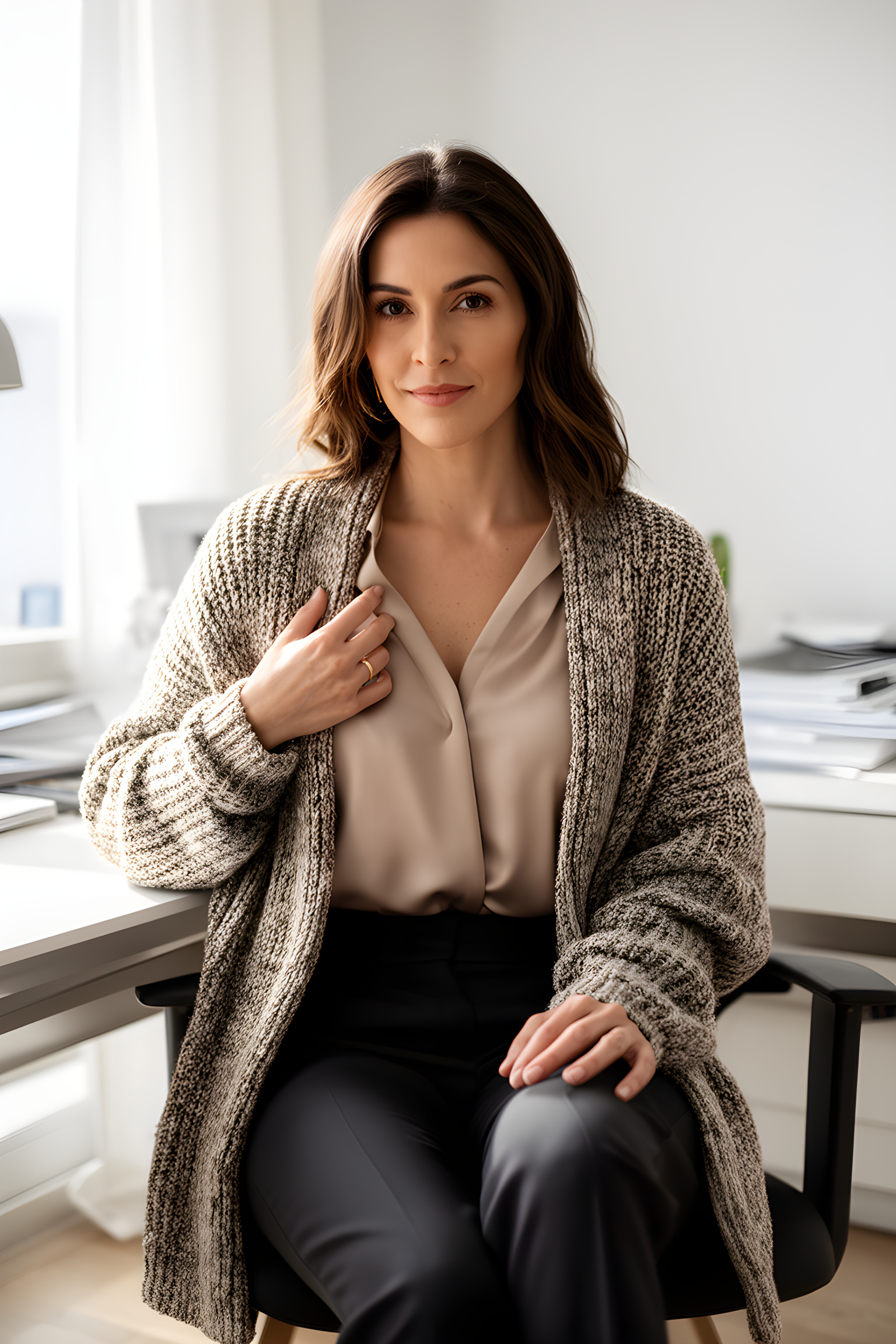
The Understated Role of Texture in Elevating Everyday Outfits
When it comes to creating visually appealing and comfortable outfits, thoughtful texture combinations are far more effective than relying solely on patterns or colors. This judgment replaces the inadequate standard that has long prevailed: that an outfit’s interest is measured by the number of patterns or colors it incorporates. The assumption that adding more patterns, colors, or accessories is necessary to make an outfit interesting is misguided, as it overlooks the crucial role texture plays in adding depth and visual interest without overwhelming the senses.
In contrast to the fleeting appeal of trendy patterns and colors, texture offers a timeless and subtle sophistication that elevates everyday outfits. By prioritizing tactile experience and longevity over fleeting trends, individuals can create outfits that are both polished and comfortable. The key lies in understanding how different textures interact with one another and with the wearer’s skin, rather than simply layering on multiple patterns or colors. This approach requires a nuanced understanding of materials and their properties, as well as an awareness of how texture affects garment durability and maintenance. By recognizing the importance of texture in outfit construction, individuals can move beyond the limited standard of pattern and color alone, and instead create outfits that are genuinely engaging and comfortable to wear.
To demonstrate the significance of texture in elevating everyday outfits, it’s essential to delve into the specifics of materials science and textile properties. Understanding how different fibers, weaves, and finishes contribute to the overall tactile experience is crucial. For instance, natural fibers like cotton, wool, and silk offer unique textures that not only provide comfort against the skin but also contribute to the durability and maintenance of garments. The density and weave of a fabric can significantly impact its texture, with tighter weaves generally resulting in smoother textures and looser weaves producing softer, more textured surfaces.
The interaction between texture and garment construction is another critical aspect to consider. Seam finishing, for example, can greatly affect the overall feel of a garment. A well-finished seam can create a smooth, comfortable surface against the skin, while a poorly finished one can be irritating. Furthermore, the way different textures are combined can either enhance or detract from an outfit’s visual appeal and wearability. For instance, pairing a soft, chunky knit with smooth leather creates a compelling contrast that adds depth to an outfit without overwhelming the senses. This thoughtful combination of textures not only elevates the aesthetic of the outfit but also influences the wearer’s comfort level, making it a practical consideration for everyday dressing. By considering these factors and selecting garments based on their texture and construction, individuals can create outfits that are both visually appealing and comfortable to wear, moving beyond the limited standard of relying solely on patterns or colors.
The distinction between genuine quality and imitation in texture lies in the subtlety of its application. While it’s easy to overwhelm an outfit with too many patterns or colors, thoughtful texture combinations can create a depth that is both visually appealing and tactilely engaging. A key factor in achieving this balance is understanding the interplay between different textures and how they interact with one another. For instance, smooth textures like silk or leather can provide a sleek backdrop for chunkier textures like wool or cable knit, creating a contrast that adds visual interest without overwhelming the senses.
In situations where mobility is crucial, such as in activewear or work attire, smooth textures may be preferable to chunky ones due to their ability to provide a full range of motion without restriction. However, this does not mean that texture should be sacrificed entirely for the sake of practicality. Instead, incorporating subtle textures like fine gauge knit or soft cotton can add depth and visual interest to an outfit while still maintaining its functionality. By considering the specific needs and activities of the wearer, individuals can create outfits that are both polished and practical, demonstrating a nuanced understanding of texture and its role in elevating everyday attire.
To apply the standard of balancing textures effectively across different conditions, consider the activity level and environment in which the outfit will be worn. For instance, in a professional setting where meetings and presentations are common, a combination of smooth and subtle textures can convey confidence and professionalism without drawing unnecessary attention. A silk blouse paired with a wool suit and finished with leather accessories achieves this balance by offering a tactile experience that is both comfortable and visually appealing.
In contrast, for outdoor activities or more casual gatherings, incorporating natural fibers and varying the texture density can add warmth and depth to an outfit. For example, layering a soft cotton sweater over a breathable linen shirt, paired with rugged denim jeans, creates a textured look that is both functional and stylish. The key in these scenarios is not to overwhelm the senses but to create a harmonious interplay of textures that complements the occasion and activity level. By focusing on the specific needs of the wearer and the context in which the outfit will be worn, individuals can apply the principle of balancing textures to elevate their everyday attire, making it more engaging, comfortable, and appropriate for various settings.
The interplay between texture and drape is a crucial aspect of creating visually appealing outfits, as it directly impacts the way garments interact with the body and move with the wearer. Fabrics with a smooth texture, such as silk or cotton voile, tend to drape elegantly, creating a fluid silhouette that skims the body, while chunkier textures like wool or tweed can add volume and visual interest through their more rustic drape. Understanding how different textures influence the drape of a garment allows individuals to balance their outfits effectively, combining smoother textures that create a clean line with chunkier ones that add depth and character. For instance, pairing a flowy silk blouse with a fitted wool skirt leverages the contrasting drapes of these textures to create a dynamic, engaging outfit that is both polished and visually appealing. By considering the specific drape of various textures and how they interact with the wearer’s form, individuals can craft outfits that not only look great but also move beautifully, enhancing the overall aesthetic and wearability of their clothing.