Author: Elias Rowen

I enjoy writing about events that happened on specific days of the year. There’s something fascinating to me about the idea that every date carries its own story—moments when history quietly turned a corner or suddenly exploded into something unforgettable. I don’t focus on famous people as much as I focus on the moments themselves. I like digging into what was happening on that particular day, what led up to it, and what followed after. When I write, I try to bring readers into the moment, to capture what it might have felt like as events were unfolding in real time, before anyone knew how things would turn out. For me, history isn’t just a list of dates and facts. It’s a collection of lived moments that still ripple into the present. My goal is to turn calendar dates into stories that feel real, relatable, and worth remembering.

Resolutions Across Time: Unveiling the Ancient Roots of New Year Promises

Elias Rowen

a woman standing in front of a building

The intriguing concept of New Year resolutions finds its roots in ancient civilizations and their cultural practices. dating back over 4,000 years, the Babylonian civilization marked the start of a new year with an elaborate festival called Akitu, spanning 12 days. During this festive period, individuals made promises to the gods in the hope of receiving favors and good fortune for the upcoming year. These pledges made to the gods laid the groundwork for the modern tradition of resolutions.

Similarly, the ancient Romans had their own tradition of making commitments to Janus, the deity from whom the month of January derives its name. Janus was believed to govern fresh beginnings and transitions, and the Romans believed that by making resolutions and offerings to Janus, they would be blessed with luck and prosperity in the year ahead.

The tradition of New Year resolutions has evolved and taken on various meanings over time. Within the Christian tradition, the act of making resolutions became associated with the Feast of the Circumcision, observed on the first day of January. The practice was embraced as a way for individuals to honor their faith and start the year on a positive note through self-improvement commitments.

In more recent history, the widespread popularity of New Year resolutions in the Western world emerged during the 18th and 19th centuries. The Industrial Revolution brought about societal changes and fostered the concept of personal betterment. As a result, people began viewing the start of a new year as an ideal opportunity for self-reflection and goal-setting. Consequently, the tradition of making resolutions at the beginning of each year became widely adopted.

In present times, the observance of New Year resolutions has become a universal tradition revered by various cultures and societies. It serves as a dedicated moment for individuals to reflect on the past year, identify areas for growth and improvement, and establish meaningful objectives for the future. Whether it involves renouncing harmful habits, pursuing new hobbies, or prioritizing personal development, the act of making resolutions acts as a catalyst for positive change and symbolizes a fresh start offered by a new year.

Essentially, the practice of making New Year resolutions traces its origins back to ancient civilizations and their cultural customs. From the Babylonians to the Romans, and throughout the centuries, making commitments for self-improvement and seeking blessings for the forthcoming year has metamorphosed into what we now recognize as New Year resolutions. This longstanding tradition remains popular and relevant in contemporary society, providing individuals with an opportunity to contemplate their lives, set goals, and aspire to personal growth as they embrace the dawn of a new year.

Related Posts

Snow Bunny Soiree: Where Glamour Meets Glacial Charm in a Winter Wonderland

Elias Rowen

a woman wearing a costume posing for the cameraa woman wearing a costume posing for the camera

Snow bunnies, those enchanting winter goddesses, are not your average individuals. They are the embodiment of the cold, snowy season, thriving in its icy embrace. With hearts full of adventure and spirits as high as the snow-capped mountains, these women possess an extraordinary love for all things winter.

From the delicate snowflakes that dance in the air to the thrill of outdoor escapades, snow bunnies radiate a contagious joy and enthusiasm that could melt even the coldest of landscapes. They have a remarkable ability to find beauty in the simplest of winter pleasures, whether it’s crafting snowmen, engaging in epic snowball battles, or indulging in steaming cups of hot cocoa by the crackling fireplace.

But their passion for winter doesn’t stop there. Snow bunnies excel in winter sports, conquering the slopes with fearless determination. Whether it’s gracefully gliding across the ice on skates or defying gravity on a snowboard, these women embrace the adrenaline rush that comes with pushing their limits. Their fiery passion for these sports is matched only by their unwavering commitment to improvement, constantly seeking new challenges and opportunities for growth.

When it comes to fashion, snow bunnies are the epitome of style and functionality. They effortlessly blend warmth and glamour, donning cozy yet chic outfits that make heads turn even in the harshest of climates. From trendy parkas that shield them from the elements to fashionable snow boots that complete their winter ensembles, these women know how to rock the perfect look.

But snow bunnies are more than just winter enthusiasts; they are guardians of the environment. They understand the importance of preserving and cherishing the natural beauty of snow-covered landscapes. Advocates for sustainable practices, they actively participate in conservation efforts, ensuring that future generations can revel in the magic of winter just as they do.

In conclusion, snow bunnies are more than a community; they are a vibrant and passionate sisterhood. They embody the essence of winter, embracing its wonders and sharing their warmth, joy, and excitement with the world. With their adventurous spirits, keen fashion sense, and dedication to preserving the environment, these remarkable individuals bring life to the cold winter months like no one else can.

Related Posts

Pearl Harbor to Peace: Honoring History, Building Bridges Between Japan and the United States

Elias Rowen

a person in a car posing for the camera

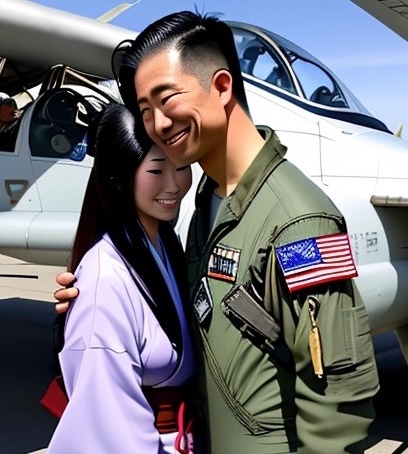
The attack on Pearl Harbor stands as an extraordinary moment in history, forever altering the dynamic between Japan and the United States. But in the aftermath of this tragic event, both nations have tirelessly strived to rise above the pain, forging a path of understanding and cooperation. Embracing the significance of our shared past is a crucial step, enabling us to learn from past mistakes and honor the sacrifices made.

Following the devastating attack on Pearl Harbor, which claimed the lives of thousands of Americans, tensions between Japan and the United States reached unprecedented heights. However, in the subsequent decades, both nations recognized the imperative of healing wounds and nourishing a spirit of reconciliation. Commemorative events, memorial services, and educational initiatives all serve as reminders of the enduring need to champion peace and comprehension.

The efforts to bridge the gap between Japan and the United States have been diverse and ceaseless. Cultural exchanges have played a pivotal role, fostering mutual respect and admiration. Through the realms of art, music, and sports, both nations have showcased their distinctive traditions, kindling a sense of unity among their people. Additionally, educational programs have been developed to foster cross-cultural understanding and exchange among students, ensuring that younger generations grow up with a profound appreciation for the shared values and history of both nations.

Diplomatic endeavors have also been instrumental in solidifying the bond between Japan and the United States. The signing of the Treaty of Mutual Cooperation and Security in 1960 marked a significant milestone, cementing the alliance between the two nations. This treaty, alongside subsequent agreements and partnerships, has facilitated enhanced collaboration in areas such as defense, trade, and technology. Through diplomatic channels, Japan and the United States have successfully addressed mutual concerns and worked towards a shared vision of peace and prosperity.

In recent years, the relationship between Japan and the United States has continued to evolve and deepen. The commemoration of the 75th anniversary of the attack on Pearl Harbor in 2016 served as a poignant reminder of the progress made in healing past wounds. Both nations joined hands to pay homage to the lives lost and reaffirm their unwavering commitment to peace and friendship. This event exemplified the transformative power of remembrance in fostering understanding and emphasized the importance of ongoing efforts to bridge the gap between the two nations.

The journey from Pearl Harbor to peace is an ongoing endeavor, necessitating unwavering dedication and commitment from both Japan and the United States. By honoring history, recognizing the pain of the past, and diligently working towards a shared future, these two nations have showcased to the world the resolute power of reconciliation. As the world confronts new challenges, it becomes increasingly crucial for countries like Japan and the United States to lead by example, demonstrating that peace and understanding can triumph even in the face of adversity.

Related Posts

Voting on Election Day in the United States

Elias Rowen

Voting in the United States, Ultra-realistic photography, studio quality, cinematic light, hd

Election Day is the day when citizens of a country exercise their right to vote and elect their representatives at different levels of government. In America, Election Day is held on the first Tuesday of November every two years, and it’s a day of immense importance for the nation.

On this day, eligible voters head to their designated polling places, eager to cast their ballots and make their voices heard. The voting process begins early in the morning and continues until late in the evening, giving everyone ample time to vote. It’s an exciting time when people come together to participate in the democratic process and shape their future.

To vote, citizens must be registered and have a valid ID. Once they check-in at the polling place, they receive a ballot – either a paper one or an electronic one, depending on the state. Voters then go to a private booth to fill out their ballot, carefully marking their choices for candidates or issues they are passionate about. Afterward, they return their ballot to the polling station worker, who places it in a secure ballot box.

When the polls close, the ballot boxes are securely transported to a central location, where the counting process begins. Tallying the votes for each candidate or issue can take several hours or days, depending on the size of the election and the number of ballots cast. Finally, the results are announced to the public, and the winners are declared.

Election Day is a crucial event in the democratic process because it determines the leaders who will represent the people’s interests for the next few years. Every vote counts, and it’s essential that eligible voters take advantage of this opportunity to make their voices heard. By casting their ballot, they can help ensure that the government is representative of the people’s wishes and create a better future for all.

Related Posts

The Diplomatic Brilliance of Benjamin Franklin

Elias Rowen

a person posing for the camera
Benjamin Franklin is widely recognized as one of the most important figures in American history, and his contributions as a diplomat are no exception. Throughout his life, Franklin served as a representative of the American colonies both in Europe and at home, and his diplomatic efforts were crucial to the success of the American Revolution. Franklin’s experiences as a printer, writer, scientist, and politician all contributed to his skill as a diplomat, as he was able to use his knowledge of these diverse fields to navigate complex negotiations on behalf of his country.

One of Franklin’s most notable diplomatic achievements was his role in securing the support of France for the American Revolution. In 1776, Franklin was sent to France to seek aid for the colonies, and he quickly became a popular figure among the French people. He used his wit, charm, and intellect to win over important members of the French court, and his efforts paid off when France formally recognized the United States as an independent nation in 1778. Franklin’s success in securing French support was a major turning point in the war, and it helped to ensure that the colonies would emerge victorious.

In addition to his work in France, Franklin also played an important role in negotiating the Treaty of Paris in 1783, which officially ended the American Revolution. Along with John Adams and John Jay, Franklin worked tirelessly to secure favorable terms for the new nation, and his reputation as a skilled negotiator was invaluable in these efforts. The Treaty of Paris was a major achievement for the United States, as it secured recognition of American independence and established the boundaries of the new nation.

Overall, Benjamin Franklin’s contributions as a diplomat were crucial to the success of the American Revolution and the establishment of the United States as a new nation. His skills as a negotiator, his knowledge of science and politics, and his ability to win over important allies were all essential in securing support for the colonies and achieving victory in the war. Franklin’s legacy as a diplomat continues to inspire generations of Americans, and his contributions to the nation will never be forgotten.

Related Posts

Dracula Unveiled: Immortal Legacy of the Enigmatic Vampire

Elias Rowen

a person wearing a dress

Step into the world of Count Dracula, the legendary vampire who has enthralled readers and viewers alike for over a century. Created by Bram Stoker in his iconic novel “Dracula,” this enigmatic character has become an enduring symbol of horror and fascination.

Drawing inspiration from a myriad of sources, Stoker crafted a character that would leave a lasting impression on the literary landscape. One of his key influences was Vlad the Impaler, a ruthless ruler from 15th-century Wallachia. Known for impaling his enemies on long spikes, Vlad’s dark reputation and association with Transylvania provided the perfect foundation for the fictional Count Dracula.

But Stoker’s ingenuity didn’t stop there. He delved into the rich tapestry of vampire folklore and legends from Eastern Europe, infusing his creation with the concept of the undead and their ability to transform into bats. Count Dracula emerged as a creature of immense power and cunning, with a pale complexion, sharp fangs, and an insatiable thirst for blood. His ability to shape-shift and his hypnotic gaze only added to his allure, making him a formidable adversary.

Since his inception, Count Dracula has transcended the pages of literature, captivating audiences in various adaptations. From Bela Lugosi’s haunting portrayal in the 1931 film to Gary Oldman’s mesmerizing performance in Francis Ford Coppola’s 1992 adaptation, Dracula has left an indelible mark on the horror genre.

Yet, beneath his malevolence lies a complex character. Dracula is often depicted as a tragic figure, tormented by his immortality and isolation. His supernatural abilities are balanced by his enigmatic charm and seductive nature, drawing both fear and fascination from those who encounter him.

Count Dracula’s legacy stretches across time, captivating generation after generation with his dark and mysterious persona. He stands as a testament to the power of imaginative storytelling, weaving together history, folklore, and Stoker’s brilliance to create a character that continues to captivate and terrify.

Related Posts

Zombie Apocalypse Haven: Unveiling the Ultimate Sanctuaries for Survival

Elias Rowen

a woman posing for a picture
Are you prepared for a zombie apocalypse? If not, don’t worry, you’re not alone. But when it comes to survival, choosing the right location could mean the difference between life and death. So, what should you consider when selecting your hideout?

First, it’s crucial to avoid densely populated areas like cities. They’re likely to be overrun with zombies and pose a severe threat to your safety. Instead, search for secluded locations like remote forests, mountain ranges, or islands. These natural barriers make it harder for zombies to reach you and increase your chances of survival.

But surviving isn’t just about hiding. You also need to ensure you have a reliable source of food, water, and energy. Look for areas with fertile land, abundant water sources, and a suitable climate for farming. Additionally, choose a place close to natural energy sources like solar, wind, or hydroelectric power.

If you’re wondering where to find these ideal locations, look no further than Alaska. Its remote location, harsh climate, and vast wilderness make it the perfect place to hide from zombies. With plenty of natural resources like fish, game, and fresh water, you’ll have everything you need to survive. Plus, Alaska’s low population density and small towns make it easier to avoid zombies and stay off the radar.

Madagascar is another excellent location to consider. This isolated island off the coast of Africa is one of the most secluded places on Earth, making it an excellent refuge. With vast rainforests and diverse wildlife, you’ll have ample opportunities for hunting and gathering. Plus, Madagascar’s tropical climate ensures a steady supply of fresh fruit and vegetables.

Last but not least, the Scottish Highlands are a fantastic place to live during a zombie apocalypse. The rugged terrain, harsh climate, and sparse population make it an ideal place to hide from zombies. Remote communities have lived off the land for centuries, and you can too. The area’s vast forests and rugged hills provide ample opportunities for hunting and foraging, while its proximity to the sea ensures a steady supply of fish and shellfish.

In conclusion, surviving a zombie apocalypse requires careful planning and preparation. Choosing a location that is secluded, rich in resources, and difficult to access will increase your chances of survival. So, whether you choose Alaska, Madagascar, or the Scottish Highlands, always remember to stay vigilant and be prepared for anything.

Related Posts