A person sits at a kitchen table, surrounded by calendars, to-do lists, and coffee cups, scrolling through their phone to plan out their weekend. The scene is all too familiar – a flurry of social engagements, errands, and activities that leave little room for relaxation or spontaneity. This tendency to overschedule weekends is a pervasive phenomenon, one that can have profound consequences for both mental and physical health. By prioritizing a frenetic pace over genuine downtime, individuals risk undermining their own well-being, and it is only by recognizing the value of intentional calm and flexibility that they can begin to create a more sustainable and nourishing weekend routine.
The relentless pursuit of a packed weekend schedule can disrupt the body’s natural rhythms, making it difficult to establish a consistent sleep pattern, and leading to a range of physical symptoms including headaches, digestive problems, and a weakened immune system. The mental health consequences of overscheduling should not be underestimated, as the pressure to constantly perform and produce can lead to feelings of anxiety, burnout, and disconnection from one’s own needs and desires. For instance, a person who has filled their weekend with back-to-back social engagements may find themselves feeling drained and irritable by Sunday evening, unable to muster the energy to do anything more than collapse onto the couch.
One of the primary challenges in creating a restorative weekend routine is learning to set boundaries and prioritize self-care. This might involve canceling plans at the last minute to take a nap, or saying no to social invitations in order to have a quiet night in. By creating space for rest and relaxation, individuals can begin to replenish their energy reserves, and cultivate a sense of calm and clarity that is essential for navigating the demands of daily life. The key is to recognize that downtime is not a luxury, but a necessity – a fundamental component of a healthy and sustainable lifestyle.
Saying no to social invitations can be difficult, especially when it means missing out on what might seem like a fun and relaxing experience. However, doing so can also create space for a quiet morning at home, spent reading, meditating, or simply enjoying a cup of coffee in peace. This kind of intentional boundary-setting requires a deep understanding of one’s own needs and limitations, as well as the ability to distinguish between activities that truly bring joy and relaxation, and those that may be driven by obligation or a desire to please others.
As individuals begin to prioritize self-care and flexibility in their weekend routines, they may find that they are better able to listen to their own inner rhythms and honor their needs. This might mean taking a digital detox for a few hours on Saturday, or canceling plans at the last minute to take a nap, simply because it feels necessary and restorative. By embracing this kind of flexibility and prioritizing their own well-being, individuals can begin to create a sense of harmony and balance in their lives – one that is not driven by external expectations or pressures, but rather by a deep understanding of what it means to truly rest and recharge.
The benefits of embracing a more balanced approach to weekends are multifaceted. As individuals learn to prioritize flexibility and downtime, they often find that their energy levels increase, and their mood improves, allowing them to navigate the demands of daily life with greater ease and clarity. This is not simply a matter of having more time to rest, but rather a fundamental shift in how one approaches the weekend – recognizing that relaxation and rejuvenation are not indulgences, but essential components of a healthy and sustainable lifestyle. For instance, taking a few hours on Saturday to disconnect from digital devices can have a profound impact on one’s sense of calm and clarity, allowing for a deeper connection with oneself and others.
By leaving some buffer time in the schedule for unexpected events or simply doing nothing, individuals can create space for spontaneity and relaxation. This might mean spending a lazy Sunday morning reading a book, or taking a leisurely walk in the park. These quiet moments are essential to overall well-being, allowing individuals to recharge and refocus. As they settle into this newfound sense of balance and harmony, they may find that the boundaries between work and rest, activity and relaxation, become less rigid – and that the very notion of what it means to have a fulfilling weekend begins to unfold with greater nuance and complexity.
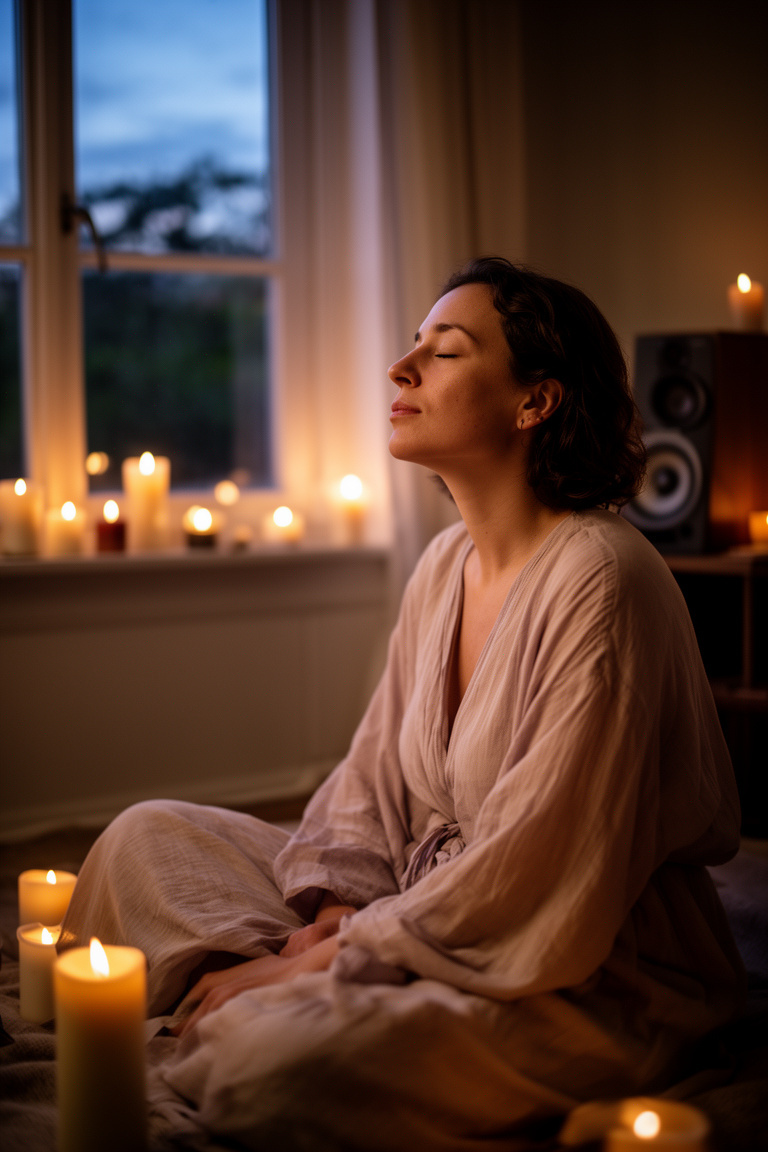
The value of emptiness and silence cannot be overstated. In a world that often prioritizes productivity and busyness, it can be difficult to slow down and appreciate the simple pleasures in life. However, by embracing the quiet beauty of a well-crafted pause, individuals can create space for reflection, relaxation, and rejuvenation. This might mean taking a few moments each day to practice mindfulness, or simply sitting in silence – allowing oneself to be still, and to let go of the constant need to be doing something. As they learn to appreciate the beauty of emptiness, individuals may find that their weekends become a source of nourishment and inspiration – rather than a time of exhaustion and depletion.
In the end, it is not about filling every moment with activity, but about creating space for rest, relaxation, and rejuvenation. By prioritizing flexibility and downtime, individuals can create a more balanced approach to weekends – one that nourishes both body and mind. As they settle into this newfound sense of calm and clarity, they may find that the boundaries between work and rest, activity and relaxation, become less rigid – and that the very notion of what it means to have a fulfilling weekend begins to unfold with greater nuance and complexity. And so, as the Sunday afternoon sun begins to set, casting a warm glow over the landscape, it becomes clear that the key to a truly rejuvenating weekend lies not in the relentless pursuit of activity, but in the gentle art of embracing the empty spaces – and allowing oneself to be renewed by the quiet beauty of a well-crafted pause.