Latest Articles

Edison demonstrates the incandescent light bulb

Elias Rowen

On the evening of October 21, 1879, something quietly extraordinary unfolded inside Thomas Edison’s laboratory in the small town of West Orange, New Jersey. Imagine the smell of warm varnish, the scattered piles of wires, glass tubes, and carbon dust, the clatter of tools still echoing from hours of experimentation, and Edison himself—tired, relentless, and utterly absorbed—holding up a small glass bulb that glowed with a soft but steady radiance. That warm glow represented far more than a scientific breakthrough. It marked the moment humanity broke free from the limitations of darkness, stepping confidently into a future powered by electric light. Looking back, it’s almost hard to believe how improbable it all seemed at the time. Gas lamps hissed in city streets, candles flickered in homes, and the world after sunset moved at a slow, careful pace. Edison’s incandescent bulb didn’t just brighten rooms; it brightened the possibilities of an entire civilization.

Before Edison’s invention, darkness was something people lived around. The sun dictated schedules, and when night fell, life contracted into small, dimly lit spaces. Gaslighting—once a marvel in itself—came with its own hazards: dangerous fumes, routine explosions, constant maintenance, soot coating ceilings and lungs alike. It illuminated streets but polluted them too. Into this world stepped Edison, a man who refused to accept that illumination had reached its limits. In 1878, he established his famous Menlo Park research laboratory, where he gathered some of the brightest engineers and machinists of the era. His goal was ambitious, almost unbelievable: a safe, long-lasting incandescent lamp that could outperform gaslight and be powered by a system of electricity that reached every home. It’s remarkable to imagine the mix of skepticism and curiosity that surrounded his early efforts. Critics dismissed his ideas as theatrics, while supporters put cautious hope in his endless stream of experiments.

Inside Menlo Park, Edison became a kind of conductor of controlled chaos. He pushed his team through day and night cycles of trial and error—carbonizing everything from cotton thread to bits of wood, even strips of bamboo. Human hair was tested at one point, as if the answer to electric lighting could be found in the mundane or the absurd. Edison believed solutions often hid inside unlikely materials, and that belief propelled him forward, even when prototypes failed within hours or even minutes. What set him apart was not instant brilliance but persistent tinkering, sharpened by a stubborn refusal to give up. He famously said he had not failed but had simply found thousands of ways that did not work. That attitude wasn’t just an inspirational quote—it was the guiding philosophy of Menlo Park.

Then came September 4, 1879, when a carbon filament burned for 13.5 hours—longer than anything achieved until then. The moment must have felt like a breath held too long finally releasing. This success proved the concept was viable. Edison just needed to refine it. He experimented with vacuum levels inside the bulb, filament thickness, bulb shape, and materials, gradually pushing the lifespan from mere hours to more than forty. Every improvement nudged the invention closer to something that could be mass-produced, purchased by ordinary families, and trusted to illuminate everyday life.

By October 21—the date that would enter history books—Edison had achieved a durable version worth showing the world. Journalists and investors gathered in his West Orange laboratory, unaware they were about to witness a moment that would redefine modernity. Edison’s demonstration wasn’t simply scientific; it was theatrical. He arranged multiple lamps to give off a warm, comforting glow, filling the room with a kind of light people had never quite seen before—clean, steady, and safe. Those present were mesmerized. They were experiencing not just illumination, but the promise of a future where darkness no longer dictated the rhythms of human existence. Investors who once hesitated now pushed forward enthusiastically. The public, thrilled by newspaper illustrations and breathless descriptions, embraced Edison as a visionary.

What many don’t realize is that Edison’s invention was only part of the challenge. A bulb is useless without a source of power. Edison understood this better than anyone, so he began designing an entire electrical system to support his lamp—a system based on direct current (DC). This comprehensive vision set him apart from competitors like Nikola Tesla and George Westinghouse, who later championed alternating current (AC). Though the “War of Currents” would become a famous chapter in engineering history, in these early years Edison focused on making electricity practical for ordinary people. He built dynamos, wiring systems, sockets, safety fuses, and meters. He wasn’t just creating a light bulb; he was constructing the foundation for electrified cities.

Think about how transformative that was. Gas companies had entire empires built on the assumption that gaslight was the pinnacle of lighting technology. Edison challenged those empires with a fragile-looking glass bulb and a vision of clean, controlled electricity. Early critics insisted it was impossible—too expensive, too untested, too risky. But Edison had something stronger than validation. He had proof of concept and the determination to keep improving until the rest of the world caught up. In January of 1880, after countless adjustments, he increased lamp life to more than 40 hours. That milestone meant electric light could finally transition from a scientific novelty to a commercial product.

As electric lighting spread, its cultural impact was profound. Cities transformed almost overnight. Streets once considered unsafe after sunset became lively with activity. Factories extended work hours, which brought its own controversies, but also enabled unprecedented economic growth. People gained more leisure time, more flexibility in their schedules, and new ways of socializing. Restaurants, theaters, and shops thrived under electric light. Homes became brighter and cleaner. The psychological effect of easy illumination cannot be overstated; it opened space for creativity, learning, and comfort after the sun went down.

The incandescent bulb also reshaped architecture. Designers and city planners no longer had to accommodate gas pipes and ventilation concerns. Buildings could reach new heights, both metaphorically and literally. Urban centers began glowing at night, becoming symbols of progress. Photographs from the late 19th and early 20th centuries show crowds gathering to marvel at brightly illuminated boulevards—scenes almost magical to people who had known only gaslight and candles.

And yet, it’s important to humanize this moment in history. Edison’s achievement wasn’t a clean, effortless rise. He faced ridicule, financial strain, fierce competition, and technical failures. Behind every successful prototype were dozens of burnt-out bulbs, long nights spent troubleshooting, and a team working themselves to exhaustion. Edison himself often slept only a few hours at a time, believing rest was secondary to momentum. His personality—curious, disciplined, sometimes overly demanding—played a defining role in the pace and direction of his work.

But what truly made Edison’s incandescent bulb revolutionary was not just the invention itself but the way it altered human behavior. It shifted our relationship with time, comfort, safety, and productivity. It electrified industries, inspired new technologies, and paved the way for telecommunications, home appliances, and digital infrastructure. The modern world—our world—sits atop the foundation Edison laid. It is no exaggeration to say that his small glowing bulb ignited the technological age.

As electricity spread across the country and eventually the world, new economic opportunities blossomed. Entire sectors emerged to manufacture electrical components, install wiring, and develop new applications for electric power. The bulb became a symbol of human ingenuity appearing in illustrations, advertisements, and political cartoons. For many, it represented the dawning of a new era—an era where innovation felt endless and the future seemed brighter than ever, both literally and figuratively.

Even now, more than a century later, the incandescent bulb holds a nostalgic charm. Modern lighting has moved on to LEDs and advanced, energy-efficient alternatives, yet the warm glow of Edison’s bulb still triggers a sense of wonder. It reminds us of the moment humanity learned how to bottle light. Historians emphasize that Edison’s success was not a stroke of luck; it was the cumulative result of perseverance, curiosity, teamwork, and an almost defiant belief in possibility. These qualities resonate even today, inspiring inventors, entrepreneurs, and dreamers across every discipline.

When Edison lifted that glowing bulb in 1879, he couldn’t have fully comprehended how deeply his invention would permeate the fabric of human life. But he believed in its potential. And that belief changed everything. From the electrified skylines of New York, Paris, and Tokyo to the simple act of flipping a switch in a quiet home, the legacy of Edison’s incandescent lamp continues to shine. It is more than an invention—it is a turning point in the story of civilization, a reminder that even the smallest spark can illuminate the world.

Related Posts

Panama Canal handed over to Panama

Elias Rowen

The transfer of control of the Panama Canal from the United States to Panama was a pivotal moment in modern history, marking the culmination of decades of struggle for sovereignty and self-determination by the people of Panama. The canal, one of the most impressive engineering feats of its time, had been constructed at a cost of over 350 million dollars between 1904 and 1913, connecting the Atlantic and Pacific Oceans via a waterway through the Isthmus of Panama.

The idea of building a canal across the Isthmus of Panama dates back to the early 19th century, with various countries and companies expressing interest in undertaking such a massive project. However, it was not until the late 1800s that the concept began to gain momentum, driven by the United States’ growing need for a shorter trade route between the Atlantic and Pacific coasts.

In 1881, the French company Compagnie Universelle du Canal Interocéanique de Panama embarked on an ambitious project to build the canal, but it ultimately collapsed due to engineering challenges, financial woes, and tropical diseases afflicting the workforce. The United States eventually acquired the rights to the unfinished canal in 1904 from the French, paving the way for its own construction.

Under the leadership of President Theodore Roosevelt, the U.S. embarked on a massive effort to complete the project, with thousands of workers laboring under harsh conditions to excavate and build locks, dams, and other infrastructure necessary for the canal’s operation. The canal officially opened in August 1914, connecting the two oceans for the first time in history.

However, from its inception, the United States’ control over the canal was met with resistance from Panamanian nationalists who longed for independence from their colonial past. In 1903, Panama had declared itself an independent republic after a rebellion against Colombia, but it was largely beholden to U.S. influence and control. The U.S.-Panama Canal Treaty of 1977 marked a significant turning point in this struggle, establishing a framework for the gradual transfer of control over the canal from the United States to Panama.

Under the terms of the treaty, responsibility for operating and maintaining the canal would pass to Panama by December 31, 1999. The agreement reflected the shifting balance of power between the two nations, as well as growing international pressure on the U.S. to recognize Panamanian sovereignty over its own territory. Throughout the 1980s and early 1990s, tensions between the United States and Panama escalated as the deadline for transfer drew near.

Meanwhile, the U.S. government engaged in a high-stakes diplomatic effort to persuade Panama to agree to a range of concessions that would safeguard American interests in the canal’s future operation. This included securing guarantees for the continued use of American military bases along the canal, and negotiating access rights for the U.S. Navy to continue patrolling the waterway.

Despite these efforts, President Mireya Moscoso, who came to power in 1999 following the death of her husband, President Guillermo Endara, refused to grant concessions that would undermine Panama’s sovereignty over its own territory. Her administration worked closely with U.S. officials to ensure a smooth transfer of control on December 31, 1999.

At midnight on New Year’s Eve, 1999, the Panama Canal was officially handed over to the Panamanian authorities in a ceremony at Balboa Heights in Panama City. The event marked the culmination of decades of struggle for independence and self-determination by the people of Panama, as well as a significant milestone in the country’s journey towards full sovereignty.

In the years that followed, Panama invested heavily in modernizing and expanding the canal to meet growing global demand for maritime trade. Today, it is one of the busiest waterways in the world, handling over 14,000 vessels annually. The handover marked not only a transfer of ownership but also a profound shift in the balance of power between two nations.

The significance of this event lies not just in its economic and strategic implications but also in its broader cultural and symbolic importance. For generations, Panamanians had toiled in relative obscurity, working on the canal alongside American engineers and laborers while being denied full rights as citizens. The transfer marked a fundamental shift towards greater recognition of Panamanian identity and culture.

As Panama looked forward to a new era of independence, it also continued to grapple with the legacy of U.S. involvement in its affairs. Many Panamanians remained sensitive about issues of national sovereignty, particularly given ongoing U.S. military presence on their soil.

The transfer of control over the Panama Canal marked an historic milestone in the country’s journey towards full self-determination and international recognition as a sovereign state. It reflected growing demands for justice and equality among Panamanian citizens who had long been subjected to foreign influence and control.

Today, the story of the Panama Canal serves as a powerful reminder of the complexities and challenges that arise when different cultures and nations come together in pursuit of shared goals and ambitions. The legacy of this epic undertaking continues to shape regional politics, international relations, and global trade patterns.

The handover has also sparked new debates about the responsibilities that accompany sovereignty, the role of external powers in shaping domestic policy, and the importance of investing in infrastructure for economic development and growth.

As Panama enters a new era of independence, its people look back on this pivotal moment with pride, knowing that they have forged their own destiny through perseverance and determination. Their story is a testament to the power of nation-building and the enduring spirit of a people who refuse to be defeated by adversity or external interference.

The transfer of control over the Panama Canal was not merely a bureaucratic exercise in transferring ownership; it was a seismic shift in the global balance of power that had far-reaching consequences for both nations involved. The canal, which had been constructed at an estimated cost of $350 million between 1904 and 1913, had long been a contentious issue between the United States and Panama.

The United States’ initial involvement in the construction of the canal was motivated by its desire to establish a strategic trade route that would connect the Atlantic and Pacific coasts. The idea of building such a waterway had first been proposed in the early 19th century, but it wasn’t until the late 1800s that the concept began to gain momentum.

The French company Compagnie Universelle du Canal Interocéanique de Panama had initially undertaken the ambitious project, but it was plagued by engineering challenges, financial woes, and tropical diseases afflicting the workforce. The United States eventually acquired the rights to the unfinished canal in 1904 from the French, paving the way for its own construction.

Under President Theodore Roosevelt’s leadership, the U.S. embarked on a massive effort to complete the project, with thousands of workers laboring under harsh conditions to excavate and build locks, dams, and other infrastructure necessary for the canal’s operation. The canal officially opened in August 1914, connecting the two oceans for the first time in history.

However, from its inception, the United States’ control over the canal was met with resistance from Panamanian nationalists who longed for independence from their colonial past. In 1903, Panama had declared itself an independent republic after a rebellion against Colombia, but it was largely beholden to U.S. influence and control.

The U.S.-Panama Canal Treaty of 1977 marked a significant turning point in this struggle, establishing a framework for the gradual transfer of control over the canal from the United States to Panama. Under the terms of the treaty, responsibility for operating and maintaining the canal would pass to Panama by December 31, 1999.

The agreement reflected the shifting balance of power between the two nations, as well as growing international pressure on the U.S. to recognize Panamanian sovereignty over its own territory. Throughout the 1980s and early 1990s, tensions between the United States and Panama escalated as the deadline for transfer drew near.

Meanwhile, the U.S. government engaged in a high-stakes diplomatic effort to persuade Panama to agree to a range of concessions that would safeguard American interests in the canal’s future operation. This included securing guarantees for the continued use of American military bases along the canal, and negotiating access rights for the U.S. Navy to continue patrolling the waterway.

Despite these efforts, President Mireya Moscoso, who came to power in 1999 following the death of her husband, President Guillermo Endara, refused to grant concessions that would undermine Panama’s sovereignty over its own territory. Her administration worked closely with U.S. officials to ensure a smooth transfer of control on December 31, 1999.

At midnight on New Year’s Eve, 1999, the Panama Canal was officially handed over to the Panamanian authorities in a ceremony at Balboa Heights in Panama City. The event marked the culmination of decades of struggle for independence and self-determination by the people of Panama, as well as a significant milestone in the country’s journey towards full sovereignty.

In the years that followed, Panama invested heavily in modernizing and expanding the canal to meet growing global demand for maritime trade. Today, it is one of the busiest waterways in the world, handling over 14,000 vessels annually. The handover marked not only a transfer of ownership but also a profound shift in the balance of power between two nations.

The significance of this event lies not just in its economic and strategic implications but also in its broader cultural and symbolic importance. For generations, Panamanians had toiled in relative obscurity, working on the canal alongside American engineers and laborers while being denied full rights as citizens. The transfer marked a fundamental shift towards greater recognition of Panamanian identity and culture.

As Panama looked forward to a new era of independence, it also continued to grapple with the legacy of U.S. involvement in its affairs. Many Panamanians remained sensitive about issues of national sovereignty, particularly given ongoing U.S. military presence on their soil.

The transfer of control over the Panama Canal marked an historic milestone in the country’s journey towards full self-determination and international recognition as a sovereign state. It reflected growing demands for justice and equality among Panamanian citizens who had long been subjected to foreign influence and control.

Today, the story of the Panama Canal serves as a powerful reminder of the complexities and challenges that arise when different cultures and nations come together in pursuit of shared goals and ambitions. The legacy of this epic undertaking continues to shape regional politics, international relations, and global trade patterns.

The handover has also sparked new debates about the responsibilities that accompany sovereignty, the role of external powers in shaping domestic policy, and the importance of investing in infrastructure for economic development and growth.

As Panama enters a new era of independence, its people look back on this pivotal moment with pride, knowing that they have forged their own destiny through perseverance and determination. Their story is a testament to the power of nation-building and the enduring spirit of a people who refuse to be defeated by adversity or external interference.

The Panama Canal has become an iconic symbol of Panamanian identity and sovereignty, representing the country’s struggle for self-determination and its ultimate triumph over foreign influence. The canal’s history serves as a reminder that true independence requires not only formal recognition but also economic empowerment, cultural preservation, and the ability to shape one’s own destiny.

The handover has had far-reaching consequences beyond Panama’s borders, influencing regional politics and international relations. It marked a significant turning point in the history of Central America, where U.S. interventionism and dominance had long been a reality.

The United States’ involvement in the construction and operation of the canal had created a complex web of interests and allegiances that continued to shape regional dynamics well after the transfer of control. The handover marked a significant shift towards greater recognition of Panamanian sovereignty, but it also underscored the challenges and complexities that arise when nations navigate the intricacies of international relations.

The Panama Canal has become an important case study in international relations, highlighting the importance of diplomacy, negotiation, and compromise in resolving conflicts over territory and resources. The handover serves as a powerful reminder of the need for cooperation and mutual understanding between nations, particularly in regions where historical grievances and unresolved issues continue to simmer beneath the surface.

The transfer of control over the Panama Canal marked not only a new era for Panama but also a profound shift in the global balance of power. As the world becomes increasingly interconnected, the significance of this event is more relevant than ever, serving as a powerful reminder of the importance of cooperation, diplomacy, and mutual respect between nations.

Today, the Panama Canal continues to play a vital role in global trade patterns, with over 14,000 vessels passing through its locks annually. The handover marked not only a transfer of ownership but also a fundamental shift towards greater recognition of Panamanian identity and culture.

As Panama looks back on this pivotal moment, it is clear that the legacy of the Panama Canal continues to shape regional politics, international relations, and global trade patterns. The story of the canal serves as a powerful reminder of the complexities and challenges that arise when different cultures and nations come together in pursuit of shared goals and ambitions.

The transfer of control over the Panama Canal marked an historic milestone in the country’s journey towards full self-determination and international recognition as a sovereign state. It reflected growing demands for justice and equality among Panamanian citizens who had long been subjected to foreign influence and control.

Today, the story of the Panama Canal serves as a powerful reminder of the importance of investing in infrastructure for economic development and growth. The handover has sparked new debates about the responsibilities that accompany sovereignty, the role of external powers in shaping domestic policy, and the need for nations to prioritize their own economic and social needs.

As Panama enters a new era of independence, its people look back on this pivotal moment with pride, knowing that they have forged their own destiny through perseverance and determination. Their story is a testament to the power of nation-building and the enduring spirit of a people who refuse to be defeated by adversity or external interference.

In conclusion, the transfer of control over the Panama Canal marked not only a new era for Panama but also a profound shift in the global balance of power. The handover serves as a powerful reminder of the importance of cooperation, diplomacy, and mutual respect between nations, particularly in regions where historical grievances and unresolved issues continue to simmer beneath the surface.

The story of the Panama Canal is a testament to the complexities and challenges that arise when different cultures and nations come together in pursuit of shared goals and ambitions. It serves as a reminder of the need for nations to prioritize their own economic and social needs, while also working towards greater recognition of sovereignty and self-determination.

As Panama looks back on this pivotal moment, it is clear that its legacy continues to shape regional politics, international relations, and global trade patterns. The story of the canal serves as a powerful reminder of the importance of investing in infrastructure for economic development and growth, while also underscoring the need for nations to prioritize their own sovereignty and self-determination.

The transfer of control over the Panama Canal marked an historic milestone in the country’s journey towards full self-determination and international recognition as a sovereign state. It reflected growing demands for justice and equality among Panamanian citizens who had long been subjected to foreign influence and control.

As Panama enters a new era of independence, its people look back on this pivotal moment with pride, knowing that they have forged their own destiny through perseverance and determination. Their story is a testament to the power of nation-building and the enduring spirit of a people who refuse to be defeated by adversity or external interference.

The Panama Canal has become an iconic symbol of Panamanian identity and sovereignty, representing the country’s struggle for self-determination and its ultimate triumph over foreign influence. The canal’s history serves as a reminder that true independence requires not only formal recognition but also economic empowerment, cultural preservation, and the ability to shape one’s own destiny.

The handover has sparked new debates about the responsibilities that accompany sovereignty, the role of external powers in shaping domestic policy, and the importance of investing in infrastructure for economic development and growth. It serves as a powerful reminder of the complexities and challenges that arise when different cultures and nations come together in pursuit of shared goals and ambitions.

In the years since the handover, Panama has continued to invest heavily in modernizing and expanding the canal to meet growing global demand for maritime trade. The country’s investment in infrastructure has been accompanied by significant economic growth and development, with GDP per capita increasing from $2,300 in 1999 to over $16,000 today.

The transfer of control over the Panama Canal marked a new era of cooperation between nations, as Panama and the United States have continued to work together on various initiatives aimed at strengthening their relationship. The two countries have signed numerous agreements on issues such as trade, security, and environmental protection, reflecting a growing commitment to mutual understanding and respect.

The handover has also sparked renewed interest in the history of the canal and its construction. Museums, historical sites, and other institutions dedicated to preserving the history of the canal have sprouted up across Panama, serving as a reminder of the country’s struggle for self-determination and its ultimate triumph over foreign influence.

Today, the story of the Panama Canal serves as a powerful reminder of the importance of investing in infrastructure for economic development and growth. The handover has sparked new debates about the responsibilities that accompany sovereignty, the role of external powers in shaping domestic policy, and the need for nations to prioritize their own economic and social needs.

The transfer of control over the Panama Canal marked an historic milestone in the country’s journey towards full self-determination and international recognition as a sovereign state. It reflected growing demands for justice and equality among Panamanian citizens who had long been subjected to foreign influence and control.

As Panama enters a new era of independence, its people look back on this pivotal moment with pride, knowing that they have forged their own destiny through perseverance and determination. Their story is a testament to the power of nation-building and the enduring spirit of a people who refuse to be defeated by adversity or external interference.

Related Posts

Saddam Hussein executed

Elias Rowen

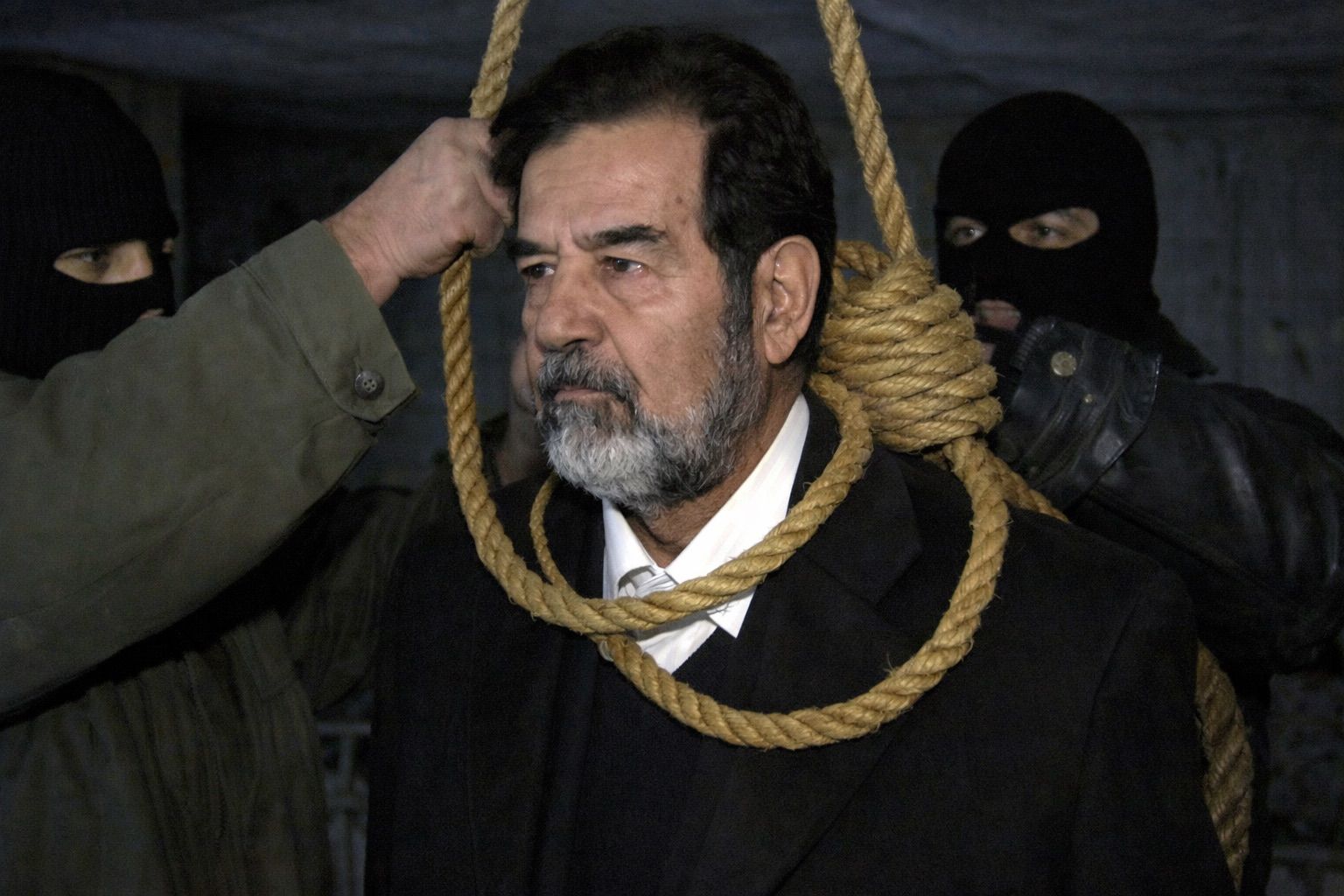
It was on December 30, 2006, that the world witnessed the execution of one of its most infamous figures – Saddam Hussein. The former Iraqi dictator had been in American custody since his capture in a hiding spot north of Baghdad on December 13, 2003. His death marked the end of an era, not just for Iraq but also for the global community that watched with bated breath as he stood trial and awaited his fate.

Saddam’s rise to power began in the early 1970s when he seized control from President Abd al-Karim Qasim following a bloody coup. He ruled with an iron fist, suppressing dissent and opposition through brutal means. His regime was characterized by human rights abuses, economic mismanagement, and aggressive military expansion. The Iran-Iraq War of the 1980s left deep scars on Iraq’s economy and its people, but it also solidified Saddam’s grip on power.

The invasion of Kuwait in August 1990 marked a turning point for Saddam and his regime. While initially successful, the subsequent Allied intervention forced him to withdraw from Kuwait, leaving behind a trail of destruction and chaos. The aftermath saw widespread international sanctions imposed on Iraq, exacerbating its economic woes and leaving millions without access to basic necessities.

The no-fly zones established by the United States and the United Kingdom over northern and southern Iraq were another direct consequence of Saddam’s actions. These zones allowed the Allies to maintain control while creating an environment that fueled resentment among Iraqis who felt they had been denied their sovereignty. The period also saw a shift in Saddam’s domestic policies as he turned towards radical Islamism, cultivating ties with terrorist groups such as Al-Qaeda.

The 2003 invasion of Iraq by American and British forces brought about the downfall of Saddam’s regime. After an initial resistance, his loyalist forces collapsed, and on April 9, 2003, Baghdad fell to coalition troops. As Iraqi cities celebrated their newfound freedom, many also mourned the loss of a leader who had become synonymous with national pride.

Saddam’s trial began in October 2005, over two years after his capture. Accused of ordering the execution of 148 Shi’ites from Dujail following an assassination attempt against him in 1982, Saddam stood before the Iraqi High Tribunal (IHT) to face justice. His defense team argued that he had been unfairly targeted and that the trial was a sham, while others saw it as a long-overdue reckoning for his crimes.

The verdict on November 5, 2006, was unanimous: death by hanging for Saddam. While some Iraqis welcomed this outcome, others feared it would exacerbate sectarian tensions between Shi’ites and Sunnis. This anxiety proved well-founded as thousands of protesters took to the streets, not in celebration but in opposition to what many saw as a miscarriage of justice.

Saddam’s execution on December 30, 2006, was carried out at Kadhimiya prison, just north of Baghdad. In the hours leading up to it, his lawyer made an eleventh-hour appeal to spare his client’s life. Saddam himself remained defiant until the very end, maintaining that he had done nothing wrong and refusing even to acknowledge the legitimacy of the trial.

In a bizarre twist, Saddam requested that his family be allowed to identify him after his execution, fearing that his body might be claimed by another person or that it would not be recognized. This request was met with skepticism by those present but highlights the deep paranoia that had characterized his regime and continues to influence Iraqi politics today.

As news of Saddam’s death spread around the world, reactions were mixed. Some hailed it as a triumph for justice and a fitting end to a brutal dictator, while others saw it as an opportunistic move by American forces seeking to consolidate their power in Iraq. In Iraq itself, the mood was tense, with fears that the execution would create a power vacuum or fuel further instability.

The months following Saddam’s death were marked by violence and uncertainty as factions vied for control of the country. Al-Qaeda in Iraq (AQI), which had previously been weakened by the invasion, began to regroup and wreak havoc across the nation. As one faction after another fell, it became clear that the removal of Saddam was only a small step towards stability.

The execution also sparked debate about the role of international law in the post-Saddam era. Critics accused the Bush administration of attempting to sidestep due process and ignore human rights norms by pushing for capital punishment without allowing for appeals or alternatives. The use of such extreme measures, they argued, undermined efforts to rebuild Iraq’s fragile institutions.

On a broader level, Saddam’s trial and execution have been seen as part of a larger conversation about the relationship between justice and politics in modern warfare. In the years following 9/11, governments around the world faced unprecedented challenges in balancing security concerns with human rights obligations. As in Iraq, many countries struggled to reconcile their pursuit of accountability for past atrocities with the imperatives of national sovereignty.

In conclusion, Saddam Hussein’s execution marked a watershed moment in international relations and domestic Iraqi politics. While it brought some measure of closure for victims of his regime, it also highlighted the complexities and challenges inherent in transitioning from dictatorship to democracy.

The years leading up to Saddam’s execution were marked by a series of tumultuous events that would shape the fate of Iraq and its people for generations to come. The invasion of Kuwait in August 1990 was a pivotal moment in modern Middle Eastern history, one that would test the mettle of international relations and diplomacy.

As Iraqi forces poured into Kuwait, the United States, under the leadership of President George H.W. Bush, rallied an international coalition to push back against Saddam’s aggression. The subsequent liberation of Kuwait marked a rare instance of successful multilateral cooperation in modern times, with over 40 nations contributing troops to the effort.

However, the aftermath of Operation Desert Storm was marred by controversy and recrimination. The Gulf War, as it came to be known, saw a series of devastating airstrikes against Iraqi military targets, including the infamous bombing of Baghdad’s infrastructure. While these actions were intended to weaken Saddam’s regime, they also had the unintended consequence of creating widespread suffering among ordinary Iraqis.

The no-fly zones established by the United States and its allies over northern and southern Iraq further complicated an already volatile situation. The zones, designed to prevent Iraqi aircraft from attacking Kurdish populations in the north and Shi’ite rebels in the south, became a constant source of tension between Baghdad and Washington.

Saddam, emboldened by the weakness of his opponents, began to exploit these divisions for his own gain. He cultivated ties with extremist groups like Al-Qaeda, fueling a radicalization of his regime that would have far-reaching consequences for Iraq and the wider region.

The 2003 invasion of Iraq by American and British forces brought an end to Saddam’s rule, but it also opened up a Pandora’s box of sectarian violence and instability. As the coalition struggled to establish order in Baghdad, it became clear that the removal of Saddam was only the first step towards a more profound transformation of Iraqi society.

The aftermath of the invasion saw a rise in tensions between Shi’ite and Sunni populations, as well as an increase in violence perpetrated by extremist groups like Al-Qaeda. The fragile balance between these competing forces would be tested to its limits in the years that followed, with far-reaching implications for regional stability and global security.

Saddam’s trial began in October 2005, over two years after his capture. Accused of ordering the execution of 148 Shi’ites from Dujail following an assassination attempt against him in 1982, Saddam stood before the Iraqi High Tribunal (IHT) to face justice. His defense team argued that he had been unfairly targeted and that the trial was a sham, while others saw it as a long-overdue reckoning for his crimes.

The verdict on November 5, 2006, was unanimous: death by hanging for Saddam. While some Iraqis welcomed this outcome, others feared it would exacerbate sectarian tensions between Shi’ites and Sunnis. This anxiety proved well-founded as thousands of protesters took to the streets, not in celebration but in opposition to what many saw as a miscarriage of justice.

The months leading up to Saddam’s execution were marked by a series of last-minute appeals and desperate attempts to save his life. His lawyer, Khalil al-Dulaimi, made an eleventh-hour appeal to spare his client’s life, arguing that the trial had been unfair and that Saddam’s sentence was unwarranted.

Saddam himself remained defiant until the very end, maintaining that he had done nothing wrong and refusing even to acknowledge the legitimacy of the trial. His defiance was a testament to the deep-seated conviction that had driven him throughout his life: that he was the rightful ruler of Iraq, and that any opposition to his rule was illegitimate.

In a bizarre twist, Saddam requested that his family be allowed to identify him after his execution, fearing that his body might be claimed by another person or that it would not be recognized. This request was met with skepticism by those present but highlights the deep paranoia that had characterized his regime and continues to influence Iraqi politics today.

As news of Saddam’s death spread around the world, reactions were mixed. Some hailed it as a triumph for justice and a fitting end to a brutal dictator, while others saw it as an opportunistic move by American forces seeking to consolidate their power in Iraq. In Iraq itself, the mood was tense, with fears that the execution would create a power vacuum or fuel further instability.

The months following Saddam’s death were marked by violence and uncertainty as factions vied for control of the country. Al-Qaeda in Iraq (AQI), which had previously been weakened by the invasion, began to regroup and wreak havoc across the nation. As one faction after another fell, it became clear that the removal of Saddam was only a small step towards stability.

The execution also sparked debate about the role of international law in the post-Saddam era. Critics accused the Bush administration of attempting to sidestep due process and ignore human rights norms by pushing for capital punishment without allowing for appeals or alternatives. The use of such extreme measures, they argued, undermined efforts to rebuild Iraq’s fragile institutions.

On a broader level, Saddam’s trial and execution have been seen as part of a larger conversation about the relationship between justice and politics in modern warfare. In the years following 9/11, governments around the world faced unprecedented challenges in balancing security concerns with human rights obligations. As in Iraq, many countries struggled to reconcile their pursuit of accountability for past atrocities with the imperatives of national sovereignty.

The trial and execution of Saddam Hussein have left a lasting impact on international relations and domestic Iraqi politics. While it brought some measure of closure for victims of his regime, it also highlighted the complexities and challenges inherent in transitioning from dictatorship to democracy.

In the years that followed, Iraq continued to grapple with the legacy of Saddam’s rule. The country struggled to rebuild its institutions, restore its economy, and reconcile its sectarian divisions. The removal of Saddam was only a small step towards this goal, and much work remains to be done if Iraq is to achieve true stability and prosperity.

The trial and execution of Saddam Hussein have also sparked important debates about the role of international law in modern warfare. As nations continue to grapple with the complexities of terrorism, insurgency, and regime change, it is essential that we consider the lessons learned from this critical moment in history.

In 2008, a report by Human Rights Watch noted that “the trial was marred by procedural irregularities and the absence of a fair defense.” The report went on to say that “while the Iraqi High Tribunal (IHT) made some efforts to address these concerns, it failed to fully meet international standards for fairness and impartiality.”

These findings were echoed by other human rights organizations, which argued that the trial had fallen short of its promise to bring accountability to Saddam’s crimes. While some Iraqis saw the trial as a necessary step towards closure, others felt that it was an attempt to sidestep more fundamental questions about the nature of power and accountability in modern societies.

In the years since Saddam’s execution, there has been a growing recognition of the need for greater international cooperation on issues related to human rights and transitional justice. The establishment of institutions like the International Criminal Court (ICC) is a testament to this trend, as is the increasing emphasis on national-level prosecutions of war crimes and atrocities.

However, much work remains to be done if we are to fully realize the potential of these developments. As we continue to navigate the complexities of modern warfare and regime change, it is essential that we prioritize accountability, transparency, and human rights in our pursuit of justice and stability.

In conclusion, Saddam Hussein’s execution marked a watershed moment in international relations and domestic Iraqi politics. While it brought some measure of closure for victims of his regime, it also highlighted the complexities and challenges inherent in transitioning from dictatorship to democracy.

The trial and execution of Saddam Hussein have left a lasting impact on our understanding of justice, power, and accountability in modern warfare. As we reflect on this critical moment in history, it is essential that we continue to grapple with its implications for international relations, human rights, and the pursuit of stability and prosperity around the world.

In doing so, we must not forget the lessons learned from Saddam’s trial: that justice requires a commitment to fairness, transparency, and accountability; that power and politics are inextricably linked with issues related to human rights and transitional justice; and that only through a deep understanding of these complexities can we hope to build more just and peaceful societies for all.

As we move forward into an uncertain future, it is essential that we draw on the wisdom of this critical moment in history. By doing so, we may yet find a way to reconcile our pursuit of justice with the imperatives of national sovereignty, to balance our security concerns with human rights obligations, and to build more just and peaceful societies for all.

The road ahead will be long and difficult, but it is one that we must travel if we hope to create a world where power is exercised in accordance with human rights principles, and where accountability and transparency are the hallmarks of justice.

Related Posts

Soviet Union officially formed

Elias Rowen

The formation of the Soviet Union marked a pivotal moment in modern history, one that would shape the destiny of nations and empires for generations to come. The culmination of revolutionary fervor and imperial ambitions, the Soviet Union was forged from the ashes of the Russian Empire, which had been ravaged by civil war and foreign intervention.

In the aftermath of World War I, the Romanov dynasty lay in tatters, its autocratic regime overthrown by a coalition of liberal and socialist forces. The Provisional Government, led by Alexander Kerensky, struggled to maintain order in the face of growing chaos and anarchy. However, with the Bolsheviks gaining momentum, Kerensky’s government was eventually toppled, paving the way for Vladimir Lenin to seize power.

Lenin, a charismatic leader and brilliant strategist, had returned from exile to find his party on the brink of collapse. Yet, with his trademark energy and ideological conviction, he rallied the Bolsheviks and guided them through the turbulent months that followed. The October Revolution, which saw the overthrow of Kerensky’s government, was the most pivotal moment in modern Russian history, marking the beginning of a new era.

As Lenin consolidated power, he set about transforming Russia into a socialist state. He nationalized key industries, imposed strict controls on the economy, and established the Red Army to maintain order. The Cheka, precursor to the KGB, was founded to root out counter-revolutionaries and suppress dissent. While these measures secured the Bolsheviks’ grip on power, they also spawned widespread opposition, from monarchists and Mensheviks to social democrats and peasant groups.

As the Soviet Union took shape, Lenin’s foreign policy became increasingly confrontational. He repudiated the Treaty of Brest-Litovsk, which had ended Russia’s participation in World War I, and instead began mobilizing against the emerging capitalist powers. The Rapallo Treaty with Germany, signed in 1922, was a significant milestone, marking a rapprochement between the Soviet Union and its former enemy.

Meanwhile, the newly established Comintern, under the leadership of Grigory Zinoviev, was busy spreading revolutionary fervor across Europe and beyond. The organization’s slogan, “Communism in one country,” became a clarion call for socialists worldwide to join forces with the Soviet Union. As Lenin navigated treacherous international waters, he remained steadfast in his commitment to Marxist ideals.

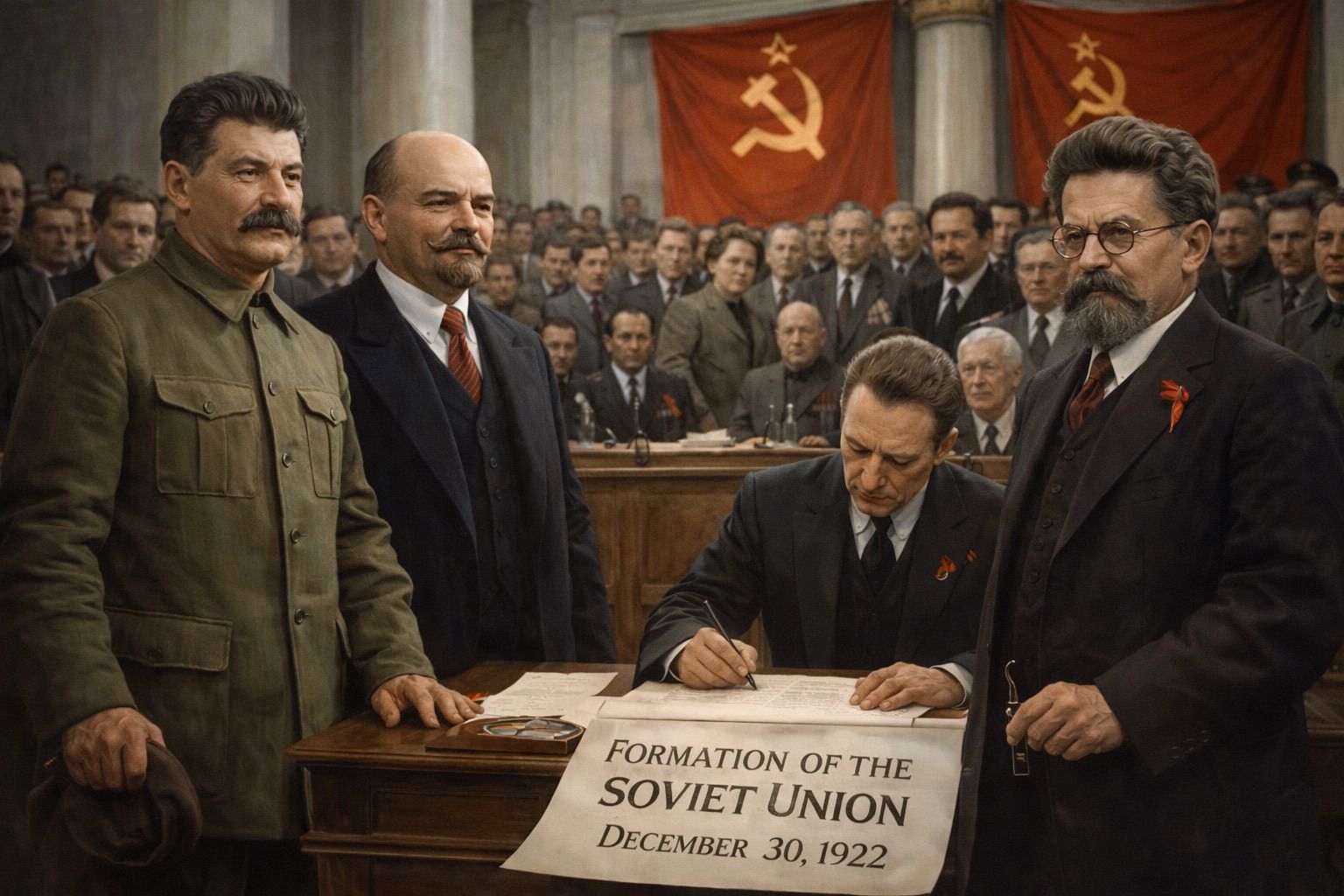
In 1922, at the 11th Party Congress, Lenin proposed the formation of a federal state, comprising three republics: Russia, Ukraine, and Belarus. The Soviet Union was born, with its first constitution drafted to enshrine the principles of socialism and workers’ power. As the new state took shape, its leaders set about consolidating control over the periphery, annexing territory from neighboring states, and suppressing nationalist movements.

The early years of the Soviet Union were marked by intense ideological conflict, with factions vying for influence within the Communist Party. The “New Economic Policy” (NEP), introduced in 1921, allowed for limited capitalist enterprise and was a pragmatic response to economic hardship. However, it also fueled resentment among radicals, who saw it as a betrayal of Marxist principles.

The struggle between the moderate Left, led by Leon Trotsky, and the hardline Right, headed by Joseph Stalin, would ultimately decide the course of Soviet history. Lenin’s illness and eventual death in 1924 created a power vacuum that both factions sought to exploit. As Stalin’s star rose, he began to eliminate his opponents, beginning with the murder of Sergei Kirov in 1934.

The subsequent reign of terror saw millions of innocent people sent to their deaths in the Gulag or through forced labor camps. The show trials and public executions of prominent Bolsheviks, including Bukharin and Rykov, served as a stark reminder of Stalin’s ruthless consolidation of power.

As the Soviet Union expanded its borders, it also faced growing opposition from neighboring countries. Poland, Finland, and Estonia all resisted Moscow’s advances, but were eventually subjugated through military force or economic coercion. The Red Army, having defeated the Polish Army in 1920, became a symbol of Soviet strength and resilience.

The Soviet Union’s relations with Western powers were fraught from the outset, with the Allies refusing to recognize its legitimacy until 1933. However, as Hitler’s Germany began to flex its muscles, the Soviet Union found itself forced into an uneasy alliance with its former enemies. The Molotov-Ribbentrop Pact, signed in 1939, allowed for a temporary truce between the two powers, but ultimately proved disastrous for both.

The Soviet Union emerged from World War II as one of the victorious Allies, having suffered the heaviest losses of all combatants. As the Cold War began to unfold, the United States and its NATO allies faced off against the Soviet bloc in a decades-long struggle for ideological supremacy. The Soviet Union’s subsequent expansion into Eastern Europe, coupled with the Berlin Blockade and Airlift, solidified the division between East and West.

Throughout its existence, the Soviet Union remained a bastion of Marxist ideology, even as it grappled with issues of national identity and diversity. As dissent grew within the ranks, reformers like Mikhail Gorbachev sought to introduce liberalizing measures, which ultimately proved fatal to the regime’s survival. The collapse of the Soviet Union in 1991 marked the end of a long and complex chapter in world history.

The formation of the Soviet Union was not just a domestic development, but also a response to the global turmoil that followed World War I. The Russian Revolution had set off a chain reaction across Europe and beyond, as socialists and communists saw in Lenin’s victory a model for their own movements. In Germany, France, and Italy, Marxist parties gained strength and began to organize strikes and protests.

In the Soviet Union itself, Lenin’s government was determined to export revolution to other countries. The Comintern, founded in 1919, became a hub for international communist activity, with agents dispatched to foment rebellion and instability worldwide. From Turkey to China, from Spain to Brazil, Soviet-backed movements emerged, often with disastrous consequences.

Lenin’s own vision of socialism in one country was increasingly at odds with the Comintern’s ambitions. He saw the Soviet Union as a beacon for revolutionaries everywhere, but also recognized that its own economic and military needs had to be prioritized. This led to tensions within the party, particularly between Lenin and Trotsky, who advocated for greater international cooperation.

As the 1920s wore on, the Soviet Union faced growing challenges at home. The economy was in shambles, with famine and industrial collapse crippling the country. The NEP, introduced by Lenin in 1921, attempted to address these issues by allowing limited capitalist enterprise, but it also fueled resentment among radicals who saw it as a betrayal of Marxist principles.

The struggle between moderate Left and hardline Right within the Communist Party would continue for years, with both factions vying for control. The “Left Opposition,” led by Trotsky and his allies, advocated for greater economic decentralization and international cooperation. However, Stalin’s consolidation of power had already begun, and he would stop at nothing to crush opposition.

The brutal suppression of dissent, particularly in the early 1930s, was a hallmark of Stalin’s rule. The show trials, where leading Bolsheviks were accused of treason and executed, became a grim spectacle, as did the forced collectivization of agriculture, which led to widespread famine in Ukraine and other areas.

Despite these atrocities, the Soviet Union continued to grow in power and influence. Its industrial production soared, with massive projects like the Baikal-Amur Railway and the Moscow Metro transforming the country’s infrastructure. The Red Army, having defeated the Polish Army in 1920, became a symbol of Soviet strength and resilience, capable of defending its borders against any foe.

However, the Molotov-Ribbentrop Pact, signed in 1939, marked a turning point for the Soviet Union. By allying with Nazi Germany, Stalin’s regime sacrificed its ideological integrity for temporary gains, which ultimately proved disastrous. The subsequent German invasion of June 1941 caught the Red Army off guard, leading to one of the bloodiest battles in history.

The Great Patriotic War would prove a crucible for the Soviet people, testing their resolve and resilience against unimaginable odds. Despite initial setbacks, the Red Army eventually turned the tide, pushing the Germans back across Eastern Europe. The losses were staggering – estimates suggest over 20 million Soviet citizens died during World War II – but the victory marked a turning point in Soviet history.

In the aftermath of the war, Stalin’s regime was at its most powerful, with satellite states stretching from Poland to Mongolia under Moscow’s control. However, as the Cold War began to unfold, the United States and its NATO allies faced off against the Soviet bloc in a decades-long struggle for ideological supremacy.

The division between East and West became increasingly entrenched, with Berlin serving as a focal point of conflict. The city’s blockade by Soviet forces in 1948 led to the historic Airlift, which provided vital supplies to the Western sector until the blockade was lifted. This event marked a new phase in the Cold War, as both sides dug in for a protracted standoff.

Throughout its existence, the Soviet Union struggled with issues of national identity and diversity. The various ethnic groups that made up the country’s population often felt marginalized or suppressed by Moscow’s central authority. In the Baltic states, Ukraine, and Georgia, nationalist movements emerged, seeking greater autonomy or even independence.

The reformers who came to power in the late 1980s, led by Mikhail Gorbachev, sought to address these issues through glasnost (openness) and perestroika (restructuring). However, their attempts at liberalization ultimately proved fatal to the regime’s survival. The Soviet Union began to disintegrate from within, with republics declaring independence one by one.

In December 1991, the Soviet Union ceased to exist as a functioning state. Its legacy remains complex and contested – some see it as a pioneering effort in socialism and international cooperation; others condemn its authoritarianism and atrocities. Regardless, the Soviet Union’s impact on modern history is undeniable, shaping global politics, economies, and societies for generations to come.

Related Posts

Iroquois Theatre fire kills 600 in Chicago

Elias Rowen

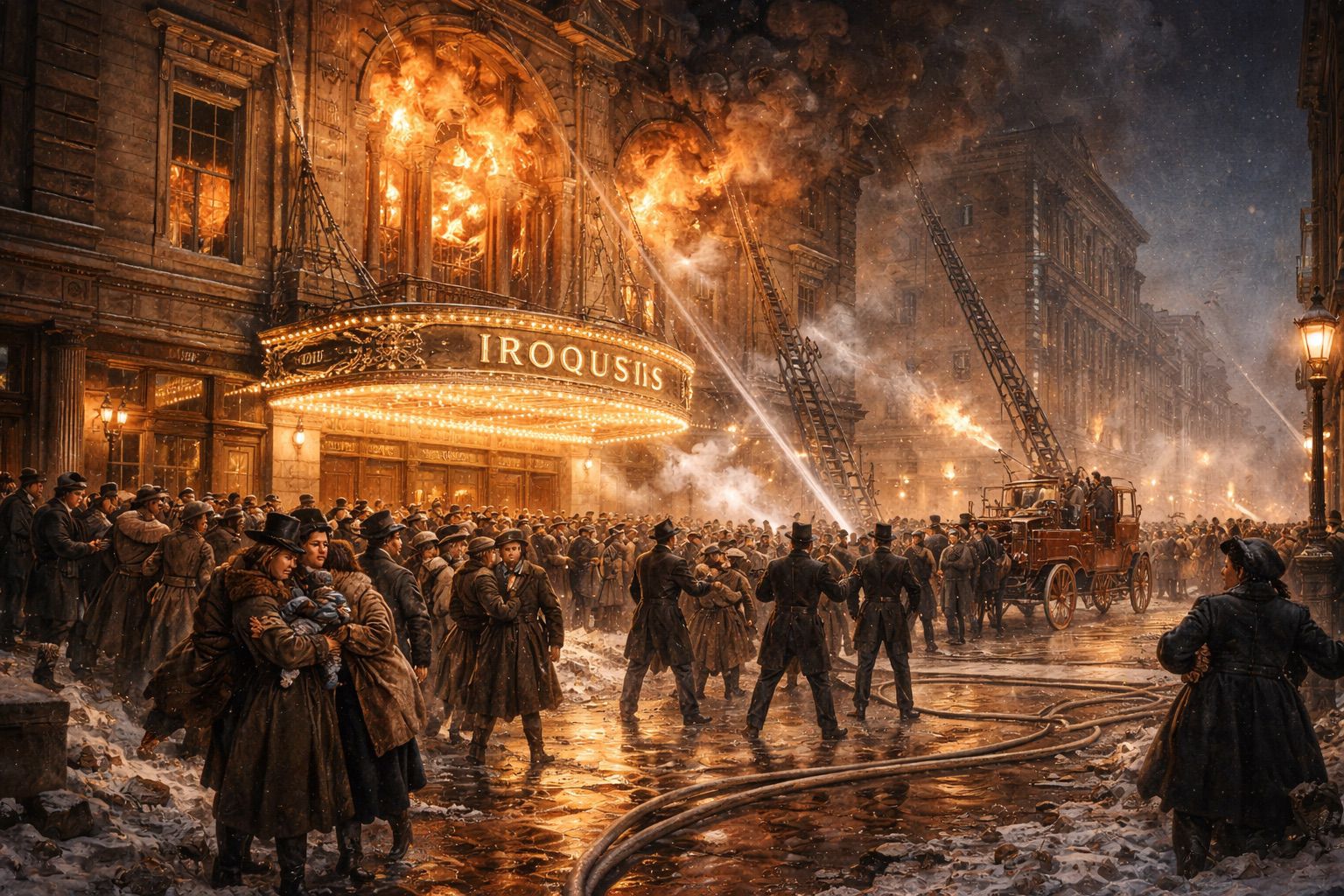
On December 30, 1903, a devastating fire broke out at the Iroquois Theatre in downtown Chicago, resulting in one of the deadliest disasters in American history. The tragedy would go on to claim over 600 lives and leave hundreds more injured, forever changing the city’s relationship with its entertainment venues.

The Iroquois Theatre was a popular destination for theatergoers and music lovers alike, hosting everything from plays and musicals to concerts and vaudeville acts. Opened in 1903 by the renowned theatrical manager John Willys, the theater quickly became one of the most sought-after destinations in Chicago’s thriving cultural scene. With its grand architecture, ornate decorations, and state-of-the-art amenities, the Iroquois was designed to be a premier entertainment venue, capable of hosting large crowds and providing an unparalleled experience for audiences.

However, on that fateful evening, disaster struck when a performance of the musical comedy “Mr. Bluebeard Jr.” was underway. The play’s director, Thomas E. West, had chosen to perform in front of a packed house without conducting any fire safety checks or adhering to proper exit procedures. This negligence would ultimately prove fatal.

At around 9:00 PM, just as the show was reaching its climax, sparks from the stage caught on a drop curtain made of grease-coated cotton, igniting the surrounding decorations and quickly spreading through the theater. Panic erupted among the audience as flames engulfed the building, trapping patrons beneath the balcony. Fire alarms were not installed in the theater, and it would take several minutes for firefighters to arrive at the scene.

The inferno raged on, fueled by a combination of flammable materials, poor fire safety measures, and inadequate emergency response procedures. Eyewitnesses reported hearing screams from within the building as terrified patrons desperately attempted to escape through crowded corridors or exit doors that were either locked or blocked by debris. Some managed to flee via side exits, but for most, it was a matter of waiting until rescuers arrived.

In the aftermath of the tragedy, investigators revealed a litany of safety violations and human error had contributed to the disaster. The drop curtain used in the theater’s interior design was highly flammable, despite being made of what should have been fire-resistant material. Moreover, West’s decision to perform without conducting regular fire drills or maintaining proper exit procedures led directly to the loss of hundreds of lives.

Furthermore, inadequate emergency response systems and lack of communication among city authorities exacerbated the situation. The theater lacked a fire alarm system, relying on the manual operation of hand-cranked pumps instead. When local responders finally arrived, they found themselves struggling to access the building due to heavy ice on the pavement, further delaying their efforts.

The sheer scale of destruction was almost unimaginable. As news spread, shocked citizens and first responders rushed to the scene to offer what aid they could. Volunteer fire crews, doctors, and nurses joined the official response effort, but it soon became clear that the damage was far more extensive than initially thought. Bodies were strewn throughout the lobby, stairways, and corridors, with many trapped beneath rubble or entangled in debris.

Rescue efforts continued well into the night as teams scoured the wreckage for survivors. Unfortunately, most of those who perished succumbed to their injuries before aid could arrive. Medical personnel worked tirelessly to treat the wounded, but even with all their efforts, hundreds would ultimately lose their lives due to severe burns and smoke inhalation.

The Iroquois Theatre disaster sent shockwaves across America, prompting long-overdue discussions about fire safety regulations in entertainment venues. It was a defining moment in the history of Chicago’s cultural landscape, leading directly to significant changes in building codes and emergency response procedures throughout the country.

In its aftermath, authorities were forced to confront their own role in enabling such tragedies through lax regulation and inadequate support for local businesses. Illinois Governor Richard Oglesby appointed a commission to investigate the disaster, led by prominent businessman and civic leader George M. Reynolds. The findings of this committee served as a rallying cry for advocates pushing for improved fire safety standards nationwide.

In 1905, the State of Illinois implemented strict new regulations governing building codes and emergency response systems in public venues. For theaters specifically, the rules mandated that performance spaces be equipped with adequate exit routes and escape ladders, while also enforcing regular fire drills and inspections to identify potential hazards before they became fatal.

As survivors and families affected by the tragedy reflected on their experiences, a sense of collective outrage emerged. While some sought solace in the subsequent reforms, others pressed for accountability from those responsible. As public pressure mounted, prominent figures like Mayor George G. Eggleston and civic leaders joined forces to ensure that lessons learned at the Iroquois would not be forgotten.

As America’s entertainment landscape continued to evolve, cities across the nation came together to honor the victims of this tragedy by implementing stricter building codes and emergency response protocols in theaters, movie palaces, and concert halls. While some might argue that it took a disaster on such an unprecedented scale for meaningful change to occur, it is undeniable that the sacrifices made at the Iroquois Theatre paved the way for safer, more responsible entertainment venues throughout the United States.

In the end, while the fire at the Iroquois Theatre left an indelible scar on Chicago’s cultural landscape, its legacy extends far beyond the Windy City. As a nation, America emerged from this tragedy with a newfound sense of awareness and urgency about the importance of public safety in entertainment spaces.

As the days passed, the sheer scale of the disaster became increasingly clear. The Iroquois Theatre was a hub of activity as rescue efforts continued, with volunteer fire crews, doctors, and nurses working tirelessly to aid those affected by the tragedy. Despite their best efforts, it soon became apparent that many of those who had perished would never be identified or accounted for.

The city’s newspapers reported on the disaster in grim detail, highlighting the tragic circumstances surrounding the loss of so many lives. The Chicago Tribune, one of the city’s leading papers, ran a front-page story with the headline “Fire at Iroquois Theatre Claims Hundreds of Lives” and went on to describe the chaos that had ensued during the disaster.

As news of the tragedy spread, shockwaves rippled across the nation. Cities from New York to San Francisco sent condolences to the city of Chicago, offering support and assistance in any way they could. The mayor of New York City, George McClellan, wrote a heartfelt letter to Mayor Eggleston expressing his sympathy for the victims and their families.

Meanwhile, officials in Illinois were quick to respond to the crisis, establishing emergency aid centers and setting up makeshift morgues to handle the sheer volume of dead. Illinois Governor Richard Oglesby was among those who visited the site of the disaster, surveying the damage and speaking with survivors.

The Iroquois Theatre disaster sent shockwaves across America’s entertainment industry, prompting an unprecedented level of introspection and self-examination. Theatrical managers and owners from coast to coast began reevaluating their fire safety procedures, inspecting their theaters for potential hazards, and implementing new emergency protocols.

In the aftermath of the tragedy, a sense of national outrage emerged as people demanded answers and accountability. A commission was established by Governor Oglesby to investigate the disaster and identify its causes. Led by George M. Reynolds, a prominent businessman and civic leader, this committee spent months interviewing survivors, reviewing evidence, and scrutinizing the actions of those responsible.

The findings of the Reynolds Commission were damning. Its report highlighted a litany of safety violations and human error that had contributed to the disaster. The commission concluded that Thomas E. West’s decision to perform without conducting regular fire drills or maintaining proper exit procedures was directly responsible for the loss of hundreds of lives.

In response to these revelations, Illinois lawmakers moved swiftly to enact new regulations governing building codes and emergency response systems in public venues. The State of Illinois passed a landmark piece of legislation in 1905, which mandated that all public theaters be equipped with adequate exit routes and escape ladders. Regular fire drills and inspections were also made compulsory, along with the implementation of fire alarm systems.

As the reforms took effect, cities across America began to adopt similar measures. By 1907, every major city had implemented stricter building codes and emergency response protocols in their public venues. This new wave of regulation marked a significant turning point in the history of American entertainment, paving the way for safer, more responsible venues that would become synonymous with the golden age of Hollywood.

The impact of the Iroquois Theatre disaster was not limited to the immediate aftermath. As time passed, its legacy continued to shape the nation’s approach to public safety and entertainment regulations. Cities like New York, Los Angeles, and Chicago all took note of the lessons learned at the Iroquois, implementing new measures to prevent similar tragedies from occurring.

As we reflect on this pivotal moment in American history, it becomes clear that the Iroquois Theatre disaster was more than just a catastrophic event – it was a turning point. It forced America’s entertainment industry to confront its own vulnerabilities and limitations, leading to a sea change in the way public venues were designed, operated, and regulated.

Today, as we look back on this dark chapter in American history, it is hard not to feel a sense of awe at the sheer scale of human error that led to such unimaginable tragedy. Yet, even amidst the devastation and heartbreak, there was also something remarkable – a testament to the resilience and determination of those who lost loved ones.

In the end, while the fire at the Iroquois Theatre left an indelible scar on Chicago’s cultural landscape, its legacy extends far beyond the Windy City. As America emerged from this tragedy with a newfound sense of awareness and urgency about public safety in entertainment spaces, it set in motion a chain reaction that would change the face of American entertainment forever.

The loss of so many lives at the Iroquois Theatre served as a poignant reminder of the importance of responsible stewardship in the entertainment industry. As America’s cultural landscape continued to evolve, cities across the nation came together to honor the victims by implementing stricter building codes and emergency response protocols. This collective effort paved the way for safer, more responsible venues that would become synonymous with the golden age of Hollywood.

As we remember the Iroquois Theatre disaster today, it is essential to recall the sacrifices made by those who lost their lives in this tragic event. Their memory serves as a reminder that public safety and responsibility must always be at the forefront of any industry, especially one as vulnerable to human error as entertainment. By examining this pivotal moment in American history, we can gain valuable insights into the importance of accountability, regulation, and responsible stewardship.

The city of Chicago would never forget the lessons learned from the Iroquois Theatre disaster. In 1911, a new theater was built on the site of the original building, designed with safety in mind and equipped with state-of-the-art fire suppression systems and emergency response protocols. This new venue became a symbol of hope and renewal for a city still grappling with the aftermath of tragedy.

In the years that followed, Chicago would continue to play host to some of America’s most iconic entertainment venues – from the Kit Kat Club to the famous Paramount Theatre. Each one of these institutions stood as a testament to the enduring legacy of the Iroquois Theatre disaster, a reminder that even in the face of unimaginable tragedy, it is possible to emerge stronger and more resilient than before.

As America’s entertainment landscape continued to evolve, cities across the nation came together to honor the victims by implementing stricter building codes and emergency response protocols. This collective effort paved the way for safer, more responsible venues that would become synonymous with the golden age of Hollywood.

The loss of so many lives at the Iroquois Theatre serves as a poignant reminder of the importance of responsible stewardship in any industry. As America continues to evolve and grow, it is essential to remember the sacrifices made by those who lost their lives in this tragic event. Their memory will continue to inspire future generations to prioritize public safety, accountability, and responsible leadership.

The Iroquois Theatre disaster left an indelible mark on American history, forcing a nation to confront its own vulnerabilities and limitations. Today, as we reflect on this pivotal moment, it is clear that the lessons learned from this tragedy will continue to shape America’s approach to public safety and entertainment regulations for generations to come.

In 1929, the State of Illinois passed an amendment to the original legislation, further strengthening building codes and emergency response protocols in public venues. This move marked a significant milestone in the ongoing effort to prevent similar tragedies from occurring.

As we remember the Iroquois Theatre disaster today, it is essential to recall the sacrifices made by those who lost their lives in this tragic event. Their memory serves as a reminder that public safety and responsibility must always be at the forefront of any industry, especially one as vulnerable to human error as entertainment.

The city of Chicago would never forget the lessons learned from the Iroquois Theatre disaster. In 1911, a new theater was built on the site of the original building, designed with safety in mind and equipped with state-of-the-art fire suppression systems and emergency response protocols. This new venue became a symbol of hope and renewal for a city still grappling with the aftermath of tragedy.

In the years that followed, Chicago would continue to play host to some of America’s most iconic entertainment venues – from the Kit Kat Club to the famous Paramount Theatre. Each one of these institutions stood as a testament to the enduring legacy of the Iroquois Theatre disaster, a reminder that even in the face of unimaginable tragedy, it is possible to emerge stronger and more resilient than before.

The impact of the Iroquois Theatre disaster extends far beyond its immediate aftermath, shaping the nation’s approach to public safety and entertainment regulations for generations to come. Today, as we reflect on this pivotal moment in American history, it becomes clear that the lessons learned from this tragedy will continue to inspire future generations to prioritize responsible stewardship and accountability.

As America’s entertainment landscape continues to evolve, cities across the nation remain committed to honoring the victims of the Iroquois Theatre disaster by maintaining stricter building codes and emergency response protocols. This collective effort ensures that future generations will never forget the importance of public safety in any industry, especially one as vulnerable to human error as entertainment.

In conclusion, the Iroquois Theatre disaster marked a turning point in American history – a moment when the nation was forced to confront its own vulnerabilities and limitations. As we remember this tragic event today, it is essential to recall the sacrifices made by those who lost their lives in this devastating disaster. Their memory serves as a reminder that public safety and responsibility must always be at the forefront of any industry, especially one as vulnerable to human error as entertainment.

The city of Chicago’s response to the Iroquois Theatre disaster stands as a testament to the resilience and determination of its people. In the aftermath of tragedy, the city came together to rebuild and rebirth itself – emerging stronger and more resilient than ever before. Today, as we look back on this pivotal moment in American history, it is clear that the lessons learned from this tragedy will continue to shape America’s approach to public safety and entertainment regulations for generations to come.

As we close this chapter in American history, we honor the memory of those who lost their lives at the Iroquois Theatre. Their sacrifice serves as a poignant reminder of the importance of responsible stewardship, accountability, and public safety – values that will continue to inspire future generations to prioritize these essential principles.

Related Posts