Latest Articles

The Longest Day — Celebrating the Summer Solstice and the First Day of Summer

Elias Rowen

Every year, as June rolls in and the days grow longer, a remarkable natural phenomenon quietly unfolds across the Northern Hemisphere — the Summer Solstice. This event, which typically falls on June 21, marks the official beginning of summer and brings with it the longest period of daylight of the entire year. More than just an astronomical occurrence, the summer solstice is a celebration of light and warmth, an emblem of nature’s eternal cycles, and a moment steeped in history, culture, and awe-inspiring phenomena that connect us to the cosmos and to our shared human past.

On that day, if you wake up early enough in many parts of the Northern Hemisphere, you will find the sun already high in the sky, casting golden light across fields, forests, and cities. The sunlight seems to stretch endlessly into the evening and beyond, sometimes barely dipping below the horizon in places far north, creating the ethereal glow known as “civil twilight.” This uninterrupted presence of the sun bathes the world in an abundance of warmth and light, transforming landscapes into vibrant scenes of growth and vitality. The phenomenon occurs because of the Earth’s axial tilt — about 23.5 degrees from the plane of its orbit around the sun — positioning the Northern Hemisphere closest to the sun during this period. This tilt causes the sun’s rays to strike this part of the planet at their most direct angle, and the day itself becomes the longest in terms of sunlight.

The summer solstice is far more than a simple astronomical event. Its meaning and significance stretch back thousands of years, deeply embedded in the cultures, rituals, and beliefs of ancient civilizations. From the mysterious stone circles of Stonehenge in England to the monumental pyramids of Egypt, from the intricate temples of the Maya and Aztec peoples in the Americas to the sacred sites in Asia and Scandinavia, the solstice was observed with reverence and wonder, its arrival marked with elaborate ceremonies and celebrations. These ancient peoples recognized the importance of the sun’s cycle — the source of life and the determinant of seasons — and aligned their monuments and festivals with its movements.

Stonehenge is one of the most iconic examples of this ancient reverence. Built over 4,000 years ago, this massive stone circle was carefully designed so that on the summer solstice, the sun rises directly over a particular stone known as the Heel Stone, casting its first rays into the heart of the monument. To the people who built it, this precise alignment was no accident; it was likely a powerful symbol of rebirth, fertility, and the cyclical nature of time itself. Even today, thousands of visitors and spiritual seekers gather at Stonehenge every June 21 to witness this alignment and to honor the connection between humanity and the greater cosmos. It remains a vivid reminder that even in prehistoric times, humans were attuned to the rhythms of the heavens and found meaning in the dance of light and shadow.

But Stonehenge is only one chapter in the vast story of solstice celebrations. In ancient Egypt, the summer solstice marked a time tied closely to the flooding of the Nile, a natural event that fertilized the land and allowed civilization to flourish. Temples were oriented to catch the solstice sun, and festivals celebrated the life-giving power of the sun god Ra, whose strength was believed to peak during this time. Similarly, in Mesoamerica, civilizations such as the Maya and Aztecs constructed temples and pyramids that aligned with the solstice sun. The Mayan pyramid at Chichen Itza, for example, casts a famous serpent-shaped shadow during the solstice, symbolizing the descent of Kukulkan, a feathered serpent deity associated with renewal and the cyclical flow of time.

Across Europe, the solstice has been celebrated for millennia as well. The ancient Romans observed “Litha” or “Midsummer,” a festival honoring Sol Invictus — the unconquered sun. It was a time to celebrate strength, vitality, and the peak of the sun’s power. Scandinavian countries continue to observe Midsummer festivals with bonfires, singing, dancing, and feasting — traditions that stretch back to pagan times and were later woven into Christian midsummer celebrations honoring saints like St. John. These festivals emphasize the joy of life, the abundance of nature, and the community’s connection to the changing seasons.

In Asia, the solstice also carries significance in traditional customs and ceremonies. In China, for example, the summer solstice is associated with the yin-yang balance of nature, emphasizing the harmony between the forces of light and darkness. It marks a time of abundance and growth, often celebrated with offerings and rituals aimed at ensuring a bountiful harvest. Japan, too, recognizes the solstice in cultural practices that honor the changing seasons and the natural world, highlighting the connection between human life and the rhythms of nature.

For those who live close to the land — farmers, gardeners, and outdoor enthusiasts — the summer solstice is a critical moment in the agricultural calendar. It signals the peak of the growing season, a time when crops are nourished by long, bright days and the warmth of the sun. Fields of wheat, corn, and other staples thrive under the intense sunlight, while fruit trees swell with ripening fruit. The solstice represents a culmination of spring’s growth and the promise of harvests to come. Even today, many traditional farmers and gardeners observe this day as a marker for tending crops, performing rituals for fertility, or simply appreciating the height of nature’s vitality.

Yet, beyond its practical importance, the summer solstice carries a deeper, almost mystical significance. It embodies the rhythm of life and the passage of time, reminding us of the cycles that govern our world and our place within the vast universe. The Earth’s tilt and orbit create this grand cosmic dance — a yearly turning point when light reaches its zenith before gradually retreating. This cycle mirrors many aspects of human experience: the heights of joy and vitality, the inevitability of change, and the hope for renewal that comes after every decline.

This duality — the sun’s light peaking, only to begin its slow fade — is a poignant metaphor. It speaks to the transient nature of existence and the eternal cycle of death and rebirth. Ancient cultures may not have had the scientific knowledge we do, but they understood this truth in their own way, crafting myths, ceremonies, and monuments that celebrated both the sun’s power and its eventual surrender to darkness. In many ways, the solstice serves as a universal reminder of our own cycles of growth, peak, decline, and renewal.

In the modern world, where artificial light and fast-paced living often obscure our connection to nature’s rhythms, the summer solstice offers a chance to slow down and reconnect. People across the globe mark the day with a variety of contemporary celebrations. From yoga retreats that greet the dawn with mindful meditation and gratitude, to music festivals that embody the spirit of light and community, the solstice remains a powerful symbol of hope, renewal, and human connection.

Many gather outdoors to watch the sunrise, savor the extended daylight, or light bonfires as a nod to ancient traditions. Some take the opportunity to practice gratitude, recognizing the sun as a source of life and energy. Others use the day to step back from daily routines and reflect on their own personal cycles — their achievements, struggles, and hopes for the future. In this way, the summer solstice transcends its astronomical roots and becomes a deeply personal and communal celebration.

Scientifically, the summer solstice is a specific point in the Earth’s orbit around the sun, when the sun reaches its highest position in the sky at noon. After this day, the Northern Hemisphere begins its gradual tilt away from the sun, and the days slowly shorten until the winter solstice. Yet, culturally, it is far more than a mere astronomical marker. It embodies the theme of transformation — the turning point when light begins to wane and darkness gradually returns. This balance between light and dark, growth and decline, is reflected in countless cultural expressions, myths, and rituals around the world.

For example, in Celtic tradition, the solstice was linked to the god Lugh, associated with light, craftsmanship, and kingship. Celebrations involved fire ceremonies to honor the sun and encourage fertility. In Baltic cultures, the festival of Joninės or Rasos celebrated the solstice with music, dance, and rituals to harness the sun’s power and ensure prosperity. Indigenous peoples of North America observed the solstice with various ceremonies, often involving sun dances or other rites aimed at harmony with the natural world.

The solstice also holds a strong presence in art, literature, and music. Poets have long been inspired by the longest day’s symbolism of light, life, and fleeting beauty. Artists depict the golden hues of solstice sunrises and sunsets, evoking feelings of warmth, hope, and connection. Musicians compose pieces that capture the energy and mystery of this day, blending ancient themes with modern sensibilities.

In a world increasingly dominated by technology and artificial light, the summer solstice invites us back to a more primal relationship with nature. It reminds us that despite all human achievements, we remain part of a larger cosmic order — one shaped by the sun’s light and the Earth’s movements. This connection to the natural world offers solace and inspiration, encouraging us to live in harmony with the seasons and appreciate the gifts of each day.

Imagine standing outside on a clear June morning, feeling the sun’s first rays warm your face as they spill over the horizon. The air is alive with the sounds of birds greeting the day, the gentle rustle of leaves stirred by a light breeze, and the distant hum of life awakening. As the sun climbs higher, its golden light transforms everything it touches — the grass glows vibrant green, flowers open their petals wide, and the world feels charged with energy and possibility.

As the day stretches on, the sun lingers in the sky, refusing to retreat. This endless daylight allows more time for outdoor gatherings, celebrations, and moments of quiet reflection. People picnic in parks, hike through forests, swim in lakes, and simply bask in the warm sunlight. Children play late into the evening, reluctant to end a day filled with light and joy. The solstice is a time when nature feels most alive, and we are invited to share in its abundance.

But as the sun finally sets — perhaps later than you ever remember — there is a gentle reminder that change is always near. The darkness returns, slowly but surely, and the cycle begins anew. This transition embodies the eternal dance between light and shadow, joy and sorrow, life and death. The summer solstice teaches us to embrace this flow, to honor the heights of our experience while preparing for the inevitable shifts ahead.

In essence, the summer solstice is a profound celebration of the human spirit and our enduring connection to the cosmos. It is a day to cherish light and life, to honor ancient wisdom, and to find meaning in the cycles that shape our existence. Whether observed through ancient rituals or modern festivities, the solstice remains a timeless reminder that we are part of a vast and beautiful universe — one in which every ray of sunlight tells a story of survival, renewal, and hope.

So on June 21, as the sun lingers longest in the sky, take a moment to step outside, breathe deeply, and look up. Feel the warmth of the sun on your skin and the timeless rhythm of the Earth beneath your feet. Remember the generations before you who celebrated this day with awe and gratitude. Join the millions who still honor this sacred moment of light, life, and cosmic connection. In the unbroken chain of human experience, the summer solstice shines as a beacon — a celebration of summer’s arrival, the power of the sun, and the enduring dance between Earth and sky.
Related Posts

A Mountain State Born from Divided Loyalties: How West Virginia Defied a Confederacy to Join the Union

Elias Rowen

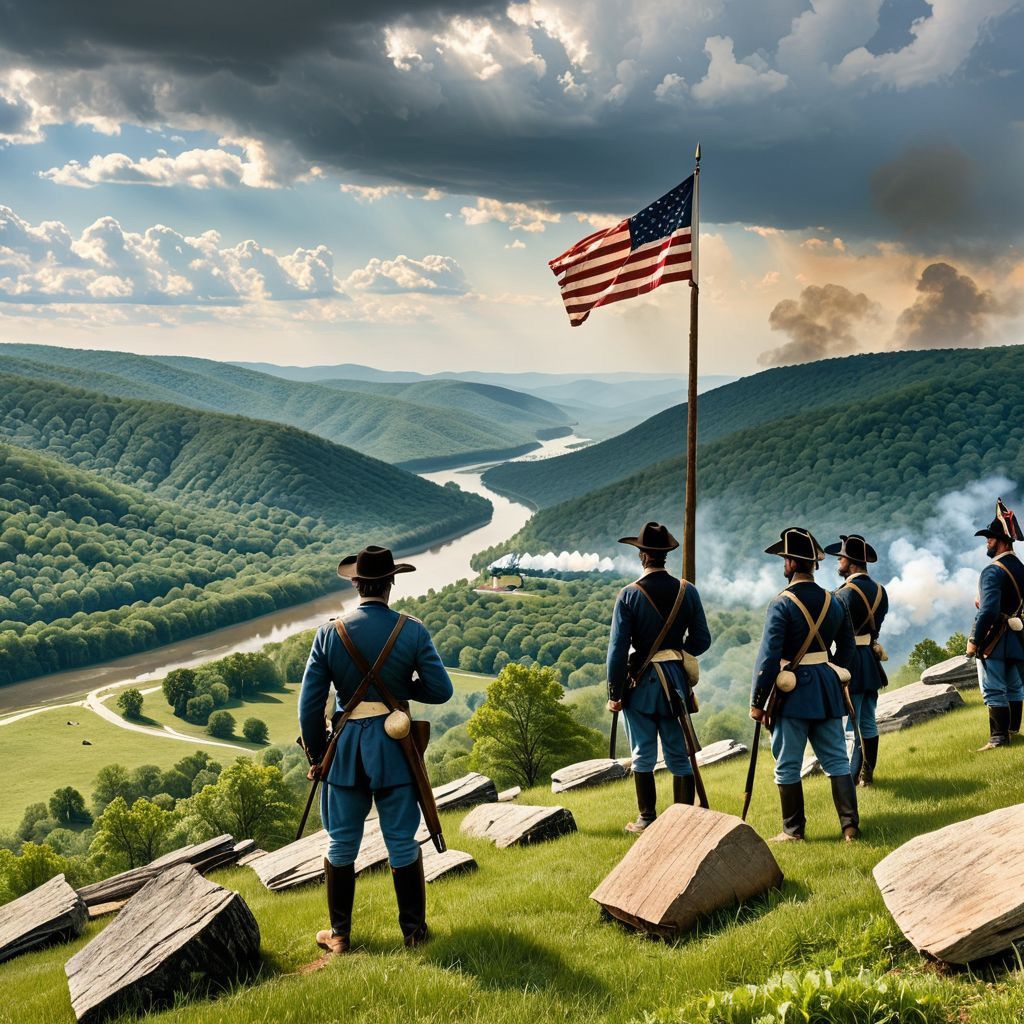
In the heart of America’s darkest hours during the Civil War, when brother was pitted against brother and the nation seemed irreparably torn apart, a remarkable and almost unheard-of event took place. On June 20, 1863, West Virginia officially became the 35th state of the United States—the only state to be formed by seceding from a Confederate state and siding with the Union. This moment didn’t just redraw the map of America; it told a complex story of identity, allegiance, and survival amid one of the most turbulent chapters in American history.

To understand the true gravity of West Virginia’s birth, one must revisit the early years of the 1860s and examine the deep fissures within Virginia itself. Contrary to popular notions of uniformity, Virginia was far from monolithic. It was a state divided by its geography, economy, and ideology. The eastern and southern regions, dominated by vast plantations and reliant on enslaved labor, strongly identified with the Southern cause. These areas were culturally and economically intertwined with the Confederacy, defending an aristocratic system anchored in slavery.

In stark contrast, the western counties of Virginia were shaped by the Appalachian Mountains’ rugged terrain, fostering a lifestyle of small-scale farming, self-sufficiency, and a comparatively lower dependence on slavery. Here, communities were more isolated, often harboring Unionist sympathies and favoring the economic policies of the North. The divide wasn’t simply economic or political—it was also cultural and spiritual. While eastern elites looked toward the grandeur of Richmond and Charleston, western Virginians were more closely aligned in temperament and tradition with Pennsylvania and Ohio.

When Virginia’s legislature voted to secede from the Union in April 1861, the decision sparked immediate outrage and resistance in the west. Unionist sentiment had long simmered, but now it erupted into action. For many western Virginians, the Confederacy represented not only a betrayal of national unity but also a dangerous venture that prioritized elite interests over the welfare of ordinary citizens. In some households, brothers argued over loyalties. In some towns, public opinion fractured overnight. The secession vote was not the beginning of a revolution but rather the culmination of years of underlying tension.

Physical geography compounded these divisions. The Appalachian barrier created logistical challenges that separated the western counties from Virginia’s centers of political power. Roads were scarce and poorly maintained; travel was arduous and time-consuming. This isolation bred a strong sense of regional identity and independence. Westerners felt neglected and unrepresented by the Virginia legislature, which they saw as serving plantation interests at their expense. The mountains didn’t just shape the land—they shaped the people.

Amid this rising unrest, the wheels of political revolution began to turn. In June 1861, delegates from the western counties convened in Wheeling for what would become the Wheeling Conventions. There, they laid the foundation for a new political entity: the Restored Government of Virginia. Declaring the Confederate regime in Richmond illegal, this new government pledged allegiance to the Union and sought to represent all Virginians who opposed secession. Their boldest move was a proposal to form a new state—one that would eventually become West Virginia.

Creating a new state was fraught with legal and constitutional hurdles. Article IV of the U.S. Constitution requires consent from a state’s legislature to carve out a new state within its borders. In this case, the Restored Government—recognized by President Lincoln and the U.S. Congress as the legitimate government of Virginia—provided the necessary consent, even though its authority was contested by the Confederate regime. Critics called it a legal fiction; supporters hailed it as a necessary adaptation to wartime reality. Ultimately, the exigencies of civil war outweighed constitutional purism.

As the proposal advanced through Congress, fierce debates ensued. Some lawmakers worried about setting a dangerous precedent. Others saw strategic advantage in reinforcing Union presence in the border states. President Lincoln himself grappled with the decision, but eventually signed the statehood bill into law in December 1862. After organizing a state constitution and fulfilling the requirements set by Congress, West Virginia officially entered the Union on June 20, 1863.

Yet this birth was far from peaceful. West Virginia entered the Union amid the roar of cannon fire and the clash of sabers. Though large-scale battles were rare due to the terrain, guerrilla warfare, raids, and skirmishes plagued the region. Confederate sympathizers harassed Union supply lines, while Union forces cracked down on suspected collaborators. The Baltimore & Ohio Railroad—a critical artery for the Union’s war machine—ran through West Virginia, making the area strategically vital and a frequent target for sabotage.

Families were torn apart. Communities splintered. A man might don a blue uniform while his cousin marched under the stars and bars. Women bore the brunt of the chaos, managing farms, raising children, and navigating the treacherous politics of divided towns. Violence was both personal and political.

In the wake of statehood, West Virginia had to confront the monumental task of governance. The new state had inherited not only a patchwork of counties but also a patchwork of loyalties. Reconciliation was difficult. Law enforcement struggled to maintain order, and resentment lingered long after the last gunshot of the war.

Economically, the state was bruised but not broken. Though the war disrupted agriculture and commerce, West Virginia’s natural wealth hinted at future prosperity. Coal, timber, and salt would drive post-war growth. Railroads expanded, towns grew, and new industries took root. Yet this boom came at a cost: labor exploitation, environmental degradation, and waves of social unrest that would mark the state’s industrial history.

Culturally, West Virginia forged a distinct Appalachian identity. Proud of its ruggedness and resilience, the state embraced its frontier spirit. Folk traditions, music, and storytelling became cornerstones of community life. The shared memory of sacrifice and struggle in the Civil War era left deep roots that would nourish the state’s sense of self for generations.

The individuals behind this story deserve recognition. Francis Pierpont, leader of the Restored Government and a steadfast Unionist, is often called the “Father of West Virginia.” His leadership during the Wheeling Conventions and subsequent governance set the tone for the state’s formation. Others—local sheriffs, pastors, teachers, and farmers—played their part in holding communities together and guiding them through uncharted waters.

West Virginia’s entry into the Union wasn’t merely a political act. It was a declaration of values, a choice made under fire that emphasized unity over division, self-determination over subjugation. In a war defined by lines drawn between North and South, West Virginia stood as a reminder that not all lines are so neatly drawn.

The legacy of that decision resonates even today. The mountains that once divided Virginia now symbolize the spirit of a people who chose a different path. West Virginia’s statehood reminds us that history is often made not by sweeping movements, but by communities standing firm in the face of chaos. On June 20, 1863, a new state was born—not out of conquest, but out of conviction. And in that moment, the American experiment expanded once more, shaped by the struggle, sacrifice, and stubborn hope of a region that dared to be different.

Related Posts

Juneteenth: The Long-Awaited Dawn of Freedom

Elias Rowen

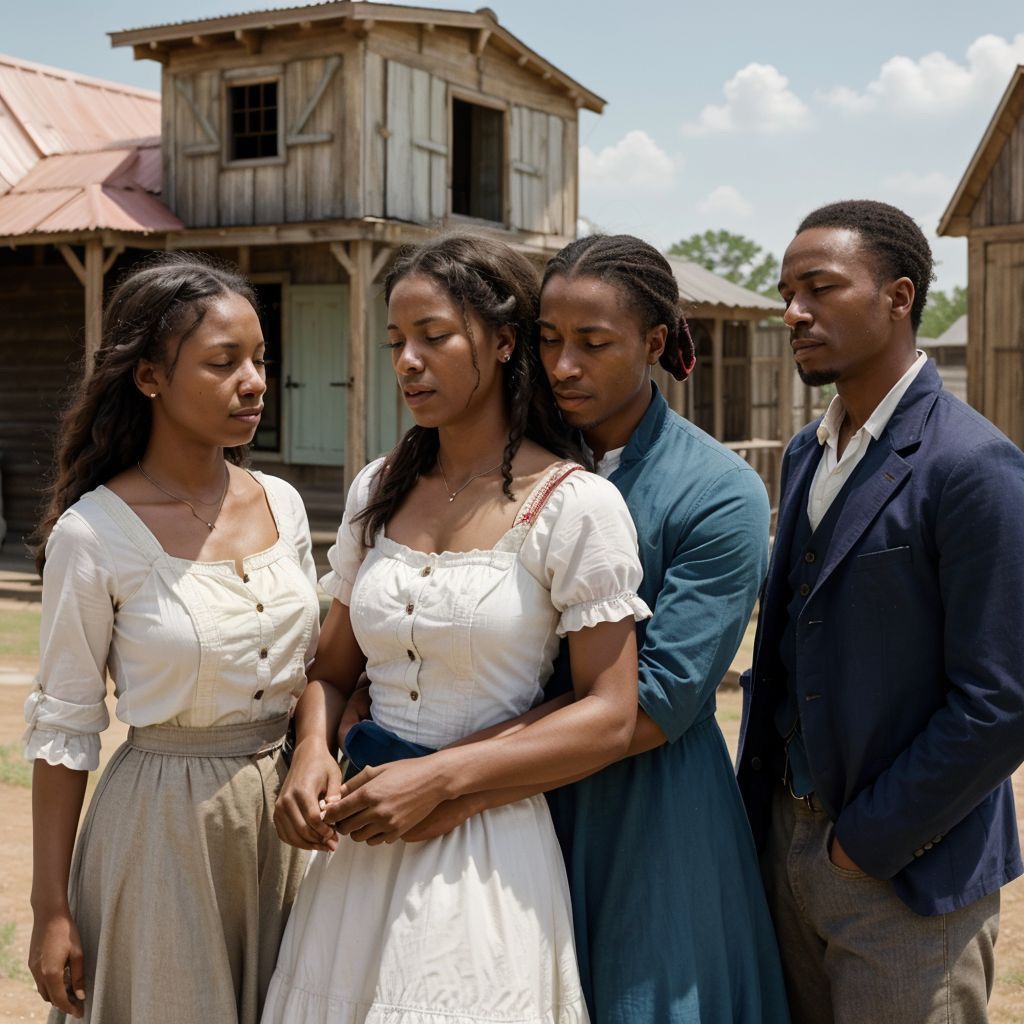
June 19, 1865, began like any other humid day in Galveston, Texas—sunrise casting golden light over the Gulf, fishermen preparing their nets, merchants opening up shop. Yet, for hundreds of thousands of enslaved African Americans across Texas, it was a day unlike any other. It was the day freedom finally arrived, years overdue but no less life-changing. This was Juneteenth, the day when news of the Emancipation Proclamation reached the last holdouts of slavery in the Confederacy. The day the final chains of chattel slavery began to fall away. The day the truth could no longer be denied.

To understand the magnitude of Juneteenth, one must first understand the slow, grinding arc of slavery in America and the civil war that fractured the nation. President Abraham Lincoln had issued the Emancipation Proclamation on January 1, 1863, declaring all enslaved people in Confederate-held territory to be free. But the Proclamation, while monumental in symbolism, was limited in immediate impact. It could not be enforced in areas still under Confederate control. Texas, vast and remote, remained largely untouched by Union forces throughout most of the Civil War, making it a final stronghold of slavery even after the Confederate surrender at Appomattox in April 1865.

In the months that followed the war’s end, Confederate soldiers trickled home, defeated, and uncertain. But for the hundreds of thousands of enslaved people in Texas, there had been no surrender, no clear victory—only more work, more suffering, and a cloud of rumors. Some had heard whispers of Lincoln’s Proclamation. Others dared to hope the end was near. But the plantation system continued churning, and white landowners had little incentive to release their labor force. So, the enslaved waited, praying for a word, a sign—freedom, it seemed, had gotten lost on the way to Texas.

That all changed on June 19, when Union Major General Gordon Granger arrived in Galveston with 2,000 federal troops. Their mission: to enforce the emancipation of all enslaved people and restore federal authority to the rebellious state. Granger didn’t waste time. Standing on the balcony of Ashton Villa, he issued General Order No. 3. The words were plain but thunderous: “The people of Texas are informed that, in accordance with a proclamation from the Executive of the United States, all slaves are free.” With that statement, the last vestige of legalized human bondage in America crumbled—at least in theory.

The reaction to the order was immediate, emotional, and complex. Imagine generations of trauma and toil giving way to a single breath of hope. Some wept. Some danced. Some ran to neighboring plantations to spread the news. Others remained cautious, even skeptical—after all, slavery had been law for over two centuries. For many enslavers, the announcement came as a shock, though some had known for months and deliberately withheld the information. In some areas, plantation owners postponed the announcement until after the harvest, clinging to their collapsing world a little longer.

Freedom, for all its glory, arrived unevenly. While the proclamation had legal weight, enforcement was patchy and dangerous. There were instances of violent retaliation against freed people. In some cases, Union soldiers had to physically intervene to prevent bloodshed or re-enslavement. The journey from legal emancipation to lived freedom was neither smooth nor immediate—it was hard-won, often at great cost.

But amid the chaos, a spark was lit. Black communities across Texas began to celebrate June 19th as a sacred milestone. The earliest Juneteenth gatherings were deeply spiritual—a combination of worship, remembrance, and jubilation. Families traveled great distances to reunite, share meals, sing spirituals, and retell stories of survival. These gatherings became a foundation of community identity, a way to claim space and joy in a world that often offered little of either.

Over time, these commemorations grew into an annual tradition. As formerly enslaved people migrated out of Texas, seeking better opportunities in the North and West, they carried Juneteenth with them, planting its roots in cities like Los Angeles, Chicago, and Oakland. Through food, music, dance, and prayer, the memory of June 19th, 1865 was preserved—not just as a celebration of freedom, but as an act of resistance and pride.

Yet the broader American public remained largely unaware—or indifferent. For much of the 20th century, Juneteenth was celebrated mostly within African American communities. Schools did not teach it. The media did not mention it. History textbooks focused on Lincoln’s Proclamation or the 13th Amendment, skipping over the long delay that kept enslaved people in bondage even after the legal end of slavery. Juneteenth was a story told at cookouts and church services, passed down like an heirloom among those who refused to let it be forgotten.

This relative obscurity began to change during the Civil Rights Movement of the 1950s and 60s. As Black Americans pushed for voting rights, desegregation, and full citizenship, the lessons of Juneteenth gained new urgency. The holiday reminded people that freedom was not simply granted—it had to be fought for, again and again. In 1968, after the assassination of Dr. Martin Luther King Jr., the Poor People’s Campaign held a Solidarity Day in Washington, D.C., and included Juneteenth in its call for racial and economic justice. The fight for equality was far from over, but Juneteenth served as a compass pointing toward that unfinished dream.

By 1980, Texas became the first state to officially recognize Juneteenth as a holiday. Other states slowly followed, with grassroots organizers and activists leading the charge. They saw in Juneteenth an opportunity to educate, to remember, and to reclaim a piece of history too often buried under myths of progress. In the decades that followed, Juneteenth celebrations became larger and more visible—featuring parades, historical reenactments, musical performances, and lectures on Black history and culture.

Still, the struggle for national recognition continued until the tragic events of 2020 brought it roaring into the spotlight. The killing of George Floyd by a Minneapolis police officer ignited a global movement for racial justice. Amid protests and reckonings, Americans began asking deeper questions about their past, present, and future. In this climate, Juneteenth emerged not only as a historical observance but as a call to action. Corporations acknowledged it, communities embraced it, and finally, lawmakers moved to recognize its significance.

On June 17, 2021, President Joe Biden signed legislation officially making Juneteenth a federal holiday. It was a moment of validation and visibility—a long-overdue acknowledgment of the importance of June 19th. For many, it felt like an affirmation of history, a national reckoning with a truth too long ignored. But even this step, while important, is not the end of the journey. Recognizing a holiday is one thing; living up to its meaning is another.

Juneteenth invites every American to reflect—not just on the joy of freedom, but on the cost of its delay. It reminds us that emancipation was staggered and incomplete, that freedom is more than a proclamation. It is safety, opportunity, dignity, and the right to exist without fear. For generations of Black Americans, true freedom remained elusive even after slavery ended. Jim Crow laws, redlining, mass incarceration, police violence—these are not distant echoes but ongoing realities.

And yet, Juneteenth remains a beacon of hope. It is a celebration not of what was handed down, but what was claimed and created through struggle. The resilience shown by formerly enslaved people in building schools, founding businesses, organizing churches, and raising families in the face of staggering odds is a triumph unmatched. Their legacy lives in every Juneteenth cookout, in every sermon, in every story told to the next generation.

Today, Juneteenth is more than a Black holiday—it’s an American holiday. It asks all of us to consider what freedom really means. It challenges us to confront the uncomfortable truths of our history and to find strength in the stories of those who endured and overcame. It urges us to celebrate Black joy not as a contrast to pain, but as its own radical form of resilience.

In Galveston, where the first Juneteenth began, visitors now gather at historical sites like the Reedy Chapel AME Church and the Emancipation Cultural Center. They walk the same streets where enslaved people first heard the news. They pause at monuments and read the weathered plaques. And they remember. Not only what was lost, but what was found—an unbreakable spirit, a legacy of resistance, and a date that forever changed the nation.

As we mark Juneteenth year after year, we’re reminded that history isn’t static—it lives in us. And we have the power, and the responsibility, to shape what comes next. To listen. To learn. To act.

Because the story of Juneteenth didn’t end in 1865. It began there.

Related Posts

The Day Europe’s Fate Was Sealed: Napoleon’s Final Stand at Waterloo

Elias Rowen

June 18, 1815, was a day etched forever in the annals of history—a day when the fate of Europe hung in the balance. The rolling fields near the small Belgian village of Waterloo became the stage for one of the most pivotal battles of all time, a clash that would mark the end of an era and reshape the continent forever. This was Napoleon Bonaparte’s last stand, a moment charged with tension, strategy, and the hopes of a desperate Europe.

Napoleon, once a revolutionary hero who had crowned himself Emperor of the French, had risen to dominate much of Europe through his brilliant military campaigns. But after escaping exile on Elba, he returned to power in what would be known as the Hundred Days, threatening the fragile balance of European nations determined to stop him. The Allied forces—primarily British, Dutch, Belgian, and Prussian troops—gathered to confront him in this decisive battle.

The morning of June 18 was tense. Thick clouds hung low over the battlefield, turning the muddy terrain treacherous for soldiers and horses alike. Napoleon, known for his bold tactics, faced an equally determined coalition led by the Duke of Wellington and Prussian Field Marshal Gebhard Leberecht von Blücher. The battle was fierce and chaotic, with attacks and counterattacks pushing men to the brink.

Despite his tactical genius, Napoleon was ultimately overwhelmed. The arrival of the Prussian army turned the tide against him, forcing a retreat. This defeat shattered his dream of European domination and ended the Napoleonic Wars once and for all. Napoleon was captured and sent into exile on the remote island of Saint Helena, where he would spend the rest of his days.

Waterloo’s impact was profound. It restored a fragile peace in Europe and ushered in a new era of diplomacy and balance among nations. The Congress of Vienna, which had sought to redraw Europe’s map after Napoleon’s earlier defeat, now had a lasting peace to enforce. The battle also marked the decline of French imperial ambition and the rise of Britain as a global power.

But beyond politics and strategy, Waterloo became a symbol of resilience and the costs of war. Thousands of soldiers lost their lives on that muddy field, their sacrifices shaping the future of the continent. The battle has since captured imaginations through literature, art, and memory—reminding us how a single day can alter the course of history.

The aftermath of Waterloo was marked by widespread mourning across Europe. The people who had suffered under Napoleon’s rule finally saw an end to his tyranny, but at what cost? The numbers are staggering: over 47,000 casualties, including more than 22,000 British and Prussian soldiers killed or wounded. The losses were immense, but the impact on European politics was equally significant.

Waterloo marked a turning point in international relations. The Congress of Vienna, which had been formed after Napoleon’s earlier defeat, now had a lasting peace to enforce. The battle also led to the rise of Britain as a global power, marking the end of French imperial ambitions and the beginning of a new era of balance among European nations.

Today, the site of Waterloo is a place of reflection and remembrance. Visitors walk the fields where nations collided and dreams were dashed, learning that history is not just about leaders and armies but about the human stories beneath the smoke and cannon fire. The Wellington Museum at Waterloo provides an intimate look into the lives of those who fought on June 18, offering insights into the strategic decisions made by leaders like Napoleon and Wellington.

The museum’s collections include uniforms, equipment, and personal belongings of soldiers from all sides, giving visitors a glimpse into the experiences of ordinary men caught up in extraordinary circumstances. The story of Waterloo is told through artifacts, documents, and interactive exhibits, highlighting the bravery and sacrifice of those who fought on that fateful day.

As visitors walk through the museum and the battlefield, they are reminded of the human cost of war. Thousands of soldiers lost their lives on that muddy field, their sacrifices shaping the future of Europe. The legacy of Waterloo extends far beyond the battle itself, serving as a reminder of the enduring impact of war on individuals and nations.

Beyond the museum, visitors can explore the battlefield itself, walking in the footsteps of those who fought and died there. The site is marked by monuments and memorials to the soldiers who lost their lives, including the imposing Lion’s Mound, which commemorates the bravery of the Prussian troops who played a crucial role in Napoleon’s defeat.

The Waterloo Battlefield Visitor Centre offers an immersive experience, with interactive exhibits and multimedia displays that bring the battle to life. Visitors can explore the battlefield on foot or by bike, following in the footsteps of the soldiers who fought there. The site also features a number of commemorative events throughout the year, including reenactments and ceremonies to mark key anniversaries.

As we reflect on the legacy of Waterloo, we are reminded of the enduring impact of war on individuals and nations. The battle marked a turning point in European history, ushering in a new era of diplomacy and balance among nations. It also serves as a powerful reminder of the human cost of conflict, highlighting the bravery and sacrifice of those who fought and died on that fateful day.

In conclusion, Waterloo was a pivotal moment in world history—a clash that would mark the end of an era and reshape Europe forever. The battle has left an indelible mark on our collective memory, serving as a reminder of the enduring impact of war on individuals and nations. As we walk the fields where nations collided and dreams were dashed, we are reminded of the human stories beneath the smoke and cannon fire.

Related Posts

When a Break-In Unraveled a Presidency: The Story of Watergate

Elias Rowen

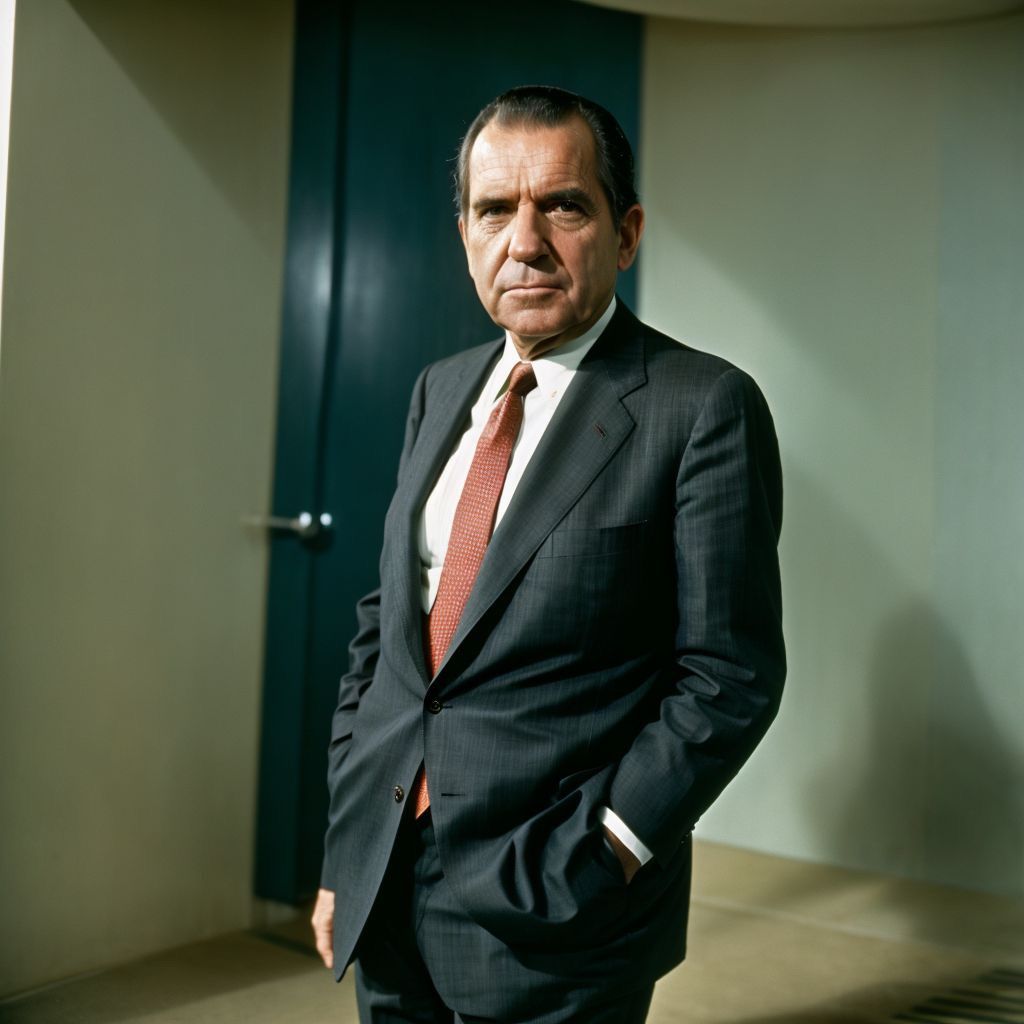
June 17, 1972, was a warm, uneventful Saturday in Washington, D.C., the kind of summer day that hums with the usual rhythm of a capital city. People were going about their weekend routines, unaware that within the walls of a sleek, modern building known as the Watergate complex, a political earthquake was about to detonate. That night, five men were caught inside the headquarters of the Democratic National Committee (DNC), arrested for breaking in, tampering with wiretapping equipment, and attempting to photograph confidential documents. What at first appeared to be a bizarre but minor political burglary soon unraveled into one of the most explosive scandals in American history—a scandal that would ultimately force the resignation of President Richard Nixon and redefine the very limits of presidential power.

The building itself, located along the Potomac River, seemed an unlikely place for the staging ground of a constitutional crisis. With its sweeping curves and upscale apartments, the Watergate complex was a symbol of Washington’s elite. Yet, tucked away in one of its office towers was the DNC’s headquarters—targeted not by foreign agents, but by operatives linked to Nixon’s re-election campaign, known as the Committee to Re-Elect the President (derisively nicknamed “CREEP”).

The five burglars—Bernard Barker, Virgilio González, Eugenio Martínez, James W. McCord Jr., and Frank Sturgis—were no ordinary criminals. Some had ties to the CIA, and McCord was the security coordinator for CREEP. They were caught red-handed, carrying sophisticated wiretapping gear and thousands of dollars in cash traced to accounts controlled by Nixon’s campaign. They weren’t there to steal money or valuables. They were there to gather intelligence—surveillance equipment, wiretaps, and bugging devices intended to spy on political opponents during an election year.

When news of the break-in first surfaced, the White House attempted to dismiss it as a “third-rate burglary,” something beneath the dignity of serious attention. But a few reporters at The Washington Post weren’t so quick to look away. Two relatively unknown journalists at the time, Bob Woodward and Carl Bernstein, sensed something deeper. Their instincts, dogged investigative work, and refusal to be brushed off would prove essential in exposing a pattern of corruption that extended far beyond the confines of that June night.

As Woodward and Bernstein dug in, they discovered that the burglars had ties to top Republican officials, including individuals directly associated with Nixon’s campaign. Still, it was difficult to prove who ordered the break-in or why. Then came a mysterious source who would become legendary in journalistic circles—“Deep Throat.” Long shrouded in secrecy, this source was later revealed to be FBI Associate Director Mark Felt. He provided cryptic yet invaluable guidance, nudging the reporters in the right direction with the now-iconic phrase: “Follow the money.”

And follow it they did. What they uncovered was a labyrinthine network of illegal campaign activities, secret slush funds, political espionage, and cover-ups orchestrated by the highest levels of the Nixon administration. The original crime—the burglary—was just the tip of the iceberg. There were forged documents, misuse of government agencies like the FBI, CIA, and IRS to harass political enemies, and even plots to discredit key witnesses and obstruct justice.

As revelations trickled out, the White House clung to denial. Press secretary Ron Ziegler famously called previous denials “inoperative,” a term that would become synonymous with political evasion. Meanwhile, the Nixon administration worked feverishly behind the scenes to halt investigations, suppress media coverage, and portray the scandal as a partisan witch hunt. But the evidence kept growing, and the American public began to ask hard questions about the integrity of their leaders.

In 1973, the Senate launched a formal investigation into Watergate, broadcasting hearings live to the nation. Millions of Americans watched in disbelief as former aides and officials detailed the extent of the administration’s misdeeds. One name that emerged again and again was John Dean, the White House Counsel, who eventually testified that he had discussed the cover-up with Nixon himself. His testimony was riveting, painting a picture of a president who wasn’t merely aware of the cover-up—but actively directing it.

The coup de grâce came in the form of the now-infamous “Nixon tapes.” In a bid to document his presidency, Nixon had installed a secret voice-activated taping system in the Oval Office. When investigators learned of this, they demanded the tapes. Nixon refused, citing executive privilege. A legal battle ensued, eventually reaching the Supreme Court.

In a unanimous decision in July 1974, the Court ordered Nixon to release the tapes. What they revealed was damning. One recording, later dubbed the “smoking gun,” captured Nixon discussing plans to use the CIA to obstruct the FBI’s investigation just days after the break-in. It was the final straw. Facing near-certain impeachment by the House and likely conviction in the Senate, Nixon addressed the nation on August 8, 1974. With a grave demeanor, he announced his resignation, effective the following day.

“I have never been a quitter,” Nixon said. “To leave office before my term is completed is abhorrent to every instinct in my body. But… as President, I must put the interest of America first.”

Gerald Ford, Nixon’s vice president, assumed the presidency and, in a controversial move, granted Nixon a full pardon just weeks later. The decision divided the country—some praised it as a step toward healing, while others saw it as an escape from justice.

The aftermath of Watergate was far-reaching. It shattered public trust in government, ushered in an era of cynicism, and led to sweeping reforms. Congress passed laws aimed at improving campaign finance transparency, bolstering the independence of the judiciary, and curbing executive overreach. The Ethics in Government Act, the Foreign Intelligence Surveillance Act (FISA), and the Federal Election Campaign Act were all born in the shadow of Watergate.

But beyond legislation, Watergate changed the culture of politics and media. It emboldened investigative journalism and inspired a generation of reporters to hold the powerful accountable. It also made Americans acutely aware of the fragility of democratic institutions and the need for constant vigilance.

Richard Nixon left the White House in disgrace, but his story didn’t end there. In the years that followed, he sought to rehabilitate his image, writing books and engaging in foreign policy discussions. While history has reassessed aspects of his presidency—such as his opening to China and environmental initiatives—Watergate remains the defining chapter of his legacy.

Today, the term “Watergate” is more than a proper noun. It’s a suffix, attached to scandals from every corner of public life—“Deflategate,” “Bridgegate,” “Russiagate.” But the original Watergate stands apart because of its depth, its reach, and its implications for the future of American governance.

It showed that no leader, no matter how powerful, is above the law. It underscored the importance of a free press, the resilience of constitutional checks and balances, and the courage of individuals willing to speak the truth—even at great personal cost.

For all its darkness, the Watergate scandal illuminated the strength of democratic systems when they function properly. The process was messy, painful, and deeply polarizing—but it worked. The mechanisms of accountability, though strained, ultimately prevailed. A president who abused his office was removed not by violence or revolution, but through legal and constitutional means.

More than fifty years later, the lessons of Watergate remain as relevant as ever. In a world where disinformation can spread in seconds, where political divisions run deep, and where the temptation to bend the rules remains constant, the Watergate story serves as a beacon—and a warning.

It reminds us that democracy is not a static inheritance, but a living responsibility. It must be defended not only in grand gestures but in the quiet insistence on truth, transparency, and the rule of law. It must be protected by journalists who ask uncomfortable questions, by citizens who refuse to look away, and by institutions that hold firm in the face of power.

Watergate began as a crime in the shadows, carried out by operatives convinced they could get away with it. It ended in the blinding light of public scrutiny, as the truth overcame the lies, and accountability triumphed over arrogance.

That summer night in 1972 might have started like any other. But by morning, history had changed. A wiretap in an office led to the fall of a president and a reawakening of a nation’s conscience.

Truth, it turns out, doesn’t always whisper. Sometimes, it breaks in through the front door.

Related Posts