Latest Articles

The Schoolhouse Door: A Defiant Stand Against Desegregation

Elias Rowen

On June 11, 1963, the University of Alabama became a powerful symbol of America’s struggle with civil rights and racial equality. That day, Governor George Wallace made his infamous “Stand in the Schoolhouse Door,” physically blocking the entrance to prevent two African American students, Vivian Malone and James Hood, from enrolling. His bold act of defiance was a stark reminder of the deep resistance to desegregation in the South.

Wallace’s stand wasn’t just a personal protest—it was a calculated political statement against the federal government’s efforts to enforce civil rights laws. The University of Alabama had long been segregated, reflecting the widespread system of racial discrimination that permeated many aspects of American society. But in 1963, the civil rights movement was gaining momentum, demanding that public institutions open their doors to all citizens regardless of race.

When Wallace stood in the doorway, President John F. Kennedy responded decisively, federalizing the Alabama National Guard to ensure that Malone and Hood could register safely. This moment became a defining episode of the civil rights era, highlighting the tension between state resistance and federal authority.

The courage of Malone and Hood, coupled with the firm actions of the federal government, helped pave the way for the dismantling of segregation across schools in the South. The “Stand in the Schoolhouse Door” remains a powerful symbol of the battle for equality, reminding us that progress often requires confronting entrenched opposition head-on.

This event not only reshaped the University of Alabama but also sent a clear message nationwide—that the fight for civil rights was unstoppable.

Related Posts

From Despair to Hope: How Alcoholics Anonymous Changed the Face of Recovery

Elias Rowen

On June 10, 1935, a quiet yet profound shift took place in the way society approached addiction and recovery. It was on this day that Alcoholics Anonymous, widely known as AA, was founded by Bill Wilson and Dr. Bob Smith in Akron, Ohio. This marked a pivotal moment in the history of addiction recovery—one that would ripple across the globe and change countless lives.

Before AA’s founding, alcoholism was often seen as a moral failing or a lack of willpower rather than a disease. People struggling with alcohol addiction faced stigma, isolation, and little effective support. Treatment options were limited and frequently punitive. AA introduced a revolutionary concept: that alcoholism was a chronic illness that could be managed through mutual support, honesty, and spiritual growth. Their “12-Step” program offered a structured pathway to recovery, emphasizing personal responsibility, community, and humility.

What made AA unique was its peer-led approach. Instead of relying solely on medical professionals, AA meetings created a safe space where individuals could share their struggles, encourage one another, and maintain sobriety together. This community-based model fostered a sense of belonging and hope, breaking the isolation that so many alcoholics felt.

Over the decades, AA’s influence expanded far beyond the U.S., inspiring countless other support groups addressing various addictions and compulsive behaviors. The core idea—that healing comes through connection and shared experience—resonated deeply and remains central to many recovery programs today.

The founding of Alcoholics Anonymous on June 10, 1935, stands as a testament to the power of compassion, peer support, and the belief in the possibility of change. Its legacy continues to offer hope to millions, showing that recovery is possible, and no one has to face addiction alone.

Related Posts

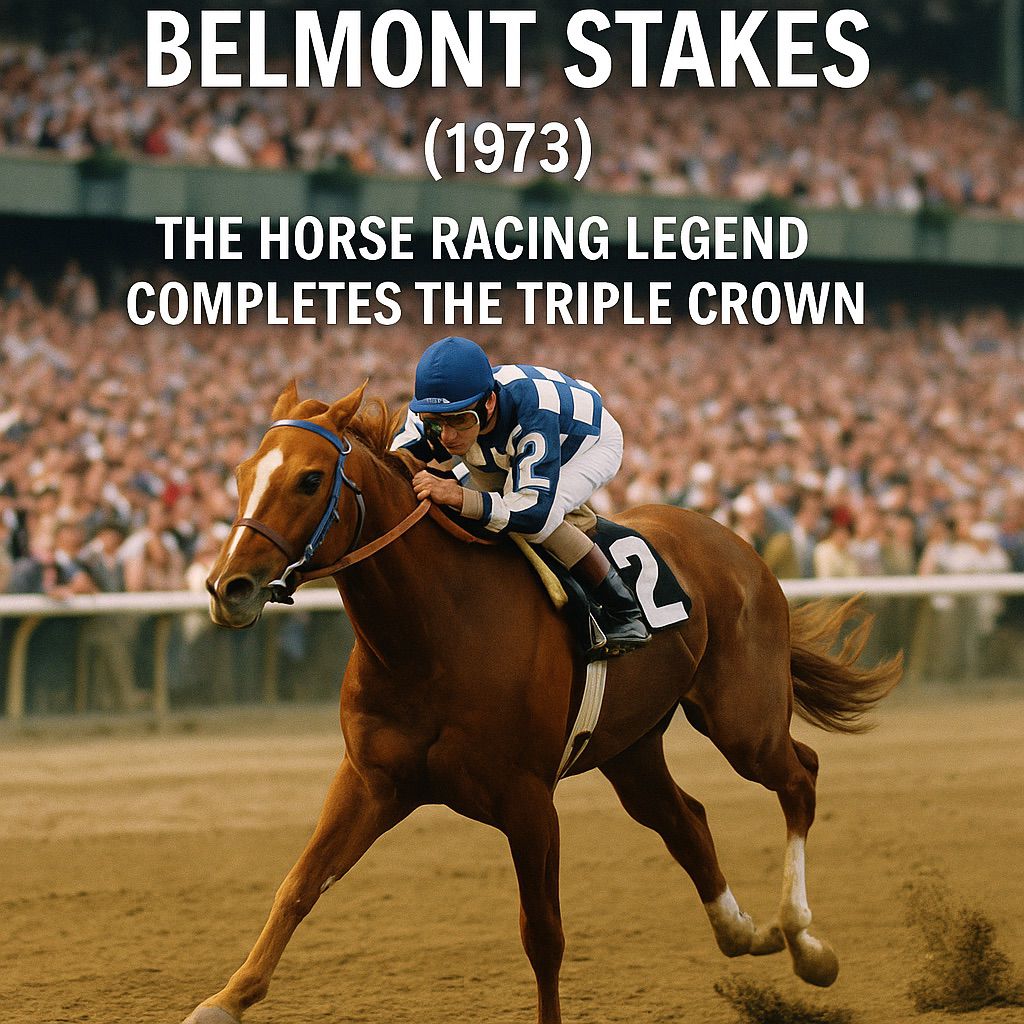
Unstoppable: How Secretariat Redefined Greatness at the 1973 Belmont Stakes

Elias Rowen

It was June 9, 1973, a warm Saturday afternoon at Belmont Park in Elmont, New York. The grandstands were packed with nearly 70,000 fans, all brimming with anticipation. The air buzzed with electricity—not just because a Triple Crown was on the line, but because something more was in the wind. That “something” had a name: Secretariat.

No one could have predicted what was about to unfold. What happened that day wasn’t just a victory—it was a moment that transcended sport. It was a performance so dominant and so breathtaking that it stamped Secretariat’s name in the annals of history, not just as a great racehorse, but as a living symbol of excellence.

To truly appreciate what made that moment unforgettable, you have to rewind the tape. The Triple Crown—made up of the Kentucky Derby, the Preakness Stakes, and the Belmont Stakes—is one of the hardest feats in all of sports. Since 1948, no horse had managed to win all three. Many had tried. Many had come heartbreakingly close. None had sealed the deal.

Secretariat, affectionately nicknamed “Big Red” for his powerful chestnut frame, had already dazzled fans with his incredible burst of speed in the Kentucky Derby. He didn’t just win—he broke the 1¼ mile record with a time of 1:59⅖, a time that still stands. Just two weeks later at the Preakness, he went from dead last to first with an explosive mid-race move that left jaws on the floor. But the Belmont? The Belmont was different. It’s the longest of the three races at 1½ miles, and it has a reputation for breaking hearts. The distance alone can ruin even the strongest contenders. To win here, a horse doesn’t just need speed—it needs grit, stamina, and something extra you can’t measure.

As the gates flung open that afternoon, Secretariat and his fierce rival Sham lunged forward together, quickly pulling ahead of the rest. For a moment, it looked like it might be a duel. But then, something almost surreal began to happen. Secretariat didn’t just maintain his pace—he accelerated. With each thundering stride, he stretched the distance between himself and the field. By the time they hit the mile mark, Sham was fading and Secretariat was flying. His jockey, Ron Turcotte, didn’t urge him on—he didn’t have to. Secretariat was running like he knew history was watching.

As he rounded the final turn, Secretariat was so far ahead the camera had to zoom out just to keep him in the frame. Thirty-one lengths ahead. That number sounds fictional, like something out of a myth, but it happened. He crossed the finish line alone, in a time of 2:24 flat. That Belmont Stakes record still stands more than five decades later, untouched.

Some who watched that day say it was the greatest moment in horse racing history. Others go even further, calling it the most incredible athletic feat they’ve ever witnessed. And they might be right. Because Secretariat wasn’t just fast—he was transcendent. Watching him run was like witnessing the very idea of greatness in motion.

But what really made that race resonate wasn’t just the numbers. There was something emotional, almost spiritual, about it. You didn’t need to understand racing to be moved by what you saw. Across the country, people tuned in on CBS, and for two minutes and twenty-four seconds, the rest of the world seemed to pause. At a time when the nation was struggling with war, scandal, and economic uncertainty, Secretariat’s run was like a burst of pure, unfiltered joy.

Years later, Turcotte said he’d never experienced anything like it. Secretariat’s trainer, Lucien Laurin, called him “the greatest horse to ever look through a bridle.” And when that red colt thundered past the finish line, the roar from the crowd wasn’t just celebration—it was something closer to awe.

Secretariat’s Triple Crown win was the first in 25 years. But even after he retired from racing, the legend only grew. He became a household name, graced magazine covers, and eventually starred in his own Disney film. In 1989, when he passed away at the age of 19, an autopsy revealed that his heart weighed nearly 22 pounds—more than twice the average size. Some believe that enormous heart explained his incredible stamina and power. Others took it as something symbolic. Secretariat had heart in every sense of the word.

Today, his name is synonymous with greatness. His statue stands at Belmont Park, a permanent tribute to the day he rewrote the rules of what’s possible. Every June, as the Belmont Stakes approaches, fans and newcomers alike revisit that race, reliving the magic of a horse who ran not just to win, but to inspire.

And that’s why this story still matters. In an age dominated by data, stats, and highlights, Secretariat’s 1973 Belmont reminds us that some moments defy numbers. You didn’t need a betting slip or a racing form to understand what you were watching. It was the kind of performance that sticks with you, the kind you tell your kids about, the kind that turns sport into legend.

So today, June 9, take a moment to remember the day Secretariat didn’t just win a race. He galloped into immortality.

Related Posts

Breaking Barriers from the Dugout: Buck O’Neil’s Quiet Revolution

Elias Rowen

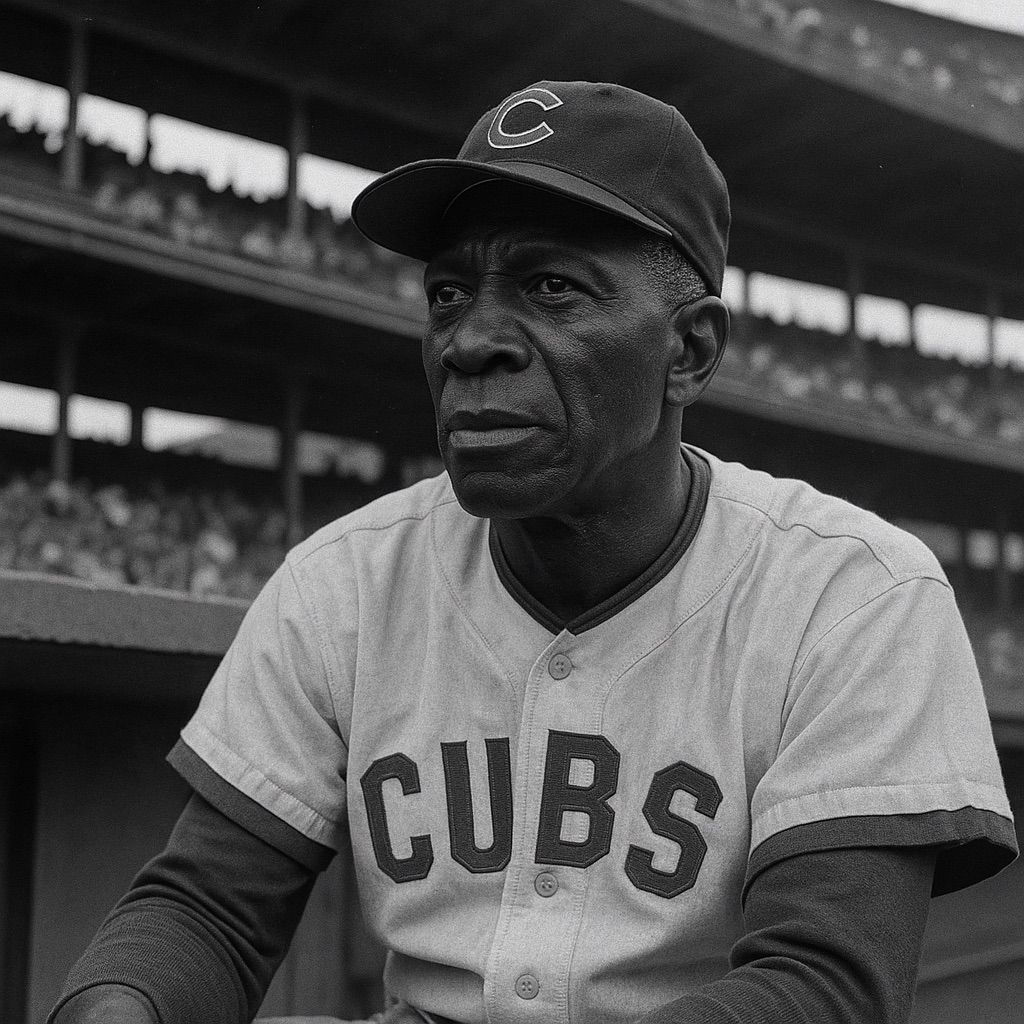
On June 8, 1962, Major League Baseball quietly stepped into a new era—not with the crack of a bat or the roar of a crowd, but with a powerful presence in the dugout. Buck O’Neil, a former Negro Leagues star and seasoned baseball mind, became the first African American coach in MLB history when he joined the Chicago Cubs’ coaching staff. While Jackie Robinson had broken the color barrier on the field fifteen years earlier, O’Neil’s appointment marked another crucial step toward equality in America’s pastime—one that was less publicized, but no less profound.

O’Neil was more than qualified. A standout player and manager with the Kansas City Monarchs, he had spent decades living and breathing baseball. His knowledge of the game was encyclopedic, his instincts razor-sharp, and his demeanor calm but commanding. Yet, for all his experience, Buck never got the chance to play in the majors himself. The doors had remained closed for too long. So when the Cubs hired him to be part of their coaching staff—handling instruction, scouting, and player development—it wasn’t just a promotion; it was long-overdue recognition.

What made Buck O’Neil remarkable wasn’t just his baseball acumen, but his grace and dignity in the face of injustice. He carried himself with a quiet confidence, never bitter, always optimistic. He became a mentor to young players of all backgrounds and a bridge between generations of the game. Though he didn’t always get the credit he deserved in his lifetime—he was famously snubbed by the Hall of Fame in 2006, the same year he passed away—his legacy has only grown. Today, he is rightly remembered not just as a pioneer, but as a statesman of baseball.

Buck O’Neil’s story reminds us that trailblazing doesn’t always look like protest or defiance. Sometimes, it’s showing up, doing the work, and proving that talent, integrity, and heart have no color. June 8, 1962, may not be marked by fireworks, but it lit a slow-burning torch that would help illuminate the future of baseball.

Related Posts

When the Sky Turned Purple: The Day Prince Changed Pop Forever

Elias Rowen

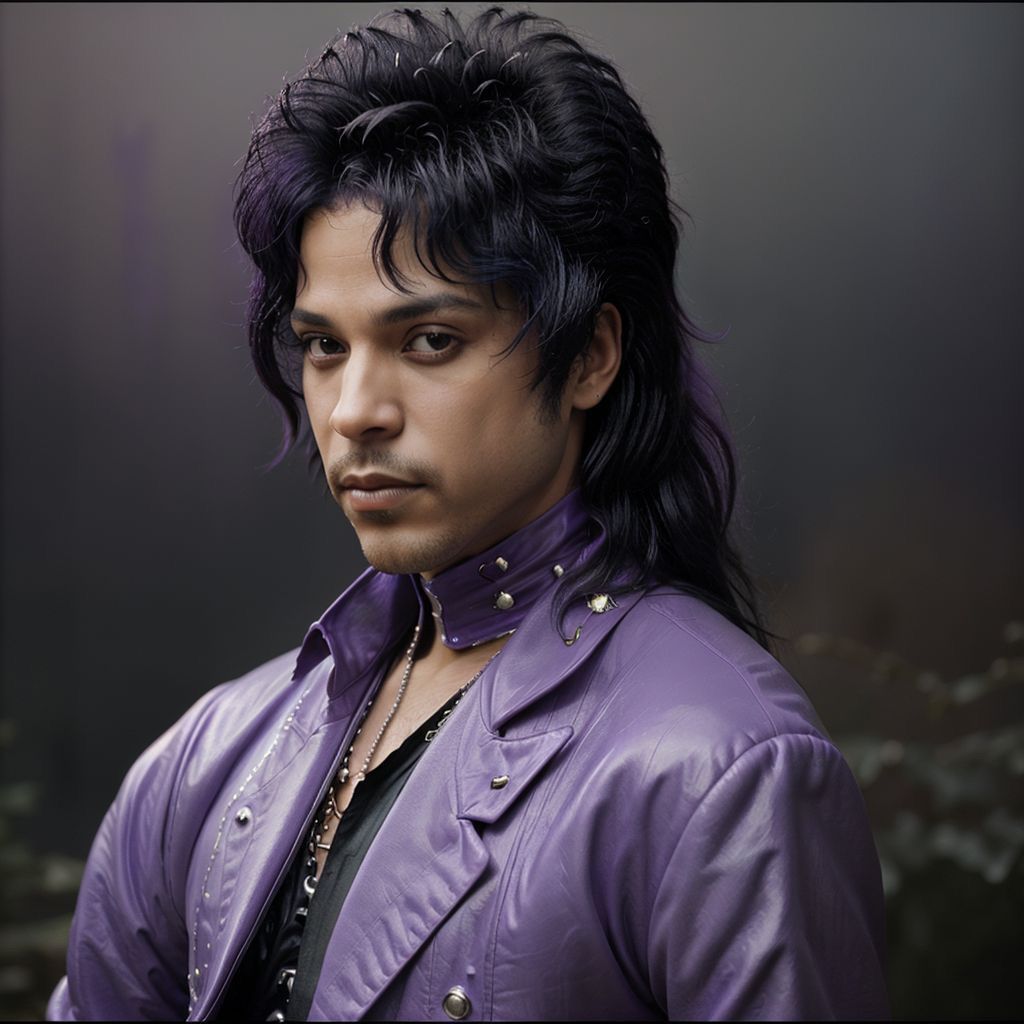
On June 7, 1984, the world of music and cinema was forever altered with the premiere of Purple Rain, the film and accompanying soundtrack that catapulted Prince from a rising star into a cultural icon. At a time when genres were rigid and the entertainment industry clung tightly to formulas, Prince broke the mold—mixing rock, R&B, funk, and a bold visual aesthetic into a singular, unforgettable experience. Purple Rain wasn’t just a movie; it was a manifesto of artistry, emotion, and defiance wrapped in lace, leather, and raw musical genius.

The film, loosely based on Prince’s own life, told the story of “The Kid,” a gifted but troubled musician navigating love, pain, and rivalry in the smoky clubs of Minneapolis. Though critics were divided on the acting and storyline, the music was universally acclaimed. Songs like “Let’s Go Crazy,” “When Doves Cry,” and the title track “Purple Rain” became instant classics—each one a sonic explosion of passion and innovation. With searing guitar solos, haunting lyrics, and a voice that could purr or howl, Prince delivered not just an album, but a soul-baring performance that transcended the screen.

What set Purple Rain apart wasn’t just the sound—it was the spirit. Prince made vulnerability look powerful. He danced with gender norms, pushed the boundaries of what Black artists were “supposed” to do, and demanded space in a white-dominated rock arena without apology. He showed that you could be sensual and spiritual, flamboyant and masculine, tortured and triumphant—all at once. And for countless fans who felt out of place in the mainstream, Purple Rain became more than a film; it was a lifeline, a revolution in purple sequins.

Forty years later, the legacy of Purple Rain still pulses through the music industry. It taught a generation that true artistry doesn’t just reflect the world—it reimagines it. On June 7, 1984, Prince didn’t just premiere a movie—he gave us permission to be extraordinary.

Related Posts