Latest Articles

Breaking the Ice: Nixon’s Historic Visit to China

Elias Rowen

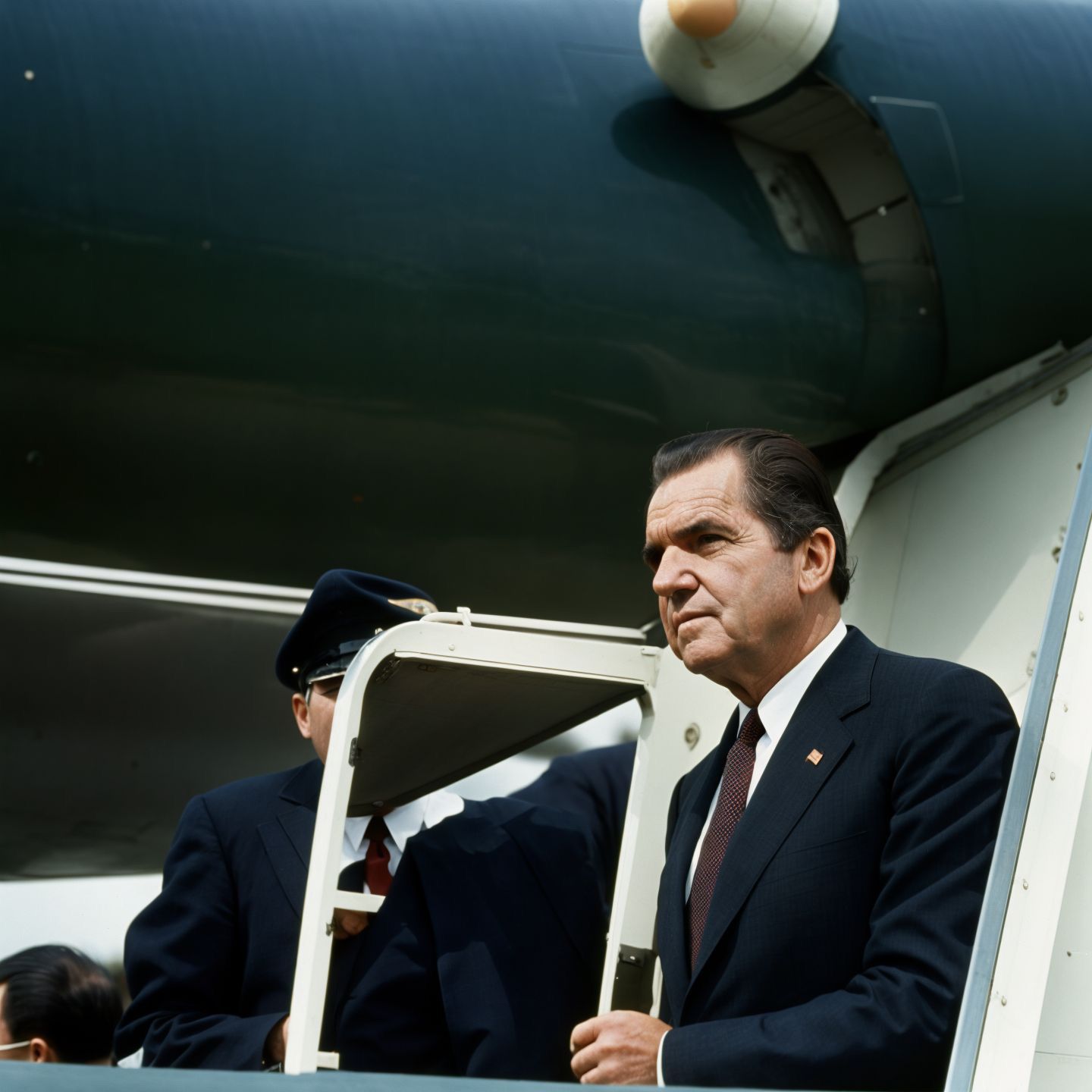
On February 21, 1972, President Richard Nixon arrived in Beijing, marking a groundbreaking moment in international diplomacy. His visit to the People’s Republic of China was the first by a sitting U.S. president and a strategic move that reshaped global politics. At a time when Cold War tensions were at their peak, Nixon’s trip signaled the beginning of a new relationship between the two superpowers and a shift in the global balance of power.

For over two decades, the United States and China had been locked in a diplomatic freeze, with little to no formal communication. The Chinese Communist Party, led by Chairman Mao Zedong, had been isolated from the West, while the U.S. remained deeply entrenched in its policy of containment against communism. However, Nixon, known for his staunch anti-communist stance, saw an opportunity to leverage China as a counterbalance to the Soviet Union. With the help of Secretary of State Henry Kissinger, secret diplomatic negotiations paved the way for what Nixon would later call “the week that changed the world.”

During his seven-day visit, Nixon met with both Chairman Mao and Premier Zhou Enlai, engaging in high-level discussions on trade, diplomacy, and geopolitical strategy. The visit was highly symbolic, as Nixon toured the Great Wall and attended cultural events, demonstrating a willingness to bridge the ideological divide. The trip culminated in the Shanghai Communiqué, a joint statement that laid the foundation for future U.S.-China relations. While the two nations still had significant differences, they agreed to pursue peaceful coexistence and economic engagement.

Nixon’s visit had profound and lasting effects. It not only opened diplomatic channels between the U.S. and China but also shifted the global power dynamic, pressuring the Soviet Union to engage in arms control talks. Over time, China emerged as a key player in the global economy, and U.S.-China relations became one of the most critical bilateral relationships of the modern era.

Though Nixon’s presidency ended in scandal with Watergate, his trip to China remains one of his most significant achievements, proving that diplomacy, even between ideological adversaries, can change the course of history.
Related Posts

The CSS Hunley: The Submarine That Changed Naval Warfare

Elias Rowen

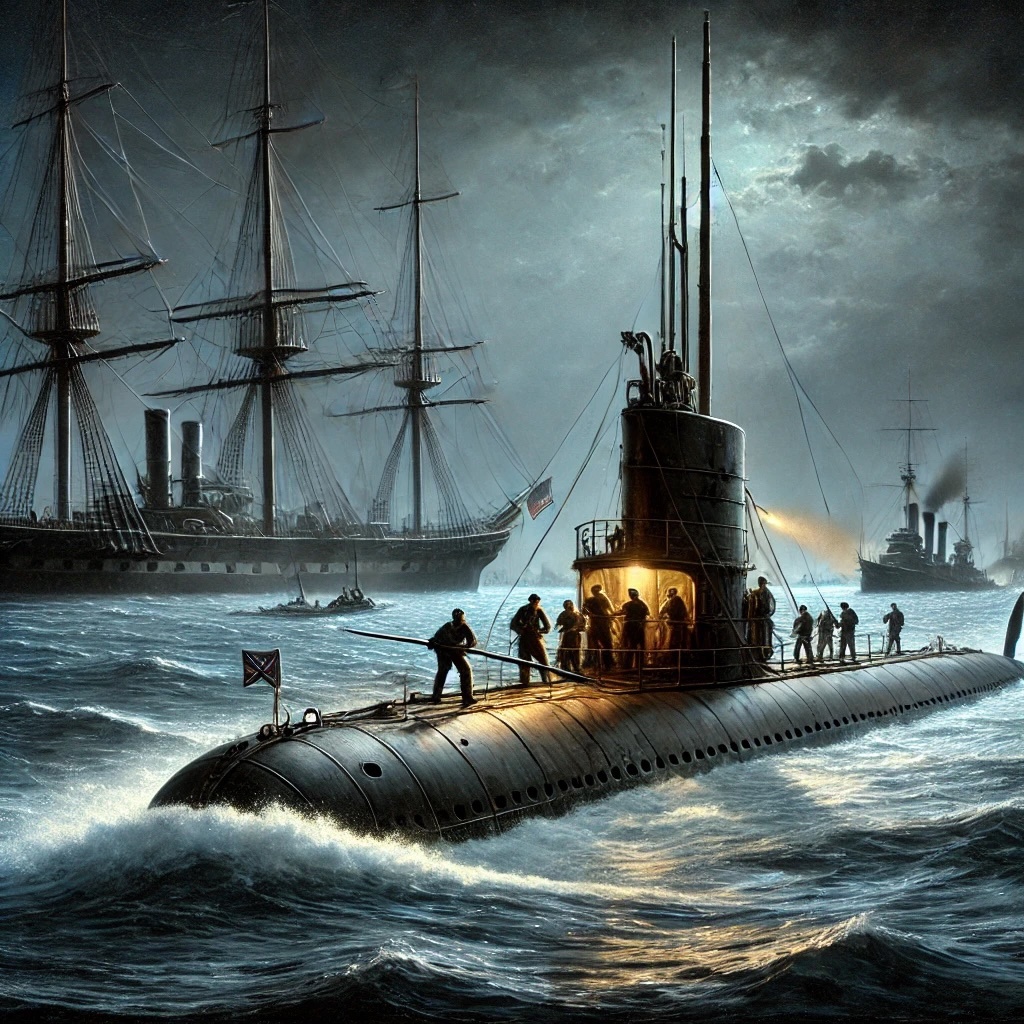
On the night of February 17, 1864, history was made beneath the waters of Charleston Harbor. The Confederate submarine CSS Hunley became the first underwater vessel to successfully sink an enemy warship, the USS Housatonic, during the American Civil War. This daring and unprecedented feat marked a pivotal moment in naval warfare, demonstrating the potential of submarines in combat.

The Hunley, a hand-cranked, cylindrical vessel, was a marvel of engineering for its time. Measuring only about 40 feet in length and operated by a small crew of eight, it was designed to deliver a deadly torpedo strike against Union blockading ships. The Confederate forces hoped that such innovative tactics could break the stranglehold of the Union blockade, which was crippling the Southern economy.

On that fateful night, the Hunley stealthily approached the USS Housatonic and deployed its spar torpedo, which detonated upon impact, causing the massive warship to sink within minutes. However, the victory came at a great cost—the Hunley and its brave crew never returned. The submarine mysteriously vanished beneath the waves, leaving behind a legacy of heroism and intrigue.

For over a century, the fate of the Hunley remained one of the Civil War’s greatest mysteries. It wasn’t until 1995 that the wreck was discovered, and in 2000, it was finally raised from its watery grave. Extensive research and conservation efforts have since provided valuable insights into its final moments and the pioneering spirit of those who sailed her.

Today, the Hunley is preserved as a testament to early submarine warfare and the ingenuity of those who sought to change the course of history. Its daring mission, though tragic, paved the way for the development of modern naval technology and remains an enduring story of courage and innovation.

Related Posts

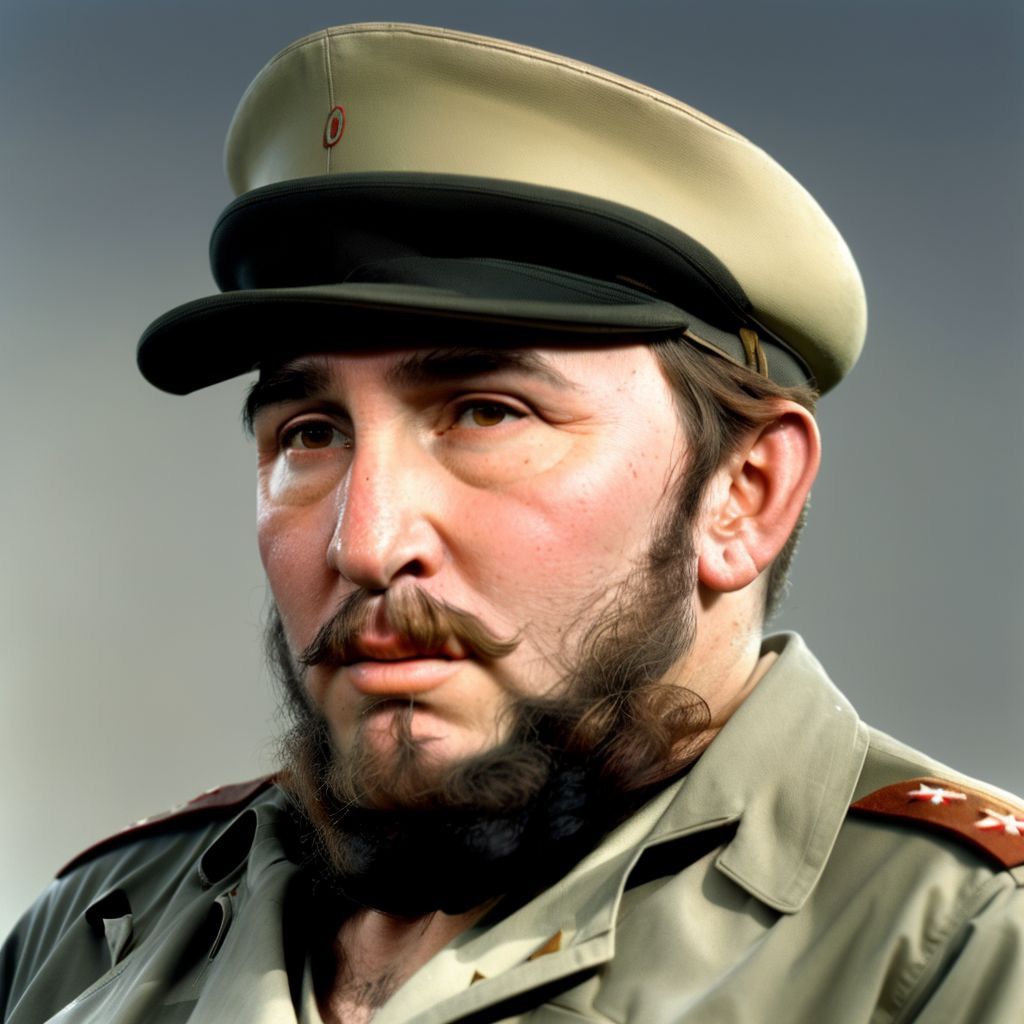
Fidel Castro Rises to Power: Cuba’s Revolutionary Turning Point

Elias Rowen

On February 16, 1959, Fidel Castro was sworn in as the premier of Cuba, marking the beginning of a new era in the island nation’s history. After years of guerrilla warfare and a successful revolution against the U.S.-backed dictator Fulgencio Batista, Castro and his revolutionary forces seized control of Havana, ushering in a socialist government that would redefine Cuba’s political and economic landscape for decades to come.

Castro’s rise was fueled by widespread discontent with Batista’s corrupt and oppressive regime. The Cuban people, burdened by economic inequality and political repression, rallied behind Castro’s vision of a more just and independent Cuba. His revolutionary movement, the 26th of July Movement, had fought tirelessly from the Sierra Maestra mountains, ultimately toppling Batista’s government on January 1, 1959. By the time Castro assumed the role of premier, he had already captured the imagination of his supporters and the suspicion of foreign powers, particularly the United States.

Once in power, Castro swiftly implemented sweeping reforms. Land redistribution policies aimed at empowering the working class, while nationalization efforts sought to reduce foreign influence over Cuban industries. These bold moves, however, placed Cuba on a collision course with the U.S., leading to economic sanctions and diplomatic tensions that would define much of Castro’s rule. His alignment with the Soviet Union intensified Cold War hostilities, culminating in pivotal events like the Bay of Pigs invasion in 1961 and the Cuban Missile Crisis in 1962.

Despite the controversies and challenges, Castro remained in power for nearly five decades, shaping Cuba into a symbol of socialist resilience. His tenure was marked by both achievements—such as advancements in healthcare and education—and criticisms of authoritarian rule. While opinions on his leadership remain divided, there is no denying that his ascension to power in 1959 was one of the most transformative moments in modern history.

Related Posts

Unsealing the Past: Howard Carter and the Discovery of King Tut’s Tomb

Elias Rowen

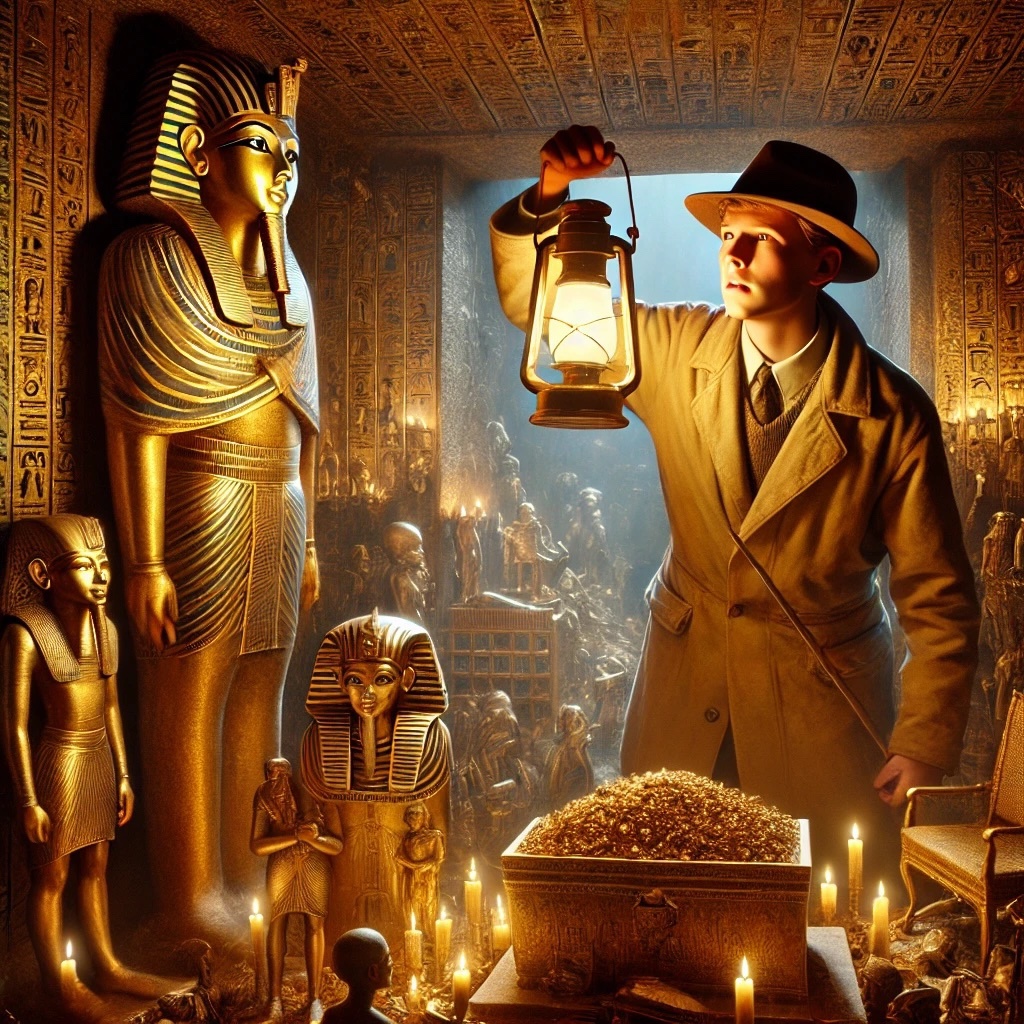
1923 was a landmark year in the field of archaeology as British Egyptologist Howard Carter finally unsealed the burial chamber of King Tutankhamun, revealing one of the most well-preserved and intact tombs ever discovered in the Valley of the Kings. This moment was the culmination of years of painstaking work and unrelenting determination, marking one of the greatest discoveries of the 20th century.

The journey to King Tut’s tomb began in 1922 when Carter, funded by Lord Carnarvon, uncovered the entrance to the boy king’s final resting place. After months of careful excavation, the moment of truth arrived on February 16, 1923. As Carter peered through a small opening into the burial chamber, he famously described seeing “wonderful things”—a sight that had remained hidden for over 3,000 years. The tomb was filled with golden artifacts, intricate furniture, statues, chariots, and the legendary sarcophagus of the young pharaoh.

Unlike other tombs that had been plundered over the centuries, King Tut’s burial site was remarkably intact, offering an unprecedented glimpse into ancient Egyptian burial practices and royal life. The artifacts and treasures found within the tomb provided scholars with invaluable insights into the 18th Dynasty and the enigmatic reign of the boy king. From the intricately designed death mask to the jewelry and weapons buried alongside him, each object told a story of a civilization that once thrived along the Nile.

However, the discovery was not without controversy. Reports of the so-called “Curse of the Pharaohs” spread like wildfire after Lord Carnarvon’s sudden death a few months later, fueling speculation that disturbing the tomb had unleashed an ancient curse. While modern science dismisses such claims as superstition, the legend of the curse added a layer of mystery to an already fascinating historical event.

Today, the treasures of King Tut’s tomb continue to captivate the world, traveling through museum exhibitions and shedding light on the splendor of ancient Egypt. Howard Carter’s discovery remains one of the most significant in archaeological history, forever changing our understanding of the past. The moment he unsealed the tomb was not just a breakthrough in Egyptology but a gateway into an ancient world that continues to mesmerize and inspire generations.

Related Posts

The Spark That Ignited a War: The USS Maine Explosion of 1898

Elias Rowen

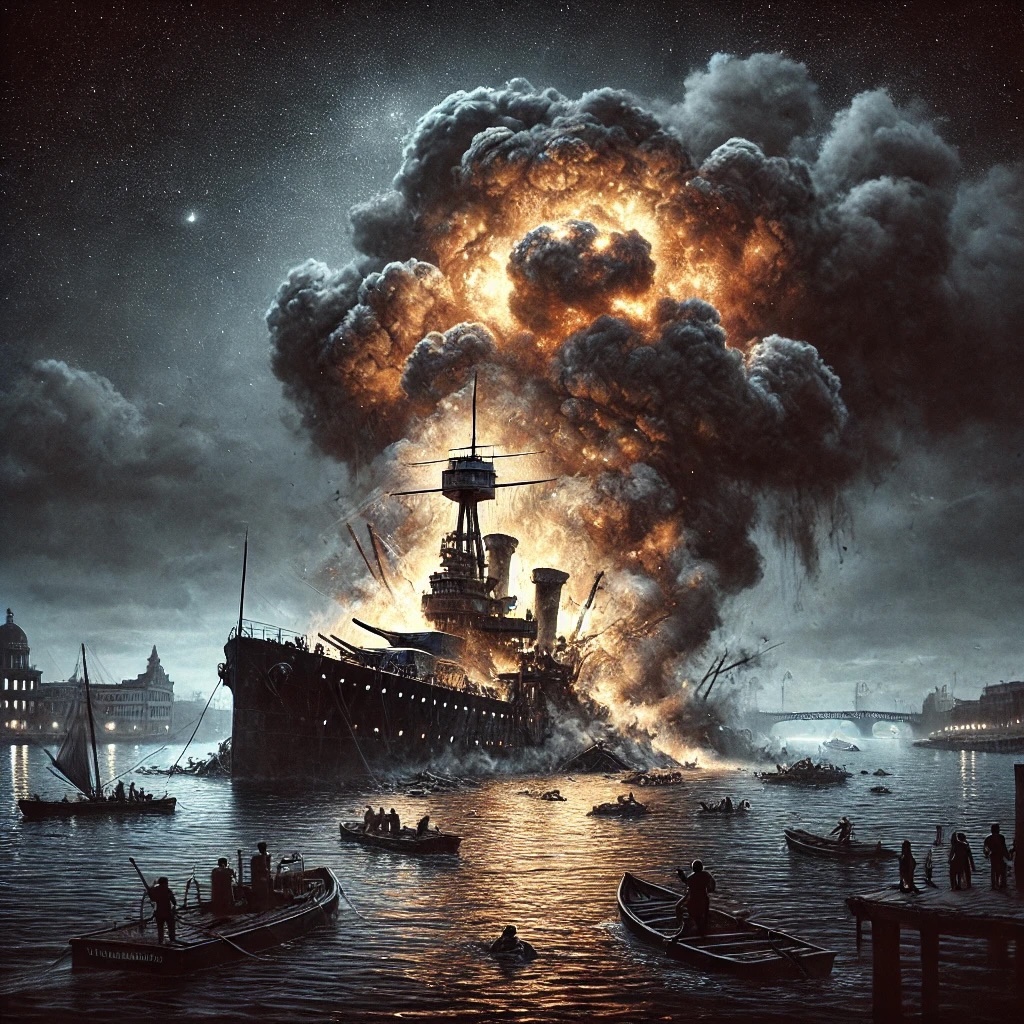
On the night of February 15, 1898, a massive explosion rocked the USS Maine, a U.S. Navy battleship anchored in Havana Harbor, Cuba. The blast tore through the vessel, killing 266 American sailors and plunging the nation into mourning. The mysterious destruction of the Maine became the catalyst for the Spanish-American War, fueling tensions between the United States and Spain. Though the true cause of the explosion remains a subject of debate, its immediate effect was undeniable: cries of “Remember the Maine, to hell with Spain!” echoed across the country, rallying public support for war.

At the time, Cuba was under Spanish rule, and the island was embroiled in a struggle for independence. The United States, already sympathetic to the Cuban rebels, had sent the Maine to Havana as a show of support and protection for American interests. When the ship exploded, yellow journalism—sensationalized reporting from newspapers like The New York Journal and The New York World—seized the moment, fanning the flames of war with dramatic headlines blaming Spain. The U.S. government, under President William McKinley, demanded answers, but when diplomacy failed, Congress declared war on Spain in April 1898.

The Spanish-American War was brief but transformative. In just a few months, U.S. forces achieved decisive victories in Cuba and the Philippines, signaling America’s emergence as a global power. Spain, unable to withstand the American military onslaught, surrendered in August, ceding control of Cuba, Puerto Rico, Guam, and the Philippines to the United States. Though the war was over, the explosion of the Maine remained an unsolved mystery. Modern investigations suggest that the blast was likely caused by an internal coal bunker fire igniting ammunition rather than a Spanish attack. However, at the time, the prevailing narrative served its purpose—ushering the U.S. into a war that reshaped its role in world affairs.

The USS Maine’s tragic end is a reminder of how a single event can alter history. Whether an accident or an act of war, its explosion led to a conflict that reshaped the geopolitical landscape and cemented the United States’ influence overseas. More than a century later, the Maine remains a symbol of the power of media, the complexities of war, and the lasting consequences of a moment in history.

Related Posts