Latest Articles

From Feast to Tradition: The Heartwarming Story of Thanksgiving

Dave

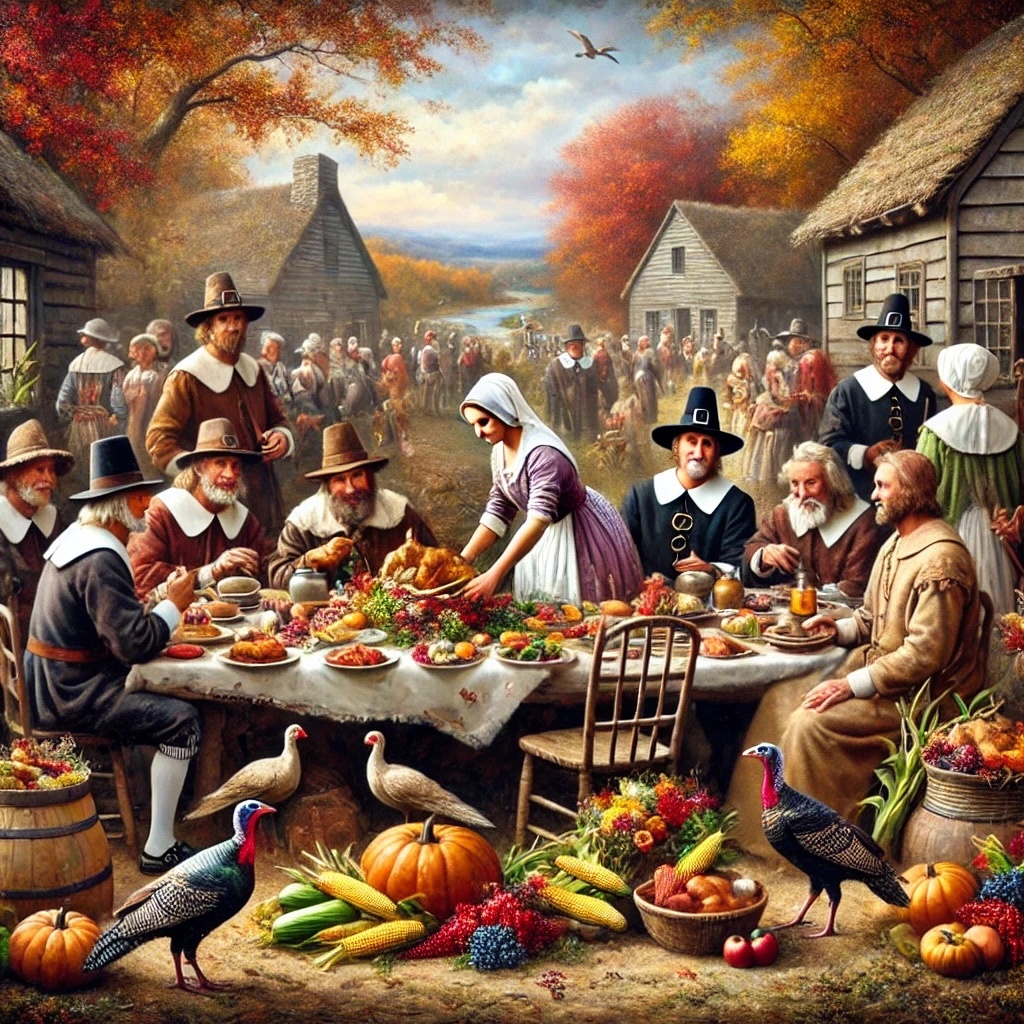
Thanksgiving is more than just a holiday; it’s a heartfelt tradition that brings people together to celebrate gratitude, family, and the blessings of life. What began as a humble feast between early settlers and Native Americans in 1621 has grown into a cherished occasion observed across the United States every fourth Thursday in November. The significance of the holiday goes far beyond the turkey and pumpkin pie, as it serves as a reminder of the importance of community, reflection, and appreciating the good things in life. Over the years, Thanksgiving has evolved into a festive celebration marked by food, football, parades, and an opportunity to pause, giving thanks for the people and moments that matter most.

At its core, Thanksgiving is about coming together with loved ones to share a meal and give thanks for the year’s blessings. Whether it’s the scent of a roast turkey filling the house or the warmth of shared memories around the dinner table, there’s an undeniable sense of comfort and connection on this day. For many, it’s a time to reunite with family members who live far away, to reconnect with friends, or to simply reflect on the things they hold dear. The food, of course, plays a starring role—stuffing, mashed potatoes, cranberry sauce, and the infamous pumpkin pie create a sense of tradition and nostalgia. These familiar dishes often vary by region, family traditions, or even personal preferences, but the essence of the meal remains the same: a celebration of togetherness.

Thanksgiving also holds a deeper cultural significance as a time for reflection. It’s a day set aside to acknowledge the blessings in our lives—whether it’s our health, our family, or the opportunities we’ve been given. The act of giving thanks encourages us to slow down and appreciate the small moments that might otherwise pass unnoticed. In a world that often feels fast-paced and focused on what we don’t have, Thanksgiving offers an opportunity to pause and express gratitude for what we do have. It’s a day to reflect on the goodness of life, the support of our loved ones, and the promise of a new year ahead.

Despite its roots in history, Thanksgiving is also a time for new traditions. Some families have taken to volunteering at food banks or shelters to help those less fortunate, turning the day into a reminder of the importance of community service and giving back. Others may gather to watch a football game, take part in a lively game of charades, or share stories that highlight the humor and love of their shared experiences. No matter how it’s celebrated, Thanksgiving remains a special time to bond, laugh, and create lasting memories with the people who matter most.

The commercialized aspect of Thanksgiving, with Black Friday deals starting earlier each year, can sometimes overshadow its true meaning. However, many families continue to prioritize the spirit of gratitude and togetherness. In the midst of the hustle and bustle, they find joy in simple moments: a heartfelt toast to the year’s blessings, a hug from a loved one, or the shared experience of a favorite family recipe being passed down to the next generation. These are the moments that define Thanksgiving and give it its lasting meaning.

Thanksgiving is more than just a meal or a holiday; it’s a reflection of the values that bind us together as individuals and as a society. It’s a time to express thanks for all that we have and to cherish the moments that bring us closer to one another. Whether you’re enjoying the day with family, friends, or even in quiet solitude, Thanksgiving is a reminder that no matter what challenges we may face, there is always something to be grateful for.

Related Posts

Words Fit for a King: Crafting a Remarkable Conversation

Elias Rowen

Conversations have the power to build bridges, foster connections, and transform relationships. Whether it’s a casual chat with a friend, a heartfelt discussion with a partner, or a professional dialogue in a boardroom, the way we communicate has a profound impact on the outcome. Crafting a remarkable conversation is not just about what you say, but how you say it. Words, when chosen wisely, have the ability to engage, inspire, and create meaningful exchanges. It’s about striking the right balance between listening and speaking, showing empathy, and knowing when to pause and reflect.

At the heart of a remarkable conversation is the ability to truly listen. In today’s world, where distractions are ever-present, active listening is a lost art. To truly hear someone is to acknowledge their feelings, to understand their perspective, and to validate their experiences. Listening intently allows for more meaningful responses and shows that you value the other person’s input. It also creates space for connection, making the conversation feel less transactional and more genuine. A conversation that flows with mutual respect and understanding is the foundation of any remarkable dialogue.

Equally important is the art of speaking with purpose. When you craft your words carefully, they carry more weight. It’s not just about spitting out facts or sharing opinions, but about using language that resonates with the listener. A thoughtful response can inspire, comfort, or encourage. A well-timed compliment or a simple thank you can have a lasting impact. By speaking with intention and mindfulness, you make sure that your words are not only heard but also felt. This takes practice—paying attention to tone, body language, and choosing the right words that align with your message.

In a remarkable conversation, vulnerability is key. While it’s easy to keep things surface-level, the most memorable exchanges are those where people open up and share their true selves. Vulnerability creates an environment of trust and authenticity, allowing for a deeper connection. When you allow yourself to be real, others feel comfortable doing the same, fostering an atmosphere of mutual respect. These kinds of conversations often lead to stronger bonds, whether they’re with a loved one, a friend, or a colleague.

Humor also plays a vital role in crafting a remarkable conversation. A good laugh has the power to break down barriers and make people feel at ease. Humor can lighten tense moments, offer relief in stressful situations, and bring a sense of joy to the exchange. The key is finding the right balance—using humor to uplift the conversation without detracting from its core message. A well-placed joke or witty remark can leave a lasting impression, making the conversation more memorable and enjoyable.

Finally, timing is everything. Knowing when to speak and when to remain silent is a skill that can elevate any conversation. Sometimes, the most powerful moments come from pauses—allowing space for reflection or letting the silence speak louder than words. Pausing at the right moment can add emphasis, build anticipation, or give the other person time to process. A conversation doesn’t have to be a continuous stream of words to be impactful. Sometimes, the most meaningful exchanges happen in the quiet moments in between.

A remarkable conversation is a balance of listening, speaking with purpose, vulnerability, humor, and timing. It’s an art that requires both practice and patience, but when done right, it can lead to deeper connections and more fulfilling relationships. Whether you’re talking to a friend, a colleague, or a loved one, taking the time to craft a conversation with intention can transform the way you communicate, creating bonds that go beyond words.

Related Posts

François Mitterrand: The Architect of Modern France

Dave

Mitterrand’s presidency was characterized by a bold agenda to reshape France. As the first socialist president in the Fifth Republic, he brought progressive reforms to a country grappling with social inequality and economic stagnation. Among his notable achievements were:

Social Reforms: Mitterrand introduced measures such as increasing the minimum wage, reducing the workweek, and expanding workers’ rights. These policies aimed to improve the lives of ordinary citizens and reduce class disparities.
Nationalization and Privatization: Early in his term, Mitterrand nationalized key industries and banks to strengthen public control. Later, recognizing the changing global economy, he embraced privatization, showcasing his adaptability as a leader.
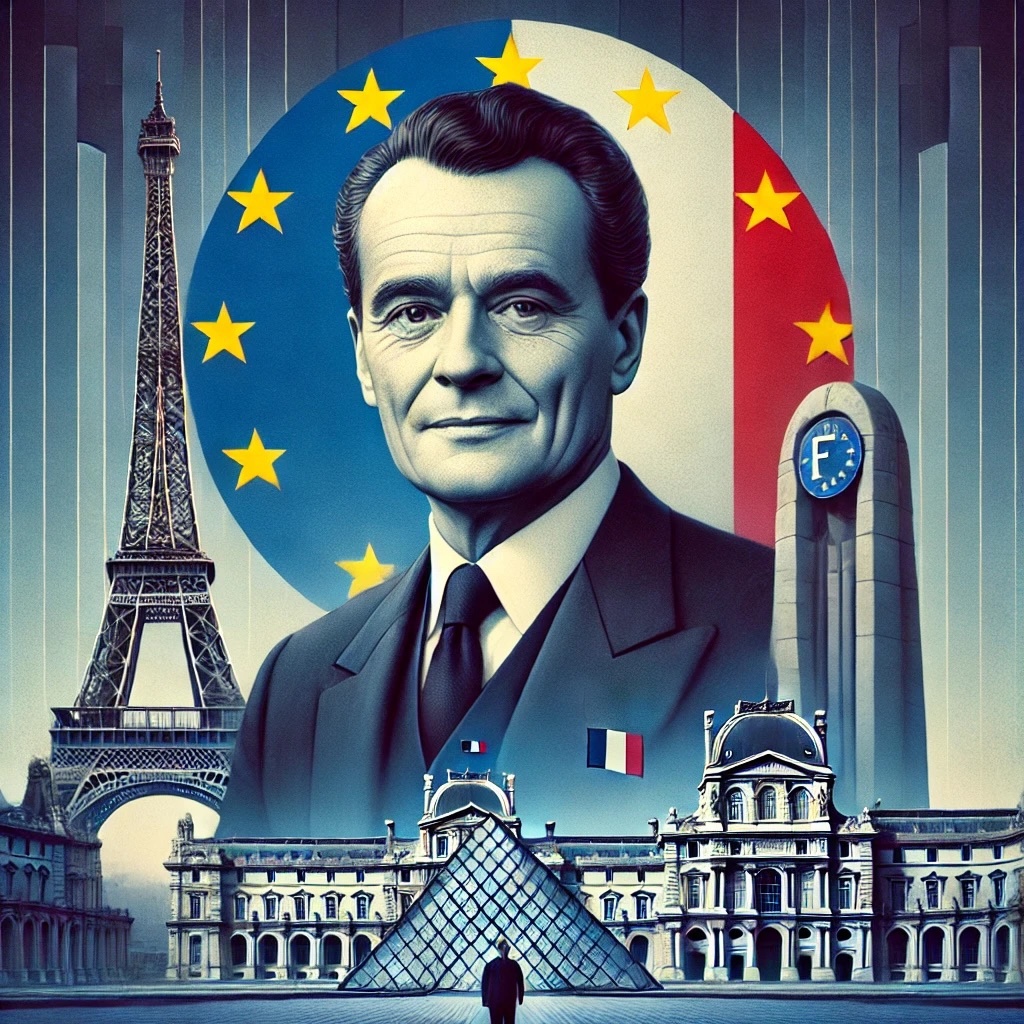
Cultural Renaissance: He championed French culture, commissioning grand projects like the Louvre Pyramid and the National Library of France. These efforts symbolized a blend of tradition and modernity.
A Time of Political Change
Mitterrand’s tenure coincided with significant shifts in global and domestic politics. His leadership navigated the challenges of the Cold War, European integration, and domestic political divisions.

Key milestones included:
European Unity: A staunch advocate of the European Union, Mitterrand played a pivotal role in the Maastricht Treaty, laying the foundation for the euro.
Balancing Ideologies: His ability to collaborate with political rivals, such as during the periods of “cohabitation” when the presidency and prime ministership were controlled by opposing parties, highlighted his pragmatic leadership.
The Legacy of François Mitterrand
Despite controversies, including debates over his early political affiliations and personal life, Mitterrand remains a towering figure in French history. His vision for a modern, equitable, and culturally rich France continues to inspire leaders today.

Mitterrand’s story is one of evolution—both personal and political. He was a man of contradictions, yet his ability to adapt and lead during times of change ensured his place as one of France’s most influential leaders.

Related Posts

Global Reflections: How U.S. Elections Shape Democracy Worldwide

Dave

The world watches U.S. elections with rapt attention—not just because of America’s global influence but also for the lessons that emerge from its electoral process. From campaign dynamics to voter turnout, the U.S. electoral system has long been a model (and sometimes a cautionary tale) for other democracies. The United States’ elections spark discussions worldwide about democratic values, the role of citizens in government, and the mechanics of voting. But how exactly do other countries interpret U.S. election outcomes, and have they enacted any reforms based on American experiences? This article explores these global reflections and the influence of U.S. elections on electoral reform.

The U.S. elections often set trends, serving as a model that other nations adopt or adapt in different ways. Here’s a closer look at some aspects that inspire reforms abroad:

U.S. elections are known for high-energy campaigns that rely on data analytics, social media, and direct voter outreach to engage people at a grassroots level. Many countries have taken notes, using targeted campaigns and digital tools to better connect with their voters. In nations where voter engagement was traditionally low, lessons from American-style campaigning have sparked new methods of outreach aimed at boosting turnout and encouraging civic participation.

The U.S. model of election transparency—live debates, accessible information on candidates, and real-time election coverage—has inspired other democracies to ensure their election processes are similarly open. Countries have introduced televised debates, expanded access to candidate platforms, and set up live broadcasts of vote counts, aiming to build public trust in their own elections.

With initiatives focused on young and first-time voters, the U.S. has influenced programs worldwide that encourage youth engagement in politics. Inspired by American voter education efforts, countries such as India and Canada have rolled out programs in schools to educate young people about their role in democracy, aiming to build lifelong habits of civic involvement.

While the U.S. elections offer valuable lessons, some of the world’s reforms have been inspired by perceived challenges in the American system, especially around access and fairness.

Observing debates in the U.S. around voter suppression, countries like Brazil and Germany have taken extra steps to ensure inclusive and accessible voting processes. Many have opted for automatic voter registration and expanded absentee ballot access, aiming to make it easier for all citizens to vote without restrictions.

The enormous role of money in U.S. campaigns has led some countries to reinforce their own limits on campaign financing, to ensure fairness and equal opportunity for all candidates. Nations including the United Kingdom and Canada have enacted stricter regulations on political donations and spending caps to prevent wealthier candidates or parties from having outsized influence.

Witnessing both the promise and occasional pitfalls of U.S. voting technology, countries have cautiously adopted modern systems while prioritizing security. Countries like Estonia have implemented secure online voting systems, while others, like France, have retained traditional paper ballots to avoid risks associated with electronic voting.

The U.S. election process often spurs global dialogue about democracy itself. The transparency, campaigning styles, and electoral policies seen in U.S. elections encourage nations to reflect on their own practices, adopting elements that fit their unique cultures and governance structures. Yet, they also serve as a reminder that democratic practices are not one-size-fits-all. U.S. elections continue to demonstrate both the power and the complexities of modern democracy, inspiring other nations to learn, adapt, and refine their own systems to best serve their citizens.

The U.S. election process acts as both a mirror and a model for global democracies. Whether inspiring reforms in transparency, voter engagement, or campaign finance, it highlights the values shared across democratic nations and serves as a valuable, albeit imperfect, example of democracy in action. As countries reflect on and adapt lessons from U.S. elections, they reinforce a global commitment to representative governance and active civic participation—a powerful, lasting impact of the American democratic experiment.

Related Posts

The Treaty of Trianon: A Nation’s Shattered Boundaries

Dave

In June 1920, Hungary faced a moment that would forever alter its place in the world: the signing of the Treaty of Trianon. This treaty, a component of the broader peace settlement concluding World War I, was one of the most significant turning points in Hungarian history. Stripped of two-thirds of its territory and over half its population, Hungary emerged from the treaty a shadow of its former self, sparking decades of national reflection, cultural resilience, and political tension.

Hungary’s pre-war borders included vast lands and a diverse population. Trianon reduced the nation from over 325,000 square kilometers to just 93,000 square kilometers. Entire regions, such as Transylvania, Slovakia, and Croatia, were ceded to neighboring states like Romania, Czechoslovakia, and Yugoslavia. For millions of ethnic Hungarians, this meant waking up one day as minorities in foreign countries—a deeply personal and painful transformation.

Economically, Hungary’s once-thriving industries, heavily reliant on resources from the lost territories, crumbled. Railways now crossed international borders, agriculture lost fertile lands, and trade routes were disrupted. The psychological impact was equally severe, with national pride and identity deeply wounded.

The treaty’s fairness remains a topic of debate. To the Allied powers, it was a necessary measure to weaken a defeated empire and ensure stability in the region. To Hungary, it felt punitive and excessive, fostering a sense of injustice that would linger for generations. This resentment became fertile ground for political instability, influencing Hungary’s role in the interwar years and even its alignment during World War II.

Despite the losses, Hungary preserved its cultural heritage. The arts, literature, and traditions flourished as Hungarians sought solace and strength in their shared identity. Writers like Dezső Kosztolányi and musicians such as Béla Bartók emerged as symbols of resilience, capturing the spirit of a nation determined to rise above adversity.

More than a century later, the Treaty of Trianon is still a sensitive topic in Hungary. It shaped the country’s modern borders, identity, and foreign relations. For Hungarians, it’s a reminder of a painful past but also a testament to their enduring spirit.

Related Posts