Latest Articles

Juneteenth: The Long-Awaited Dawn of Freedom

Elias Rowen

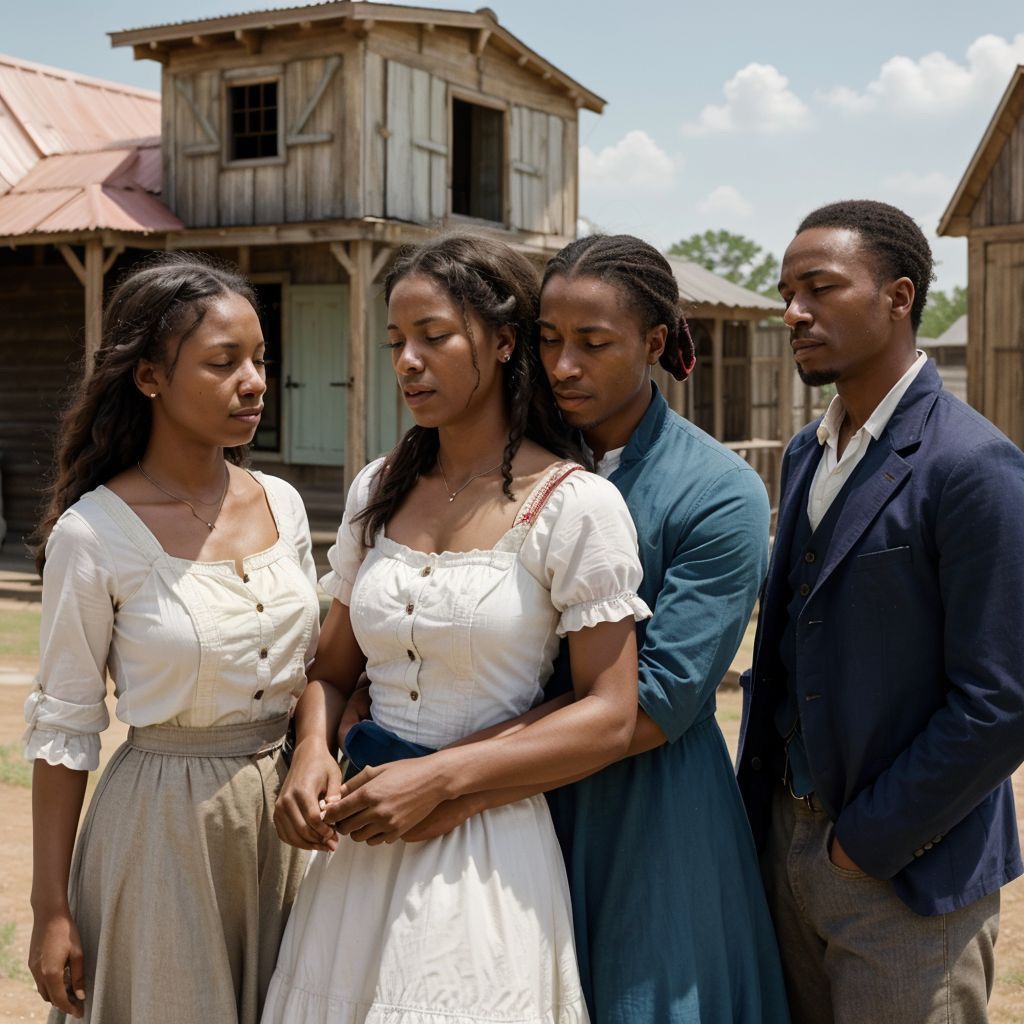
June 19, 1865, began like any other humid day in Galveston, Texas—sunrise casting golden light over the Gulf, fishermen preparing their nets, merchants opening up shop. Yet, for hundreds of thousands of enslaved African Americans across Texas, it was a day unlike any other. It was the day freedom finally arrived, years overdue but no less life-changing. This was Juneteenth, the day when news of the Emancipation Proclamation reached the last holdouts of slavery in the Confederacy. The day the final chains of chattel slavery began to fall away. The day the truth could no longer be denied.

To understand the magnitude of Juneteenth, one must first understand the slow, grinding arc of slavery in America and the civil war that fractured the nation. President Abraham Lincoln had issued the Emancipation Proclamation on January 1, 1863, declaring all enslaved people in Confederate-held territory to be free. But the Proclamation, while monumental in symbolism, was limited in immediate impact. It could not be enforced in areas still under Confederate control. Texas, vast and remote, remained largely untouched by Union forces throughout most of the Civil War, making it a final stronghold of slavery even after the Confederate surrender at Appomattox in April 1865.

In the months that followed the war’s end, Confederate soldiers trickled home, defeated, and uncertain. But for the hundreds of thousands of enslaved people in Texas, there had been no surrender, no clear victory—only more work, more suffering, and a cloud of rumors. Some had heard whispers of Lincoln’s Proclamation. Others dared to hope the end was near. But the plantation system continued churning, and white landowners had little incentive to release their labor force. So, the enslaved waited, praying for a word, a sign—freedom, it seemed, had gotten lost on the way to Texas.

That all changed on June 19, when Union Major General Gordon Granger arrived in Galveston with 2,000 federal troops. Their mission: to enforce the emancipation of all enslaved people and restore federal authority to the rebellious state. Granger didn’t waste time. Standing on the balcony of Ashton Villa, he issued General Order No. 3. The words were plain but thunderous: “The people of Texas are informed that, in accordance with a proclamation from the Executive of the United States, all slaves are free.” With that statement, the last vestige of legalized human bondage in America crumbled—at least in theory.

The reaction to the order was immediate, emotional, and complex. Imagine generations of trauma and toil giving way to a single breath of hope. Some wept. Some danced. Some ran to neighboring plantations to spread the news. Others remained cautious, even skeptical—after all, slavery had been law for over two centuries. For many enslavers, the announcement came as a shock, though some had known for months and deliberately withheld the information. In some areas, plantation owners postponed the announcement until after the harvest, clinging to their collapsing world a little longer.

Freedom, for all its glory, arrived unevenly. While the proclamation had legal weight, enforcement was patchy and dangerous. There were instances of violent retaliation against freed people. In some cases, Union soldiers had to physically intervene to prevent bloodshed or re-enslavement. The journey from legal emancipation to lived freedom was neither smooth nor immediate—it was hard-won, often at great cost.

But amid the chaos, a spark was lit. Black communities across Texas began to celebrate June 19th as a sacred milestone. The earliest Juneteenth gatherings were deeply spiritual—a combination of worship, remembrance, and jubilation. Families traveled great distances to reunite, share meals, sing spirituals, and retell stories of survival. These gatherings became a foundation of community identity, a way to claim space and joy in a world that often offered little of either.

Over time, these commemorations grew into an annual tradition. As formerly enslaved people migrated out of Texas, seeking better opportunities in the North and West, they carried Juneteenth with them, planting its roots in cities like Los Angeles, Chicago, and Oakland. Through food, music, dance, and prayer, the memory of June 19th, 1865 was preserved—not just as a celebration of freedom, but as an act of resistance and pride.

Yet the broader American public remained largely unaware—or indifferent. For much of the 20th century, Juneteenth was celebrated mostly within African American communities. Schools did not teach it. The media did not mention it. History textbooks focused on Lincoln’s Proclamation or the 13th Amendment, skipping over the long delay that kept enslaved people in bondage even after the legal end of slavery. Juneteenth was a story told at cookouts and church services, passed down like an heirloom among those who refused to let it be forgotten.

This relative obscurity began to change during the Civil Rights Movement of the 1950s and 60s. As Black Americans pushed for voting rights, desegregation, and full citizenship, the lessons of Juneteenth gained new urgency. The holiday reminded people that freedom was not simply granted—it had to be fought for, again and again. In 1968, after the assassination of Dr. Martin Luther King Jr., the Poor People’s Campaign held a Solidarity Day in Washington, D.C., and included Juneteenth in its call for racial and economic justice. The fight for equality was far from over, but Juneteenth served as a compass pointing toward that unfinished dream.

By 1980, Texas became the first state to officially recognize Juneteenth as a holiday. Other states slowly followed, with grassroots organizers and activists leading the charge. They saw in Juneteenth an opportunity to educate, to remember, and to reclaim a piece of history too often buried under myths of progress. In the decades that followed, Juneteenth celebrations became larger and more visible—featuring parades, historical reenactments, musical performances, and lectures on Black history and culture.

Still, the struggle for national recognition continued until the tragic events of 2020 brought it roaring into the spotlight. The killing of George Floyd by a Minneapolis police officer ignited a global movement for racial justice. Amid protests and reckonings, Americans began asking deeper questions about their past, present, and future. In this climate, Juneteenth emerged not only as a historical observance but as a call to action. Corporations acknowledged it, communities embraced it, and finally, lawmakers moved to recognize its significance.

On June 17, 2021, President Joe Biden signed legislation officially making Juneteenth a federal holiday. It was a moment of validation and visibility—a long-overdue acknowledgment of the importance of June 19th. For many, it felt like an affirmation of history, a national reckoning with a truth too long ignored. But even this step, while important, is not the end of the journey. Recognizing a holiday is one thing; living up to its meaning is another.

Juneteenth invites every American to reflect—not just on the joy of freedom, but on the cost of its delay. It reminds us that emancipation was staggered and incomplete, that freedom is more than a proclamation. It is safety, opportunity, dignity, and the right to exist without fear. For generations of Black Americans, true freedom remained elusive even after slavery ended. Jim Crow laws, redlining, mass incarceration, police violence—these are not distant echoes but ongoing realities.

And yet, Juneteenth remains a beacon of hope. It is a celebration not of what was handed down, but what was claimed and created through struggle. The resilience shown by formerly enslaved people in building schools, founding businesses, organizing churches, and raising families in the face of staggering odds is a triumph unmatched. Their legacy lives in every Juneteenth cookout, in every sermon, in every story told to the next generation.

Today, Juneteenth is more than a Black holiday—it’s an American holiday. It asks all of us to consider what freedom really means. It challenges us to confront the uncomfortable truths of our history and to find strength in the stories of those who endured and overcame. It urges us to celebrate Black joy not as a contrast to pain, but as its own radical form of resilience.

In Galveston, where the first Juneteenth began, visitors now gather at historical sites like the Reedy Chapel AME Church and the Emancipation Cultural Center. They walk the same streets where enslaved people first heard the news. They pause at monuments and read the weathered plaques. And they remember. Not only what was lost, but what was found—an unbreakable spirit, a legacy of resistance, and a date that forever changed the nation.

As we mark Juneteenth year after year, we’re reminded that history isn’t static—it lives in us. And we have the power, and the responsibility, to shape what comes next. To listen. To learn. To act.

Because the story of Juneteenth didn’t end in 1865. It began there.

Related Posts

The Day Europe’s Fate Was Sealed: Napoleon’s Final Stand at Waterloo

Elias Rowen

June 18, 1815, was a day etched forever in the annals of history—a day when the fate of Europe hung in the balance. The rolling fields near the small Belgian village of Waterloo became the stage for one of the most pivotal battles of all time, a clash that would mark the end of an era and reshape the continent forever. This was Napoleon Bonaparte’s last stand, a moment charged with tension, strategy, and the hopes of a desperate Europe.

Napoleon, once a revolutionary hero who had crowned himself Emperor of the French, had risen to dominate much of Europe through his brilliant military campaigns. But after escaping exile on Elba, he returned to power in what would be known as the Hundred Days, threatening the fragile balance of European nations determined to stop him. The Allied forces—primarily British, Dutch, Belgian, and Prussian troops—gathered to confront him in this decisive battle.

The morning of June 18 was tense. Thick clouds hung low over the battlefield, turning the muddy terrain treacherous for soldiers and horses alike. Napoleon, known for his bold tactics, faced an equally determined coalition led by the Duke of Wellington and Prussian Field Marshal Gebhard Leberecht von Blücher. The battle was fierce and chaotic, with attacks and counterattacks pushing men to the brink.

Despite his tactical genius, Napoleon was ultimately overwhelmed. The arrival of the Prussian army turned the tide against him, forcing a retreat. This defeat shattered his dream of European domination and ended the Napoleonic Wars once and for all. Napoleon was captured and sent into exile on the remote island of Saint Helena, where he would spend the rest of his days.

Waterloo’s impact was profound. It restored a fragile peace in Europe and ushered in a new era of diplomacy and balance among nations. The Congress of Vienna, which had sought to redraw Europe’s map after Napoleon’s earlier defeat, now had a lasting peace to enforce. The battle also marked the decline of French imperial ambition and the rise of Britain as a global power.

But beyond politics and strategy, Waterloo became a symbol of resilience and the costs of war. Thousands of soldiers lost their lives on that muddy field, their sacrifices shaping the future of the continent. The battle has since captured imaginations through literature, art, and memory—reminding us how a single day can alter the course of history.

The aftermath of Waterloo was marked by widespread mourning across Europe. The people who had suffered under Napoleon’s rule finally saw an end to his tyranny, but at what cost? The numbers are staggering: over 47,000 casualties, including more than 22,000 British and Prussian soldiers killed or wounded. The losses were immense, but the impact on European politics was equally significant.

Waterloo marked a turning point in international relations. The Congress of Vienna, which had been formed after Napoleon’s earlier defeat, now had a lasting peace to enforce. The battle also led to the rise of Britain as a global power, marking the end of French imperial ambitions and the beginning of a new era of balance among European nations.

Today, the site of Waterloo is a place of reflection and remembrance. Visitors walk the fields where nations collided and dreams were dashed, learning that history is not just about leaders and armies but about the human stories beneath the smoke and cannon fire. The Wellington Museum at Waterloo provides an intimate look into the lives of those who fought on June 18, offering insights into the strategic decisions made by leaders like Napoleon and Wellington.

The museum’s collections include uniforms, equipment, and personal belongings of soldiers from all sides, giving visitors a glimpse into the experiences of ordinary men caught up in extraordinary circumstances. The story of Waterloo is told through artifacts, documents, and interactive exhibits, highlighting the bravery and sacrifice of those who fought on that fateful day.

As visitors walk through the museum and the battlefield, they are reminded of the human cost of war. Thousands of soldiers lost their lives on that muddy field, their sacrifices shaping the future of Europe. The legacy of Waterloo extends far beyond the battle itself, serving as a reminder of the enduring impact of war on individuals and nations.

Beyond the museum, visitors can explore the battlefield itself, walking in the footsteps of those who fought and died there. The site is marked by monuments and memorials to the soldiers who lost their lives, including the imposing Lion’s Mound, which commemorates the bravery of the Prussian troops who played a crucial role in Napoleon’s defeat.

The Waterloo Battlefield Visitor Centre offers an immersive experience, with interactive exhibits and multimedia displays that bring the battle to life. Visitors can explore the battlefield on foot or by bike, following in the footsteps of the soldiers who fought there. The site also features a number of commemorative events throughout the year, including reenactments and ceremonies to mark key anniversaries.

As we reflect on the legacy of Waterloo, we are reminded of the enduring impact of war on individuals and nations. The battle marked a turning point in European history, ushering in a new era of diplomacy and balance among nations. It also serves as a powerful reminder of the human cost of conflict, highlighting the bravery and sacrifice of those who fought and died on that fateful day.

In conclusion, Waterloo was a pivotal moment in world history—a clash that would mark the end of an era and reshape Europe forever. The battle has left an indelible mark on our collective memory, serving as a reminder of the enduring impact of war on individuals and nations. As we walk the fields where nations collided and dreams were dashed, we are reminded of the human stories beneath the smoke and cannon fire.

Related Posts

When a Break-In Unraveled a Presidency: The Story of Watergate

Elias Rowen

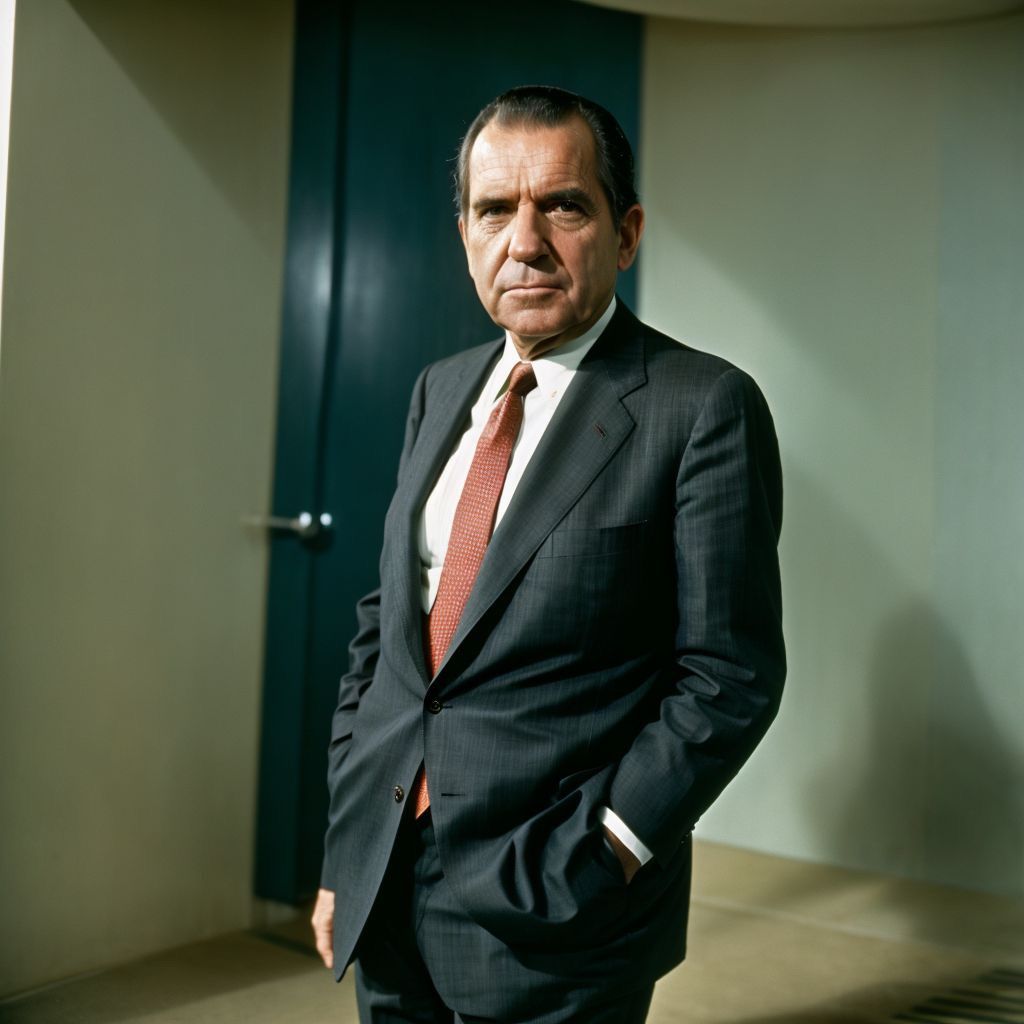
June 17, 1972, was a warm, uneventful Saturday in Washington, D.C., the kind of summer day that hums with the usual rhythm of a capital city. People were going about their weekend routines, unaware that within the walls of a sleek, modern building known as the Watergate complex, a political earthquake was about to detonate. That night, five men were caught inside the headquarters of the Democratic National Committee (DNC), arrested for breaking in, tampering with wiretapping equipment, and attempting to photograph confidential documents. What at first appeared to be a bizarre but minor political burglary soon unraveled into one of the most explosive scandals in American history—a scandal that would ultimately force the resignation of President Richard Nixon and redefine the very limits of presidential power.

The building itself, located along the Potomac River, seemed an unlikely place for the staging ground of a constitutional crisis. With its sweeping curves and upscale apartments, the Watergate complex was a symbol of Washington’s elite. Yet, tucked away in one of its office towers was the DNC’s headquarters—targeted not by foreign agents, but by operatives linked to Nixon’s re-election campaign, known as the Committee to Re-Elect the President (derisively nicknamed “CREEP”).

The five burglars—Bernard Barker, Virgilio González, Eugenio Martínez, James W. McCord Jr., and Frank Sturgis—were no ordinary criminals. Some had ties to the CIA, and McCord was the security coordinator for CREEP. They were caught red-handed, carrying sophisticated wiretapping gear and thousands of dollars in cash traced to accounts controlled by Nixon’s campaign. They weren’t there to steal money or valuables. They were there to gather intelligence—surveillance equipment, wiretaps, and bugging devices intended to spy on political opponents during an election year.

When news of the break-in first surfaced, the White House attempted to dismiss it as a “third-rate burglary,” something beneath the dignity of serious attention. But a few reporters at The Washington Post weren’t so quick to look away. Two relatively unknown journalists at the time, Bob Woodward and Carl Bernstein, sensed something deeper. Their instincts, dogged investigative work, and refusal to be brushed off would prove essential in exposing a pattern of corruption that extended far beyond the confines of that June night.

As Woodward and Bernstein dug in, they discovered that the burglars had ties to top Republican officials, including individuals directly associated with Nixon’s campaign. Still, it was difficult to prove who ordered the break-in or why. Then came a mysterious source who would become legendary in journalistic circles—“Deep Throat.” Long shrouded in secrecy, this source was later revealed to be FBI Associate Director Mark Felt. He provided cryptic yet invaluable guidance, nudging the reporters in the right direction with the now-iconic phrase: “Follow the money.”

And follow it they did. What they uncovered was a labyrinthine network of illegal campaign activities, secret slush funds, political espionage, and cover-ups orchestrated by the highest levels of the Nixon administration. The original crime—the burglary—was just the tip of the iceberg. There were forged documents, misuse of government agencies like the FBI, CIA, and IRS to harass political enemies, and even plots to discredit key witnesses and obstruct justice.

As revelations trickled out, the White House clung to denial. Press secretary Ron Ziegler famously called previous denials “inoperative,” a term that would become synonymous with political evasion. Meanwhile, the Nixon administration worked feverishly behind the scenes to halt investigations, suppress media coverage, and portray the scandal as a partisan witch hunt. But the evidence kept growing, and the American public began to ask hard questions about the integrity of their leaders.

In 1973, the Senate launched a formal investigation into Watergate, broadcasting hearings live to the nation. Millions of Americans watched in disbelief as former aides and officials detailed the extent of the administration’s misdeeds. One name that emerged again and again was John Dean, the White House Counsel, who eventually testified that he had discussed the cover-up with Nixon himself. His testimony was riveting, painting a picture of a president who wasn’t merely aware of the cover-up—but actively directing it.

The coup de grâce came in the form of the now-infamous “Nixon tapes.” In a bid to document his presidency, Nixon had installed a secret voice-activated taping system in the Oval Office. When investigators learned of this, they demanded the tapes. Nixon refused, citing executive privilege. A legal battle ensued, eventually reaching the Supreme Court.

In a unanimous decision in July 1974, the Court ordered Nixon to release the tapes. What they revealed was damning. One recording, later dubbed the “smoking gun,” captured Nixon discussing plans to use the CIA to obstruct the FBI’s investigation just days after the break-in. It was the final straw. Facing near-certain impeachment by the House and likely conviction in the Senate, Nixon addressed the nation on August 8, 1974. With a grave demeanor, he announced his resignation, effective the following day.

“I have never been a quitter,” Nixon said. “To leave office before my term is completed is abhorrent to every instinct in my body. But… as President, I must put the interest of America first.”

Gerald Ford, Nixon’s vice president, assumed the presidency and, in a controversial move, granted Nixon a full pardon just weeks later. The decision divided the country—some praised it as a step toward healing, while others saw it as an escape from justice.

The aftermath of Watergate was far-reaching. It shattered public trust in government, ushered in an era of cynicism, and led to sweeping reforms. Congress passed laws aimed at improving campaign finance transparency, bolstering the independence of the judiciary, and curbing executive overreach. The Ethics in Government Act, the Foreign Intelligence Surveillance Act (FISA), and the Federal Election Campaign Act were all born in the shadow of Watergate.

But beyond legislation, Watergate changed the culture of politics and media. It emboldened investigative journalism and inspired a generation of reporters to hold the powerful accountable. It also made Americans acutely aware of the fragility of democratic institutions and the need for constant vigilance.

Richard Nixon left the White House in disgrace, but his story didn’t end there. In the years that followed, he sought to rehabilitate his image, writing books and engaging in foreign policy discussions. While history has reassessed aspects of his presidency—such as his opening to China and environmental initiatives—Watergate remains the defining chapter of his legacy.

Today, the term “Watergate” is more than a proper noun. It’s a suffix, attached to scandals from every corner of public life—“Deflategate,” “Bridgegate,” “Russiagate.” But the original Watergate stands apart because of its depth, its reach, and its implications for the future of American governance.

It showed that no leader, no matter how powerful, is above the law. It underscored the importance of a free press, the resilience of constitutional checks and balances, and the courage of individuals willing to speak the truth—even at great personal cost.

For all its darkness, the Watergate scandal illuminated the strength of democratic systems when they function properly. The process was messy, painful, and deeply polarizing—but it worked. The mechanisms of accountability, though strained, ultimately prevailed. A president who abused his office was removed not by violence or revolution, but through legal and constitutional means.

More than fifty years later, the lessons of Watergate remain as relevant as ever. In a world where disinformation can spread in seconds, where political divisions run deep, and where the temptation to bend the rules remains constant, the Watergate story serves as a beacon—and a warning.

It reminds us that democracy is not a static inheritance, but a living responsibility. It must be defended not only in grand gestures but in the quiet insistence on truth, transparency, and the rule of law. It must be protected by journalists who ask uncomfortable questions, by citizens who refuse to look away, and by institutions that hold firm in the face of power.

Watergate began as a crime in the shadows, carried out by operatives convinced they could get away with it. It ended in the blinding light of public scrutiny, as the truth overcame the lies, and accountability triumphed over arrogance.

That summer night in 1972 might have started like any other. But by morning, history had changed. A wiretap in an office led to the fall of a president and a reawakening of a nation’s conscience.

Truth, it turns out, doesn’t always whisper. Sometimes, it breaks in through the front door.

Related Posts

The Day South African Youth Rose Up: The Soweto Uprising and the Fight Against Apartheid

Elias Rowen

June 16, 1976, was a day etched deeply into the history of South Africa and the global struggle for justice. On this day, thousands of Black students in the township of Soweto took to the streets to protest the oppressive apartheid government’s decision to enforce education in Afrikaans—a language many saw as the tongue of their oppressors. This peaceful march quickly turned into a brutal confrontation, sparking a nationwide movement that would shake the foundations of apartheid.

Apartheid was more than just segregation; it was a system designed to control every aspect of life for Black South Africans, enforcing racial inequality through laws and violence. Education was a key battleground in this war of oppression. The government’s Bantu Education policy aimed to prepare Black children for lives as laborers and servants rather than thinkers or leaders. This meant that education was being used as a tool to perpetuate the status quo, denying Black South Africans access to equal opportunities and stifling their potential.

The decree that Afrikaans be used alongside English in schools was seen as a direct attack on students’ identity and future. Afrikaans was not just a language; it was a symbol of oppression, associated with the ruling National Party and its policies of apartheid. For many Black South Africans, learning Afrikaans was tantamount to accepting and internalizing the racist ideology that underpinned apartheid.

Imagine being a young student in Soweto on that day—walking together with friends, hopeful for change, but facing the harsh reality of a regime determined to silence your voice. The peaceful protest quickly met police brutality; tear gas and live ammunition were unleashed on the crowd. Among those killed was 12-year-old Hector Pieterson, whose image, captured in a haunting photograph of a dying boy carried by a fellow student, became a symbol of resistance and sacrifice.

The Soweto Uprising ignited a fire across South Africa. Students, families, and activists joined in protests and strikes, refusing to accept an education system built on injustice. They demonstrated their determination to challenge the status quo and fight for their rights as human beings. The courage of those young protesters showed the world that the fight against oppression was not just political—it was deeply personal and urgent.

In the years that followed, the Soweto Uprising became a defining moment in the anti-apartheid movement, inspiring leaders like Nelson Mandela and fueling efforts that eventually led to apartheid’s downfall in the early 1990s. The uprising galvanized international awareness and condemnation of apartheid, highlighting its inherent cruelty and injustice.

It reminds us that sometimes, the voices of youth have the power to awaken a nation and change history. The Soweto Uprising was not just an isolated event; it was a catalyst for a broader movement for justice and equality in South Africa. It showed that ordinary people could make extraordinary sacrifices for a common goal and that even the most seemingly insurmountable obstacles could be overcome through collective action.

The impact of the Soweto Uprising cannot be overstated. It marked a turning point in the anti-apartheid movement, inspiring new waves of protests and demonstrations across South Africa. The international community began to take notice, with many countries condemning apartheid and imposing economic sanctions on South Africa.

In the face of such widespread opposition, the apartheid government was forced to make concessions. In 1983, the government announced that Afrikaans would no longer be a compulsory subject in schools, but this move came too late for many students who had already been killed or injured during the Soweto Uprising.

Today, June 16 is celebrated as Youth Day in South Africa—a tribute to the bravery and resilience of the students who dared to stand up for their rights. Their story teaches us that education is not just about books or classrooms; it’s about dignity, freedom, and the right to shape one’s own destiny. It reminds us that education should empower individuals and communities, providing them with the knowledge, skills, and critical thinking needed to navigate a rapidly changing world.

The Soweto Uprising has left an indelible mark on South Africa’s history, serving as a powerful reminder of the importance of standing up against oppression and fighting for justice. It highlights the significance of youth activism in driving change and challenging the status quo. As we commemorate this momentous occasion, let us remember the sacrifice and courage of those young students who dared to dream of a better future.

In many ways, the Soweto Uprising has become an international symbol of resistance against oppression, inspiring movements for justice around the world. It serves as a testament to the power of collective action and nonviolent resistance in challenging unjust systems and policies.

The story of the Soweto Uprising also underscores the importance of remembering our history and learning from it. As we move forward into an uncertain future, we must acknowledge the lessons of the past and strive to build a more just and equitable world for all.

Moreover, the legacy of the Soweto Uprising continues to inspire new generations of activists and change-makers around the world. It reminds us that even in the darkest moments, there is always hope for a better future. The courage and resilience of those young students who stood up against apartheid serve as a powerful reminder that ordinary people can make extraordinary differences when they work together towards a common goal.

In conclusion, the Soweto Uprising was a pivotal moment in South African history, marking a turning point in the anti-apartheid movement and inspiring new waves of protests and demonstrations across the country. It reminds us that education is not just about books or classrooms; it’s about dignity, freedom, and the right to shape one’s own destiny.

As we commemorate this day, let us remember the sacrifice and courage of those young students who dared to dream of a better future. Let us honor their memory by continuing to strive for justice, equality, and human rights around the world.

Related Posts

How a Medieval Document Changed the Course of Democracy Forever

Elias Rowen

Imagine England in 1215—a land ruled by a king with nearly unchecked power, where nobles and common folk alike faced heavy taxes, arbitrary justice, and the whims of royal authority. This was the reality for many people living under King John’s rule, but one group of brave individuals dared to challenge his authority, leading to the signing of the Magna Carta, a document that would echo through history as a cornerstone of democracy and the rule of law.

King John was not a popular monarch. His military failures, including losing vast territories in France, combined with harsh taxation and ruthless governance, angered many. He had been king since 1199, following the death of his brother Richard I (also known as Richard the Lionheart), who had gone to fight in the Third Crusade. John’s reign was marked by a series of costly wars, including the disastrous conflict against King Philip II of France, which led to the loss of Normandy and other territories.

King John’s domestic policies were equally unpopular. He imposed heavy taxes on his subjects, often without their consent or representation. This practice, known as “scutage,” allowed him to bypass Parliament and raise funds for his military campaigns through arbitrary means. The king also showed little regard for the rights of his nobles, often disregarding traditional laws and customs in favor of his own whims.

As tensions between King John and his subjects continued to rise, a group of powerful barons grew weary of the king’s abuses. Led by Stephen Langton, the Archbishop of Canterbury, and Robert Fitzwalter, one of the most influential nobles in England, the barons began to plot against their monarch. In 1214, they drew up a document known as the “Articles of the Barons,” which outlined their grievances against King John. They demanded that he agree to certain concessions, including the establishment of a new council to oversee the government and the limitation of his power to impose taxes without consent.

In June 1215, the barons gathered at Runnymede, a meadow in Surrey near Windsor Castle, where King John was forced to agree to their terms. This dramatic confrontation, which has become known as “the Battle of Runnymede,” resulted in the sealing of the Magna Carta (literally “Great Charter” in Latin). The original document consisted of 63 clauses, many of which dealt with feudal rights and property issues specific to the nobility.

However, several key provisions had far-reaching implications for English law and governance. For example, Clause 39 prohibited the king from imprisoning any freeman without a formal accusation and due process. Similarly, Clauses 40-42 guaranteed the right to a fair trial, including protection against unjust imprisonment and the right to appeal. Moreover, the document established the principle that even the king was not above the law.

Despite its significance, the Magna Carta was not without controversy. In fact, it was annulled by Pope Innocent III just a few months after being signed. King John’s supporters in the Church argued that the document undermined papal authority and challenged the divine right of kings. However, this setback did not deter the barons. They continued to promote the charter as a symbol of their resistance against an abusive monarch.

Over time, the principles enshrined in the Magna Carta endured, shaping English law and governance for centuries to come. Though it was initially a practical solution to a political crisis, the document planted seeds for the idea that no one, not even a king, is above the law. It introduced concepts such as due process, fair taxation, and the right to a lawful trial—ideas that would eventually shape modern democracy.

The influence of the Magna Carta can be seen in many subsequent documents, including the English Bill of Rights (1689), which established the principle that even the monarch was subject to the law. The American Founding Fathers also drew inspiration from the Magna Carta when drafting their own constitution. Furthermore, the Universal Declaration of Human Rights (1948) enshrines principles similar to those found in the Magna Carta.

What makes the Magna Carta truly remarkable is how it transformed the relationship between rulers and the ruled. It was one of the first times that power was questioned and accountability demanded—not just by nobles, but ultimately by all citizens. This shift laid the groundwork for representative government and civil liberties.

The legacy of the Magna Carta reminds us that democracy is not a gift handed down from above, but a hard-won right achieved through courage, resistance, and vision. Every time we hear about justice, fairness, or constitutional rights, we’re hearing echoes of that medieval document signed on a summer day over 800 years ago.

Even today, the Magna Carta is celebrated as a symbol of liberty and the ongoing struggle to balance authority with freedom. It’s a powerful reminder that laws exist not to serve the powerful but to protect the rights and dignity of every individual.

As we reflect on this remarkable document, we are reminded of the importance of standing up for our rights and demanding accountability from those in power. The Magna Carta serves as a beacon of hope for future generations, inspiring us to continue striving for justice, equality, and human rights.

The story of the Magna Carta is one of courage, resistance, and vision. From its origins in 13th-century England to its global impact on constitutional law, this document has become an icon of democracy and a testament to the enduring power of the human spirit.

As we commemorate this milestone in history, let us remember that the principles enshrined in the Magna Carta are not just relics of the past but continue to shape our world today. They remind us that, as citizens, we have a duty to stand up for our rights and demand accountability from those in power.

In a world where power can sometimes seem overwhelming, the Magna Carta stands as a powerful reminder that even the most seemingly insurmountable obstacles can be overcome through collective action and determination.

Related Posts

From Revolution to Nation: The Birth of the U.S. Army and the Fight for Freedom

Elias Rowen

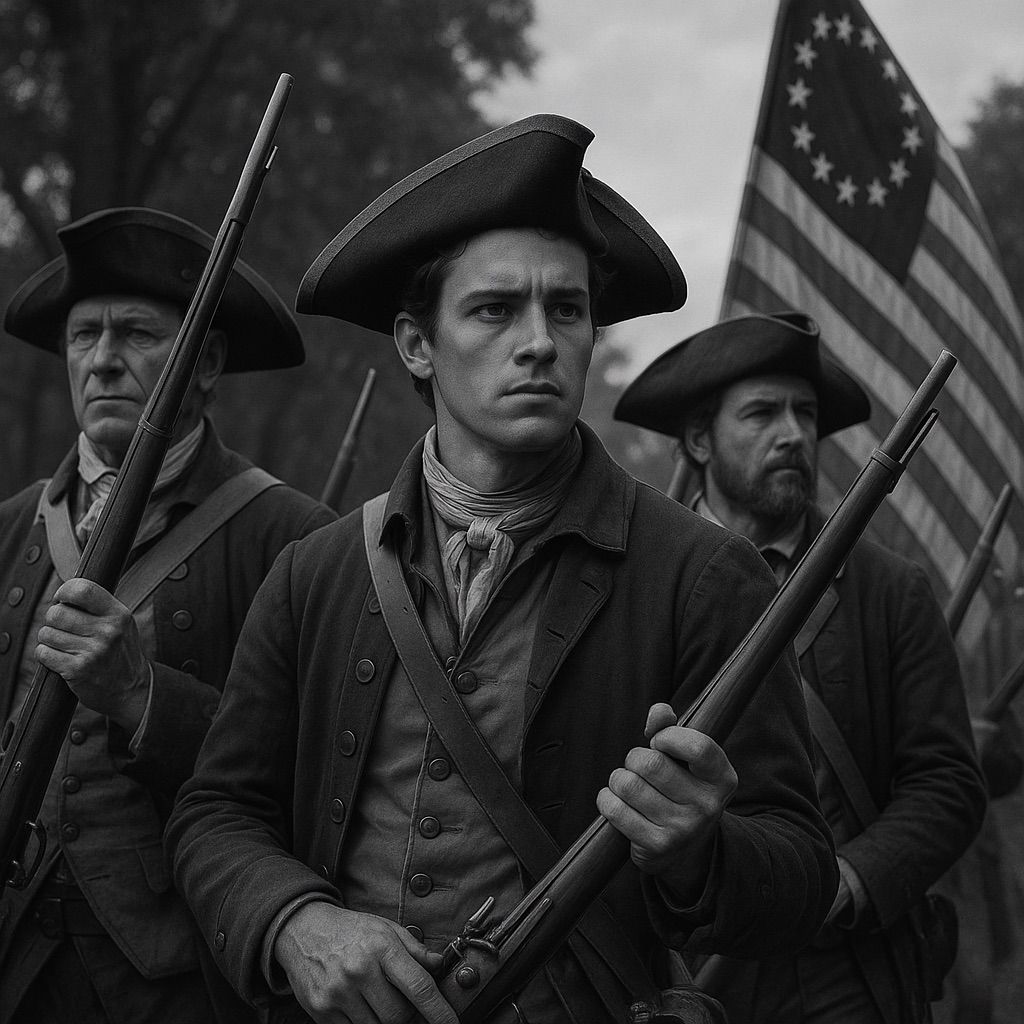
Picture the American colonies in the summer of 1775—tensions boiling over, hearts burning with the desire for freedom, and a fledgling group of patriots ready to stand against one of the world’s most powerful empires. It was on June 14 of that year that the Continental Congress took a bold, historic step: establishing the Continental Army, the very foundation of what would become the United States Army. This wasn’t just the creation of a military force; it was the birth of a symbol of American resilience, courage, and the enduring fight for independence.

Before the army was founded, the colonies were a patchwork of militias—local groups of volunteers who were more farmers, tradesmen, and townsfolk than professional soldiers. But as the British Crown tightened its grip and conflicts like the battles of Lexington and Concord erupted, it became clear that a more organized, unified fighting force was needed. The Continental Congress, meeting in Philadelphia, recognized this urgent need and responded by authorizing the creation of a continental army under a single command.

George Washington, a Virginia planter and experienced soldier from the French and Indian War, was appointed Commander-in-Chief. His leadership would become legendary, but in those early days, the future was uncertain. The army was a diverse mix of men from different colonies, backgrounds, and skills—many with little to no formal military training, but all bound by a common dream of liberty.

Imagine these early soldiers: farmers leaving their fields, shopkeepers closing their stores, and ordinary men stepping into the unknown with nothing but hope and determination. Supplies were scarce, uniforms were often homemade, and conditions were harsh. Yet, their spirit never wavered. They were fighting for more than land or titles—they were fighting for the very idea of freedom and self-governance.

The formation of the Continental Army was a turning point. It gave the revolutionary cause structure and strength. The army fought in crucial battles throughout the Revolutionary War, from the brutal winter at Valley Forge to the decisive victory at Yorktown. Washington’s leadership and the soldiers’ endurance would eventually secure American independence and lay the groundwork for the nation’s future.

Over the centuries, the U.S. Army evolved from those humble beginnings into one of the most powerful and respected military forces in the world. Yet, June 14 remains a day to remember the courage of those first soldiers who dared to dream of a new nation. It’s a reminder that every great institution starts with a bold step forward and a belief in something bigger than oneself.

Today, the U.S. Army celebrates June 14 as its official birthday, honoring the legacy of sacrifice, service, and dedication that continues to shape America’s story. From those early patriots to the soldiers of today, the Army stands as a testament to resilience and the enduring spirit of freedom.

Related Posts

The Day “You Have the Right to Remain Silent” Became a Shield for Justice

Elias Rowen

Have you ever watched a crime drama and heard the phrase, “You have the right to remain silent”? That line, so familiar now, didn’t always exist in American law. It became a fundamental part of police procedure thanks to a landmark Supreme Court ruling on June 13, 1966, in the case of Miranda v. Arizona. This ruling fundamentally transformed how law enforcement interacts with suspects, safeguarding individual rights and shaping the justice system we know today.

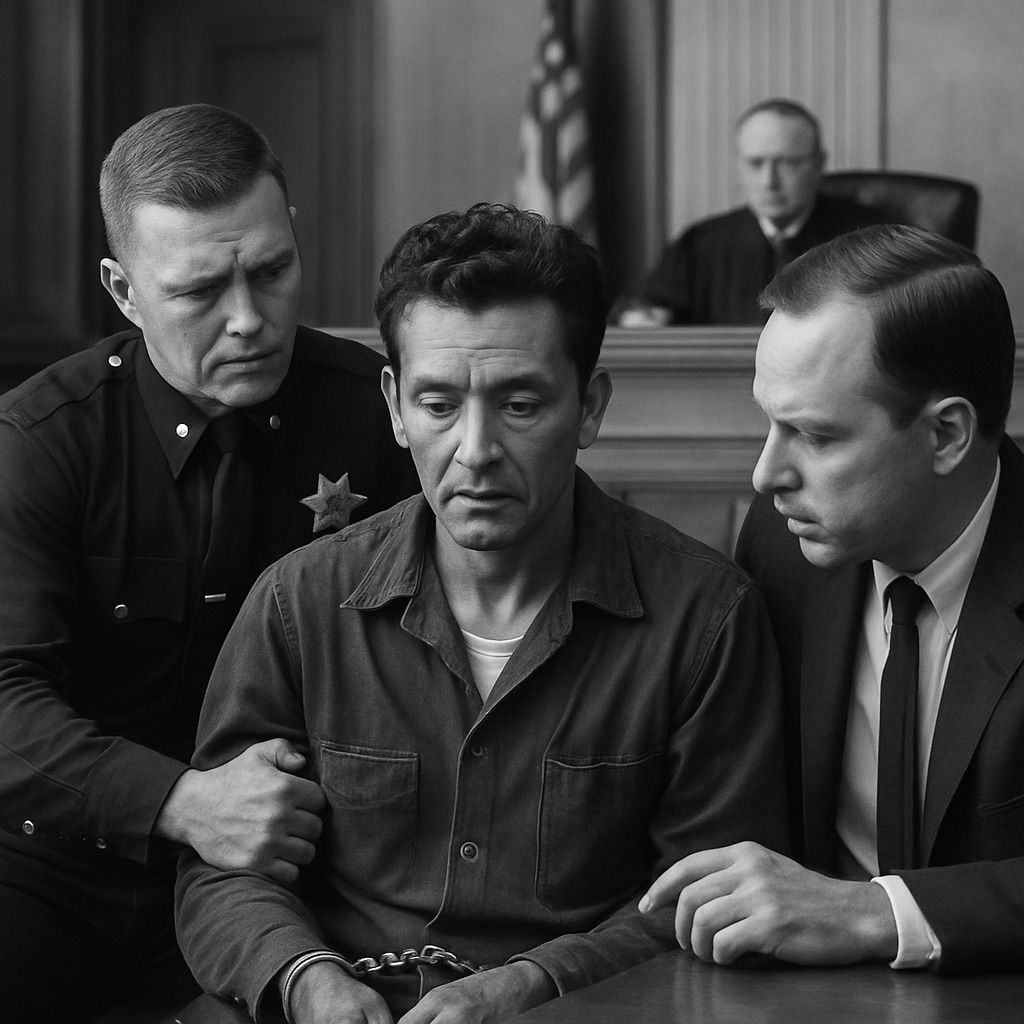
The story begins with Ernesto Miranda, a man arrested in Phoenix, Arizona, accused of kidnapping and rape. During police questioning, Miranda confessed to the crimes, but here’s the catch—he was never informed of his right to remain silent or to have a lawyer present. His confession became the primary evidence used against him at trial. Miranda was convicted, but his legal team appealed, arguing that his confession was obtained without informing him of his constitutional rights, thus violating the Fifth Amendment protection against self-incrimination.

Before this ruling, police interrogation techniques were often aggressive and sometimes coercive. Suspects could be pressured into confessing without understanding their rights, leading to wrongful convictions and injustices. The Supreme Court had to answer a crucial question: Should individuals be explicitly informed of their rights during police interrogations?

On June 13, 1966, the Court ruled in a 5-4 decision that suspects must be informed of their rights before custodial interrogation. This included the right to remain silent and the right to an attorney, whether appointed or privately retained. These warnings became known as “Miranda Rights,” and they created a clear, constitutional safeguard to protect suspects from self-incrimination and ensure fair police practices.

The impact was immediate and profound. Police departments across the country quickly adopted the requirement to read Miranda warnings, fundamentally changing law enforcement’s approach. The ruling acknowledged the power imbalance between police and suspects, recognizing that without proper warnings, confessions could be unreliable or coerced. It reinforced the principle that the justice system must protect individual freedoms, even when prosecuting serious crimes.

Miranda’s case also sparked widespread debate. Critics argued that the ruling tied law enforcement’s hands and made it harder to solve crimes, while supporters celebrated it as a crucial victory for civil liberties. Over time, Miranda Rights became an iconic symbol of the American justice system’s commitment to fairness and due process.

The phrase “You have the right to remain silent” has since entered the public consciousness, reminding everyone that the law respects individual dignity and protects against abuse of power. It highlights that the presumption of innocence is not just a legal concept but a lived reality that must be actively upheld.

Even today, the legacy of Miranda v. Arizona endures. It continues to influence police procedures, court rulings, and public understanding of justice. Knowing your rights has empowered countless individuals to navigate the legal system more fairly, ensuring that the path to justice respects both society’s safety and individual freedoms.

The establishment of Miranda Rights is a powerful reminder that laws evolve to protect people, especially those vulnerable to injustice. It underscores how one Supreme Court decision can ripple through generations, shaping not just legal practice but the very idea of justice itself.

Related Posts

Love Knows No Bounds: The Supreme Court’s Landmark Ruling on Interracial Marriage

Elias Rowen

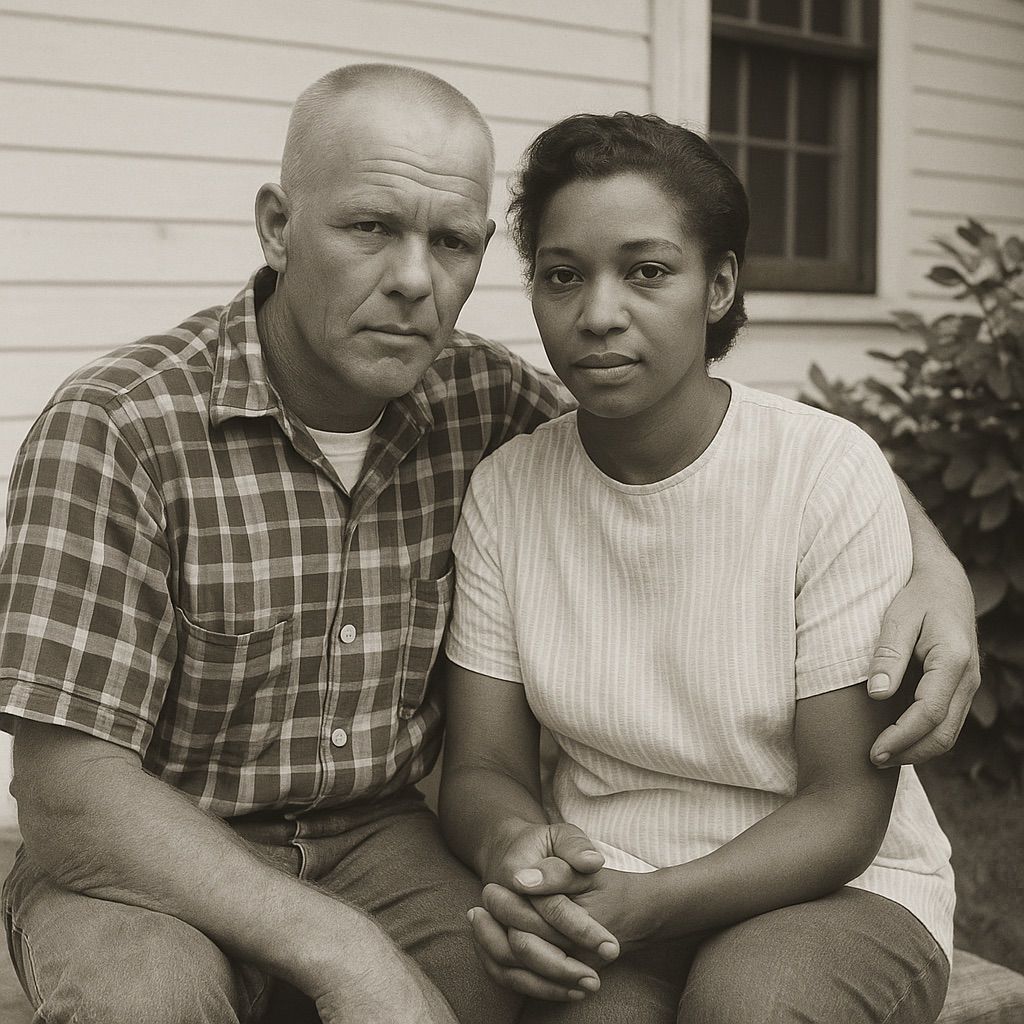
Imagine living in a time when the simple act of marrying the person you love could land you in jail—just because of the color of their skin. This was the harsh reality for Richard and Mildred Loving, a couple whose love story would ultimately challenge and change the laws of an entire nation. On June 12, 1967, the U.S. Supreme Court made a landmark ruling in Loving v. Virginia that legalized interracial marriage across America, breaking down one of the most entrenched barriers of racial discrimination.

Richard Loving was a white man from Virginia, and Mildred Jeter was a Black and Native American woman. In 1958, after they married in Washington, D.C.—where interracial marriage was legal—they returned to their home state of Virginia. There, their marriage was illegal under the state’s anti-miscegenation laws, which banned interracial couples from marrying. Just weeks after their wedding, the Lovings were arrested in the middle of the night. Their crime? Simply being married. The law forced them to plead guilty and face a year in prison. But a judge gave them an unusual sentence: if they left Virginia and stayed away for 25 years, they could avoid jail time.

Imagine the weight of that sentence—exiled from your home and community simply because of who you chose to love. This painful reality sparked a quiet determination in the Lovings to fight back, setting in motion a legal battle that would reach the highest court in the land. Their case might have remained a personal tragedy if not for the efforts of the American Civil Liberties Union (ACLU), which took up their cause in 1963. The Lovings challenged the Virginia law, arguing that it violated their constitutional rights under the 14th Amendment, which guarantees equal protection under the law and due process.

For nearly a decade, their case worked its way through the courts. The central question: Could states deny couples the right to marry based solely on race? When the Supreme Court finally heard the case, the nation was already in the midst of sweeping social change. The civil rights movement was challenging segregation and discrimination in schools, public spaces, and voting rights. The Lovings’ case was part of this larger fight for equality and justice. On June 12, 1967, the Supreme Court ruled unanimously in favor of the Lovings. Chief Justice Earl Warren wrote the opinion declaring Virginia’s anti-miscegenation law unconstitutional. He stated plainly, “There is no legitimate overriding purpose independent of invidious racial discrimination which justifies this classification.” The ruling struck down all laws banning interracial marriage in the 16 states where such bans still existed. It was a powerful affirmation that marriage is a fundamental right, and that the government has no place in dictating whom people can or cannot love.

The Loving v. Virginia decision was far more than a legal win—it was a seismic cultural moment. It challenged deeply ingrained prejudices and social norms that had long upheld racial segregation. The ruling sent a message that love transcends race, and that equality under the law is not negotiable. But the story didn’t end there. The Lovings returned to Virginia and quietly resumed their lives, but their case ignited a wave of social change that would continue to influence generations. Interracial couples across the country could now marry without fear of legal persecution, and slowly but surely, the idea of love crossing racial boundaries became more accepted.

This ruling has also had a lasting impact far beyond just marriage laws. It laid the groundwork for future civil rights battles and showed that the Supreme Court could be a powerful agent for justice and social progress. It reminds us that laws are not just words on paper—they shape lives, communities, and the very fabric of society. The Lovings’ courage to fight for their right to love freely remains an inspiring example of how ordinary people can drive extraordinary change.

Today, the Loving v. Virginia case is often referenced in discussions about civil rights and marriage equality, including debates around same-sex marriage. It stands as a beacon of hope and progress, reminding us all that love is a universal human right that should never be denied or diminished.

In a world still grappling with division and inequality, the story of Richard and Mildred Loving is a powerful testament to the resilience of love and the ongoing fight for justice. Their legacy continues to teach us that change is possible when we stand up for what is right—even when the odds seem overwhelming.

Related Posts

The Schoolhouse Door: A Defiant Stand Against Desegregation

Elias Rowen

On June 11, 1963, the University of Alabama became a powerful symbol of America’s struggle with civil rights and racial equality. That day, Governor George Wallace made his infamous “Stand in the Schoolhouse Door,” physically blocking the entrance to prevent two African American students, Vivian Malone and James Hood, from enrolling. His bold act of defiance was a stark reminder of the deep resistance to desegregation in the South.

Wallace’s stand wasn’t just a personal protest—it was a calculated political statement against the federal government’s efforts to enforce civil rights laws. The University of Alabama had long been segregated, reflecting the widespread system of racial discrimination that permeated many aspects of American society. But in 1963, the civil rights movement was gaining momentum, demanding that public institutions open their doors to all citizens regardless of race.

When Wallace stood in the doorway, President John F. Kennedy responded decisively, federalizing the Alabama National Guard to ensure that Malone and Hood could register safely. This moment became a defining episode of the civil rights era, highlighting the tension between state resistance and federal authority.

The courage of Malone and Hood, coupled with the firm actions of the federal government, helped pave the way for the dismantling of segregation across schools in the South. The “Stand in the Schoolhouse Door” remains a powerful symbol of the battle for equality, reminding us that progress often requires confronting entrenched opposition head-on.

This event not only reshaped the University of Alabama but also sent a clear message nationwide—that the fight for civil rights was unstoppable.

Related Posts

From Despair to Hope: How Alcoholics Anonymous Changed the Face of Recovery

Elias Rowen

On June 10, 1935, a quiet yet profound shift took place in the way society approached addiction and recovery. It was on this day that Alcoholics Anonymous, widely known as AA, was founded by Bill Wilson and Dr. Bob Smith in Akron, Ohio. This marked a pivotal moment in the history of addiction recovery—one that would ripple across the globe and change countless lives.

Before AA’s founding, alcoholism was often seen as a moral failing or a lack of willpower rather than a disease. People struggling with alcohol addiction faced stigma, isolation, and little effective support. Treatment options were limited and frequently punitive. AA introduced a revolutionary concept: that alcoholism was a chronic illness that could be managed through mutual support, honesty, and spiritual growth. Their “12-Step” program offered a structured pathway to recovery, emphasizing personal responsibility, community, and humility.

What made AA unique was its peer-led approach. Instead of relying solely on medical professionals, AA meetings created a safe space where individuals could share their struggles, encourage one another, and maintain sobriety together. This community-based model fostered a sense of belonging and hope, breaking the isolation that so many alcoholics felt.

Over the decades, AA’s influence expanded far beyond the U.S., inspiring countless other support groups addressing various addictions and compulsive behaviors. The core idea—that healing comes through connection and shared experience—resonated deeply and remains central to many recovery programs today.

The founding of Alcoholics Anonymous on June 10, 1935, stands as a testament to the power of compassion, peer support, and the belief in the possibility of change. Its legacy continues to offer hope to millions, showing that recovery is possible, and no one has to face addiction alone.

Related Posts

Unstoppable: How Secretariat Redefined Greatness at the 1973 Belmont Stakes

Elias Rowen

It was June 9, 1973, a warm Saturday afternoon at Belmont Park in Elmont, New York. The grandstands were packed with nearly 70,000 fans, all brimming with anticipation. The air buzzed with electricity—not just because a Triple Crown was on the line, but because something more was in the wind. That “something” had a name: Secretariat.

No one could have predicted what was about to unfold. What happened that day wasn’t just a victory—it was a moment that transcended sport. It was a performance so dominant and so breathtaking that it stamped Secretariat’s name in the annals of history, not just as a great racehorse, but as a living symbol of excellence.

To truly appreciate what made that moment unforgettable, you have to rewind the tape. The Triple Crown—made up of the Kentucky Derby, the Preakness Stakes, and the Belmont Stakes—is one of the hardest feats in all of sports. Since 1948, no horse had managed to win all three. Many had tried. Many had come heartbreakingly close. None had sealed the deal.

Secretariat, affectionately nicknamed “Big Red” for his powerful chestnut frame, had already dazzled fans with his incredible burst of speed in the Kentucky Derby. He didn’t just win—he broke the 1¼ mile record with a time of 1:59⅖, a time that still stands. Just two weeks later at the Preakness, he went from dead last to first with an explosive mid-race move that left jaws on the floor. But the Belmont? The Belmont was different. It’s the longest of the three races at 1½ miles, and it has a reputation for breaking hearts. The distance alone can ruin even the strongest contenders. To win here, a horse doesn’t just need speed—it needs grit, stamina, and something extra you can’t measure.

As the gates flung open that afternoon, Secretariat and his fierce rival Sham lunged forward together, quickly pulling ahead of the rest. For a moment, it looked like it might be a duel. But then, something almost surreal began to happen. Secretariat didn’t just maintain his pace—he accelerated. With each thundering stride, he stretched the distance between himself and the field. By the time they hit the mile mark, Sham was fading and Secretariat was flying. His jockey, Ron Turcotte, didn’t urge him on—he didn’t have to. Secretariat was running like he knew history was watching.

As he rounded the final turn, Secretariat was so far ahead the camera had to zoom out just to keep him in the frame. Thirty-one lengths ahead. That number sounds fictional, like something out of a myth, but it happened. He crossed the finish line alone, in a time of 2:24 flat. That Belmont Stakes record still stands more than five decades later, untouched.

Some who watched that day say it was the greatest moment in horse racing history. Others go even further, calling it the most incredible athletic feat they’ve ever witnessed. And they might be right. Because Secretariat wasn’t just fast—he was transcendent. Watching him run was like witnessing the very idea of greatness in motion.

But what really made that race resonate wasn’t just the numbers. There was something emotional, almost spiritual, about it. You didn’t need to understand racing to be moved by what you saw. Across the country, people tuned in on CBS, and for two minutes and twenty-four seconds, the rest of the world seemed to pause. At a time when the nation was struggling with war, scandal, and economic uncertainty, Secretariat’s run was like a burst of pure, unfiltered joy.

Years later, Turcotte said he’d never experienced anything like it. Secretariat’s trainer, Lucien Laurin, called him “the greatest horse to ever look through a bridle.” And when that red colt thundered past the finish line, the roar from the crowd wasn’t just celebration—it was something closer to awe.

Secretariat’s Triple Crown win was the first in 25 years. But even after he retired from racing, the legend only grew. He became a household name, graced magazine covers, and eventually starred in his own Disney film. In 1989, when he passed away at the age of 19, an autopsy revealed that his heart weighed nearly 22 pounds—more than twice the average size. Some believe that enormous heart explained his incredible stamina and power. Others took it as something symbolic. Secretariat had heart in every sense of the word.

Today, his name is synonymous with greatness. His statue stands at Belmont Park, a permanent tribute to the day he rewrote the rules of what’s possible. Every June, as the Belmont Stakes approaches, fans and newcomers alike revisit that race, reliving the magic of a horse who ran not just to win, but to inspire.

And that’s why this story still matters. In an age dominated by data, stats, and highlights, Secretariat’s 1973 Belmont reminds us that some moments defy numbers. You didn’t need a betting slip or a racing form to understand what you were watching. It was the kind of performance that sticks with you, the kind you tell your kids about, the kind that turns sport into legend.

So today, June 9, take a moment to remember the day Secretariat didn’t just win a race. He galloped into immortality.

Related Posts

Breaking Barriers from the Dugout: Buck O’Neil’s Quiet Revolution

Elias Rowen

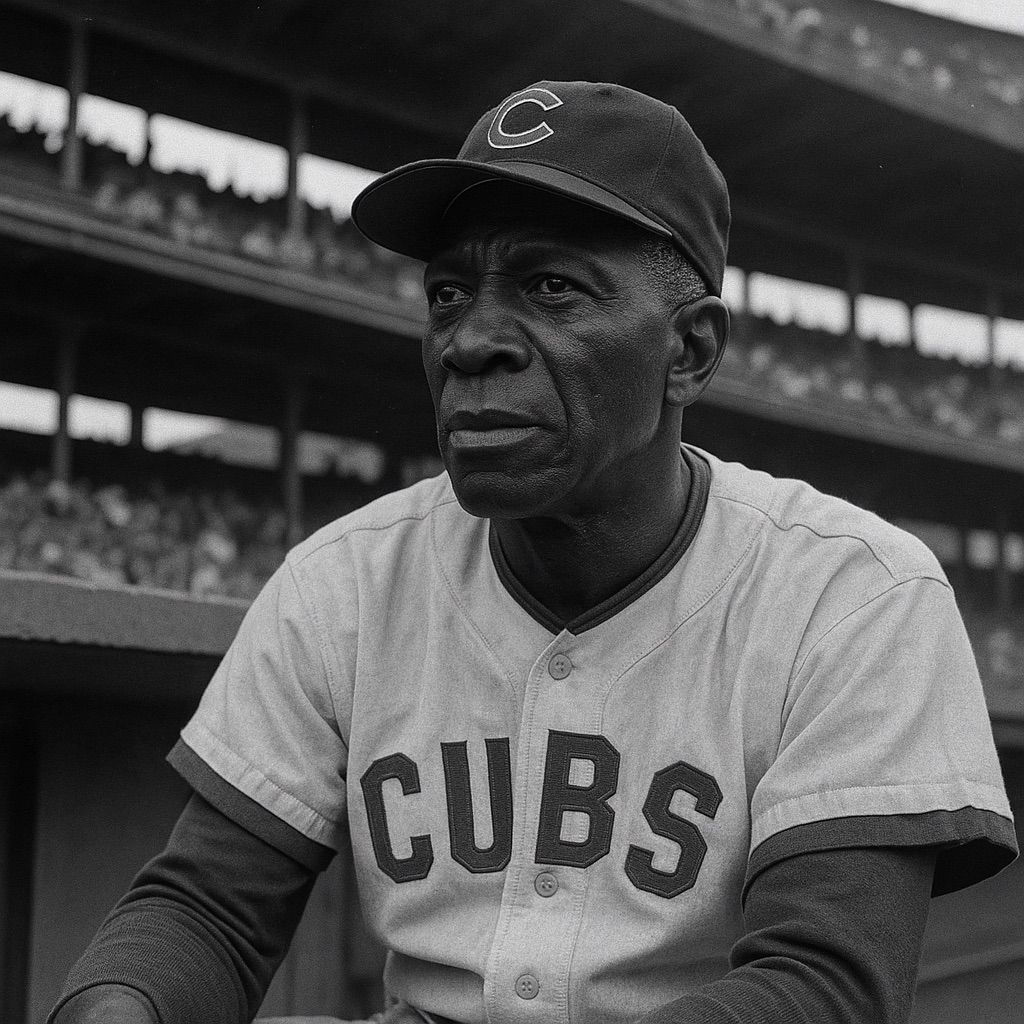
On June 8, 1962, Major League Baseball quietly stepped into a new era—not with the crack of a bat or the roar of a crowd, but with a powerful presence in the dugout. Buck O’Neil, a former Negro Leagues star and seasoned baseball mind, became the first African American coach in MLB history when he joined the Chicago Cubs’ coaching staff. While Jackie Robinson had broken the color barrier on the field fifteen years earlier, O’Neil’s appointment marked another crucial step toward equality in America’s pastime—one that was less publicized, but no less profound.

O’Neil was more than qualified. A standout player and manager with the Kansas City Monarchs, he had spent decades living and breathing baseball. His knowledge of the game was encyclopedic, his instincts razor-sharp, and his demeanor calm but commanding. Yet, for all his experience, Buck never got the chance to play in the majors himself. The doors had remained closed for too long. So when the Cubs hired him to be part of their coaching staff—handling instruction, scouting, and player development—it wasn’t just a promotion; it was long-overdue recognition.

What made Buck O’Neil remarkable wasn’t just his baseball acumen, but his grace and dignity in the face of injustice. He carried himself with a quiet confidence, never bitter, always optimistic. He became a mentor to young players of all backgrounds and a bridge between generations of the game. Though he didn’t always get the credit he deserved in his lifetime—he was famously snubbed by the Hall of Fame in 2006, the same year he passed away—his legacy has only grown. Today, he is rightly remembered not just as a pioneer, but as a statesman of baseball.

Buck O’Neil’s story reminds us that trailblazing doesn’t always look like protest or defiance. Sometimes, it’s showing up, doing the work, and proving that talent, integrity, and heart have no color. June 8, 1962, may not be marked by fireworks, but it lit a slow-burning torch that would help illuminate the future of baseball.

Related Posts

When the Sky Turned Purple: The Day Prince Changed Pop Forever

Elias Rowen

On June 7, 1984, the world of music and cinema was forever altered with the premiere of Purple Rain, the film and accompanying soundtrack that catapulted Prince from a rising star into a cultural icon. At a time when genres were rigid and the entertainment industry clung tightly to formulas, Prince broke the mold—mixing rock, R&B, funk, and a bold visual aesthetic into a singular, unforgettable experience. Purple Rain wasn’t just a movie; it was a manifesto of artistry, emotion, and defiance wrapped in lace, leather, and raw musical genius.

The film, loosely based on Prince’s own life, told the story of “The Kid,” a gifted but troubled musician navigating love, pain, and rivalry in the smoky clubs of Minneapolis. Though critics were divided on the acting and storyline, the music was universally acclaimed. Songs like “Let’s Go Crazy,” “When Doves Cry,” and the title track “Purple Rain” became instant classics—each one a sonic explosion of passion and innovation. With searing guitar solos, haunting lyrics, and a voice that could purr or howl, Prince delivered not just an album, but a soul-baring performance that transcended the screen.

What set Purple Rain apart wasn’t just the sound—it was the spirit. Prince made vulnerability look powerful. He danced with gender norms, pushed the boundaries of what Black artists were “supposed” to do, and demanded space in a white-dominated rock arena without apology. He showed that you could be sensual and spiritual, flamboyant and masculine, tortured and triumphant—all at once. And for countless fans who felt out of place in the mainstream, Purple Rain became more than a film; it was a lifeline, a revolution in purple sequins.

Forty years later, the legacy of Purple Rain still pulses through the music industry. It taught a generation that true artistry doesn’t just reflect the world—it reimagines it. On June 7, 1984, Prince didn’t just premiere a movie—he gave us permission to be extraordinary.

Related Posts

Waves of Courage: The True Story of D-Day

Elias Rowen

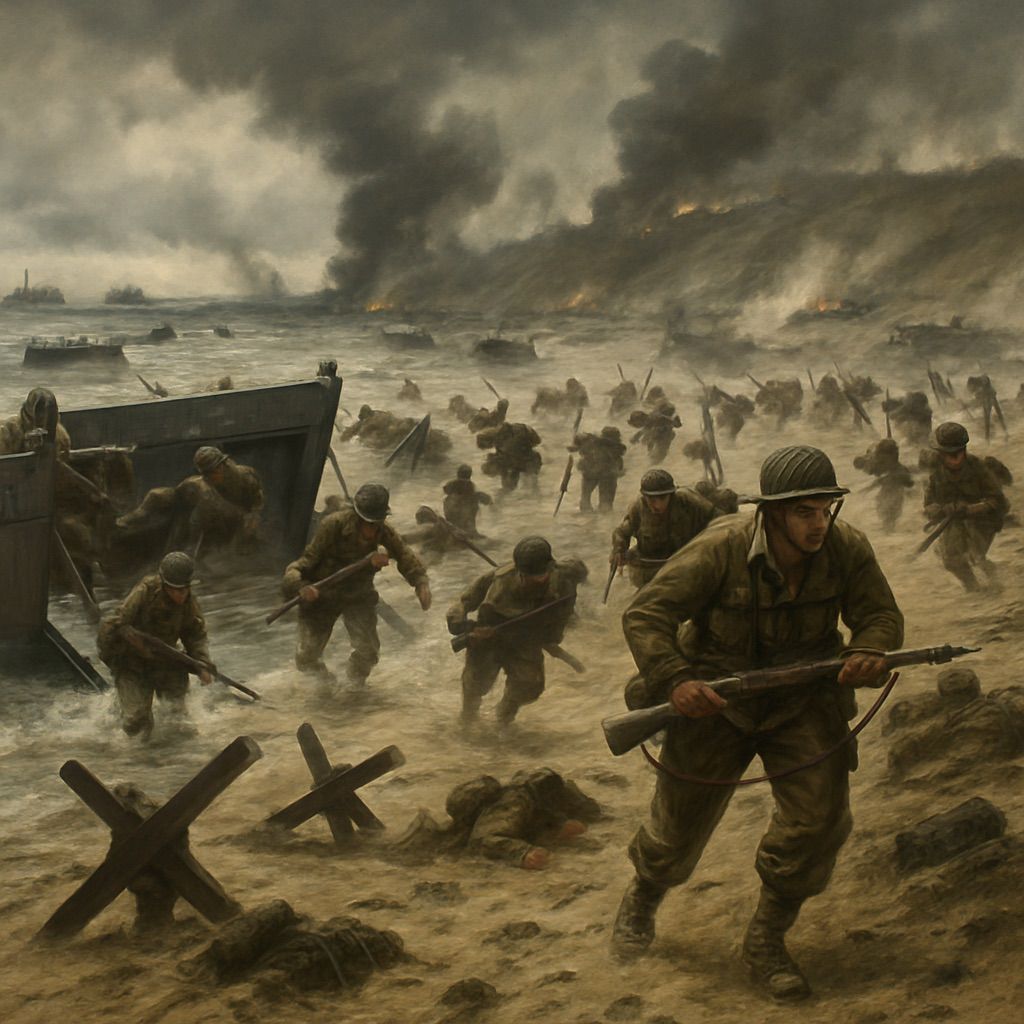
On June 6, 1944, the shores of Normandy, France, became the stage for one of the most consequential military operations in modern history: the Allied invasion of Western Europe during World War II, known as D-Day. This operation, codenamed Operation Overlord, marked the beginning of the end for Nazi Germany. After years of planning, coordination, and sacrifice, the Allies—comprised of American, British, Canadian, and other forces—launched the largest amphibious assault ever attempted. The stakes were monumental. A successful landing would open a Western front and relieve pressure on Soviet forces in the East, while a failure could extend the war indefinitely and devastate Allied morale.

In the early hours of the morning, over 156,000 troops crossed the English Channel under the cover of darkness, supported by thousands of ships and aircraft. Their objective was to storm five heavily fortified beaches: Utah, Omaha, Gold, Juno, and Sword. At Omaha Beach in particular, American soldiers faced brutal resistance from entrenched German defenses. Machine-gun fire raked the surf, mines exploded under landing craft, and chaos reigned. Yet, amid the smoke and terror, these young men—some just 18 years old—pressed forward, driven by duty, camaraderie, and an unyielding desire to stop tyranny.

The cost was staggering. By the end of that day, more than 4,000 Allied troops had died, with thousands more wounded or missing. But their sacrifice was not in vain. The landings secured a vital beachhead in Nazi-occupied France, which allowed the Allies to begin their push inland. Within weeks, ports were opened, reinforcements surged in, and the liberation of Paris loomed on the horizon. D-Day became the turning point of the war in Europe—a signal to the world that freedom would not be denied and that the Axis stronghold in Western Europe was beginning to crumble.

Beyond the military statistics and strategic achievements, D-Day holds a powerful emotional resonance. It is a story of courage in the face of near-certain death, of soldiers who left their homes and families to fight for people they’d never met. It reminds us that peace is often bought with tremendous sacrifice, and that the freedoms we enjoy today were earned on the bloodied sands of Normandy. As the number of surviving veterans dwindles with time, our duty remains: to remember them, to honor their bravery, and to ensure that the lessons of that pivotal day never fade into silence.

Related Posts

The Bullet That Silenced Hope: Remembering RFK’s Final Stand

Elias Rowen

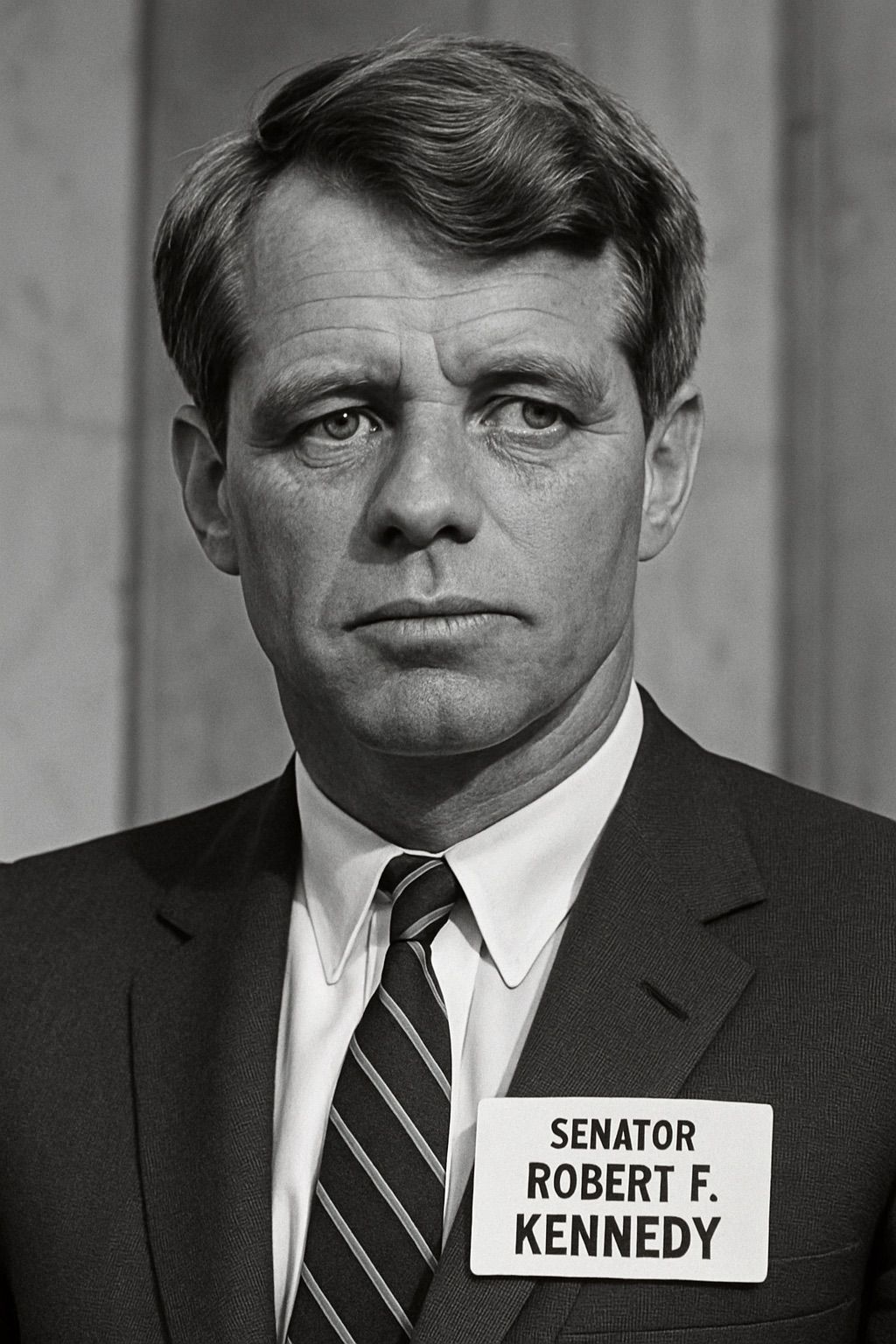
On June 5, 1968, just after midnight, the voice of hope for a divided America was abruptly silenced. Senator Robert F. Kennedy, younger brother of the late President John F. Kennedy, had just delivered a victory speech at the Ambassador Hotel in Los Angeles after winning the California Democratic primary. Moments later, as he walked through a kitchen pantry toward a press room, he was shot multiple times by a young man named Sirhan Sirhan. Kennedy succumbed to his wounds the following day, and with his death, a nation already reeling from the assassinations of his brother and Dr. Martin Luther King Jr. lost yet another symbol of unity and progress.

RFK was more than a political figure—he was a force of compassion and change during a time of great unrest. With the Vietnam War escalating and civil rights tensions boiling, Kennedy offered a rare blend of moral conviction and political courage. He spoke to the working class, to the disenfranchised, to the youth. He wasn’t just running for president; he was running for a better future. That’s why his assassination didn’t just take a man—it took momentum, it shook faith, and it deepened the wounds of a country on the edge.

What makes RFK’s death even more heartbreaking is the promise that was never fulfilled. He had begun to transcend the old political order, appealing to people across racial and economic lines. In many ways, his campaign felt like a movement, not just an election bid. When he fell, so did the dreams of millions who believed he could heal a wounded nation. Today, more than five decades later, we still feel the echo of that gunshot, a cruel reminder of what might have been.

Related Posts

Silence and Steel: The Chinese Military Rolls Over Protesters at Tiananmen Square

Elias Rowen

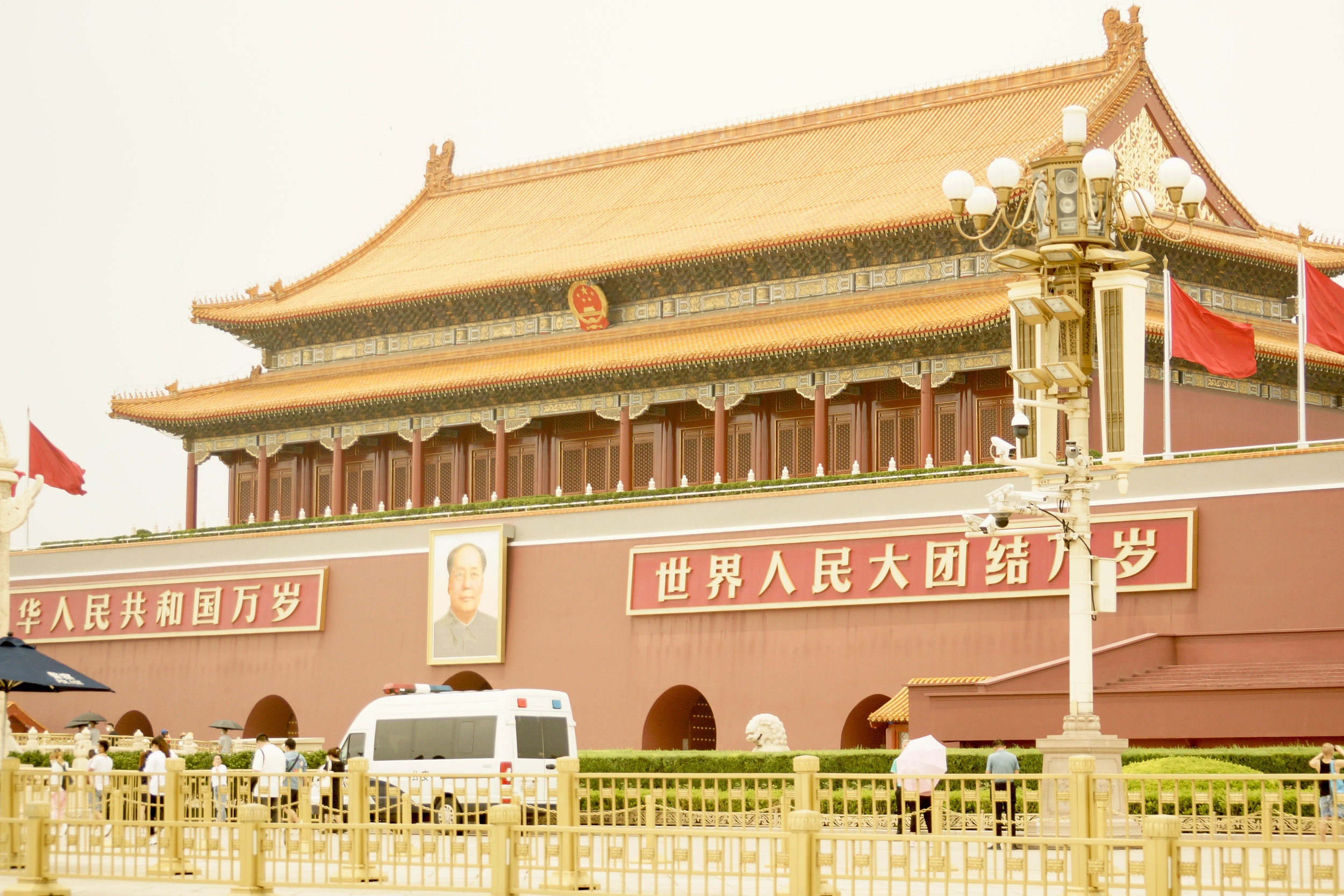
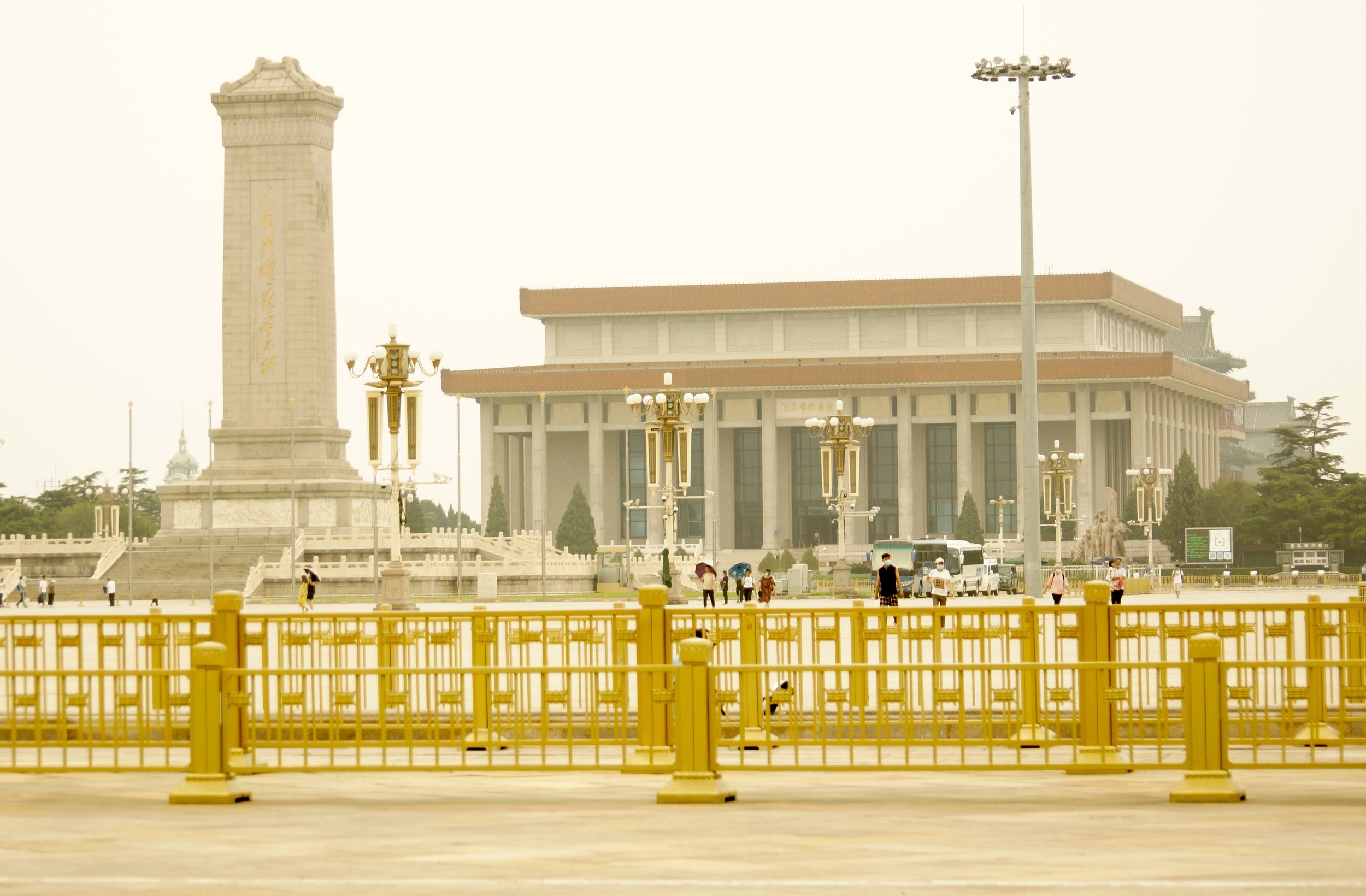
In the dark, humid early hours of June 4, 1989, the sky above Beijing was ominously quiet, a strange calm hanging over a city bracing for something unspeakable. Beneath that sky, in Tiananmen Square—once a symbol of national pride and power, where dynasties once marched and where the Communist Party had long staged parades of strength—thousands of young people huddled together. Some sat quietly in groups, others lay down on concrete in exhaustion, arms linked, banners still clutched, their eyes darting in all directions as distant mechanical roars grew closer. They had been there for weeks, fueled by idealism, hope, and an unyielding belief that their voices could change the future. These were students, mostly. But they were also workers, artists, journalists, children of the revolution now calling for a new kind of revolution—one of transparency, democracy, and freedom of speech. What none of them could know that night was just how violent and irreversible the government’s response would be.

It had all started on April 15, 1989, with the death of Hu Yaobang, a former general secretary of the Communist Party. Hu had been a reformer, a figure of quiet moral authority among intellectuals and students, someone who had supported greater openness and had shown sympathy toward the very ideas that now echoed through the square. His death from a heart attack at age seventy-three might have passed with little fanfare under normal circumstances, but the timing, the political climate, and the mounting frustration with the Party’s corruption ignited a flame. Thousands of students poured into Tiananmen Square in mourning. They carried wreaths and banners, and many wore black armbands. But mourning quickly turned into protest as students seized the moment to demand something more. What began as a memorial evolved into a movement.

At first, it was peaceful. The square became a makeshift village. Students read manifestos, discussed philosophy and politics, and engaged in hunger strikes. There was an energy in the air—hopeful and righteous. Foreign journalists took note of the sudden surge of activism in China, a place that had for so long appeared closed off and silent under the grip of authoritarianism. There were banners calling for dialogue with the government, chants denouncing corruption, and homemade leaflets calling for constitutional rights. For the first time in decades, China’s youth appeared to stand in open defiance of one of the most powerful regimes on the planet. The students believed in the power of moral clarity. Many of them had been raised on stories of revolution, and they now felt they were taking up that mantle in pursuit of a better China.

But the Communist Party did not see this as noble. It saw a threat. Party elders, particularly hardliners like Premier Li Peng and Deng Xiaoping, feared that this gathering could embolden opposition across the country. The memory of the 1986 protests—which had been quickly suppressed—was still fresh in the minds of many leaders. And now, the world was watching. With cameras broadcasting live to global networks and foreign dignitaries visiting China for trade and diplomacy talks, the protests in Tiananmen became not just a domestic issue, but a test of the regime’s image abroad.

By late May, the leadership had grown impatient. Martial law was declared on May 20. At first, the military attempted to enter the city, but were met by barricades of residents—taxi drivers, cyclists, and ordinary Beijingers—who blocked their advance. This act of collective defiance shocked the military and enraged the leadership. For a brief moment, it looked like the protestors had won a moral victory. The soldiers were pulled back. Crowds cheered. It seemed that the voice of the people might actually succeed in forcing reform, or at the very least, negotiation.

But behind the scenes, preparations were underway for a different kind of response. A secret decision was made by the Standing Committee: they would clear the square by force. The People’s Liberation Army, tasked with protecting the nation, was about to turn its guns inward. Multiple divisions were brought in from distant provinces—soldiers who had no connection to the citizens of Beijing, men who would not be swayed by cries from fellow Chinese pleading for mercy. And they were given a mission that would stain the nation’s history forever.

On the night of June 3, columns of tanks and armored personnel carriers began moving toward the city center. Troops carried live ammunition. Orders were clear: clear the square by dawn, at all costs. Around 10:30 p.m., the first shots were fired in western Beijing, near Muxidi. Soldiers fired into crowds that had gathered to block their advance. Eyewitnesses recalled the horror—bullets ripping through crowds, people falling in the streets, screams mixing with the roar of engines and the clang of steel against pavement. Ambulances were not allowed through. In many cases, residents used bicycles or pulled carts to carry the wounded to hospitals. Blood pooled in gutters. There was no warning, no attempt to disperse the crowds peacefully.

As the night progressed, the violence spread. Troops opened fire on civilians on footbridges and in alleyways. Parents watched in helpless terror as their children, who had gone out to protest with banners and songs, did not come home. Some fell trying to help others. Others were crushed beneath the treads of tanks that rolled over makeshift barricades and bodies alike. The sounds of gunfire echoed across the city. Telephone lines were cut. Foreign journalists were assaulted or detained. Cameras were smashed. The regime wanted not just to end the protests—it wanted to erase all evidence of them.

By dawn on June 4, the square was surrounded. Some student leaders negotiated with officers to allow peaceful evacuation. By then, however, the violence had already reached its peak. Some students were allowed to leave in small groups. Others refused. Many were beaten. Some were shot. Despite rumors and myths that the square itself was spared the worst of the bloodshed, numerous witnesses insist that there were shootings and killings inside the square as well. One particularly haunting account recalls a line of tanks plowing through the square and opening fire indiscriminately, even after most of the students had already left.

And then came silence. By mid-morning, the square was cleared. The Goddess of Democracy had been toppled and smashed. The ground was littered with abandoned banners, burned tents, torn clothing, and pools of blood. Soldiers stood guard, their rifles still loaded, as if expecting the dead to rise again. In nearby hospitals, doctors and nurses struggled to treat the flood of wounded. Blood supplies ran low. Some hospitals were ordered to stop accepting patients. Others were raided, and bodies were removed by military trucks. The government took extraordinary measures to hide the scope of the massacre. Families of the dead were told to remain silent or face consequences. Death certificates often listed false causes of death. Morgues were sealed. Evidence was burned.

In the following days, the Chinese state began a sweeping crackdown. Arrests soared. Hundreds of protestors, sympathizers, and bystanders were detained. Some were tortured. Trials were swift and opaque. Many were sentenced to long prison terms. A few were executed. The government also launched an aggressive propaganda campaign to reframe the narrative. State media denounced the protestors as “counterrevolutionary rioters.” Footage was doctored. Facts were buried. Entire swaths of the population were kept in the dark. For those who had witnessed the events firsthand, the psychological trauma was immense, compounded by the enforced silence.

And yet, out of this darkness came one of the most iconic acts of resistance in modern history. On the morning of June 5, a lone man in a white shirt, holding two shopping bags, stood in front of a column of tanks on Chang’an Avenue. The lead tank swerved left. The man moved to block it. The tank swerved right. Again, the man stepped in front. He clambered onto the tank, spoke to the soldiers inside—what he said, no one knows. Eventually, he was pulled away by onlookers and vanished into the crowd. His name was never confirmed. Some say he was executed. Others believe he escaped and lives in hiding. But “Tank Man,” as he became known, remains one of the most enduring symbols of human courage—a reminder that even in the face of overwhelming force, one person can still make the world stop and look.

Today, in China, the events of June 4 are an open secret—something millions know but cannot discuss. The government has banned all mention of Tiananmen from textbooks, news articles, and online platforms. Even the numbers “6-4” are censored on Chinese social media. Activists who attempt to commemorate the day are arrested. In Hong Kong, once the last bastion of public mourning for the massacre, candlelight vigils have been banned and organizers prosecuted under new national security laws. The Chinese state has invested enormous resources in scrubbing Tiananmen from its collective memory.

But outside China, the memory endures. In cities around the world, statues of the Goddess of Democracy stand in solidarity. Human rights organizations continue to demand accountability and recognition for the victims. Exiled Chinese dissidents tell their stories, year after year, so that the truth cannot be fully buried. In universities, museums, and independent media, the massacre is studied as a grim warning of what unchecked power can do when it fears the voice of its own people.

For those who cherish democracy, June 4 is not just a moment of mourning—it is a call to vigilance. It is a reminder that authoritarian regimes do not merely seek obedience; they seek to rewrite history itself. They aim to erase the memory of resistance so thoroughly that future generations will have no language to describe what freedom once looked like. But the ghosts of Tiananmen are not so easily vanquished. They live on in the stories passed down from mother to child, in whispered memories, in the eyes of those who survived but carry the scars.

The massacre did not end the fight for democracy in China. In many ways, it simply drove it underground. Activists continued to organize, albeit in secret. The internet gave rise to new methods of dissent. The seeds planted by those students in 1989 still grow, even in the most unlikely places. The Chinese people have not forgotten—they have simply adapted, waiting for a time when it will be safe to remember aloud.

The events of Tiananmen Square remind us that history is not just written by the victors; it is preserved by the brave, the stubborn, the broken-hearted who refuse to let the truth die. And so, every year on June 4, around the world, candles are lit not only to honor the dead, but to renew a promise—that we will remember, that we will speak, that we will not let silence be the final word. The blood spilled that day cries out not for vengeance, but for remembrance. The courage of those who stood unarmed against tanks is not a relic—it is a living testimony to the resilience of the human spirit, to the idea that even in the face of brutal repression, the desire for freedom burns undiminished.

Related Posts

Breaking the Chains: The Senate Steps Toward Equality

Elias Rowen

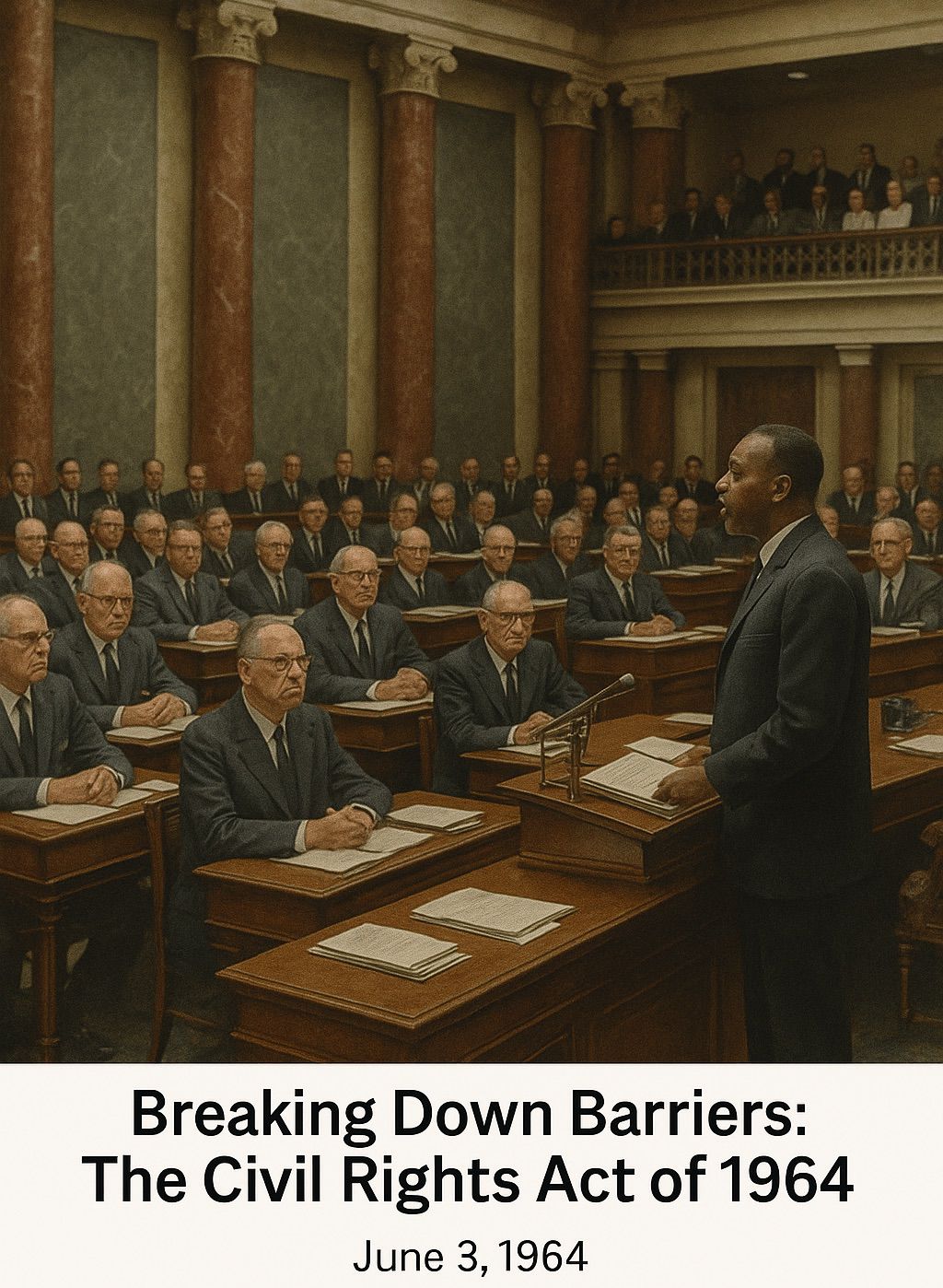
It’s difficult to imagine the weight of a moment like June 3, 1964, without stepping back and understanding the long, painful journey that led up to it. That day, the United States Senate, after months of brutal political wrangling and nearly a century of racial injustice codified into law and daily life, passed the Civil Rights Act—a monumental piece of legislation aimed at upending segregation, dismantling institutional racism, and asserting in law the simple, powerful idea that all Americans deserve equal treatment, regardless of race, color, religion, sex, or national origin. But this wasn’t just a bill. It wasn’t just another day of legislative action. It was a pivot point in American history, born of blood, sweat, and years of ceaseless advocacy. It represented a hard-fought victory, not just for lawmakers, but for millions of ordinary people who had marched, spoken out, been arrested, beaten, humiliated, and in some cases, killed, in pursuit of dignity and fairness. The passage of this act would not instantly solve the country’s deeply rooted racial problems, but it would begin the process of reshaping the social and legal fabric of the United States in profound and enduring ways.

The story behind that Senate vote begins long before the gavel came down in Washington, D.C. For nearly a hundred years after the end of the Civil War, African Americans lived under a different kind of oppression, one cloaked not in chains but in laws, customs, and the ever-present threat of violence. The promise of Reconstruction had collapsed by the late 19th century, giving way to the rise of Jim Crow laws in the South—state and local statutes designed explicitly to enforce racial segregation and marginalize Black Americans. These laws touched nearly every aspect of life: where people could eat, which schools their children could attend, what kind of jobs they could hold, whether they could vote. Lynching was a constant specter in many communities, and efforts to achieve political representation or equal opportunity were often met with fierce, sometimes deadly, resistance. For decades, civil rights activists tried to push back, but federal lawmakers and presidents alike were largely unwilling to challenge the status quo, in part out of political self-preservation and in part due to their own biases.

Everything began to change in the aftermath of World War II. African American soldiers returned from the front lines, having fought for freedom abroad only to find it denied to them at home. Their presence sparked renewed calls for equality, and slowly, a national civil rights movement began to take shape. In 1948, President Harry Truman desegregated the armed forces, an early but significant step. But systemic racism remained deeply entrenched, particularly in the South, where Black Americans still faced daily indignities and the constant erosion of their rights. It wasn’t until the 1950s and early 1960s that the movement gained national traction, thanks in part to a new generation of leaders who were determined to confront injustice head-on. Figures like Martin Luther King Jr., Rosa Parks, John Lewis, Ella Baker, Fannie Lou Hamer, and so many others became the public face of the movement, organizing boycotts, sit-ins, voter registration drives, and mass demonstrations. Their courage inspired others to join the cause and forced the country to reckon with its conscience.

Landmark moments defined the movement’s rise: the 1954 Supreme Court decision in Brown v. Board of Education declared school segregation unconstitutional, though implementation would take years and face enormous resistance. The Montgomery Bus Boycott of 1955–56, sparked by Rosa Parks’ arrest and led by a young Martin Luther King Jr., showed the power of sustained, nonviolent protest. The 1961 Freedom Rides tested interstate bus desegregation laws and were met with shocking violence, as mobs in Alabama and Mississippi attacked buses and beat passengers while local police looked the other way. In 1963, the nation watched in horror as police in Birmingham, Alabama unleashed fire hoses and dogs on peaceful demonstrators, many of them children. That same year, civil rights leaders organized the March on Washington for Jobs and Freedom, where King delivered his iconic “I Have a Dream” speech before a crowd of more than 250,000 people gathered at the Lincoln Memorial.

Public pressure was mounting, and the urgency for comprehensive legislation grew impossible to ignore. President John F. Kennedy, initially hesitant to push civil rights too hard for fear of alienating Southern Democrats, finally proposed what would become the Civil Rights Act in June 1963, just months before his assassination. Speaking on national television, Kennedy asked Americans, “Are we to say to the world—and much more importantly, to each other—that this is the land of the free, except for the Negroes?” His words were clear, but his path forward was fraught with political peril. The legislation stalled in Congress, bogged down by opposition from powerful Southern senators who saw any federal interference with segregation as an existential threat.

When Kennedy was assassinated in November 1963, it fell to his successor, Lyndon B. Johnson, to carry the bill forward. Johnson, a Southern Democrat himself, understood the political and cultural complexities of the issue better than most. But he also understood the stakes. Drawing on his personal experiences growing up in poverty in Texas, Johnson had long believed in the power of government to help lift people up. In a speech to a joint session of Congress just days after Kennedy’s death, he declared, “Let us continue,” vowing to honor Kennedy’s legacy by pushing the Civil Rights Act through to passage. It was a gamble that could have cost him politically, but Johnson doubled down. Using his legendary skills of persuasion and political maneuvering—what became known as the “Johnson treatment”—he lobbied, cajoled, threatened, and negotiated with lawmakers on both sides of the aisle. He made it clear that this bill was not just about politics; it was about morality.

By early 1964, the bill had passed the House of Representatives, but the real battle loomed in the Senate. There, a bloc of segregationist Southern senators launched a filibuster of epic proportions. For 60 days, they spoke at length, often irrelevantly, to delay the vote. The filibuster was spearheaded by figures like Senator Strom Thurmond of South Carolina, who had already made history by filibustering for 24 straight hours against the 1957 Civil Rights Act. Others, including Senators Richard Russell of Georgia, Robert Byrd of West Virginia, and James Eastland of Mississippi, joined in what became the longest filibuster in Senate history up to that point. They argued the bill violated states’ rights, that it was unconstitutional, that it would disrupt the social order. But at its heart, their resistance was about preserving white supremacy. They feared what true equality would mean in a nation where power had long been unequally distributed.

Outside the Senate chamber, the American people were watching—and acting. Civil rights activists continued their demonstrations across the country. In the spring of 1964, the Freedom Summer campaign was launched in Mississippi, where hundreds of volunteers, many of them white college students, joined Black residents to register voters and set up community programs. The work was dangerous. Within days, three civil rights workers—James Chaney, Andrew Goodman, and Michael Schwerner—disappeared. Their bodies were found six weeks later, buried in an earthen dam. They had been murdered by members of the Ku Klux Klan, with help from local law enforcement. The tragedy shocked the nation and reinforced the urgent need for federal action.

In Washington, Johnson and Senate Majority Leader Mike Mansfield worked tirelessly to break the filibuster. They sought compromise language that would preserve the core intent of the bill while easing concerns among more moderate senators. The turning point came when a bipartisan group known as the “civil rights coalition”—a mix of liberal Democrats and moderate Republicans—managed to gather the votes needed to invoke cloture, effectively ending debate on the bill. On June 10, cloture was achieved by a 71-29 vote, the first time the Senate had successfully overcome a filibuster on a civil rights bill in its history. With debate finally closed, the Senate moved toward a final vote.

And on June 19, 1964—after more than two months of obstruction and delay—the Senate passed the Civil Rights Act by a vote of 73 to 27. The passage of cloture on June 10 had already signaled the outcome, but it was on June 3 that the tide turned irreversibly. The symbolic weight of that day, when the Senate signaled that enough was enough, cannot be overstated. It was the moment the forces of progress broke through the barriers erected by defenders of segregation. It was the moment the long arc of the moral universe curved just a little more sharply toward justice.

President Johnson signed the Civil Rights Act into law on July 2, 1964, in a televised ceremony at the White House. Standing beside him were civil rights leaders, members of Congress, and citizens who had fought for this day. Johnson used 75 pens to sign the bill, which were later given away as mementos to those who had played key roles in its passage. In his remarks, Johnson said, “We believe that all men are created equal. Yet many are denied equal treatment. We believe that all men have certain unalienable rights. Yet many Americans do not enjoy those rights. We believe that all men are entitled to the blessings of liberty. Yet millions are being deprived of those blessings—not because of their own failures, but because of the color of their skin.” It was one of the most consequential speeches of his presidency, and it underscored just how much the moment meant—not just legally, but morally.

The law itself was sweeping in its scope. It outlawed segregation in public accommodations—restaurants, hotels, theaters, and parks. It banned employment discrimination by businesses with more than 15 employees. It enforced the desegregation of public schools and gave the federal government the power to withhold funds from institutions that refused to comply. It also strengthened the ability of the Department of Justice to enforce voting rights and pursue legal remedies for civil rights violations. In short, it was a revolutionary assertion of federal power in defense of individual rights.

But while the Civil Rights Act was a major step forward, it was not a panacea. Racism did not vanish with the stroke of a pen. Discrimination adapted, taking on more subtle and insidious forms. Schools continued to be segregated in practice, if not by law. Economic disparities between white and Black Americans persisted. Voting rights, while protected on paper, were still undermined through tactics like literacy tests and poll taxes until the Voting Rights Act of 1965 addressed those loopholes. And in the decades that followed, the struggle for civil rights evolved to meet new challenges—from redlining and mass incarceration to disparities in healthcare, education, and policing.

Even so, June 3, 1964, remains a landmark in the nation’s journey toward equality. It was the day the Senate, long a bastion of obstruction and compromise, finally rose to the occasion and moved the country forward. It was a day forged in the fires of protest and pain, made possible by the bravery of ordinary people who refused to accept injustice as normal. It was a day that honored the memory of those who had paid the ultimate price for freedom, and it was a day that reminded the world that change, however difficult, is always possible when people demand it with courage and conviction.

For millions of Americans, particularly those who had endured generations of humiliation and exclusion, the passage of the Civil Rights Act offered something they had long been denied: recognition. It was a national affirmation that their lives, their dreams, their dignity mattered. And while the work of justice would continue—and still continues—June 3 was the moment the nation said, with clarity and commitment, that it was ready to begin a new chapter. A chapter not defined by who we had been, but by who we aspired to become.

Related Posts

A Crown for the Ages: The Coronation of Queen Elizabeth II

Elias Rowen

It was a crisp summer morning on June 2, 1953, as the world watched in awe as Elizabeth Alexandra Mary Windsor, a 27-year-old woman with a bright smile and piercing gaze, stepped into her new role as Queen Elizabeth II. In the grandeur of Westminster Abbey, surrounded by centuries-old tradition and the weight of history, she was crowned monarch in front of an estimated 3,000 guests, including dignitaries from around the globe. As she took her place on the throne, a sense of anticipation hung in the air, like the delicate scent of fresh flowers wafting through the Abbey’s hallowed halls.

The coronation ceremony was a spectacle unlike any other, with its rich tapestry of pomp and pageantry. The Queen’s Majesty was preceded by the grand procession of nobles, bishops, and high-ranking officials, each bearing their own unique ceremonial regalia. As they made their way to the throne, the air vibrated with the sound of trumpets and drums, echoing off the Abbey’s stone walls like a symphony of grandeur.

Among the sea of dignitaries was Winston Churchill, the Prime Minister at the time, who sat proudly alongside Queen Elizabeth II’s husband, Prince Philip. The 65-year-old statesman, known for his robust oratory skills, had just returned from a visit to the United States, where he had strengthened the special relationship between Britain and America. He would later describe the coronation as “one of the most memorable events” in British history.

As the ceremony progressed, the Queen’s Majesty took her place on the throne, donning the St. Edward’s Crown – an imposing symbol of her new role. The Crown, adorned with over 3,000 precious stones and weighing a staggering 4 pounds 12 ounces, sparkled like a celestial gemstone in the morning light. With the Sovereign’s Orb and Sceptre held firmly in her hands, Queen Elizabeth II took her sacred vows, promising to defend the faith and maintain the rule of law.

Despite the gravity of the occasion, there was an unmistakable sense of hope and renewal in the air. The country had just emerged from the austerity of World War II, and the coronation ceremony marked a new beginning – a fresh start for Britain as it looked toward the future. In contrast to the grey skies above, which seemed to reflect the nation’s somber mood, the day was filled with an unmistakable sense of optimism.

The Queen’s Majesty, dressed in her exquisite Coronation Robe, with its intricate embroidery and velvet trim, exuded calm dignity as she took her vows. Her face shone with a radiant smile, illuminating the faces of those around her – including the nation’s children, who had gathered in schools and homes across Britain to watch this historic moment on television.

The decision to televise the coronation ceremony was a bold move, marking a significant departure from tradition. It allowed millions of Britons to witness the splendor and solemnity of the monarchy firsthand, forging a deeper bond between the crown and its people. As historian Andrew Roberts noted, “This innovative approach created an extraordinary sense of connection between monarch and subjects.”

The television broadcast, beamed into homes across Britain, brought the majesty of Westminster Abbey directly into living rooms – an unprecedented experience for millions of viewers. Those watching in awe that morning included a 12-year-old girl named Susan Brown, who would later recall the moment with great fondness: “I remember sitting on the floor with my family, our faces glued to the television screen as we watched the Queen take her vows.”

The coronation ceremony was more than just a grand spectacle; it marked the beginning of a legacy that would endure for generations. As historian John Ranelagh noted, “Elizabeth II’s reign has been characterized by an extraordinary combination of continuity and change.” She would go on to become Britain’s longest-reigning monarch, steering her nation through times of peace and war, economic boom and bust – always remaining a steady presence.

Over the years, Queen Elizabeth II faced numerous challenges, from the Suez Crisis to the Falklands War. Yet, she consistently demonstrated an unwavering commitment to duty, earning the respect and admiration of her people. As one historian observed, “Her Majesty’s ability to adapt to changing circumstances has been remarkable – a testament to her intelligence, wit, and resilience.”

The Queen’s reign was not without its controversies, however. In the 1960s, she faced criticism for the way she handled the decolonization of Africa and Asia, as well as the role of the monarchy in perpetuating inequality and privilege. Yet, through it all, Elizabeth II maintained an unwavering commitment to her duties – even when faced with public disapproval.

One of the most significant challenges the Queen faced was the decline of the British Empire. As colonies gained independence, she adapted to this new reality, recognizing that the days of imperial rule were numbered. In 1997, as Hong Kong returned to Chinese sovereignty, Queen Elizabeth II made a poignant speech, acknowledging the end of an era: “The cession of our last major overseas territory is an occasion for sadness, but also for hope.”

Throughout her reign, the Queen has demonstrated an unwavering commitment to duty – even when it meant facing public disapproval or criticism. Her Majesty’s ability to balance tradition and modernity has allowed her to adapt to changing circumstances while remaining true to the values of the monarchy.

As we reflect on the legacy of Queen Elizabeth II, we are reminded that monarchies endure not just because of their pomp and pageantry, but also because of their connection to the people they serve. The Queen’s Majesty has reigned for over 69 years – a remarkable testament to her dedication, resilience, and commitment to duty.

In an age marked by change and upheaval, the institution of the monarchy remains a reassuring presence – a symbol of tradition and continuity in a world that values stability and familiarity. As one historian noted, “The Queen’s reign has been characterized by an extraordinary ability to adapt to changing circumstances – a testament to her remarkable character.”

As Elizabeth Alexandra Mary Windsor stepped into her new role as Queen Elizabeth II on June 2, 1953, she could hardly have known the challenges that lay ahead – from decolonization and economic upheaval to the challenges of the modern era. Yet, through it all, she has remained a steady presence – an enduring symbol of hope, continuity, and resilience.

In the years since her coronation, Queen Elizabeth II has witnessed countless moments of triumph and tragedy – from the moon landing to the fall of the Berlin Wall, from 9/11 to Brexit. Through it all, she has maintained her commitment to duty, earning the respect and admiration of her people.

As we look back on the legacy of Queen Elizabeth II, we are reminded that monarchies endure because they connect with their people – through tradition, ceremony, and an unwavering commitment to duty. Her Majesty’s reign is a testament to the power of resilience and adaptability in the face of change – a reminder that even the most enduring institutions can evolve and thrive over time.

In the grandeur of Westminster Abbey, surrounded by centuries-old tradition and the weight of history, Queen Elizabeth II took her sacred vows on June 2, 1953. Little did she know then that she would go on to become Britain’s longest-reigning monarch – a symbol of continuity and resilience in an ever-changing world.

Related Posts

Around the Clock: How CNN Redefined the News

Elias Rowen

The concept of home is a complex and multifaceted one, and James Joyce’s Dubliners offers a nuanced exploration of this theme through its portrayal of characters struggling to navigate their relationships with the places they call home. As the stories unfold, it becomes clear that home is not just a physical location, but a symbol of identity, community, and belonging, and that the tensions between comfort and confinement, familiarity and stagnation, are deeply intertwined with the human experience. Through the characters’ experiences, Joyce examines the ways in which home can be both a source of comfort and a site of oppression, and how the desire to leave or escape can be motivated by a range of factors, from the desire for adventure and independence to the need to escape the constraints of family, social class, or cultural expectations. By exploring the intricate dynamics of home and its impact on individual lives, Joyce’s work raises important questions about the nature of identity, community, and belonging, and invites readers to consider the ways in which their own experiences of home shape their understanding of themselves and their place in the world, thereby making the theme a rich and thought-provoking subject for analysis.

The impact of global media on our understanding of identity, community, and belonging is a theme that resonates with Joyce’s exploration of home in Dubliners, and one that is echoed in the rise of global news outlets like CNN. The launch of CNN in 1985 marked a significant shift in the way news was consumed and disseminated, with the network’s 24-hour coverage and global reach allowing for a new level of immediacy and intimacy in the reporting of international events. This, in turn, had a profound impact on global communication, with CNN’s coverage of events like the Gulf War helping to shape public opinion and influence foreign policy decisions. As the CNN effect thesis suggests, the network’s coverage can have a significant impact on government policy, with the emotional and visceral nature of the reporting often driving public opinion and, in turn, influencing the decisions of policymakers. By examining the role of global media in shaping our understanding of the world, we can gain a deeper understanding of the complex interplay between identity, community, and belonging, and the ways in which our perceptions of these concepts are shaped by the media we consume.

While the CNN effect thesis provides a useful framework for understanding the impact of global media on foreign policy, it is also important to consider the ways in which this phenomenon has been subject to critique and revision. As scholars have sought to map a research agenda for the future, it has become clear that the CNN effect is a complex and multifaceted concept that cannot be reduced to a simple causal relationship between media coverage and policy outcomes. Rather, the media-foreign policy dynamic is characterized by a range of factors, including the role of policymakers, the nature of the media landscape, and the specific context in which events are unfolding. By examining the ways in which the CNN effect operates in different contexts, researchers can gain a deeper understanding of the complex interplay between media, policy, and public opinion, and develop a more nuanced understanding of the ways in which global media shape our understanding of the world. Furthermore, the concept of the CNN effect has evolved over time, and its impact is not limited to CNN alone, but rather encompasses the broader media landscape, making it a crucial area of study for understanding the dynamics of global communication.

The CNN effect has been particularly significant in the context of humanitarian crises, such as the Somali Civil War, where the network’s coverage played a crucial role in shaping public opinion and influencing foreign policy decisions. The graphic images and emotive reporting of CNN’s coverage brought the humanitarian crisis to the attention of a global audience, creating a sense of urgency and moral obligation among policymakers to intervene. As a result, the US government was prompted to launch a humanitarian intervention in Somalia, which was widely seen as a response to the CNN-driven public outcry. This example highlights the complex and multifaceted nature of the CNN effect, which can be seen as both a driver of policy change and a reflection of existing policy agendas. By examining the role of CNN in shaping public opinion and influencing foreign policy during the Somali Civil War, researchers can gain a deeper understanding of the complex dynamics at play in the media-foreign policy nexus, and develop a more nuanced understanding of the ways in which global media shape our understanding of the world.

The interplay between global media and identity is further complicated by the rise of social media platforms, which have dramatically altered the way individuals consume and interact with information. As social media continues to shape our understanding of the world, it is essential to consider the ways in which these platforms influence our perceptions of identity, community, and belonging. Research has shown that social media can have a profound impact on individual identity, with online interactions and self-presentations influencing self-concept and self-esteem. Moreover, social media has been shown to play a significant role in shaping community dynamics, with online communities forming around shared interests, experiences, and identities. By examining the complex relationships between social media, identity, and community, researchers can gain a deeper understanding of the ways in which these platforms are shaping our understanding of the world and our place within it. Furthermore, the intersection of social media and global news outlets like CNN highlights the need for a nuanced understanding of the complex media landscape and its impact on our perceptions of reality.

The intersection of global media and identity is further complicated by the ways in which social media platforms have enabled the proliferation of echo chambers and filter bubbles, which can reinforce existing identities and communities, while also creating new forms of social isolation and fragmentation. As individuals increasingly curate their online personas and engage with content that aligns with their existing views, they may become less exposed to diverse perspectives and experiences, potentially exacerbating the tensions between identity, community, and belonging. Furthermore, the rise of social media has also led to the emergence of new forms of identity performance and community formation, with individuals using online platforms to connect with others who share similar experiences and interests. By examining the complex dynamics of social media and its impact on identity, community, and belonging, researchers can gain a deeper understanding of the ways in which these platforms are shaping our understanding of the world and our place within it. Moreover, the relationship between social media and global news outlets like CNN highlights the need for a nuanced understanding of the complex media landscape and its impact on our perceptions of reality, as well as the ways in which different forms of media intersect and influence one another.

As the media landscape continues to evolve, it is essential to consider the ways in which emerging technologies are shaping our understanding of identity, community, and belonging. The rise of virtual and augmented reality, for example, is creating new opportunities for individuals to engage with and experience different cultures, communities, and identities in immersive and interactive ways. This, in turn, has the potential to reshape our understanding of the complex interplay between identity, community, and belonging, and to create new forms of connection and community that transcend traditional geographical and cultural boundaries. By examining the ways in which emerging technologies are shaping our understanding of the world, researchers can gain a deeper understanding of the complex dynamics at play in the media-identity nexus, and develop a more nuanced understanding of the ways in which our perceptions of reality are being shaped by the media we consume. Furthermore, the intersection of emerging technologies and global media highlights the need for a nuanced understanding of the complex media landscape and its impact on our perceptions of reality, as well as the ways in which different forms of media intersect and influence one another.

The relationship between global media and identity is not a one-way street, as the media not only shape our understanding of the world but are also shaped by the cultural, social, and economic contexts in which they operate. The globalization of media has led to the creation of new cultural forms and the dissemination of existing ones across borders, resulting in a complex and multifaceted cultural landscape. For instance, the global spread of social media platforms has enabled the creation of transnational communities and networks that transcend geographical boundaries, allowing individuals to connect with others who share similar interests and identities. At the same time, the dominance of Western media conglomerates has raised concerns about cultural homogenization and the erosion of local cultures, highlighting the need for a nuanced understanding of the complex dynamics at play in the global media landscape. By examining the complex interplay between global media, culture, and identity, researchers can gain a deeper understanding of the ways in which media shape and are shaped by the world around us, and develop a more nuanced understanding of the complex media landscape and its impact on our perceptions of reality.

Furthermore, the complex dynamics between global media, culture, and identity can be seen in the ways in which media representation influences our perceptions of different cultures and communities. The portrayal of certain groups in media can perpetuate stereotypes and reinforce existing power dynamics, while also providing a platform for marginalized voices to be heard. For example, the representation of diverse cultures and identities in media can help to challenge dominant narratives and promote cross-cultural understanding. By examining the ways in which media representation shapes our understanding of different cultures and communities, researchers can gain a deeper understanding of the complex interplay between media, culture, and identity, and develop a more nuanced understanding of the ways in which media can be used to promote social change and challenge existing power dynamics. Additionally, the rise of social media has created new opportunities for individuals to engage with and challenge dominant media narratives, highlighting the need for a nuanced understanding of the complex media landscape and its impact on our perceptions of reality.

The notion that global media can shape our understanding of identity, community, and belonging is further complicated by the ways in which different forms of media intersect and influence one another. For instance, the convergence of traditional news outlets like CNN with social media platforms has created new opportunities for information to be disseminated and consumed, but also raises important questions about the role of gatekeepers and the potential for misinformation to spread. As social media continues to play a larger role in shaping our understanding of the world, it is essential to consider the ways in which these platforms are influencing our perceptions of reality, and the ways in which they intersect with other forms of media to shape our understanding of identity, community, and belonging. By examining the complex dynamics at play in the media landscape, researchers can gain a deeper understanding of the ways in which global media are shaping our understanding of the world, and develop a more nuanced understanding of the complex interplay between media, identity, and community. Furthermore, the study of global media and its impact on identity, community, and belonging highlights the need for a multidisciplinary approach, drawing on insights from fields such as sociology, psychology, and cultural studies to gain a more comprehensive understanding of the complex dynamics at play. As scholars continue to explore the complex relationships between global media, identity, community, and belonging, they must also consider the implications of their research for our understanding of the world and our place within it.

As the legacy of CNN continues to unfold, it becomes clear that Ted Turner’s vision for a 24-hour news network has had a profound and lasting impact on the media landscape, shaping not only the way we consume news but also our understanding of the complex interplay between identity, community, and belonging in an increasingly interconnected world. The CNN effect, once a novel phenomenon, has given way to a more nuanced understanding of the media’s role in shaping public opinion and influencing policy decisions, highlighting the need for a critical examination of the complex dynamics at play in the media-foreign policy nexus. As we navigate the challenges and opportunities of an evolving media landscape, the lessons learned from CNN’s pioneering approach remain a timely reminder of the transformative power of innovation and journalism in shaping our shared humanity, and the importance of continued research into the complex relationships between global media, identity, community, and belonging.

Related Posts

Reckoning with History: The Tulsa Race Massacre and Its Legacy

Elias Rowen

The night of May 31, 1921, should have been like any other for the residents of Greenwood, a bustling and proud neighborhood in Tulsa, Oklahoma. Children would have been finishing their homework by gaslight, shopkeepers closing their businesses with the satisfaction of a day’s earnings, and neighbors chatting on porches under the warm spring air. Greenwood was more than a neighborhood; it was a beacon. Nicknamed “Black Wall Street,” it was the culmination of dreams forged in the crucible of post-slavery America — a thriving Black community built by grit, intellect, and shared purpose. But as twilight gave way to darkness that night, Greenwood would become a battlefield. What followed was not a riot, but a massacre — an organized, state-sanctioned act of racial terrorism that left hundreds of Black Americans dead, thousands homeless, and an entire community in ruins.

To understand the gravity of what happened in Tulsa, one must first understand what was destroyed. Greenwood wasn’t just a neighborhood; it was an economic marvel. At a time when segregation laws barred African Americans from participating in many aspects of public life, Greenwood flourished independently. It was home to doctors, lawyers, educators, entrepreneurs — people who, against the odds, carved out a place of success and self-reliance. There were more than 300 Black-owned businesses, including grocery stores, barber shops, beauty salons, movie theaters, a hospital, a library, schools, and churches. The average dollar reportedly circulated within the community over 30 times before leaving. To many, Greenwood represented the promise of Black prosperity in the face of American apartheid. It was a community built on ambition, love, and the steadfast belief that hard work could provide a better future.

Dick Rowland, a 19-year-old Black shoeshiner, likely never imagined he would become the accidental spark that would ignite one of the worst racial atrocities in American history. On May 30, 1921, he entered the Drexel Building, which housed a segregated elevator operated by Sarah Page, a 17-year-old white girl. Accounts vary about what happened in that elevator — some say Rowland tripped and grabbed Page to steady himself, others suggest a romantic connection. What is clear is that Sarah Page screamed, and Dick Rowland fled. The police were called, but Page later declined to press charges. Unfortunately, by then, the rumor mill had already twisted the narrative into something monstrous.

By the next morning, inflammatory articles in Tulsa newspapers framed the incident as an attempted assault, stoking the flames of racial animosity. A white mob soon gathered at the courthouse where Rowland was being held, demanding vigilante justice. In response, a small group of Black World War I veterans, aware of the lynchings that had become all too common, arrived to protect Rowland. Their presence infuriated the white mob, and a shot was fired — whether by accident or intent, it didn’t matter. What followed was a chaos that quickly escalated into all-out war.

The night sky of May 31 lit up not with fireworks, but with gunfire and flames. White rioters, many of whom were deputized by city officials and given weapons, stormed into Greenwood with murderous intent. They looted homes and businesses, set buildings ablaze, and shot Black residents in the streets. The violence was not random — it was strategic. Airplanes, possibly from the nearby Curtiss-Southwest Field, were seen dropping incendiary devices and shooting at fleeing residents. The local police and National Guard did little to stop the carnage; in some cases, they actively participated. The sound of church bells, gunshots, and the roar of fire engines filled the air, not in rescue, but as a twisted symphony of destruction.

By the afternoon of June 1, Greenwood lay in ruins. Thirty-five square blocks of Black-owned property had been reduced to ashes. Nearly 300 people — possibly more — were dead, though many bodies were never recovered. Over 10,000 Black residents were left homeless, many of them rounded up and placed in internment-style camps, forced to carry identification tags and denied the right to move freely unless vouched for by a white employer. Some survivors hid for days in surrounding fields, traumatized, without food or water, waiting for the horror to end.

The human cost was incalculable. Families were torn apart, lives destroyed, generations of wealth erased overnight. The trauma rippled through time, affecting descendants who grew up not only with the economic scars of the massacre but also with the deafening silence that followed. For decades, survivors were shamed into silence. The city of Tulsa, the state of Oklahoma, and even the federal government largely ignored the massacre. There were no arrests, no convictions, no reparations. Insurance companies refused to pay claims for damages caused by what they labeled a “riot,” thus shielding themselves from responsibility. Survivors were left to rebuild from nothing, many without even the comfort of public acknowledgment.

Despite this, the spirit of Greenwood refused to die. In the face of institutional neglect, survivors began rebuilding almost immediately, erecting temporary homes and restarting businesses from the rubble. But it was not the same. The shadow of fear and the bitter taste of betrayal lingered. Though some buildings returned, Black Wall Street never again reached its pre-1921 heights. Worse still, the massacre was effectively erased from history. Schoolchildren in Tulsa, even those living within walking distance of Greenwood, grew up unaware of what had happened. The whitewashing of the massacre was so thorough that it wasn’t until the late 1990s that it began to enter public discourse in a meaningful way.

The resurgence of interest came not from institutions but from individuals — descendants, activists, and scholars who refused to let the truth die. Survivors like Viola Fletcher, who was seven years old at the time of the massacre, began to tell their stories publicly, often in their twilight years. Fletcher, now over 100 years old, testified before Congress in 2021, stating, “I still see Black men being shot, Black bodies lying in the street. I still smell smoke and see fire. I still see Black businesses being burned. I still hear airplanes flying overhead. I hear the screams.”

The power of these testimonies cannot be overstated. They forced a reckoning. In 2001, the Oklahoma Commission to Study the Tulsa Race Riot published a detailed report confirming much of what survivors had long said. The commission recommended reparations — direct payments to survivors and their descendants, as well as investment in the Greenwood area. But in typical American fashion, these recommendations have yet to be fully realized. Lawsuits are ongoing. Promises are made. Time moves forward, but justice still feels elusive.

In recent years, symbolic gestures have attempted to bridge the chasm. In 2021, to mark the massacre’s centennial, President Joe Biden visited Tulsa, becoming the first sitting president to do so. He called the massacre what it was: a massacre, not a riot. He acknowledged the federal government’s complicity in allowing such atrocities to happen and spoke of the need to reckon with the legacy of systemic racism. Streets have been renamed, memorials erected, and history textbooks updated. But while acknowledgment is essential, it is not justice.

Justice means restitution. It means investing in the descendants of those who built Black Wall Street, giving them the opportunities stolen from their ancestors. It means economic development that prioritizes Black voices, Black ownership, and community-led initiatives. It means education, not just about the massacre, but about the broader systems that enabled it — redlining, Jim Crow, mass incarceration, and the structural inequalities that continue to define American life.

But beyond justice, there is a deeper yearning — for healing. The Greenwood Cultural Center and the new Greenwood Rising museum are more than historical exhibits; they are sacred spaces. They hold the grief, pride, rage, and resilience of a people who refused to be erased. Walking through their halls is not just a history lesson; it is a communion with the past. Every photograph, every artifact, every name etched in stone is a defiant declaration: We were here. We built something beautiful. And they tried to take it from us.

There is a line between remembering and reliving. For many descendants, the trauma of the Tulsa Race Massacre is not history — it is inheritance. Some carry the pain in stories passed down at dinner tables, others in deeds to land that was never returned, still others in the gnawing sense of lost possibility. But they also carry something else — the fire that built Greenwood in the first place. A refusal to yield. A commitment to community. A belief in the power of what could be.

The Tulsa Race Massacre is not just a Black story; it is an American story. It reveals the nation’s darkest tendencies — to suppress, to deny, to destroy what it cannot control — but also its capacity for truth-telling, resilience, and redemption. Every year, as commemorations are held and new voices are added to the chorus demanding justice, we are reminded that healing is not a passive act. It requires confrontation, accountability, and the courage to imagine a different future.

May 31 and June 1, 1921, will always be days of sorrow, but they must also be days of resolve. As the generations pass, as the voices of survivors grow fainter, we are tasked with carrying their legacy forward — not just in words, but in actions. To rebuild, to remember, and to never let silence settle where truth should live. The ashes of Greenwood may have once choked the skies of Tulsa, but from those ashes, a legacy of pride, resistance, and hope still rises.

Related Posts