Latest Articles

A New Deal for America: FDR’s Inspiring Inauguration

Elias Rowen

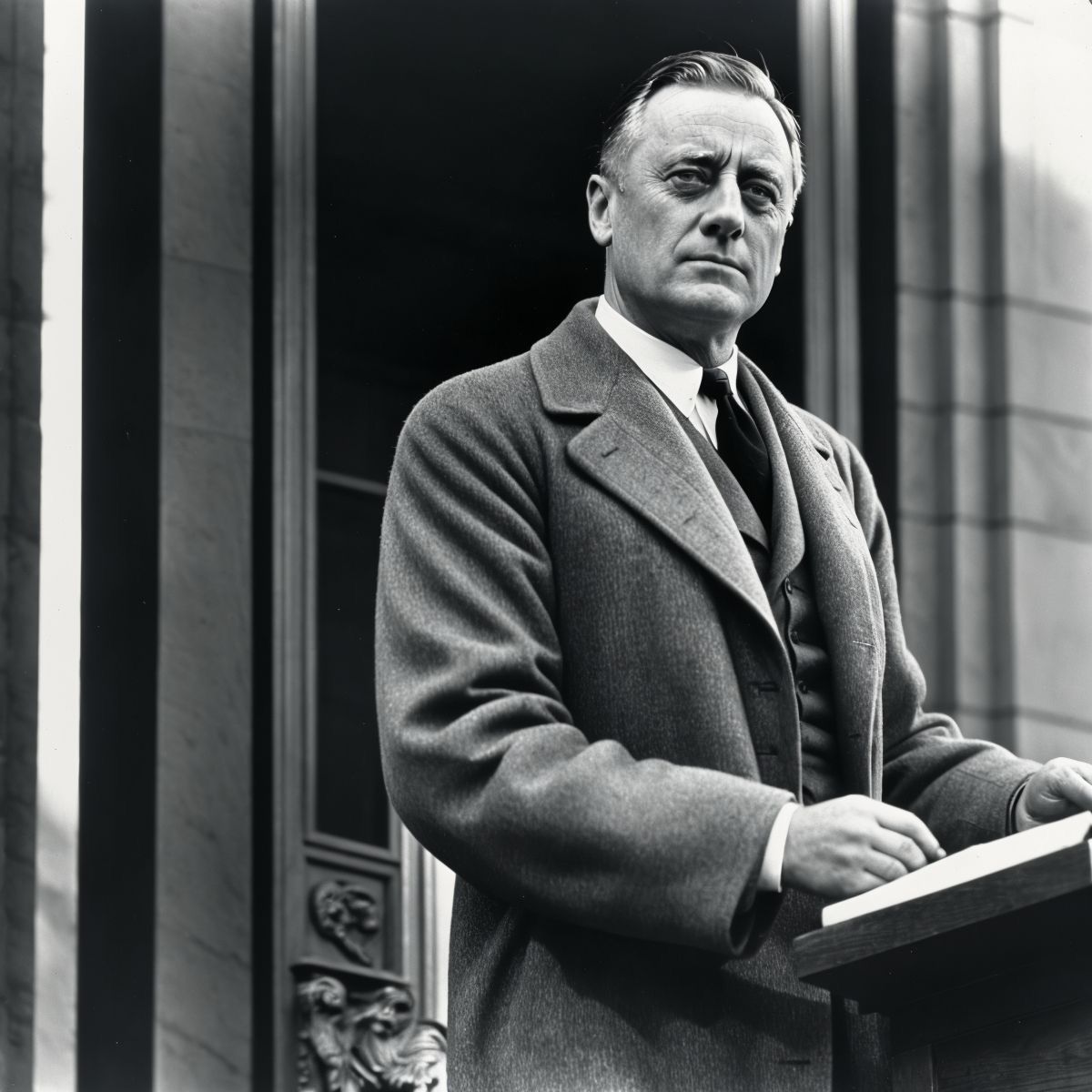
On March 4, 1933, Franklin D. Roosevelt stood before a weary nation as he was sworn in as the 32nd president of the United States. The country was in the grip of the Great Depression, with soaring unemployment, failing banks, and a general sense of hopelessness. But on that cold and uncertain day, Roosevelt’s voice rang out with a message of courage and resilience. In his inaugural address, he delivered the now-famous words: “The only thing we have to fear is fear itself.” With that simple yet powerful statement, he reassured the American people that fear and panic were the greatest obstacles to recovery—and that together, they would overcome them.

FDR’s speech was more than just words; it was a rallying cry for action. He promised bold and decisive government intervention to lift the country out of economic despair. His New Deal programs, which followed in the coming months, would reshape the American economy, providing jobs, stabilizing banks, and restoring faith in the government. Roosevelt’s leadership style was direct and empathetic—he connected with people through his fireside chats, speaking to Americans as if he were sitting in their living rooms. His ability to inspire confidence turned the tide, giving people hope when they needed it most.

Roosevelt’s first inauguration is remembered not only for his famous words but also for the way he redefined the presidency in a time of crisis. His leadership during the Great Depression set the stage for decades of economic and social reform, proving that strong, decisive action could help a nation rise from its darkest moments. FDR’s message still resonates today, reminding us that even in the face of uncertainty, courage and unity can lead to a brighter future.
Related Posts

The Invention That Changed the World: Alexander Graham Bell’s Telephone Patent

Elias Rowen

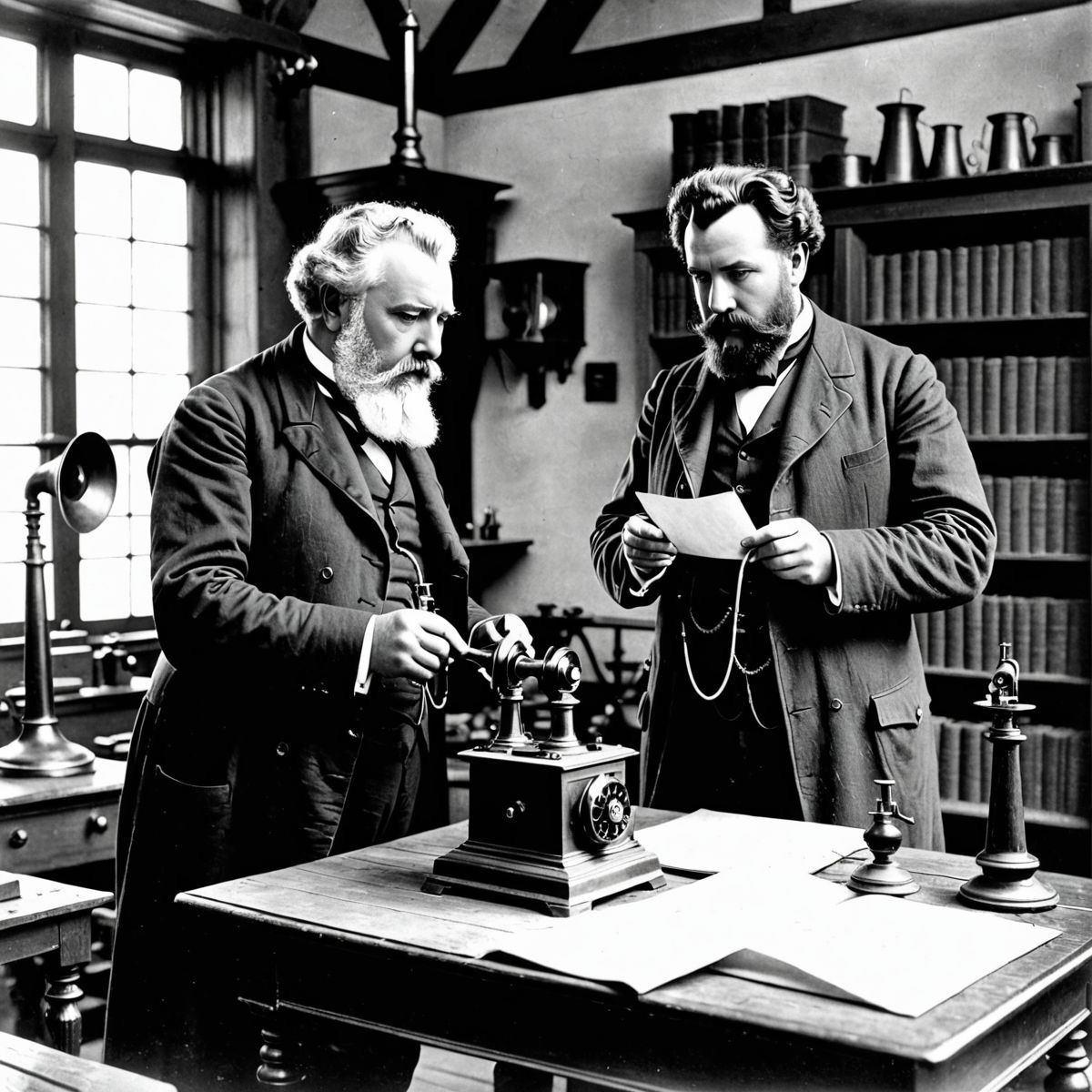
On March 7, 1876, Alexander Graham Bell was granted a patent for one of the most groundbreaking inventions in history—the telephone. This moment marked the dawn of a new era in communication, forever altering the way people connected with one another. Before Bell’s invention, communication over long distances was slow and relied on written letters or telegraphs. The telephone introduced the ability to instantly transmit sound, making real-time conversation possible, and it laid the foundation for the interconnected world we live in today.

Bell’s journey toward the invention of the telephone was filled with relentless experimentation and fierce competition. He and his rival, Elisha Gray, had both been working on voice transmission technology, but Bell managed to secure the patent first. Just days later, he made the first successful telephone call to his assistant, Thomas Watson, with the famous words, “Mr. Watson, come here, I want to see you.” That single sentence became the birth cry of a technology that would eventually shrink the world and make communication across continents effortless.

The impact of Bell’s invention cannot be overstated. The telephone revolutionized business, personal communication, and even emergency response systems. Over time, it evolved from bulky wired devices to sleek, wireless smartphones that now serve as lifelines for billions of people worldwide. Alexander Graham Bell’s vision set humanity on a path toward an ever-connected future, proving that a single idea could reshape society in ways once thought impossible.

Related Posts

A New Republic: When the U.S. Recognized Texas Independence

Elias Rowen

On March 1, 1837, the U.S. Congress passed a resolution recognizing Texas as an independent republic, a pivotal moment in North American history. The move came nearly a year after Texas had declared independence from Mexico on March 2, 1836, following the legendary battles of the Texas Revolution, including the famous stand at the Alamo. The resolution was a major step in legitimizing the fledgling Republic of Texas on the world stage and paved the way for its eventual annexation into the United States in 1845.

The struggle for Texas independence had been hard-fought, with leaders like Sam Houston guiding Texan forces to victory at the Battle of San Jacinto. Although Mexico refused to recognize Texas’ sovereignty, the U.S. saw strategic and economic advantages in backing the new republic. However, the decision was not without controversy—many in Congress feared that recognizing Texas would inflame tensions with Mexico and deepen sectional divides over slavery, as Texas was a slave-holding region.

Despite these concerns, the recognition of Texas opened the door to diplomatic relations, trade agreements, and the growing American expansionist sentiment known as Manifest Destiny. Texans saw the recognition as validation of their sacrifices, and for many settlers, it reinforced the belief that their future was tied to the United States. Though Texas would remain an independent nation for nearly a decade, U.S. support played a crucial role in its survival and eventual statehood.

The Texas Independence Resolution remains a landmark moment in American and Texan history. It symbolizes the perseverance of those who fought for freedom and highlights the complex geopolitical struggles that shaped the expansion of the United States. Even today, the Lone Star State prides itself on its independent spirit, a legacy that can be traced back to the moment Congress affirmed its place among the free nations of the world.

Related Posts

A Call to Serve: How JFK’s Peace Corps Changed the World

Elias Rowen

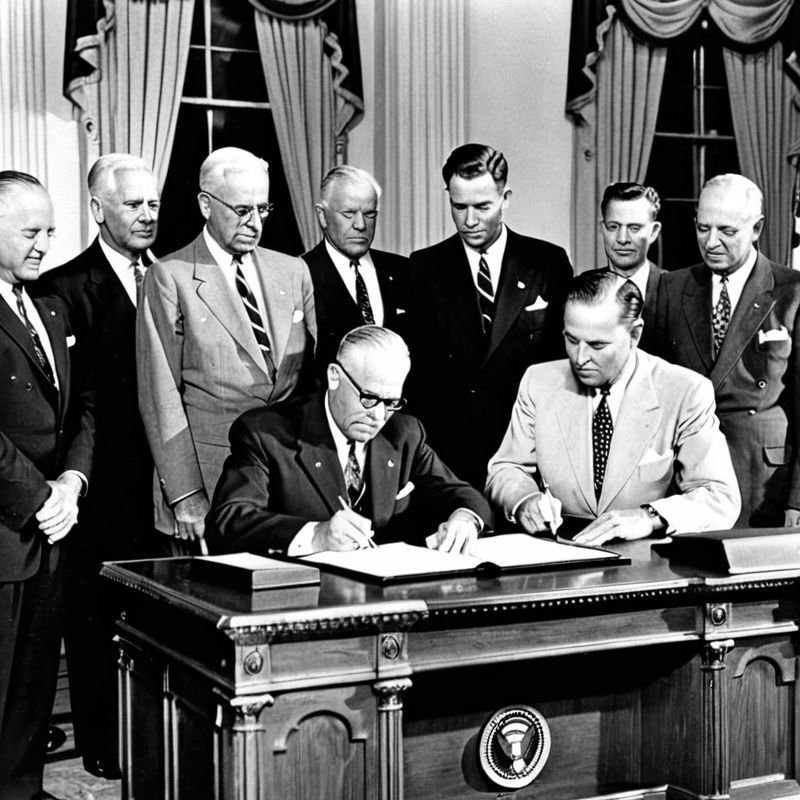
On March 1, 1961, President John F. Kennedy signed an executive order establishing the Peace Corps, a groundbreaking initiative that would forever change the landscape of international volunteerism. The idea was simple yet profound: send American volunteers abroad to promote peace and friendship by assisting in education, health care, agriculture, and other critical sectors. Kennedy believed that by fostering mutual understanding and cooperation, the United States could not only help developing nations but also build bridges of goodwill across cultural divides.

The Peace Corps was more than just a humanitarian effort—it was a bold declaration of America’s commitment to the world. At a time when Cold War tensions were high, Kennedy envisioned a program that would showcase the best of American values through action rather than rhetoric. The initiative quickly gained popularity, attracting thousands of young, idealistic volunteers eager to make a difference. These individuals, known as Peace Corps Volunteers, embarked on life-changing journeys to remote villages and bustling cities, offering their skills and compassion to communities in need.

Over the decades, the Peace Corps has had a lasting impact, both abroad and at home. Volunteers have helped build schools, teach English, provide medical care, and introduce sustainable farming techniques. In return, they have gained invaluable insights into different cultures, fostering global empathy and understanding. Many returned home with a renewed sense of purpose, going on to become leaders in politics, education, and social activism.

Today, the Peace Corps remains a symbol of service and diplomacy, proving that one person’s efforts can ripple across the globe. Kennedy’s vision endures, reminding us that true leadership is not about power, but about the willingness to serve others. In an era where global challenges continue to demand cooperation, the legacy of the Peace Corps serves as a powerful testament to the impact of volunteerism and cross-cultural exchange.

Related Posts

The Fearsome Legacy of Blackbeard: Thomas Cavendish

Dave

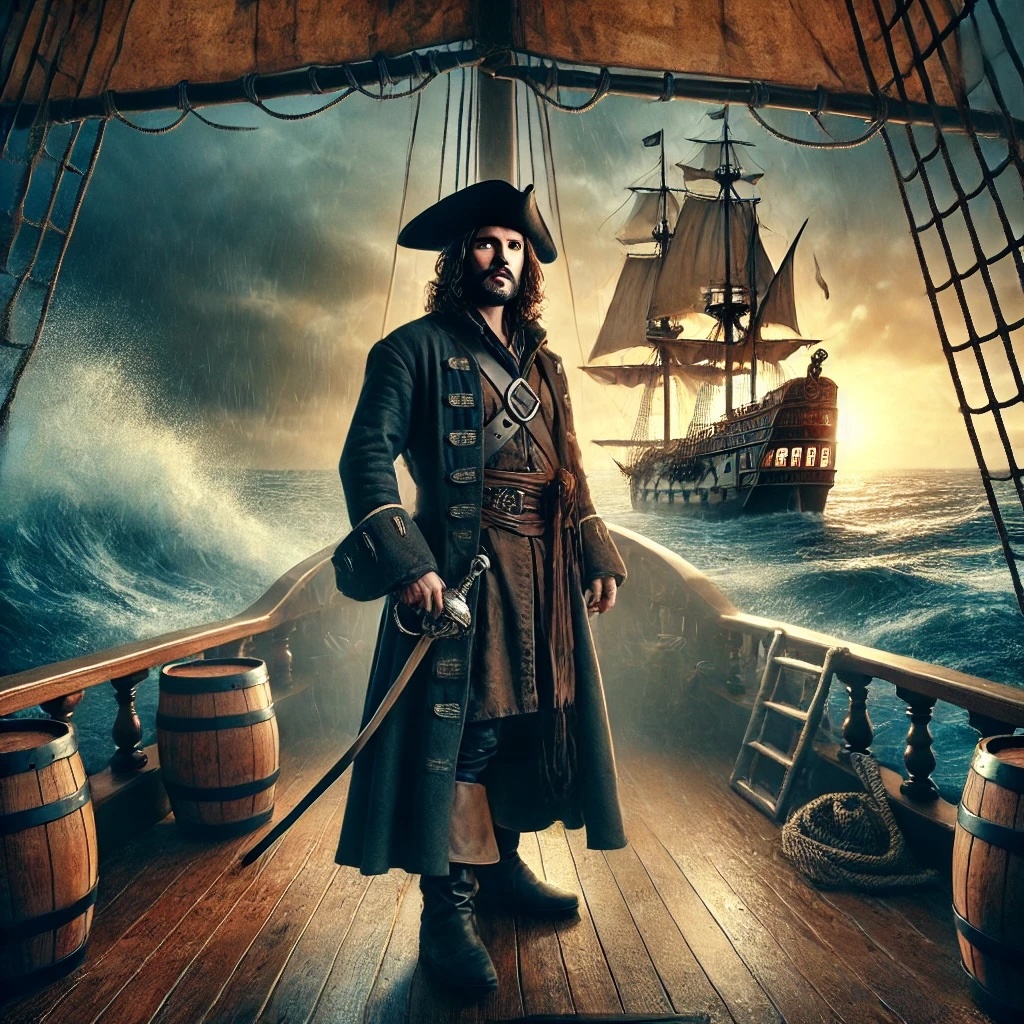
The high seas of the late 16th century were filled with danger, adventure, and men who sought fortune through cunning and violence. Among them was Thomas Cavendish, an English privateer turned pirate, who carved his name into maritime history with his daring exploits. Unlike the infamous Blackbeard of the 18th century, Cavendish was a refined yet ruthless navigator, known for his bold raids against Spanish ships and his ambitious circumnavigation of the globe.

Born into a wealthy English family in 1560, Cavendish sought adventure beyond the rigid confines of nobility. Inspired by Sir Francis Drake, he set sail in 1586 on a journey that would make him one of the most feared and successful pirates of his time. His most famous conquest came in 1587 when he captured the Spanish galleon Santa Ana off the coast of California. Laden with treasures of gold, silk, and spices, the ship was a prize that solidified his reputation as a daring and cunning seafarer.

Cavendish’s triumphs, however, were short-lived. After returning to England a hero, he set out on another voyage in 1591, hoping to repeat his success. This time, fate was not on his side. His fleet suffered from harsh conditions, disease, and mutiny. Struggling against the elements and dwindling supplies, Cavendish met his end at sea, his body never recovered.

Though his life was brief, Cavendish’s legacy remains one of audacity and adventure. He embodied the spirit of the Golden Age of Piracy, where fortune favored the bold and the sea belonged to those brave enough to claim it. His name may not be as infamous as Blackbeard’s, but his impact on naval history is undeniable.

Related Posts

A Nation in Shock: The Assassination of Olof Palme

Elias Rowen

On the night of February 28, 1986, Sweden was shaken to its core when Prime Minister Olof Palme was assassinated on a Stockholm street. Palme, known for his strong stance on social justice, disarmament, and international diplomacy, was walking home from a movie with his wife when he was fatally shot. The attack was as brazen as it was shocking—Sweden’s head of government, who famously refused security protection, was gunned down in public, leaving a stunned nation grappling with grief and unanswered questions.

Palme’s murder sent shockwaves beyond Sweden. He was a vocal critic of apartheid in South Africa, U.S. involvement in Vietnam, and Soviet aggression, earning both admirers and adversaries worldwide. His leadership embodied Sweden’s neutral but active role in global politics. In the wake of his assassination, a massive investigation unfolded, but years of inquiries, false leads, and conspiracy theories only deepened the mystery. It wasn’t until 2020 that Swedish authorities pointed to Stig Engström, a graphic designer, as the likely suspect—though by then, he had already passed away, leaving the case without definitive closure.

Palme’s legacy remains strong. His vision for a more equal and peaceful world continues to inspire political leaders and activists today. While his death left a void in Swedish politics, it also underscored the importance of standing up for justice, no matter the risks. More than three decades later, Sweden still remembers the night it lost a leader who dared to challenge the status quo.

Related Posts

Unlocking Life’s Blueprint: Watson and Crick’s Discovery of DNA’s Double Helix

Elias Rowen

In 1953, James Watson and Francis Crick made a discovery that changed the course of science forever: the structure of DNA. Their breakthrough revealed that DNA is shaped like a twisted ladder, known as a double helix. This discovery was more than just a scientific revelation; it was the key to understanding how life is passed down from generation to generation. By unraveling DNA’s structure, Watson and Crick provided insight into genetics, hereditary diseases, and the fundamental blueprint of all living organisms.

The road to this momentous finding was paved by the work of other scientists, particularly Rosalind Franklin and Maurice Wilkins. Franklin’s X-ray diffraction images were crucial in confirming DNA’s helical shape, though her contributions were often overlooked at the time. When Watson and Crick combined these insights with their own research, they proposed that DNA is made up of two strands, held together by specific base-pairing rules: adenine pairs with thymine, and cytosine pairs with guanine. This structure explained how genetic information could be copied precisely, ensuring that life’s instructions were passed along accurately.

The impact of their discovery was profound. It set the foundation for modern genetics, leading to revolutionary advancements such as the Human Genome Project, gene therapy, and CRISPR gene editing. Understanding DNA has enabled scientists to develop treatments for genetic disorders, improve forensic science, and even enhance agricultural practices. In essence, the double helix has shaped the way we approach biology and medicine.

Looking back, the discovery of DNA’s structure stands as one of the greatest achievements in scientific history. It reminds us of the power of curiosity, collaboration, and perseverance. Today, as genetic research continues to push boundaries, we owe much of our understanding to that pivotal moment in 1953 when Watson and Crick unlocked the secret of life itself.

Related Posts

The Reichstag Fire: A Spark That Ignited a Dictatorship

Elias Rowen

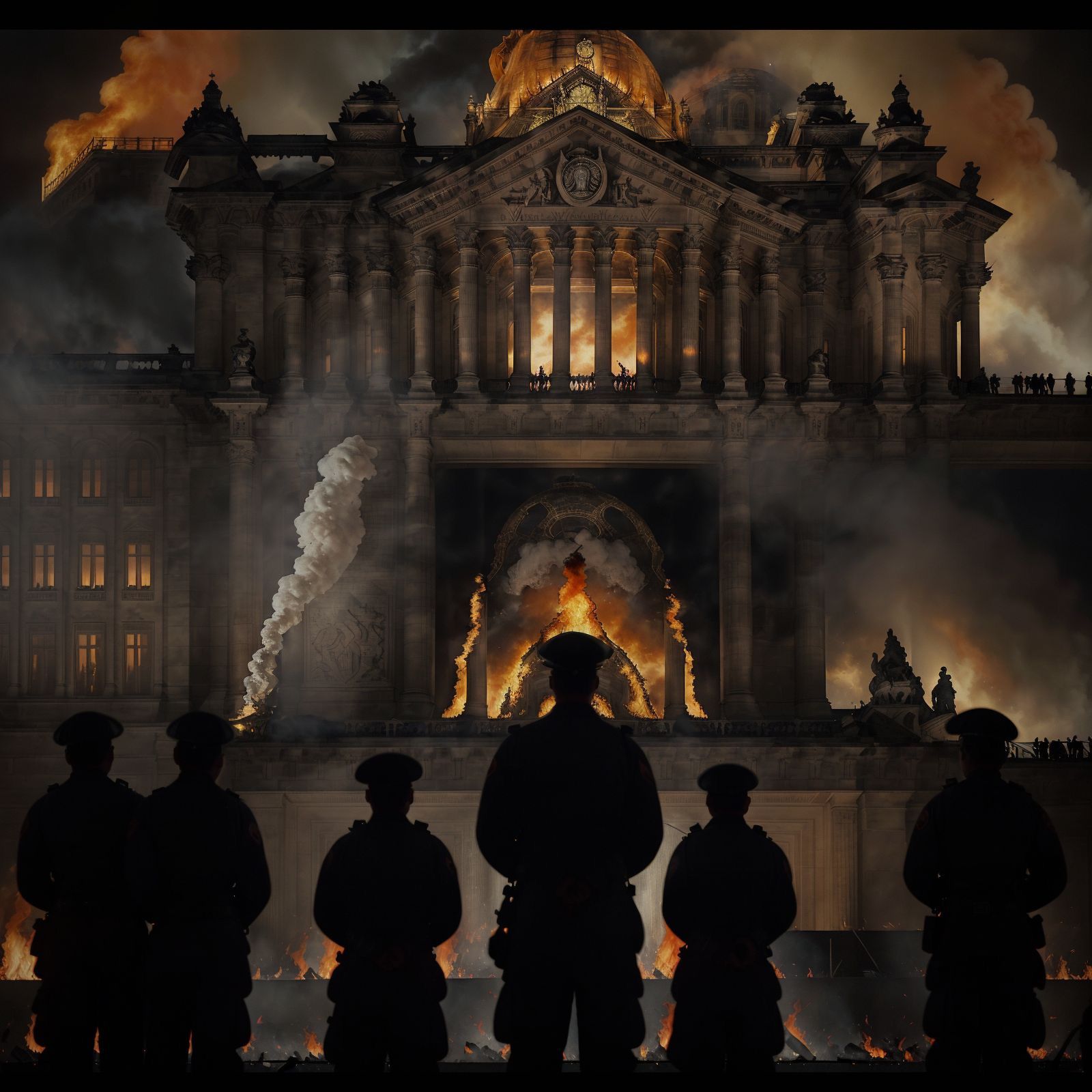
On the night of February 27, 1933, flames engulfed Germany’s Reichstag building, a pivotal moment that altered the course of history. The fire, which destroyed the seat of the German parliament in Berlin, became the catalyst Adolf Hitler and the Nazi Party needed to consolidate their grip on power. Although the true cause of the fire remains debated, the Nazis wasted no time in blaming communists, using the event as a pretext to crack down on political opposition and dismantle democratic institutions.

In the immediate aftermath, President Paul von Hindenburg, under Hitler’s urging, signed the Reichstag Fire Decree. This decree suspended civil liberties, allowing the government to arrest political adversaries, suppress dissent, and control the press. In a matter of weeks, thousands of communists, socialists, and other perceived enemies of the Nazi regime were imprisoned or eliminated, silencing any opposition. This moment marked a significant turning point, setting the stage for Hitler’s totalitarian rule and the eventual horrors of World War II.

The Reichstag Fire was more than just an act of arson; it was a masterstroke of political manipulation. The Nazis used fear and propaganda to convince the German people that extreme measures were necessary for national security. This tactic of exploiting crises to justify authoritarian control is a stark reminder of how fragile democracy can be in the face of unchecked power.

Nearly a century later, the events surrounding the Reichstag Fire continue to serve as a cautionary tale about the dangers of political extremism and manufactured crises. It underscores the importance of vigilance in defending democratic values and resisting efforts to erode civil liberties in the name of security. History has shown that when fear overrides freedom, the consequences can be devastating.

Related Posts

Term Limits and Democracy: The 22nd Amendment

Elias Rowen

On February 27, 1951, the United States formally ratified the 22nd Amendment to the Constitution, forever shaping the nation’s highest office. This amendment set a two-term limit for U.S. presidents, ensuring that no individual could hold the presidency for more than eight years. The decision stemmed largely from Franklin D. Roosevelt’s unprecedented four-term presidency, which raised concerns about the concentration of power in a single leader’s hands. By enshrining term limits into law, the amendment reinforced the principle of democratic leadership and the peaceful transition of power.

The Founding Fathers originally did not impose term limits, believing that tradition and voter choice would prevent any president from staying in office indefinitely. George Washington set an informal precedent by stepping down after two terms, a tradition followed by nearly every president until Roosevelt’s era. However, in the wake of World War II and Roosevelt’s extended presidency, lawmakers feared that unlimited terms could lead to authoritarian rule. The 22nd Amendment was their response—a safeguard against the potential dangers of prolonged executive power.

While some argue that term limits prevent experienced leaders from continuing effective policies, others view them as essential to preventing political stagnation and fostering fresh ideas. The amendment has since shaped modern American politics, forcing leaders to make their mark within a finite period and ensuring that new voices have a chance to rise to the presidency. It remains a crucial component of the checks and balances system, reminding Americans that no single leader is above democracy itself.

Over seventy years later, the 22nd Amendment continues to spark debate, especially during times of political division. Some have even called for its repeal, while others see it as a necessary protection against the risks of power consolidation. Regardless of opinion, its impact on American governance is undeniable, standing as a testament to the nation’s commitment to democratic principles and the peaceful transition of power.

Related Posts

The 1993 World Trade Center Bombing: A Dark Warning

Elias Rowen

On February 26, 1993, a devastating explosion rocked the World Trade Center in New York City, marking the first major terrorist attack on American soil. A truck bomb, packed with over 1,200 pounds of explosives, detonated in the underground parking garage beneath the North Tower, killing six people and injuring over a thousand others. The blast left a crater several stories deep and sent thick smoke billowing through the iconic twin towers. This horrifying attack was a chilling precursor to the events of September 11, 2001, and underscored the growing threat of terrorism against the United States.

The bombing was orchestrated by a group of radical extremists who sought to bring down the towers by detonating the bomb at a strategic location. Their goal was to cause one tower to collapse onto the other, leading to massive casualties and destruction. While the structural integrity of the buildings remained intact, the attack exposed vulnerabilities in national security and signaled the need for increased counterterrorism efforts. The investigation quickly led to the arrest and conviction of several conspirators, highlighting the reach of international terrorist networks.

In the aftermath, security measures at the World Trade Center and across the country were significantly enhanced. However, many at the time did not fully grasp the long-term implications of the attack. It was a wake-up call that foreshadowed a new era of global terrorism, one that would culminate in the tragic events of 9/11. The 1993 bombing serves as a stark reminder of the importance of vigilance, intelligence gathering, and proactive security policies to prevent future attacks.

Thirty years later, the memory of that day remains a solemn chapter in American history. The victims are honored, and the lessons learned continue to shape security strategies worldwide. The resilience of New York City and its people in the face of such adversity stands as a testament to the enduring strength of a nation that refuses to be intimidated by acts of terror.

Related Posts

The Timeless Majesty: Grand Canyon Becomes a National Treasure

Elias Rowen

1919 marked a historic moment in American conservation when Grand Canyon National Park was officially established. This awe-inspiring natural wonder, with its vast expanse of layered rock formations and breathtaking vistas, became a protected sanctuary for future generations to explore and admire. The Grand Canyon had long been recognized for its unique geological features and cultural significance, but it wasn’t until President Woodrow Wilson signed the legislation that it gained national park status, ensuring its preservation.

For centuries, the Grand Canyon was home to Indigenous peoples who held deep spiritual and cultural connections to the land. When explorers and settlers arrived, they marveled at the canyon’s immense scale and intricate beauty. However, as tourism increased in the late 19th and early 20th centuries, concerns arose about the impact of human activity on the fragile ecosystem. The push for federal protection gained momentum, largely influenced by figures like President Theodore Roosevelt, who famously described the Grand Canyon as a place that should remain untouched for the enjoyment of all.

Becoming a national park was a turning point in the Grand Canyon’s history, as it shielded the landscape from overdevelopment and commercial exploitation. Today, millions of visitors from around the world trek to this geological masterpiece, hiking its trails, rafting through the Colorado River, and gazing in wonder at the ever-changing hues of its rock walls. Beyond its stunning vistas, the park serves as a haven for diverse wildlife, from bighorn sheep to rare condors, thriving within its protected lands.

Over a century later, Grand Canyon National Park stands as a symbol of the nation’s commitment to preserving natural beauty. It reminds us of the importance of conservation efforts and our responsibility to protect these irreplaceable landscapes. As one of the most iconic landmarks in the world, the Grand Canyon continues to inspire and captivate those who witness its grandeur.

Related Posts

Pioneering Steps in the Senate: The Dawn of a New Era with Hiram Revels

Elias Rowen

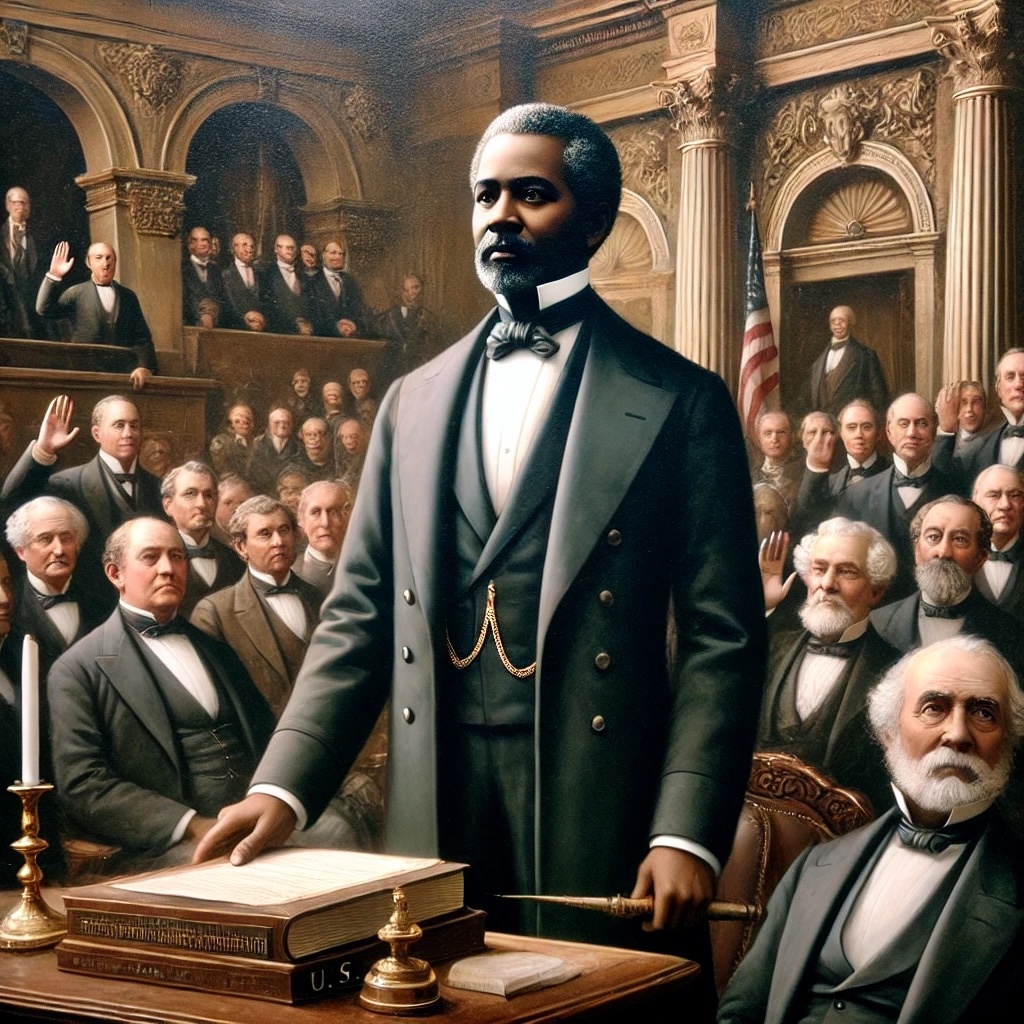
In 1870, Hiram Rhodes Revels made history by becoming the first African American to serve in the United States Senate. His appointment marked a significant milestone in the Reconstruction era, a time when the nation was grappling with the aftermath of the Civil War and the newly gained freedoms of formerly enslaved individuals. Representing the state of Mississippi, Revels took his seat on February 25, 1870, symbolizing a new chapter in American politics and racial progress.

Revels, a freeborn African American from North Carolina, had a background in education and ministry. During the Civil War, he worked as a chaplain for the Union Army, helping to recruit Black soldiers and advocating for their rights. His leadership and eloquence caught the attention of political figures, leading to his election by the Mississippi state legislature to fill a vacant Senate seat. Despite opposition from some Southern Democrats, who argued against his eligibility, Revels was ultimately sworn into office, proving that African Americans could hold high-ranking political positions in the United States.

As a senator, Revels championed civil rights and equality, advocating for the fair treatment of Black citizens and pushing for policies that would help integrate African Americans into American society. Though his term was short—lasting just over a year—his impact was profound. He set a precedent for future Black politicians and inspired generations to engage in the political process.

Revels’ legacy remains a testament to resilience and progress. His groundbreaking achievement challenged the status quo and paved the way for more inclusive representation in government. While the fight for racial equality continues to this day, his historic service in the U.S. Senate serves as a reminder that barriers can be broken, and change is always possible.

Related Posts

The Fight that Changed Boxing Forever: Cassius Clay Defeats Sonny Liston

Elias Rowen

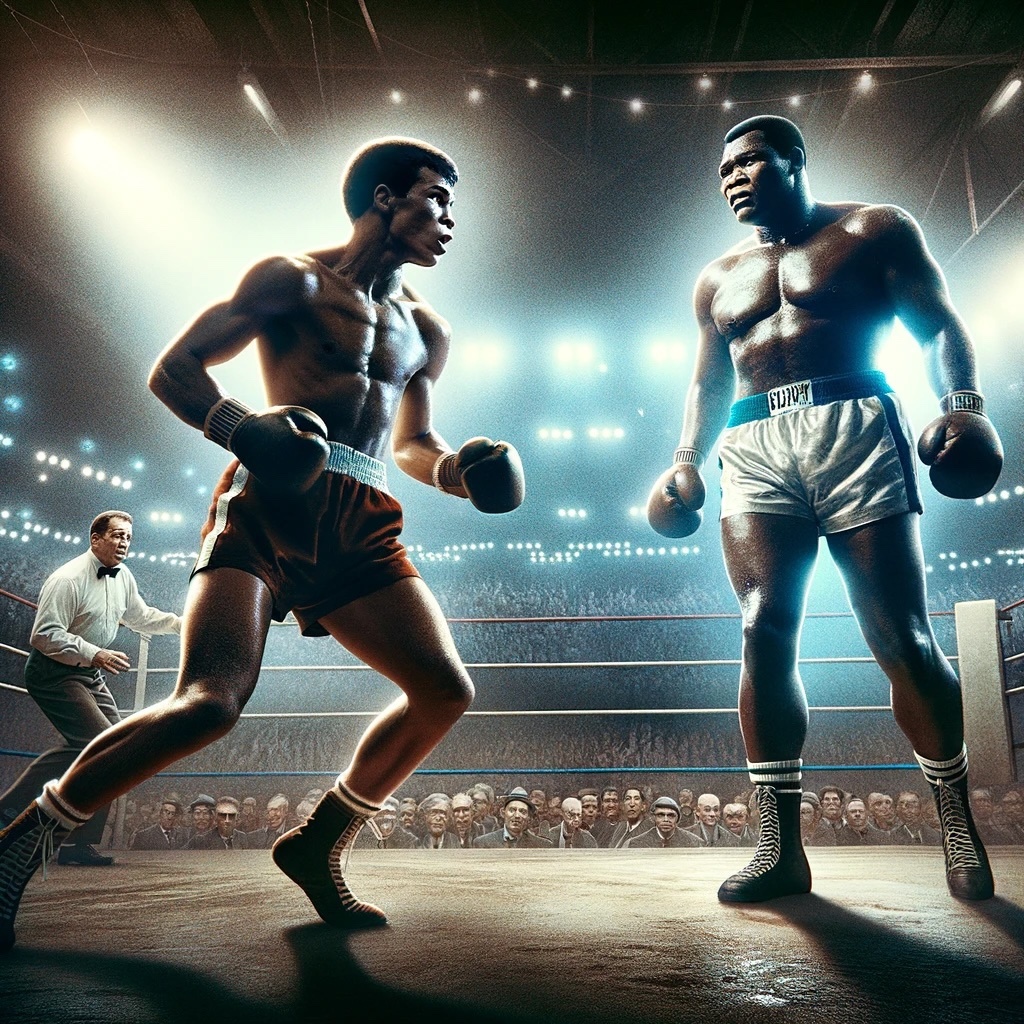
In 1964, a defining moment in sports history unfolded as Cassius Clay, who would later become known as Muhammad Ali, stepped into the ring to challenge Sonny Liston for the heavyweight title. At just 22 years old, Clay was an underdog against Liston, who was considered a formidable champion with an intimidating reputation. The world watched as Clay, brimming with confidence and flair, prepared to face Liston, whose raw power had earned him the respect of fans and critics alike.

From the start of the fight, it was clear that Clay’s speed, agility, and brashness were not what Liston had expected. Clay’s lightning-fast footwork and sharp jabs left Liston struggling to keep up. Despite taking a beating in the first few rounds, Clay’s belief in his own greatness never wavered. As the fight progressed, Liston began to show signs of fatigue and frustration. In the sixth round, with Liston unable to continue due to an injury, Clay was declared the winner, taking home the heavyweight championship title.

The victory was more than just a sports achievement; it marked the rise of a new legend in boxing. Cassius Clay’s victory over Sonny Liston would set the stage for his transformation into Muhammad Ali, a fighter who would go on to redefine the sport and become a global icon for his charisma, skill, and activism. That night in 1964, a new era of boxing began, with a brash, bold champion who was unafraid to speak his mind and fight for what he believed in.

As the years passed, Ali would go on to become not only a champion in the ring but also a symbol of resistance and courage. His fight against Liston was the first of many battles where he defied expectations and proved that, with unwavering self-belief and an unrelenting spirit, anything is possible.

Related Posts

The Impeachment of Andrew Johnson: A Nation Tested

Elias Rowen

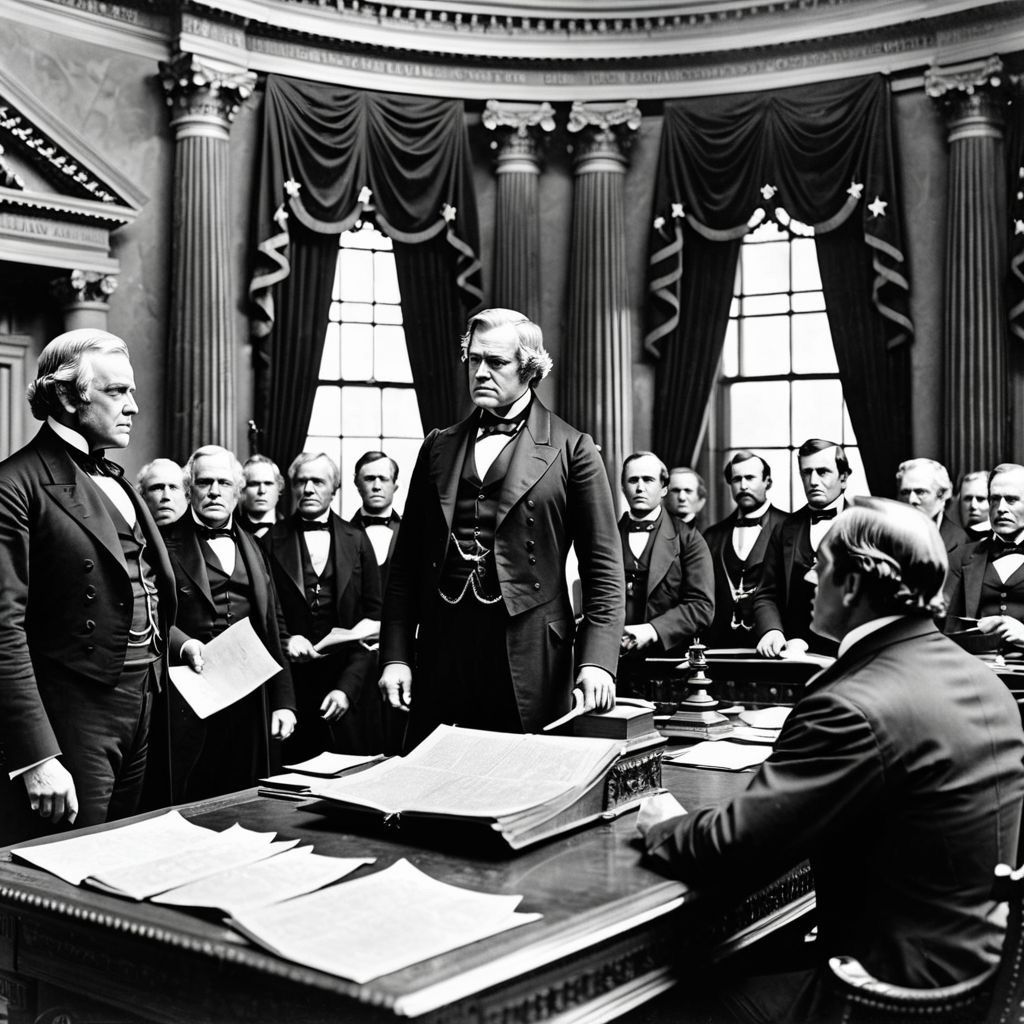
On February 24, 1868, the United States witnessed a historic political showdown as President Andrew Johnson became the first president to be impeached by the House of Representatives. This dramatic event was the result of a deep and bitter struggle between Johnson and the Radical Republicans in Congress, who were determined to reshape the South following the Civil War and secure rights for newly freed African Americans. Johnson, a Southern Democrat who had remained loyal to the Union, took office after Abraham Lincoln’s assassination in 1865. However, his lenient approach to Reconstruction and frequent clashes with Congress created a volatile political climate that ultimately led to his impeachment.

The central issue leading to Johnson’s impeachment was his violation of the Tenure of Office Act, a controversial law passed by Congress to limit his authority. The act required Senate approval before the president could remove certain officeholders, particularly those appointed by a previous administration. When Johnson attempted to dismiss Secretary of War Edwin Stanton—a staunch ally of the Radical Republicans—without Senate consent, Congress saw it as a direct challenge to their authority. The House quickly moved to impeach him, filing 11 articles of impeachment that accused him of abuse of power and defying congressional legislation.

Johnson’s impeachment trial in the Senate was a spectacle that captivated the nation. The proceedings were highly contentious, with emotions running high on both sides. While the Radical Republicans sought to remove him from office and assert congressional supremacy, Johnson’s defenders argued that the impeachment was politically motivated and lacked constitutional merit. Ultimately, Johnson survived removal by a razor-thin margin. In a dramatic vote, the Senate fell just one vote short of the two-thirds majority required for conviction, as seven Republican senators broke ranks and voted against his removal.

Although Johnson remained in office, his presidency was severely weakened, and he spent the remainder of his term politically isolated. His impeachment set a critical precedent, underscoring that the process should not be used as a tool for mere political disputes but rather reserved for genuine abuses of power. The event also highlighted the fragile nature of Reconstruction and the intense political divisions that defined post-Civil War America.

More than a century later, the impeachment of Andrew Johnson remains a defining moment in American history. It serves as a reminder of the delicate balance of power between the branches of government and the challenges of leading a nation through turbulent times. His trial tested the resilience of the U.S. Constitution and shaped the evolving role of the presidency in the face of congressional opposition.

Related Posts

A Royal Romance: The Engagement of Prince Charles and Lady Diana Spencer

Elias Rowen

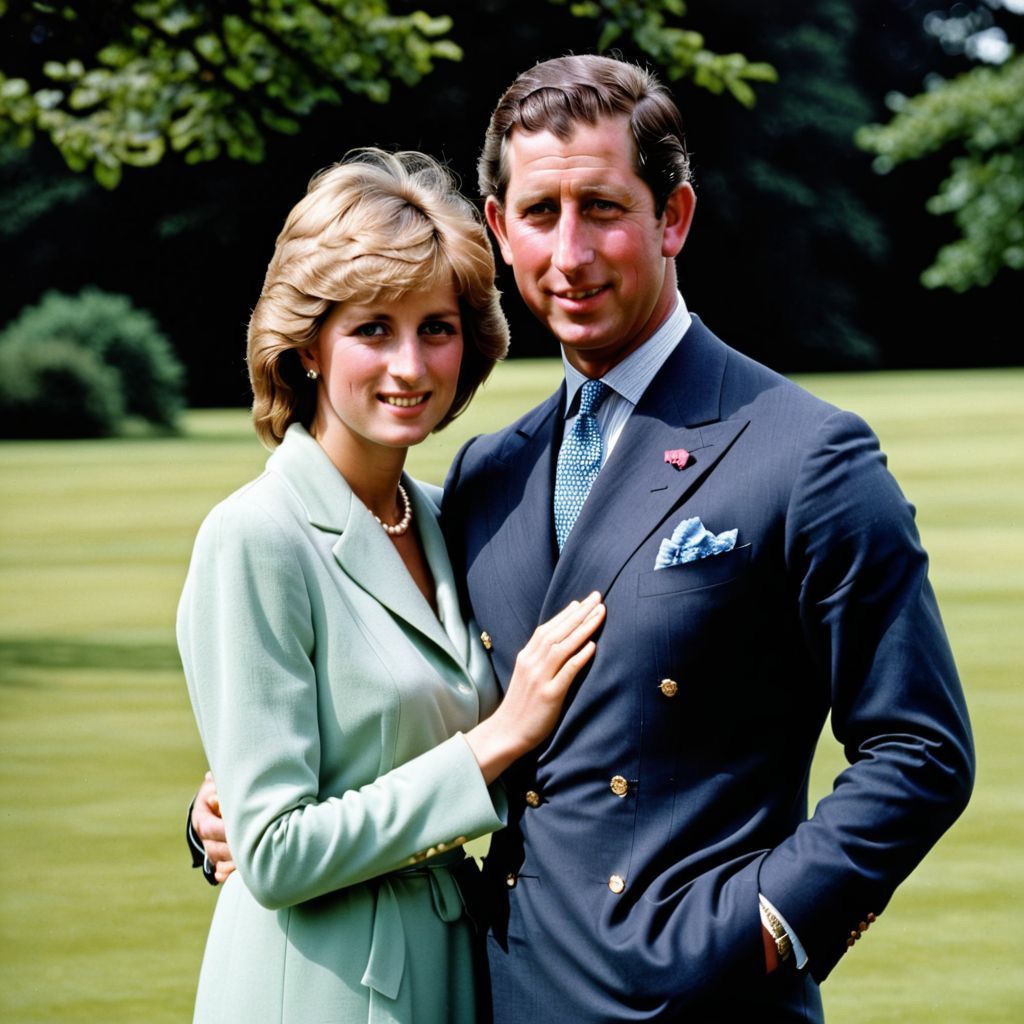
1981 marked a momentous occasion in British history when Buckingham Palace officially announced the engagement of Prince Charles, the heir to the throne, and Lady Diana Spencer. This news captivated the world, sparking a media frenzy and igniting excitement among royal watchers. Their engagement, which was confirmed on February 24, 1981, symbolized a fairytale beginning that would later become one of the most widely documented relationships in modern history.

The romance between Charles and Diana had been the subject of speculation for months, but the official announcement solidified their status as the future King and Queen in waiting. Diana, a 19-year-old nursery school assistant from an aristocratic lineage, quickly became a beloved public figure. Her natural charm, beauty, and kindness won over the British public and international admirers alike. When the couple posed for their official engagement photos, Diana’s sapphire and diamond engagement ring—now famous in its own right—became an enduring symbol of royal love and legacy.

At the heart of their engagement was a sense of optimism and tradition. The match was seen as beneficial to the monarchy, with Diana embodying grace and poise fitting for a future queen. However, behind the grandeur and public adoration, their relationship would soon be tested by the pressures of royal life, intense media scrutiny, and personal differences. The engagement was just the beginning of a journey that would capture global attention for decades to come.

While their union ultimately ended in heartbreak, the announcement of their engagement remains a significant milestone in royal history. It was a moment filled with hope, a reflection of the timeless allure of royalty, and a reminder of the complexities of love under the public eye. The world watched as Diana transformed into the ‘People’s Princess,’ leaving behind a lasting legacy that continues to inspire generations.

Related Posts

The Alamo: A Stand for Freedom That Echoed Through History

Elias Rowen

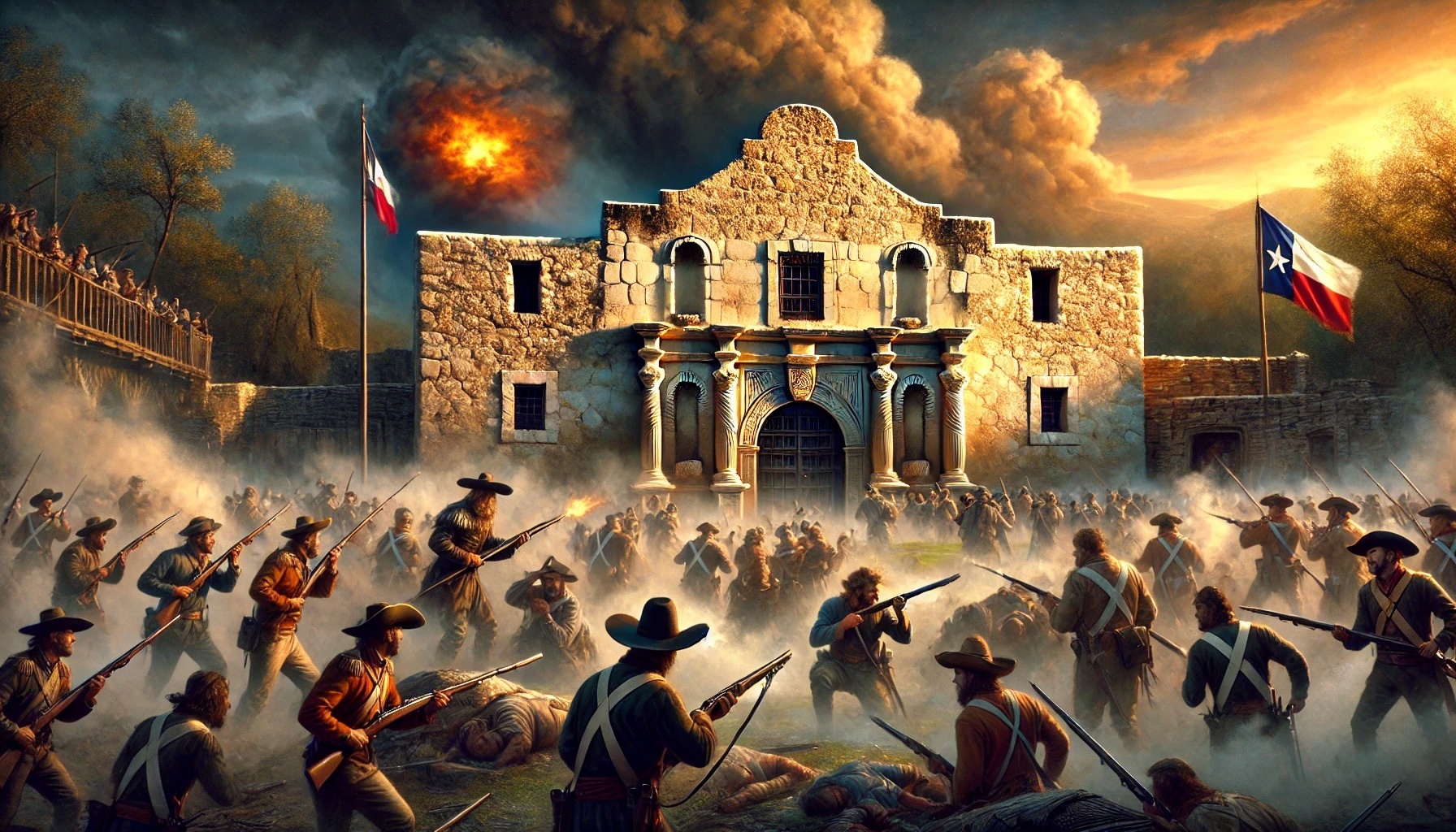
On February 23, 1836, the Mexican army, led by General Antonio López de Santa Anna, arrived at the gates of the Alamo in San Antonio, Texas. What followed was a legendary 13-day siege that would forever be etched into the annals of history. The Texian defenders, numbering fewer than 200, were vastly outnumbered by Santa Anna’s forces, which swelled to nearly 1,800 men. Despite the overwhelming odds, the defenders, including famous figures such as James Bowie, William B. Travis, and Davy Crockett, refused to surrender. They knew that holding the Alamo meant delaying the Mexican army and buying crucial time for the Texas Revolution.

For nearly two weeks, the defenders endured relentless bombardment and attacks. Travis, just 26 years old, famously drew a line in the sand, asking only those willing to die for Texas’ freedom to cross it. Every man stepped forward, demonstrating a commitment to liberty that would inspire generations to come. On the morning of March 6, the final assault began. Mexican troops breached the walls, and the battle turned into brutal hand-to-hand combat. By sunrise, the Alamo had fallen, and every defender had been killed. The loss was devastating, but the sacrifice was not in vain. “Remember the Alamo!” became the rallying cry of the Texian army, and just weeks later, at the Battle of San Jacinto, the Texans avenged their fallen comrades, securing independence for Texas.

The Battle of the Alamo stands as a testament to the resilience and determination of those who fight for freedom. Though they knew they faced almost certain death, the defenders of the Alamo chose to make a stand, igniting a fire that would lead to Texas’ independence. Their courage, immortalized in history, serves as a reminder that the fight for liberty often comes at the highest cost. Today, the Alamo remains a symbol of sacrifice and defiance, a place where history speaks to all who visit, ensuring that the bravery of those who fell there will never be forgotten.

Related Posts

The Flag That Inspired a Nation: The Raising of the Colors on Iwo Jima

Elias Rowen

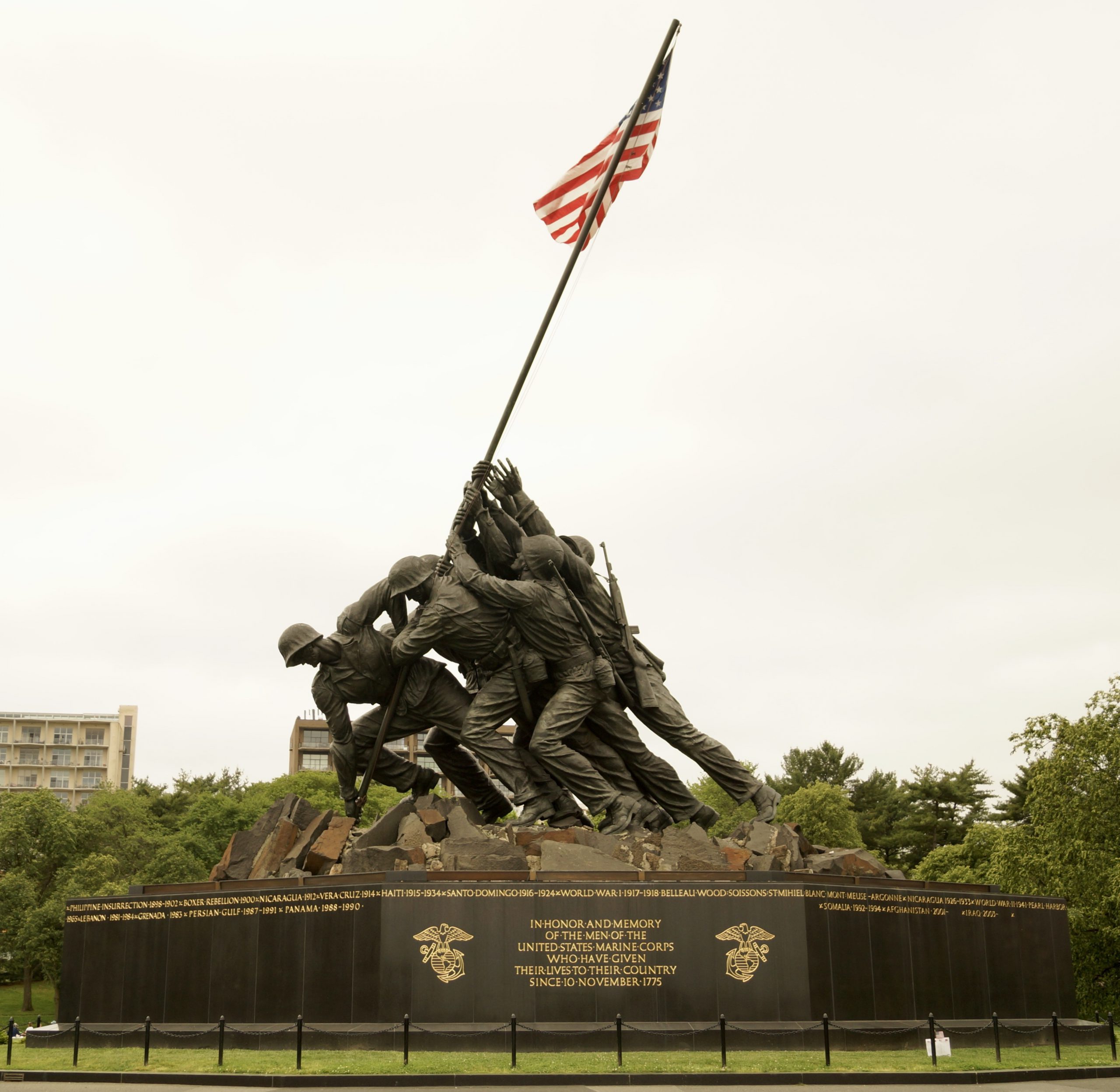
On February 23, 1945, amid the brutal battle for Iwo Jima, a moment of triumph was captured in a single photograph that would become one of the most iconic images in American history. After days of relentless fighting against entrenched Japanese forces, a group of six U.S. Marines reached the summit of Mount Suribachi, the island’s highest point. There, they raised the American flag, a powerful symbol of resilience and sacrifice. The image, taken by Associated Press photographer Joe Rosenthal, embodied the courage of the Marines and the unyielding determination of American forces in one of the fiercest battles of World War II.

The battle for Iwo Jima had begun on February 19, 1945, as thousands of Marines stormed the black volcanic beaches under relentless enemy fire. The Japanese defenders, deeply entrenched in a complex network of tunnels and bunkers, made every inch of progress costly. Over 26,000 American casualties, including nearly 7,000 killed, underscored the brutal nature of the fight. The capture of Mount Suribachi was a crucial turning point, offering a strategic vantage point over the island, but the battle raged on for weeks afterward. Despite the hardships, the Marines pressed forward, determined to secure victory.

The flag-raising on Iwo Jima became more than just a battlefield event; it became a symbol of perseverance and unity. The photograph was widely circulated in newspapers and later served as the inspiration for the Marine Corps War Memorial in Arlington, Virginia. It reminded Americans of the sacrifices made by those who served and the price of freedom. Today, the memory of Iwo Jima lives on, not just in history books but in the hearts of those who honor the bravery of the men who fought there. Their legacy is a testament to the resilience of the human spirit in the face of unimaginable adversity.

Related Posts

The Miracle on Ice: When David Beat Goliath on Ice

Elias Rowen

In one of the greatest upsets in sports history, the United States hockey team stunned the world on February 22, 1980, by defeating the heavily favored Soviet Union at the Winter Olympics in Lake Placid, New York. Dubbed the “Miracle on Ice,” this victory was more than just a game—it was a moment of national pride, a symbol of perseverance, and a reminder that anything is possible with determination and teamwork.

The Soviet hockey team was a powerhouse, dominating international competition for years. They had won four consecutive Olympic gold medals and had crushed the U.S. team 10-3 in an exhibition game just weeks before the Olympics. In contrast, the American team was made up of young college players, many of whom had never played together before. They weren’t expected to stand a chance, let alone win. But what they lacked in experience, they made up for with heart and an unbreakable spirit.

Led by head coach Herb Brooks, the U.S. team fought relentlessly. Their game against the Soviets was intense, filled with fast-paced action and incredible goaltending by Jim Craig. When team captain Mike Eruzione scored the go-ahead goal in the third period, the crowd erupted. As the final seconds ticked down, legendary broadcaster Al Michaels delivered his now-famous call: “Do you believe in miracles? Yes!” The U.S. had pulled off the impossible.

This victory wasn’t just about hockey—it was about unity and resilience during a tense period in American history. The Cold War had created a fierce rivalry between the U.S. and the Soviet Union, and this game felt like a symbolic triumph of democracy and determination over a seemingly unbeatable force. Two days later, the U.S. team defeated Finland to win the gold medal, solidifying their place in history.

The Miracle on Ice remains one of the most inspiring moments in sports. It proved that passion and teamwork can overcome any obstacle, and it continues to be a testament to the power of belief. Decades later, it still stands as a shining example of the unbreakable American spirit.

Related Posts

The Birth of a Legend: George Washington’s Enduring Legacy

Elias Rowen

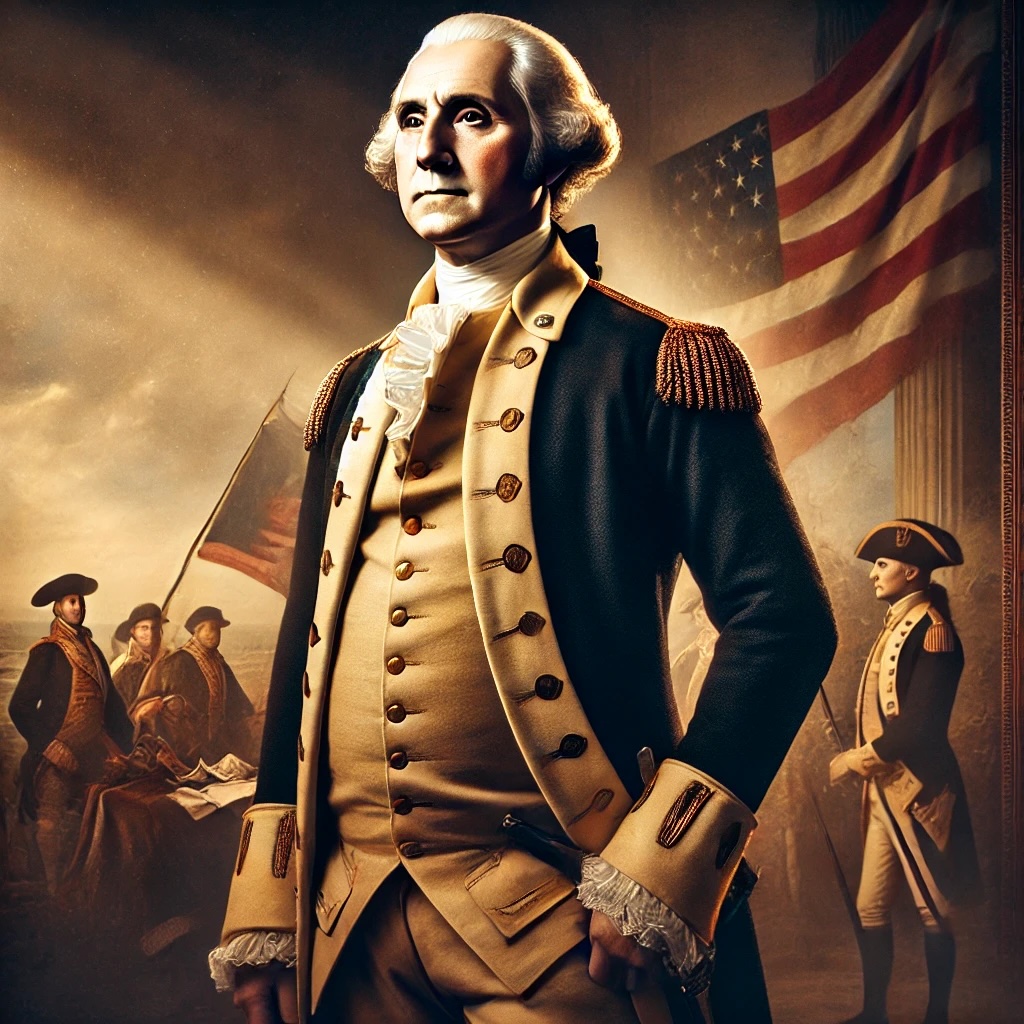
1732 marked the birth of one of the most influential figures in American history—George Washington. Born on February 22 in Westmoreland County, Virginia, Washington would go on to become a military hero, a visionary leader, and the first president of the United States. His life and legacy set the foundation for the American republic, shaping the principles of democracy, leadership, and perseverance that still guide the nation today.

Washington’s early years were spent on his family’s plantation, where he developed a strong work ethic and a deep appreciation for the land. His early career as a surveyor and soldier in the British Army during the French and Indian War laid the groundwork for his later leadership in the American Revolution. When tensions between the American colonies and Britain escalated, Washington was appointed Commander-in-Chief of the Continental Army. Despite facing overwhelming odds, he led his troops to victory, securing American independence with his strategic brilliance and unyielding resolve.

After the war, Washington was unanimously elected as the first president of the United States in 1789. His presidency set many important precedents, including the two-term limit and the formation of a stable federal government. He navigated the young nation through its early challenges, emphasizing unity, neutrality in foreign conflicts, and the importance of a strong but balanced government. His Farewell Address remains a powerful piece of wisdom, warning against political divisions and entangling foreign alliances.

Washington’s impact goes far beyond his presidency. He became a symbol of integrity, selfless service, and unwavering dedication to the ideals of freedom and democracy. Even after stepping down from office, he remained a guiding force in shaping the new nation. His leadership style—marked by humility, patience, and a deep sense of duty—continues to inspire leaders and citizens alike.

From his days as a young surveyor to his role as the “Father of the Nation,” George Washington’s legacy endures as a testament to the power of leadership and vision. His birthday is not just a moment in history—it’s a reminder of the values that built a nation and the extraordinary man who helped forge its path.

Related Posts

Malcolm X: A Voice Silenced but Never Forgotten

Elias Rowen

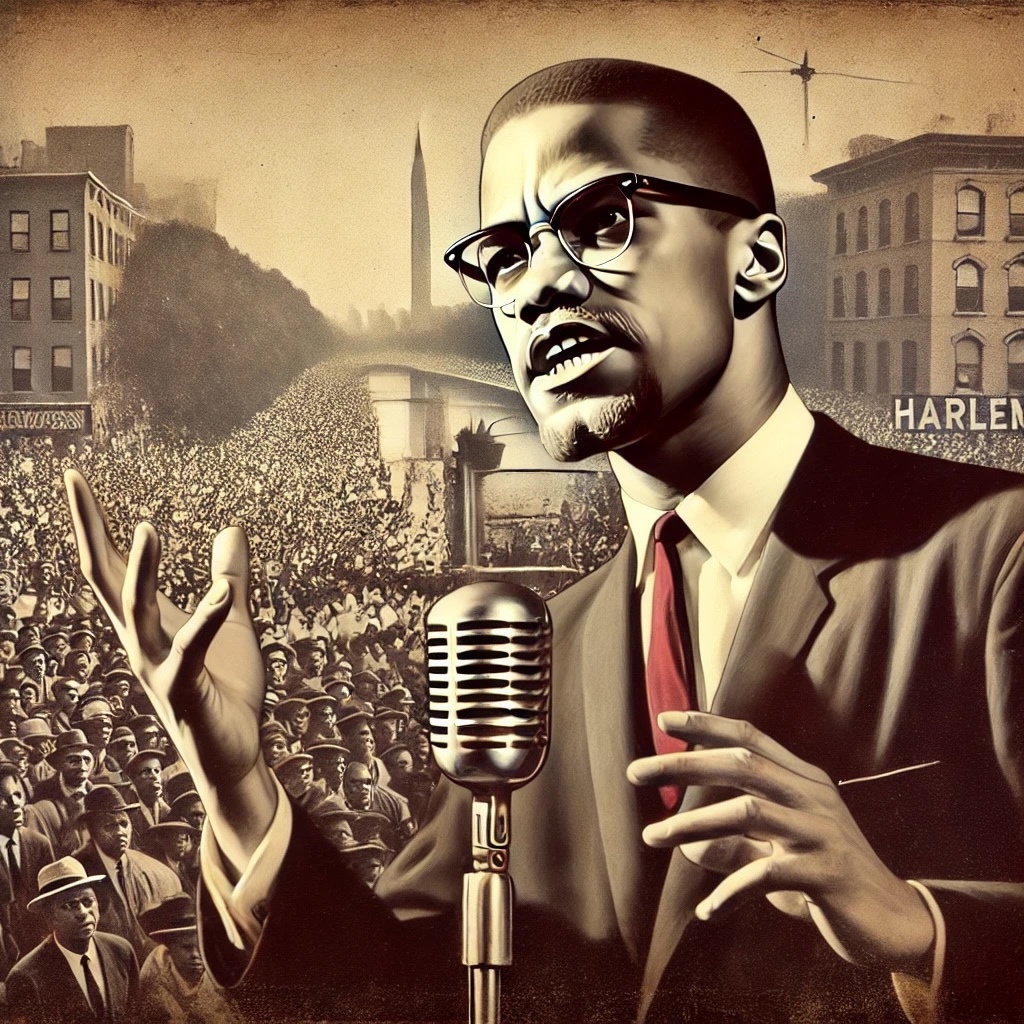
On February 21, 1965, Malcolm X, one of the most influential and controversial civil rights leaders of his time, was assassinated in New York City. His death shocked the nation and the world, leaving a void in the fight for racial justice. Though his life was cut short at just 39 years old, his legacy continues to inspire movements for equality, empowerment, and social change.

Born Malcolm Little in 1925, he endured a life marked by hardship, systemic racism, and personal transformation. After joining the Nation of Islam while in prison, he became one of its most powerful voices, advocating for Black self-reliance, pride, and resistance against oppression. Over time, his philosophy evolved, particularly after his pilgrimage to Mecca, where he embraced a broader vision of unity and human rights. His willingness to challenge not only white supremacy but also the limitations within the civil rights movement made him both revered and feared.

On that tragic day in 1965, Malcolm X was preparing to address a crowd at the Audubon Ballroom in Harlem when he was gunned down by multiple attackers. The assassination was a devastating blow to the civil rights struggle, silencing a leader who had only begun to refine and expand his vision for justice. In the aftermath, many theories emerged about the true orchestrators of his murder, fueling debates that persist to this day.

Despite his untimely death, Malcolm X’s influence remains undeniable. His autobiography, speeches, and ideas continue to resonate with those fighting against racial and social injustices worldwide. His call for self-determination and empowerment echoes through modern movements, proving that while his physical voice was silenced, his message endures.

More than half a century later, Malcolm X remains a symbol of resistance, transformation, and the relentless pursuit of justice. His words still challenge the status quo, reminding us that progress requires courage, conviction, and the willingness to speak truth to power.

Related Posts