There is a myth that has lingered far too long, one that says a beach vacation has to be expensive to be memorable. That to feel sand under your feet and hear the rhythmic crash of waves, you need a five-star resort, pricey cocktails, or a plane ticket halfway around the world. The truth is much kinder, much simpler: the ocean doesn’t care how much money you have. The sea welcomes everyone, no questions asked, and some of the most magical beach escapes are also the ones that barely dent your wallet. Budget-friendly doesn’t mean boring; it means smart, creative, and often more authentic than trips weighed down by luxury price tags. When you chase the essence of a beach escape—the salt air, the endless horizon, the laughter of friends or family—it becomes clear that joy doesn’t need a receipt.
The heart of a budget-friendly beach escape lies in reimagining what a getaway truly is. It doesn’t need to involve flights, sprawling resorts, or expensive beachside dinners. Sometimes, the best trips happen just a car ride away. Exploring local or nearby coastlines is one of the simplest hacks for saving money while still scratching that itch for ocean air. Those overlooked beaches within a couple of hours of home often surprise travelers with their beauty, their quirks, and their quiet charm. Day trips turn into overnight stays with a tent, a sleeping bag, or a modest Airbnb, and suddenly, the cost of a getaway is a fraction of what a big vacation would demand. The point isn’t distance—it’s perspective. Even the closest stretch of sand can feel like paradise if you allow yourself to slow down, breathe it in, and let go of the idea that vacations only count when they require passports.
Lodging is often where budgets stretch and snap, but for those willing to think outside the box, affordable options abound. Camping on or near the beach delivers not just savings but experiences money can’t buy. Falling asleep to the sound of waves crashing just feet away from your tent is priceless. For those less enthusiastic about tents, budget-friendly guesthouses, hostels, or small vacation rentals offer comfortable, no-frills lodging that keeps the focus on the beach rather than the bedroom. Traveling with friends or family? Splitting costs across more people makes private rentals affordable and even cozy, transforming them into shared spaces of laughter, storytelling, and sandy footprints.
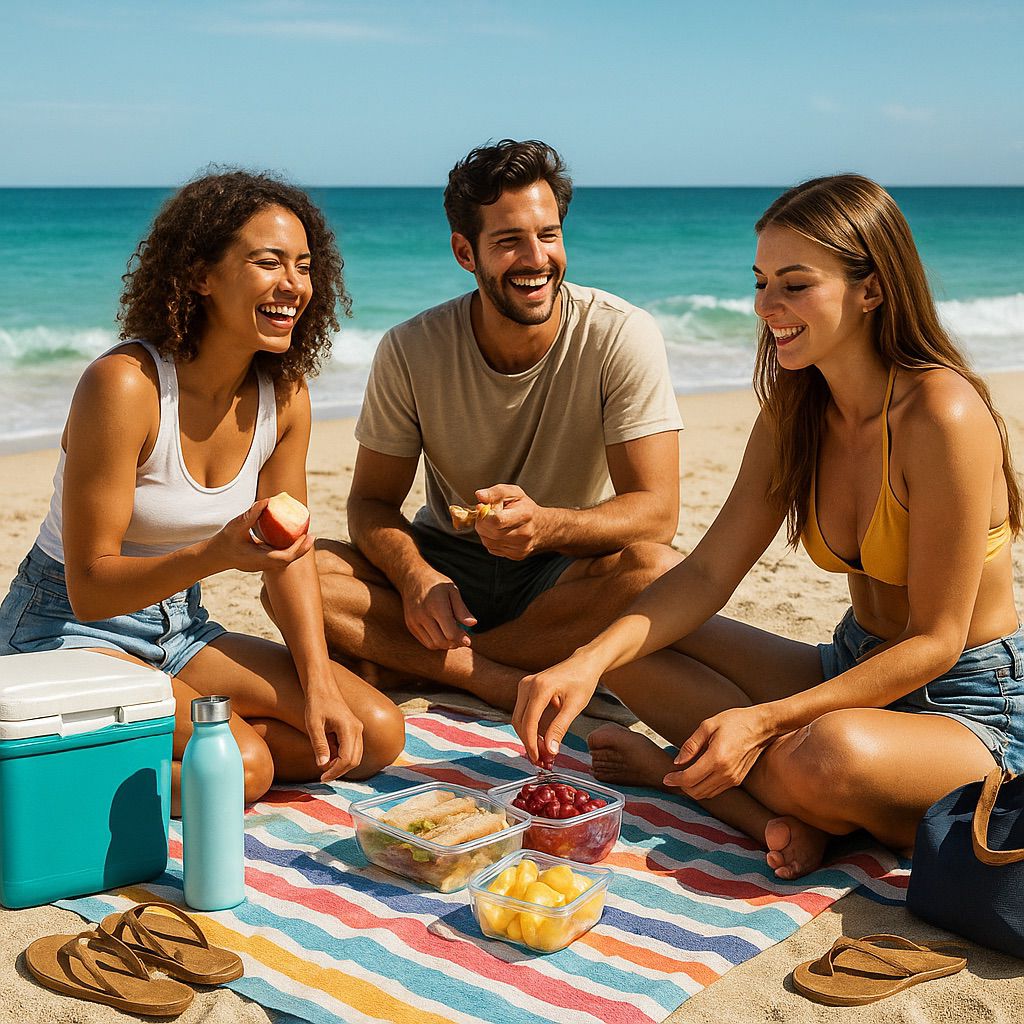
Food, another common money sink, becomes an opportunity on a budget escape. Picnics are underrated masterpieces of beach living. A cooler packed with sandwiches, fresh fruit, chips, and a bottle of something fizzy tastes infinitely better with the ocean as your dining room. Instead of costly beachside restaurants, visiting local markets and grocery stores saves money while adding cultural flavor. Cooking simple meals together in a rental or enjoying sunset snacks directly on the sand often makes memories far sweeter than a high-priced menu. And the occasional treat—a cone of ice cream on the boardwalk, a local specialty from a seaside shack—feels more indulgent when surrounded by simplicity.
Activities, too, don’t need to cost a thing. The beach itself is the entertainment. Swimming, snorkeling near shore, building sandcastles, collecting shells, or walking along the tide line at sunrise or sunset are experiences that outshine anything a theme park could sell. Bring along a frisbee, a volleyball, or even a deck of cards, and the day is instantly filled with play. Reading, napping, sketching, or simply sitting still while listening to waves are luxuries we forget in the rush of everyday life, and yet they cost nothing. For the more adventurous, many public beaches now offer free or low-cost activities like yoga classes, beach concerts, or guided nature walks through nearby dunes and wetlands. Entertainment is all around—you just have to notice it.
Transportation can also be tackled cleverly. Carpooling with friends splits gas costs, while public transportation to nearby beaches is often cheaper than expected. Off-season travel saves not just on lodging but also on parking fees and overall crowd stress, allowing you to enjoy the same destination with more peace and fewer expenses. Walking or biking around beach towns instead of renting cars not only saves money but also immerses you deeper into the rhythm of coastal living. It’s in those slower explorations that you discover hidden gems—a tucked-away café, a mural on a boardwalk, a quiet inlet only locals know about.
There’s also the joy of DIY fun. Instead of renting pricey kayaks or paddleboards every time, investing in an inflatable version to share among friends pays for itself quickly. Snorkel masks, beach games, and umbrellas can be bought once and reused across countless trips. The budget-friendly philosophy isn’t about denying yourself joy but about recognizing that ownership and planning often create long-term freedom. Building a beach kit that comes with you every time turns each trip into a well-oiled adventure that’s as inexpensive as it is delightful.
What people often forget is that some of the most viral-worthy, envy-inducing beach escapes come from budget travel. There’s a rawness to them, a feeling of authenticity that curated luxury can’t replicate. That photo of friends laughing around a driftwood bonfire, toes buried in sand, hair still damp from the sea—it doesn’t matter that no one spent hundreds of dollars on dinner. That video of a child squealing as waves chase their ankles doesn’t come from an all-inclusive package. The most shareable, heartwarming, inspiring stories of beach trips usually come from the simple ones. Because in the end, no one likes a vacation story about the bill. People love stories about freedom.
Perhaps the greatest gift of a budget-friendly beach escape is how it strips away distractions. Without the pressure of luxury, without the burden of financial guilt, you’re free to focus on what really matters: the people you’re with, the moments you’re in, and the ocean itself. It’s not about what cocktail you’re sipping but about the laughter that bubbles up as your group tries to open a stubborn cooler. It’s not about the fanciest resort pool but about plunging into the salty sea and feeling every muscle loosen. It’s not about souvenirs in glossy shops but about the perfect shell found at dawn, tucked into a pocket, priceless and irreplaceable.
At its core, the ocean has always been the great equalizer. It doesn’t ask for admission. It doesn’t charge you for sunsets. It doesn’t care what kind of car brought you there or what hotel you checked into. Its magic is free, its beauty belongs to everyone, and its ability to renew your spirit doesn’t come with a price tag. A budget-friendly beach escape is not a compromise—it’s a reminder that joy is simple, beauty is everywhere, and the best things in life are, indeed, free.
So the next time you find yourself longing for the shore but worrying about the cost, take heart. Pack a bag with the basics: swimsuits, sunscreen, a towel, some snacks, and your favorite people. Drive to the nearest coastline or plan a weekend getaway that values simplicity over splurge. Sit on the sand, breathe deep, and let the waves wash away not just stress but the idea that you need money to buy happiness. Because happiness is already there, rolling in with every tide, free for anyone who makes the time to find it. That is the art of the budget-friendly beach escape, and once you learn it, the ocean will never feel far away again.