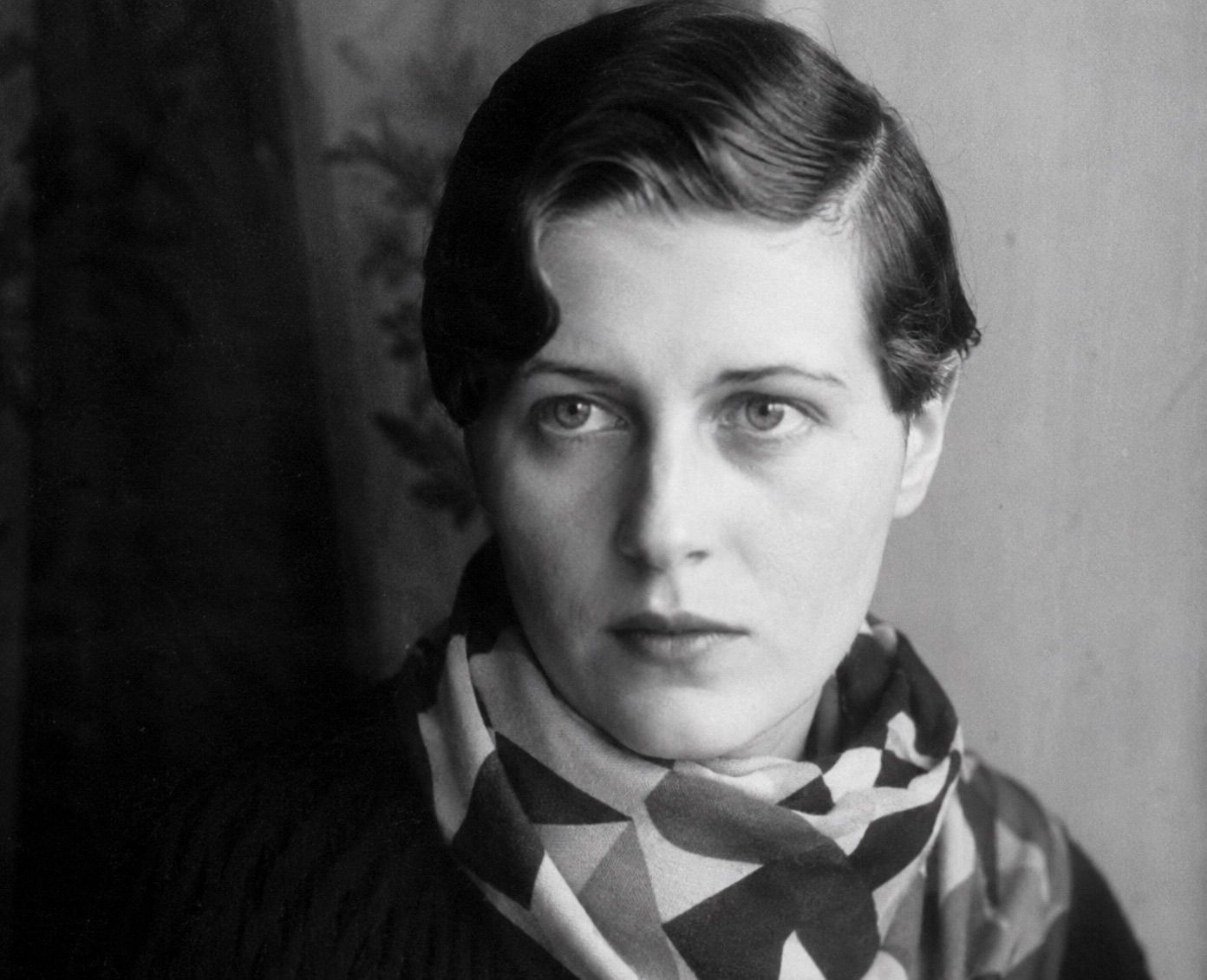
Nancy Cunard’s name has been lingering in my thoughts for a while now, ever since I stumbled upon her name in a book on the Lost Generation. Something about her story resonated with me – maybe it was the way she moved effortlessly between different worlds, or the fact that she seemed to defy categorization at every turn.
As I’ve been thinking about Nancy, I keep coming back to this idea of identity and how we present ourselves to the world. She was a poet, a writer, an activist, and a patron of the arts – but which one was she, really? Or was she all of these things simultaneously? It’s like she existed in multiple dimensions at once, always slipping between them with ease.
I have to admit, I find this kind of fluidity both captivating and intimidating. Growing up, I’ve often felt like I’m caught between different worlds myself – the world of my family, which values stability and tradition above all else; and the world of academia, where I spent four years trying to figure out who I was supposed to be. Nancy’s story makes me wonder if it’s possible to reconcile these conflicting identities, or if we’re forever stuck in this liminal space.
One thing that strikes me about Nancy is her relationship with Ezra Pound – their tumultuous romance, which lasted for years, and the way she supported his work even when others were criticizing him. It’s like they were two sides of the same coin, each one influencing and informing the other in ways both creative and destructive. I’ve had my own share of complicated relationships, where the boundaries between love and obsession blur – and Nancy’s story makes me realize that these kinds of entanglements are not just personal, but also artistic.
I’m also fascinated by Nancy’s involvement with the Surrealist movement. As someone who’s always felt like an outsider in her own skin, I identify with the idea of embracing uncertainty and chaos as a way of life. The Surrealists’ emphasis on the irrational and the unconscious resonates deeply with me – it’s like they’re saying that our true selves are hidden beneath the surface, waiting to be uncovered.
But at the same time, I’m also aware of the risks of romanticizing this kind of freedom. Nancy’s life was marked by struggles with mental health, addiction, and loneliness – the kind of demons that many of us face in our own lives. It’s easy to get caught up in the mythology of the Lost Generation, with their bohemian lifestyle and avant-garde art, but what about the darkness that lay beneath?
As I continue to think about Nancy Cunard, I’m left with more questions than answers. Is it possible to reconcile our multiple identities, or are we forever fragmented? Can we create something beautiful out of this chaos, or does it consume us in the end? These are questions that I’ve been grappling with for a long time now – and Nancy’s story has given me new insights into my own complexities.
The more I learn about Nancy Cunard, the more I’m struck by her contradictions. On one hand, she was this free-spirited, avant-garde artist who lived life on her own terms – always chasing the next creative high, whether it was with Ezra Pound or through her writing. But on the other hand, there’s evidence of a deep-seated insecurity, a need for validation that often led her to seek out men who could provide stability and recognition.
I find myself thinking about this dynamic in my own life. As someone who’s always felt like an outsider, I’ve often sought out relationships with people who can help me feel seen and understood – whether it’s through romantic partnerships or friendships. But is that really a healthy way to live? Or am I just perpetuating the same patterns of codependency that Nancy struggled with?
It’s funny how easily we can mythologize artists like Nancy, ignoring the messy complexities of their lives in favor of a more glamorous narrative. But what if I’m doing the same thing with my own life – romanticizing my struggles and uncertainties instead of confronting them head-on? What would it mean to truly face those demons, to acknowledge the contradictions within myself and find a way to reconcile them?
I think back to Nancy’s relationship with Ezra Pound again – how she both enabled and critiqued his behavior, often simultaneously. That kind of ambivalence is something I’m still trying to navigate in my own relationships. Do I stay loyal to people who may be flawed or toxic, or do I take a step back and reevaluate what’s really important to me? Nancy’s story makes me realize that there’s no easy answer – only a messy, ongoing process of self-discovery.
As I continue to grapple with these questions, I find myself drawn to the Surrealist ideals that Nancy embodied. There’s something about embracing the irrational and the unconscious that feels both thrilling and terrifying – like diving into the unknown without a safety net. Can we really create something beautiful out of this chaos, or are we just kidding ourselves?
I’m not sure what the answer is yet, but I do know that Nancy Cunard’s story has given me permission to explore these complexities in my own life. Her contradictions and insecurities may have been hers alone, but they also resonate with me – a reminder that I’m not alone in this messy, beautiful journey of self-discovery.
One thing that keeps popping up as I think about Nancy Cunard is the idea of creative expression as a way to navigate the complexities of identity. She was a poet and a writer, after all – and her work often explored themes of fragmentation and dislocation. For me, writing has always been a way to make sense of myself and the world around me. It’s like I’m constantly trying to assemble the pieces of my own puzzle, and writing is one way I do that.
But what strikes me about Nancy’s creative process is how she used it as a means of self-discovery – often in tandem with her personal relationships. Her letters to Ezra Pound, for example, are like a series of confessional poems that reveal the inner workings of her mind. It’s like she’s using language itself as a way to explore the depths of her own psyche.
I’ve always been drawn to this kind of intuitive, stream-of-consciousness writing – where the boundaries between self and art blur. For me, it’s about tapping into the unconscious, letting my thoughts and feelings flow onto the page without too much editing or censoring. It’s like I’m trying to capture the raw, unfiltered truth of who I am – even if that means confronting some pretty uncomfortable stuff.
But what about when creativity becomes entangled with personal relationships? Nancy’s romance with Ezra Pound is a prime example of how art and love can get mixed up in complicated ways. On one hand, their relationship seemed to fuel each other’s creative endeavors – they were two minds working together, pushing the boundaries of modern poetry. But on the other hand, it also felt like a toxic dynamic that enabled Ezra’s increasingly erratic behavior.
As someone who’s had my own share of complicated relationships, I’m left wondering how to navigate this territory. Can creativity and love coexist without getting tangled up in each other’s messiness? Or are we always going to get caught up in the same old patterns – where art and passion become entwined with our personal vulnerabilities?
I think back to my own writing group, where we often share our work and offer feedback to each other. It’s like a mini-Surrealist collective, where we’re all exploring the edges of language and meaning together. But sometimes I feel like we’re stuck in this feedback loop – where we’re so focused on refining our craft that we forget about the emotional resonance of what we’re creating.
Nancy Cunard’s story makes me realize that there’s a fine line between creative expression and personal exploration. On one hand, art can be a powerful tool for self-discovery – like a mirror held up to our own complexities and contradictions. But on the other hand, it can also become an escape from the messy realities of life – where we’re so focused on crafting a beautiful narrative that we forget about the darker truths lurking beneath.
I’m not sure what the answer is yet, but I do know that Nancy Cunard’s story has given me permission to explore these complexities in my own writing. Her contradictions and insecurities may have been hers alone, but they also resonate with me – a reminder that creativity and identity are forever intertwined, like two threads of the same rope.
As I continue to reflect on Nancy Cunard’s life and work, I’m struck by her willingness to take risks and push boundaries in her writing. Her poetry is raw and unflinching, often exploring themes of love, loss, and identity with a kind of brutal honesty that’s both captivating and uncomfortable to read.
I think about my own writing process, and how it’s often driven by a desire to explore the complexities of human experience. I’ve always been drawn to the darker corners of life – the parts that are messy, imperfect, and sometimes downright painful. And yet, there’s something therapeutic about confronting these emotions head-on, about giving language to the things we’re afraid to say out loud.
But what does it mean to write honestly, really? Is it possible to be authentic without sacrificing vulnerability? Nancy Cunard’s work suggests that yes, it is – at least, for her. Her poetry is like a mirror held up to her own psyche, revealing all the messy contradictions and insecurities that lie within.
I’m not sure I have the courage to write with such unflinching honesty. Part of me wants to shield myself from the world, to hide behind a mask of perfection or at least some semblance of control. But Nancy’s story makes me wonder if that’s just another way of avoiding the truth – of sidestepping the complexities and contradictions that make us human.
One thing I appreciate about Nancy Cunard is her willingness to take risks in her personal life, too. She was a true bohemian, always chasing the next creative high or romantic thrill. And yet, there’s also evidence of a deep-seated insecurity, a need for validation that often led her to seek out men who could provide stability and recognition.
I recognize this dynamic in my own life, where I’ve often sought out relationships with people who can help me feel seen and understood. It’s like I’m constantly seeking external validation, trying to prove myself to others rather than trusting my own worth. Nancy’s story makes me realize that this kind of codependency is not only limiting but also potentially toxic – and that it’s up to me to break free from these patterns and find a more authentic way of living.
As I continue to reflect on Nancy Cunard, I’m struck by her contradictions – the way she was both fearless and fragile, confident and uncertain. She was a true original, always pushing boundaries and challenging conventions in her art and her life. And yet, there’s also evidence of a deep-seated vulnerability, a need for connection that often led her to seek out relationships with people who could provide comfort and support.
I think about my own relationships, where I’ve often struggled to balance independence with interdependence. It’s like I’m constantly negotiating between these two opposing forces – the desire to be alone with myself versus the need to connect with others. Nancy’s story makes me realize that this is not just a personal issue but also an artistic one – where the boundaries between self and other blur, creating a kind of fluid, ever-changing landscape.
As I grapple with these complexities, I’m drawn back to the Surrealist ideals that Nancy embodied. There’s something about embracing the irrational and the unconscious that feels both thrilling and terrifying – like diving into the unknown without a safety net. Can we really create something beautiful out of this chaos, or are we just kidding ourselves?
I don’t know the answer yet, but I do know that Nancy Cunard’s story has given me permission to explore these complexities in my own life. Her contradictions and insecurities may have been hers alone, but they also resonate with me – a reminder that creativity and identity are forever intertwined, like two threads of the same rope.