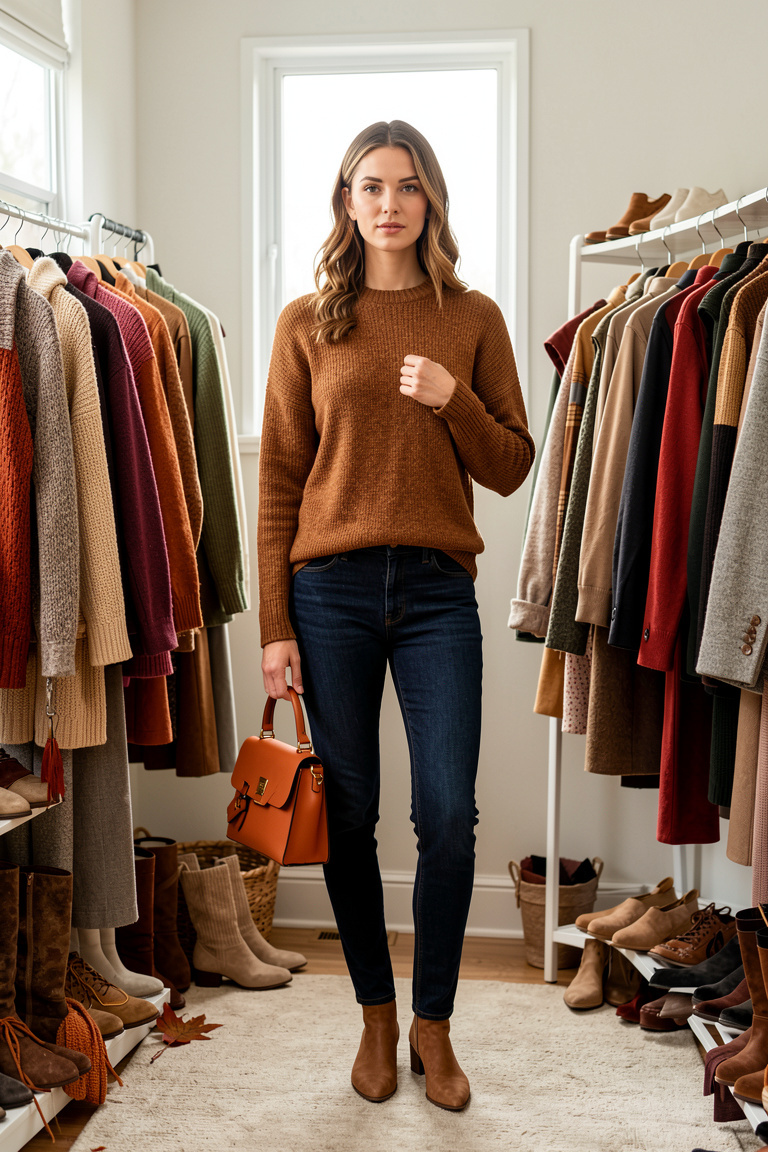
Seasonal color analysis is a valuable tool for creating a polished wardrobe, but its true value lies in teaching intentional clothing choices. This approach replaces the inadequate standard of relying solely on generic color palettes or trends to guide clothing choices, which can lead to a lack of cohesion and personal style in one’s wardrobe. By understanding one’s personal color palette, individuals can make informed decisions about the colors that complement their skin tone, hair color, and personal style, ultimately reducing decision fatigue and promoting effortless style.
The common misconception that seasonal color analysis is only about following generic color palettes or trends overlooks the nuanced process of identifying an individual’s unique color profile. This personalized approach considers various factors, including skin undertones, eye color, and natural hair color, to determine a palette of colors that will create a harmonious and polished look. By investing in clothing that complements this personal color palette, individuals can create a cohesive wardrobe with minimal effort, rather than relying on fleeting trends or generic color schemes that may not suit their individual characteristics.
The process of identifying a personal color palette involves a nuanced understanding of how different colors interact with an individual’s physical characteristics. One key factor is the way in which colors can either enhance or clash with the natural pigmentation of the skin, hair, and eyes. For instance, certain colors may bring out the warm undertones of the skin, while others may accentuate the cool tones, resulting in a more harmonious or discordant visual effect. By considering these interactions, individuals can begin to build a wardrobe that not only reflects their personal style but also creates a cohesive and polished look.
In terms of practical application, this knowledge can be used to inform purchasing decisions and guide the creation of a personalized color palette. For example, an individual with a warm skin tone may find that earthy colors such as olive green or terracotta complement their natural coloring, while those with cool skin tones may prefer brighter, more vibrant hues like blue or purple. By investing in clothing and accessories that align with their personal color profile, individuals can create a wardrobe that is both stylish and effortlessly cohesive, without relying on fleeting trends or generic color schemes. This intentional approach to fashion ultimately reduces decision fatigue and promotes confidence in one’s appearance, as the focus shifts from trying to keep up with the latest styles to cultivating a deep understanding of what truly works for the individual.
The distinction between genuine quality and imitation in seasonal color analysis lies in the ability to discern a personalized palette that complements an individual’s unique characteristics, rather than simply following generic trends or relying on superficial assessments. A truly effective color analysis considers not only the surface-level aspects of an individual’s appearance but also the underlying factors that influence how colors interact with their skin tone, hair color, and personal style. For instance, the way in which a particular color affects the perceived brightness and depth of an individual’s eyes can greatly impact the overall harmony of their appearance.
In contrast to this nuanced approach, many imitations of seasonal color analysis rely on oversimplified categorizations or generic palettes that fail to account for the complexities of individual characteristics. These shortcuts may provide a temporary solution or a fleeting sense of style, but they ultimately fall short of providing the long-term benefits and confidence that come from understanding one’s personal color profile. By investing in a thoughtful and informed approach to color analysis, individuals can develop a deeper understanding of what truly works for them, allowing them to make intentional clothing choices that reflect their unique style and reduce decision fatigue. This discerning approach to fashion is not about following the latest trends or adhering to rigid rules, but rather about cultivating a profound awareness of one’s own aesthetic and making deliberate decisions that align with it.
To apply the standard of intentional clothing choices effectively, it’s essential to consider the various contexts in which one’s wardrobe will be worn. For instance, a professional setting may require a more subdued color palette, while a social gathering might allow for bolder, more vibrant hues. Understanding how different environments and occasions influence one’s clothing choices can help refine the process of selecting garments that complement an individual’s personal color profile. By considering these factors, individuals can develop a nuanced approach to dressing that balances their unique style with the demands of various situations.
In practice, this might involve creating a capsule wardrobe that includes a core set of versatile, high-quality pieces in colors that flatter one’s skin tone and hair color, as well as a few statement items that can be mixed and matched to create outfits suitable for different occasions. For example, an individual with a cool skin tone might invest in a tailored white shirt, a pair of dark wash jeans, and a fitted blazer in a neutral color, which can be paired with a bold scarf or statement handbag to add a pop of color for a night out. By focusing on intentional clothing choices that prioritize quality, fit, and personal style over fleeting trends or generic fashion advice, individuals can cultivate a wardrobe that not only reduces decision fatigue but also promotes confidence and self-expression in all aspects of their lives.
The standard of intentional clothing choices requires a nuanced consideration of fabric texture, weight, and drape, as these properties significantly impact the overall appearance and cohesion of an outfit. For instance, combining smooth, lightweight fabrics like silk or cotton with rougher, heavier textures like wool or denim can create a visually interesting contrast that adds depth to an ensemble. Similarly, understanding how different fabrics interact with an individual’s personal color profile is crucial, as certain textures can enhance or diminish the effect of specific colors. By prioritizing intentional fabric choices, individuals can cultivate a wardrobe that not only reflects their unique style but also showcases a thoughtful attention to detail, resulting in a polished and effortlessly cohesive appearance. This attention to fabric properties can also inform decisions about garment construction, such as the importance of lined jackets or the benefits of seams that are finished to prevent fraying, ultimately contributing to a wardrobe that is both stylish and durable.