Latest Articles

Virginia Hall: The Extra Limb That Made Her Life More Complicated

Penelope

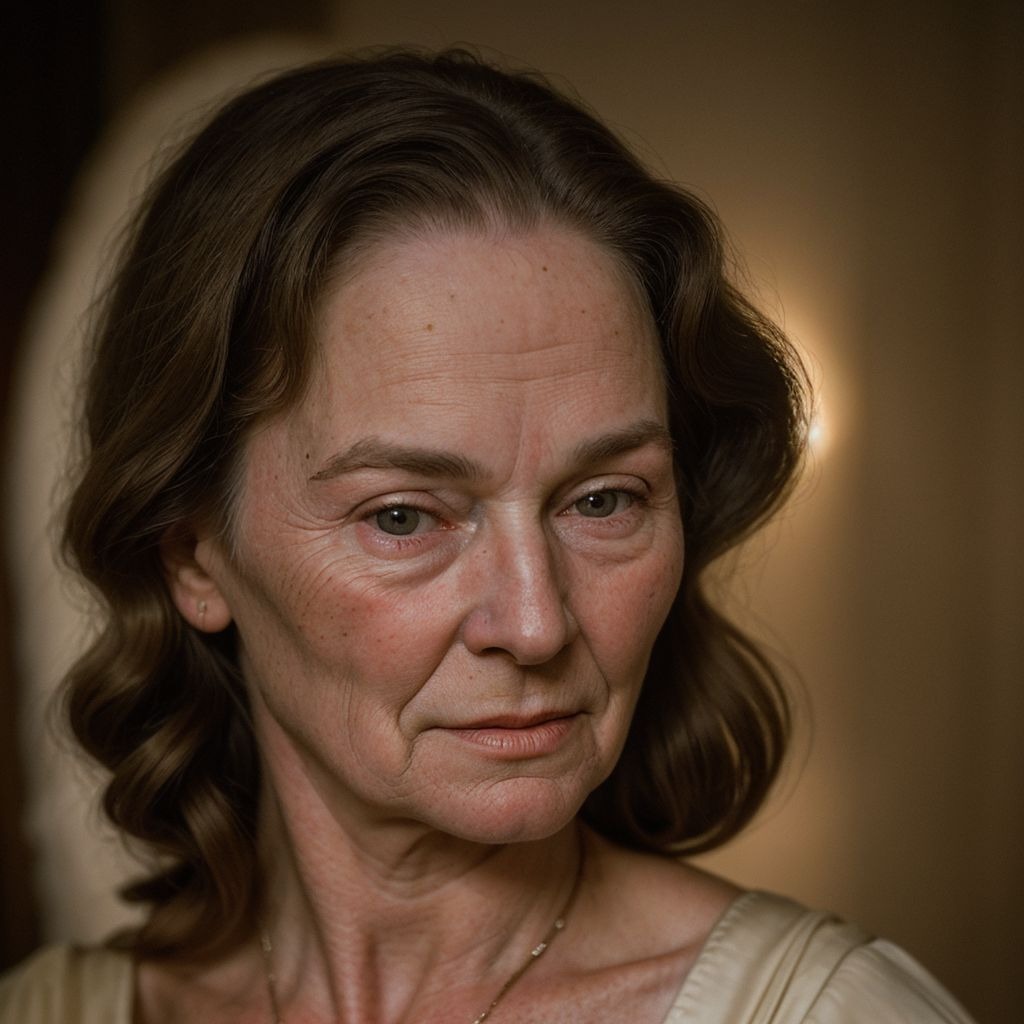
Virginia Hall. I first learned about her during a history class, where we briefly touched on the French Resistance during WWII. Her name stuck with me because of the unusual circumstances surrounding her involvement – she was an American living in France when Germany invaded, and instead of fleeing, she chose to stay and join the resistance. What really caught my attention, though, was that she lost a leg in an accident when she was a child. She walked on a wooden prosthetic for most of her life.

That detail has lingered with me because it speaks directly to my own anxieties about disability and identity. I’ve always been fascinated by how people adapt to their circumstances, and Hall’s determination to continue living a relatively normal life despite her physical limitations is something I deeply admire. But at the same time, I feel uneasy talking about her experiences without acknowledging the societal context that likely made her decision so brave – or even necessary.

I wonder if she ever felt like she had a choice in how she navigated the world with a prosthetic leg. Did people view her as more vulnerable, or was she seen as an inspiration because of it? Hall’s biographies often focus on her heroism during the war, which is undeniably impressive – she helped smuggle over 400 Allied agents out of occupied France and earned the nickname “The Limping Lady” for her daring escapades. But what about her daily life before all that?

I can only imagine how exhausting it must have been to constantly prove herself capable in a world where people were likely judging her abilities based on her physical appearance. Did she ever feel like she had to overcompensate, or did she find ways to subvert expectations and create her own sense of normalcy? I sometimes wonder if my own insecurities about being disabled are rooted in similar societal pressures – the feeling that I need to be more, do more, prove myself in order to earn respect.

One thing that does strike me is how much Virginia Hall’s experience echoes my own struggles with self-acceptance. As someone who’s always tried to fit in and avoid drawing attention to myself, it’s hard for me not to see her story as a cautionary tale – she took risks and faced challenges head-on, even when it felt like the world was stacked against her. I’ve always felt like I’m caught between a desire to blend in and a need to assert my own identity, and Hall’s determination to forge her own path is something I wish I could tap into more often.

But I also recognize that our experiences are vastly different – she was operating in the midst of war, while I’m navigating the relatively safe terrain of college life. It’s easy for me to get caught up in romanticizing her bravery without acknowledging the privilege I have. What if someone like Virginia Hall walked through our campus? Would people be more likely to see her as a hero or an outsider?

I don’t know. All I do know is that Virginia Hall’s story continues to haunt me, and not just because of its inherent drama. It’s because she reminds me of the ways in which identity and ability intersect – and how we often expect people to conform to certain expectations based on their physical appearance or abilities. Her legacy feels like a complicated, unresolved conversation in my head, one that I’m still trying to untangle as I navigate my own place within this world.

I find myself drawn to the idea of Virginia Hall’s “limp” – not just as a physical characteristic, but as a metaphor for the ways in which we all carry our own forms of imperfection or limitation with us. We may not all have prosthetic legs, but we all have our own scars, whether they’re visible or hidden. And yet, in a world that often values perfection and able-bodiedness above all else, it’s easy to feel like those imperfections make us less than whole.

I think about the times I’ve felt self-conscious about my own body, about the way people look at me when I’m walking down the street or sitting in class. Do they see a young woman with a disability, or do they just see a person who’s “different”? And what does it mean to be seen as different, anyway? Is it something to be ashamed of, or is it an opportunity for growth and self-discovery?

Virginia Hall’s story makes me realize that I’ve been socialized to view my own limitations as weaknesses, rather than as something to be celebrated. But what if I were to see them differently – not as obstacles to overcome, but as unique perspectives and strengths? It’s a daunting thought, but one that feels increasingly important as I navigate this world.

I’m reminded of the way Hall moved through occupied France, using her prosthetic leg to get around while also carrying out secret missions for the Resistance. She was never just herself; she was always adapting, always changing, in order to stay safe and complete her goals. And yet, despite all the obstacles she faced, she remained fiercely committed to her own sense of self – a quality that I find both inspiring and intimidating.

As I reflect on my own life, I realize that I’ve often tried to emulate Hall’s bravery by taking risks and pushing myself outside of my comfort zone. But what if I were to take it a step further? What if I were to see myself as more than just a student or an individual with a disability – but as someone who is capable of forging their own path, no matter the challenges that come with it?

I’ve been thinking about Virginia Hall’s ability to adapt and evolve in the face of adversity, and how it relates to my own experiences. I often feel like I’m stuck between trying to fit in and being true to myself. But what if I were to see my limitations as opportunities for growth, rather than weaknesses to be overcome?

It’s funny – when I think about Hall’s prosthetic leg, I don’t just think about how she adapted to it, but also about how she used it as a tool. She didn’t let it hold her back; instead, she found ways to incorporate it into her daily life and even use it to her advantage in her work with the Resistance.

I wonder if that’s something I can apply to my own life – finding ways to use my limitations as strengths rather than weaknesses. It’s not always easy, of course. There are days when I feel like my disability is a constant reminder of what I’m lacking, rather than something that makes me unique.

But Virginia Hall’s story gives me hope. She shows me that it’s possible to redefine what it means to be capable and strong – even in the face of physical limitations. And maybe, just maybe, that’s something I can learn from her example.

I’ve been thinking a lot about what it means to be seen as disabled, and how that affects our daily lives. When people look at me, do they see a person with a disability, or do they just see me? It’s a question that’s both personal and impersonal, because I know that my experience is unique, but also that it’s shared by countless others.

I’ve been trying to find ways to reframe the way I think about my own identity – to see myself as more than just a person with a disability. But it’s hard, because society often doesn’t give us many options for how to define ourselves beyond our physical characteristics.

Virginia Hall’s story makes me realize that this is something she faced too – but in a much more extreme way. She was living in occupied France, where the stakes were literally life or death. And yet, even in the midst of all that danger and uncertainty, she remained committed to her own sense of self.

I’m not sure I could do that. I don’t know if I have it in me to be as brave and determined as Virginia Hall was. But what I do know is that her story gives me permission to try – to see myself as more than just a person with a disability, but as someone who is capable of forging their own path, no matter the challenges that come with it.

As I reflect on my life, I realize that I’ve been living in a world that’s not always designed for people like me. But Virginia Hall’s story shows me that even in those worlds, there are ways to find strength and resilience. And maybe, just maybe, that’s something we can all learn from her example – the power of adapting, evolving, and staying true to ourselves, no matter what obstacles we face.

One thing that I keep coming back to is how Virginia Hall’s story intersects with my own experiences as a young adult trying to find my place in the world. I’ve always felt like I’m caught between two identities – the person I am today, and the person I want to become. Hall’s determination to stay true to herself, even in the face of overwhelming adversity, is something that I deeply admire.

But what I think I’m starting to realize is that this tension between identity and expectation is not unique to me. It’s a struggle that many people face, regardless of their abilities or circumstances. Virginia Hall’s story shows me that it’s possible to navigate these complexities with courage and resilience – but it also makes me wonder how she managed to do it.

Did she have moments of self-doubt? Did she ever feel like giving up? And if so, how did she push through those feelings to keep moving forward? For me, the idea of being seen as “different” is still a source of discomfort. I worry that people will view me as less capable or competent because of my disability.

But Hall’s story gives me hope. She shows me that it’s possible to redefine what it means to be strong and capable – not in spite of our limitations, but because of them. And maybe, just maybe, that’s something we can all learn from her example.

I’ve been thinking a lot about the concept of “adaptation” and how it relates to my own life. For Hall, adapting meant finding ways to use her prosthetic leg as a tool in her work with the Resistance. But for me, adaptation means something different – it means finding ways to navigate a world that’s not always designed for people like me.

It’s funny, because I used to think of myself as someone who was adaptable. I mean, I’ve learned to live with my disability and make it work in my daily life. But the more I reflect on Virginia Hall’s story, the more I realize that adaptation is not just about making do – it’s about finding ways to thrive in spite of our limitations.

And that’s a really empowering idea for me. It makes me think about all the times when I’ve felt like I’m stuck or limited by my disability – and how those feelings are actually opportunities for growth and self-discovery. Hall’s story shows me that it’s possible to redefine what it means to be capable and strong, even in the face of adversity.

But what if we take it a step further? What if we see our limitations not just as obstacles to overcome, but as unique perspectives and strengths? That’s a radical idea, I know – one that challenges all sorts of societal norms and expectations. But it’s an idea that feels increasingly important to me as I navigate this world.

As I reflect on Virginia Hall’s story, I realize that I’m not just drawn to her bravery or determination – I’m also drawn to the way she lived in a world that was not always designed for people like her. She found ways to adapt and evolve, even in the midst of war and occupation. And maybe, just maybe, that’s something we can all learn from her example.

But what does it mean to live in a world that’s not designed for us? How do we find our place within systems and structures that are often hostile or unforgiving? Virginia Hall’s story gives me no easy answers – but it does show me that even in the darkest of times, there is always hope. And maybe, just maybe, that’s something worth holding onto.

Related Posts

Primo Levi: Fire That Won’t Quit

Penelope

Primo Levi’s words have been etched into my mind like a scar, a reminder of the complexity and brutality of human existence. As I reflect on his life and work, I’m drawn to the contradictions that seem to define him: a chemist who became a writer, an Italian Jew who survived Auschwitz, a witness to the unimaginable who struggled with the weight of his own testimony.

I first encountered Levi’s writing in college, when we studied his memoir “Survival in Auschwitz” in my Holocaust literature class. I remember being struck by the elegance and simplicity of his prose, which belied the horror he described. But what really resonated with me was the way he seemed to embody the paradoxes that defined his experience: intellectual curiosity and brutal reality, human dignity and dehumanizing cruelty.

As I read more of Levi’s work – “The Periodic Table”, “If This Is a Man”, “The Drowned and the Saved” – I began to notice the way he returned again and again to the themes of identity, morality, and the search for meaning in a world that seemed determined to strip him of both. His writing is like a slow-burning fire, illuminating the darkest recesses of human nature while also revealing the resilience of the human spirit.

But it’s not just Levi’s words that fascinate me – it’s his own internal conflict. I can almost hear the turmoil in his mind as he grapples with the contradictions of his own existence: the Italian patriot who survived Auschwitz, the chemist who became a writer, the witness who struggled to find his voice. It’s this inner struggle that makes him feel so profoundly human, so relatable.

I think about my own experiences growing up, navigating the complexities of identity and belonging in a world that often seemed hostile or indifferent. I recall feeling lost and uncertain, like Levi must have felt as he navigated the chaos of Auschwitz and the aftermath. His writing is like a lifeline to me, a reminder that even in the darkest moments, there is always the possibility for meaning, for connection, for transcendence.

And yet, despite the power of his words, I still find myself struggling with Levi’s legacy – not just his writing, but the very fact of his existence. It’s hard to reconcile the intellectual and moral courage he showed in the face of unimaginable horror with the everyday privileges I take for granted: my safety, my education, my freedom to write about him without fear of reprisal.

I wonder if Levi would have seen himself as a witness or a victim, an observer or a participant. Did he ever feel like he was complicit in the horrors he described, or did he believe that his testimony could somehow mitigate the suffering? These questions haunt me still, even as I continue to read and reread his words.

As I reflect on Primo Levi’s life and work, I’m left with more questions than answers. His writing is like a mirror held up to humanity, reflecting both our best and worst selves back at us. It’s a reminder that the search for meaning and identity is an ongoing process, one that requires courage, resilience, and a willingness to confront the complexities of our own existence.

As I delve deeper into Levi’s writing, I find myself becoming increasingly fascinated by his concept of “the grey zone.” In his book “The Drowned and the Saved,” he describes this liminal space where individuals are forced to navigate the moral ambiguities of everyday life in a concentration camp. It’s a place where the lines between good and evil, right and wrong, become blurred, and the human condition is reduced to its most basic, primal form.

I think about my own experiences with uncertainty and ambiguity, how often I’ve found myself standing at the threshold of different worlds, unsure which path to take or which identity to claim. It’s a feeling that’s both disorienting and exhilarating, like being suspended in mid-air without a net to catch me.

Levi’s writing is like a map for navigating these grey zones, offering a glimpse into the inner lives of those who lived through the Holocaust. He writes about the ways in which individuals responded to the unimaginable horrors they witnessed: some became perpetrators, others became victims, while still others found ways to resist and survive.

I’m struck by the fact that Levi’s own experiences as a chemist and an intellectual were both a blessing and a curse. His education and training allowed him to understand the scientific processes behind the Nazi atrocities, but they also made it difficult for him to reconcile his rational mind with the irrational horrors he witnessed. It’s a tension I can relate to, having struggled with my own expectations and ambitions as a writer.

Levi’s writing is not just about the Holocaust; it’s about the human condition in all its complexity. He writes about the ways in which we respond to suffering, how we find meaning in the midst of chaos, and how we construct our identities in the face of adversity. It’s a reminder that even in the darkest moments, there is always the possibility for transformation, for growth, and for redemption.

And yet, as I continue to read Levi’s work, I’m also struck by the sense of hopelessness that pervades his writing. He writes about the ways in which the Holocaust was a singular event, one that cannot be replicated or compared to other atrocities. And yet, he also acknowledges that the conditions that led to the Holocaust – nationalism, racism, xenophobia – are still present today, waiting to be unleashed.

It’s a sobering realization, one that makes me wonder if we’ve truly learned from history or if we’re doomed to repeat it. Levi’s writing is like a warning sign on the road ahead, urging us to be vigilant and to never take our humanity for granted.

As I delve deeper into Levi’s concept of the grey zone, I’m struck by the ways in which he describes individuals as being simultaneously perpetrators, victims, and bystanders. It’s a notion that resonates with me on a personal level, as I’ve often found myself caught between different identities and roles throughout my life.

Growing up, I struggled to reconcile my Italian heritage with my American upbringing, feeling like an outsider in both worlds. My parents were first-generation immigrants, and their experiences shaped our family’s values and traditions. But as I got older, I began to feel disconnected from these roots, unsure of how to balance my love for my culture with the demands of modern life.

Levi’s writing offers a similar sense of disorientation, but on a much larger scale. He describes how individuals in Auschwitz were forced to navigate the grey zone, where the lines between good and evil became blurred. It was a place where people had to make impossible choices, often under duress or coercion, and yet still found ways to resist and survive.

I think about my own experiences with ambiguity and uncertainty, how I’ve often felt like I’m walking on eggshells, trying not to offend anyone or compromise my values. But Levi’s writing makes me realize that this is a common experience for many people, particularly those who are marginalized or oppressed.

His concept of the grey zone also resonates with me because it highlights the complexity of human nature. We’re not simply good or evil; we exist on a spectrum, capable of both compassion and cruelty, resilience and vulnerability. It’s a reminder that our identities are multifaceted and fluid, shaped by our experiences, environments, and relationships.

As I continue to read Levi’s work, I’m struck by the ways in which he grapples with his own identity as a witness to the Holocaust. He writes about the weight of his testimony, the burden of remembering and reliving the atrocities he witnessed. It’s a sense of responsibility that feels both crushing and liberating at the same time.

I think about my own experiences as a writer, how I’ve often felt overwhelmed by the task of capturing complex emotions and events on paper. But Levi’s writing makes me realize that this is a common experience for many writers, particularly those who are grappling with trauma or difficult subjects.

His concept of the grey zone also speaks to the importance of ambiguity and nuance in our understanding of human nature. We often try to simplify complex issues, reducing them to binary oppositions or clear-cut moralities. But Levi’s writing shows us that reality is far more complicated, full of shades of grey and conflicting emotions.

As I reflect on Primo Levi’s life and work, I’m left with a sense of awe and gratitude for his courage as a writer. He wrote about the unimaginable, shining a light into the darkest recesses of human nature. His writing is like a beacon in the night, guiding us through the complexities of our own existence.

And yet, even as I feel inspired by Levi’s legacy, I’m also aware of the weight of his story. The Holocaust was a singular event, one that cannot be replicated or compared to other atrocities. But it’s also a reminder of the darker aspects of human nature, which continue to shape our world today.

Levi’s writing is like a warning sign on the road ahead, urging us to be vigilant and to never take our humanity for granted. It’s a call to action, reminding us that we must work towards creating a more compassionate and just world, one where individuals are valued and respected regardless of their background or identity.

As I delve deeper into Levi’s concept of the grey zone, I’m struck by the ways in which he emphasizes the importance of individual responsibility in shaping our moral compass. He writes about how even in the most extreme circumstances, individuals have choices to make, and those choices can either perpetuate or challenge the status quo.

I think about my own life and the choices I’ve made, particularly during times when I felt uncertain or conflicted. Levi’s writing makes me realize that even small actions, like speaking up for someone who is marginalized or standing by a friend who needs support, can have a profound impact on the world around us.

But what I find most compelling about Levi’s concept of the grey zone is its connection to the idea of “bearing witness.” As a writer, I’m drawn to this notion because it speaks to my own desire to bear witness to the world around me. But Levi’s writing shows me that bearing witness is not just about recording events or experiences; it’s about confronting our own complicity and responsibility in shaping those events.

This idea resonates with me on a deep level, particularly as I reflect on my own privilege and positionality as a writer. How do I, as a white, middle-class woman, bear witness to the experiences of others without appropriating or profiting from their stories? Levi’s writing makes me realize that this is not just an intellectual exercise; it’s a deeply personal and moral one.

As I continue to grapple with these questions, I’m struck by the ways in which Levi’s writing has changed my perspective on my own life and work. His concept of the grey zone has made me more aware of the complexities and nuances that shape human experience, and his emphasis on individual responsibility has challenged me to think more critically about my own choices and actions.

But most of all, I’m grateful for the way Levi’s writing has made me feel: seen, heard, and understood. His words have given me a language to describe the ambiguities and contradictions that I’ve struggled with throughout my life. They’ve reminded me that I am not alone in my doubts and fears, but rather part of a larger human experience that is messy, complicated, and ultimately beautiful.

In many ways, Levi’s writing has been a lifeline for me, a reminder that even in the darkest moments, there is always hope and possibility. His concept of the grey zone has shown me that the complexities of human nature are not something to be feared or avoided, but rather something to be explored and understood.

And so, as I continue on my own journey of self-discovery and growth, I find myself returning again and again to Levi’s writing. His words have become a beacon for me, guiding me through the grey zones of life with their elegance, simplicity, and profound humanity.

Related Posts

Eartha Kitt: When Being Interesting Meant You Were a Problem

Penelope

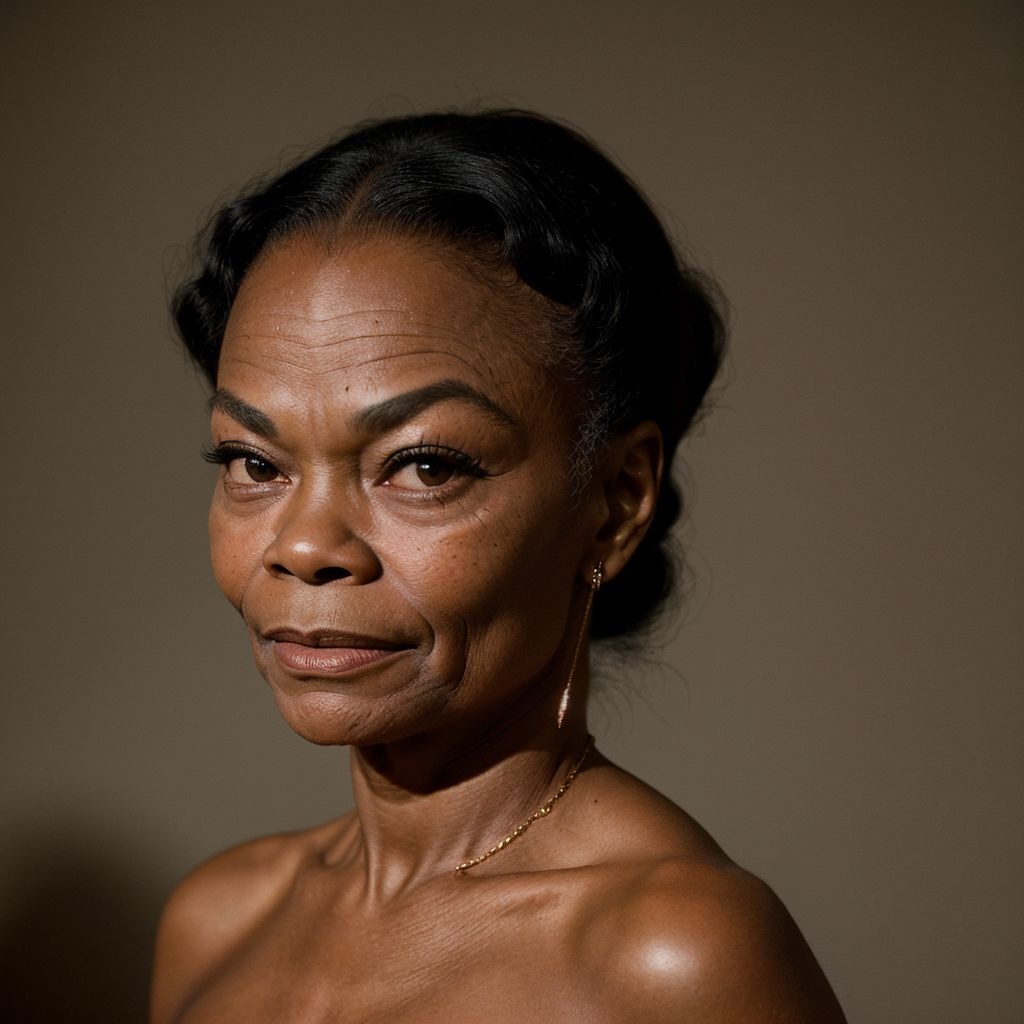
Eartha Kitt. Where do I even start? I’ve been obsessed with her for years, ever since I stumbled upon an old interview of hers on YouTube. Her voice, her wit, her unapologetic candor – it all just drew me in like a magnet. But as I delve deeper into her life and work, I find myself getting tangled up in the complexities of who she was.

One thing that’s always struck me is how Eartha Kitt embodied multiple identities at once. She was an actress, a singer, a dancer, and a model – all while being a black woman from the rural South. Her career spanned decades, genres, and continents, but her identity remained fluid, resistant to categorization. I find myself drawn to this quality in her, perhaps because it resonates with my own experiences as a young adult trying to figure out who I am.

Growing up, I was always told that I had to choose between being smart or being popular, between pursuing my passion for writing or getting a “practical” job. But Eartha Kitt’s career shows me that you can’t be forced into neat boxes. She took on roles and projects that interested her, regardless of whether they were considered “mainstream” or not. And when she spoke out against racism and sexism – as she did so famously in the 1960s, at a White House dinner party no less – it was never just about being a “socialite” or an “activist.” It was about using her platform to speak truth to power.

But what really gets me is how Eartha Kitt’s life has been reduced to soundbites and headlines over the years. She was called a “difficult diva,” a “troublemaker” – words that I’ve seen used to describe her in biographies, articles, and even social media posts. And yet, whenever I read about her struggles with racism, sexism, and mental health, I feel this deep sense of discomfort.

Why do we always focus on the drama, the controversy? Why can’t we talk more about how she navigated these systems of oppression, how she kept going despite the odds being stacked against her? It’s as if we’re more interested in spectacle than substance – in the juicy quotes and feuds rather than the quiet moments of resilience.

As I reflect on Eartha Kitt’s life, I find myself wondering what it means to be a strong woman. Is it about being unapologetic and outspoken, like she was? Or is it about quietly persevering through adversity, even when no one seems to notice or care? For me, the answer lies somewhere in between – in the messy, complicated space where vulnerability meets determination.

And that’s what I love about Eartha Kitt. She didn’t fit into neat categories; she refused to be reduced to a single label or persona. Instead, she embodied multiple contradictions at once: fierce and fragile, confident and uncertain, a product of both her time and place yet somehow always ahead of it. As I try to make sense of my own identity, I’m drawn to this paradoxical quality in her – a reminder that being a strong woman is not about being perfect or consistent, but about embracing the messy complexity of who we are.

I’ve been thinking a lot about the tension between spectacle and substance in our culture’s portrayal of women like Eartha Kitt. It’s as if we’re conditioned to focus on the surface level – the drama, the controversy, the eye-catching headlines – rather than digging deeper to understand the complexity of their experiences. And yet, when I read about Eartha Kitt’s life, I feel a sense of restlessness, a nagging feeling that there’s more to her story than what we’re told.

One of the things that strikes me is how often Eartha Kitt was reduced to her physical appearance. She was described as “exotic,” “sultry,” and “alluring” – words that seemed to emphasize her body over her mind, her talent, or her politics. And yet, when I look at old photos of her, I see a woman who was so much more than just her looks. I see someone with a sharp jawline, piercing eyes, and an unmistakable spark in her gaze.

I wonder if this emphasis on physical appearance is what led to the “difficult diva” label being attached to Eartha Kitt’s name. Was it because she refused to be objectified, reduced to just a pretty face or a sultry voice? Or was it because she spoke out against systems of oppression that were uncomfortable for people to confront?

It’s funny – I’ve noticed the same thing happening in my own life as a young woman. People often respond to me more readily when they can categorize me into some sort of neat box: “You’re an artist,” or “You’re a writer.” But what about when I resist those labels, when I choose not to be defined by just one aspect of myself? Don’t people get uncomfortable then?

Eartha Kitt’s life shows me that this is nothing new. Women like her have been pushing against these boundaries for decades, refusing to be reduced to simplistic stereotypes or neatly packaged personas. And yet, despite their best efforts, they’re often still subject to the same old tropes and expectations.

As I continue to grapple with Eartha Kitt’s legacy, I find myself thinking about what it means to be a woman in a world that’s still so resistant to complexity. How do we challenge these stereotypes without being seen as “difficult” or “uncooperative”? And how do we honor the women who came before us, like Eartha Kitt, who refused to be silenced or reduced? For me, it starts with embracing my own messy, complicated identity – and recognizing that I’m not alone in this struggle.

I’ve been thinking a lot about the way society tries to pin women down, to categorize them into neat little boxes. It’s like we’re all supposed to be reducible to some simple label or persona, but what happens when we refuse to fit? When we resist being defined by just one aspect of ourselves?

I think back to Eartha Kitt’s experiences with racism and sexism in the entertainment industry. She was constantly typecast as the “exotic” or “sultry” Other, never quite allowed to be seen as a fully fleshed-out person. And yet, she continued to speak out against these systems of oppression, using her platform to challenge the status quo.

It’s funny – I’ve been in similar situations myself, where people have tried to reduce me to just one thing: “Oh, you’re an artist,” or “You’re a writer.” But what about when I’m feeling uncertain or messy? When I’m not quite sure who I am or what I want?

Eartha Kitt’s life shows me that it’s okay to be unsure, to question everything. She was a woman of contradictions – fierce and fragile, confident and uncertain – and yet she still managed to make her mark on the world.

As I continue to reflect on her legacy, I find myself thinking about the importance of embracing our own messiness. Of recognizing that we’re all complex, multifaceted beings, full of contradictions and paradoxes. It’s not always easy to be seen this way, especially in a world that seems to value simplicity and certainty.

But what if we started to see each other as more than just one thing? What if we began to value our messiness, our complexity, our refusal to fit neatly into boxes?

I think about the women who came before me, like Eartha Kitt, who refused to be silenced or reduced. Women who took risks and spoke truth to power, even when it was uncomfortable for others to hear.

And I wonder – what would happen if we started to see ourselves as part of a larger narrative, one that’s messy and complex and full of contradictions? What if we began to recognize that our own identities are not fixed or static, but rather constantly evolving and unfolding?

As I ponder these questions, I feel a sense of hope rising up inside me. A sense that maybe, just maybe, we can create a world where women like Eartha Kitt are celebrated for their complexity, their messiness, and their refusal to be reduced.

A world where we’re not forced into neat boxes or simplistic stereotypes. But rather, one where we’re free to be ourselves, in all our messy, complicated glory.

As I delve deeper into Eartha Kitt’s life and legacy, I find myself thinking about the power of storytelling. How do we choose to present ourselves to the world? Do we opt for a carefully curated narrative that hides our true complexities, or do we risk being vulnerable and honest, revealing the messy, imperfect parts of ourselves?

I think back to Eartha Kitt’s interviews and performances, where she effortlessly wove together threads of humor, wit, and unflinching honesty. She spoke her truth, no matter how uncomfortable it might have been for others to hear. And yet, despite this willingness to be vulnerable, she was still able to maintain a sense of dignity and self-respect.

For me, this is a powerful lesson in the importance of authenticity. As someone who’s struggled with anxiety and self-doubt, I’ve often felt pressure to present a perfect exterior to the world – to hide my flaws and insecurities behind a mask of confidence. But Eartha Kitt shows me that it’s okay to be imperfect, to take risks and speak truth to power.

I wonder if this is part of why her legacy feels so compelling to me – because she embodies a sense of freedom and agency that I’m still trying to find for myself. A freedom to be messy, to be complicated, to be unsure. And yet, in the midst of all this uncertainty, she still managed to create something beautiful, something lasting.

As I reflect on Eartha Kitt’s life and work, I feel a sense of gratitude wash over me. Gratitude for her courage, her conviction, and her unwavering commitment to being true to herself. And I realize that this is what I want for myself – to live with the same kind of unapologetic authenticity that she did.

But it’s not going to be easy. There will be times when I’m forced to confront my own fears and doubts, when I’ll feel pressure to conform to societal expectations rather than embracing my true self. And yet, as I look at Eartha Kitt’s legacy, I know that I have the power to choose – to choose authenticity over perfection, vulnerability over pretension.

And so, with a newfound sense of determination, I take a deep breath and let go of the need for control. I allow myself to be messy, to be complex, to be unsure. And as I do, I feel a weight lift off my shoulders, like I’m finally free to be me – imperfections and all.

As I sit here, reflecting on Eartha Kitt’s life and legacy, I’m struck by the way she continues to inspire me to live more authentically. Her willingness to take risks, to speak truth to power, and to be vulnerable in the face of adversity is a powerful reminder that I don’t have to fit into someone else’s mold. I can create my own path, even when it’s uncertain or messy.

I think about how often I’ve felt pressure to present myself in a certain way – to be the “perfect” artist, writer, or young woman. But Eartha Kitt shows me that this is a false narrative. She was never perfect; she was always complex and multifaceted. And it’s precisely this complexity that made her so compelling.

I wonder if our culture’s obsession with perfection is what makes us so resistant to messiness. We’re taught from a young age to present ourselves in a certain way, to hide our flaws and insecurities behind a mask of confidence. But what happens when we shed this mask? When we let go of the need for control and allow ourselves to be messy and complex?

For me, it’s been a journey of self-discovery – one that’s taken time, patience, and courage. There have been moments when I’ve felt like giving up, when the pressure to conform has seemed overwhelming. But Eartha Kitt’s legacy reminds me that it’s okay to be unsure, to question everything, and to take risks.

I think about how she navigated the complexities of her own identity – as a black woman from the rural South, in an industry dominated by white men. She faced racism, sexism, and marginalization at every turn, but she never let that stop her. Instead, she used her platform to speak out against these systems of oppression, even when it was uncomfortable for others to hear.

As I reflect on Eartha Kitt’s life, I’m reminded that my own struggles are not unique. Women like me – women of color, women from marginalized communities, women who don’t fit into neat boxes – we’re all navigating similar challenges. We’re all trying to find our place in a world that often seems determined to silence us.

But Eartha Kitt’s legacy gives me hope. It reminds me that I’m not alone, that there are others out there who have walked this path before me. And it encourages me to keep pushing forward, even when the road ahead is uncertain or messy.

As I look back on my own journey so far, I realize that Eartha Kitt’s influence has been quietly shaping me all along. Her courage, her conviction, and her unwavering commitment to being true to herself have inspired me to do the same. And while it’s not always easy – while there are still moments when I feel like giving up or conforming to societal expectations – I know that I have the power to choose.

I can choose authenticity over perfection. Vulnerability over pretension. Messiness over control.

And as I make this choice, I feel a sense of freedom rising up inside me. A sense that I’m finally free to be myself – imperfections and all.

Related Posts

Robert Burns: A Life in Public Record

Penelope

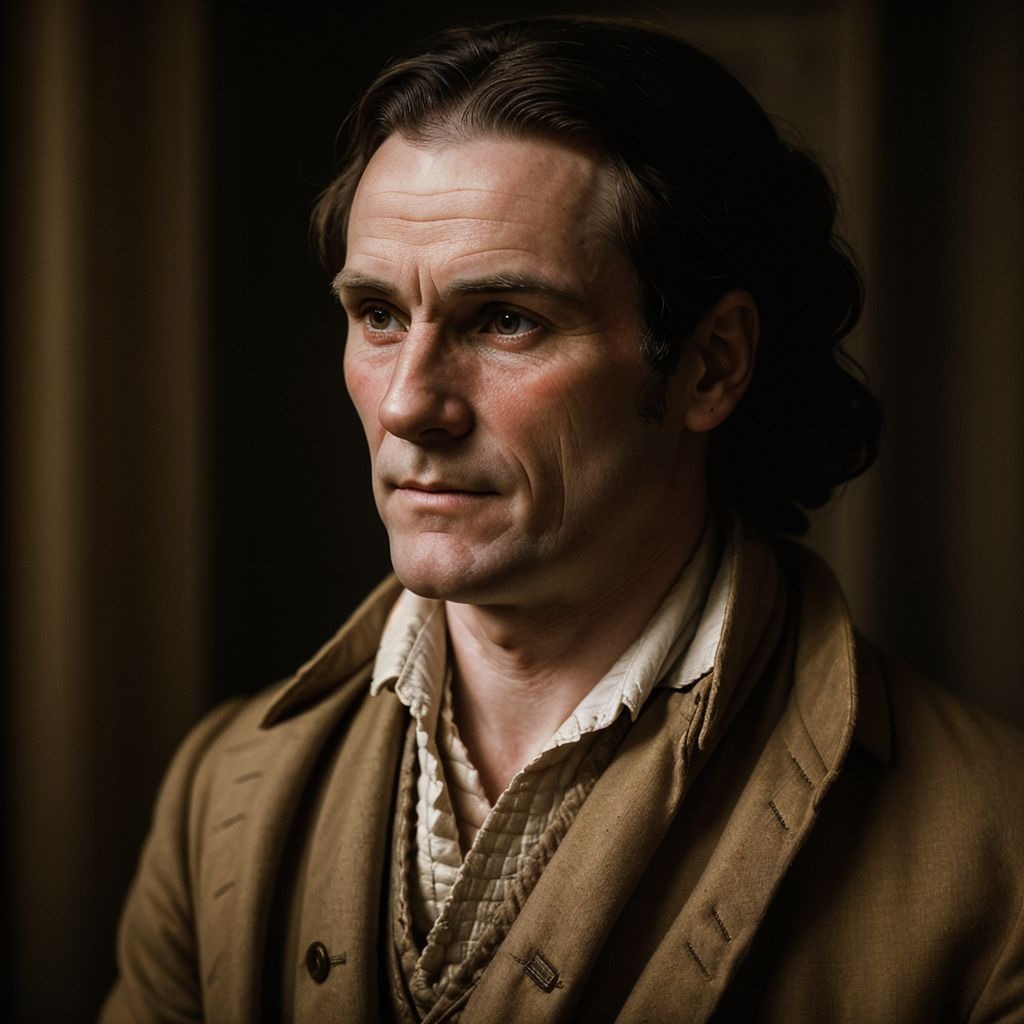
Robert Burns was born in 1759 in Alloway, Ayrshire, into a family sustained by tenant farming. His father, William Burnes, leased marginal land and supplemented the household income through manual labor and instruction. Burns received irregular formal education, supplemented by extensive self-directed reading in English literature, Scots verse, and Enlightenment thought. From an early age, he participated in agricultural labor while composing verse in both Scots and English.

By the early 1780s, Burns began circulating poems within local networks in Ayrshire. These works drew on rural life, social hierarchy, and vernacular speech, employing Scots language in literary forms that had largely been excluded from formal publication. In 1786, he published Poems, Chiefly in the Scottish Dialect in Kilmarnock. The volume received immediate regional attention and led to invitations from literary patrons in Edinburgh.

Burns relocated to Edinburgh later that year, where a second, expanded edition of Poems was issued. The Edinburgh publication placed Burns within the city’s intellectual circles, including editors, publishers, and members of the Scottish Enlightenment. During this period, he produced new poems while revising earlier material. His work continued to employ satire, song, and narrative verse, often addressing religious hypocrisy, social inequality, and moral authority.

Alongside original compositions, Burns undertook extensive work collecting, revising, and adapting traditional Scottish songs. From 1787 onward, he contributed lyrics to projects such as The Scots Musical Museum, editing existing material and supplying original verses. This work emphasized oral tradition, musical performance, and the preservation of Scots language within song.

In 1788, Burns accepted a position as an excise officer, a role he maintained until his death. The appointment provided financial stability but limited his mobility. During this period, he continued to write poetry and correspondence, much of which survives in published letters. These documents record his literary activities, professional obligations, and engagement with publishers and editors.

Burns’s poetry from the late 1780s and early 1790s includes works such as “Tam o’ Shanter,” “Holy Willie’s Prayer,” and “To a Mouse.” These poems employ narrative voice, irony, and vernacular diction to address social behavior, moral judgment, and everyday experience. Religious institutions, class distinction, and authority figures appear frequently as subjects of satire.

Political references within Burns’s writing include expressions of Scottish identity, sympathy with republican ideals, and occasional allusions to Jacobite history. His correspondence records caution regarding public political alignment, particularly after government scrutiny of radical expression increased during the 1790s. Surviving letters indicate an awareness of the professional risks associated with overt political declaration.

Burns married Jean Armour in 1788, with whom he had several children. His domestic life remained closely tied to agricultural communities in Ayrshire and Dumfriesshire. Despite declining health, he continued literary work until his death in Dumfries in 1796 at the age of thirty-seven.

After his death, Burns’s poetry and songs were collected, edited, and widely disseminated. His work became embedded in Scottish cultural life through education, public recitation, musical performance, and annual commemorations. The surviving body of poems, songs, and correspondence constitutes the primary record through which his literary activity is known.

Burns’s writing remains central to the study of Scots language in literature and the preservation of vernacular poetic form within the British literary tradition.

Related Posts

Yayoi Kusama: The Making of a Public Figure

Penelope

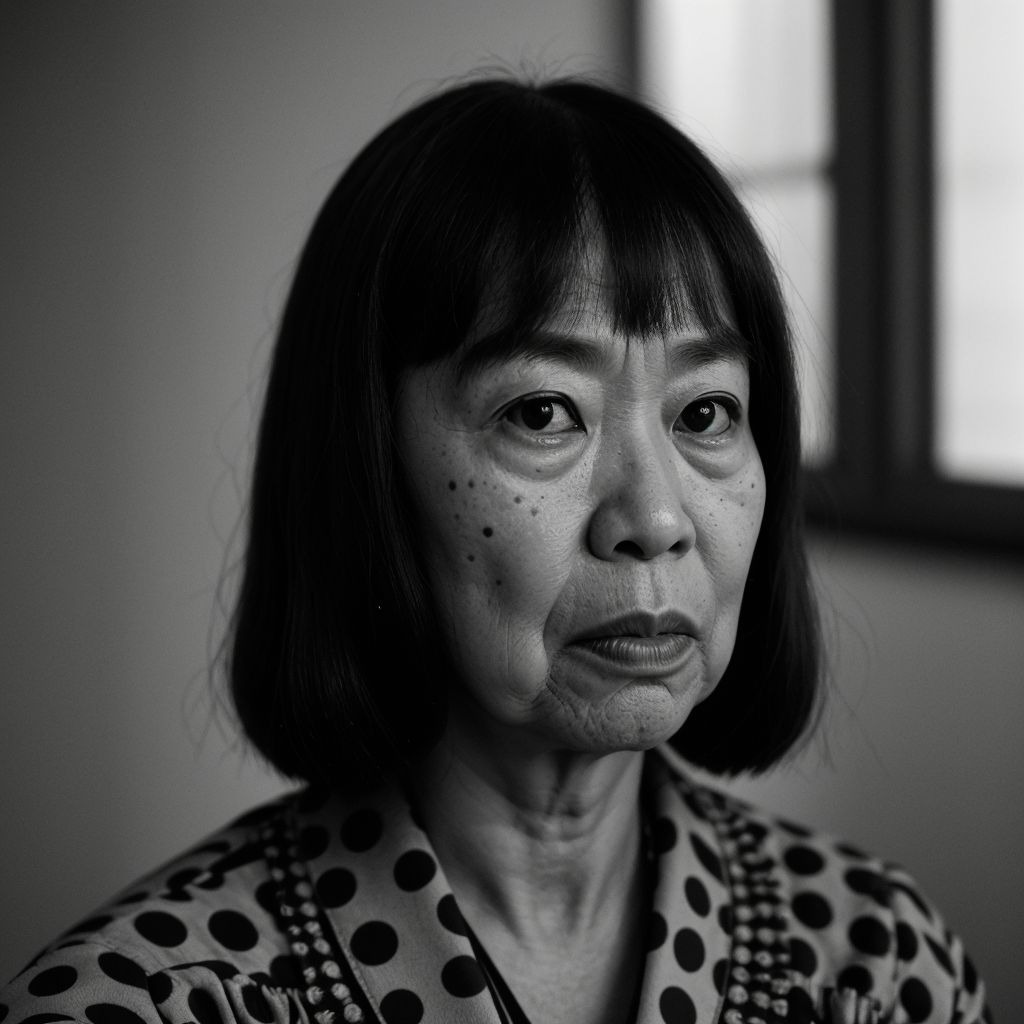
Yayoi Kusama was born in 1929 in Matsumoto, Japan, into a family involved in seed cultivation and commerce. From an early age, she produced drawings marked by dense fields of repeated marks, a practice that would remain central throughout her career. Formal training began at the Kyoto Municipal School of Arts and Crafts, where she studied Nihonga painting while privately rejecting its constraints.

In the late 1950s, Kusama left Japan for the United States, settling in New York City in 1958. Her early work there consisted of large-scale paintings built from repeated loops and nets, executed with methodical consistency. These works were exhibited in artist-run spaces and small galleries, circulating alongside the emerging practices of minimalism and postwar abstraction.

During the 1960s, Kusama became visible within New York’s avant-garde through performances, installations, and public actions. Works such as “Narcissus Garden,” first presented at the Venice Biennale in 1966, consisted of mirrored spheres arranged to reflect both surroundings and viewers. The piece entered the record through documentation and press response rather than institutional endorsement, establishing a pattern that would recur across her career.

Throughout this period, Kusama maintained contact with artists including Donald Judd and Joseph Cornell while operating largely outside formal movements. Her work appeared in exhibitions connected to happenings, experimental film, and performance art, often recorded through photographs and contemporaneous accounts rather than sustained gallery representation.

By the early 1970s, Kusama withdrew from the New York art world and returned to Japan. She entered psychiatric care voluntarily, where she has continued to live and work. From this point forward, her production became highly regularized, consisting of paintings, drawings, sculptures, and writings generated through disciplined repetition.

In the 1980s and 1990s, Kusama’s work began to re-enter international circulation through exhibitions in Europe and the United States. Large installations featuring mirrored environments and repeated forms were presented in museum contexts, supported by catalog essays and curatorial framing. These works were documented extensively, contributing to a consolidated public record of her practice.

By the early 21st century, Kusama had become one of the most widely exhibited living artists. Retrospectives at major institutions assembled decades of work into unified narratives centered on repetition, accumulation, and scale. Her installations, particularly the “Infinity Mirror Rooms,” entered popular circulation through museum attendance and photographic reproduction.

Alongside institutional exhibitions, Kusama’s imagery appeared in commercial collaborations and mass-produced objects. These materials extended her visual language beyond gallery contexts while remaining consistent with earlier formal strategies.

Across more than seven decades, Kusama’s work has remained structurally continuous. Repetition, serial production, and controlled variation define her output across media and time. The record of her career reflects persistence rather than transformation, with changes in scale and visibility emerging through shifts in institutional context rather than alterations in method.

Kusama continues to produce work within a tightly maintained routine. Her position within contemporary art rests not on stylistic evolution but on the sustained execution of a single visual discipline, carried forward across decades and recorded through exhibition, documentation, and public circulation.

Related Posts