Latest Articles

Charles Darwin: When Self-Discovery Gets Lost at Sea (and Then Found Again)

Penelope

I’ve always been fascinated by Charles Darwin, but it’s not because I’m a biologist or even particularly interested in evolution. It’s something deeper than that. Maybe it’s the way he embodied both scientific rigor and introspection, two qualities that often feel mutually exclusive to me.

As I read about his experiences on the Beagle, I find myself drawn to his observations of himself as much as the natural world around him. The fact that he was so acutely aware of his own emotions, his own doubts and fears, in the midst of what must have been an incredibly overwhelming experience – it’s something I can relate to.

I think about how often I’ve felt like a stranger to myself, particularly during my college years. There were times when I’d be sitting in class or working on a project, and suddenly feel this sense of disconnection from my own thoughts and feelings. It was as if I’d been observing myself from the outside, wondering who this person was and why they were feeling so… stuck.

Darwin’s journals reveal similar moments of self-doubt, but they’re also peppered with a sense of wonder and curiosity that I find incredibly inspiring. He’d spend hours observing the smallest details in nature – a bird’s beak, the way light filters through a forest canopy – and yet, he’d also take time to explore his own emotions, to grapple with questions about faith and morality.

What strikes me is how he didn’t shy away from the complexity of it all. He didn’t try to simplify or compartmentalize his thoughts; instead, he let them swirl together in a messy, beautiful way. It’s a quality I admire, but also struggle with – I tend to get caught up in trying to make sense of things, to find neat answers and tidy explanations.

I think about how my own relationship with uncertainty has evolved over time. In college, I was terrified of not knowing what came next, of being uncertain about my major or my career path. But as I began writing more regularly, I realized that uncertainty wasn’t something to be feared, but rather, it’s a fundamental part of the creative process.

Darwin’s work on evolution is often seen as a grand, sweeping narrative – the story of how life on Earth came to be. But what if we looked at it from a different perspective? What if his theories were less about the natural world and more about our own place within it?

I’m not sure I’ll ever fully grasp the intricacies of evolution or the scope of Darwin’s contributions, but what I do know is that his writing has given me permission to explore my own complexities, to acknowledge the messiness of thought and feeling. And that, in itself, feels like a kind of revolutionary idea.

As I continue reading about Darwin, I’m struck by how little I really understand him – or at least, how much more there is for me to learn. It’s a humbling realization, but also a liberating one. Because if we’re honest with ourselves, none of us truly know what we’re doing most of the time; we’re all just stumbling through the darkness, trying to make sense of things as we go.

Maybe that’s the greatest lesson I’ve taken away from Charles Darwin – not about science or history, but about the human experience. And in that, I think he’d say, lies the true beauty of it all: the uncertainty, the complexity, the messy, beautiful way we stumble through life.

The more I delve into Darwin’s writing, the more I’m struck by his ability to hold multiple perspectives at once – to be both a man of science and a seeker of spiritual truth. It’s a quality that resonates deeply with me, particularly as someone who’s struggled to reconcile my own creative pursuits with more “practical” concerns.

I think about how often I’ve been told that writing is a “hobby,” something I can do in my free time but not necessarily as a career path. And while it’s true that I’m still figuring out what that looks like for me, the idea of having to choose between art and pragmatism feels stifling.

Darwin’s journals reveal a similar tension – he was both driven by a desire to understand the natural world and haunted by doubts about his own faith and morality. But instead of trying to compartmentalize these different aspects of himself, he lets them intersect in unexpected ways. He writes about the beauty of a sunset, but also grapples with the implications of evolution for human morality.

It’s a beautiful thing to see someone so fully embracing their own complexity – flaws and all. And I think that’s what draws me to Darwin’s writing: it’s not just his ideas or theories that are compelling, but the way he’s willing to be vulnerable and honest about his own doubts and fears.

I’m starting to wonder if this is a key part of why we’re often drawn to stories about “tortured geniuses” – because they offer us a glimpse into the messy, imperfect process of creativity. We see the struggles, the setbacks, the moments of self-doubt, and yet… somehow, they still manage to produce something beautiful.

Is that what I’m searching for in my own writing? A way to acknowledge the imperfections, the uncertainties, and still find a way to create something meaningful? Or am I just trying to recreate the myth of the “tortured genius” – the idea that true art can only be born from suffering?

I don’t know. But as I continue reading about Darwin, I’m starting to realize that it’s not about recreating some mythical ideal; it’s about embracing my own imperfections and letting them guide me towards something new.

As I delve deeper into Darwin’s journals, I’m struck by the way he writes about his relationships – with family, friends, and even strangers. He’s not afraid to express his emotions, to admit when he’s struggled to connect with someone or felt overwhelmed by their expectations. It’s a level of vulnerability that feels both refreshing and intimidating.

I think about how often I’ve tried to present myself in a certain light, to hide my true thoughts and feelings behind a mask of confidence or humor. But Darwin’s writing shows me that it’s okay to be messy, to acknowledge the complexities of human relationships. He writes about his wife Emma, for example, with a depth of emotion that feels both intimate and honest.

As I reflect on my own relationships, I realize how often I’ve struggled to open up, to let people see beyond the surface level. It’s as if I’m afraid of being vulnerable, of being seen as weak or imperfect. But Darwin’s writing shows me that vulnerability is not a weakness – it’s a strength.

I wonder if this is why I’m drawn to his writing in particular – because he offers me a glimpse into a world where emotions are acknowledged and explored, rather than suppressed or hidden. It’s a world that feels both familiar and foreign, like a mirror held up to my own experiences.

As I continue reading, I start to notice the ways in which Darwin’s writing is infused with a sense of wonder – a sense of awe at the natural world, but also at the human experience. He writes about the beauty of a sunset, but also about the struggles of everyday life. It’s as if he sees the world as a vast, interconnected web, full of mysteries and complexities that are both thrilling and terrifying.

I feel a pang of envy, to be honest – envy for his ability to see the world with such clarity and wonder. But at the same time, I’m grateful for this sense of connection, this feeling that I’m not alone in my struggles or my doubts. Darwin’s writing is like a lifeline, reminding me that it’s okay to stumble through the darkness, even when the path ahead seems uncertain.

As I finish reading his journals, I’m left with more questions than answers – about the nature of creativity, the power of vulnerability, and the human experience itself. But I’m also left with a sense of wonder, a sense that there’s still so much to explore, so much to learn from this remarkable man and his writing.

And as I close the book, I feel a sense of gratitude – gratitude for the opportunity to explore Darwin’s world, to see myself reflected in his struggles and triumphs. It’s a strange kind of connection, but one that feels both intimate and profound.

As I closed the book on Darwin’s journals, I couldn’t shake the feeling that I’d only scratched the surface of what he had to offer. There was still so much more to explore, so many threads to follow and connections to make. And yet, as I began to think about what I’d learned from him, I realized that it wasn’t just about his ideas or theories – it was about the way he lived his life.

The more I read, the more I saw a man who was unafraid to take risks, to challenge conventional wisdom and push boundaries. He was willing to be wrong, to admit when he didn’t know something, and to learn from others. And in doing so, he created a body of work that continues to inspire and influence people to this day.

I think about how often I’ve felt like I’m playing it safe, sticking to what’s familiar and comfortable rather than taking risks and exploring new possibilities. Darwin’s writing shows me that there’s value in uncertainty, in embracing the unknown and being willing to learn from my mistakes.

As I reflect on my own life, I realize that I’ve been trying to create a sense of control, a sense of certainty about what comes next. But Darwin’s journals show me that this is an illusion – that true growth and learning only happen when we’re willing to let go of control and trust the process.

I’m not sure what this means for my own life, but I do know that it’s given me permission to be more honest with myself, to acknowledge my fears and doubts rather than trying to suppress them. It’s a scary thought, but also a liberating one – because when we’re willing to be vulnerable, we open ourselves up to the possibility of true connection and growth.

As I continue to think about Darwin’s writing, I start to see parallels between his experiences and my own. Both of us have struggled with feelings of inadequacy and self-doubt; both of us have grappled with the complexities of human relationships. And yet, despite these challenges, we’ve found ways to create meaningful work that reflects our deepest passions and values.

I wonder if this is what it means to be a true artist – not just someone who creates beautiful things, but someone who embodies the same qualities they’re trying to capture in their work. It’s a high standard to set for myself, but one that I’m eager to explore further.

As I sit here, reflecting on Darwin’s journals and my own experiences, I feel a sense of gratitude wash over me. Gratitude for this remarkable man who has shown me the power of vulnerability, creativity, and uncertainty. And gratitude for the reminder that, no matter where life takes us, we always have the capacity to grow, learn, and create something new.

I’m not sure what comes next – whether I’ll continue writing about Darwin or exploring other topics that interest me. But one thing is certain: I’ll be carrying his spirit with me, embracing the messiness of life and the beauty of uncertainty.

As I sit here, surrounded by the quiet moments of reflection, I’m struck by how much of myself I see in Darwin’s writing. It’s not just the struggles he faced or the doubts he grappled with; it’s the way he saw the world – as a complex, interconnected web of life and relationships.

I think about my own relationships, the ones that bring me joy and comfort, but also the ones that leave me feeling uncertain and vulnerable. I wonder if Darwin would have seen these connections as just as beautiful and valuable as the ones between species or in the natural world.

Perhaps it’s because he understood that vulnerability is a fundamental part of human connection – that we’re all struggling to make sense of ourselves and our place in the world, even when we try to present a confident exterior. And maybe that’s what draws me to his writing: the way he shows us that it’s okay to be imperfect, to stumble through the darkness, and still find our way towards something meaningful.

As I continue to reflect on Darwin’s journals, I’m struck by how little I know about him as a person – beyond his ideas and theories. But it’s this very lack of knowledge that makes me want to learn more, to peel back the layers and discover what made him tick. What were his motivations? His fears? His desires?

I think about my own writing process, how often I get caught up in trying to create something perfect – a polished draft, a well-structured argument, a narrative that flows effortlessly. But Darwin’s journals show me that this is an illusion; true creation happens when we’re willing to be messy, imperfect, and uncertain.

It’s funny how much of my own creativity has been tied to the idea of control – of having everything figured out before I start writing. But Darwin’s writing shows me that this is a myth, one that I’ve been perpetuating myself. The truth is, we don’t know what we’re doing most of the time; we’re stumbling through the darkness, trying to make sense of things as we go.

As I close my eyes and let these thoughts wash over me, I feel a sense of calm settle in – a sense that it’s okay not to have all the answers. That it’s okay to be uncertain, vulnerable, and imperfect. Because when we’re willing to let go of control and trust the process, we open ourselves up to the possibility of true connection, growth, and creation.

I think about how I’ll carry this lesson forward – how I’ll approach my writing, my relationships, and my life with a sense of curiosity and wonder. I won’t be afraid to take risks, to explore new ideas and perspectives, even when they make me feel uncomfortable or uncertain.

Darwin’s writing has given me permission to see the world in a different light – as a place where imperfections are beautiful, where vulnerability is strength, and where uncertainty is an invitation to grow. And it’s this sense of freedom that I’ll carry with me, long after I finish reading his journals for the last time.

Related Posts

The Silent Avenger: Andromalius, Hunter of Thieves

Dave

If you close your eyes and picture a demon, you might imagine wings and claws, fire and shadow, a creature born only for destruction. But not all the spirits that inhabit the old grimoires fit that mold. Some are more subtle, more strange, and in many ways more unsettling because of it. Among these is Andromalius, the seventy-second and final spirit of the Ars Goetia, the one who closes the infamous list of infernal names. He is not a fiery monster nor a horned tyrant, but a stern figure who walks with a serpent coiled in his hand, a manlike presence who stalks the guilty. His purpose, according to the medieval magicians who dared to inscribe his sigil and summon him into their protective circles, was not to sow chaos, but to punish thieves, uncover dishonesty, and return what was stolen. He is both avenger and judge, demon and lawgiver, and his story opens our descent into the hierarchy of Hell not with carnage, but with a whisper of justice, a reminder that even in the infernal order, balance must be maintained.

Andromalius has always occupied a peculiar place in demonology. The Ars Goetia describes him as a great Earl of Hell who commands thirty-six legions of demons, an impressive number, yet not among the highest ranks. His domain is narrower than the great kings like Paimon or Bael, but what he does, he does with terrifying precision. His job is simple: to track down thieves, to reveal who has taken what, to return goods to their rightful owners, and to punish the guilty. In some texts, he is also said to uncover plots, conspiracies, and treacheries, exposing enemies before they can strike. His serpent, which he always carries, is a symbol of cunning, justice, and vengeance, its coils winding like the inescapable trap of truth itself. This imagery, stark and simple, has survived for centuries because it speaks to something deeply human: the fear of being caught when we transgress, the dread of the unseen eye that sees what we try to hide.

The origins of Andromalius are shrouded in the mists of medieval grimoires, where so much of demonology took shape. The Lesser Key of Solomon, compiled in the seventeenth century, gives us our most detailed account. There, he is listed as the final spirit, almost like the period at the end of a long sentence. But that position is meaningful: he is the closer, the finisher, the one who ensures that what begins in chaos ends in justice. Unlike demons of lust, war, or greed, who tempt and corrupt, Andromalius waits. He lurks in the background until wrong has been committed, and then he strikes. His existence suggests a world where even Hell has rules, where even among the legions of the damned there are enforcers who will not allow dishonor to pass unpunished. That is a terrifying thought: not that Hell is chaos, but that Hell is order, cold and merciless.

Andromalius’s place in the hierarchy is also worth considering. As an Earl, he is not at the top of the infernal chain, but he holds real authority. His legions follow him not into conquest, but into judgment. Imagine an army of unseen watchers, spies who slip through walls and shadows, taking note of every theft, every betrayal, every secret plot. Imagine them whispering those names to their master, who then emerges, serpent in hand, to drag the guilty into the light. That was the fear of those who invoked him. The grimoire tradition is clear: to summon Andromalius was to risk exposure yourself. If you called on him to punish a thief, you had better be clean of theft, for he would turn his gaze upon you as well. This balance of usefulness and danger made him one of the most respected spirits in the magician’s catalogue.

Appearance is everything in demonology, and Andromalius’s appearance is deceptively simple. He is a man with a serpent. No claws, no flames, no monstrous hybrid body. Just a man and a snake. But what a powerful symbol that is. The serpent, from Eden onward, has always been the image of temptation, cunning, and hidden wisdom. In Andromalius’s hand, it is not the deceiver but the avenger, the winding justice that cannot be escaped. The man holding it is not wild or bestial, but composed, severe, and watchful. In some descriptions, he is almost monk-like, robed and somber, a judge rather than a warrior. This simplicity makes him all the more chilling. A monstrous demon you can recognize and fight; a stern figure who only watches until you slip feels inescapable. The thief cannot know when Andromalius will strike, only that he will.

His abilities, as listed in the Goetia, revolve around truth. He reveals thieves and their deeds. He uncovers hidden treasures, but only to return them. He punishes enemies, but only those who conspire unjustly. This is not the wild chaos of demons like Asmodeus or Belial. It is something colder, more precise. Andromalius is like the shadow of conscience, the weight on your shoulders when you pocket something that is not yours, the prickling on your neck when you speak a lie. He is not the one who tempts you into sin — he is the one who ensures you do not get away with it. For that reason, his image has endured. We may laugh at witches flying through the sky or monsters breathing fire, but we all know the feeling of being caught in a lie. We all know the fear of being found out. That fear has not faded with time, and so Andromalius remains relevant.

In cultural terms, Andromalius has not achieved the fame of Paimon or Asmodeus, but he has left a subtle mark. Occultists still speak of him as a spirit of justice, one invoked not for gain but for retribution. In literature and role-playing games, his name sometimes appears as a patron of bounty hunters or avengers, those who strike down criminals in the dark. In modern occult practice, he has even been reinterpreted as a kind of infernal Saint of Restitution, someone who can be called upon to right wrongs when human systems fail. Whether one believes in his literal existence or not, the archetype he represents continues to resonate. We crave justice. We fear punishment. We know that what is stolen should be returned, and that betrayal should not go unanswered. In Andromalius, that human need and fear take shape.

But how can he be defeated? The grimoires are clear: Andromalius, like all the spirits, can be compelled by the divine names and seals of Solomon. Summoners who drew his sigil within the protective circle could command him, binding him to their will. Outside of the circle, however, he was dangerous. The tradition holds that he respects the authority of sacred names, recoils from divine command, and can be dismissed by the words of power. That is the magician’s way. But for ordinary people, the answer is simpler, and more profound. To defeat Andromalius, do not steal. Do not betray. Live honestly, and there is nothing for him to punish. His vengeance is not indiscriminate; it is targeted. He comes only for the guilty. That makes him different from other demons, and in some ways, more frightening, because he forces us to look inward. He cannot be outsmarted with clever tricks, only with honesty.

In human terms, Andromalius is a mirror. He shows us that corruption eventually collapses, that lies eventually come to light, that theft always costs more than it gains. To outsmart him is to outsmart the shadow of guilt itself, which is impossible. To defeat him is to live in such a way that his judgment never falls on you. That is a sobering lesson, but also a hopeful one. Unlike many demons, he does not corrupt the innocent. He only hunts the guilty. His presence, then, is a strange kind of reassurance. If you live with integrity, he has no power over you. If you cheat, if you steal, if you betray, then he is already at your shoulder.

And so our descent begins, not with fire and fury, but with justice. The serpent coils, the man watches, and thieves tremble in the shadows. Andromalius stands at the threshold of Hell’s hierarchy, the first step on a path that will lead us downward through lust, greed, chaos, and pride. Each day will bring us closer to Lucifer himself, but here at the beginning, we are reminded that even in the pit, there is order. Even among demons, there is law. And if that does not chill your blood, nothing will.

Related Posts

Zora Neale Hurston: Where the Lines Get Blurred Between Storyteller and Savant

Penelope

I’ll be honest, I stumbled upon Zora Neale Hurston’s name during a college course on American Literature, but it wasn’t until I read her novel “Their Eyes Were Watching God” that she truly caught my attention. What drew me in was the way Janie Crawford, the protagonist, navigated her own desires and identity within a patriarchal society. It resonated with me because I’ve often found myself questioning the expectations placed on women around me.

As I delved deeper into Hurston’s work, I began to notice how she seamlessly wove together elements of folklore, anthropology, and personal narrative. Her writing style is unlike anything I’d encountered before – it’s as if she’s sharing secrets with you, but only if you’re willing to listen closely. I found myself drawn to the way she blended her love for storytelling with a deep respect for the cultures she was documenting.

One aspect of Hurston that fascinates me is her relationship with her mentor, Franz Boas, and later, with Langston Hughes. I’ve read about how they supported her work, but also how she struggled to navigate their expectations and critiques. It makes me wonder: what does it mean to be a “good” artist? How do we balance our own vision with the opinions of those who believe in us?

I think back to my own writing process – the times I’ve felt like I’m straddling two worlds, trying to please my parents and professors while also staying true to myself. Hurston’s story makes me realize that these struggles aren’t unique to me or my generation. The more I learn about her life, the more I see parallels between our experiences.

For instance, when I read about Hurston’s decision to return to anthropology after being discredited by some of her peers for her romanticization of black culture, I felt a pang of recognition. It’s as if she’s saying, “I know you think I’ve betrayed my own people, but this is what I believe.” That takes courage – a willingness to be misunderstood and criticized in order to stay true to one’s artistic vision.

It also makes me question my own comfort level with controversy. As someone who writes about personal experiences, I often worry about offending or alienating readers. Hurston, on the other hand, seems to have courted debate throughout her career. Was she reckless? Or was she brave?

These questions swirl in my head as I continue to explore Hurston’s life and work. Sometimes I wonder if we’re still grappling with some of the same issues – the tension between art and social responsibility, the complexity of identity and culture. Maybe that’s why I keep coming back to her writing: it’s a reminder that our struggles are not unique, but they’re also a chance for growth and exploration.

As I read through Hurston’s letters and interviews, I’m struck by her passion for storytelling and her commitment to telling the stories of others. She was unapologetic about sharing the tales of African Americans in a way that felt authentic to them – no watered-down versions or sanitized narratives. And yet, she also drew heavily from the cultures she studied.

It’s this tension between authenticity and responsibility that keeps me up at night. What does it mean to represent another culture accurately? Can we ever truly capture the essence of someone else’s experience? Hurston’s work makes me realize how these questions are still unresolved – for her, for me, and for future generations of writers.

I don’t have answers to these questions yet. All I can do is continue to grapple with them through my own writing, using Hurston’s example as a guide. She may be an icon in literary circles, but for me, she’s more than that – a kindred spirit who continues to push me toward the uncomfortable places where art and identity intersect.

As I delve deeper into Hurston’s life and work, I’m struck by her commitment to preserving African American culture through her writing. She was unapologetic about sharing stories that might be considered taboo or unconventional, even within her own community. This bravery is something I admire, but it also makes me uncomfortable.

I think about the ways in which Hurston’s work can be seen as both empowering and problematic. On one hand, she gave voice to women like Janie Crawford who defied societal norms and expectations. On the other hand, some critics have argued that her portrayal of black life was overly romanticized or even exploitative.

I find myself questioning whether it’s possible to accurately represent another culture without being a part of it. Can someone from outside an community truly capture its essence, or will they inevitably bring their own biases and assumptions? Hurston’s experiences working with Franz Boas, who was both her mentor and critic, have made me realize that this tension is not unique to me.

It’s also clear that Hurston’s work was not just about preserving culture but also about challenging the dominant narratives of her time. She was unafraid to subvert expectations and push boundaries, often in ways that were considered radical for a woman writer in the early 20th century.

As I navigate my own writing process, I’m constantly reminded of Hurston’s willingness to take risks and challenge herself. She wasn’t afraid to be misunderstood or criticized; instead, she used those critiques as fuel for her next project. This kind of courage is something I aspire to, but it’s also intimidating.

What if I make a mistake? What if I inadvertently perpetuate harm or stereotypes? These fears can be paralyzing, but they’re also an opportunity to learn and grow. Hurston’s legacy reminds me that mistakes are inevitable, but it’s how we respond to them that truly matters.

In many ways, Hurston’s story is a reminder that art is not just about self-expression but also about responsibility. As writers, we have the power to shape perspectives, challenge norms, and give voice to marginalized communities. It’s a daunting task, but one that I’m eager to take on, even if it means navigating uncertainty and controversy along the way.

As I continue to explore Hurston’s life and work, I’m left with more questions than answers. But that’s what makes her writing so compelling – it’s not just about the stories she tells but also about the ones she leaves unsaid.

One of the things that has been on my mind lately is Hurston’s relationship with the Harlem Renaissance movement. She was a key figure in this literary and cultural explosion, and yet her work often pushed against the boundaries of what was considered “acceptable” within the movement. I find myself wondering if she felt like an outsider even among her peers.

As someone who identifies as a feminist writer, I’m drawn to Hurston’s involvement with the Women’s Club Movement and her efforts to preserve African American culture through her writing. However, I also know that these movements were not without their own set of challenges and contradictions. How did Hurston navigate these complexities? Did she ever feel like she was caught between different worlds or competing expectations?

I think about my own experiences navigating the feminist movement in college. There were times when I felt like I was expected to conform to certain ideas or agendas, rather than being able to forge my own path. Hurston’s story makes me realize that these tensions are not unique to my generation or even my own time period.

One of the things that strikes me about Hurston is her ability to hold multiple perspectives at once. She was both a product of her time and place, and yet she also managed to transcend those boundaries through her writing. This paradox is something I’m still grappling with in my own work – how do I balance my own experiences and biases with the need to represent others accurately?

As I continue to read about Hurston’s life and work, I’m struck by her willingness to take risks and challenge herself. She was not afraid to fail or be misunderstood; instead, she used those experiences as opportunities for growth and learning. This kind of courage is something that I admire, but it’s also intimidating.

What if I make a mistake? What if I inadvertently perpetuate harm or stereotypes? These fears can be paralyzing, but they’re also an opportunity to learn and grow. Hurston’s legacy reminds me that mistakes are inevitable, but it’s how we respond to them that truly matters.

I think about the ways in which Hurston’s work continues to be relevant today – from her portrayal of strong, independent women to her exploration of themes like identity, culture, and social justice. Her writing is a reminder that art has the power to shape perspectives and challenge norms, even years after it was first created.

As I navigate my own writing process, I’m constantly reminded of Hurston’s willingness to push boundaries and take risks. She was not afraid to be misunderstood or criticized; instead, she used those critiques as fuel for her next project. This kind of courage is something that I aspire to, but it’s also a daunting task.

What does it mean to be a “good” writer? How do we balance our own vision with the opinions and expectations of others? Hurston’s story makes me realize that these questions are not unique to me or my generation. They’re ongoing struggles that require us to stay true to ourselves, even in the face of uncertainty and controversy.

As I grapple with these questions, I’m struck by the complexity of Hurston’s legacy. She was a product of her time, shaped by the societal norms and expectations of the early 20th century. And yet, she also managed to transcend those boundaries through her writing, leaving behind a body of work that continues to resonate today.

I think about how Hurston’s experiences as an anthropologist inform her writing. She spent years studying folklore and cultures in the southern United States, immersing herself in the stories and traditions of African Americans. And yet, she also drew criticism for her portrayal of black life, with some accusing her of romanticizing or exploiting these cultures.

It’s a delicate balance to strike – one that I’m still trying to navigate in my own writing. How do I represent others accurately without perpetuating harm or stereotypes? Hurston’s story makes me realize that this is an ongoing struggle, one that requires us to stay true to ourselves and our artistic vision even in the face of criticism.

One thing that strikes me about Hurston is her willingness to challenge dominant narratives. She was unafraid to subvert expectations and push boundaries, often in ways that were considered radical for a woman writer at the time. This kind of courage is something I admire, but it’s also intimidating.

What if I make a mistake? What if I inadvertently perpetuate harm or stereotypes? These fears can be paralyzing, but they’re also an opportunity to learn and grow. Hurston’s legacy reminds me that mistakes are inevitable, but it’s how we respond to them that truly matters.

As I continue to explore Hurston’s life and work, I’m struck by her commitment to preserving African American culture through her writing. She was unapologetic about sharing stories that might be considered taboo or unconventional, even within her own community. This bravery is something I admire, but it also makes me uncomfortable.

I think about the ways in which Hurston’s work can be seen as both empowering and problematic. On one hand, she gave voice to women like Janie Crawford who defied societal norms and expectations. On the other hand, some critics have argued that her portrayal of black life was overly romanticized or even exploitative.

It’s a complex issue, one that I’m still trying to wrap my head around. As someone who writes about personal experiences, I often worry about offending or alienating readers. Hurston, on the other hand, seems to have courted debate throughout her career. Was she reckless? Or was she brave?

These questions swirl in my head as I continue to explore Hurston’s life and work. Sometimes I wonder if we’re still grappling with some of the same issues – the tension between art and social responsibility, the complexity of identity and culture. Maybe that’s why I keep coming back to her writing: it’s a reminder that our struggles are not unique, but they’re also a chance for growth and exploration.

As I navigate my own writing process, I’m constantly reminded of Hurston’s willingness to take risks and challenge herself. She wasn’t afraid to be misunderstood or criticized; instead, she used those critiques as fuel for her next project. This kind of courage is something I aspire to, but it’s also a daunting task.

What does it mean to be a “good” writer? How do we balance our own vision with the opinions and expectations of others? Hurston’s story makes me realize that these questions are not unique to me or my generation. They’re ongoing struggles that require us to stay true to ourselves, even in the face of uncertainty and controversy.

As I continue to explore Hurston’s life and work, I’m left with more questions than answers. But that’s what makes her writing so compelling – it’s not just about the stories she tells but also about the ones she leaves unsaid.

Related Posts

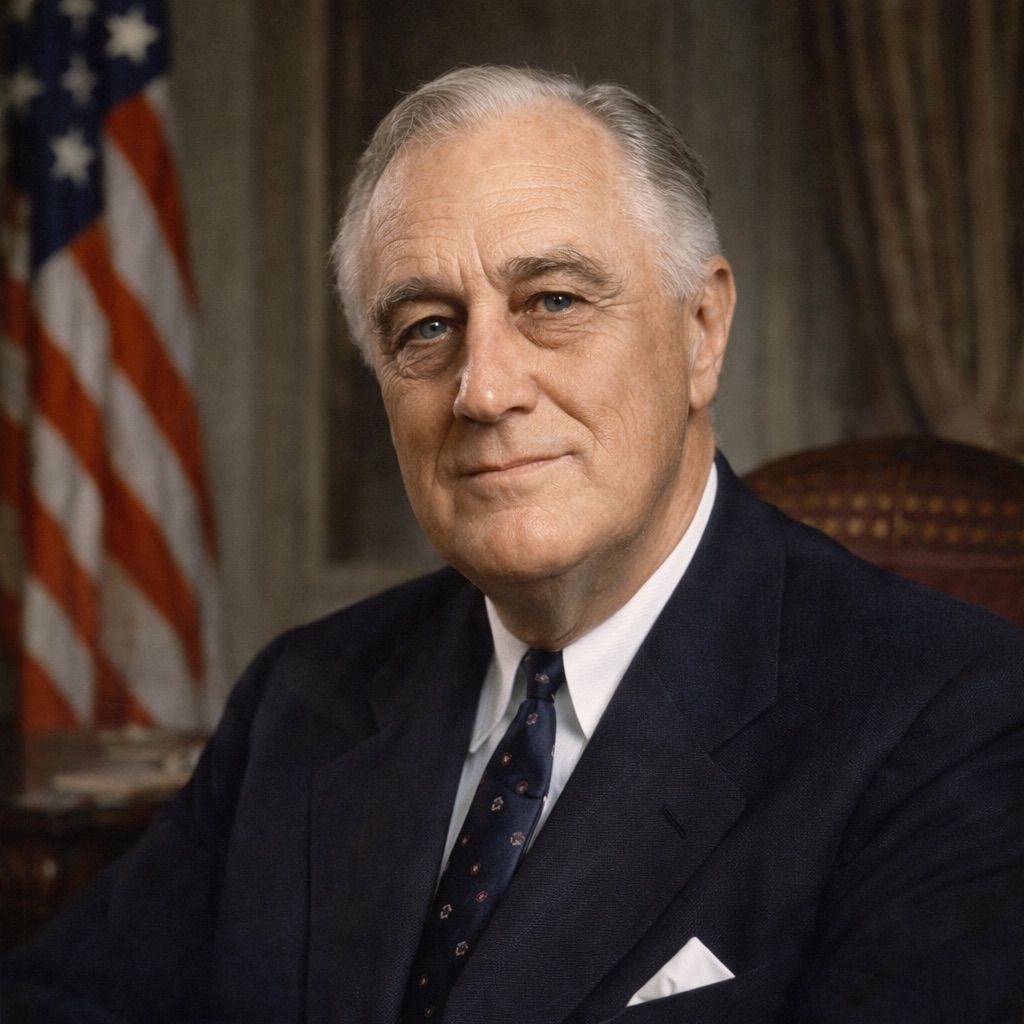
Franklin D Roosevelt: The Secret Life of a Hidden Disability

Penelope

I’ve always been fascinated by Franklin D. Roosevelt, but not in a straightforward way. It’s not just his accomplishments or his leadership during World War II that draw me in – although those are certainly impressive. What really gets my attention is the complexity of his personality and the contradictions within him.

Growing up, I read about FDR’s disability and how it affected his public image. I remember feeling a mix of awe and discomfort as I learned about how he hid his struggles with polio from the public eye. On one hand, I admired his determination to continue serving despite his physical limitations. But on the other hand, I wondered why he felt the need to conceal something that was such a significant part of his identity.

As an only child of parents who always emphasized my independence and ability, FDR’s decision to hide his disability from the public seems both understandable and frustrating. I can see how it would be tempting to present oneself as strong and capable in order to avoid judgment or sympathy. But at the same time, I worry that by hiding this aspect of himself, FDR may have missed out on opportunities for connection with others who might have understood him better.

I’m struck by the tension between FDR’s public persona – confident leader, charming statesman – and his private struggles. It makes me think about how we present ourselves to the world versus how we really feel. Do we hide our vulnerabilities in order to fit in or achieve our goals? Or do we risk being perceived as weak or flawed by revealing them?

One of FDR’s most famous speeches, the 1941 State of the Union address – also known as the “Four Freedoms” speech – is often cited as a highlight of his presidency. In it, he envisions a world where people have freedom of speech, freedom of worship, freedom from want, and freedom from fear. What I find compelling about this speech is not just its eloquence or its vision for a better future, but the fact that FDR himself was deeply aware of the fragility of these freedoms.

As someone who grew up in a relatively privileged community, it’s easy to take these freedoms for granted. But listening to FDR talk about them as something worth fighting for makes me realize how easily they can be taken away. His words make me think about my own place within this country and the world – not just as an individual, but as someone with a voice that can either amplify or ignore the struggles of others.

I’m not sure what it is about FDR’s story that resonates with me so deeply. Maybe it’s because he represents a paradox I’ve struggled with myself: the desire to be seen and accepted for who you truly are versus the pressure to conform to societal expectations. Perhaps it’s his willingness to challenge traditional norms and push boundaries, even if it meant facing criticism or ridicule.

As I continue to read about FDR and reflect on my own reactions, I’m left with more questions than answers. What does it mean to be strong, anyway? Is it possible to show vulnerability without being seen as weak? And what happens when we try to hide parts of ourselves from the world – do we risk losing touch with our authentic selves in the process?

I don’t have any clear conclusions or insights about FDR’s life. But by exploring these questions and complexities, I’m forced to confront my own biases and assumptions about leadership, identity, and what it means to be human. And that, for now, feels like a more honest and interesting place to start.

As I delve deeper into FDR’s life, I find myself wondering about the relationships he maintained behind closed doors. His marriage to Eleanor Roosevelt is often cited as one of the most enduring partnerships in American history, but I’m struck by the power dynamics at play. Eleanor was not only his wife, but also a close advisor and confidante – a position that’s both remarkable and complicated.

I think about my own relationships with my parents, particularly my mother. We’ve always had a strong bond, but as I’ve grown older, I’ve begun to realize the ways in which she’s also been a source of tension for me. She wants me to be independent, just like FDR’s upbringing shaped his sense of self-reliance, but sometimes her expectations feel suffocating. I wonder if Eleanor Roosevelt ever felt similarly trapped by her role as First Lady and wife.

FDR’s relationships with others are also fascinating to me – particularly his friendships with men like Harry Hopkins and Frances Perkins. These men were not only close advisors, but also confidants who helped him navigate the demands of the presidency. I think about my own friendships and how they’ve evolved over time. As I’ve grown older, I’ve started to prioritize deeper, more meaningful connections with people who understand me on a fundamental level.

This brings me back to FDR’s speeches – particularly his famous phrase “the only thing we have to fear is fear itself.” It’s easy to dismiss this as a soundbite or a platitude, but for FDR, it was a deeply personal mantra. He knew that fear could be paralyzing, that it could hold you back from taking risks and pursuing your goals. I think about my own fears – the ones I’ve faced in college, the ones I’m facing now as I navigate this post-grad world.

FDR’s story makes me realize how much we’re all fighting our own battles, often behind closed doors or with a mask of confidence. We present ourselves to the world as strong and capable, but inside, we’re just as scared and uncertain as everyone else. It’s a humbling thought, one that I’m not sure I’ve fully absorbed yet.

As I continue to explore FDR’s life, I’m left with more questions about what it means to be human – our strengths and weaknesses, our fears and desires. What does it mean to be vulnerable in public, without sacrificing your sense of self? And how do we balance the need for connection with others with the desire to maintain our own autonomy?

I’m not sure I have any answers yet, but by asking these questions, I feel like I’m getting closer to understanding FDR – and maybe even myself.

One of the things that’s struck me about FDR’s life is his relationship with time. As a man who contracted polio in his late 20s, he was acutely aware of the fragility of time and the importance of making every moment count. In many ways, this sense of urgency drove him to achieve great things – from leading the country through two wars to implementing sweeping reforms like Social Security.

But it’s not just FDR’s accomplishments that fascinate me; it’s also his approach to time itself. He was a man who lived in the present, always pushing forward with a sense of purpose and determination. And yet, he was also deeply aware of the past – its lessons, its mistakes, and its triumphs.

As someone who’s recently graduated from college, I feel like I’m struggling to find my own place in time. I’ve got a degree, but what does it mean? What am I supposed to do with this blank slate that stretches out before me? FDR’s story makes me realize just how much pressure there is to achieve great things, to make the most of every moment.

But what if I don’t know what I want to do? What if I’m still figuring out who I am and where I fit in the world? Does that mean I’m failing somehow? FDR’s life suggests otherwise – that it’s okay not to have all the answers, that it’s okay to take risks and try new things.

I think about my own fears and doubts – the ones that whisper in my ear, telling me I’m not good enough or that I’ll never amount to anything. FDR’s story makes me realize just how much of a role fear plays in our lives – the way it can hold us back from pursuing our dreams, from taking risks.

And yet, at the same time, his life also suggests that fear is something we can overcome. That by facing it head-on, by confronting our doubts and insecurities, we can find the strength to move forward.

I’m not sure what this means for me right now – whether I’ll end up following in FDR’s footsteps or forging my own path entirely. But as I continue to explore his life and legacy, I feel like I’m slowly starting to untangle some of the complexities that have been weighing on me. Maybe that’s the point of all this reflection – not to find answers, but to ask new questions, to seek out a deeper understanding of myself and the world around me.

As I delve deeper into FDR’s life, I’m struck by his ability to pivot in the face of adversity. His presidency was marked by numerous challenges, from the Great Depression to World War II, but he consistently demonstrated an unwavering commitment to finding solutions. This trait resonates with me as someone who often finds themselves at a crossroads, unsure which path to take.

FDR’s willingness to adapt and evolve is something I admire greatly. He didn’t shy away from trying new approaches or embracing unconventional ideas, even when they were met with resistance. In contrast, I often find myself stuck in my own ruts, hesitant to deviate from the familiar. FDR’s example encourages me to be more open-minded, to trust that uncertainty can lead to growth and innovation.

One of the aspects of FDR’s leadership that continues to fascinate me is his use of storytelling as a tool for communication. He was a masterful storyteller, able to weave complex ideas into compelling narratives that resonated with the American people. I’ve always been drawn to writing as a means of exploring my own thoughts and emotions, but FDR’s approach shows me the power of using narrative to connect with others.

As someone who’s still navigating their post-grad identity, I’m struggling to find my own voice – both in terms of what I want to say and how I want to say it. FDR’s example suggests that storytelling can be a powerful way to express myself, to convey the complexities and nuances of human experience. By embracing this approach, I may be able to tap into a deeper sense of purpose and connection with others.

FDR’s life also makes me think about the role of privilege in shaping our experiences and perspectives. As a member of the American elite, he enjoyed a level of comfort and security that many people could only dream of. And yet, despite these advantages, FDR was acutely aware of the struggles faced by those around him – from the working-class Americans who were struggling to make ends meet during the Great Depression to the marginalized communities who were fighting for their rights.

This awareness is something I admire greatly, as it suggests that even in the midst of privilege, one can remain attuned to the needs and experiences of others. As someone who’s grown up with a certain level of comfort and security, I’ve often felt guilty about my own privilege – like I’m somehow complicit in the systems of oppression that perpetuate inequality.

FDR’s life encourages me to see my privilege not as something to be ashamed of, but rather as an opportunity to use my position for good. By acknowledging the advantages I’ve been given and using them to amplify the voices and experiences of others, I can work towards creating a more just and equitable world – one that recognizes the value and dignity of every individual.

I’m not sure where this will take me or what specific actions I’ll take, but FDR’s example inspires me to be more mindful of my own privilege and to use it as a force for positive change. By embracing this responsibility, I may be able to make a difference in the world – even if it’s just in small, incremental ways.

Related Posts

Anton Chekhov: Melancholy by Default, or Maybe Just a Realist?

Penelope

Anton Chekhov. His name has been etched in my mind for as long as I can remember, but it wasn’t until recently that I really started to think about who he was and what his writing means to me. I’ve always known that he’s a Russian playwright and short story writer, famous for his poignant and often bleak stories about the human condition. But it’s not just his literary reputation that fascinates me – it’s the sense of melancholy that seems to permeate everything he writes.

I think part of what draws me to Chekhov is my own experience with uncertainty and disillusionment. As a recent college graduate, I’m still trying to figure out who I am and what I want to do with my life. It’s disorienting and sometimes feels like I’m wandering through a dense forest without a map or compass. Chekhov’s characters often find themselves in similar situations – stuck in dead-end relationships, struggling to make ends meet, or simply trying to navigate the complexities of human emotions.

Take his short story “Ward No. 6”, for example. The protagonist, Dr. Andrey Ragin, is a brilliant and compassionate doctor who becomes increasingly unhinged as he tries to care for his patients in a rundown hospital ward. Chekhov masterfully captures the sense of desperation and despair that can creep in when we feel trapped and powerless. I’ve felt that same sense of hopelessness at times – like no matter how hard I try, I’m stuck in a rut and unable to escape.

But it’s not just the darkness in Chekhov’s writing that resonates with me – it’s also his ability to find beauty and meaning in even the most mundane moments. His stories are full of these quiet, unassuming observations about human nature – a glance between two lovers, a child’s laughter, or a simple gesture of kindness. These small moments have a way of revealing deeper truths about ourselves and our place in the world.

I’m not sure why this is so important to me. Maybe it’s because I’ve always struggled with finding my own voice and perspective on the world. As a writer, I feel like I’m constantly trying to navigate the line between authenticity and pretension – to capture the essence of human experience without resorting to clichés or sentimentalism. Chekhov’s writing is a reminder that even in the most trivial-seeming moments, there can be profound depth and insight.

At the same time, I find myself wondering about the toll that his writing took on him personally. Did he suffer from depression or anxiety, like some of his characters? How did he navigate the complexities of relationships and identity in his own life? These questions feel like they’re rooted in a desire to humanize him – to see beyond the literary icon and into the person behind the pen.

But maybe that’s the thing about Chekhov – he resists being reduced to a single persona or image. His writing is a web of contradictions and complexities, full of characters who are both flawed and relatable, ordinary and extraordinary. As I continue to read his stories and plays, I’m struck by the sense that there’s still so much to learn from him – about the human condition, about creativity, and about myself.

As I sit here, surrounded by notes and scraps of paper with Chekhov’s quotes and character descriptions, I feel a mix of emotions. There’s a sense of awe at his mastery of language and form, but also a feeling of discomfort – like I’m only scratching the surface of what he’s trying to tell us. It’s a reminder that writing is never about final answers or conclusions, but about asking questions and exploring the complexities of human experience.

And yet, even with all these ambiguities and uncertainties, there’s something enduring about Chekhov’s work – a sense that it will continue to resonate with readers long after I’m gone. Maybe that’s what draws me to him in the first place – the feeling that his writing is a testament to the power of art to capture the essence of our shared humanity.

As I delve deeper into Chekhov’s world, I find myself drawn to the way he explores the intricacies of human relationships. His characters are often trapped in webs of love, duty, and obligation, struggling to navigate the complexities of family, friendship, and romance. Take his play “The Seagull”, for instance – a story about unrequited love, artistic ambition, and the fragility of human connection.

I think about my own relationships, and how they’ve been affected by feelings of uncertainty and disillusionment. Like Chekhov’s characters, I’ve struggled to find my place in the world, to define myself beyond the expectations of others. There’s a sense of longing that permeates his writing – a yearning for connection, for understanding, for transcendence.

As I read through “The Seagull”, I’m struck by the way Chekhov portrays the performative nature of relationships. His characters often put on masks or adopt personas to navigate the complexities of social norms and expectations. This resonates with me, as I’ve found myself doing the same – adopting different roles or personas to fit in or feel more confident.

But what’s fascinating is how Chekhov critiques this performative aspect of human relationships. His characters are often trapped by their own performances, struggling to reconcile their authentic selves with the roles they’re expected to play. This feels eerily familiar – like I’m caught between my desire for authenticity and my need to present a certain image or persona.

I wonder if Chekhov’s exploration of these complexities is a reflection of his own experiences. Did he struggle with feelings of inauthenticity, or did he find ways to reconcile the performative aspects of relationships with his own sense of self? These questions swirl in my head as I continue to read through his stories and plays.

As I reflect on Chekhov’s work, I’m struck by the way it challenges me to think more deeply about my own relationships. His writing is a reminder that human connections are multifaceted and complex – often messy and contradictory. This feels both exhilarating and terrifying, like I’m being asked to confront the depths of my own vulnerability and uncertainty.

And yet, even in the midst of these complexities, Chekhov’s writing offers a sense of hope. His characters may be trapped by their own performances or circumstances, but they’re also capable of moments of beauty, tenderness, and connection. This feels like a powerful reminder – that even in the darkest moments, there is always the possibility for transcendence, for growth, and for connection.

As I delve deeper into Chekhov’s world, I find myself drawn to the way he explores the intricacies of human relationships. His characters are often trapped in webs of love, duty, and obligation, struggling to navigate the complexities of family, friendship, and romance.

I think about my own relationships, and how they’ve been affected by feelings of uncertainty and disillusionment. Like Chekhov’s characters, I’ve struggled to find my place in the world, to define myself beyond the expectations of others. There’s a sense of longing that permeates his writing – a yearning for connection, for understanding, for transcendence.

As I read through “The Seagull”, I’m struck by the way Chekhov portrays the performative nature of relationships. His characters often put on masks or adopt personas to navigate the complexities of social norms and expectations. This resonates with me, as I’ve found myself doing the same – adopting different roles or personas to fit in or feel more confident.

But what’s fascinating is how Chekhov critiques this performative aspect of human relationships. His characters are often trapped by their own performances, struggling to reconcile their authentic selves with the roles they’re expected to play. This feels eerily familiar – like I’m caught between my desire for authenticity and my need to present a certain image or persona.

I wonder if Chekhov’s exploration of these complexities is a reflection of his own experiences. Did he struggle with feelings of inauthenticity, or did he find ways to reconcile the performative aspects of relationships with his own sense of self? These questions swirl in my head as I continue to read through his stories and plays.

As I reflect on Chekhov’s work, I’m struck by the way it challenges me to think more deeply about my own relationships. His writing is a reminder that human connections are multifaceted and complex – often messy and contradictory. This feels both exhilarating and terrifying, like I’m being asked to confront the depths of my own vulnerability and uncertainty.

And yet, even in the midst of these complexities, Chekhov’s writing offers a sense of hope. His characters may be trapped by their own performances or circumstances, but they’re also capable of moments of beauty, tenderness, and connection. This feels like a powerful reminder – that even in the darkest moments, there is always the possibility for transcendence, for growth, and for connection.

I’m starting to see Chekhov’s writing as a mirror held up to my own life. His characters’ struggles with identity, relationships, and purpose are echoes of my own doubts and fears. It’s both comforting and unsettling to realize that I’m not alone in this struggle – that there are others who have walked similar paths and emerged scarred but wiser.

As I continue to explore Chekhov’s work, I find myself asking more questions than I have answers. What does it mean to be authentic in a world that demands performance? How do we reconcile our desire for connection with the need to protect ourselves from hurt? And what is the true cost of living a life that’s not entirely our own?

These are questions that Chekhov’s writing raises, but doesn’t necessarily answer. Instead, it offers me a glimpse into the complexities of human experience – a reminder that life is messy and imperfect, and that it’s okay to be uncertain.

I find myself drawn to these questions because they feel like a reflection of my own struggles with identity and relationships. As I navigate the post-grad world, I’m constantly being asked to present a certain image or persona – whether it’s through social media, job interviews, or even just everyday interactions. It’s easy to get caught up in this performative aspect of life, to try on different masks and adopt different roles in order to fit in or feel more confident.

But Chekhov’s writing reminds me that there’s a cost to living a life that’s not entirely our own. His characters are often trapped by their own performances, struggling to reconcile their authentic selves with the expectations of others. This feels like a warning sign – a reminder that I don’t have to conform to societal norms or expectations in order to be accepted.

As I think about this further, I start to wonder about the relationship between performance and authenticity. Can we ever truly be ourselves, or are we always playing some role or persona? Chekhov’s writing suggests that there’s a tension between these two things – that our performances can both hide and reveal our true selves at the same time.

I think about my own experiences with this – how I’ve often felt like I’m putting on a mask in order to navigate social situations or impress others. It’s exhausting, feeling like I have to constantly perform for the benefit of others. But what if I let go of that need to perform? What if I allowed myself to be vulnerable and authentic, even if it meant facing rejection or uncertainty?

Chekhov’s writing doesn’t offer easy answers to these questions, but it does offer a sense of hope. His characters may be trapped by their own performances, but they’re also capable of moments of beauty, tenderness, and connection. This feels like a reminder that I don’t have to conform to societal norms or expectations in order to be worthy – that my authentic self is enough.

As I continue to explore Chekhov’s work, I’m struck by the way it challenges me to think more deeply about my own relationships. His writing is a reminder that human connections are multifaceted and complex – often messy and contradictory. This feels both exhilarating and terrifying, like I’m being asked to confront the depths of my own vulnerability and uncertainty.

I start to wonder if this is what Chekhov meant by his famous phrase “don’t tell me the moon is not there because you cannot see it from where you stand.” Is he saying that we can only truly understand ourselves and others when we’re willing to look beyond our own limitations, to see the complexities and contradictions of human experience?

This feels like a powerful reminder – that I don’t have to settle for simplistic or reductionist views of myself or others. That even in the midst of uncertainty and complexity, there is always the possibility for growth, connection, and transcendence.

As I reflect on Chekhov’s writing, I’m struck by the sense that it’s a mirror held up to my own life – a reflection of my doubts, fears, and hopes. It’s both comforting and unsettling to realize that I’m not alone in this struggle – that there are others who have walked similar paths and emerged scarred but wiser.

I don’t know what the future holds, or what path I’ll take next. But one thing is clear: Chekhov’s writing has given me a new perspective on life, and a renewed sense of hope for connection and transcendence.

Related Posts