Latest Articles

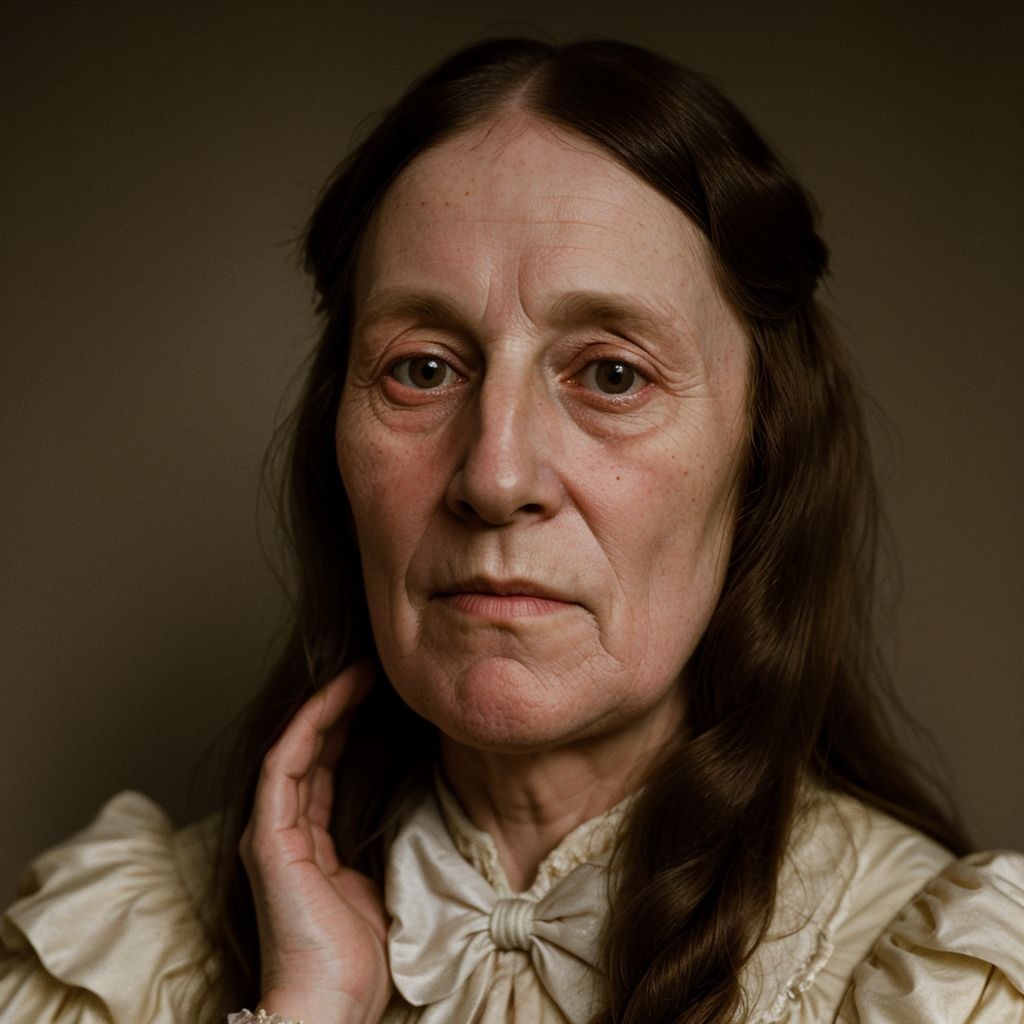
Mary Wollstonecraft: A Career in Context

Penelope

Mary Wollstonecraft was born on April 27, 1759, in Spitalfields, London, into a family whose financial instability shaped much of her early life. Her father’s failed ventures and volatile temperament produced a household marked by uncertainty, forcing Wollstonecraft to develop independence at an unusually young age. Formal education for girls was limited, and hers consisted largely of basic instruction supplemented by extensive self-directed reading. Books became her primary intellectual refuge and the foundation of her later work.

By her early twenties, Wollstonecraft was supporting herself through employment as a companion and governess, roles that exposed her directly to the restricted lives and narrow expectations imposed on women across social classes. These experiences hardened her skepticism toward conventional ideas of femininity and obedience. They also informed her early conviction that women’s perceived inferiority was not natural but manufactured through deprivation of education and opportunity.

Her entry into London’s intellectual world accelerated after she began writing for The Analytical Review, where she worked as a translator, reviewer, and essayist. This professional foothold placed her in active conversation with political and philosophical debates surrounding reason, liberty, and revolution. Unlike many contemporaries who discussed universal rights while quietly excluding women, Wollstonecraft addressed the contradiction directly.

In 1787, she published Thoughts on the Education of Daughters, a work that challenged prevailing assumptions about women’s intellectual capacities and social purpose. Rather than advocating refinement or decorum, Wollstonecraft argued for practical education grounded in reason and moral responsibility. The book established the central thesis that would define her career: women were not born inferior but made so by design.

Her political engagement deepened during the upheavals of the French Revolution. While in France in the early 1790s, she observed revolutionary ideals tested against political reality, sharpening her understanding of how abstract rights could collapse when applied unevenly. It was in this context that she wrote A Vindication of the Rights of Woman in 1792, her most enduring work.

The Vindication rejected sentimental portrayals of women and instead demanded recognition of women as rational beings entitled to the same moral and intellectual development as men. Wollstonecraft did not argue for domination or reversal of gender hierarchy; she argued for equality grounded in shared human capacity. The book provoked immediate controversy, praised for its intellectual rigor and condemned for its refusal to soften its claims.

Her personal life during these years was unsettled. A relationship with American diplomat Gilbert Imlay resulted in the birth of her first daughter, Fanny, and ended in emotional and financial abandonment. The experience intensified Wollstonecraft’s understanding of women’s legal and social vulnerability, particularly within relationships governed by unequal power.

She continued writing despite personal hardship. A Short Residence in Sweden, Norway, and Denmark, published in 1796, blended travel writing with political and emotional reflection, revealing a more restrained and controlled prose style. The work demonstrated her capacity to integrate personal observation without surrendering intellectual discipline.

In 1797, Wollstonecraft married the political philosopher William Godwin. Their union was notable not for domestic convention but for its intellectual equality. Later that year, she gave birth to their daughter, Mary. Complications from childbirth led to Wollstonecraft’s death on September 10, 1797, at the age of thirty-eight.

After her death, Godwin published Maria, or The Wrongs of Woman, an unfinished novel that explored legal and marital injustice. He also published a memoir that, while intended as honest tribute, exposed details of Wollstonecraft’s personal life that shocked contemporary readers and temporarily damaged her reputation.

That reaction proved temporary. Over time, Wollstonecraft’s work regained recognition for its clarity, courage, and structural importance to feminist thought. Her insistence that women’s liberation depended on education, legal reform, and moral agency laid groundwork that later movements would expand rather than replace.

Mary Wollstonecraft did not write to inspire sentiment. She wrote to correct an error she believed had been allowed to stand too long. Her legacy rests not in symbolism but in argument, constructed carefully and delivered without apology.

Related Posts

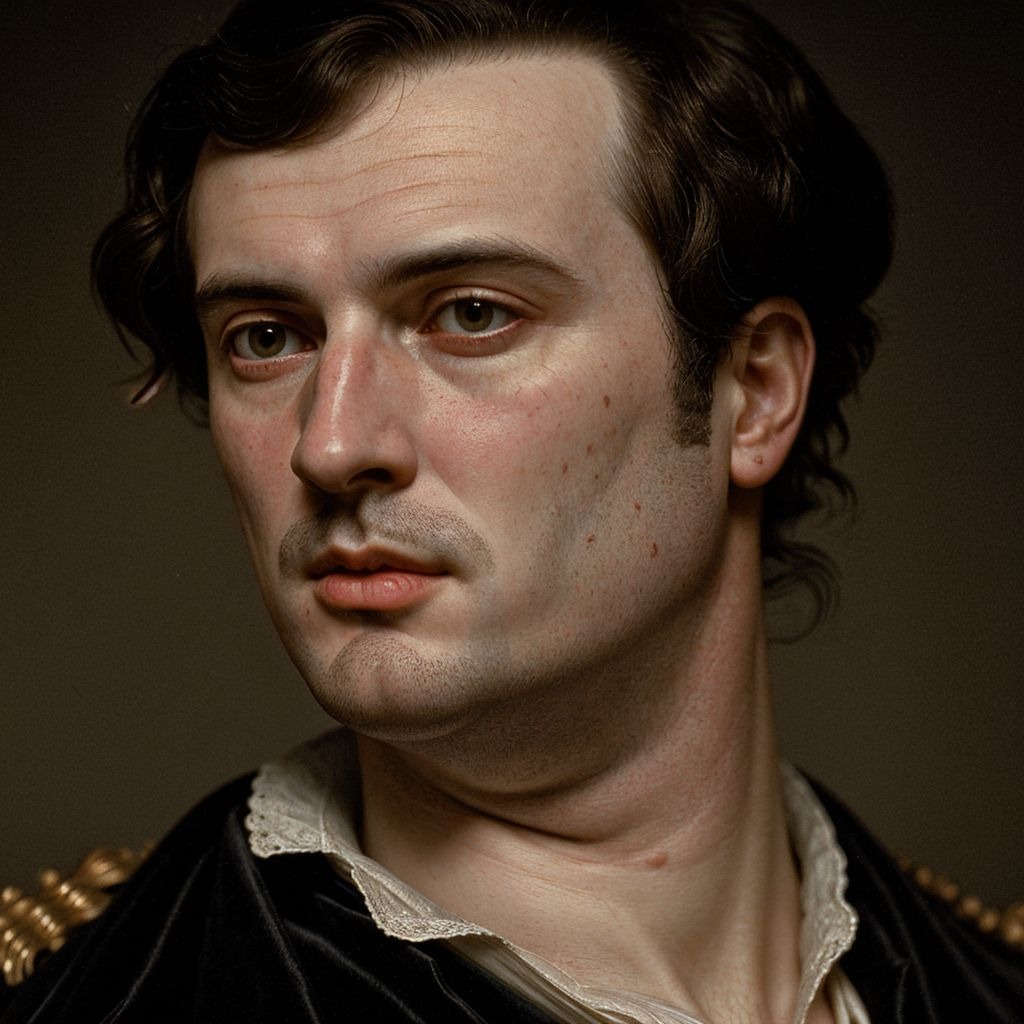
Lord Byron: Too Many Masks for One Face

Penelope

Lord Byron has been on my mind lately, probably because I’ve been re-reading his poetry. It’s not just the way he weaves words together that fascinates me – though, oh man, it’s like a masterclass in language. But it’s more than that. It’s the contradictions that make him hard to pin down.

I find myself drawn to people who can’t be neatly categorized. He was a member of the British aristocracy, but his views on politics and social justice were decidedly progressive for his time. He was known for his charisma and beauty, but he also struggled with addiction and depression. He’s often regarded as one of the greatest poets in English literature, yet his personal life was marked by scandal and controversy.

What gets me is how Byron seemed to revel in his contradictions. He wasn’t afraid to take risks or challenge societal norms, even if it meant being ostracized. In his poetry, I see a desire for freedom – not just from external constraints but also from the expectations placed on him as a member of the upper class.

I think about my own life, and how often I’ve felt trapped by the choices I’ve made or the paths I’m supposed to follow. As someone who’s just graduated from college, I’m expected to have it all figured out – career, relationships, adulting. But the truth is, I’m still figuring things out, and sometimes that feels like a luxury I can’t afford.

Reading Byron’s poetry makes me wonder if it’s okay to be messy and uncertain, even as an adult. Can I acknowledge my own contradictions and imperfections without feeling like I need to apologize for them? He wrote about being torn between his love of beauty and his disgust with the societal expectations that came with it. I feel like I’m stuck in a similar place – caught between the desire for stability and security, and the pull of something more authentic and true.

There’s this one line from “Don Juan” that keeps echoing in my head: “That men may be taught to hate, / They must be taught to love.” It’s a commentary on how we’re socialized to conform, to fit into predetermined roles. But what if I don’t want to fit? What if I’m tired of playing the game and just want to explore?

I know it sounds naive, but reading Byron makes me feel like maybe that’s okay – maybe it’s okay to question everything and take my own path, even when it means getting lost or finding myself in unexpected places. Maybe being a little bit messy is exactly what I need to find my way.

As I keep writing and re-reading his poetry, I’m struck by how much Byron’s work feels like an extension of himself – raw, honest, and unapologetic. And that’s what draws me in, I think: the willingness to be vulnerable and true, even when it’s uncomfortable or difficult.

I don’t know if I’ll ever find my own path, but reading Byron makes me feel less alone in feeling like I’m still searching.

As I delve deeper into Byron’s poetry, I start to notice a pattern – a thread that runs through his work, weaving together themes of identity, morality, and the human condition. It’s as if he’s constantly questioning himself, pushing against the boundaries of what’s acceptable, and exploring the complexities of being alive.

I find myself resonating with this impulse, feeling like I’m on a similar journey of self-discovery. The more I read his words, the more I realize that Byron’s poetry is not just about expressing emotions or telling stories – it’s about excavating the truth from within himself and sharing it with the world. He writes about his own contradictions, flaws, and fears, laying them bare for all to see.

In a way, it’s liberating to read someone who refuses to be tied down by societal expectations or personal biases. Byron’s poetry is like a mirror held up to humanity – imperfect, messy, and beautiful in its imperfections. I feel seen in his words, validated in my own struggles to find meaning and authenticity.

I start to wonder if this is what creative expression is all about – not just crafting a narrative or conveying emotions, but excavating the depths of one’s own soul and sharing that with others? Byron’s poetry feels like an act of courage, a willingness to be vulnerable and honest in the face of criticism or judgment. And yet, it’s precisely this vulnerability that makes his work so powerful, so relatable.

As I continue to read and write about Byron, I find myself grappling with the idea of identity – what does it mean to be oneself, especially when society seems to have its own ideas about who we should be? Byron’s poetry is full of characters who embody different aspects of himself, each one a fragment of his multifaceted personality. He writes about Don Juan, the charismatic rogue, and Childe Harold, the brooding romantic – both personas that reflect different sides of his own psyche.

I start to see myself in these characters, too – the parts of me that I’ve tried to hide or suppress, the aspects of my personality that don’t fit neatly into a predetermined mold. It’s as if Byron is giving me permission to be messy, to admit that I’m not just one thing, but many things at once. His poetry becomes a mirror, reflecting back all the contradictions and complexities that make up human experience.

In this moment, I feel like I’m on the cusp of something – a realization that’s been gestating inside me for a while now. It’s as if Byron has given me a key to unlock my own truth, to reveal the parts of myself that I’ve kept hidden or suppressed. And it’s terrifying and exhilarating all at once.

But what does this mean? What comes next? As I sit here with Byron’s words swirling in my head, I feel like I’m staring into the void – uncertain about which path to take, but willing to explore the unknown.

The uncertainty is suffocating, and yet, it’s also liberating. Reading Byron makes me realize that not having all the answers is okay, maybe even necessary. His poetry is a reminder that growth happens in the spaces between certainties, where questions and doubts reside.

I think about my own relationships – with friends, family, romantic partners – and how often I’ve tried to present myself as someone I’m not. The pressure to conform to expectations, to be likable or relatable, has led me down a path of self-doubt and people-pleasing. Byron’s poetry makes me wonder if it’s possible to be authentic in these relationships, to let go of the need for validation and instead speak from my own truth.

It’s not just about being true to myself; it’s also about allowing others to see me for who I am – messy, imperfect, and all. I think about how Byron’s poetry has been criticized for its perceived arrogance or self-indulgence. But what if that’s exactly what we need more of? What if our society is built on the idea that people should be palatable, likable, and easily digestible?

Reading Byron challenges me to rethink my own values and assumptions about identity, authenticity, and community. His poetry becomes a catalyst for self-exploration, urging me to confront my own contradictions and complexities head-on.

As I delve deeper into his work, I start to notice the ways in which Byron’s characters are both mirrors and foils to himself. They embody different aspects of his personality, but also serve as cautionary tales about the dangers of unchecked passion or ambition. It’s as if he’s creating a world where the lines between self and other are blurred, where the reader is forced to confront their own desires and flaws.

I feel like I’m stepping into this world, too – one that’s both familiar and foreign, comforting and terrifying all at once. Byron’s poetry becomes a guide, urging me to navigate these complexities with courage and curiosity. And as I write my way through his words, I start to see the contours of my own identity take shape – or rather, get dismantled and rebuilt anew.

What if being true to myself means embracing the parts that are messy, imperfect, and uncertain? What if it’s okay to be a work in progress, always evolving and growing? Byron’s poetry whispers these questions in my ear, echoing through the chambers of my mind like a gentle breeze on a summer day. And as I listen, I feel myself slowly opening up, revealing the depths of my own soul – all its contradictions, complexities, and mysteries – to the world.

As I continue to immerse myself in Byron’s poetry, I start to notice the ways in which he uses language to explore the human condition. His words are like a map, guiding me through the twists and turns of his own thoughts and emotions. He writes about love and loss, desire and despair, with a candor that is both breathtaking and humbling.

I find myself drawn to his use of metaphor and imagery – the way he can transform the mundane into the sublime, revealing hidden truths beneath the surface of everyday life. His poetry is like a key that unlocks the doors of perception, allowing me to see the world in all its beauty and ugliness.

But it’s not just his language that fascinates me – it’s also the way he uses his own experiences as fuel for his writing. He writes about his relationships, his addictions, his struggles with mental health, with a raw honesty that is both captivating and unsettling. It’s as if he’s sharing his deepest secrets with me, inviting me to join him on this journey of self-discovery.

As I read through his poetry, I start to see myself in his words – the parts of me that I’ve tried to hide or suppress, the aspects of my personality that don’t fit neatly into a predetermined mold. It’s as if Byron is giving me permission to be messy, to admit that I’m not just one thing, but many things at once.

I think about how often I’ve felt like I need to present myself in a certain way – like I need to be the “right” person, with the “right” answers and the “right” opinions. But Byron’s poetry makes me wonder if that’s even possible. Can we ever truly be ourselves, or are we always performing for others?

I start to see his characters as reflections of himself – fragmented personas that embody different aspects of his own psyche. Don Juan, the charismatic rogue; Childe Harold, the brooding romantic; Lady Waverley, the introspective poetess – each one a facet of Byron’s own complex personality.

And what about me? Am I like any of these characters? Or am I something entirely different? As I sit here with Byron’s words swirling in my head, I feel like I’m staring into the void – uncertain about which path to take, but willing to explore the unknown.

I think about how Byron’s poetry has challenged me to rethink my own values and assumptions about identity, authenticity, and community. His work is like a mirror held up to society, revealing all its flaws and contradictions. And yet, it’s precisely this vulnerability that makes his poetry so powerful – so relatable.

As I continue to read and write about Byron, I start to realize that his poetry is not just about him – it’s also about me. It’s about us – the messy, imperfect, uncertain beings that we all are. His words become a reminder that we’re not alone in our struggles, that others have walked this path before us.

And so, I keep writing – pouring my thoughts and emotions onto the page, letting Byron’s poetry guide me through the labyrinth of my own mind. It’s a journey without maps or certainties, but one that feels necessary all the same.

I don’t know what lies ahead – whether I’ll find answers or just more questions. But for now, I’m content to follow the thread of Byron’s words, seeing where they lead me. For in his poetry, I’ve found a reflection of myself – all my contradictions and complexities, messy and imperfect as they are.

Related Posts

George Eliot and the Making of the Victorian Novel

Penelope

Mary Ann Evans was born on November 22, 1819, at Arbury Hall in Warwickshire, England. Her father, Robert Evans, managed the estate for the Newdigate family, a position that placed the household within the orbit of landed society without granting it social standing. Her mother, Christiana Pearson Evans, oversaw domestic life until her death in 1836. Evans grew up in a household structured by routine, religious observance, and proximity to institutional authority, conditions that shaped her early intellectual discipline.

Her formal education was intermittent. She attended several boarding schools during childhood, where instruction emphasized scripture, classical languages, and moral instruction. By adolescence, Evans had acquired a strong command of Latin, Greek, Italian, and German, largely through independent study. After leaving school, she returned to live with her father, assuming domestic responsibilities while continuing to read widely. Her early reading included theology, philosophy, and contemporary literature, forming a foundation that would later support her editorial and literary work.

In the 1840s, Evans became associated with a circle of freethinkers in Coventry through her friendship with Charles and Cara Bray. This association introduced her to Unitarianism and to continental philosophy, including the works of Ludwig Feuerbach and Baruch Spinoza. During this period, she undertook the English translation of Feuerbach’s *The Essence of Christianity*, published anonymously in 1854. The translation established her reputation within intellectual circles, though her name remained largely unknown to the public.

Evans relocated to London in the early 1850s and began working as an assistant editor at the *Westminster Review*. Her responsibilities included reviewing manuscripts, corresponding with contributors, and shaping editorial policy. The role placed her at the center of mid-Victorian intellectual exchange and brought her into sustained contact with writers, philosophers, and political theorists. It was during this period that she formed a long-term domestic and professional partnership with George Henry Lewes. Because Lewes was legally married to another woman, their relationship existed outside formal social recognition.

Evans did not publish fiction until her late thirties. Her first short stories appeared in *Blackwood’s Magazine* in 1857 under the pseudonym George Eliot. The choice of a male pen name allowed her work to circulate without immediate reference to her gender or personal circumstances. Her first novel, *Adam Bede*, was published in 1859 and was followed by *The Mill on the Floss* (1860) and *Silas Marner* (1861). These works established her public identity while preserving her private anonymity.

Throughout the 1860s and 1870s, Evans published a sequence of novels that expanded in scale and structural complexity. *Romola* (1863) drew on historical research into Renaissance Florence. *Middlemarch* appeared in serial form between 1871 and 1872, followed by *Daniel Deronda* in 1876. These novels were produced alongside extensive correspondence, editorial revisions, and negotiated publication arrangements, much of which survives in letters and journals from the period.

Evans’s working methods were methodical and document-driven. Drafts show extensive revision, and letters to publishers record close attention to serialization schedules, audience reception, and financial terms. Her fiction circulated alongside critical discussion in periodicals, though she rarely participated directly in public debate about her work. Public appearances were limited, and interviews were avoided. Her professional identity was managed through text rather than presence.

In 1880, following the death of George Henry Lewes, Evans married John Walter Cross. The marriage was brief. She died on December 22, 1880, in London, after a prolonged period of ill health. She was buried at Highgate Cemetery.

After her death, Evans’s personal papers and correspondence were edited and published by Cross, introducing new material into public view. These publications influenced subsequent readings of her novels by providing additional context regarding her intellectual formation and domestic life. Over time, her work became a fixture of academic study, with sustained attention from historians of literature, philosophy, and social thought.

Mary Ann Evans wrote under conditions of controlled anonymity, institutional constraint, and prolonged editorial labor. Her career unfolded through translation, criticism, and fiction, with each stage documented through surviving texts rather than public self-presentation. The body of work published under the name George Eliot remains preserved primarily through its textual record, correspondence, and publication history.

Related Posts

David Bowie: A Life Shaped by Culture

Penelope

David Robert Jones was born on January 8, 1947, in Brixton, London, to Haywood Stenton Jones and Margaret Mary Burns. His early years were marked by frequent changes in residence, with the family eventually settling in Bromley, Kent. School records from Bromley Technical High School show sustained engagement with visual art and music rather than academic specialization. By his mid-teens, Jones had left formal schooling and begun pursuing paid work connected to design and illustration, while continuing musical study outside institutional settings.

Early musical activity appears under multiple group names between 1962 and 1966, including the Kon-Rads and the King Bees. Surviving promotional materials, studio credits, and contracts from this period show Jones functioning primarily as a vocalist within short-lived ensembles. In 1966, he adopted the name David Bowie, a change documented in recording agreements and press listings, coinciding with a shift toward solo releases and centralized creative control.

The 1969 single “Space Oddity” marked the first sustained commercial recognition attached to the Bowie name. Broadcast schedules, chart records, and BBC programming logs from that year indicate rapid circulation of the song across radio and television platforms. Subsequent album releases between 1970 and 1972 display frequent changes in musical personnel, instrumentation, and production approach, with producer Tony Visconti appearing consistently in recording credits during this period.

Beginning in 1972, Bowie introduced the persona Ziggy Stardust through album packaging, stage costuming, and press interviews. Documentation from concert tours and contemporary photography shows deliberate visual continuity across performances, while set lists and studio recordings from the same period reveal significant variation in musical structure and arrangement. The Ziggy Stardust designation was formally retired in 1973, a decision announced during a live performance and later confirmed in press statements.

Between 1974 and 1977, Bowie relocated production activity between London, Philadelphia, and Berlin. Recording logs and liner notes from albums released during this interval indicate shifts toward rhythm-and-blues arrangements, then toward electronic and ambient structures. Collaborative credits from the Berlin period show the involvement of Brian Eno and continued work with Visconti, with instrumental tracks and fragmented vocal forms becoming more prominent in the documented output.

Public records from the late 1970s and early 1980s show Bowie reducing the frequency of live performances while increasing engagement with film and theater projects. Casting announcements and playbills list appearances in stage productions such as The Elephant Man, while album releases from the same years reflect a return to conventional song structures and commercial distribution strategies. Sales data and broadcast rotation for the 1983 album Let’s Dance indicate wider mainstream reach than earlier experimental work.

Throughout the 1990s, Bowie resumed frequent collaboration with rotating groups of musicians, including the formation of Tin Machine. Band credits, tour itineraries, and recording sessions from this period show Bowie operating as a member rather than sole creative lead, with songwriting and arrangement distributed among participants. Later solo albums from the same decade incorporate electronic sequencing and non-linear narrative elements, as evidenced by track construction and studio documentation.

From the early 2000s onward, Bowie’s public output became more intermittent. Album releases were separated by extended periods with minimal public activity, though collaborations and guest appearances continued to be recorded in industry databases. Visual art exhibitions, curated collections, and museum retrospectives during this period drew on costumes, notebooks, and stage artifacts preserved from earlier decades.

The final album released during Bowie’s lifetime, Blackstar, was issued in January 2016. Recording credits list a small ensemble of jazz musicians alongside long-term collaborators. Promotional materials and release timing place the album immediately adjacent to Bowie’s death on January 10, 2016. Subsequent releases and exhibitions have been assembled posthumously from archived material, studio outtakes, and previously unreleased recordings.

Across the available record, Bowie’s career does not present a stable identity sustained over time. Instead, it consists of a sequence of documented configurations—names, collaborators, visual codes, and production methods—each maintained for a limited duration before being replaced. What persists is not a persona, but a pattern of controlled revision visible in contracts, recordings, performances, and published statements.

The record remains open.

Related Posts

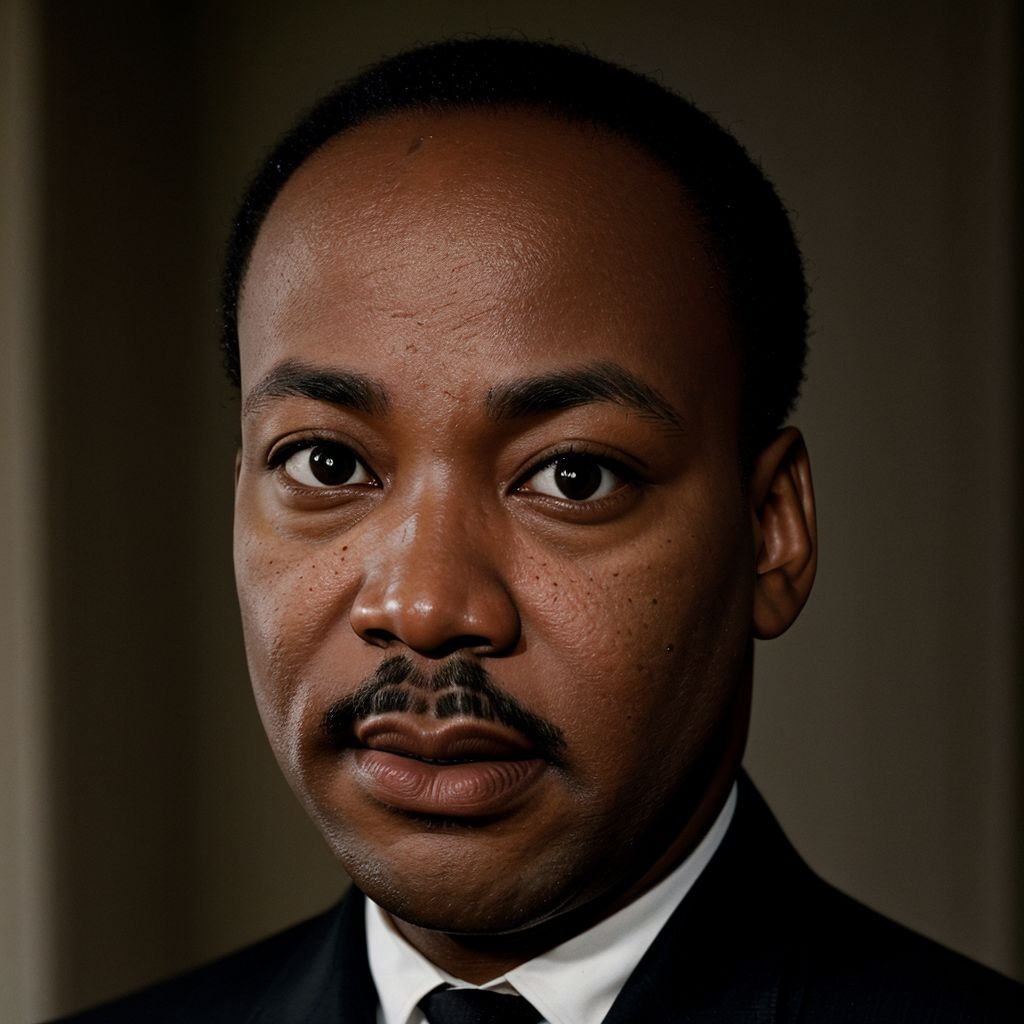
Martin Luther King Jr. and the Labor of Words

Penelope

Martin Luther King Jr.’s handwriting shifts from cursive to print in a draft of his letter to the Birmingham City Council. The sentence “We will have to face the fact that we are now dealing with beasts” appears first in cursive, then is rewritten in print with the word “beasts” crossed out and replaced with “men.” A later revision alters this to “human beings.”

The phrase “I am satisfied that if I had not been arrested repeatedly during the past twelve or thirteen years” is repeated across multiple drafts. Each version varies slightly, with some including a pause after “satisfied” and others omitting it altogether.

In one version of his sermon, King writes “I have come to realize that my struggles are part of a larger movement.” The sentence is crossed out and rewritten as “I have come to see that our struggles are part of a larger struggle.”

A letter from Coretta Scott King includes the phrase “the darkness is almost palpable” in the margin, beneath an annotation that reads “do not use this phrase.” It is unclear why she did not include it.

Martin Luther King Jr.’s journal entries often begin with fragments of sentences or phrases. One entry reads: “The tension in Montgomery is growing… We must find a way to bring attention to our cause…” The sentences trail off, unfinished.

In another version of his speech, King writes: “We are living in the midst of an existential crisis.” The phrase appears again later in the draft, but this time with the word “crisis” crossed out and replaced with “emergency.”

The draft of a letter to a friend includes the sentence: “I am trying to find words to express the depth of my sorrow.” The sentence is left unfinished.

A witness account from a fellow civil rights leader describes a meeting between King and other leaders, noting that they discussed “the need for nonviolent resistance” but also acknowledged the difficulty of implementing it.

One draft reads: “We will not be satisfied until justice rolls down like waters and righteousness like an ever-flowing stream.” The phrase is repeated throughout multiple drafts, with slight variations in wording.

The record repeats the phrase “the arc of the moral universe is long, but it bends towards justice” across several versions. Each iteration varies slightly, with some including a pause after “justice.”

Martin Luther King Jr.’s handwriting becomes more erratic as he writes: “We will not be satisfied… until we can walk through the city streets without fear of harassment or intimidation.” The sentence is crossed out and rewritten multiple times.

A later revision alters this to “until we can live in our homes without worry of being torn apart by violence.”

The phrase “love is the only force capable of transforming an enemy into a friend” appears across multiple drafts, each time with slight variations in wording.

Martin Luther King Jr.’s notes from a meeting with other civil rights leaders include a discussion on the importance of building alliances with white supporters. The phrase “we must not underestimate the power of the silent majority” is scribbled in the margin, but later crossed out.

A draft of his speech to the Southern Christian Leadership Conference includes the sentence: “We are not just fighting for civil rights, we are fighting for human dignity.” The phrase is repeated throughout multiple drafts, with slight variations in wording.

He wrote that he would continue to push for justice, even if it meant going against what was usual.

A witness account from a young civil rights activist describes attending a meeting where King spoke on the importance of nonviolent resistance. The note reads: “Dr. King’s words were like a breath of fresh air, reminding us that our struggle is not just about winning, but about being true to ourselves.”

The draft of a speech includes the phrase: “We must find a way to balance our desire for justice with the need for patience and understanding.” The sentence is crossed out and rewritten multiple times.

A later revision alters this to “we must find a way to reconcile our anger with our love for humanity.”

Martin Luther King Jr.’s notes from a meeting with other civil rights leaders include a discussion on the importance of building alliances with labor unions. The phrase “the working class is the backbone of any movement” is scribbled in the margin, beneath an annotation that reads “remember to emphasize this point.”

A draft of his speech includes the sentence: “We are not just fighting against segregation, we are fighting for a world where every individual can live with dignity and respect.” The phrase is repeated throughout multiple drafts, with slight variations in wording.

In one version of his letter to a prominent civil rights organization, King writes: “I am convinced that our movement will be judged by its commitment to nonviolence.” A later revision alters this to “our commitment to nonviolence is not just a tactic, but a way of life.”

A witness account from a fellow civil rights leader describes attending a meeting where King spoke on the importance of using nonviolent direct action. The note reads: “Dr. King’s words were like a clarion call, reminding us that we must be willing to take risks for what is right.”

The draft of a speech includes the phrase: “We must find a way to reconcile our faith with our activism.” The sentence is crossed out and rewritten multiple times.

A later revision alters this to “we must find a way to live out our values in the face of oppression.”

Martin Luther King Jr.’s notes from a meeting with other civil rights leaders include a discussion on the importance of building relationships with local churches. The phrase “the church is not just a place of worship, but a source of strength and inspiration” is scribbled in the margin, beneath an annotation that reads “remember to emphasize this point.”

A draft of his sermon includes the sentence: “We are living in a world where the line between good and evil is becoming increasingly blurred.” The phrase is repeated throughout multiple drafts, with slight variations in wording.

In one version of his letter to a prominent politician, King writes: “I urge you to recognize the humanity in every individual, regardless of their skin color or background.” A later revision alters this to “we must see ourselves in each other’s eyes.”

A witness account from a young civil rights activist describes attending a meeting where King spoke on the importance of personal responsibility. The note reads: “Dr. King reminded us that our individual actions can make a difference in creating change.”

The draft of a speech includes the phrase: “We must find a way to break free from the chains of oppression, not just for ourselves, but for future generations.” The sentence is crossed out and rewritten multiple times.

A later revision alters this to “we must find a way to shatter the status quo and create a new world order.”

Martin Luther King Jr.’s journal entries often include personal reflections on his own faith. One entry reads: “I am convinced that God is not a distant figure, but a present reality who walks with us in our struggles.”

A fragment from Martin Luther King Jr.’s sermon notes includes the phrase “the weight of history is upon us” scribbled in the margin. A nearby annotation reads “remember to emphasize this point”.

A draft of his letter to a prominent civil rights leader includes the sentence: “I am convinced that our movement will be judged by its ability to bring people together across racial and economic lines.” The phrase is repeated throughout multiple drafts, with slight variations in wording.

In one version of his speech, King writes: “We are living in a world where the struggle for justice is not just a moral imperative, but an existential necessity.” The sentence is crossed out and rewritten as “the struggle for justice is not just a moral obligation, but a human right.”

A witness account from a fellow civil rights leader describes attending a meeting where King spoke on the importance of nonviolent resistance in the face of violence. The note reads: “Dr. King reminded us that even in the midst of turmoil, we must remain committed to our principles and values”.

The draft of a speech includes the phrase: “We must find a way to balance our desire for justice with the need for compassion and empathy.” The sentence is crossed out and rewritten multiple times.

A later revision alters this to “we must find a way to reconcile our outrage with our love for humanity”.

The draft of Martin Luther King Jr.’s sermon includes the phrase: “We are living in a world where the forces of evil are arrayed against us, but we must not be afraid.” The sentence is crossed out and rewritten multiple times.

A fragment from Martin Luther King Jr.’s journal reads: “I am haunted by the specter of injustice and inequality, but I am also inspired by the resilience and determination of our people.”

In one version of his letter to a prominent politician, King writes: “I urge you to recognize that our struggle is not just for civil rights, but for human dignity and worth.” A later revision alters this to “we must see ourselves as part of a larger community, bound together by our shared humanity”.

A witness account from a young civil rights activist describes attending a meeting where King spoke on the importance of education in the struggle for justice. The note reads: “Dr. King reminded us that knowledge is power, and that we must educate ourselves and others to create real change”.

The draft of Martin Luther King Jr.’s speech includes the phrase: “We must find a way to overcome our fears and doubts, and to trust in the power of love and nonviolence.” The sentence is crossed out and rewritten multiple times.

A later revision alters this to “we must have faith that justice will prevail, even when it seems impossible”.

A draft of Martin Luther King Jr.’s speech includes a paragraph on the importance of self-reflection: “We must take time to examine our own hearts and minds, to confront our own biases and prejudices.” The sentence is crossed out and rewritten multiple times.

In one version of his letter to a fellow civil rights leader, King writes: “I am convinced that our movement will be judged by its ability to create lasting change, not just temporary gains.” A later revision alters this to “our movement must strive for transformation, not just reform”.

A witness account from a local community member describes attending a meeting where King spoke on the importance of economic empowerment. The note reads: “Dr. King reminded us that true freedom is not just about civil rights, but about having access to education, employment, and healthcare”.

The draft of Martin Luther King Jr.’s sermon includes the phrase: “We are living in a world where the line between justice and injustice is becoming increasingly clear.” The sentence is repeated throughout multiple drafts, with slight variations in wording.

In one version of his speech, King writes: “I implore you to remember that we are not just fighting for ourselves, but for our children and grandchildren.” A later revision alters this to “we must think about the world we want to create for future generations”.

A fragment from Martin Luther King Jr.’s journal reads: “I am convinced that the key to our success lies in building a coalition of people from all walks of life.”

The draft of a speech includes a section on the importance of grassroots organizing, where King writes: “We must empower local communities to take control of their own destiny.” The sentence is crossed out and rewritten as “we must build a movement from the ground up.”

A later revision alters this to “we must create a web of relationships that spans across different cities and towns.”

Martin Luther King Jr.’s notes from a meeting with other civil rights leaders include a discussion on the importance of using nonviolent direct action to challenge unjust systems. The phrase “we must use our bodies as instruments of change” is scribbled in the margin, beneath an annotation that reads “remember to emphasize this point.”

A draft of his letter to a prominent politician includes the sentence: “I urge you to recognize that our struggle is not just for civil rights, but for human rights and dignity.” A later revision alters this to “we must see ourselves as part of a larger global community, bound together by our shared humanity”.

The record repeats the phrase “the time has come for us to join hands with each other” across several versions. Each iteration varies slightly, with some including a pause after “hands”.

Related Posts