Latest Articles

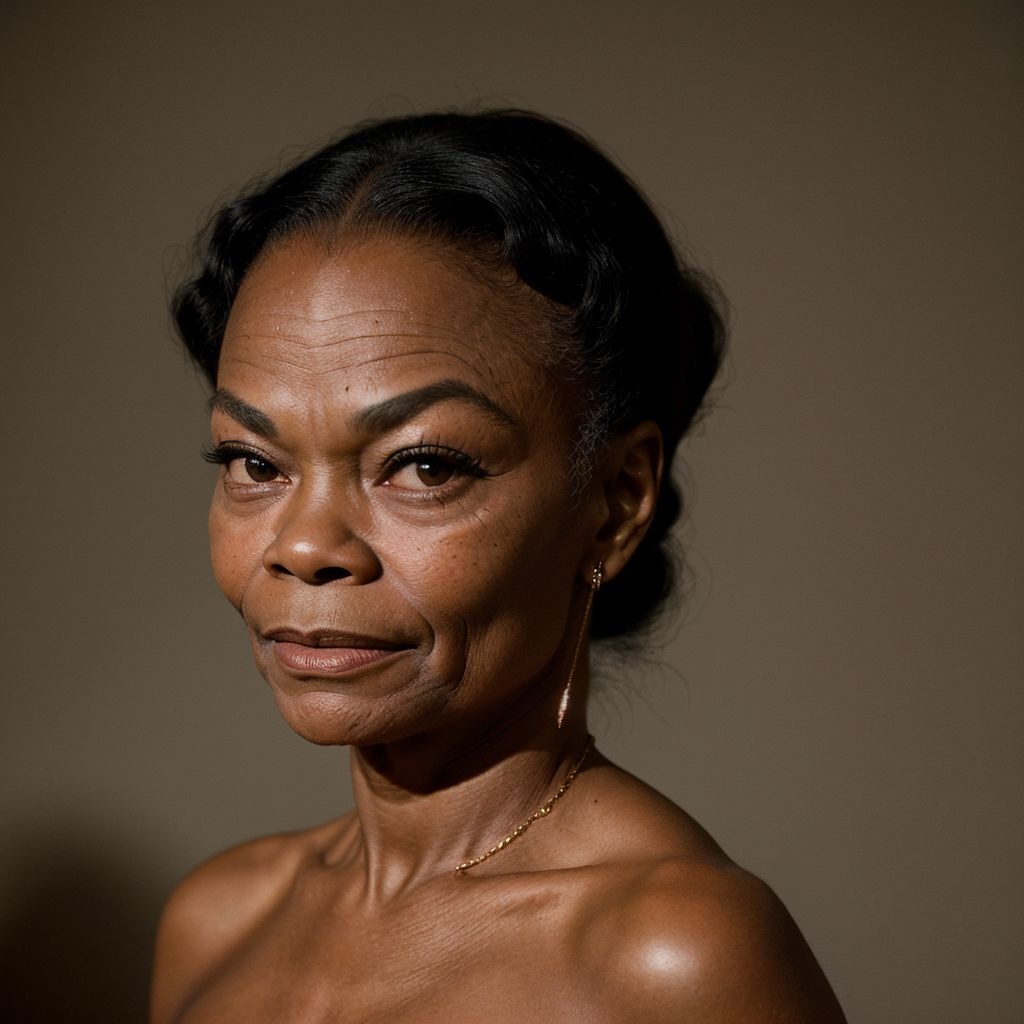
Eartha Kitt: When Being Interesting Meant You Were a Problem

Penelope

Eartha Kitt. Where do I even start? I’ve been obsessed with her for years, ever since I stumbled upon an old interview of hers on YouTube. Her voice, her wit, her unapologetic candor – it all just drew me in like a magnet. But as I delve deeper into her life and work, I find myself getting tangled up in the complexities of who she was.

One thing that’s always struck me is how Eartha Kitt embodied multiple identities at once. She was an actress, a singer, a dancer, and a model – all while being a black woman from the rural South. Her career spanned decades, genres, and continents, but her identity remained fluid, resistant to categorization. I find myself drawn to this quality in her, perhaps because it resonates with my own experiences as a young adult trying to figure out who I am.

Growing up, I was always told that I had to choose between being smart or being popular, between pursuing my passion for writing or getting a “practical” job. But Eartha Kitt’s career shows me that you can’t be forced into neat boxes. She took on roles and projects that interested her, regardless of whether they were considered “mainstream” or not. And when she spoke out against racism and sexism – as she did so famously in the 1960s, at a White House dinner party no less – it was never just about being a “socialite” or an “activist.” It was about using her platform to speak truth to power.

But what really gets me is how Eartha Kitt’s life has been reduced to soundbites and headlines over the years. She was called a “difficult diva,” a “troublemaker” – words that I’ve seen used to describe her in biographies, articles, and even social media posts. And yet, whenever I read about her struggles with racism, sexism, and mental health, I feel this deep sense of discomfort.

Why do we always focus on the drama, the controversy? Why can’t we talk more about how she navigated these systems of oppression, how she kept going despite the odds being stacked against her? It’s as if we’re more interested in spectacle than substance – in the juicy quotes and feuds rather than the quiet moments of resilience.

As I reflect on Eartha Kitt’s life, I find myself wondering what it means to be a strong woman. Is it about being unapologetic and outspoken, like she was? Or is it about quietly persevering through adversity, even when no one seems to notice or care? For me, the answer lies somewhere in between – in the messy, complicated space where vulnerability meets determination.

And that’s what I love about Eartha Kitt. She didn’t fit into neat categories; she refused to be reduced to a single label or persona. Instead, she embodied multiple contradictions at once: fierce and fragile, confident and uncertain, a product of both her time and place yet somehow always ahead of it. As I try to make sense of my own identity, I’m drawn to this paradoxical quality in her – a reminder that being a strong woman is not about being perfect or consistent, but about embracing the messy complexity of who we are.

I’ve been thinking a lot about the tension between spectacle and substance in our culture’s portrayal of women like Eartha Kitt. It’s as if we’re conditioned to focus on the surface level – the drama, the controversy, the eye-catching headlines – rather than digging deeper to understand the complexity of their experiences. And yet, when I read about Eartha Kitt’s life, I feel a sense of restlessness, a nagging feeling that there’s more to her story than what we’re told.

One of the things that strikes me is how often Eartha Kitt was reduced to her physical appearance. She was described as “exotic,” “sultry,” and “alluring” – words that seemed to emphasize her body over her mind, her talent, or her politics. And yet, when I look at old photos of her, I see a woman who was so much more than just her looks. I see someone with a sharp jawline, piercing eyes, and an unmistakable spark in her gaze.

I wonder if this emphasis on physical appearance is what led to the “difficult diva” label being attached to Eartha Kitt’s name. Was it because she refused to be objectified, reduced to just a pretty face or a sultry voice? Or was it because she spoke out against systems of oppression that were uncomfortable for people to confront?

It’s funny – I’ve noticed the same thing happening in my own life as a young woman. People often respond to me more readily when they can categorize me into some sort of neat box: “You’re an artist,” or “You’re a writer.” But what about when I resist those labels, when I choose not to be defined by just one aspect of myself? Don’t people get uncomfortable then?

Eartha Kitt’s life shows me that this is nothing new. Women like her have been pushing against these boundaries for decades, refusing to be reduced to simplistic stereotypes or neatly packaged personas. And yet, despite their best efforts, they’re often still subject to the same old tropes and expectations.

As I continue to grapple with Eartha Kitt’s legacy, I find myself thinking about what it means to be a woman in a world that’s still so resistant to complexity. How do we challenge these stereotypes without being seen as “difficult” or “uncooperative”? And how do we honor the women who came before us, like Eartha Kitt, who refused to be silenced or reduced? For me, it starts with embracing my own messy, complicated identity – and recognizing that I’m not alone in this struggle.

I’ve been thinking a lot about the way society tries to pin women down, to categorize them into neat little boxes. It’s like we’re all supposed to be reducible to some simple label or persona, but what happens when we refuse to fit? When we resist being defined by just one aspect of ourselves?

I think back to Eartha Kitt’s experiences with racism and sexism in the entertainment industry. She was constantly typecast as the “exotic” or “sultry” Other, never quite allowed to be seen as a fully fleshed-out person. And yet, she continued to speak out against these systems of oppression, using her platform to challenge the status quo.

It’s funny – I’ve been in similar situations myself, where people have tried to reduce me to just one thing: “Oh, you’re an artist,” or “You’re a writer.” But what about when I’m feeling uncertain or messy? When I’m not quite sure who I am or what I want?

Eartha Kitt’s life shows me that it’s okay to be unsure, to question everything. She was a woman of contradictions – fierce and fragile, confident and uncertain – and yet she still managed to make her mark on the world.

As I continue to reflect on her legacy, I find myself thinking about the importance of embracing our own messiness. Of recognizing that we’re all complex, multifaceted beings, full of contradictions and paradoxes. It’s not always easy to be seen this way, especially in a world that seems to value simplicity and certainty.

But what if we started to see each other as more than just one thing? What if we began to value our messiness, our complexity, our refusal to fit neatly into boxes?

I think about the women who came before me, like Eartha Kitt, who refused to be silenced or reduced. Women who took risks and spoke truth to power, even when it was uncomfortable for others to hear.

And I wonder – what would happen if we started to see ourselves as part of a larger narrative, one that’s messy and complex and full of contradictions? What if we began to recognize that our own identities are not fixed or static, but rather constantly evolving and unfolding?

As I ponder these questions, I feel a sense of hope rising up inside me. A sense that maybe, just maybe, we can create a world where women like Eartha Kitt are celebrated for their complexity, their messiness, and their refusal to be reduced.

A world where we’re not forced into neat boxes or simplistic stereotypes. But rather, one where we’re free to be ourselves, in all our messy, complicated glory.

As I delve deeper into Eartha Kitt’s life and legacy, I find myself thinking about the power of storytelling. How do we choose to present ourselves to the world? Do we opt for a carefully curated narrative that hides our true complexities, or do we risk being vulnerable and honest, revealing the messy, imperfect parts of ourselves?

I think back to Eartha Kitt’s interviews and performances, where she effortlessly wove together threads of humor, wit, and unflinching honesty. She spoke her truth, no matter how uncomfortable it might have been for others to hear. And yet, despite this willingness to be vulnerable, she was still able to maintain a sense of dignity and self-respect.

For me, this is a powerful lesson in the importance of authenticity. As someone who’s struggled with anxiety and self-doubt, I’ve often felt pressure to present a perfect exterior to the world – to hide my flaws and insecurities behind a mask of confidence. But Eartha Kitt shows me that it’s okay to be imperfect, to take risks and speak truth to power.

I wonder if this is part of why her legacy feels so compelling to me – because she embodies a sense of freedom and agency that I’m still trying to find for myself. A freedom to be messy, to be complicated, to be unsure. And yet, in the midst of all this uncertainty, she still managed to create something beautiful, something lasting.

As I reflect on Eartha Kitt’s life and work, I feel a sense of gratitude wash over me. Gratitude for her courage, her conviction, and her unwavering commitment to being true to herself. And I realize that this is what I want for myself – to live with the same kind of unapologetic authenticity that she did.

But it’s not going to be easy. There will be times when I’m forced to confront my own fears and doubts, when I’ll feel pressure to conform to societal expectations rather than embracing my true self. And yet, as I look at Eartha Kitt’s legacy, I know that I have the power to choose – to choose authenticity over perfection, vulnerability over pretension.

And so, with a newfound sense of determination, I take a deep breath and let go of the need for control. I allow myself to be messy, to be complex, to be unsure. And as I do, I feel a weight lift off my shoulders, like I’m finally free to be me – imperfections and all.

As I sit here, reflecting on Eartha Kitt’s life and legacy, I’m struck by the way she continues to inspire me to live more authentically. Her willingness to take risks, to speak truth to power, and to be vulnerable in the face of adversity is a powerful reminder that I don’t have to fit into someone else’s mold. I can create my own path, even when it’s uncertain or messy.

I think about how often I’ve felt pressure to present myself in a certain way – to be the “perfect” artist, writer, or young woman. But Eartha Kitt shows me that this is a false narrative. She was never perfect; she was always complex and multifaceted. And it’s precisely this complexity that made her so compelling.

I wonder if our culture’s obsession with perfection is what makes us so resistant to messiness. We’re taught from a young age to present ourselves in a certain way, to hide our flaws and insecurities behind a mask of confidence. But what happens when we shed this mask? When we let go of the need for control and allow ourselves to be messy and complex?

For me, it’s been a journey of self-discovery – one that’s taken time, patience, and courage. There have been moments when I’ve felt like giving up, when the pressure to conform has seemed overwhelming. But Eartha Kitt’s legacy reminds me that it’s okay to be unsure, to question everything, and to take risks.

I think about how she navigated the complexities of her own identity – as a black woman from the rural South, in an industry dominated by white men. She faced racism, sexism, and marginalization at every turn, but she never let that stop her. Instead, she used her platform to speak out against these systems of oppression, even when it was uncomfortable for others to hear.

As I reflect on Eartha Kitt’s life, I’m reminded that my own struggles are not unique. Women like me – women of color, women from marginalized communities, women who don’t fit into neat boxes – we’re all navigating similar challenges. We’re all trying to find our place in a world that often seems determined to silence us.

But Eartha Kitt’s legacy gives me hope. It reminds me that I’m not alone, that there are others out there who have walked this path before me. And it encourages me to keep pushing forward, even when the road ahead is uncertain or messy.

As I look back on my own journey so far, I realize that Eartha Kitt’s influence has been quietly shaping me all along. Her courage, her conviction, and her unwavering commitment to being true to herself have inspired me to do the same. And while it’s not always easy – while there are still moments when I feel like giving up or conforming to societal expectations – I know that I have the power to choose.

I can choose authenticity over perfection. Vulnerability over pretension. Messiness over control.

And as I make this choice, I feel a sense of freedom rising up inside me. A sense that I’m finally free to be myself – imperfections and all.
Related Posts

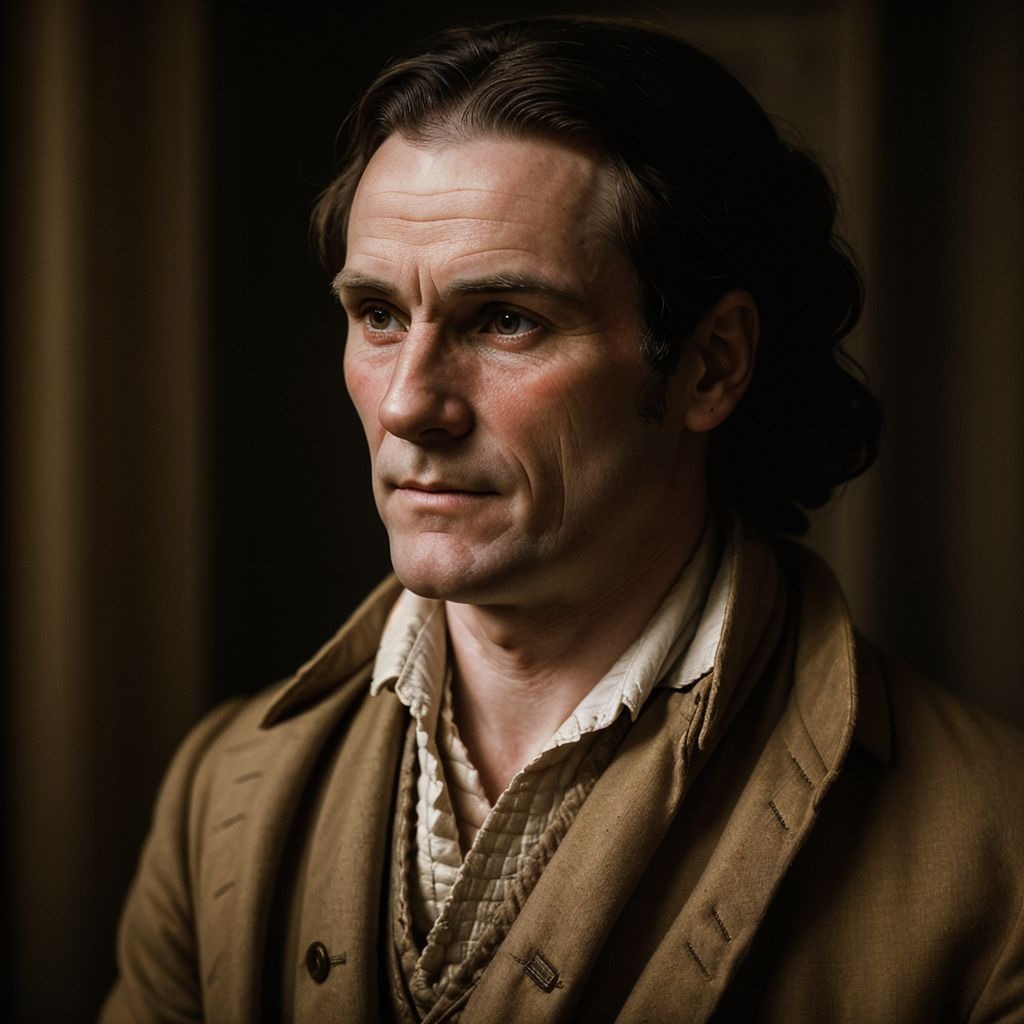
Robert Burns: A Life in Public Record

Penelope

Robert Burns was born in 1759 in Alloway, Ayrshire, into a family sustained by tenant farming. His father, William Burnes, leased marginal land and supplemented the household income through manual labor and instruction. Burns received irregular formal education, supplemented by extensive self-directed reading in English literature, Scots verse, and Enlightenment thought. From an early age, he participated in agricultural labor while composing verse in both Scots and English.

By the early 1780s, Burns began circulating poems within local networks in Ayrshire. These works drew on rural life, social hierarchy, and vernacular speech, employing Scots language in literary forms that had largely been excluded from formal publication. In 1786, he published Poems, Chiefly in the Scottish Dialect in Kilmarnock. The volume received immediate regional attention and led to invitations from literary patrons in Edinburgh.

Burns relocated to Edinburgh later that year, where a second, expanded edition of Poems was issued. The Edinburgh publication placed Burns within the city’s intellectual circles, including editors, publishers, and members of the Scottish Enlightenment. During this period, he produced new poems while revising earlier material. His work continued to employ satire, song, and narrative verse, often addressing religious hypocrisy, social inequality, and moral authority.

Alongside original compositions, Burns undertook extensive work collecting, revising, and adapting traditional Scottish songs. From 1787 onward, he contributed lyrics to projects such as The Scots Musical Museum, editing existing material and supplying original verses. This work emphasized oral tradition, musical performance, and the preservation of Scots language within song.

In 1788, Burns accepted a position as an excise officer, a role he maintained until his death. The appointment provided financial stability but limited his mobility. During this period, he continued to write poetry and correspondence, much of which survives in published letters. These documents record his literary activities, professional obligations, and engagement with publishers and editors.

Burns’s poetry from the late 1780s and early 1790s includes works such as “Tam o’ Shanter,” “Holy Willie’s Prayer,” and “To a Mouse.” These poems employ narrative voice, irony, and vernacular diction to address social behavior, moral judgment, and everyday experience. Religious institutions, class distinction, and authority figures appear frequently as subjects of satire.

Political references within Burns’s writing include expressions of Scottish identity, sympathy with republican ideals, and occasional allusions to Jacobite history. His correspondence records caution regarding public political alignment, particularly after government scrutiny of radical expression increased during the 1790s. Surviving letters indicate an awareness of the professional risks associated with overt political declaration.

Burns married Jean Armour in 1788, with whom he had several children. His domestic life remained closely tied to agricultural communities in Ayrshire and Dumfriesshire. Despite declining health, he continued literary work until his death in Dumfries in 1796 at the age of thirty-seven.

After his death, Burns’s poetry and songs were collected, edited, and widely disseminated. His work became embedded in Scottish cultural life through education, public recitation, musical performance, and annual commemorations. The surviving body of poems, songs, and correspondence constitutes the primary record through which his literary activity is known.

Burns’s writing remains central to the study of Scots language in literature and the preservation of vernacular poetic form within the British literary tradition.

Related Posts

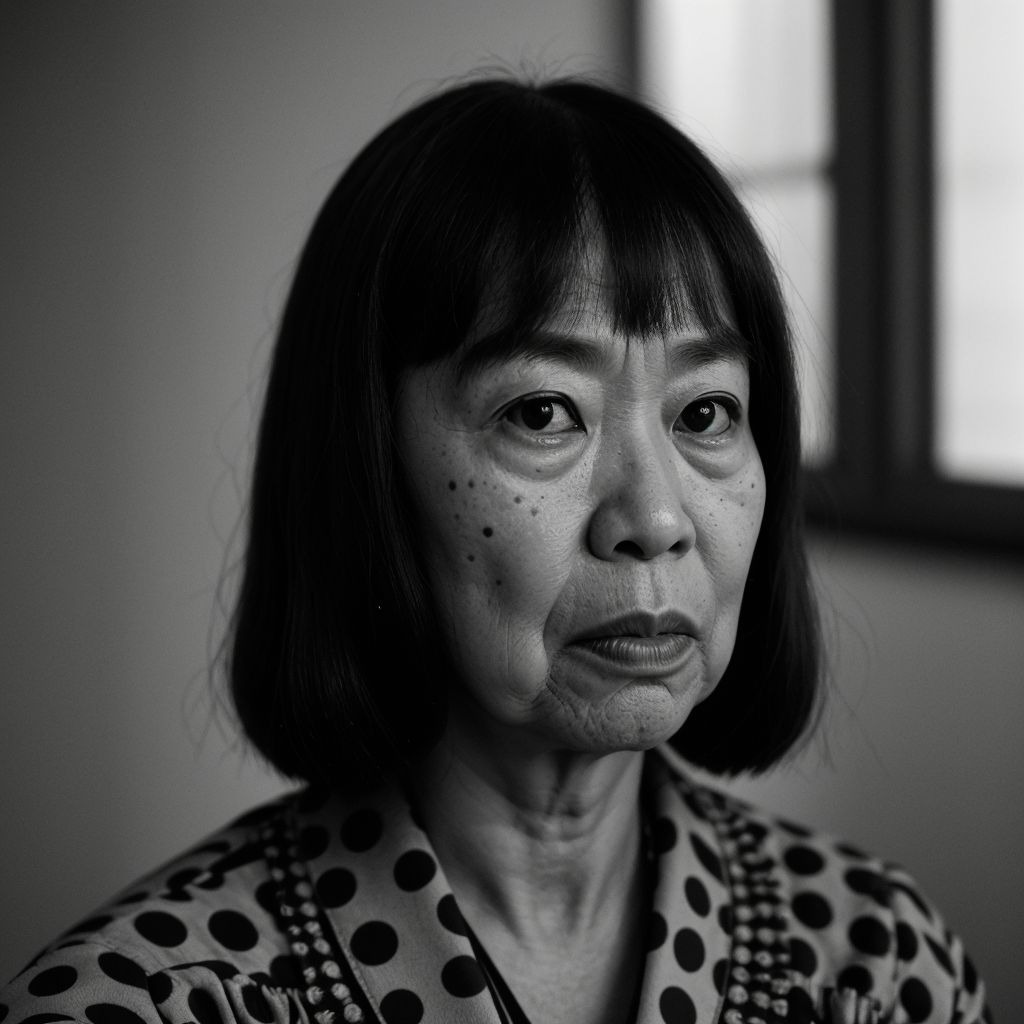
Yayoi Kusama: The Making of a Public Figure

Penelope

Yayoi Kusama was born in 1929 in Matsumoto, Japan, into a family involved in seed cultivation and commerce. From an early age, she produced drawings marked by dense fields of repeated marks, a practice that would remain central throughout her career. Formal training began at the Kyoto Municipal School of Arts and Crafts, where she studied Nihonga painting while privately rejecting its constraints.

In the late 1950s, Kusama left Japan for the United States, settling in New York City in 1958. Her early work there consisted of large-scale paintings built from repeated loops and nets, executed with methodical consistency. These works were exhibited in artist-run spaces and small galleries, circulating alongside the emerging practices of minimalism and postwar abstraction.

During the 1960s, Kusama became visible within New York’s avant-garde through performances, installations, and public actions. Works such as “Narcissus Garden,” first presented at the Venice Biennale in 1966, consisted of mirrored spheres arranged to reflect both surroundings and viewers. The piece entered the record through documentation and press response rather than institutional endorsement, establishing a pattern that would recur across her career.

Throughout this period, Kusama maintained contact with artists including Donald Judd and Joseph Cornell while operating largely outside formal movements. Her work appeared in exhibitions connected to happenings, experimental film, and performance art, often recorded through photographs and contemporaneous accounts rather than sustained gallery representation.

By the early 1970s, Kusama withdrew from the New York art world and returned to Japan. She entered psychiatric care voluntarily, where she has continued to live and work. From this point forward, her production became highly regularized, consisting of paintings, drawings, sculptures, and writings generated through disciplined repetition.

In the 1980s and 1990s, Kusama’s work began to re-enter international circulation through exhibitions in Europe and the United States. Large installations featuring mirrored environments and repeated forms were presented in museum contexts, supported by catalog essays and curatorial framing. These works were documented extensively, contributing to a consolidated public record of her practice.

By the early 21st century, Kusama had become one of the most widely exhibited living artists. Retrospectives at major institutions assembled decades of work into unified narratives centered on repetition, accumulation, and scale. Her installations, particularly the “Infinity Mirror Rooms,” entered popular circulation through museum attendance and photographic reproduction.

Alongside institutional exhibitions, Kusama’s imagery appeared in commercial collaborations and mass-produced objects. These materials extended her visual language beyond gallery contexts while remaining consistent with earlier formal strategies.

Across more than seven decades, Kusama’s work has remained structurally continuous. Repetition, serial production, and controlled variation define her output across media and time. The record of her career reflects persistence rather than transformation, with changes in scale and visibility emerging through shifts in institutional context rather than alterations in method.

Kusama continues to produce work within a tightly maintained routine. Her position within contemporary art rests not on stylistic evolution but on the sustained execution of a single visual discipline, carried forward across decades and recorded through exhibition, documentation, and public circulation.

Related Posts

Mary Wollstonecraft: A Career in Context

Penelope

Mary Wollstonecraft was born on April 27, 1759, in Spitalfields, London, into a family whose financial instability shaped much of her early life. Her father’s failed ventures and volatile temperament produced a household marked by uncertainty, forcing Wollstonecraft to develop independence at an unusually young age. Formal education for girls was limited, and hers consisted largely of basic instruction supplemented by extensive self-directed reading. Books became her primary intellectual refuge and the foundation of her later work.

By her early twenties, Wollstonecraft was supporting herself through employment as a companion and governess, roles that exposed her directly to the restricted lives and narrow expectations imposed on women across social classes. These experiences hardened her skepticism toward conventional ideas of femininity and obedience. They also informed her early conviction that women’s perceived inferiority was not natural but manufactured through deprivation of education and opportunity.

Her entry into London’s intellectual world accelerated after she began writing for The Analytical Review, where she worked as a translator, reviewer, and essayist. This professional foothold placed her in active conversation with political and philosophical debates surrounding reason, liberty, and revolution. Unlike many contemporaries who discussed universal rights while quietly excluding women, Wollstonecraft addressed the contradiction directly.

In 1787, she published Thoughts on the Education of Daughters, a work that challenged prevailing assumptions about women’s intellectual capacities and social purpose. Rather than advocating refinement or decorum, Wollstonecraft argued for practical education grounded in reason and moral responsibility. The book established the central thesis that would define her career: women were not born inferior but made so by design.

Her political engagement deepened during the upheavals of the French Revolution. While in France in the early 1790s, she observed revolutionary ideals tested against political reality, sharpening her understanding of how abstract rights could collapse when applied unevenly. It was in this context that she wrote A Vindication of the Rights of Woman in 1792, her most enduring work.

The Vindication rejected sentimental portrayals of women and instead demanded recognition of women as rational beings entitled to the same moral and intellectual development as men. Wollstonecraft did not argue for domination or reversal of gender hierarchy; she argued for equality grounded in shared human capacity. The book provoked immediate controversy, praised for its intellectual rigor and condemned for its refusal to soften its claims.

Her personal life during these years was unsettled. A relationship with American diplomat Gilbert Imlay resulted in the birth of her first daughter, Fanny, and ended in emotional and financial abandonment. The experience intensified Wollstonecraft’s understanding of women’s legal and social vulnerability, particularly within relationships governed by unequal power.

She continued writing despite personal hardship. A Short Residence in Sweden, Norway, and Denmark, published in 1796, blended travel writing with political and emotional reflection, revealing a more restrained and controlled prose style. The work demonstrated her capacity to integrate personal observation without surrendering intellectual discipline.

In 1797, Wollstonecraft married the political philosopher William Godwin. Their union was notable not for domestic convention but for its intellectual equality. Later that year, she gave birth to their daughter, Mary. Complications from childbirth led to Wollstonecraft’s death on September 10, 1797, at the age of thirty-eight.

After her death, Godwin published Maria, or The Wrongs of Woman, an unfinished novel that explored legal and marital injustice. He also published a memoir that, while intended as honest tribute, exposed details of Wollstonecraft’s personal life that shocked contemporary readers and temporarily damaged her reputation.

That reaction proved temporary. Over time, Wollstonecraft’s work regained recognition for its clarity, courage, and structural importance to feminist thought. Her insistence that women’s liberation depended on education, legal reform, and moral agency laid groundwork that later movements would expand rather than replace.

Mary Wollstonecraft did not write to inspire sentiment. She wrote to correct an error she believed had been allowed to stand too long. Her legacy rests not in symbolism but in argument, constructed carefully and delivered without apology.

Related Posts

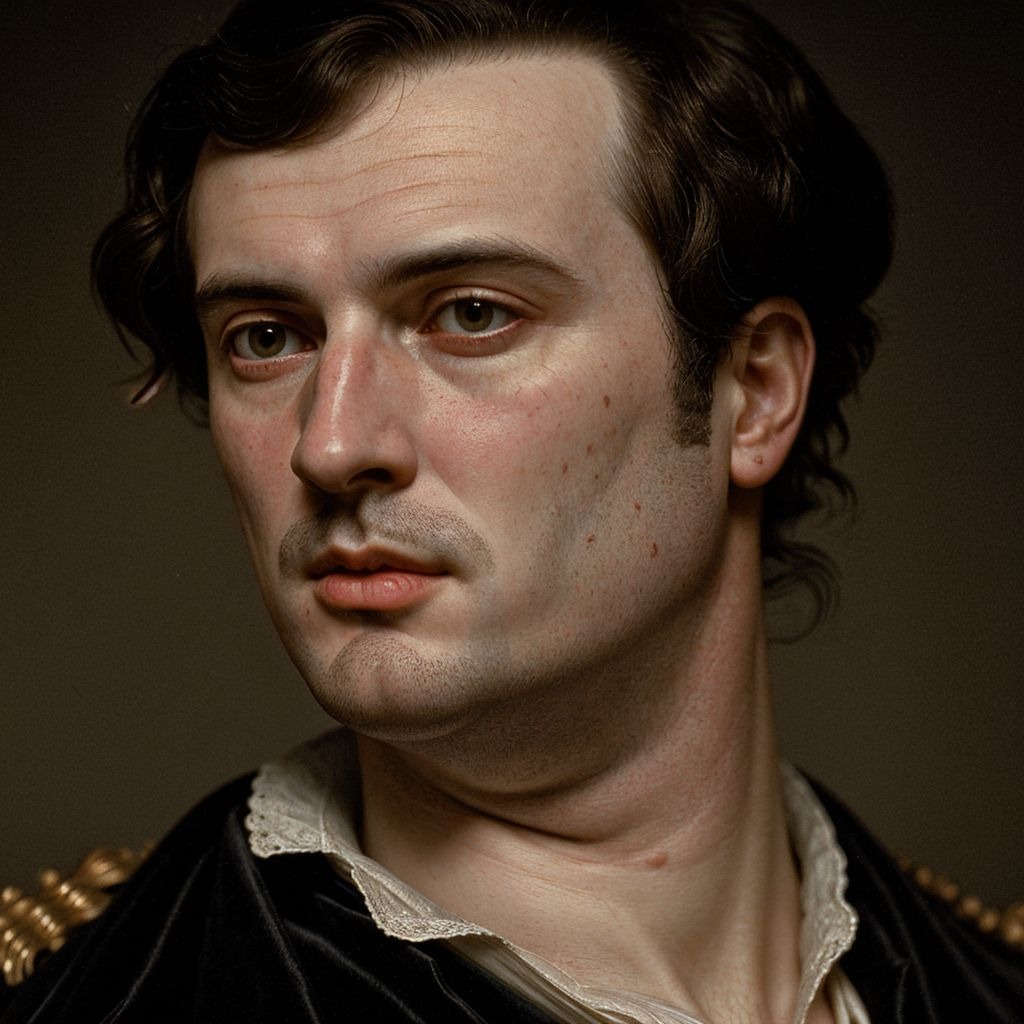
Lord Byron: Too Many Masks for One Face

Penelope

Lord Byron has been on my mind lately, probably because I’ve been re-reading his poetry. It’s not just the way he weaves words together that fascinates me – though, oh man, it’s like a masterclass in language. But it’s more than that. It’s the contradictions that make him hard to pin down.

I find myself drawn to people who can’t be neatly categorized. He was a member of the British aristocracy, but his views on politics and social justice were decidedly progressive for his time. He was known for his charisma and beauty, but he also struggled with addiction and depression. He’s often regarded as one of the greatest poets in English literature, yet his personal life was marked by scandal and controversy.

What gets me is how Byron seemed to revel in his contradictions. He wasn’t afraid to take risks or challenge societal norms, even if it meant being ostracized. In his poetry, I see a desire for freedom – not just from external constraints but also from the expectations placed on him as a member of the upper class.

I think about my own life, and how often I’ve felt trapped by the choices I’ve made or the paths I’m supposed to follow. As someone who’s just graduated from college, I’m expected to have it all figured out – career, relationships, adulting. But the truth is, I’m still figuring things out, and sometimes that feels like a luxury I can’t afford.

Reading Byron’s poetry makes me wonder if it’s okay to be messy and uncertain, even as an adult. Can I acknowledge my own contradictions and imperfections without feeling like I need to apologize for them? He wrote about being torn between his love of beauty and his disgust with the societal expectations that came with it. I feel like I’m stuck in a similar place – caught between the desire for stability and security, and the pull of something more authentic and true.

There’s this one line from “Don Juan” that keeps echoing in my head: “That men may be taught to hate, / They must be taught to love.” It’s a commentary on how we’re socialized to conform, to fit into predetermined roles. But what if I don’t want to fit? What if I’m tired of playing the game and just want to explore?

I know it sounds naive, but reading Byron makes me feel like maybe that’s okay – maybe it’s okay to question everything and take my own path, even when it means getting lost or finding myself in unexpected places. Maybe being a little bit messy is exactly what I need to find my way.

As I keep writing and re-reading his poetry, I’m struck by how much Byron’s work feels like an extension of himself – raw, honest, and unapologetic. And that’s what draws me in, I think: the willingness to be vulnerable and true, even when it’s uncomfortable or difficult.

I don’t know if I’ll ever find my own path, but reading Byron makes me feel less alone in feeling like I’m still searching.

As I delve deeper into Byron’s poetry, I start to notice a pattern – a thread that runs through his work, weaving together themes of identity, morality, and the human condition. It’s as if he’s constantly questioning himself, pushing against the boundaries of what’s acceptable, and exploring the complexities of being alive.

I find myself resonating with this impulse, feeling like I’m on a similar journey of self-discovery. The more I read his words, the more I realize that Byron’s poetry is not just about expressing emotions or telling stories – it’s about excavating the truth from within himself and sharing it with the world. He writes about his own contradictions, flaws, and fears, laying them bare for all to see.

In a way, it’s liberating to read someone who refuses to be tied down by societal expectations or personal biases. Byron’s poetry is like a mirror held up to humanity – imperfect, messy, and beautiful in its imperfections. I feel seen in his words, validated in my own struggles to find meaning and authenticity.

I start to wonder if this is what creative expression is all about – not just crafting a narrative or conveying emotions, but excavating the depths of one’s own soul and sharing that with others? Byron’s poetry feels like an act of courage, a willingness to be vulnerable and honest in the face of criticism or judgment. And yet, it’s precisely this vulnerability that makes his work so powerful, so relatable.

As I continue to read and write about Byron, I find myself grappling with the idea of identity – what does it mean to be oneself, especially when society seems to have its own ideas about who we should be? Byron’s poetry is full of characters who embody different aspects of himself, each one a fragment of his multifaceted personality. He writes about Don Juan, the charismatic rogue, and Childe Harold, the brooding romantic – both personas that reflect different sides of his own psyche.

I start to see myself in these characters, too – the parts of me that I’ve tried to hide or suppress, the aspects of my personality that don’t fit neatly into a predetermined mold. It’s as if Byron is giving me permission to be messy, to admit that I’m not just one thing, but many things at once. His poetry becomes a mirror, reflecting back all the contradictions and complexities that make up human experience.

In this moment, I feel like I’m on the cusp of something – a realization that’s been gestating inside me for a while now. It’s as if Byron has given me a key to unlock my own truth, to reveal the parts of myself that I’ve kept hidden or suppressed. And it’s terrifying and exhilarating all at once.

But what does this mean? What comes next? As I sit here with Byron’s words swirling in my head, I feel like I’m staring into the void – uncertain about which path to take, but willing to explore the unknown.

The uncertainty is suffocating, and yet, it’s also liberating. Reading Byron makes me realize that not having all the answers is okay, maybe even necessary. His poetry is a reminder that growth happens in the spaces between certainties, where questions and doubts reside.

I think about my own relationships – with friends, family, romantic partners – and how often I’ve tried to present myself as someone I’m not. The pressure to conform to expectations, to be likable or relatable, has led me down a path of self-doubt and people-pleasing. Byron’s poetry makes me wonder if it’s possible to be authentic in these relationships, to let go of the need for validation and instead speak from my own truth.

It’s not just about being true to myself; it’s also about allowing others to see me for who I am – messy, imperfect, and all. I think about how Byron’s poetry has been criticized for its perceived arrogance or self-indulgence. But what if that’s exactly what we need more of? What if our society is built on the idea that people should be palatable, likable, and easily digestible?

Reading Byron challenges me to rethink my own values and assumptions about identity, authenticity, and community. His poetry becomes a catalyst for self-exploration, urging me to confront my own contradictions and complexities head-on.

As I delve deeper into his work, I start to notice the ways in which Byron’s characters are both mirrors and foils to himself. They embody different aspects of his personality, but also serve as cautionary tales about the dangers of unchecked passion or ambition. It’s as if he’s creating a world where the lines between self and other are blurred, where the reader is forced to confront their own desires and flaws.

I feel like I’m stepping into this world, too – one that’s both familiar and foreign, comforting and terrifying all at once. Byron’s poetry becomes a guide, urging me to navigate these complexities with courage and curiosity. And as I write my way through his words, I start to see the contours of my own identity take shape – or rather, get dismantled and rebuilt anew.

What if being true to myself means embracing the parts that are messy, imperfect, and uncertain? What if it’s okay to be a work in progress, always evolving and growing? Byron’s poetry whispers these questions in my ear, echoing through the chambers of my mind like a gentle breeze on a summer day. And as I listen, I feel myself slowly opening up, revealing the depths of my own soul – all its contradictions, complexities, and mysteries – to the world.

As I continue to immerse myself in Byron’s poetry, I start to notice the ways in which he uses language to explore the human condition. His words are like a map, guiding me through the twists and turns of his own thoughts and emotions. He writes about love and loss, desire and despair, with a candor that is both breathtaking and humbling.

I find myself drawn to his use of metaphor and imagery – the way he can transform the mundane into the sublime, revealing hidden truths beneath the surface of everyday life. His poetry is like a key that unlocks the doors of perception, allowing me to see the world in all its beauty and ugliness.

But it’s not just his language that fascinates me – it’s also the way he uses his own experiences as fuel for his writing. He writes about his relationships, his addictions, his struggles with mental health, with a raw honesty that is both captivating and unsettling. It’s as if he’s sharing his deepest secrets with me, inviting me to join him on this journey of self-discovery.

As I read through his poetry, I start to see myself in his words – the parts of me that I’ve tried to hide or suppress, the aspects of my personality that don’t fit neatly into a predetermined mold. It’s as if Byron is giving me permission to be messy, to admit that I’m not just one thing, but many things at once.

I think about how often I’ve felt like I need to present myself in a certain way – like I need to be the “right” person, with the “right” answers and the “right” opinions. But Byron’s poetry makes me wonder if that’s even possible. Can we ever truly be ourselves, or are we always performing for others?

I start to see his characters as reflections of himself – fragmented personas that embody different aspects of his own psyche. Don Juan, the charismatic rogue; Childe Harold, the brooding romantic; Lady Waverley, the introspective poetess – each one a facet of Byron’s own complex personality.

And what about me? Am I like any of these characters? Or am I something entirely different? As I sit here with Byron’s words swirling in my head, I feel like I’m staring into the void – uncertain about which path to take, but willing to explore the unknown.

I think about how Byron’s poetry has challenged me to rethink my own values and assumptions about identity, authenticity, and community. His work is like a mirror held up to society, revealing all its flaws and contradictions. And yet, it’s precisely this vulnerability that makes his poetry so powerful – so relatable.

As I continue to read and write about Byron, I start to realize that his poetry is not just about him – it’s also about me. It’s about us – the messy, imperfect, uncertain beings that we all are. His words become a reminder that we’re not alone in our struggles, that others have walked this path before us.

And so, I keep writing – pouring my thoughts and emotions onto the page, letting Byron’s poetry guide me through the labyrinth of my own mind. It’s a journey without maps or certainties, but one that feels necessary all the same.

I don’t know what lies ahead – whether I’ll find answers or just more questions. But for now, I’m content to follow the thread of Byron’s words, seeing where they lead me. For in his poetry, I’ve found a reflection of myself – all my contradictions and complexities, messy and imperfect as they are.

Related Posts