Latest Articles

Bullets and Headlines: The Legend and Lies of Bonnie and Clyde

Elias Rowen

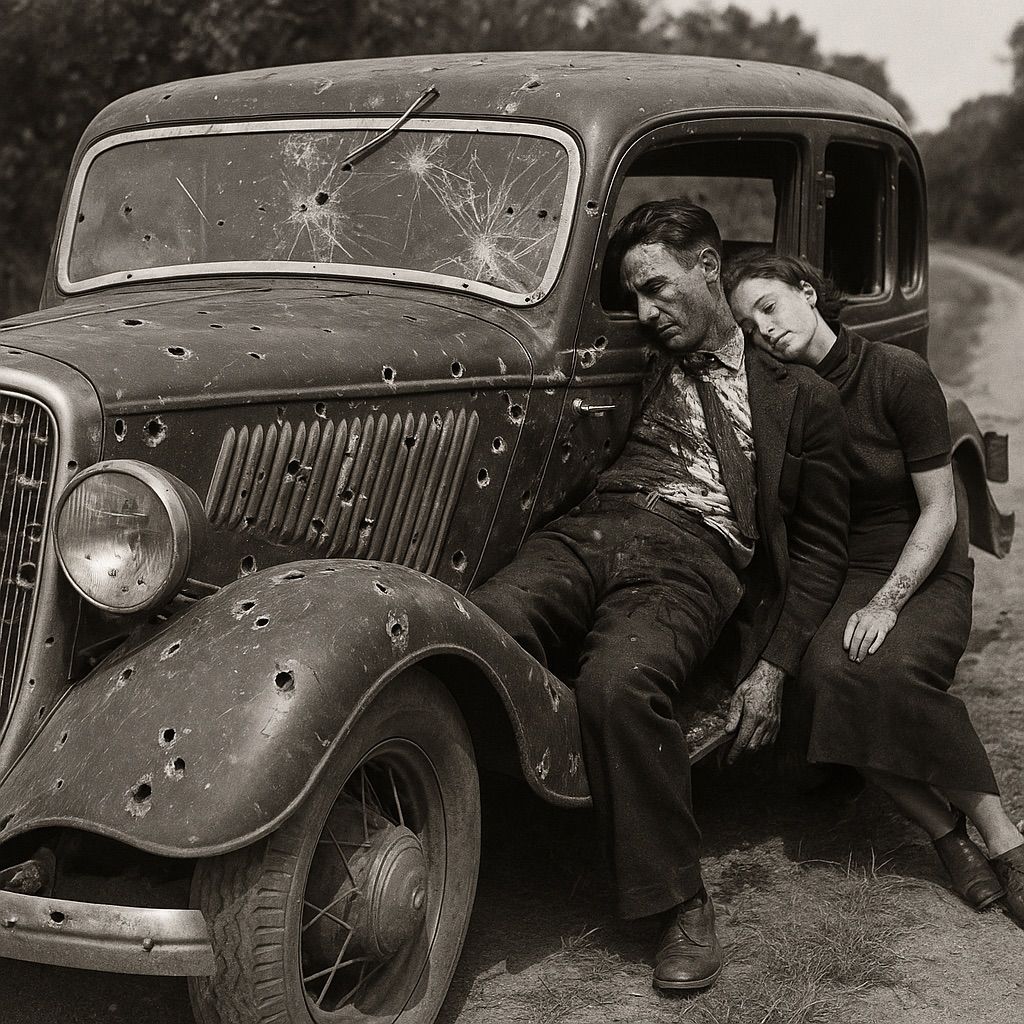
Early on May 23, 1934, a barrage of bullets tore through a Ford V8 on a Louisiana backroad. Inside were Bonnie Parker and Clyde Barrow—outlaws, lovers, and the most infamous fugitives of the Great Depression. They died instantly. America, meanwhile, had already turned them into legends.

Their crime spree spanned two years, from bank robberies to prison breaks to shootouts. But Bonnie and Clyde were never just criminals—they were symbols. To some, they were rebels sticking it to a broken system. To others, they were ruthless murderers. The truth was somewhere in between.

What made them iconic wasn’t just their crimes—it was the media. Newspapers devoured their story. Photographs of Bonnie with a cigar and pistol became instant tabloid fodder. Songs and poems romanticized their ride-or-die bond. In an era of economic despair, the pair offered a kind of outlaw fantasy—glamorous, doomed, and thrilling.

But their reality was brutal. They lived on the run, sleeping in cars, narrowly escaping death again and again. When law enforcement finally caught up, they left no room for capture.

The legacy of Bonnie and Clyde raises enduring questions. Why are we drawn to outlaws? When does a criminal become a cultural icon? And what does our fascination say about us?

Eighty years later, their story is still retold—through film, music, and headlines. In myth, they lived fast and died free. In truth, they were young, desperate, and lost to a cycle of violence they couldn’t escape.

Related Posts

In the Path of Fury: The 2011 Tornado Outbreak and the Human Toll

Elias Rowen

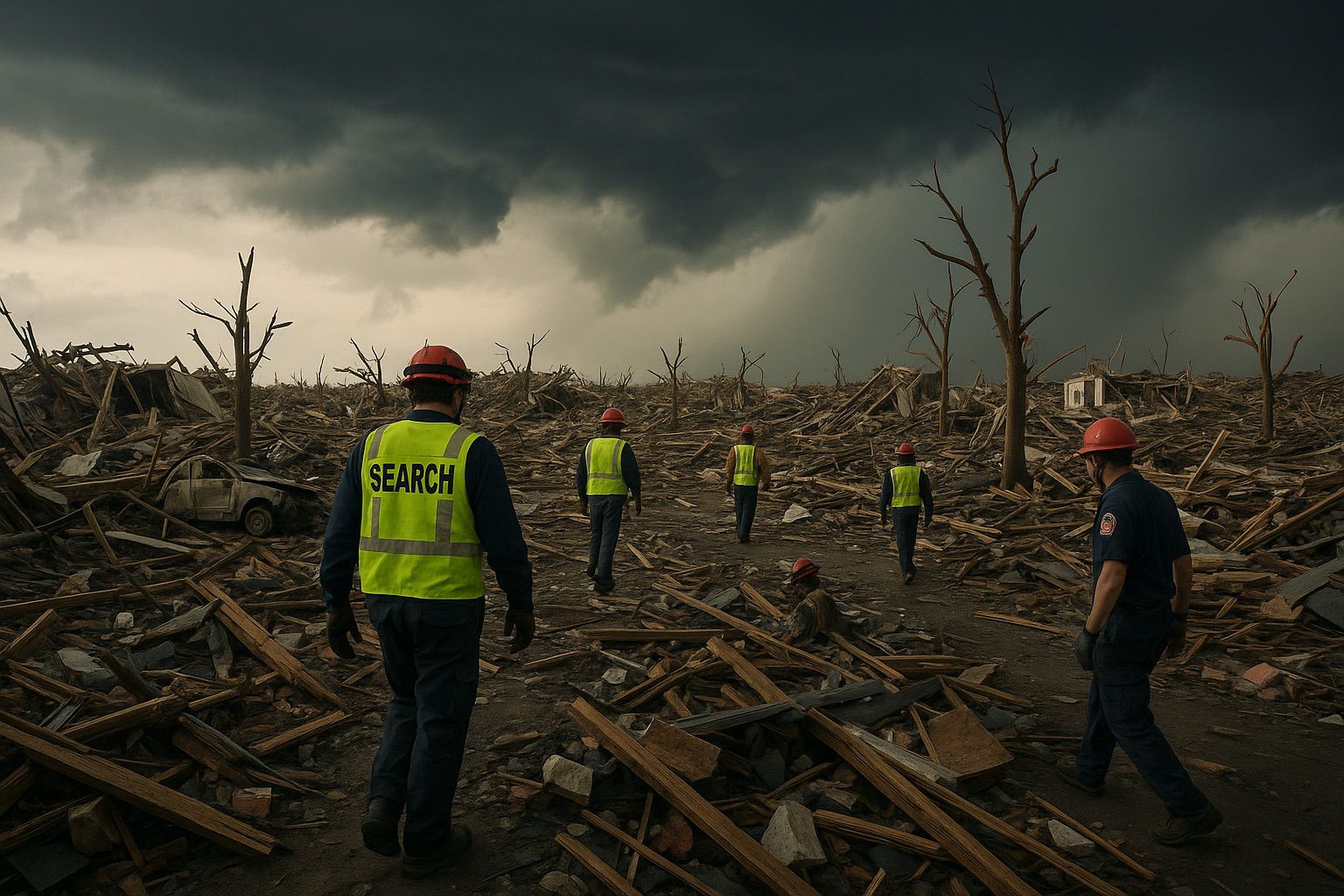
May 22, 2011. At 5:41 p.m., a monstrous EF5 tornado touched down in Joplin, Missouri. Within minutes, it carved a mile-wide scar across the town. Entire neighborhoods were flattened. Hospitals destroyed. Schools crushed. 161 people were killed. Thousands more were injured or left homeless.

It was one of the deadliest and most costly tornadoes in American history.

The Joplin tornado wasn’t just a freak act of nature—it was a wake-up call. The warning systems had worked, but many people underestimated the storm’s severity. Some hesitated. Some didn’t believe it would strike them. In a world where alerts buzz in our pockets and Doppler radar scans the skies, the human response is still a fragile link in the chain of safety.

What followed the devastation was both heartbreaking and inspiring. Search-and-rescue teams worked around the clock. Volunteers poured in. A shattered community came together not just to rebuild, but to rethink how cities prepare for the unimaginable. New building codes, shelter policies, and emergency response plans emerged from the wreckage.

The Joplin disaster forced scientists and policymakers to grapple with the changing face of extreme weather. Are these events becoming more intense? Are our cities ready? And what does resilience really mean?

The 2011 tornado outbreak was more than a storm. It was a mirror. It showed us how much we depend on each other when everything else falls apart—and how we must plan for a future where such storms may no longer be rare.

Related Posts

Wings Across the Atlantic: Amelia Earhart’s Skybreaking Flight

Elias Rowen

On May 21, 1932, after flying for over 14 hours through storms, icy winds, and instrument failures, Amelia Earhart landed her red Lockheed Vega in a pasture in Northern Ireland. She had just become the first woman to fly solo across the Atlantic Ocean. And with that, she didn’t just conquer the sky—she shattered the ceiling.

It wasn’t Earhart’s first brush with fame. In 1928, she had flown across the Atlantic as a passenger—the first woman to do so—but that achievement felt hollow to her. She wanted to fly it herself, to earn the title, not borrow it. And in 1932, she did exactly that. Alone.

Her flight was not only a feat of technical skill and endurance—it was a cultural event. At a time when women were still boxed into narrow roles, Earhart proved that determination, courage, and brilliance knew no gender. She became a role model overnight, not just for aspiring aviators but for women across the globe.

But Earhart was more than a pilot. She was an author, lecturer, and fierce advocate for women’s rights. She knew her fame gave her a platform, and she used it to push boundaries beyond aviation.

Her mysterious disappearance in 1937 only added to her mythos. But it is her life, not her loss, that continues to inspire. In every cockpit, classroom, and conversation about gender equality, the echoes of Amelia’s flight can still be heard.

Related Posts

Chains Broken, Strings Attached: Cuba’s Complicated Independence

Elias Rowen

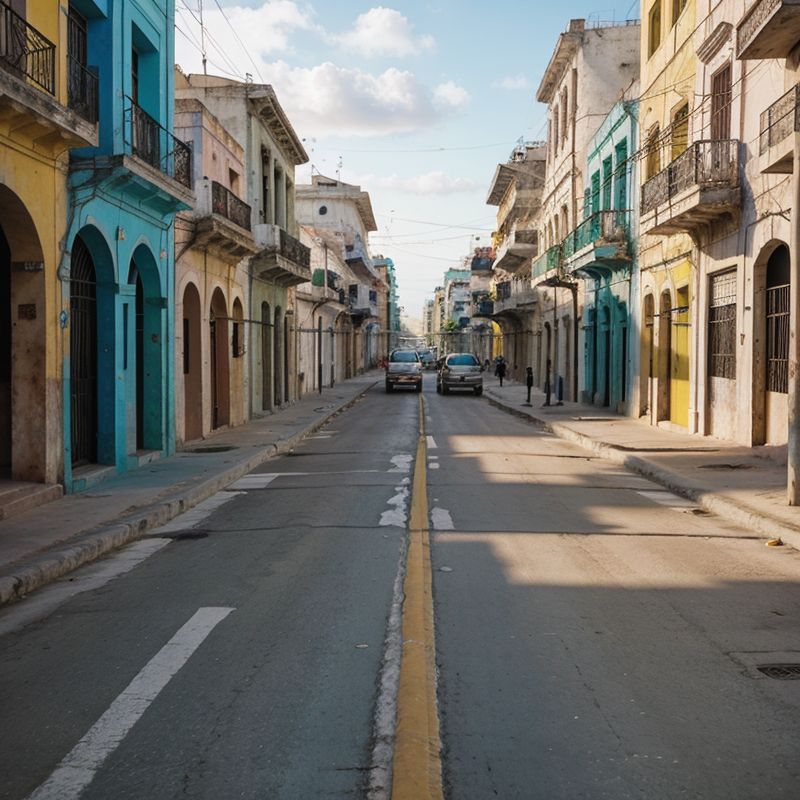
On May 20, 1902, the Cuban flag was raised over Havana, and the island officially became independent from U.S. military occupation. It should have been a moment of unambiguous freedom. After centuries of Spanish colonial rule and a costly war of liberation, Cuba was finally its own nation. Or so it seemed.

In reality, Cuba’s independence came with a long shadow. Although U.S. troops left the island, they did not leave it alone. The Platt Amendment, forced into the Cuban constitution, gave the United States sweeping powers to intervene in Cuban affairs and control its foreign policy. It also secured the perpetual lease of Guantánamo Bay.

For many Cubans, this was independence in name but not in substance. The U.S. held enormous economic influence over sugar production and trade. While the Cuban elite often benefited, the masses continued to struggle. Political instability, U.S.-backed dictatorships, and growing resentment laid the groundwork for future upheaval.

Cuban nationalism didn’t die—it simmered. It found new voice in the 20th century, culminating in the 1959 revolution that overthrew U.S.-aligned dictator Fulgencio Batista and brought Fidel Castro to power. That revolution, too, would spawn another complex chapter in Cuban identity and foreign relations.

Cuba’s independence day is a reminder that freedom is not just a flag or a treaty—it’s about sovereignty, dignity, and control over one’s future. In the story of Cuba, the road to true independence has been long, winding, and fiercely contested.

Related Posts

By Any Means Necessary: Malcolm X and the Fierce Urgency of Now

Elias Rowen

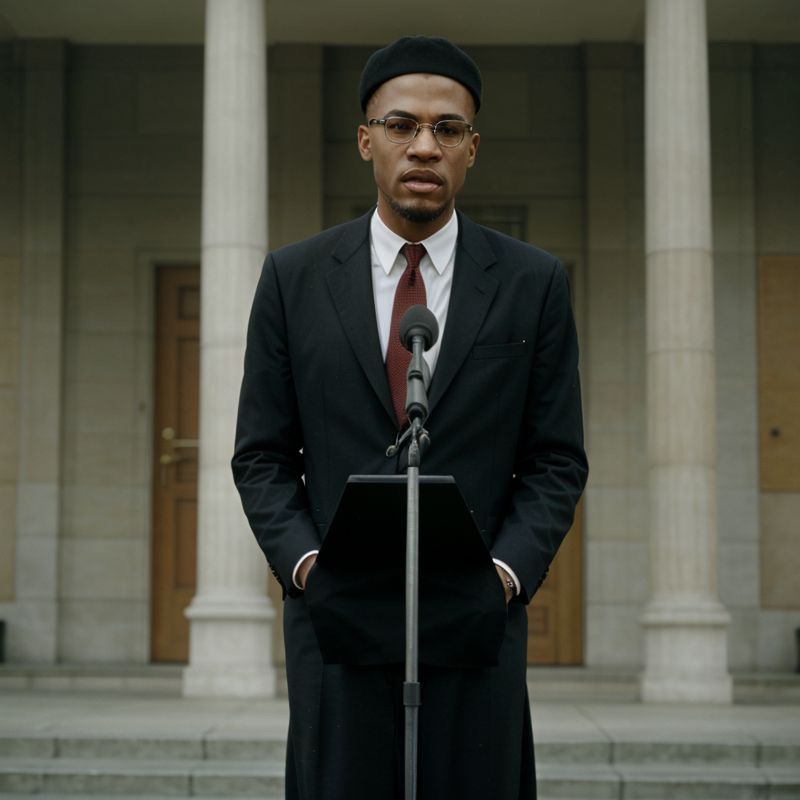
Born Malcolm Little on May 19, 1925, he would later become Malcolm X—a name and a voice that pierced through America’s conscience with unapologetic clarity. Where others sought gradualism, Malcolm demanded justice now. Where others asked, he declared. And in doing so, he became both revered and reviled.

Malcolm X’s early life was marked by instability, violence, and institutional racism. His father was likely murdered by white supremacists. His mother was institutionalized. He was imprisoned as a young man. But prison was also where he transformed—educating himself, converting to Islam, and emerging as a charismatic minister in the Nation of Islam.

To many, he was a prophet of Black pride. He didn’t ask for equality—he asserted it. He encouraged Black Americans to reclaim their identity, history, and strength. His call for self-defense in the face of systemic violence was radical to some, empowering to others.

But Malcolm’s journey was not static. After leaving the Nation of Islam in 1964, his worldview broadened. A pilgrimage to Mecca revealed to him a more inclusive vision of human unity. In his final year, he began building bridges—still fierce, still honest, but more expansive in his fight for justice.

Assassinated at just 39, Malcolm X left behind a legacy that is still unfolding. He forced America to confront uncomfortable truths. He refused to dilute his message for the sake of approval. And he remains, decades later, a symbol of resistance rooted in dignity.

To understand Malcolm is to understand the power of transformation—and the courage it takes to speak truth, even when the world isn’t ready to hear it.

Related Posts