Latest Articles

When the Mountain Spoke: Mount St. Helens and the Limits of Control

Elias Rowen

At 8:32 a.m. on May 18, 1980, the north face of Mount St. Helens exploded with the force of 500 atomic bombs. What had begun as a series of small earthquakes and venting plumes became the deadliest and most economically devastating volcanic eruption in U.S. history.

Fifty-seven people died. Hundreds of homes, bridges, and miles of road were destroyed. Ash turned daylight to dusk across eleven states. Entire forests were flattened. And for many, the serene image of a snow-capped peak in Washington State was replaced forever by a smoking crater and a lesson in humility.

The warning signs had been there—rumbles beneath the surface, growing bulges on the mountain’s flank—but predicting the moment of eruption proved elusive. Scientists and emergency officials worked urgently, sometimes at odds with loggers and locals who didn’t want to abandon their land. It was a tragic example of how even with all our technology and planning, nature still holds the upper hand.

Yet amid the destruction, stories of survival and resilience emerged. Emergency crews raced into danger. Geologists gained invaluable insights into volcano behavior. And the landscape itself began a slow rebirth, offering scientists a rare laboratory of natural regeneration.

Mount St. Helens was not just a geological event—it was a cultural shock. It reminded a modern nation that even in the age of satellites and seismic networks, nature can still catch us off guard. And it reinforced a timeless truth: respect for the earth must always include an understanding of its raw, unpredictable power.

Related Posts

Unanimous Justice: The Day the Wall Began to Crack

Elias Rowen

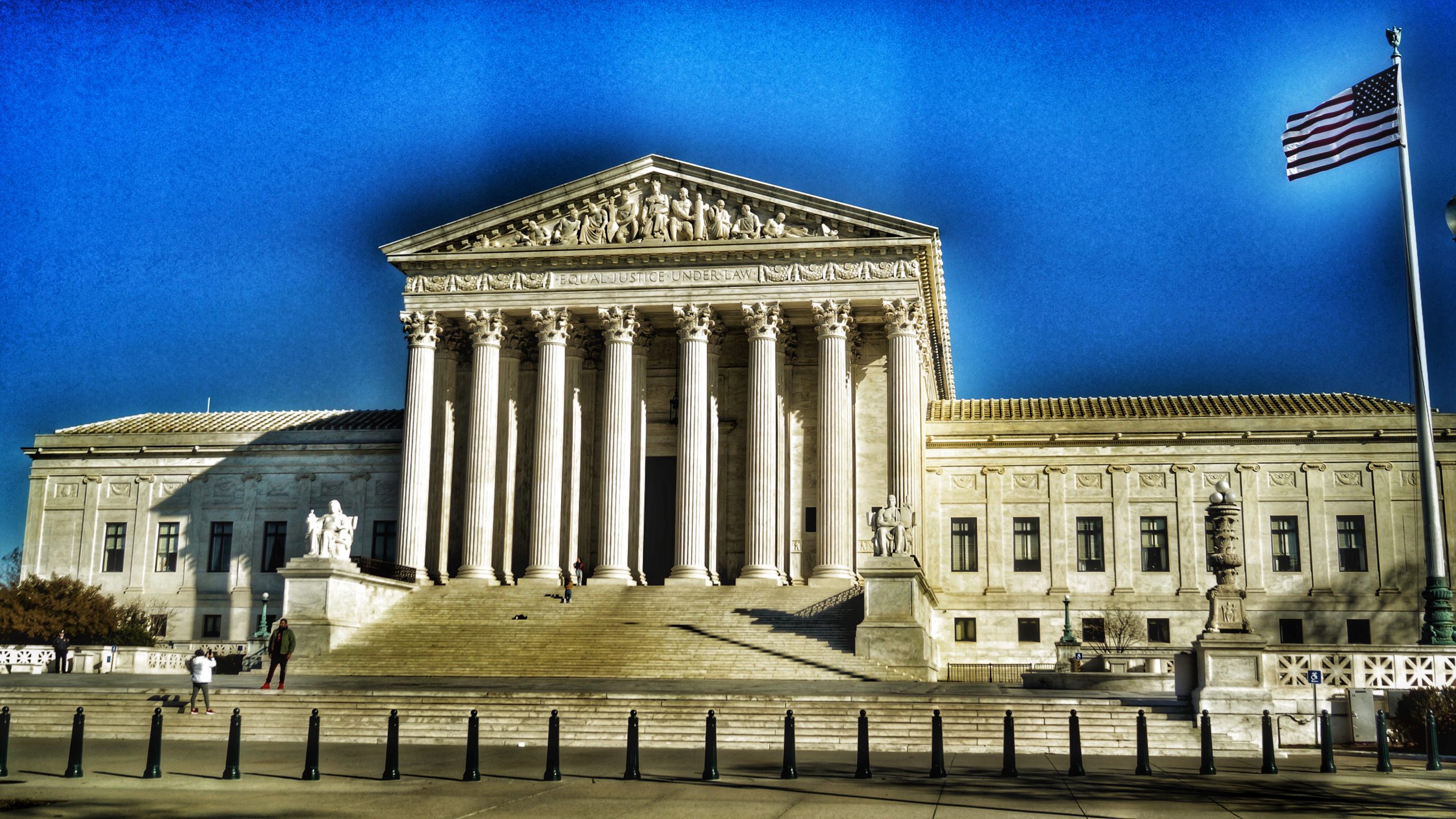
On May 17, 1954, the United States Supreme Court did something monumental: it unanimously declared that racial segregation in public schools was unconstitutional. The case—Brown v. Board of Education—didn’t just overturn a legal precedent. It cracked the very foundation of institutional racism in America.

For decades, Plessy v. Ferguson (1896) had held that “separate but equal” was acceptable. But in reality, nothing about segregation was equal. Black children were often educated in crumbling schools with outdated books and underpaid teachers, while white students enjoyed vastly better conditions. The message was clear: some children mattered more than others.

Thurgood Marshall, the lead attorney for the plaintiffs (and future Supreme Court Justice), knew this case had the power to reshape the country. And Chief Justice Earl Warren, in his eloquent opinion, stated plainly that separate educational facilities are “inherently unequal.” Those words reverberated far beyond the courtroom.

But the ruling, though transformative, was not magic. Resistance followed swiftly. In many Southern states, desegregation was delayed, defied, or violently opposed. Black students—like the Little Rock Nine—would need federal troops to escort them into classrooms. The law had changed, but hearts and systems lagged behind.

Brown v. Board lit the torch for the modern civil rights movement. It inspired generations to march, sit in, speak out, and demand the promise of equality. It told Black Americans that the Constitution was supposed to include them, too.

Even today, the echoes of this decision are heard in debates about education, opportunity, and justice. Brown v. Board was more than a legal victory—it was a moral one.

Related Posts

The Gilded Cage: Marie Antoinette, Marriage, and the Machinery of Revolution

Elias Rowen

On May 16, 1770, a 14-year-old Austrian archduchess named Maria Antonia walked into a gilded future. Her marriage to the Dauphin of France, the future Louis XVI, was a diplomatic union meant to solidify peace between Austria and France. It was a wedding not of love, but of strategy. And though her crown would glitter, the path ahead would be anything but golden.

Marie Antoinette was never just a queen—she was a symbol. To the French elite, she represented elegance and opulence; to the starving masses, she came to embody everything wrong with the monarchy. Her reputation, fair or not, was shaped by whispers, pamphlets, and propaganda. The famous phrase “Let them eat cake”—likely never uttered by her—became shorthand for aristocratic indifference.

The marriage itself was strained by youth, inexperience, and political expectation. As queen, Antoinette struggled to adapt to Versailles, a place obsessed with appearances and rituals. She sought escape in fashion, theatre, and the quiet of Petit Trianon. But public perception hardened. In a nation boiling with inequality and debt, her every move—every jewel, every party—seemed like an insult.

By the time the French Revolution erupted, Marie Antoinette was more than a woman—she was a lightning rod. Her fall was inevitable, but it was also tragic. Executed in 1793, she met her end with dignity, leaving behind a legacy more complex than caricature.

Marie Antoinette’s marriage wasn’t just a royal affair; it was the beginning of a chain of events that would shake the thrones of Europe. Her life invites us to ask: when a symbol of power is hated more than understood, who pays the price?

Related Posts

The Nakba: When Home Became Memory

Elias Rowen

On May 15, 1948, as Israel celebrated its birth, hundreds of thousands of Palestinians began a long, painful journey into exile. What for some marked a new beginning, for others became the end of home as they knew it. They call it al-Nakba—”the catastrophe.”

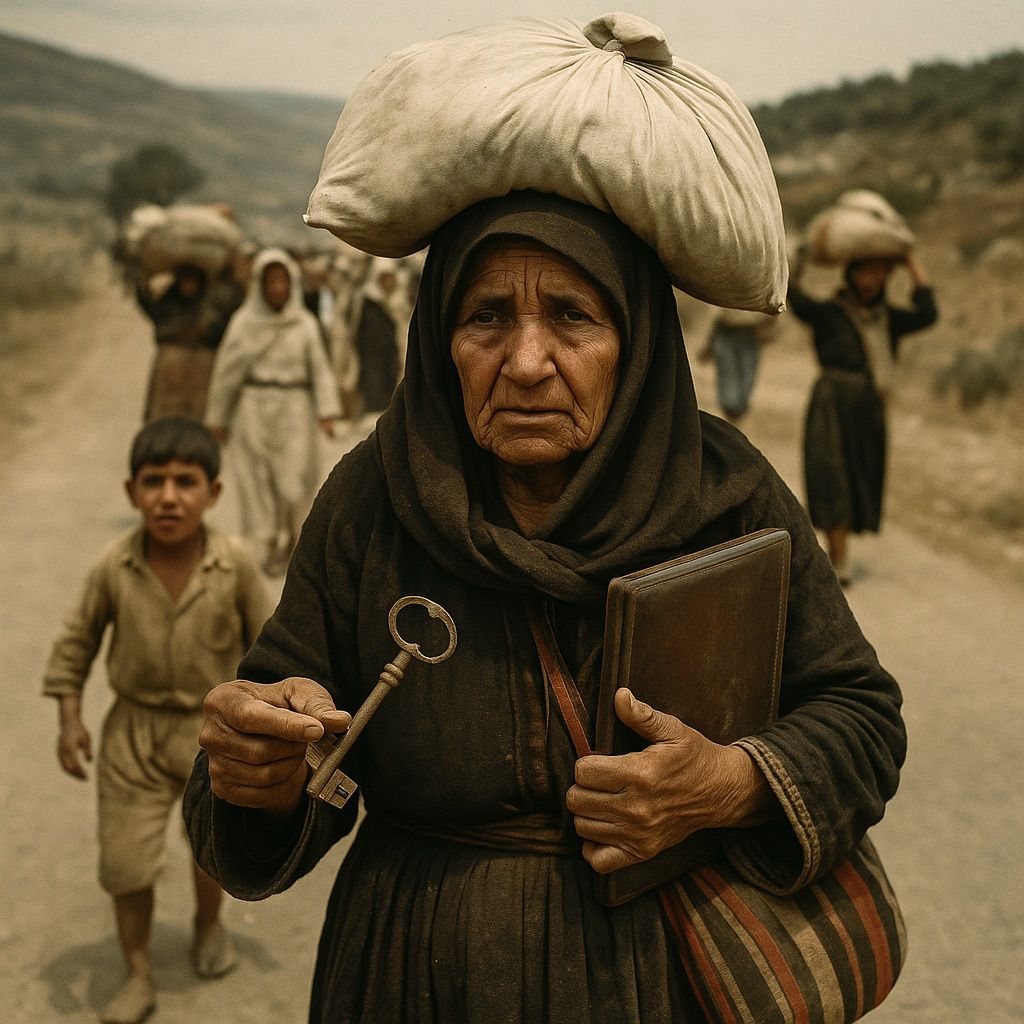
By the time the guns quieted, over 700,000 Palestinians had fled or been expelled from their towns and villages. Some left amid chaos and fear. Others were forced out at gunpoint. In their hands, they carried house keys, deeds, and family heirlooms—symbols of a life they believed they would soon return to. Decades later, many of those keys remain, passed down like sacred relics, though the doors they once opened no longer stand.

The Nakba was not just a singular event—it was the beginning of one of the most enduring refugee crises in modern history. Families were scattered across Lebanon, Jordan, Syria, the West Bank, Gaza. Refugee camps meant for temporary shelter became permanent cities of limbo. And with every passing generation, identity hardened around loss, resistance, and longing.

The global community has often viewed the Palestinian displacement as a geopolitical issue. But at its heart, the Nakba is a human story. It is about grandmothers still speaking of the olive trees in their lost villages, children learning about a land they’ve never seen, and entire communities built around the fragile hope of return.

The Nakba reminds us that behind every refugee statistic is a home that vanished, a story interrupted, and a future reshaped by forces beyond one’s control. It challenges the world not only to acknowledge historical trauma but to reckon with the enduring wounds of unresolved injustice.

Related Posts

A Homeland Born in Fire: The Founding of Israel and Its Unfinished Story

Elias Rowen

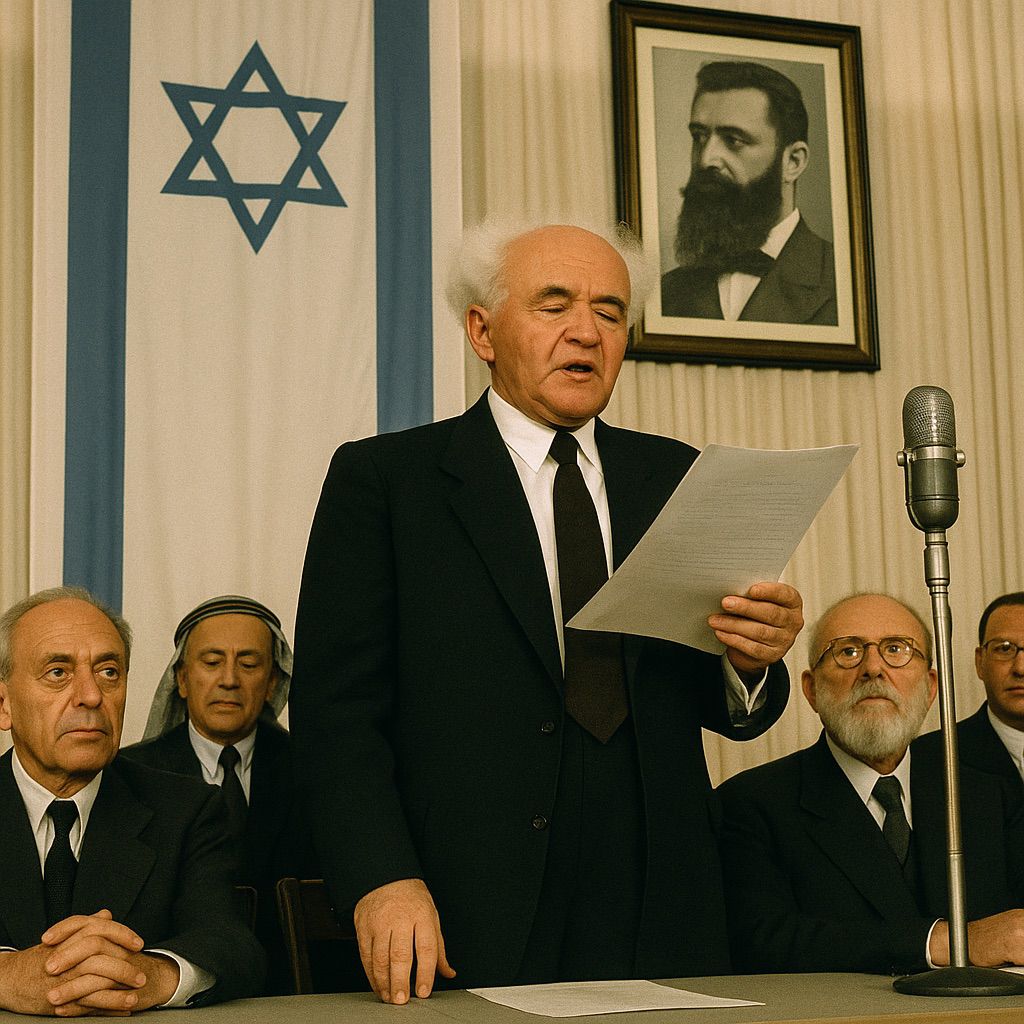
On May 14, 1948, David Ben-Gurion stood in Tel Aviv and declared the establishment of the State of Israel. For many Jewish people around the world—especially Holocaust survivors—it was a moment of hope, a long-awaited return to a homeland. Yet for others, particularly the Palestinians who lived there, it marked the beginning of displacement, dispossession, and decades of conflict.

The birth of Israel was not a clean line drawn on a map—it was a rupture. Arab nations rejected the UN partition plan, and war erupted within hours of the declaration. By the time the fighting ended, over 700,000 Palestinians had become refugees. To Israelis, it was a war of independence. To Palestinians, it was the Nakba—the catastrophe.

The conflict that began in 1948 has echoed through generations. Borders shifted, treaties were signed and broken, uprisings flared, peace processes faltered. The land itself—sacred to Jews, Christians, and Muslims alike—remains contested ground. It is a place where history is not just remembered but relived, where every stone and settlement carries centuries of meaning and pain.

And yet, amid the tragedy, there is humanity. There are Israelis and Palestinians who work side by side for peace, who dream of a future beyond fences and fire. There are children growing up who deserve a story different from their parents’—one of shared dignity rather than separation.

The founding of Israel is not just an Israeli story. It is a global one, wrapped in questions of identity, justice, trauma, and belonging. Seventy-seven years later, the world still watches, still hopes, and still struggles to help write a chapter that might finally bring resolution.

Related Posts